AGI

Search documents
AI圈四杰齐聚中关村,都聊了啥?
首席商业评论· 2026-01-11 04:57
Core Viewpoint - The AGI-Next summit organized by Tsinghua University gathered leading figures in the AI field, discussing the future of AI and the transition from conversational models to task-oriented models [2][4]. Group 1: Development of AI Models - The evolution of AI models has progressed from simple tasks to complex reasoning and real-world applications, with expectations for significant advancements by 2025 [9][10]. - The introduction of Human-Level Evaluation (HLE) tests the models' generalization capabilities, indicating a shift towards more complex problem-solving abilities [10][11]. - The current focus is on enhancing models' reasoning and coding capabilities, moving from dialogue-based interactions to practical applications [12][14]. Group 2: Challenges and Innovations - The challenges in reinforcement learning (RL) include the need for human feedback and the risk of models getting stuck in local optima due to insufficient data [11][18]. - Innovations such as RL with verifiable environments (RLVR) aim to allow models to learn autonomously and improve their performance in real-world tasks [11][12]. - The development of a new asynchronous reinforcement learning framework has enabled parallel task execution, enhancing the training efficiency of models [15]. Group 3: Future Directions - Future AI models are expected to incorporate multi-modal capabilities, memory structures, and self-reflective abilities, drawing parallels to human cognitive processes [21][22][23]. - The exploration of new paradigms for AI development is crucial, focusing on scaling known paths and discovering unknown paths to enhance AI capabilities [27][28]. - The integration of advanced optimization techniques and linear attention mechanisms is anticipated to improve model performance in long-context tasks [44][46]. Group 4: Industry Impact - The advancements in AI models are positioning Chinese companies as significant players in the global AI landscape, with open-source models gaining traction and setting new standards [19][43]. - The collaboration between academia and industry is fostering innovation, with companies leveraging AI to enhance productivity and address complex challenges [56][57].

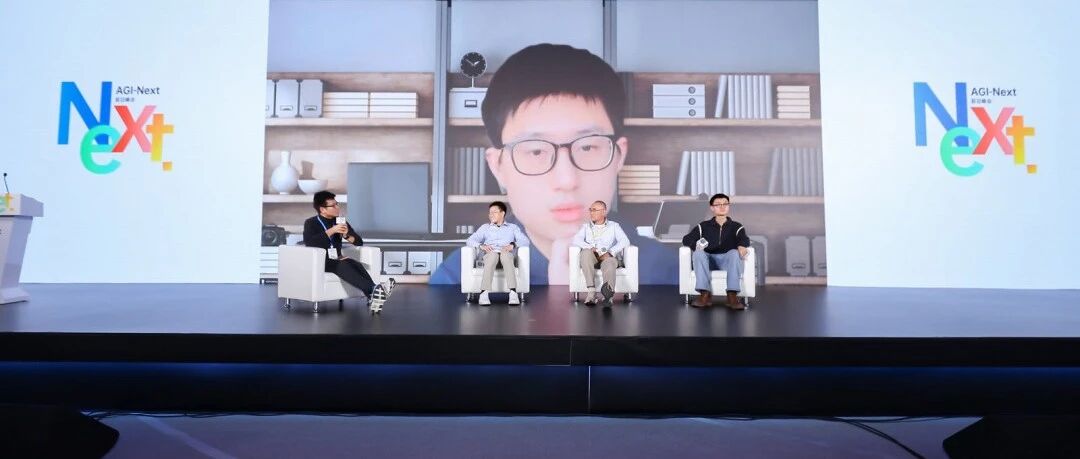
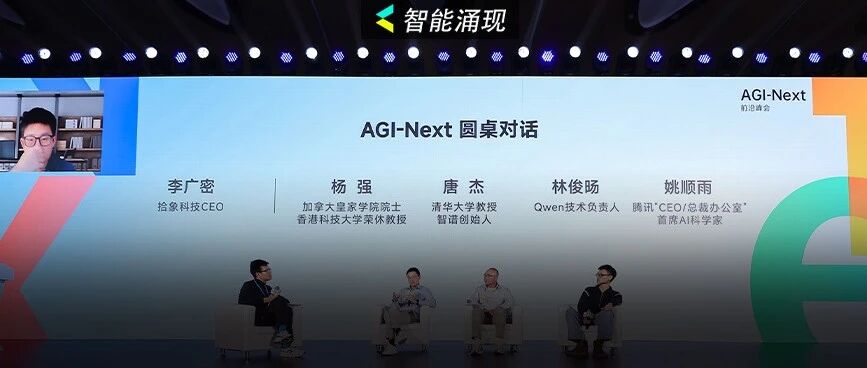
唐杰、杨植麟、姚顺雨、林俊旸罕见同台分享,这3个小时的信息密度实在太高了。
创业邦· 2026-01-11 03:22
Core Insights - The event AGI-NEXT featured prominent speakers from the AI industry, highlighting the rapid evolution of AI models and the shift from chat-based interactions to action-oriented applications [7][8][12][16]. - The discussion emphasized the importance of model differentiation, with a focus on the unique value each model brings based on its design and underlying philosophy [20][21][30]. - The panelists noted that the future of AI will involve a significant shift towards productivity-enhancing applications, particularly in the To B (business) sector, where higher intelligence models are increasingly valued [32][33][62]. Group 1 - The event AGI-NEXT showcased key figures in AI, including representatives from major companies, indicating a strong interest and investment in AI development [6][9][12]. - The discussions revealed that the competition in AI is shifting from merely creating chat models to developing models that can perform specific tasks effectively [16][18]. - The concept of "Taste" in AI models was introduced, suggesting that the uniqueness of each model's design will lead to diverse outcomes in intelligence and application [20][21]. Group 2 - The panelists discussed the clear differentiation between To C (consumer) and To B (business) applications, with a notable increase in the demand for high-performance models in the business sector [31][32][62]. - The conversation highlighted the importance of context in AI applications, suggesting that user-specific inputs can significantly enhance the value provided by AI systems [36]. - The potential for AI to revolutionize productivity in various sectors was emphasized, with predictions that AI could significantly impact GDP growth in the future [62][63]. Group 3 - The discussion on model differentiation pointed out that while consumer applications may not require the highest intelligence, business applications are increasingly reliant on superior models for productivity [32][33]. - The panelists expressed optimism about the future of AI, predicting that advancements in model efficiency and the emergence of new paradigms will lead to significant breakthroughs by 2026 [56][59]. - The importance of education and user training in maximizing the benefits of AI tools was also highlighted, suggesting that those who can effectively utilize AI will have a competitive advantage [63].
机器人产业跟踪:从CES看 简单量产叙事将边际变弱 AGI叙事将边际变强
Xin Lang Cai Jing· 2026-01-11 00:32
风险提示 厂商生产不及预期、场景需求落地不明确导致低于预期、国家政策变化导致行业发展放缓、行业融资不 及预期、模型发展和数据采集慢于预期、订单执行效果低于预期、产品降价风险。 看好具备构建大脑能力的领跑公司及产业链。相比于快速上量,我们认为国家也在引导大脑能力的建 设。近期国家发改委提到要着力防范重复度高的产品"扎堆"上市、研发空间被压缩等风险;支持企业、 高校、科研机构等围绕"大小脑"模型协同、云侧与端侧算力适配、仿真与真机数据融合等技术进行攻 关,解决产业卡点堵点问题。我们认为两类领跑型公司具有投资机会,第一类是特斯拉核心产业链,特 斯拉官宣在自研世界模型中训练Optimus,第二类是具有垂直场景的本体公司,场景应用有利于数据和 模型的积累。 人形机器人在近期CES 展中大放异彩,我国产业链快速发展,具有极强的竞争力。向前看,我们认为 简单机器人的量产对投资的影响会边际变弱,但AGI 的叙事有望边际变强,看好具备构建大脑能力的 领跑公司及产业链,包括特斯拉核心产业链和具有垂直场景的本体公司。相关标的:拓普集团 (601689,买入)、三花智控(002050,买入)、五洲新春(603667,买入)、恒立液压 ...

罕见集齐姚顺雨、杨植麟、唐杰、林俊旸 清华这场AI峰会说了啥
2 1 Shi Ji Jing Ji Bao Dao· 2026-01-10 15:27
Core Insights - The AGI-Next summit gathered prominent figures in the AI industry to discuss new paradigms, challenges, and opportunities for Chinese large model companies [1] - Key discussions included advancements in AI technology, particularly focusing on token efficiency and long-context capabilities for the Agentic era [3] Group 1: AI Market Dynamics - The Chinese and U.S. large model markets exhibit significant differentiation, with distinct underlying logic for To C and To B markets [4] - In the To C market, users generally do not require high intelligence, and applications like ChatGPT are viewed as enhanced search engines [4] - Conversely, the To B market shows a strong willingness to pay for high-performance models, with top-tier models commanding subscription fees of $200/month, while lower-tier models attract little interest [5] Group 2: Model Development and Competition - The future competitive edge lies in capturing context rather than merely competing on model parameters, emphasizing the importance of understanding user preferences and real-time states [5] - Companies with large internal teams can leverage their own data for model validation, contrasting with startups that rely on external data sources [5] - The development of autonomous learning is seen as a potential area for growth, although current attempts have not yet yielded groundbreaking results due to a lack of pre-training capabilities [6] Group 3: Future AI Paradigms - The next generation of AI paradigms may focus on autonomous evolution and proactive capabilities, with concerns about safety and ethical implications [7] - Memory technology is expected to evolve linearly, with breakthroughs anticipated in the near future as algorithms and infrastructure improve [8] - The gap between academia and industry in AI innovation is narrowing, with universities increasingly equipped to contribute to advancements in large models [9] Group 4: AI Agent Development - The evolution of AI Agents is viewed as a critical change for the AI industry, moving from human-defined goals to AI autonomously defining objectives [11] - The ability to address long-tail problems is identified as a core capability for general AI Agents, which is currently a challenge [11] - Commercialization of AI Agents faces hurdles related to value, cost, and speed, necessitating a balance between solving valuable human tasks and managing operational costs [12]
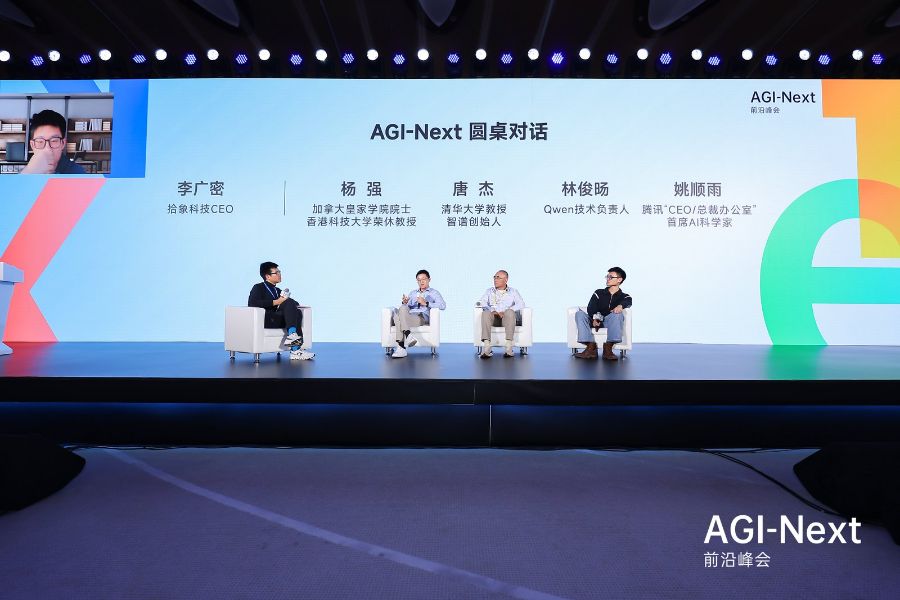
唐杰/杨植麟/林俊旸/姚顺雨罕见同台,“基模四杰”开聊中国AGI
Xin Lang Cai Jing· 2026-01-10 14:44
Core Insights - The AGI-Next conference highlighted the competitive landscape of AI in China, focusing on the importance of foundational models and their impact on future business strategies [4][5] - Key players in the AI industry, including Zhiyuan, Tencent, and Alibaba, are exploring different paradigms for AGI, emphasizing the need for new metrics to evaluate model intelligence [6][7] - The discussion revealed a consensus on the increasing differentiation between consumer (ToC) and business (ToB) applications of AI, with distinct strategies for each segment [11][12] Group 1 - The AGI-Next conference featured prominent figures in China's AI sector, including Zhiyuan's founder Tang Jie and Tencent's newly appointed chief scientist Yao Shunyu, indicating a significant gathering of industry leaders [4][5] - The conference underscored the belief that the capabilities of foundational models will determine the success of future AI ventures, with a focus on maintaining a leading position in model development [5] - Tang Jie expressed concerns that the gap between Chinese and American models may not be closing, as many American models remain closed-source [5][6] Group 2 - The participants discussed the evolution of AI paradigms, with Tang Jie suggesting that the exploration of conversational models has reached its peak, and future efforts should focus on coding and reasoning capabilities [6][7] - Yao Shunyu emphasized the importance of scaling not just in computational power but also in architecture and data optimization to enhance model performance [6][7] - The need for new standards to measure AI intelligence was highlighted, with concepts like Token Efficiency and Intelligence Efficiency being proposed as metrics [7][41] Group 3 - The differentiation between ToC and ToB applications was a key theme, with Yao Shunyu noting that while ToC requires strong integration of models and products, ToB focuses on enhancing productivity through the best models available [11][12] - Lin Junyang pointed out that the success of AI applications depends on understanding real user needs, suggesting that effective communication with enterprise clients is crucial for developing successful AI solutions [8][12] - The conversation also touched on the potential for AI to automate significant portions of human work, particularly in the ToB sector, where higher model intelligence correlates with increased revenue [43][44] Group 4 - The participants acknowledged the challenges of deploying AI models effectively, with a focus on the need for better education and training to maximize the benefits of AI tools [44][57] - The discussion included insights on the importance of collaboration between academia and industry to address unresolved questions in AI research, such as the limits of intelligence and resource allocation [20][21] - The potential for new paradigms in AI, such as continuous learning and memory integration, was identified as a critical area for future exploration [38][40]
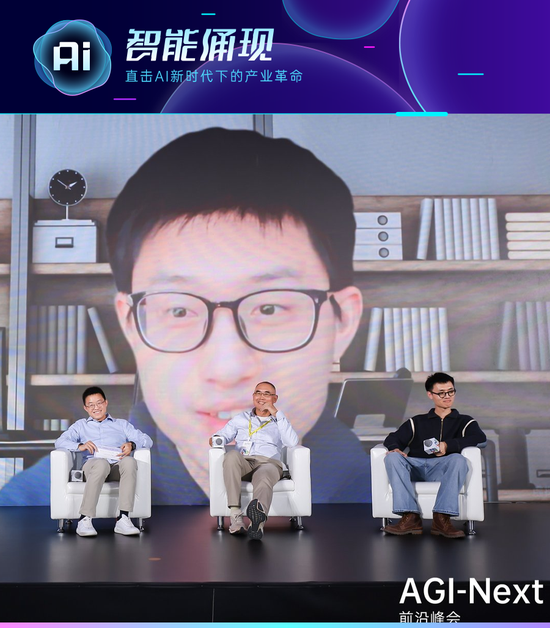
唐杰、杨植麟、林俊旸、姚顺雨罕见同台,「基模四杰」开聊中国AGI
36氪· 2026-01-10 14:14
Core Insights - The article discusses the emergence of AI and its impact on various industries, highlighting the importance of foundational models in determining competitive advantages in the AI landscape [5][6][7]. Group 1: Key Players and Developments - The AGI-Next summit featured key figures from major Chinese AI companies, including Zhiyuan, Tencent, and Alibaba, emphasizing their roles in advancing foundational models [5]. - The discussion revealed a consensus that the capabilities of foundational models will dictate future competition, with a focus on becoming the next major entry point in the AI market [5][6]. Group 2: Paradigm Shifts in AI - The article notes a shift in AI exploration paradigms, with a focus on new metrics for measuring model intelligence, such as Token Efficiency and Intelligence Efficiency [7][8]. - The participants agreed that the next phase of AI development will prioritize autonomous learning, which is seen as a critical direction for future advancements [6][7]. Group 3: Market Segmentation - There is a clear distinction between ToC (consumer) and ToB (business) applications, with the former requiring tightly integrated models and products, while the latter focuses on enhancing productivity through strong models [8][10]. - The article highlights that in the ToB market, companies are willing to pay a premium for superior models, indicating a growing divide between strong and weak models [10][11]. Group 4: Future Trends and Challenges - The discussion points to the need for a new standard in measuring model intelligence as the AI landscape evolves, with a focus on balancing model capabilities and practical applications [7][8]. - The article emphasizes the importance of context and environment in improving AI interactions, suggesting that better contextual inputs can significantly enhance model performance [15][16]. Group 5: Cultural and Structural Factors - The article discusses the differences in research culture between China and the U.S., noting that Chinese researchers tend to favor safer, more established projects over innovative explorations [71][72]. - It also highlights the need for a more adventurous spirit in the Chinese AI landscape to foster innovation and breakthrough developments [70][78].
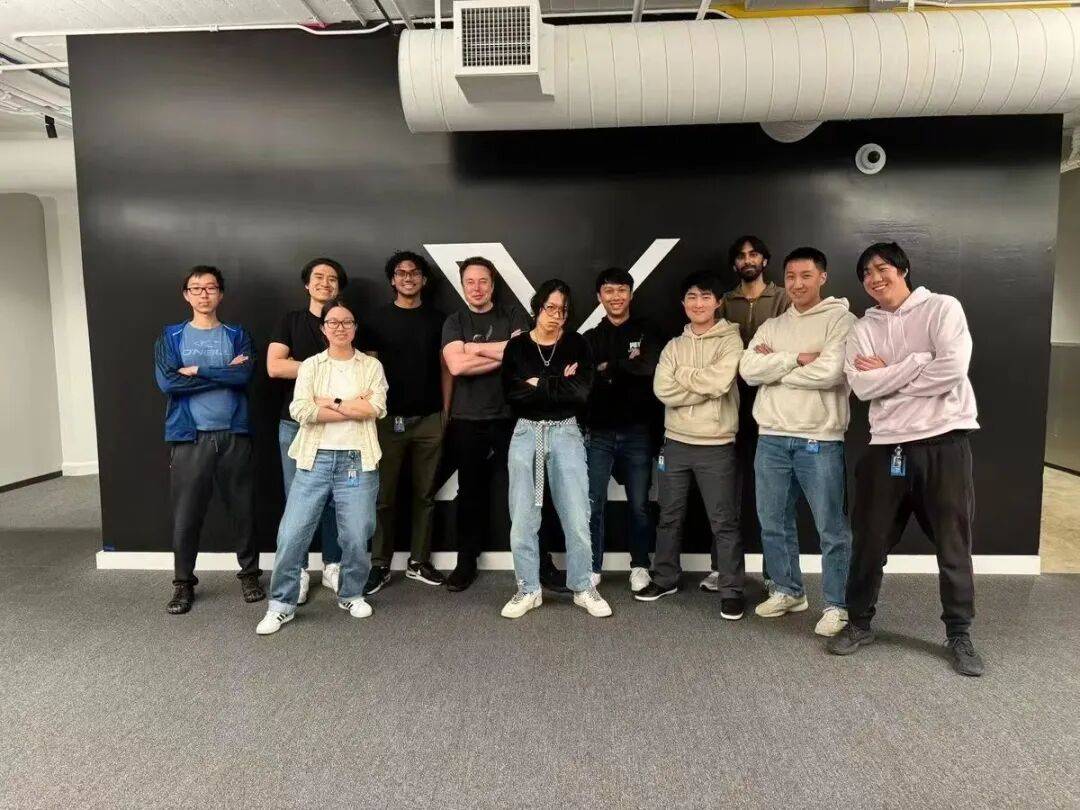
马斯克的一张合影告诉你,美国AI产业竟然靠着华人撑着
Sou Hu Cai Jing· 2026-01-10 13:05
Core Insights - The article highlights the significant role of Chinese talent in the American AI industry, particularly in Silicon Valley, where they have evolved from being mere executors to becoming key decision-makers and innovators in AI technology [3][5][7]. Group 1: Chinese Talent in AI - Chinese professionals have become indispensable in the development of AI technologies, contributing to major advancements in companies like NVIDIA and OpenAI [3][4]. - The transformation of Chinese engineers from "top architects" to "essential pillars" of American AI dominance reflects a broader trend of their increasing influence in the industry [3][5]. - The "Yao Class" from Tsinghua University and other elite institutions has gained recognition in Silicon Valley, often surpassing local talent in terms of capability and innovation [9][10]. Group 2: Engineering Excellence - The article emphasizes the "engineering brutality aesthetics" exhibited by Chinese teams, showcasing their ability to optimize complex algorithms and data processes, which is crucial in the current AI landscape [13]. - The success of the Chinese-led AI company Manus, which was acquired by Meta for billions, illustrates the rapid engineering capabilities and innovative approaches of these teams [5][13]. - Chinese engineers are noted for their meticulous attention to detail and relentless work ethic, which have become vital in the competitive AI sector [13][15]. Group 3: Cultural and Social Dynamics - A unique ecosystem has emerged among Chinese professionals in Silicon Valley, characterized by strong cultural ties and trust, facilitating rapid information exchange and collaboration [15]. - The social dynamics, including informal gatherings and discussions, play a crucial role in fostering innovation and community support among Chinese engineers [15]. - This cultural cohesion allows for efficient resource mobilization, enabling Chinese teams to quickly adapt and thrive in the fast-paced AI environment [15]. Group 4: Geopolitical Context - The article discusses the complex geopolitical landscape that Chinese AI professionals navigate, balancing their contributions to American technological advancement with the scrutiny of their backgrounds [17]. - Despite the challenges posed by international tensions, the presence of Chinese talent is deeply embedded in the fabric of the American AI industry, making them a critical component of its success [17][19]. - The narrative suggests that the contributions of Chinese engineers transcend national boundaries, emphasizing the universal nature of intelligence and innovation in the field of AI [19].

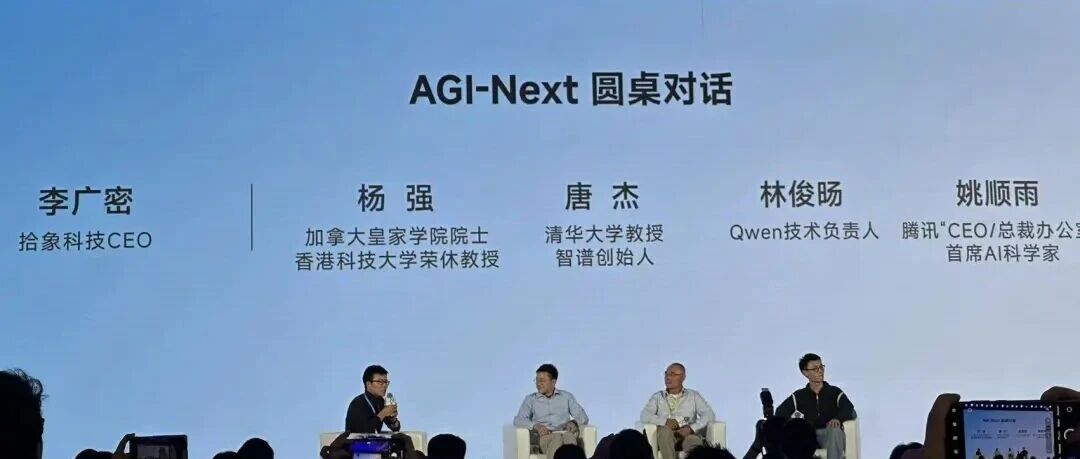
唐杰、杨植麟、姚顺雨、林俊旸罕见同台分享,这3个小时的信息密度实在太高了。
数字生命卡兹克· 2026-01-10 12:37
Core Insights - The AGI-NEXT event showcased significant discussions among AI industry leaders, emphasizing the shift from chat-based models to action-oriented AI systems [1][6][10] - The future competition in AI models will focus on the quality of intelligence and the unique perspectives embedded within them, rather than a single dominant model [7][10] Group 1: Event Highlights - The AGI-NEXT event featured prominent speakers from major AI companies, including DeepSeek, Kimi, and Qwen, indicating a strong interest and attendance from the AI community [1][4] - The discussions highlighted the importance of moving beyond traditional chat models to more action-oriented AI systems, with a focus on practical applications [6][12] Group 2: Model Differentiation - The conversation pointed out a clear differentiation in AI models, particularly between consumer (To C) and business (To B) applications, with distinct needs and expectations for each [12][14] - The emergence of specialized models for specific tasks is becoming more pronounced, with companies focusing on either consumer-facing or enterprise solutions [15][16] Group 3: Future Trends - The panelists discussed the potential for a new paradigm in AI, emphasizing the importance of self-learning and continuous improvement in models, which could lead to significant advancements by 2026 [21][22] - The role of context in enhancing AI interactions was highlighted, suggesting that better contextual understanding could improve user experience and model effectiveness [16][17] Group 4: Industry Dynamics - The competition between Chinese and Western AI companies is intensifying, with expectations that Chinese firms could emerge as leaders in the next few years, provided they overcome key challenges such as hardware limitations [40] - The discussion also touched on the importance of collaboration between academia and industry to drive innovation and address unresolved challenges in AI development [19][28]
智谱首席科学家唐杰:将推进多模态感统技术,助力AI具身智能落地物理场景
Xin Lang Cai Jing· 2026-01-10 11:13
Core Insights - The future development direction and planning of AGI (Artificial General Intelligence) includes achieving bidirectional scaling, continuously exploring the upper limits of known domains while uncovering new paradigms [1] - In terms of practical applications, the focus is on advancing multimodal sensory technology to support AI's integration into the physical world and work scenarios, thereby realizing embodied intelligence [1] - The initiative aims to facilitate a breakthrough in AI for Science [1]
入职腾讯后姚顺雨首度公开发声
第一财经· 2026-01-10 09:06
Core Viewpoint - The recent comments from Yao Shunyu, Tencent's newly appointed Chief AI Scientist, highlight the company's strong focus on AI model development and product integration, emphasizing the challenges and strategies in the B2B market in China [1] Group 1: Company Insights - Tencent is characterized by a strong consumer (2C) orientation, which necessitates robust model capabilities and longer context understanding for consumer applications [1] - The company acknowledges the difficulties in the B2B market in China, indicating that larger companies like Tencent have inherent advantages over startups in terms of service delivery and market presence [1]