
多模态大模型

Search documents
快手:用大模型点燃北京AI第一城的生产力
Bei Jing Shang Bao· 2025-08-05 09:28
Core Insights - Beijing is emerging as a leading hub for AI innovation, with nearly 40% of the country's registered large models and over 2,400 AI companies, contributing to a core industry scale of approximately 350 billion yuan [1] - The development of AI in Beijing is supported by technological breakthroughs, abundant computing power, and significant policy backing, creating a closed-loop system of "technological breakthroughs - industrial applications - innovative consumption" [1][12] - The shift from traditional production to intelligent production is exemplified by the rapid content creation capabilities of AI, significantly reducing production costs and time [4][5] AI Industry Landscape - The AI industry in Beijing is characterized by a diverse range of applications, from high-end manufacturing to creative content generation and smart city governance [1] - The multi-modal large models have become standard for AI companies, enabling the generation of images and videos, thus enhancing user interaction and experience [1][7] - The AI-driven production process is transforming traditional media, as seen in the case of the short film "Mountain Sea Mirror," which was produced in just two months using AI technology [3][4] Technological Advancements - The rapid iteration of AI models, such as the Keling AI, has led to significant improvements in content generation, with over 450 million images and 200 million videos produced since its launch [3][5] - AI technology is being applied in various sectors, including e-commerce, where virtual fitting rooms allow consumers to try on clothes digitally, enhancing the shopping experience [7][8] - The AI hospital established by Tsinghua University is capable of completing the diagnostic workload of a top-tier hospital in just two days, showcasing the efficiency of AI in healthcare [6] Economic Impact - The cost reduction in video marketing materials is estimated to be between 60% to 70% due to AI technologies, significantly impacting the marketing strategies of businesses [4] - The AI-driven marketing solutions have led to substantial revenue growth for companies like Keling AI, with reported earnings exceeding 150 million yuan in the first quarter of 2025 [9][15] - The integration of AI in consumer experiences is reshaping retail dynamics, moving from standardized offerings to personalized solutions, thus driving new consumption patterns [8][9] Policy and Infrastructure - Beijing's government is actively promoting AI applications through various policies, creating a supportive environment for the development and implementation of AI technologies [12] - The city's computing power supply is projected to exceed 450,000 P by the end of 2025, providing a robust infrastructure for AI development [11] - The establishment of research institutions like the Zhiyuan Research Institute is crucial for fostering innovation and talent in the AI sector [11][12]



重金研发“拥抱”AI时代,安防龙头海康威视市值迈向3000亿元
Mei Ri Jing Ji Xin Wen· 2025-08-03 07:41
Core Viewpoint - Hikvision has shown a strong performance in the first half of 2025, with revenue and net profit growth, indicating a successful transition towards AI and IoT solutions [1][3][6] Financial Performance - In the first half of 2025, Hikvision achieved revenue of 41.818 billion yuan, a year-on-year increase of 1.48% [1][3] - The net profit attributable to shareholders was 5.657 billion yuan, reflecting a significant year-on-year growth of 11.71% [1][3] - The operating cash flow improved dramatically from -190 million yuan in the same period last year to 5.34 billion yuan, marking a 2917.5% increase [3] Business Structure - Traditional security business remains the core, but innovative business has emerged as a "second growth curve," contributing 11.766 billion yuan in revenue, a 13.92% increase, accounting for 28.14% of total revenue [3] - Key innovative segments include Hikrobot, Ezviz, Hikvision Automotive Electronics, and Hikvision Microfilm, which have established leading positions in their respective fields [3] Strategic Transition - Hikvision is transitioning from a "security equipment leader" to an "AIoT solution provider," with a focus on leveraging AI breakthroughs for business growth [1][6] - The company has invested over 50 billion yuan in R&D since 2020, with R&D expenses accounting for 13.56% of revenue in the first half of 2025 [6][8] Market Challenges - The traditional security business faces challenges due to shrinking market demand and increased government fiscal pressure, leading to a decline in domestic revenue contribution [4] - Internationally, Hikvision's business has been impacted by being placed on the U.S. entity list and restrictions in key markets like Canada, although the overall revenue impact remains limited [5] AI Innovations - Hikvision has launched hundreds of AI model products across various sectors, including industrial manufacturing and traffic management, enhancing operational efficiency and safety [7][8] - The company’s AI innovations are seen as a key driver for its market valuation, with a target market capitalization approaching 300 billion yuan [8]

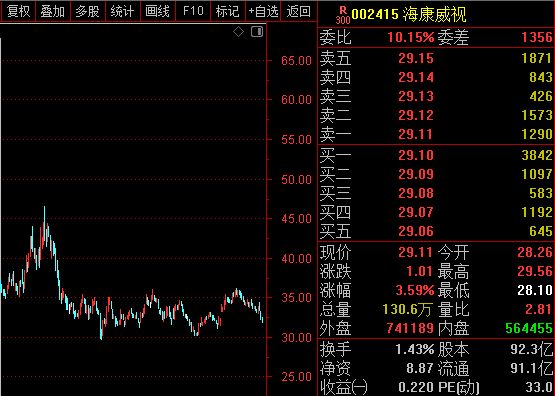
智元机器人罗剑岚老师专访!具身智能的数采、仿真、场景与工程化~
自动驾驶之心· 2025-08-01 16:03
1. 大家都知道数数据是提升智能燃料,然后传感器又是采集数据的关键,想问一下智元在传感器的研发采 购上有什么规划?如何增加产品数据的使用性? 罗剑岚:我们已与多家传感器供应商展开合作,重点聚焦视觉触觉与高密度传感器的联合研发。同时,我 们正在构建跨平台的数据采集 API,实现任务语义的统一映射,为模型训练提供标准化、可训练的数据输 入。 点击下方 卡片 ,关注" 具身智能 之心 "公众号 具身智能之心受邀参加WAIC 2025智启具身论坛,并有幸采访到了智元机器人首席科学家罗剑岚博 士。以下为采访过程中罗博重点提到和探讨的问题。 具身智能数据讨论 2. 因为你刚才说的世界模型挺有用的,加入世界模型以后,加一些采集数据可以让它变好了,我想知道完 成这一步之后距离应用还有多远,从采集完数据到应用之间还有什么门槛? 罗剑岚:还有性能,机器人的性能要很高,真正变得有用,在你家里,给一个机器人扫地也好,或者装洗 碗机的机器人,要有95%的成功率,在100万家庭里面,这是很难的问题。 3. Sergey Levine他有发过最新的一篇文章,提出了一个Sporks of AGI观点。仿真会阻碍具身智能的scale。 我想知 ...
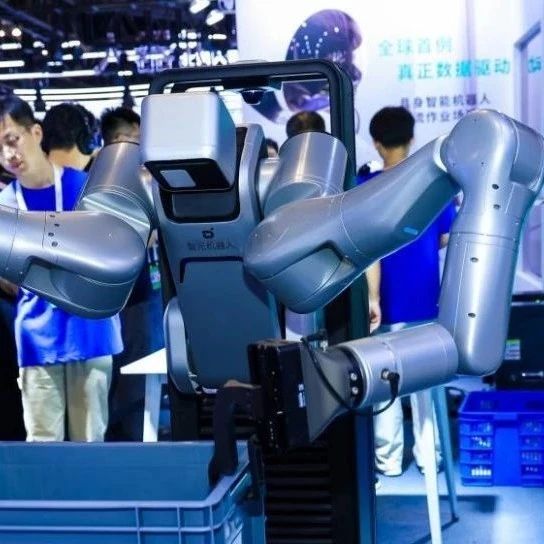
从Figma到中国垂类应用全球崛起
格隆汇APP· 2025-08-01 05:27
Group 1 - Figma is revolutionizing design productivity, targeting a $33 billion full-process product development ecosystem, starting from a $2.2 billion front-end design software market [2] - Figma's core product leverages lightweight design, community proliferation, and collaborative work to gain traction in the global design tools market [2] - The company is integrating AI programming capabilities into collaborative platforms, aiming for a future of "no-code development" [4] Group 2 - The global AI application landscape is on the verge of a breakthrough, with multi-modal large language models (MLLM) emerging as a key evolution point [5][6] - Multi-modal applications are proving to have superior monetization capabilities compared to pure text products, with companies like OpenAI and Anthropic achieving significant annual recurring revenue (ARR) [7] - Midjourney and Runway are examples of companies successfully monetizing multi-modal capabilities, with Midjourney generating $500 million annually and Runway exceeding one million paid users [7] Group 3 - Chinese companies are leading in video generation within multi-modal applications, with firms like Meitu, Kuaishou, and Ruqi Software achieving over $100 million in annual revenue [8] - Meitu's AI design tool has captured 25% market penetration in Southeast Asian e-commerce, while Kuaishou's video generation tool reached an ARR of over $100 million within 10 months [8] Group 4 - There are premium opportunities for technology export, as overseas users show a higher willingness to pay for AI services compared to domestic users [9] - Figma's comprehensive coverage of the design process creates an ecological advantage, while domestic companies need to establish dual barriers in vertical fields [10] - The Chinese government is supporting AI application development through initiatives like the "Digital China Construction 2025 Action Plan" [10] Group 5 - The rise of Figma and multi-modal large models signifies a paradigm shift in productivity tools, requiring both foundational architecture innovation and deep dissection of vertical scenarios [12] - Companies that can convert technological advantages into global market shares are expected to emerge as new commercial legends in the AI landscape [12]

邝子平对话印奇:商业模式闭环才能持续推动技术进步,AI时代硬件机会巨大
IPO早知道· 2025-08-01 04:12
Core Viewpoint - The article discusses the insights shared during the "Qiming Venture Capital · Entrepreneurship and Investment Forum" at the 2025 World Artificial Intelligence Conference, focusing on the evolution of AI technology and its applications in various industries, particularly in the context of hardware and software integration [2][4][18]. Group 1: AI and Terminal Evolution - The next three years are expected to be significant for the "AI + terminal" integration, particularly in the automotive and mobile sectors, with many interesting scenarios emerging [5][7]. - The automotive industry is entering a critical phase, marking the tenth year of smart driving in China, with substantial changes anticipated in technology and product offerings [6][7]. - The integration of AI with mobile devices is seen as a consensus, with potential for the emergence of killer applications, although the specifics remain uncertain [7]. Group 2: Model Development and Industry Trends - Models are identified as the most crucial driving force behind the evolution of the AI industry [10]. - The development of large models has progressed through three learning paradigms: imitation learning, reinforcement learning, and future autonomous learning, with significant iterations expected every 18-24 months [12][13]. - There is a perceived six-month gap between China and the US in model development, although the gap in computational power consumption is widening, indicating a divergence in innovation approaches [15]. Group 3: Business Model and Market Dynamics - A sustainable business model is essential for driving technological advancement, with a focus on creating a closed-loop system that integrates technology, product, and commercialization [18][19]. - The competitive landscape for pure software applications in AI is challenging, with significant players like ByteDance and Tencent dominating the market [21][22]. - Hardware presents substantial opportunities beyond just automotive and mobile sectors, with a need for AI services to define the hardware's role [20][23]. Group 4: Future of AI Operating Systems - The future of AI operating systems is expected to undergo significant changes, with the potential for new ecosystems to emerge, particularly with the introduction of advanced AI agents [24]. - The integration of AI services and operating systems will lead to new hardware forms, creating opportunities for both established companies and startups [25][26].

三天,我看清楚了未来AI将如何介入我们的生活
3 6 Ke· 2025-07-31 23:23
Core Insights - The 2025 World Artificial Intelligence Conference (WAIC) concluded with significant participation, featuring over 1,500 experts from more than 70 countries and regions, and 800 companies, indicating growing interest in AI technologies [1][2] - Key trends highlighted include the pervasive integration of generative AI across various sectors, advancements in computing power, enhanced capabilities of robots, and significant progress in Robotaxi technology [3][4] Generative AI Developments - Generative AI is becoming ubiquitous, moving beyond simple applications to industrial, medical, and transportation sectors [3] - New models, such as the Step 3 from Jieyue Star, demonstrate significant advancements with 321 billion parameters, enhancing efficiency and reducing computational costs [4] - MiniMax introduced a full-stack intelligent agent capable of executing tasks autonomously, showcasing rapid iteration and competitive dynamics in the sector [4] Safety and Security Innovations - AI security technologies, such as those from Hehe Information, can identify deepfakes in milliseconds, crucial for finance and government sectors [5] - Baidu showcased a comprehensive application generation pipeline, enabling users to create functional applications rapidly [5] Computing Power Advancements - Domestic GPU manufacturers showcased significant advancements, with Huawei's CloudMatrix 384 super node achieving 300 PFlops of computing power [9][11] - The focus has shifted from single-card performance to overall efficiency and cost-effectiveness in AI applications [12][14] Robotics Evolution - Robots are evolving from basic functionalities to performing complex tasks, including emotional interactions and practical applications in various fields [15][21] - Companies like Qianxun Intelligent and Fuliye Intelligent are demonstrating robots capable of performing intricate movements and providing companionship in healthcare settings [15][16] Autonomous Driving Innovations - The WAIC featured practical demonstrations of Robotaxi technology, with companies like Xiaoma Zhixing and Baidu showcasing their autonomous vehicles navigating real traffic [22][24] - The Shanghai government announced plans to enhance autonomous driving infrastructure, aiming for significant passenger and cargo transport by 2027 [27]
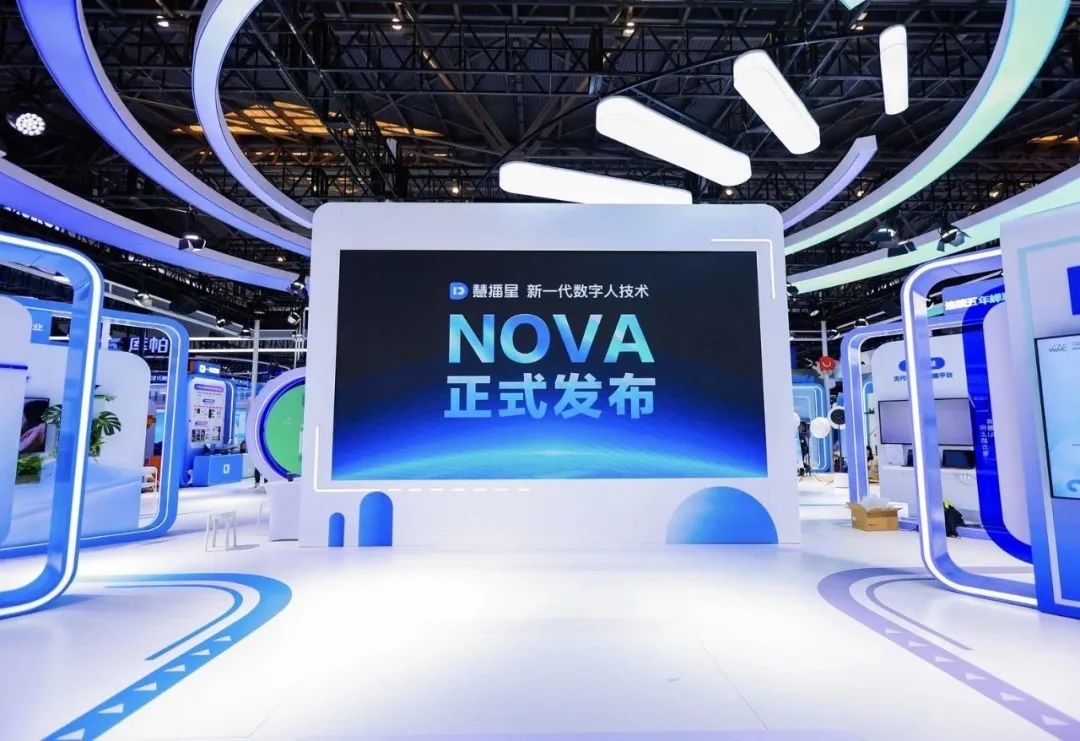
中国工程院发布“人工智能新兴技术备选清单” 提出近300项热点
Xin Hua She· 2025-07-31 12:34
Core Insights - The article discusses the release of a "candidate list" of emerging AI technologies by the Chinese Academy of Engineering, which aims to provide a reference for potential AI hotspots over the next 5 to 10 years [1] Group 1: AI Hotspot Technologies - The candidate list includes nearly 300 technologies categorized into three groups, focusing on innovations in information engineering technology [1] - It highlights 163 technologies related to 6G technology, multimodal large models, and super general intelligent agents [1] Group 2: Traditional Industry Upgrades - The list proposes 122 emerging technologies aimed at transforming traditional industries and promoting interdisciplinary integration, such as computational neuroscience, smart wearable devices, and AI-assisted drug design [1] Group 3: Technologies Impacting Daily Life - Additionally, 12 AI hotspot technologies that are closely related to everyday life are identified, including large model technology, embodied intelligence, and intelligent unmanned systems [1] Group 4: Expert Collaboration - The release of the candidate list is a collaborative effort involving dozens of academicians and hundreds of experts, aiming to enhance public understanding of AI's future societal impact and provide guidance for strategic planning in AI development [1]
商汤-W(00020.HK)完成配售新B类股份
Ge Long Hui· 2025-07-31 11:54
Group 1 - The core viewpoint of the announcement is that SenseTime-W (00020.HK) has successfully completed the subscription and placement agreements as of July 31, 2025, with all conditions met [1] - The company has subscribed for a total of 1,666,667,000 shares at a subscription price of HKD 1.50 per share, representing approximately 4.58% of the issued B shares and 4.50% of the total issued shares prior to completion [1] - After the issuance of the subscribed shares, the proportion of issued B shares will be approximately 4.38% and the total issued shares will be approximately 4.31% [1] Group 2 - The net proceeds from the subscription amount to approximately HKD 2,498 million, which the company plans to use primarily to support its core business development [2] - The funds will be allocated to building an industry-leading AI cloud, expanding the scale and scenario coverage of SenseTime's AI infrastructure, and supporting the research and development of generative AI [2] - The company aims to commercialize applications in vertical scenarios, explore technology integration in innovative vertical fields, and enhance risk control and settlement applications in digital finance using AI large models [2]
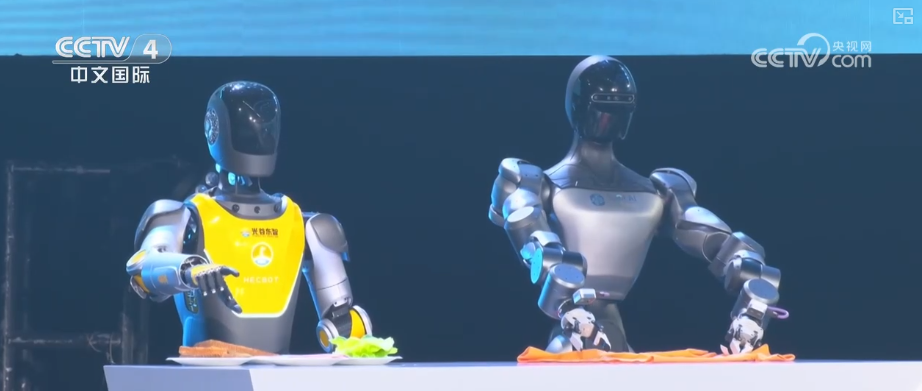
人形机器人从舞台“动起来”向工厂“用起来” 提“智”向“新”点燃智能经济新引擎
Yang Shi Wang· 2025-07-30 06:36
Group 1 - The conference "Smart Future - Nanny Robot Conference" was launched on July 29 in Beijing, focusing on the emerging industry of nanny robots and showcasing cutting-edge technological innovations and diverse application scenarios [1][5] - The "Nanny Robot Industry Development Trend Report" was released, analyzing future market scale and typical scenario demands, and assessing development trends [7][9] - The report indicates that by the end of 2024, the elderly population aged 60 and above in China will reach 310 million, accounting for 22% of the total population, with projections suggesting it will exceed 400 million by 2035, driving demand for nanny robots in family care [12][14] Group 2 - The nanny robot is defined as an intelligent system capable of performing tasks such as care assistance, health monitoring, and social companionship, highlighting its potential to meet family care needs [9] - The cost of nanny robots is expected to decrease by 15% to 20% annually, with projections indicating that within five years, a basic-function nanny robot will cost around 50,000 yuan, which is only 70% of the cost of a live-in nanny over five years [15][18] - The conference emphasized four key verticals: smart health care, smart home, family education, and community management, promoting the integration of AI and consumer experiences [5][10] Group 3 - The Chinese humanoid robot industry is experiencing significant innovation breakthroughs, transitioning from laboratory experiments to large-scale production and commercial applications [21] - The "14th Five-Year Plan" period is expected to see the robot industry scale grow to approximately 400 billion yuan, underscoring the importance of robots in supporting digital upgrades [21] - The 2025 World Artificial Intelligence Conference showcased over 3,000 cutting-edge exhibits, including humanoid robots and AI terminals, indicating rapid advancements in AI technology [22][29]

AI驱动下,通信云行业的全球化变革
Ai Rui Zi Xun· 2025-07-30 01:18
Investment Rating - The report indicates a cautious outlook for the global internet communication cloud market, with a projected market size of approximately $6.8 billion in 2024, anticipating a new growth phase in the next 2-3 years [3][15]. Core Insights - The development of AI is transforming the communication cloud industry into a key infrastructure for human and machine interactions, driven by the need for reliability, real-time communication, and multi-modal capabilities [10][11]. - The demand from developers is increasingly focused on security, intelligence, and openness, with a shift from basic communication services to AI-enabled solutions [6][25]. - The report highlights the dual empowerment of AI and communication, suggesting that both will evolve together to enhance interaction methods and application scenarios [10][11]. Summary by Sections 01 AI时代的新基础设施 - The report emphasizes the significance of internet communication cloud as a foundational infrastructure in the AI era, facilitating immersive AI interactions and meeting the demands for reliable and real-time communication [10][11]. 02 互联网通信云技术演进 - The evolution of technology in the communication cloud sector is marked by a focus on security upgrades and compliance with data privacy regulations, which are becoming essential for global market entry [30][31]. 03 竞争格局与典型企业 - The competitive landscape is characterized by a shift towards providing comprehensive AI capabilities, with top players focusing on integrating AI with communication services to enhance user experience and meet compliance requirements [59][64]. 04 发展趋势及展望 - Future trends indicate that the integration of GenAI will drive the development of multi-modal interactions, with communication cloud vendors optimizing transmission effects to cater to new application scenarios [5][51].