贸易保护主义

Search documents
年末全球贸易答卷:有望首破35万亿美元,AI引领与风险并存
第一财经· 2025-12-25 13:25
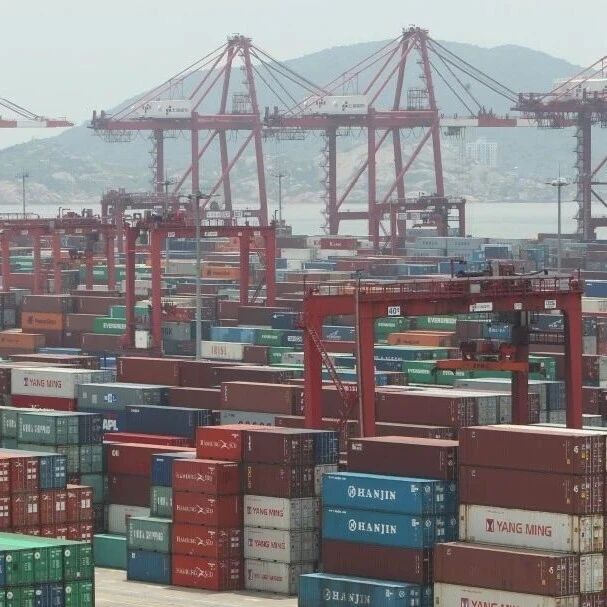
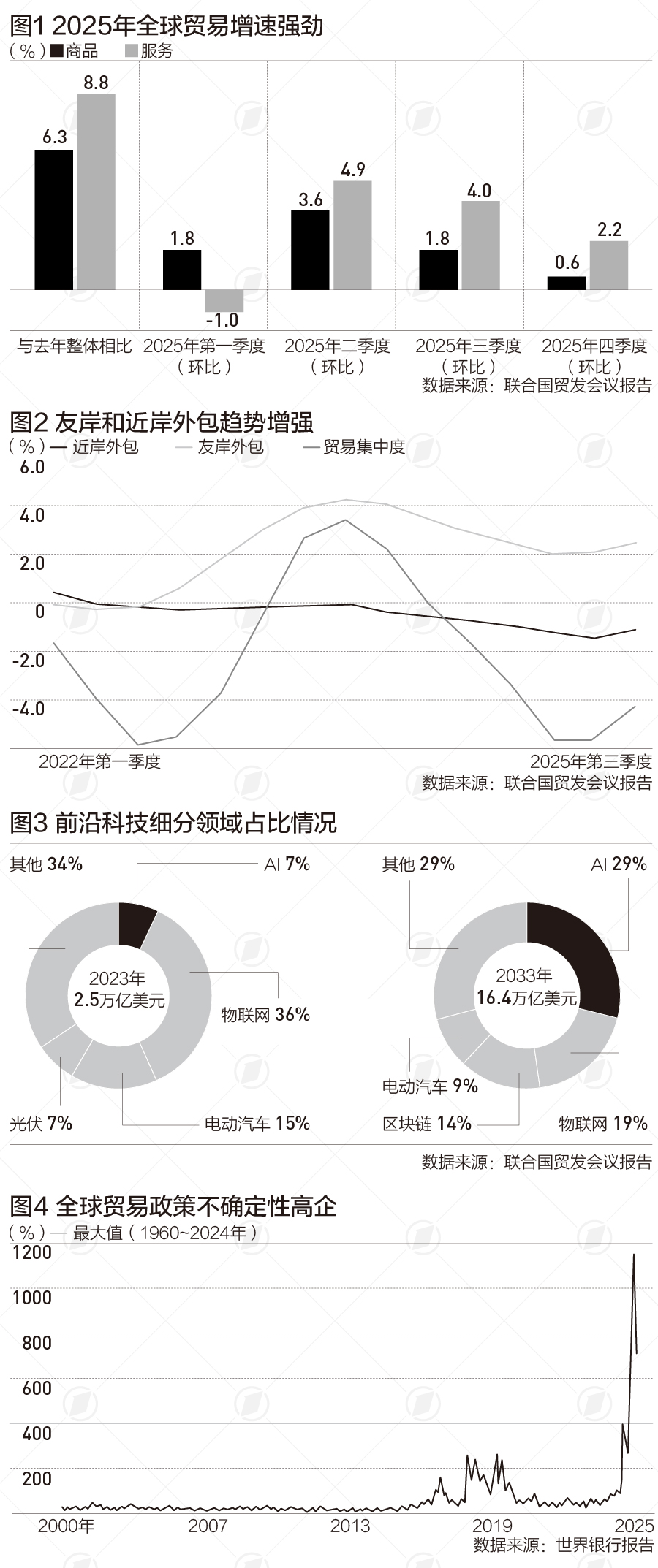
作者 | 第一财经 潘寅茹 行至年末,全球贸易交出了怎样的答卷? 2025.12. 25 本文字数:2488,阅读时长大约4分钟 12月以来,多个国际组织与国际金融机构在最新发布的报告中总结了今年全球贸易与经济的发展状况,并 就2026年的发展趋势作出了研判。 联合国贸发会议(UNCTAD)在年终题为《贸易、金融与全球经济重塑》的报告中提到,尽管受到地缘政 治紧张局势、贸易成本上升、全球需求不平衡等因素影响,今年全球贸易仍有望首次突破35万亿美元,与 去年相比增幅约为2.2万亿美元,增速约为7%。其中,货物贸易与服务贸易分别预计增长约1.5万亿美元和 7500亿美元,较2024年增幅分别为6.3%和8.8%。 同时,世界银行(WB)、国际货币基金组织(IMF)等在年末报告的展望中均表示,当前全球经济正处于 关键转折点,贸易与金融体系失衡、政策波动及气候危机等多重因素相互交织,给全球发展带来严峻挑 战,需要各国加强政策协调与合作,共同应对全球性挑战,推动经济朝着更加稳定、可持续的方向发展。 人工智能引领全球贸易 美国特朗普政府的关税政策无疑是今年贸易领域的焦点之一。上述报告均认为,正是由于美国政府关税政 策的反 ...

年末全球贸易答卷:有望首破35万亿美元,AI引领与风险并存
Di Yi Cai Jing· 2025-12-25 12:25
Group 1 - The report highlights that global trade is expected to exceed $35 trillion for the first time this year, with an increase of approximately $2.2 trillion compared to last year, representing a growth rate of about 7% [1] - The growth in global merchandise trade is projected to be around $1.5 trillion, while service trade is expected to grow by $750 billion, with respective growth rates of 6.3% and 8.8% compared to 2024 [1] - UNCTAD's report indicates that manufacturing, particularly in electronics, is leading the growth in global trade, while the energy and automotive sectors are experiencing relatively weak growth [2] Group 2 - The "Global Economic Policy Uncertainty Index" from UNCTAD has surpassed 500, reaching a 20-year high, indicating significant uncertainty in trade policies due to the U.S. government's fluctuating tariff policies [2] - The World Bank reports that global trade policy uncertainty has reached a historical peak since 2000, which has led many companies to expedite shipments to avoid tariff risks, thereby depleting future demand [2] - The forecast for global goods trade growth has declined, with a predicted increase of only 0.6% in the fourth quarter of this year, following a peak growth rate of 3.6% in the second quarter [2] Group 3 - UNCTAD predicts that by 2033, the global AI market size will surge from $189 billion in 2023 to $4.8 trillion, with a growth rate of 25 times over the next decade [3] - AI is expected to significantly enhance global trade and GDP growth, with trade potentially increasing by 34% to 37% and GDP growing by 12% to 13% by 2040, depending on policy and technological advancements [3] - The World Bank warns of the risks of imbalanced AI development, particularly affecting the economic transformation of developing countries [3]
墨西哥加税瞄准中国,中方反制已启动,提前扎根北美市场抢先机
Sou Hu Cai Jing· 2025-12-25 11:07
全球贸易圈最近被一则消息搅动:墨西哥敲定了明年起对包括中国在内的多个亚洲国家加征关税的政策,税率最高能到50%。 这波操作明眼人都能看出,是照着美国的贸易保护路子学来的,但想靠这种方式保护本土产业,大概率是竹篮打水。 更值得关注的是,这波关税已经提前引发中国对墨出口的下滑,而早有准备的中国龙头企业,正靠着在海外布局的工厂逆势突围,把贸易壁垒变成了产业升 级的契机。 参议院以76票赞成、5票反对、35票弃权的结果,通过了一项新的进出口关税法案。 按照这个法案,从2026年1月1日开始,墨西哥要对汽车、汽车零件、纺织品、家电、钢铁这些常见商品加征关税,税率从5%到50%不等。 大部分商品的税率都定在了35%,算下来,这次加税涉及大约1400种商品,而没和墨西哥签自由贸易协定的中国,成了主要针对对象之一。 墨西哥政府给出的理由很直白,说是为了支持本土产业发展,但稍微了解全球经济的人都知道,这其实是在照抄美国的加税药方。 近年来,美国一直在给墨西哥施压,要求它堵住其他国家商品通过墨西哥转口进入北美市场的通道。 再加上墨西哥自身经济压力不小,2025年三季度经济增速已经由正转负,央行把全年经济增长预期从0.6%降到了0 ...
“抢出口”抢出上扬线,中国以开放突围赋能全球经济|2025中国经济年报
Hua Xia Shi Bao· 2025-12-25 09:40
Core Viewpoint - In 2025, despite global trade protectionism, China's foreign trade demonstrated resilience with export growth and an optimized trade structure, showcasing the strength and adaptability of China's supply chain [1][4]. Group 1: Trade Performance - In 2025, China's exports experienced a series of peaks, with "export grabbing" becoming a norm under tariff pressures [2]. - Since February 2025, China's goods trade has maintained a year-on-year growth for 10 consecutive months, with exports accounting for 14.2% of global exports in the first half of the year, a historical high [4]. - The total import and export scale exceeded 41 trillion yuan in the first 11 months, marking a historical record [4]. Group 2: Policy and Economic Outlook - The Chinese government continues to prioritize opening up as a fundamental national policy, with expectations for foreign trade to maintain steady growth driven by high-level openness and new economic drivers in 2026 [1][5]. - The release of the 2025 version of the Market Access Negative List reduced the number of items from 117 to 106, enhancing the investment environment for both domestic and foreign entities [7]. Group 3: Foreign Investment Confidence - Multinational companies are increasingly confident in investing in China, with 94% of surveyed companies continuing to invest in the Chinese market, and 75% planning to maintain or increase their investments in 2025 [6]. - The shift from being a "world factory" to a "global innovation center" is creating unprecedented opportunities for multinational enterprises in China [6][7].
越南对泰国果蔬出口大幅下降
Shang Wu Bu Wang Zhan· 2025-12-24 16:27
Core Insights - Vietnam's fruit and vegetable export revenue reached approximately $7.76 billion in the first 11 months of 2025, marking a 17% year-on-year increase, with China being the largest market accounting for nearly $5 billion or about 64% of total exports [1] - Exports to Thailand, one of Vietnam's top three fruit and vegetable markets, plummeted to around $105 million, a significant decline of 60%, marking the largest drop in history [1] - The decline in exports to Thailand is attributed to several factors, including recent conflicts affecting transportation and customs, increased trade protectionism in Thailand, and natural disasters in Vietnam disrupting supply chains [1] Market Dynamics - The U.S., EU, and Japan continue to increase imports of Vietnamese fruits and vegetables, indicating a positive trend towards improved product quality and enhanced processing capabilities [2] - The shift in export strategy is evident as many Vietnamese companies are now directly exporting frozen durians to China, reducing Thailand's role as a transit market [1]
美国推迟对华芯片关税!
国芯网· 2025-12-24 14:08
Core Viewpoint - The article discusses the upcoming increase in tariffs on Chinese semiconductor imports by the U.S. government, highlighting the implications for trade relations and the semiconductor industry as a whole [2][4][5]. Group 1: Tariff Announcement - The U.S. will raise tariffs on Chinese semiconductor imports starting June 2027, with the specific rates to be determined at least one month in advance [2][4]. - Initial tariffs on semiconductor imports from China will be zero for the first 18 months [2]. Group 2: Investigation and Justification - The U.S. Trade Representative's office claims that China has engaged in unfair trade practices in the semiconductor sector, aiming for dominance through aggressive non-market policies [2][6]. - The investigation into China's semiconductor industry was initiated under the Biden administration, following a year-long inquiry [5]. Group 3: Response from China - The Chinese government has expressed strong dissatisfaction with the U.S. investigation, labeling it as unilateral and protectionist, and has pointed out that previous tariffs were ruled against by the WTO [6]. - China argues that the U.S. claims of unfair practices are contradictory, as U.S. companies hold nearly half of the global semiconductor market share while accusing China of non-market behavior [6].
中国—东盟自贸区3.0版开启区域合作新篇章
Zhong Guo Xin Wen Wang· 2025-12-24 11:15
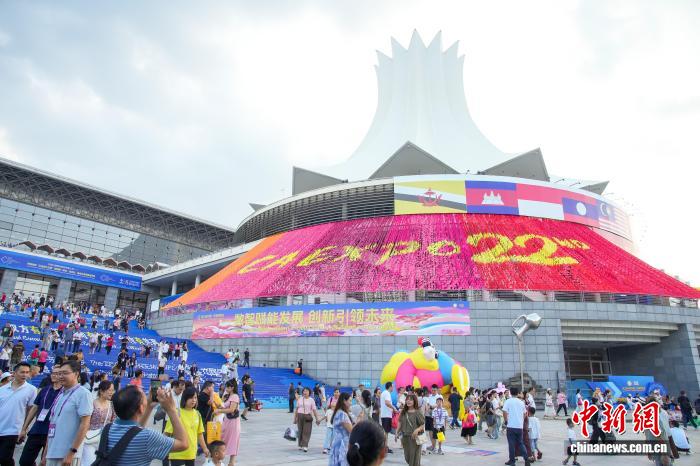
Core Viewpoint - The China-ASEAN Free Trade Area 3.0 version is set to enhance regional economic integration amidst rising global trade protectionism and geopolitical tensions, marking a new chapter in cooperation between China and ASEAN [1][2]. Group 1: Trade Relations - In the first 11 months of this year, trade between China and ASEAN reached $952.84 billion, reflecting a year-on-year growth of 7.7%, continuing a five-year trend of mutual partnership as the largest trading partners [2]. - The trade volume has significantly increased from less than $300 billion at the establishment of the Free Trade Area 1.0 to nearly $1 trillion today, indicating a substantial deepening of cooperation [2]. Group 2: Institutional Framework - The recently signed China-ASEAN Free Trade Area 3.0 upgrade protocol goes beyond tariff reductions, incorporating topics such as digital economy, green economy, and supply chain connectivity [2]. - The shift in industrial cooperation from cost-driven to collaborative industrial chain and technological upgrades is highlighted, marking a transition to a new phase of institutional openness based on rules and standards [2]. Group 3: Future Cooperation - Key future initiatives include expanding local currency settlements and promoting cross-border payment system integration to reduce reliance on a single currency and enhance financial autonomy [5]. - There is significant potential for cooperation in areas like artificial intelligence, smart cities, and capacity building, which are less sensitive to geopolitical tensions and can yield tangible development benefits [5].
美国拟对中国半导体产业征收关税,外交部回应
半导体芯闻· 2025-12-24 10:19
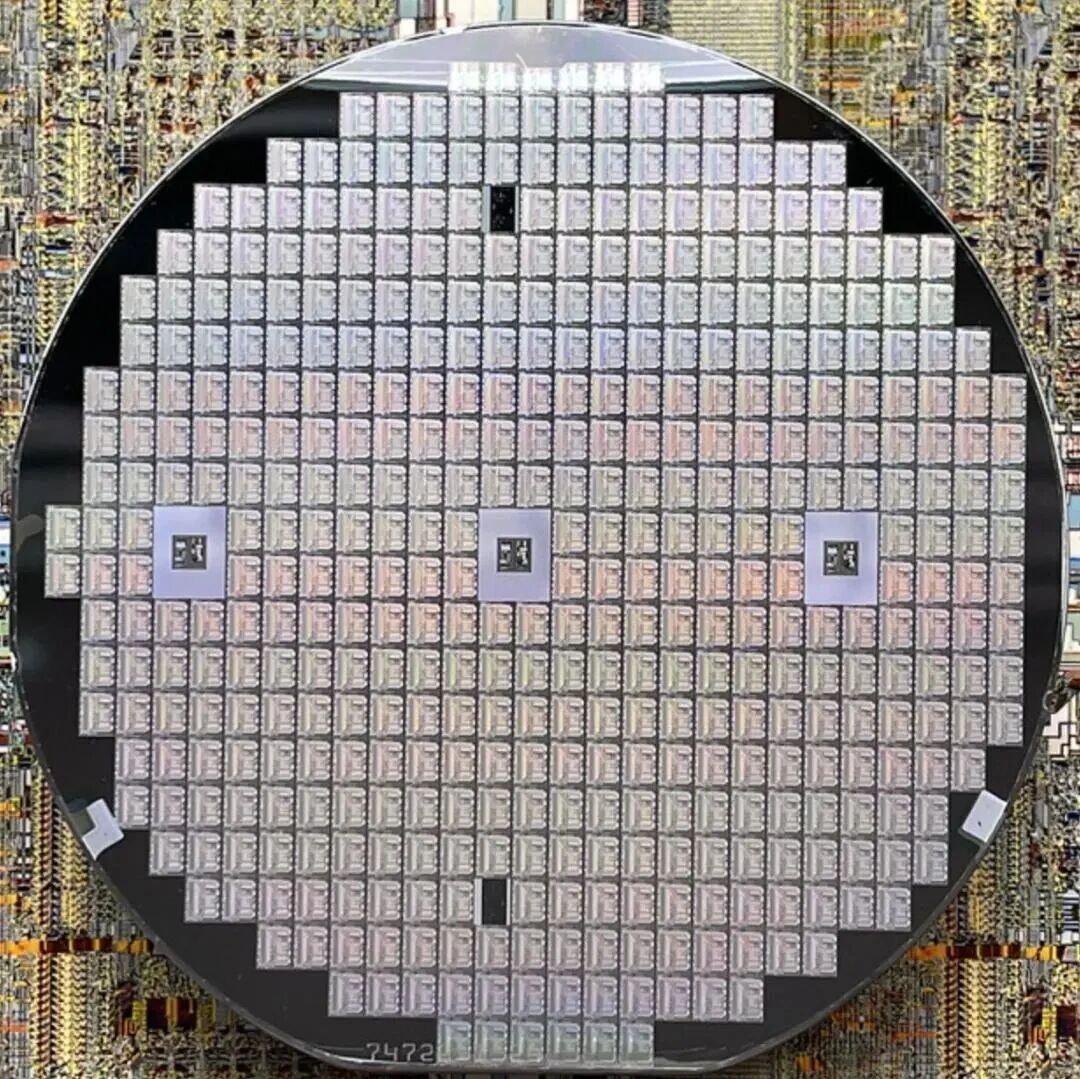
如果您希望可以时常见面,欢迎标星收藏哦~ 12月24日,外交部发言人林剑主持例行记者会。 法新社记者提问,美国贸易代表调查结果称"中国实行了不公平的措施,企图主导半导体产业",美 国拟自2027年起对中国半导体产业加征关税。中方对此有何评论? 林剑表示,中方坚决反对美方滥施关税、无理打压中国产业。美方的做法扰乱全球产供链稳定,阻 碍各国半导体产业的发展,损人害己。 "我们敦促美方尽快纠正错误做法,以两国元首达成的重要共识为引领,在平等、尊重、互惠的基 础上,通过对话解决各自关切,妥善管控分歧,维护中美关系稳定健康可持续发展。如果美方一意 孤行,中方必将坚决采取相应措施,维护自身正当权益。"林剑说。 美国对华芯片关税,官宣延期 美国特朗普政府周二在联邦公报上表示,美国将于2027年6月提高对中国半导体进口的关税,具体 税率至少提前一个月确定。 但与此同时,根据美国贸易代表办公室提交的文件,从中国进口半导体的初始关税税率将在 18 个 月内为零。 作为一年前启动的一项调查的一部分,该机构发现中国在该行业从事不公平贸易行为。 该办公室在文件中表示:"几十年来,中国一直以半导体行业为目标,力图在该行业占据主导地 位, ...

美国拟对华半导体加征关税
Bei Jing Wan Bao· 2025-12-24 09:46
【#美国拟对华半导体加征关税#】#中方坚决反对美方滥施关税#12月24日,外交部发言人林剑主持例行 记者会。法新社记者提问,美国贸易代表调查结果称"中国实行了不公平的措施,企图主导半导体产 业",美国拟自2027年起对中国半导体产业加征关税。中方对此有何评论?林剑表示,中方坚决反对美 方滥施关税、无理打压中国产业。美方的做法扰乱全球产供链稳定,阻碍各国半导体产业的发展,损人 害己。"我们敦促美方尽快纠正错误做法,以两国元首达成的重要共识为引领,在平等、尊重、互惠的 基础上,通过对话解决各自关切,妥善管控分歧,维护中美关系稳定健康可持续发展。如果美方一意孤 行,中方必将坚决采取相应措施,维护自身正当权益。"林剑说。(@北京日报 记者 李治宏) 【#美国拟对华半导体加征关税#】#中方坚决反对美方滥施关税#12月24日,外交部发言人林剑主持例行 记者会。法新社记者提问,美国贸易代表调查结果称"中国实行了不公平的措施,企图主导半导体产 业",美国拟自2027年起对中国半导体产业加征关税。中方对此有何评论?林剑表示,中方坚决反对美 方滥施关税、无理打压中国产业。美方的做法扰乱全球产供链稳定,阻碍各国半导体产业的发展,损 ...
美国拟对中国半导体产业加征关税,中方表态
财联社· 2025-12-24 07:31
据北京日报,外交部发言人林剑主持例行记者会。 法新社记者提问,美国贸易代表调查结果称"中国实行了不公平的措施,企图主导半导体产业",美国拟自2027年起对中国半导体产业加征关税。中 方对此有何评论? 林剑表示, 中方坚决反对美方滥施关税、无理打压中国产业。 美方的做法扰乱全球产供链稳定,阻碍各国半导体产业的发展,损人害己。"我们敦 促美方尽快纠正错误做法,以两国元首达成的重要共识为引领,在平等、尊重、互惠的基础上,通过对话解决各自关切,妥善管控分歧,维护中美 关系稳定健康可持续发展。 如果美方一意孤行,中方必将坚决采取相应措施,维护自身正当权益。 "林剑说。 ...