
中美经贸关系

Search documents
特朗普访华泡汤?中方划下红线,今年必须做决定,美国这次听懂了
Sou Hu Cai Jing· 2026-02-25 06:56
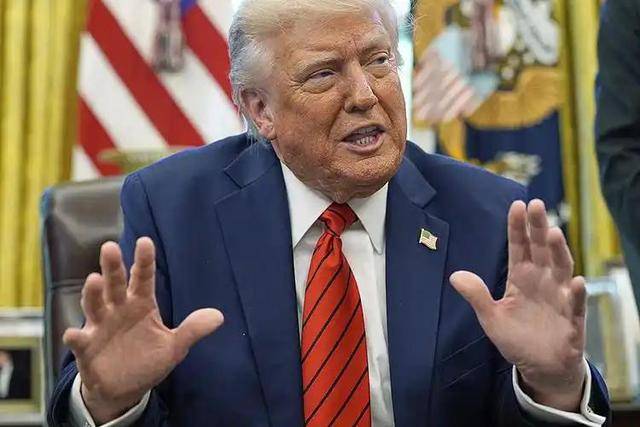
2月20日,美国联邦最高法院作出判决,依据6比3的投票结果,直接给特朗普政府的关税政策判了违 法,连特朗普政府依据关税政策收到的上千亿美元都要退还给企业。 特朗普的反应激烈,要知道最高法的判决不仅终结了近一年的关税闹剧,还直接打乱了他对华博弈的节 奏,连带着他期待已久的访华也多了不少变数。 当地时间2月20日,白宫一名官员正式确认,特朗普计划于3月31日至4月2日访问中国。这一消息一经披 露,立即引发全球关注,这将是特朗普自2017年以来,再次踏上中国土地。 在此之前,特朗普已在公开场合提及此次访华 行程,甚至回忆起2017年访华时的经历,言语中不乏期 待,还表示这将是一次"疯狂的行程",可见其对此次访华的重视程度。 访华时间敲定,变数悄然浮现 按照白宫的规划,此次访华承载着美方的明确诉求,核心是推动中国加大对美国大豆、波音飞机、能源 产品等的采购,以此向美国国内民众,尤其是农民和工人群体交出"成绩单"。 但就在访华时间敲定的同一天,美国国内传来一则重磅消息,直接给此次访华行程蒙上阴影。美国最高 法院以6比3的票数裁定,特朗普政府依据《国际紧急经济权力法》征收的大规模关税不符合法律规定。 这一裁决意味着,特朗 ...

中方回应美近期关税调整:将视情适时决定调整针对美方原芬太尼关税和对等关税的反制措施
Zhong Guo Ji Jin Bao· 2026-02-25 00:55
商务部新闻发言人就美近期关税调整举措答记者问 答:我们注意到有关情况。2025年2月初和4月初,美方依据《国际紧急经济权力法》,先后对中国商品 加征了10%所谓芬太尼关税和34%对等关税,其中24%对等关税已暂停实施,对华实际加征关税水平为 20%。根据美最高法院关税诉讼案裁决和美国政府相关行政令、公告等,美方已停止征收上述关税,但 同时又依据122条款加征了10%的进口附加费。中方也注意到,美方在多个场合表示,将利用301、232 等调查征收关税。中方正密切关注并将全面评估美方相关举措,后续将视情适时决定调整针对美方原芬 太尼关税和对等关税的反制措施。中方将保留采取一切必要措施的权利,坚决捍卫自身合法权益。 中方一贯反对各种形式的单边关税措施,敦促美方取消并不再加征有关单边关税。实践已一再证明,中 美双方合则两利,斗则俱伤。中方愿与美方在将于近期举行的第6轮中美经贸磋商中开展坦诚磋商。希 望美方与中方相向而行,共同维护两国元首釜山会晤和2月4日的通话共识,在相互尊重、平等协商的基 础上,解决各自关切,妥善管控分歧,维护中美经贸关系健康、稳定、可持续发展。 (文章来源:中国基金报) 问:美东时间2026年2月 ...
中方就美近期关税调整举措答问
Shang Wu Bu Wang Zhan· 2026-02-25 00:35
Group 1 - The U.S. Customs has stopped imposing tariffs under the International Emergency Economic Powers Act and has instead imposed a 10% import surcharge on all trading partners based on Section 122 of the Trade Act of 1974 [1] - In early February and April 2025, the U.S. imposed a 10% so-called fentanyl tariff and a 34% reciprocal tariff on Chinese goods, with the actual tariff level being 20% after suspending 24% of the reciprocal tariff [1] - China is closely monitoring the U.S. actions and will assess the measures taken by the U.S., reserving the right to take necessary countermeasures to protect its legitimate rights and interests [1] Group 2 - China opposes all forms of unilateral tariff measures and urges the U.S. to cancel these tariffs and refrain from imposing new ones [2] - The practice has shown that cooperation between China and the U.S. benefits both sides, while conflict harms both [2] - China is willing to engage in candid discussions during the upcoming sixth round of China-U.S. economic and trade consultations, aiming to resolve concerns and manage differences based on mutual respect and equal negotiation [2]
人民币汇率续创升值高点
Bei Jing Shang Bao· 2026-02-24 16:56
节后首个交易日,在岸人民币对美元再创阶段性新高。2月24日,Wind数据显示,在岸人民币对美元汇 率小幅高开,午后强势拉升,带动离岸人民币对美元汇率走势由贬值转为升值,双双续创2023年4月以 来升值高点。 "一季度我国出口还会保持较快增长,企业结汇需求持续释放,市场情绪偏高,短期内美元指数大幅反 弹的可能性不大,春节后人民币处在一个偏强运行状态。"王青补充道。此外,王青指出,以离岸人民 币领涨为标志,近期汇市情绪偏高,也成为助推人民币走势偏强的一个重要因素。 预计汇价双向波动 有分析人士指出,近期人民币连破重要关口,是内外部因素共振的结果。在当前人民币持续走强的过程 中,也不可忽视未来人民币对美元可能存在的贬值压力。 人民币再创阶段性新高 汇市迎来"开门红"。2月24日,在岸人民币对美元汇率盘中最高升值至6.8804,离岸人民币对美元汇率 盘中最高升值至6.8760,双双续创2023年4月28日以来升值高点。 截至当日17时35分,在岸人民币对美元汇率报6.8799,日内升值幅度为0.36%;离岸人民币对美元汇率 报6.8751,日内升值幅度为0.64%。2026年春节假期期间,在岸人民币市场休市,离岸人民 ...

商务部:中方将视情适时决定调整针对美方关税的反制措施
Zhong Guo Xin Wen Wang· 2026-02-24 12:22
发言人说,中方也注意到,美方在多个场合表示,将利用301、232等调查征收关税。中方正密切关注并 将全面评估美方相关举措,后续将视情适时决定调整针对美方原芬太尼关税和对等关税的反制措施。中 方将保留采取一切必要措施的权利,坚决捍卫自身合法权益。 发言人强调,中方一贯反对各种形式的单边关税措施,敦促美方取消并不再加征有关单边关税。实践已 一再证明,中美双方合则两利,斗则俱伤。中方愿与美方在将于近期举行的第6轮中美经贸磋商中开展 坦诚磋商。希望美方与中方相向而行,共同维护两国元首釜山会晤和2月4日的通话共识,在相互尊重、 平等协商的基础上,解决各自关切,妥善管控分歧,维护中美经贸关系健康、稳定、可持续发展。(完) 美东时间2026年2月24日凌晨,美国海关已根据美方相关公告,停止征收《国际紧急经济权力法》项下 所加征的关税,并依据《1974年贸易法》第122条对所有贸易伙伴征收进口附加费。 发言人称,2025年2月初和4月初,美方依据《国际紧急经济权力法》,先后对中国商品加征了10%所谓 芬太尼关税和34%对等关税,其中24%对等关税已暂停实施,对华实际加征关税水平为20%。根据美最 高法院关税诉讼案裁决和美国政 ...
中方:后续将视情适时决定调整针对美方原芬太尼关税和对等关税的反制措施
Xin Lang Cai Jing· 2026-02-24 11:11
中方一贯反对各种形式的单边关税措施,敦促美方取消并不再加征有关单边关税。实践已一再证明,中 美双方合则两利,斗则俱伤。中方愿与美方在将于近期举行的第6轮中美经贸磋商中开展坦诚磋商。希 望美方与中方相向而行,共同维护两国元首釜山会晤和2月4日的通话共识,在相互尊重、平等协商的基 础上,解决各自关切,妥善管控分歧,维护中美经贸关系健康、稳定、可持续发展。 记者:孟亚旭 2月24日,商务部新闻发言人就美近期关税调整举措答记者问。 问:美东时间2026年2月24日凌晨,美国海关已根据美方相关公告,停止征收《国际紧急经济权力法》 项下所加征的关税,并依据《1974年贸易法》第122条对所有贸易伙伴征收进口附加费。请问中方对上 述有何评论?是否会采取相应措施? 答:我们注意到有关情况。2025年2月初和4月初,美方依据《国际紧急经济权力法》,先后对中国商品 加征了10%所谓芬太尼关税和34%对等关税,其中24%对等关税已暂停实施,对华实际加征关税水平为 20%。根据美最高法院关税诉讼案裁决和美国政府相关行政令、公告等,美方已停止征收上述关税,但 同时又依据122条款加征了10%的进口附加费。中方也注意到,美方在多个场合表 ...

商务部回应美近期关税调整
Zhong Guo Qing Nian Bao· 2026-02-24 11:05
Core Viewpoint - The Chinese government is closely monitoring recent changes in U.S. tariffs and is prepared to adjust its countermeasures accordingly, emphasizing the importance of mutual cooperation in U.S.-China trade relations [1] Group 1: U.S. Tariff Adjustments - On February 24, 2026, the U.S. Customs ceased the tariffs imposed under the International Emergency Economic Powers Act and introduced a 10% import surcharge based on the Trade Act of 1974 [1] - In early February and April 2025, the U.S. had imposed a 10% "fentanyl tariff" and a 34% equivalent tariff on Chinese goods, with the effective tariff level being 20% after the suspension of the 24% equivalent tariff [1] Group 2: China's Response - China is evaluating the U.S. measures and will decide on adjustments to its countermeasures against the fentanyl tariff and equivalent tariffs based on the situation [1] - The Chinese government opposes unilateral tariff measures and urges the U.S. to eliminate such tariffs, highlighting that cooperation benefits both countries while conflict is detrimental [1] Group 3: Future Negotiations - China expresses willingness to engage in sincere discussions during the upcoming sixth round of U.S.-China economic consultations, aiming to resolve mutual concerns and manage differences effectively [1] - The Chinese government emphasizes the need for respect and equal negotiation to maintain a healthy, stable, and sustainable development of U.S.-China economic relations [1]
商务部回应美近期关税调整:将视情适时决定调整反制措施,保留采取一切必要措施的权利,坚决捍卫自身合法权益
Xin Lang Cai Jing· 2026-02-24 10:05
Group 1 - The U.S. has stopped imposing tariffs under the International Emergency Economic Powers Act and has instead imposed a 10% import surcharge based on Section 122 of the Trade Act of 1974 [1] - In early 2025, the U.S. had previously imposed a 10% fentanyl tariff and a 34% reciprocal tariff on Chinese goods, with the actual tariff level on China being 20% after some tariffs were suspended [1] - China is closely monitoring the U.S. actions and will assess the situation to determine potential countermeasures against the U.S. tariffs [1] Group 2 - China opposes unilateral tariff measures and urges the U.S. to cancel such tariffs, emphasizing that cooperation benefits both sides while conflict harms both [2] - China expresses willingness to engage in honest discussions during the upcoming sixth round of U.S.-China economic consultations, aiming to resolve concerns and manage differences [2]
商务部:中方愿与美方在将于近期举行的第6轮中美经贸磋商中开展坦诚磋商
Xin Hua She· 2026-02-24 09:52
新华社北京2月24日电(记者谢希瑶、黄韬铭)商务部新闻发言人24日就美近期关税调整举措答记 者问时表示,中方正密切关注并将全面评估美方相关举措,后续将视情适时决定调整针对美方原芬太尼 关税和对等关税的反制措施。中方将保留采取一切必要措施的权利,坚决捍卫自身合法权益。中方愿与 美方在将于近期举行的第6轮中美经贸磋商中开展坦诚磋商。 有记者问:美东时间2026年2月24日凌晨,美国海关已根据美方相关公告,停止征收《国际紧急经 济权力法》项下所加征的关税,并依据《1974年贸易法》第122条对所有贸易伙伴征收进口附加费。请 问中方对上述有何评论?是否会采取相应措施? 发言人说,我们注意到有关情况。2025年2月初和4月初,美方依据《国际紧急经济权力法》,先后 对中国商品加征了10%所谓芬太尼关税和34%对等关税,其中24%对等关税已暂停实施,对华实际加征 关税水平为20%。根据美 最高法院 关税诉讼案裁决和美国政府相关行政令、公告等,美方已停止征收 上述关税,但同时又 依据 122条款加征了10%的进口附加费。中方也注意到,美方在多个场合表示,将 利用301、232等调查征收关税。中方正密切关注并将全面评估美方相关 ...
商务部回应美方近期关税调整: 将视情适时决定调整反制措施
Yang Shi Xin Wen Ke Hu Duan· 2026-02-24 09:26
Group 1 - The U.S. has stopped imposing tariffs under the International Emergency Economic Powers Act and has instead imposed a 10% import surcharge based on Section 122 of the Trade Act of 1974 [1] - In early February and April 2025, the U.S. had previously imposed a 10% fentanyl tariff and a 34% reciprocal tariff on Chinese goods, with the effective tariff level on China being 20% after the suspension of a 24% reciprocal tariff [1] - China is closely monitoring the U.S. actions and will assess the situation to determine potential countermeasures against the U.S. tariffs [1] Group 2 - China opposes unilateral tariff measures and urges the U.S. to cancel such tariffs, emphasizing that cooperation benefits both sides while conflict harms both [2] - China expresses willingness to engage in candid discussions during the upcoming sixth round of U.S.-China economic consultations, aiming to resolve concerns and manage differences based on mutual respect and equal negotiation [2] - The goal is to maintain a healthy, stable, and sustainable development of U.S.-China economic relations [2]