先进制造业

Search documents
朱宏任:企业要从单纯拼价格转向价值创造,以技术创新构筑竞争护城河
Xin Lang Cai Jing· 2026-02-03 08:26
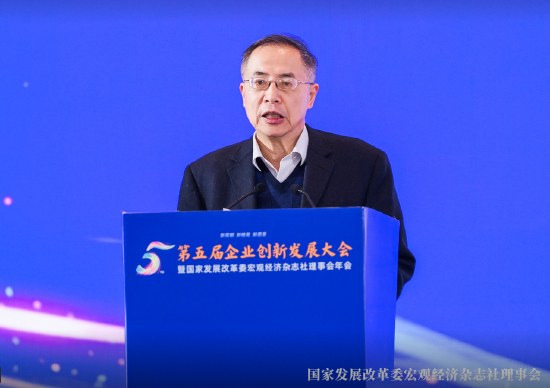
第五届企业创新发展大会2月1日—3日在广东东莞举办。中国企业联合会党委书记、常务副会长兼秘书 长朱宏任出席并演讲。 专题:第五届企业创新发展大会 最后,把握企业发展机会,要重视新型工业化发展。制造企业不仅要从当前发展看制造业转型升级,还 要从国家强国建设、民族复兴伟业角度,意识到担当的责任与使命。如推动制造业向高端化、智能化、 绿色化、融合化、集群化发展,应是企业下一步发展中更多关注的地方。 新浪声明:所有会议实录均为现场速记整理,未经演讲者审阅,新浪网登载此文出于传递更多信息之目 的,并不意味着赞同其观点或证实其描述。 责任编辑:王翔 专题:第五届企业创新发展大会 朱宏任指出,要看到当前内卷带来的危害。市场需要竞争,但竞争一旦盲目无序,就会侵蚀企业利润, 抑制创新活力,拖累全要素生产力提升,导致市场机制严重扭曲,破坏市场公平。 谈及反内卷突破路径,朱宏任认为,企业要从单纯拼价格转向价值创造,以技术创新构筑不可复制的竞 争护城河。推动广大企业、专精企业、民营企业走专精特新之路,向世界一流迈进,即聚焦技术攻坚, 突破核心瓶颈,增强原始创新,构建技术壁垒,升级竞争模式,打造品牌优势,强化转型驱动,加快创 新引领, ...

江苏2025年地区生产总值超14万亿元
Ren Min Ri Bao· 2026-01-28 23:27
Core Insights - Jiangsu Province is projected to achieve a GDP of 14,235.15 billion yuan in 2025, reflecting a year-on-year growth of 5.3% [1] Economic Performance - The primary industry is expected to contribute an added value of 536.97 billion yuan, with a year-on-year growth of 3.5% [1] - The secondary industry is projected to have an added value of 6,003.82 billion yuan, showing a year-on-year increase of 4.7% [1] - The tertiary industry is anticipated to reach an added value of 7,694.37 billion yuan, with a year-on-year growth of 5.8% [1] Industrial Growth - The industrial added value of enterprises above designated size is expected to grow by 6.5% year-on-year [1] - The equipment manufacturing sector is projected to see an added value growth of 8.8%, contributing 74.6% to the overall industrial growth, an increase of 13.4 percentage points from the previous year [1] - High-tech industries are expected to account for 52.1% of the industrial output of enterprises above designated size, up by 1.4 percentage points from the previous year [1] - The added value of high-tech manufacturing is projected to grow by 11.9%, contributing 2.8 percentage points to the overall industrial growth [1] Consumer Market - The total retail sales of consumer goods in the province are expected to reach 46,394.2 billion yuan, with a year-on-year growth of 3.3% [1] - There is a notable growth trend in green and smart products within the consumer market [1]
“十四五”制造业高质量发展成果丰硕
Zhong Guo Hua Gong Bao· 2026-01-26 02:24
Core Insights - The article highlights six major achievements in China's manufacturing industry during the "14th Five-Year Plan" period, emphasizing high-quality development and innovation in the sector. Group 1: Economic Growth - The manufacturing value added in China is projected to grow from 26.6 trillion yuan to 33.6 trillion yuan from 2020 to 2024, contributing over 30% to global manufacturing growth during this period [1] - The annual growth rate of the equipment manufacturing industry is expected to be 7.9%, while high-tech manufacturing is projected to grow at 8.7% [2] Group 2: Innovation and R&D - By 2024, the proportion of R&D expenditure to operating income for large-scale manufacturing enterprises is expected to reach 1.82%, indicating a steady increase in innovation investment [1] - Key technological innovations in the chemical industry have supported major space missions, showcasing the advancements in industrial technology [1] Group 3: Industrial Structure and Optimization - The proportion of advanced manufacturing in the overall industrial structure is improving, with advanced manufacturing clusters being established in six key areas, including high-end equipment and new materials [1] - The number of national-level green factories has reached 6,430, reflecting a continuous increase in the green aspect of the industry [1] Group 4: Digital Transformation - The digital transformation of the manufacturing sector has shifted from leading benchmarks to large-scale promotion, with the establishment of various levels of smart factories, including 15 leading smart factories and over 35,000 basic smart factories [2] Group 5: Supply Chain Resilience - Significant breakthroughs have been made in key core technologies and strategic products, enhancing the resilience and safety of critical industrial chains, including integrated circuits and industrial mother machines [2] Group 6: SME Development - By 2025, the number of large-scale industrial enterprises is expected to increase by 138,000 compared to the end of 2020, with the number of specialized and innovative "little giant" enterprises reaching 17,600 [2] - The cumulative number of manufacturing champions is projected to reach 1,862, indicating a sustained enhancement in the vitality and competitiveness of small and medium-sized enterprises [2]
“万亿城市”再扩容 增长密码是什么?
Xin Lang Cai Jing· 2026-01-24 14:30
Core Insights - The number of "trillion-yuan cities" in China has increased to 29, with notable cities like Shanghai, Beijing, and newly added cities such as Wenzhou and Dalian [1][2][3] Group 1: Economic Growth and City Rankings - Dalian has achieved a GDP of 1,000.21 billion yuan in 2025, marking it as the first "trillion-yuan city" in Northeast China [2][13] - Wenzhou's GDP is projected to surpass 1 trillion yuan, making it the third "trillion-yuan city" in Zhejiang province [2][12] - Shanghai's GDP is expected to reach 56,708.71 billion yuan in 2025, while Beijing's GDP is projected at 52,073.4 billion yuan, both showing a growth rate of 5.4% [5][6][7] Group 2: Regional Distribution and Characteristics - The 29 "trillion-yuan cities" include 4 municipalities, 11 provincial capitals, 4 separately planned cities, and 10 prefecture-level cities, with a majority located in southern China [3][4] - Jiangsu and Guangdong are the provinces with the highest number of "trillion-yuan cities," with 5 and 4 cities respectively [3][4] Group 3: Economic Strategies and Innovations - Shanghai is focusing on industrial growth, with significant increases in sectors like transportation equipment and electrical machinery [7][8] - Beijing is emphasizing quality over quantity in its economic development, particularly in the information technology sector [9] - Guangzhou is investing heavily in advanced manufacturing, with industrial investment rising from 103 billion yuan in 2020 to 171.1 billion yuan in 2024 [10][11] Group 4: Future Prospects for Emerging Cities - Cities like Xuzhou, Shenyang, and Shaoxing are nearing the "trillion-yuan" threshold, with Xuzhou's GDP projected to grow by 5.8% and Shenyang's GDP at 9,027.1 billion yuan [18][19] - The transition from 800 billion to 1 trillion yuan requires a focus on innovation and industrial integration, aiming for a comprehensive enhancement of urban competitiveness [20]
“万亿城市”再扩容,增长密码是什么?
Sou Hu Cai Jing· 2026-01-24 08:50
Core Insights - The number of "trillion-yuan cities" in China has increased to 29, with cities like Shanghai and Beijing leading the way in GDP growth [1][2][4] - The economic scale of these cities enhances their ability to mobilize resources and drive development [1][2] Group 1: Overview of "Trillion-Yuan Cities" - Dalian has officially entered the "trillion-yuan city" category with a GDP of 1,002.1 billion yuan in 2025, marking it as the first in Northeast China [2][12] - Wenzhou has also crossed the trillion-yuan threshold, becoming the third in Zhejiang province after Hangzhou and Ningbo [2] - The list of 29 "trillion-yuan cities" includes 4 municipalities, 11 provincial capitals, 4 sub-provincial cities, and 10 prefecture-level cities, showcasing a diverse geographical distribution [2][3] Group 2: Economic Performance and Growth Rates - Shanghai's GDP is projected to reach 56,708.71 billion yuan in 2025, while Beijing's is expected to be 52,073.4 billion yuan, both growing at a rate of 5.4% [4][5] - The growth rates of Shanghai and Beijing exceed the national GDP growth rate of 5% [5] - Wenzhou's GDP is anticipated to grow by 6.1%, reflecting strong economic resilience [11] Group 3: Sectoral Contributions and Innovations - Shanghai's industrial output is expected to grow by 5.0%, with significant contributions from sectors like transportation equipment manufacturing, which grew by 15.8% [7][8] - Beijing focuses on information technology and digital economy, achieving substantial growth despite a reduction in traditional manufacturing [9] - Shenzhen's GDP is projected to approach 4 trillion yuan by 2025, driven by advanced manufacturing and innovation [10] Group 4: Future Prospects for Emerging Cities - Cities like Xuzhou, Shenyang, and Shaoxing are nearing the trillion-yuan mark, with Xuzhou's GDP growth expected around 5.8% [17][18] - The focus for these cities is on innovation, industrial upgrades, and enhancing overall competitiveness to achieve high-quality development [19]
背后有何亮点?
Xin Lang Cai Jing· 2026-01-23 18:53
Group 1 - The industrial economy in Chengdu is experiencing rapid growth, supported by a strong industrial foundation and investment [3][4] - Industrial investment in Chengdu has increased by 19.7%, ranking first among sub-provincial cities [3][4] - The city's second industry added value reached 690.39 billion yuan, with a growth rate of 5.4% [3] Group 2 - Chengdu has established a modern industrial system with 10 billion-level industrial chains and 17 national and 25 provincial advanced manufacturing clusters [4] - The city has optimized its industrial park system, creating 50 advanced manufacturing characteristic industrial parks, which house over 1,400 industrial enterprises [5] - The "specialized, refined, distinctive, and innovative" small giant enterprises have increased to 56 [6][9] Group 3 - Chengdu's "Progress, Solution, Optimization, Promotion" initiative has effectively addressed business concerns, achieving a 99.65% resolution rate for collected issues [7] - The city has published over 1,300 scenario demands and provided more than 1,100 capabilities to support innovation [8] - Major companies like Tongwei and New Hope have been included in the Fortune Global 500 list, highlighting the growth of local enterprises [9]

周红波参加市人代会玄武代表团分组审议
Nan Jing Ri Bao· 2026-01-22 02:08
Group 1 - The government work report emphasizes the spirit of the 20th Central Committee and outlines clear tasks for high-quality development in Nanjing during the 14th Five-Year Plan period [1][2] - The report highlights the achievements of the Xuanwu District in enhancing economic contribution, industry recognition, cultural tourism visibility, and international openness, supporting the city's overall development [2] - There is a focus on strengthening modern service industries with high added value and integration, aiming to enhance the comprehensive service functions of the provincial capital [2] Group 2 - The integration of artificial intelligence into industrial upgrades is prioritized, with an emphasis on promoting technological innovation and application in advanced manufacturing and modern services [3] - The development of cultural tourism is seen as a way to enhance the city's character, with initiatives to integrate resources and innovate products for deeper cultural and commercial synergy [3] - New consumption patterns are encouraged to stimulate domestic demand, with a focus on upgrading key commercial districts and creating trendy consumer landmarks [3] - The establishment of platforms to enhance openness and support for enterprises in international trade and cross-border transactions is highlighted as a key strategy [3] - The report calls for the introduction of new development formats and strengthening of productive services, particularly in technology, testing, and legal services, to enhance value chains [3]
新兴产业和未来产业“十五五”如何开局,工信部划出重点
2 1 Shi Ji Jing Ji Bao Dao· 2026-01-21 13:03
Core Viewpoint - The press conference highlighted China's industrial and information technology development goals for 2025, focusing on emerging industries and future technologies, with an emphasis on new materials, humanoid robotics, and 6G technology [1][4][8]. Emerging Industries - The Ministry of Industry and Information Technology (MIIT) aims to implement actions to develop and strengthen emerging industries, creating new momentum for growth [1][4]. - New materials were specifically mentioned as a key area, with a focus on advanced basic materials, strategic materials, and AI-integrated materials [1][6]. - By 2025, the industrial added value of key sectors like integrated circuits and electronic materials is expected to grow by 26.7% and 23.9% respectively [4]. Future Industries - The MIIT plans to promote future industries such as embodied intelligence and 6G technology, with significant investments in R&D and application ecosystems [1][7][10]. - The first phase of 6G technology trials has resulted in over 300 key technology reserves, with the second phase already initiated [10]. - Humanoid robotics is expected to drive the development of the embodied intelligence sector, with over 140 domestic companies and more than 330 humanoid robot products launched by 2025 [8][9]. Economic Contribution - The industrial and information sectors contributed over 40% to economic growth, with a manufacturing value-added growth of 5.9% year-on-year [4]. - The telecommunications business volume increased by 9.1%, indicating robust growth in the sector [4]. Investment and Innovation - The MIIT has facilitated over 55 billion yuan in new materials entering the market, supporting significant projects like the Shenzhou 21 manned spacecraft and C919 aircraft [6]. - The government is committed to enhancing the innovation capacity and development efficiency of the new materials industry through policy support and funding [6]. AI Development - By 2025, the number of AI companies in China is projected to exceed 6,000, with the core industry scale expected to surpass 1.2 trillion yuan [11]. - The launch of the national AI industry investment fund, with a scale of 60 billion yuan, aims to accelerate the development of AI technologies and applications [11][12]. Support for SMEs - The MIIT will optimize the business environment for small and medium-sized enterprises (SMEs) and implement measures to support their growth [13]. - A three-year action plan will be executed to cultivate specialized and innovative SMEs, enhancing their development mechanisms [13].
上海三大先导产业引领工业发展
第一财经· 2026-01-21 03:13
Core Viewpoint - The economic performance of Shanghai in 2025 shows a positive trend in emerging industries, with a GDP growth of 5.4% and significant increases in industrial output and investment [3][4]. Economic Performance - In 2025, Shanghai's GDP reached 56,708.71 billion yuan, reflecting a year-on-year growth of 5.4% at constant prices [3]. - The industrial added value in Shanghai grew by 5.0%, with the total industrial output value increasing by 4.6% [3]. - Key sectors such as railway, shipbuilding, aerospace, and other transportation equipment manufacturing saw a remarkable growth of 15.8% [3]. Investment Trends - Fixed asset investment in Shanghai's industrial sector rose by 20.0%, significantly outpacing the overall fixed asset investment growth rate by 15.4 percentage points [3]. - The three leading industries in Shanghai's manufacturing sector achieved a year-on-year output growth of 9.6%, surpassing 2 trillion yuan in total scale [4]. Emerging Industries - The integrated circuit manufacturing sector experienced a growth of 15.1%, while artificial intelligence manufacturing grew by 13.6% in 2025 [4]. - Strategic emerging industries in Shanghai saw a 6.5% increase in output, with the new energy sector growing by 12.9% and high-end equipment manufacturing by 11.1% [4]. Industrial Strategy - Shanghai aims to enhance its industrial structure by focusing on advanced manufacturing, with a modern industrial system framework of "2+3+6+6" [5]. - The three leading industries identified are integrated circuits, biomedicine, and artificial intelligence, which are expected to drive industrial development during the 14th Five-Year Plan period [5]. AI Industry Developments - In a recent month, five AI companies in Shanghai went public, indicating a robust growth trajectory in the AI sector [5]. - Shanghai's local AI company, Xiyu Technology, became the fastest AI company globally to reach IPO status, highlighting the rapid development in this field [5]. Integrated Circuit Industry - Shanghai has established a comprehensive integrated circuit industry chain, excelling in chip design, manufacturing, and testing, with 35 listed companies on the Sci-Tech Innovation Board [7]. - The city is a leader in chip design and manufacturing, with advancements in packaging and high-end equipment materials supporting the growth of AI chip enterprises [7].
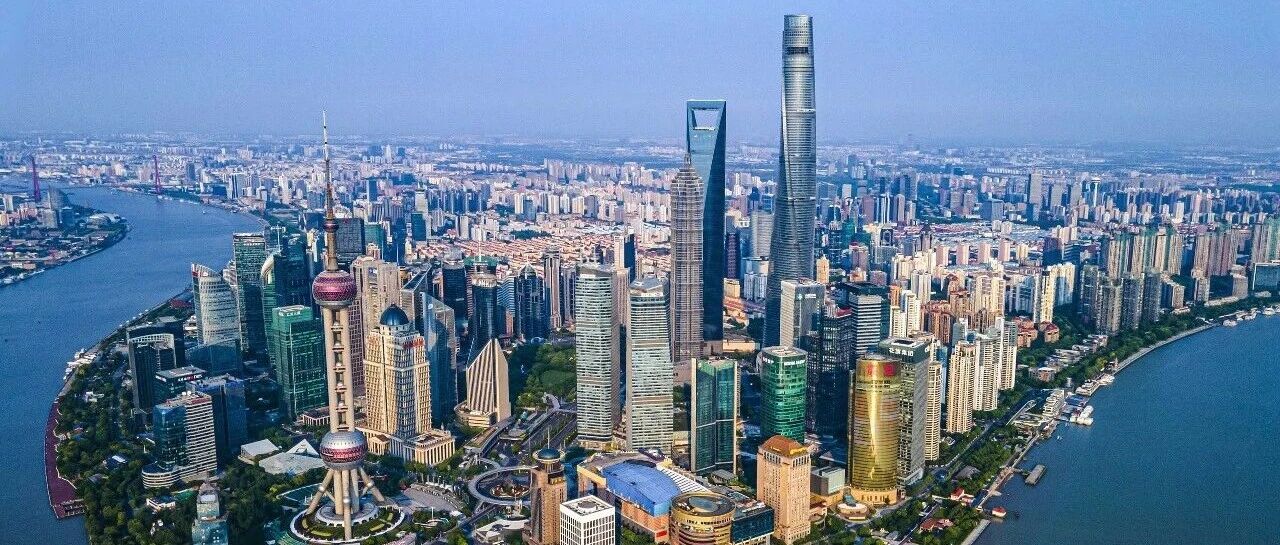
突破2万亿元!上海三大先导产业引领工业发展
Di Yi Cai Jing· 2026-01-21 02:45
Economic Overview - In 2025, Shanghai's GDP reached 56,708.71 billion yuan, reflecting a year-on-year growth of 5.4% in real terms [1] - The industrial added value in Shanghai grew by 5.0% year-on-year, with the total industrial output value increasing by 4.6% [1] Manufacturing Sector Performance - The manufacturing output of key industries in Shanghai saw significant growth, with the railway, shipbuilding, aerospace, and other transportation equipment manufacturing increasing by 15.8% [1] - The electrical machinery and equipment manufacturing sector grew by 11.1%, while the automotive manufacturing sector saw a 7.8% increase [1] - The computer, communication, and other electronic equipment manufacturing industries experienced a growth of 7.7% [1] Investment Trends - Industrial investment in Shanghai rose by 20.0% year-on-year, outpacing the overall fixed asset investment growth by 15.4 percentage points [1] Strategic Emerging Industries - The output value of Shanghai's three leading industries in manufacturing grew by 9.6%, surpassing 2 trillion yuan [2] - The integrated circuit manufacturing sector saw a growth of 15.1%, while the artificial intelligence manufacturing sector grew by 13.6% [2] - The strategic emerging industries in Shanghai experienced a year-on-year growth of 6.5%, with the new energy sector growing by 12.9% and high-end equipment manufacturing increasing by 11.1% [2] Industrial Development Strategy - Shanghai aims to build a modern industrial system characterized by "2+3+6+6," focusing on advanced manufacturing as the backbone [3] - The strategy emphasizes enhancing international competitiveness and supporting technological innovation while maintaining a reasonable industrial structure [3] - The three leading industries identified for accelerated development are integrated circuits, biomedicine, and artificial intelligence [3] AI and Integrated Circuit Industry - Shanghai has established a comprehensive integrated circuit industry chain, fostering leading enterprises across various segments, including chip design and manufacturing [5] - The city is home to 35 listed companies in the Science and Technology Innovation Board, leading the nation in chip design and manufacturing [5] - Recent developments include the rapid IPO of AI companies, such as MiniMax, which became the fastest AI company to go public globally [3][5]