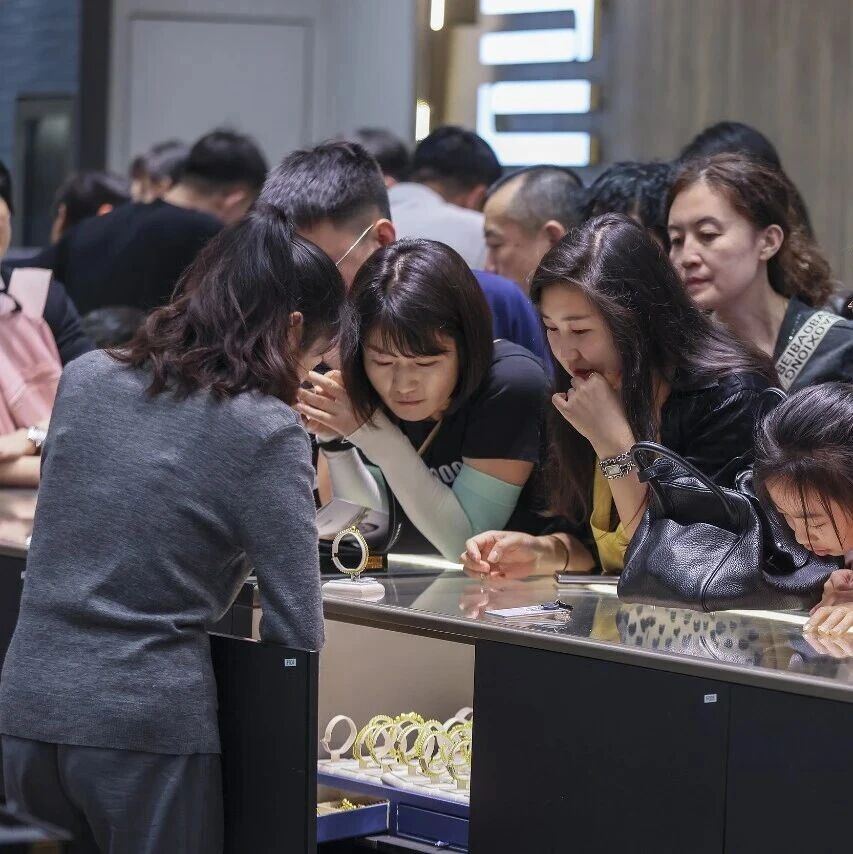
免税购物

Search documents
五部门官宣!新设41个口岸进境免税店
Zhong Guo Ji Jin Bao· 2026-01-21 11:45
Core Viewpoint - The Ministry of Finance, Ministry of Commerce, Ministry of Culture and Tourism, General Administration of Customs, and State Taxation Administration jointly issued a notification to establish and adjust a number of duty-free shops at ports, significantly increasing the number of such shops in China to enhance the shopping experience for inbound travelers and stimulate consumption [1]. Group 1: Establishment of New Duty-Free Shops - A total of 41 new duty-free shops will be established at various ports, including Wuhan Tianhe International Airport, which will enhance the coverage of duty-free shopping in China [1]. - The new duty-free shops will be located at major airports and ports, including but not limited to: - Wuhan Tianhe International Airport (Hubei) - Changsha Huanghua International Airport (Hunan) - Fuzhou Changle International Airport (Fujian) - Zhengzhou Xinzheng International Airport (Henan) - Ningbo Dongsha International Airport (Ningbo) [2][4][5]. Group 2: Optimization of Existing Duty-Free Shops - The notification also includes adjustments to existing duty-free shops whose operating contracts are about to expire or have already expired, as well as those located at ports where passenger functions have changed [1]. - This optimization aims to ensure that the duty-free retail business develops in a healthy and orderly manner, further facilitating inbound travelers' shopping experiences [1].


官宣!新设41个口岸进境免税店!
中国基金报· 2026-01-21 11:21
Core Viewpoint - The recent notification from multiple government departments aims to establish and adjust a number of duty-free shops at ports of entry, enhancing the shopping experience for inbound travelers and promoting the healthy development of the duty-free retail business in China [2]. Group 1: Establishment of New Duty-Free Shops - A total of 41 new duty-free shops will be established at various ports, including Wuhan Tianhe International Airport, significantly increasing the number of duty-free shops in China [2]. - The new duty-free shops will be located at major airports and ports, enhancing the coverage and accessibility for inbound travelers [2]. Group 2: Adjustments to Existing Duty-Free Shops - The notification also includes adjustments for existing duty-free shops whose operating contracts are expiring or located at ports with changing passenger functions [2]. - This adjustment aims to optimize the existing duty-free shop network to better serve travelers and adapt to market changes [2]. Group 3: Purpose and Impact - The initiative is designed to facilitate duty-free shopping for inbound travelers, thereby supporting consumer spending and contributing to economic growth [2]. - By expanding the duty-free shop network, the government seeks to leverage these shops as a means to boost retail sales in the duty-free sector [2].

中国中免逆市涨超7% 海南元旦假期免税销售同比增长129% 瑞银称所有数据均胜预期
Zhi Tong Cai Jing· 2026-01-07 01:53
Core Viewpoint - China Duty Free Group (601888) (01880) saw a significant stock increase of over 7%, with a current price of 83.7 HKD and a trading volume of 185 million HKD, driven by strong sales growth in Hainan's duty-free market [1] Group 1: Sales Performance - Hainan's duty-free sales from January 1 to 3 increased by 129% year-on-year to 712 million CNY, with the number of shoppers rising by 61% [1] - The average duty-free spending per person reached 8,527 CNY, marking a 42.5% year-on-year increase, while the quantity of purchased items grew by 52.4% [1] Group 2: Market Drivers - The robust sales growth is attributed to the relaxation of shopping policy restrictions for local residents and departing travelers in Hainan since October of the previous year, which has boosted shopper traffic [1] - Increased average spending is primarily driven by luxury categories such as clothing, footwear, handbags, jewelry, and mobile products, alongside ongoing government subsidies for duty-free shopping [1] Group 3: Analyst Outlook - UBS has a positive outlook on China Duty Free Group's A-shares and H-shares, setting target prices of 99.59 CNY and 90.73 HKD respectively, with a "Buy" rating [1]

港股异动 | 中国中免(01880)逆市涨超7% 海南元旦假期免税销售同比增长129% 瑞银称所有数据均胜预期
智通财经网· 2026-01-07 01:51
Core Viewpoint - China Duty Free Group (01880) saw a significant stock increase of over 7%, with a current price of 83.7 HKD and a trading volume of 185 million HKD, driven by strong sales growth in Hainan's duty-free market [1] Group 1: Sales Performance - Hainan's duty-free sales from January 1 to 3 increased by 129% year-on-year to 712 million CNY, with the number of shoppers rising by 61% [1] - The estimated per capita duty-free spending reached 8,527 CNY, marking a 42.5% year-on-year increase, while the quantity of purchased items grew by 52.4% [1] Group 2: Market Drivers - The robust sales growth is attributed to the relaxation of shopping policy restrictions for local residents and departing travelers in Hainan since October of the previous year, which boosted shopper traffic [1] - The increase in per capita spending is primarily driven by luxury categories such as clothing, footwear, handbags, jewelry, and mobile products [1] - Local government continues to provide subsidies for duty-free shopping, further supporting sales growth [1] Group 3: Analyst Outlook - UBS has a positive outlook on China Duty Free Group's A-shares and H-shares, setting target prices of 99.59 CNY and 90.73 HKD respectively, with a "Buy" rating [1]
大行评级|瑞银:海南元旦假期免税销售同比增长129% 看好中国中免和上海机场
Ge Long Hui· 2026-01-06 07:20
Core Viewpoint - UBS reports that Hainan's duty-free sales from January 1 to 3 increased by 129% year-on-year to 712 million yuan, with the number of duty-free shoppers rising by 61% [1] Group 1: Sales Performance - Duty-free sales growth is attributed to the relaxation of shopping policy restrictions for local residents and departing travelers in Hainan since October last year [1] - The average duty-free spending per person is estimated at 8,527 yuan, reflecting a year-on-year increase of 42.5% [1] - The quantity of purchased items also saw a year-on-year growth of 52.4%, indicating strong consumer demand [1] Group 2: Product Categories and Government Support - The increase in average spending is driven by luxury categories such as clothing, footwear, handbags, jewelry, and mobile phones [1] - Local government continues to provide subsidies for duty-free shopping, further stimulating consumer spending [1] Group 3: Investment Outlook - UBS maintains a positive outlook on China Duty Free Group's A-shares and H-shares, setting target prices at 99.59 yuan and 90.73 Hong Kong dollars, respectively, with a "buy" rating [1] - The firm is also optimistic about Shanghai Airport, as new contracts may lead the company back to a high growth trajectory, with no significant capital expenditures expected, which could improve return on equity [1]

全岛封关后首个小长假 海南文旅迎来开门红
Xin Hua Wang· 2026-01-05 23:45
Core Insights - Hainan's duty-free shopping during the New Year's holiday reached 712 million yuan, marking a year-on-year increase of 128.9% [4][10] - The first holiday after the island's closure saw a surge in consumer activity, with significant increases in both the number of shoppers and the volume of goods sold [4][9] Group 1: Duty-Free Shopping Growth - The duty-free shopping amount in Hainan during the New Year's holiday was 712 million yuan, a 128.9% increase year-on-year [4] - The number of duty-free items sold reached 442,000, up 52.4% from the previous year, while the number of shoppers increased by 60.6% to 83,500 [4][5] - The new duty-free policy implemented in November 2022 allowed local residents to purchase items without limits within a certain quota, further stimulating shopping enthusiasm [4][6] Group 2: Tourism and Consumer Experience - Hainan is positioning itself as an international tourism consumption center, with a focus on enhancing the shopping experience through various promotional activities [5][6] - The warm winter climate and improved transportation infrastructure have contributed to a significant increase in tourist arrivals, with a 96% year-on-year rise in self-driving trips [7][9] - The number of inbound tourists during the New Year's holiday increased by over 20%, with flight bookings to Hainan's major cities like Haikou and Sanya seeing year-on-year growth of over 300% and 500%, respectively [9][10] Group 3: Future Prospects and Policy Implications - Hainan's government plans to introduce more favorable policies for duty-free shopping and tourism, aiming to enhance the overall consumer experience and attract more visitors [6][10] - The province's tourism revenue is projected to increase by 2.62% to 3.28% following the implementation of new policies and the easing of travel restrictions [10] - The local government is also focusing on diversifying the tourism market and improving the supply chain to better meet international standards [11]
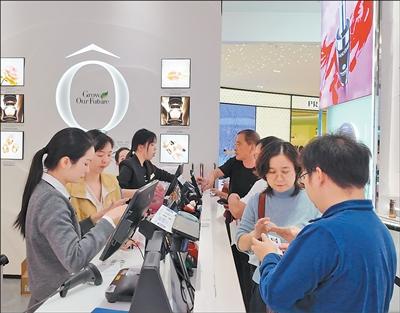
海南:岛内居民将享免税购物红利
Sou Hu Cai Jing· 2026-01-01 21:09
Core Viewpoint - Hainan Free Trade Port has been operating smoothly for nearly half a month since its closure, with continuous policy benefits being released and positive progress in its construction [1] Group 1: Operational Data - As of December 28, there have been 753 inbound and outbound flights, serving 112,100 passengers, including 32,700 visa-free entrants, and 180 vessels [3] - The "second-tier ports" have shown efficient customs clearance, with 11,394 flights, 3,848 vessels, 2.046 million passengers, 160,900 vehicles, and 36,000 outbound trucks recorded [3] Group 2: Economic Impact - The value of "zero tariff" imported goods from the "first-tier" ports exceeded 416 million yuan, with tax reductions amounting to over 55 million yuan [5] - The total value of "zero tariff" goods for domestic sales from the "second-tier" ports reached 27.969 million yuan, with a tax exemption of 1.624 million yuan [5] - The duty-free shopping amount in Hainan reached 1.74 billion yuan, indicating a sustained consumer spending surge [8] Group 3: Policy Developments - Hainan is actively researching and formulating supporting documents to promote duty-free shopping for residents [10][15] - The provincial government clarified that the "zero tariff" goods primarily include production equipment, raw materials, and self-use vehicles, aimed at supporting industrial development [11] Group 4: International Cooperation - Hainan has signed a cooperation memorandum with Hong Kong to deepen collaboration in trade, investment, finance, data security, tourism, and talent exchange [13] - Haikou Meilan Airport has partnered with Singapore Changi Airport to build an aviation hub facing the Pacific and Indian Oceans [13] - Yangpu has established a sister port relationship with Abu Dhabi Port to enhance cooperation in port construction and trade [13]
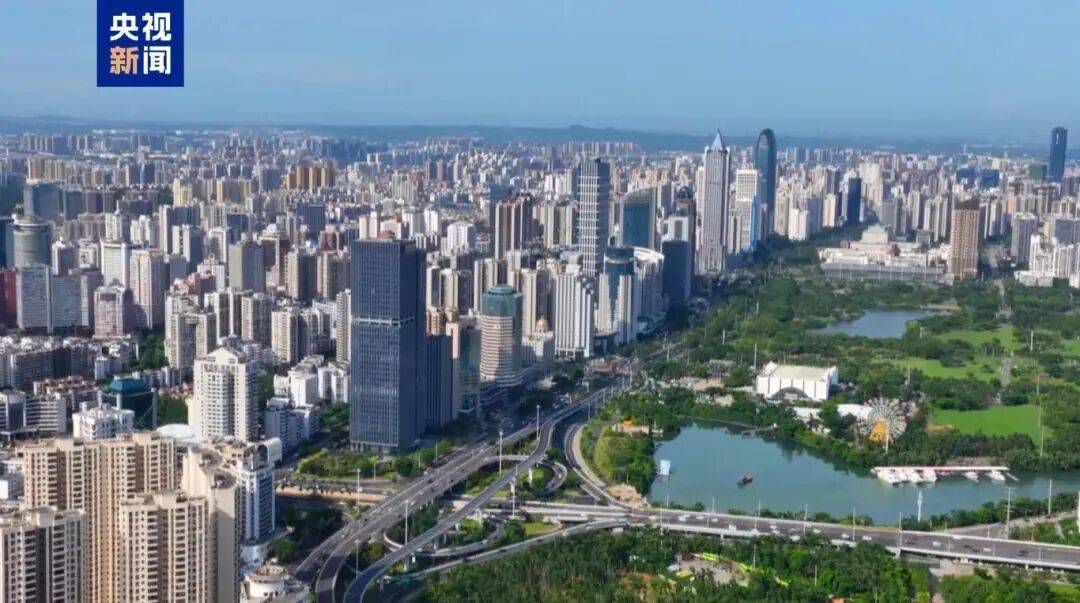
海南封关运作后首个假期,有人买手机便宜600元,三亚入境客暴增5倍
Sou Hu Cai Jing· 2026-01-01 18:56
Core Insights - The tourism market in Hainan has seen a significant increase in activity following the lifting of travel restrictions, with notable growth in both domestic and international travel [1][10] - The popularity of duty-free shopping has surged, with specific shopping districts in Sanya and Haikou ranking among the top in the province, leading to increased hotel occupancy rates [1][10] - There is a marked shift in tourist destinations from traditional hotspots to lesser-known areas, indicating a diversification in Hainan's tourism landscape [10] Group 1: Tourism Growth - On January 1, the first holiday after the closure was lifted saw a rapid increase in the tourism market, with flight bookings to Haikou ranking in the national top ten [1] - Domestic travel to Haikou and Sanya has increased significantly, with self-driving tours ranking as the top two activities, showing year-on-year growth of 81% and 96% respectively [1] - The influx of international tourists has also been impressive, with inbound flight bookings to Haikou and Sanya increasing by over three times and five times, respectively [10] Group 2: Duty-Free Shopping - Duty-free shopping remains a major attraction, with Sanya International Duty-Free City and Haikou's shopping districts entering the top three in the province [10] - Hotel occupancy rates around these duty-free shopping areas have seen substantial increases, with some locations experiencing growth of up to 1.5 times [10] - The appeal of duty-free shopping has been enhanced post-closure, with tourists reporting significant savings on electronic products [3] Group 3: Diversification of Tourist Destinations - Hainan's tourism is evolving from a concentration in popular areas to a more diversified approach, with increased interest in lesser-known destinations like Tunchang and Baisha [10] - The data indicates that while traditional destinations remain popular, there is a growing trend of tourists exploring a wider range of locations within Hainan [10]

海南封关运作近半月平稳有序 岛内居民将享免税购物红利
Sou Hu Cai Jing· 2025-12-31 11:56
Core Viewpoint - Hainan Free Trade Port has been operating smoothly for nearly half a month, with continuous policy benefits and positive progress in its construction [1] Group 1: Operational Data - As of December 28, there have been 753 inbound and outbound flights, serving 112,100 passengers, including 32,700 visa-free entrants; 180 vessels have also been recorded [3] - The "first-line" zero-tariff imports have a total value exceeding 416 million yuan, with tax reductions amounting to over 55 million yuan [4] - The total number of registered market entities has increased by 11,957, and the duty-free shopping amount reached 1.74 billion yuan [7] Group 2: Policy Developments - Hainan is developing supporting documents for the island residents' duty-free shopping policy, aiming to expedite the benefits for local citizens [11] - The zero-tariff goods primarily include production equipment, raw materials, and personal transportation tools to support the development of Hainan's industries [10] - Hainan has signed cooperation agreements with Hong Kong, Singapore, and Abu Dhabi to enhance trade and tourism [10]
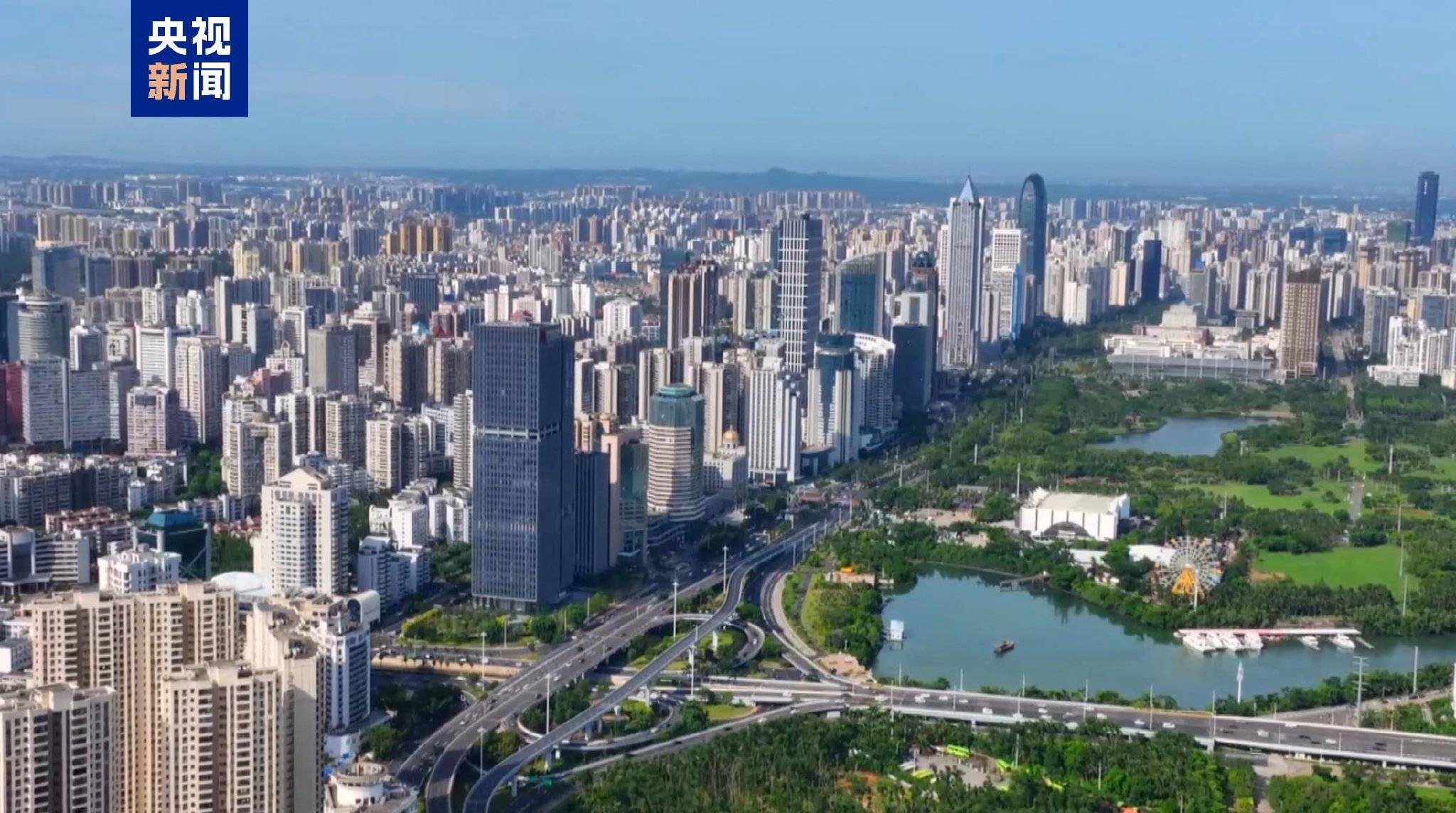
我去了一趟封关后的海南
投资界· 2025-12-30 03:06
Core Viewpoint - The article discusses the surge in consumer spending in Hainan following the implementation of a new duty-free policy, highlighting the significant interest in gold purchases and luxury goods among consumers [5][27][50]. Group 1: Consumer Behavior - The influx of consumers in Hainan has led to long queues at duty-free shops, with many eager to take advantage of discounts on gold and luxury items [5][7][27]. - The price of gold in Hainan's duty-free shops is significantly lower than in mainland stores, with a reported price of 1,194 yuan per gram compared to over 1,368 yuan in mainland stores, resulting in savings of over 160 yuan per gram [20][24]. - Many consumers are prioritizing gold purchases, with some stating that buying gold in Hainan is more cost-effective than traveling to Hong Kong for similar purchases [18][21]. Group 2: Economic Impact - Hainan's duty-free policy has transformed the region into a "consumer paradise," with sales in duty-free stores exceeding 100 million yuan in just four days [43]. - The article notes that the demand for luxury goods, including iPhones and designer items, has surged, with discounts on new iPhone models reaching over 2,000 yuan [30][36]. - The local economy is benefiting from this consumer spending, contributing significantly to Hainan's GDP [43]. Group 3: Investment Opportunities - Hainan is positioned as an attractive investment destination due to its low tax rates, with corporate income tax for eligible industries set at 15% compared to 25% in mainland China [50]. - The article mentions that high-end talent and critical personnel can benefit from tax exemptions, making Hainan appealing for businesses and individuals looking to relocate [50][62]. - Reports indicate that significant investments are being made in Hainan, with one company reportedly spending nearly 5 billion yuan on land acquisitions in the region [50].