
品牌战略

Search documents
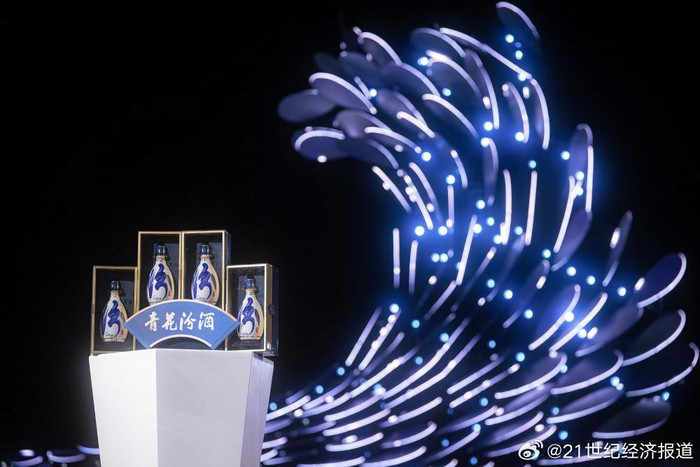
2026大湾区新年音乐会在珠海上演,汾酒冠名奏响时代乐章
2 1 Shi Ji Jing Ji Bao Dao· 2025-12-31 15:05
Group 1 - The 2026 New Year Concert titled "Sailing Towards the Blue" was held at Zhuhai Xiangzhou Port and broadcasted on multiple CCTV channels, showcasing the development of the Guangdong-Hong Kong-Macao Greater Bay Area through music [1] - The concert featured a narrative line of "Music Tour Bus" intertwined with classic and original pieces, divided into four movements, highlighting the dynamic and progressive spirit of the Bay Area [1] - The concert was exclusively sponsored by Fenjiu, which has maintained steady growth even during industry adjustments, aligning with its reform blueprint known as the "Revitalization Program" [1] Group 2 - Fenjiu disclosed six achievements during the 2025 Global Distributor Conference, including the systematic construction of the Fenxiang Benefits system and enhanced operational resilience [1] - The product structure has become more scientific, with a stable foundation for the "Four-Wheel Drive" strategy and clearer positioning of the "Three Major Brand Strategies" [1] - The "Fenjiu+" creative marketing model has gained traction, and cultural products are increasingly resonating with users' emotions [1] Group 3 - The collaboration with CCTV is a key part of Fenjiu's brand strategy, integrating core channel resources to promote its 6000-year brewing culture and quality commitment [2] - By launching the concert at the beginning of the New Year in the Greater Bay Area, Fenjiu aims to use music as a bridge to convey blessings to the national audience and share the story of Chinese brands with the world [2]


换帅、博弈,Lululemon的“多事之秋”
Bei Jing Shang Bao· 2025-12-30 13:22
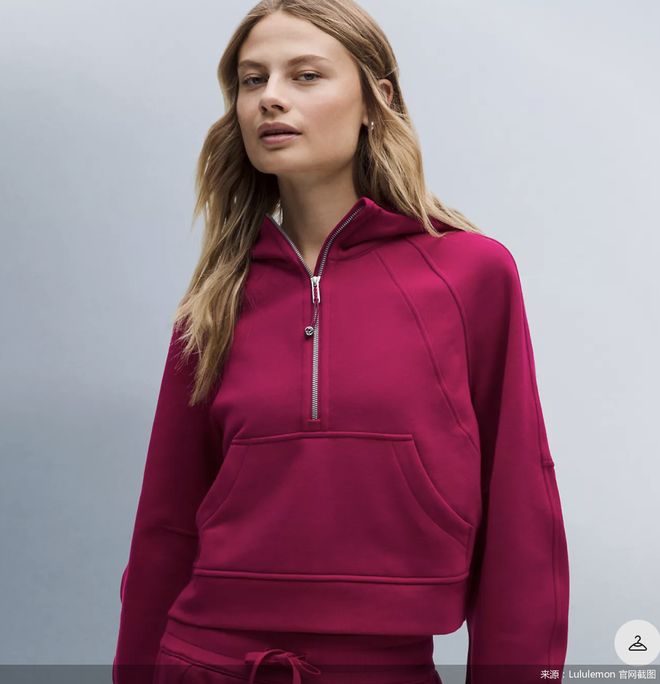
Core Viewpoint - Lululemon's founder Chip Wilson has initiated a proxy battle to restructure the board, expressing dissatisfaction with the company's current direction and management, which he believes is causing a loss of the brand's original intent and vision [2][4]. Founder’s Discontent - Chip Wilson plans to nominate three independent board candidates for the 2026 shareholder meeting, citing a lack of visionary leadership in the current board [2]. - Wilson criticizes the board and CEO Calvin McDonald for failing to regain stakeholder confidence and for the company's inability to restore growth momentum [2][5]. - He has publicly stated that the current management is overly focused on financial performance at the expense of creativity and innovation, leading to a loss of top talent and internal capabilities [5]. Leadership Changes - Calvin McDonald will step down as CEO and board member effective January 31, 2026, after leading the company for seven years, during which Lululemon's revenue grew from $3.3 billion to over $10 billion [3][5]. - The transition is seen as a potential turning point for Lululemon's strategic direction, allowing new leadership to implement fresh strategies [6]. Business Performance - For fiscal year 2024, Lululemon reported a 10% year-over-year revenue increase to $10.6 billion and a net profit of $1.815 billion, up 17.06% [5]. - However, growth has begun to slow, with Q1 2025 revenue at $2.371 billion, a 7.32% increase, and Q3 2025 revenue at $2.57 billion, a 7% increase, while net profit declined by approximately 12.8% [5][6]. Market Dynamics - The Chinese market has shown strong growth, with a 25% revenue increase in Q2 2025 and a 46% increase in Q3 2025, making it a key driver for international growth [6][7]. - Despite the positive performance in China, Lululemon faces increasing competition from both international brands like Nike and Adidas and local brands such as Anta and Li Ning [6][7]. - Lululemon's brand positioning is at risk as it pursues scale and efficiency, potentially diluting its premium image in the market [7]. Strategic Implications - The ongoing proxy battle reflects a broader strategic debate within Lululemon regarding its future direction, balancing short-term growth with long-term brand integrity [4][6]. - The company's ability to navigate these challenges will be crucial for its success in a polarized consumer market [4].
宁夏固原农产品加速出村进城
Jing Ji Ri Bao· 2025-12-27 00:34
Core Viewpoint - The article highlights the development of the agricultural industry in Guyuan City, Ningxia, focusing on the promotion of local specialty products such as cool-season vegetables, beef cattle, and potatoes, leveraging the "Liupan Mountain" brand to enhance market presence and farmer income [1][2][6]. Group 1: Brand Development - Guyuan City has established a "1+5+N" brand system for "Liupan Mountain Cool-Season Vegetables," which includes a main brand and several sub-brands, aiming to enhance the marketability of local agricultural products [2][3]. - The city has actively engaged in promotional activities, inviting over 30 well-known enterprises to explore partnerships and enhance the visibility of the "Liupan Mountain" brand [2][3]. Group 2: Agricultural Production and Processing - The area has over 50,000 acres dedicated to cool-season vegetable cultivation, producing over 2 million tons annually, with an industry chain value exceeding 4.5 billion yuan [3][4]. - The deep processing of potatoes has transformed them into products like fries and chips, with the local company consuming about 500,000 tons of potatoes annually, 20% sourced from local suppliers [4]. Group 3: Economic Impact and Community Involvement - The establishment of a 1,500-acre cool-season vegetable base in Huojicun has significantly increased farmer income, with average earnings reaching 140,000 yuan per household [6]. - The agricultural industry in Guyuan has seen a substantial increase in the number of agricultural enterprises, with 138 leading agricultural enterprises and 114 industrial companies contributing to the local economy [7]. Group 4: Future Prospects - Guyuan City aims to continue enhancing the "Liupan Mountain" brand as a key driver for rural revitalization and farmer income growth, focusing on integrating agriculture with cultural and tourism sectors [7].

中国绿发举办首届品牌开放日活动 发布品牌战略规划
Zheng Quan Ri Bao Wang· 2025-12-11 10:45
Group 1 - The core theme of the event hosted by China Green Development Investment Group is "Starting Anew," showcasing the company's achievements and forward-looking strategies in brand innovation, technological advancement, and ecological renewal [1] - During the 14th Five-Year Plan period, China Green Development has optimized its state-owned capital layout and structural adjustments, forming a national industrial layout focused on new energy, real estate, cultural tourism, modern commerce, property services, and strategic emerging industries [1] - The new energy sector has seen significant growth, with installed capacity increasing nearly tenfold, positioning the company among the industry leaders [1] Group 2 - The company unveiled its brand strategy plan, detailing the brand system and strategic model, which will guide the next phase of brand development and enhance brand governance and value creation capabilities [2] - A "1+6+N" brand architecture has been established, with the main brand "China Green Development" at the top, supported by six industrial brands and a collaborative development of diverse product and service brands [2] - The company has made strides in green low-carbon practices, with 34 new operational and under-construction projects in the new energy sector during the 14th Five-Year Plan, and has achieved BRE net-zero carbon park certification for its Xinjiang Phase I project [2]
高嵩出任捷豹路虎中国市场“新帅” 负责品牌战略与全域营销
Zhong Guo Jing Ying Bao· 2025-12-02 01:56
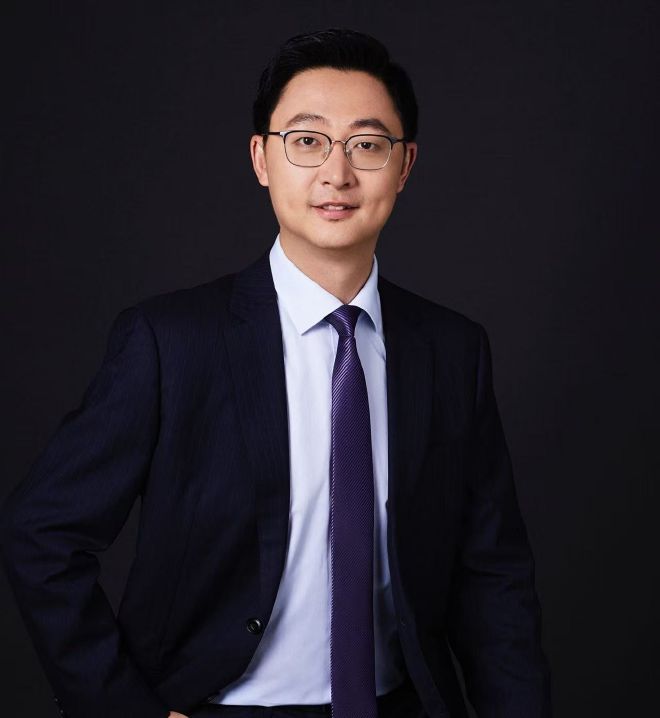
Group 1 - Jaguar Land Rover China has appointed Gao Song as the new Executive Vice President of Marketing, effective December 1, signaling a strategic shift towards brand rejuvenation and market expansion in China [2][3] - Gao Song brings nearly 20 years of experience in marketing and business management from top companies such as Procter & Gamble, Clarins, and Michelin, with expertise in brand building, e-commerce operations, product innovation, and business transformation [2][3] - During his tenure at Michelin, Gao transformed the traditional dealer collaboration model and established a consumer-driven marketing system, accumulating 12 million precise user leads and over 1 million members within five months [2] Group 2 - Gao's previous achievements include a 5.5 times increase in sales for Clarins in the Chinese high-end skincare market and successful brand launches at Procter & Gamble, showcasing his strong brand management and cross-department collaboration skills [3] - The Chief Commercial Officer of Jaguar Land Rover China, Wu Chen, emphasized Gao's diverse industry experience and innovative thinking as essential for expanding the market and solidifying brand value [3] - Gao expressed his commitment to enhancing user experience and innovation for luxury brands, aiming to maintain the unique identities of the four brands under Jaguar Land Rover and lead the company in the modern luxury market [3]
哈尔斯:11月26日进行路演,菱信基金、华泰柏瑞等多家机构参与
Sou Hu Cai Jing· 2025-11-28 13:44
Core Viewpoint - The company is focusing on enhancing its brand strategy through collaboration with Tencent, targeting content co-creation, membership service upgrades, and business growth, particularly aimed at Gen Z consumers [2]. Group 1: Brand Strategy and Market Position - The partnership with Tencent aims to leverage digital resources to create a multi-touchpoint brand exposure system, enhancing customer engagement and loyalty [2]. - The domestic cup and kettle market shows low brand concentration, with the top four brands holding less than 20% market share, indicating significant growth potential for leading brands [3]. - The company is optimistic about the domestic market, noting that the cup and kettle category is evolving from durable goods to emotional carriers, which is expected to increase purchase frequency and market space [3]. Group 2: Cost Management and Production - The company is currently experiencing cost pressures due to the ramp-up phase of its Thailand facility, but expects cost improvements as local supply chains develop and production efficiency increases [4]. - The Thailand facility's automation and local supplier integration are anticipated to enhance long-term cost competitiveness [4]. Group 3: OEM Business and International Expansion - The OEM business is performing well, with an expanding share among top clients and growth in mid-tier clients, while also exploring new markets in North America, Europe, and Asia [5]. - The company is focusing on building localized supply chains overseas to strengthen strategic partnerships with clients, which is expected to enhance order concentration among leading brands [5]. - The company sees strong growth potential in the overseas insulated cup market, driven by diverse consumption scenarios and increasing purchase frequency [6]. Group 4: Financial Performance and Future Outlook - For the first three quarters of 2025, the company reported a revenue of 2.437 billion yuan, a year-on-year increase of 2.94%, but a net profit decline of 55.49% to 100 million yuan [9]. - The company has received approval for a specific issuance of A-shares, planning to proceed with the issuance based on market conditions and funding needs [7]. - The company maintains a stable governance structure with a clear division of responsibilities among the board and management, ensuring effective decision-making [8].

哈尔斯(002615) - 2025-005 浙江哈尔斯真空器皿股份有限公司投资者关系活动记录表
2025-11-28 11:32
Group 1: Strategic Partnerships and Market Positioning - The collaboration with Tencent focuses on brand strategy, content co-creation, member service upgrades, and business growth, leveraging Tencent's digital resources to enhance brand exposure and consumer engagement [2] - The domestic cup and kettle market shows low brand concentration (CR4 below 20%), indicating significant growth potential for leading brands through improved design and channel strategies [3] Group 2: Cost Management and Production Capacity - The Thai production base is currently in a ramp-up phase, impacting short-term costs; however, local supply chain development and automation are expected to improve cost efficiency over time [4] - The company is confident in reducing costs as the local supply chain matures and production capacity increases, with expectations of gradual cost pressure improvement [4] Group 3: OEM Business and Market Expansion - The OEM business is performing well, with an increase in orders from leading clients and expansion into new regions, including North America, Europe, and Southeast Asia [6] - The company is establishing localized supply chains overseas to strengthen partnerships and enhance order stability, aiming to capture a larger market share in the global cup and kettle manufacturing sector [6] Group 4: Future Growth and Market Trends - The company remains optimistic about the overseas insulated cup market, driven by outdoor activities and social media, which are diversifying consumption scenarios and increasing purchase frequency [7] - The industry is experiencing structural growth, with traditional brands maintaining steady growth while new brands are emerging rapidly, particularly in markets like Canada, Australia, and Europe [7] Group 5: Corporate Governance and Financial Planning - The company has established a clear and effective corporate governance structure, ensuring transparency and stability within the management team [9] - Following the approval for a specific A-share issuance, the company plans to proceed with the issuance based on market conditions and funding needs, aiming to maximize shareholder value [8]
泰安市质量品牌工作取得显著成效
Qi Lu Wan Bao· 2025-11-27 11:21
Group 1 - The city of Tai'an has implemented a strong quality and brand strategy, resulting in significant achievements in quality brand work, including two projects selected as provincial pilot projects and two projects included in the national quality strong county cultivation database [1] - A brand cultivation system has been established, focusing on creating, nurturing, and reserving brands, with the "Taihao Brand" as a public quality brand, leading to the recognition of 2 provincial quality awards and 5 provincial quality award nominations [1] - The city has accumulated 55 famous Chinese trademarks, 58 geographical indication trademarks, and 14 national geographical indication products, with 150 "Taihao Brand" quality public brands selected [1] Group 2 - The quality technical foundation has been strengthened through a one-stop service for quality infrastructure, extending to key industries such as hoisting machinery and textiles, resulting in the establishment of a comprehensive and efficient modern quality infrastructure service system [2] - The city has participated in the formulation of 6 international standards and has led or participated in the revision of 1,281 national and industry standards, with 118 national and provincial standardization pilot projects established [2] - Innovation and creativity have been stimulated, with a total of 7,100 invention patents held by the city, achieving an invention patent ownership rate of 13.27 per ten thousand people, and 39 enterprises recognized as national intellectual property demonstration and advantageous enterprises [2]
第十届山东省省长质量奖公布!潍坊市斩获两个奖项
Qi Lu Wan Bao· 2025-11-27 07:39
Group 1 - The Shandong Provincial Government announced the winners of the 10th Shandong Provincial Governor Quality Award, with 5 units and 5 individuals receiving the award, and 10 units and 10 individuals receiving the nomination award [1] - The Governor Quality Award is the highest quality award established by the provincial government, aimed at encouraging significant achievements in quality work and promoting the construction of a quality-oriented province and brand strategy [1] - Weifang City has won a total of 21 Governor Quality Awards and nomination awards, ranking second in the province alongside Qingdao [1] Group 2 - Weifang has implemented quality improvement initiatives and developed a brand cultivation mechanism, with 56 brands selected as "Good Products of Shandong," ranking third in the province [2] - The city has strengthened quality infrastructure construction and proposed a plan to enhance quality infrastructure to support the modern industrial system, with projects in power equipment, smart agriculture machinery, and high-end aluminum selected as provincial quality strong chain pilot projects [2] - Weifang is promoting quality enhancement at the county level, with Shouguang, Kuiwen, and Qingzhou included in the first batch of national quality strong county cultivation database, showcasing solid results in county-level quality construction [2]
广晟有色(600259.SH)拟将证券简称变更为“中稀有色”
智通财经网· 2025-11-24 09:44
Core Viewpoint - The company, Guangsheng Nonferrous Metals Co., Ltd., is changing its name to Zhongxi Nonferrous Metals Co., Ltd. to better align with its focus on the rare earth industry and enhance its brand recognition [1] Company Strategy - The company aims to focus on the upstream and downstream of the rare earth industry while also expanding into strategic rare metals such as tungsten and copper [1] - The name change is intended to improve the company's integration with China Rare Earth Group Co., Ltd. and leverage its advantages in upstream rare earth resources and the Guangdong-Hong Kong-Macao Greater Bay Area [1] Brand and Market Positioning - The new company name and stock abbreviation will help highlight the company's brand advantages and align with its main business and strategic positioning [1] - The changes are expected to enhance the company's reputation and brand effect, thereby strengthening its core functions and competitiveness [1]
