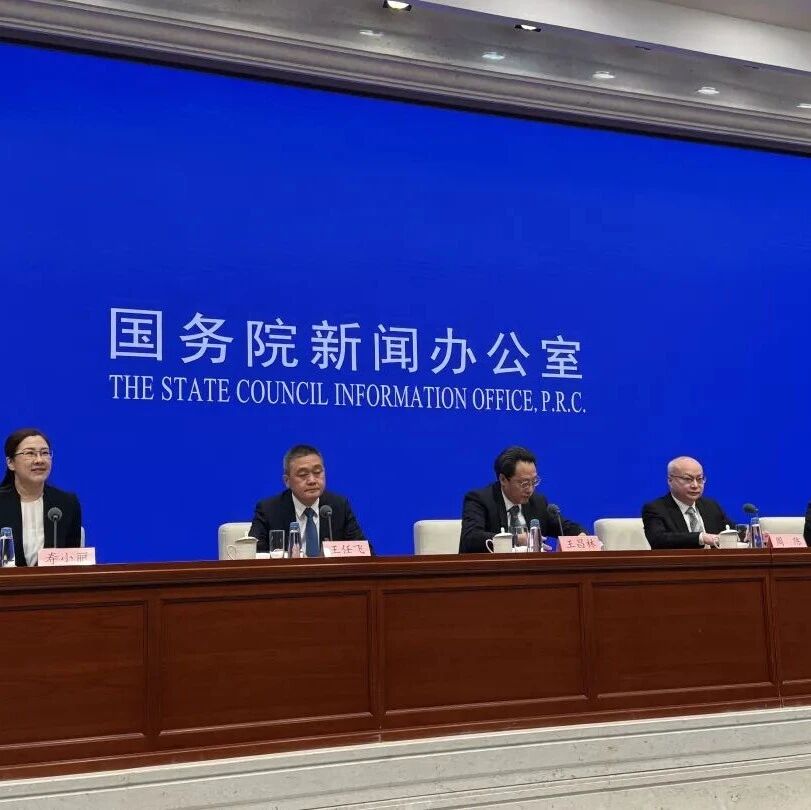
城乡居民增收计划

Search documents
格林大华期货早盘提示:国债-20260121
Ge Lin Qi Huo· 2026-01-21 01:24
1. Report Industry Investment Rating - The investment rating for treasury bonds is "Bullish (Slightly)" [1] 2. Core View of the Report - On Tuesday, treasury bond futures' main contracts generally rose, while the stock market pulled back. Due to factors such as China's GDP growth in 2025, fiscal and monetary policies, and international market uncertainties, treasury bond futures may fluctuate with a slight bullish trend in the short - term. Traders are advised to conduct band operations. [1][3][4] 3. Summary by Relevant Catalogs 3.1 Market Review - On Tuesday, the main contracts of treasury bond futures opened roughly flat and rose unilaterally throughout the day. The 30 - year treasury bond futures main contract TL2603 rose 0.52%, the 10 - year T2603 rose 0.13%, the 5 - year TF2603 rose 0.09%, and the 2 - year TS2603 rose 0.05%. [1] - On Tuesday, the Wande All - A index opened slightly higher, declined in the morning to reach the day's low, and then fluctuated horizontally, closing down 0.58% from the previous trading day, with a trading volume of 2.80 trillion yuan, a slight increase from the previous day's 2.73 trillion yuan. [3] 3.2 Important Information - **Open Market**: On Tuesday, the central bank conducted 324 billion yuan of 7 - day reverse repurchase operations, with 358.6 billion yuan of reverse repurchases maturing, resulting in a net withdrawal of 34.6 billion yuan. The latest LPR announced on Tuesday remained stable for the eighth consecutive month. [1] - **Funding Market**: On Tuesday, short - term interest rates in the inter - bank funding market rose. DR001's weighted average for the day was 1.37%, compared with 1.32% in the previous trading day; DR007's weighted average for the day was 1.50%, compared with 1.48% in the previous trading day. [1] - **Cash Bond Market**: On Tuesday, the closing yields of inter - bank treasury bonds mostly declined compared with the previous trading day. The yield to maturity of the 2 - year treasury bond declined 1.23 basis points to 1.39%, the 5 - year declined 0.74 basis points to 1.60%, the 10 - year declined 0.67 basis points to 1.83%, and the 30 - year declined 0.66 basis points to 2.34%. [1] - **Fiscal Policy**: In 2025, the Ministry of Finance allocated ultra - long - term special treasury bond funds to support about 8,400 projects, driving total investment of over 1 trillion yuan, supporting a 11.8% year - on - year increase in equipment and instrument purchases and investment, and boosting overall investment by 1.8 percentage points. In 2025, China's fiscal deficit ratio was about 4%, an increase of 1 percentage point from the previous year; the new government debt scale was 11.86 trillion yuan, an increase of 2.9 trillion yuan from the previous year. In 2026, the fiscal department will continue to implement a more proactive fiscal policy. [1] - **Policy Documents**: On January 20, the Ministry of Finance issued five consecutive documents on consumer loans, private investment, etc. Multiple departments jointly implemented or optimized loan interest subsidy policies for small and medium - sized enterprises, service providers, equipment updates, and personal consumption, as well as a special guarantee plan for private investment. [1][2] - **National Development and Reform Commission's Announcement**: On January 20, the National Development and Reform Commission stated that it will research and formulate an implementation plan for the strategy of expanding domestic demand from 2026 to 2030, study the establishment of a national - level merger and acquisition fund, strengthen government investment and fund layout planning, and take other measures. [2] 3.3 Market Logic - In 2025, China's GDP was 1,401,879 billion yuan, a year - on - year increase of 5.0%. In the fourth quarter, China's GDP increased 1.2% quarter - on - quarter. In December, fixed - asset investment growth and total retail sales of consumer goods were lower than market expectations, while export growth and the actual year - on - year growth of industrial added value above a designated size exceeded market expectations. The service production index in December increased 0.8 percentage points year - on - year compared with November. [3] - In December last year and the first ten - day period of January this year, domestic real estate sales and housing prices continued to decline year - on - year. [3] - The central bank announced a 0.25 - percentage - point cut in the rediscount rate and relending rate starting from January 19, 2026, and indicated that there is still room for reserve - requirement ratio cuts and interest rate cuts throughout the year. The Ministry of Finance stated on January 20 that in 2026, the fiscal deficit, total debt, and total expenditure will be maintained at necessary levels. [1][3] - Recently, the ongoing disputes between the US and Europe over Greenland, the shadow of the EU - US trade war, and the Japanese bond storm have dampened global investors' risk appetite, leading to a decline in overnight US stocks and the US dollar index. [3] 3.4 Trading Strategy - Traders are advised to conduct band operations. [4]
提振服务消费成重点 研制城乡居民增收计划2026年至2030年扩大内需战略实施方案酝酿出台
Xin Lang Cai Jing· 2026-01-20 20:57
Core Viewpoint - The focus of macroeconomic policy will shift towards strengthening domestic circulation and expanding domestic demand comprehensively from 2026 to 2030, with a strategic implementation plan being developed to achieve mutual promotion of supply and demand and cyclical upgrades [1][2] Group 1: Domestic Demand Strategy - A strategic implementation plan for expanding domestic demand from 2026 to 2030 will be formulated, aiming to lead new supply with new demand and create new demand through new supply [2] - The contribution rate of domestic demand to economic growth is expected to exceed 67% by 2025, with consumption contributing 52% [1] - Current economic challenges include insufficient demand and inadequate supply, particularly in high-end and service sectors, necessitating a focus on optimizing supply to meet upgraded demand [2] Group 2: Consumption and Investment - The central government is prioritizing measures to boost consumption, including short-term policies like "trade-in" programs and long-term mechanisms to sustain consumption growth [2] - The plan for expanding domestic demand will institutionalize efforts to enhance consumption and increase effective investment as a medium to long-term initiative [2] - The core issue of the economy is identified as weak demand, particularly in consumption, which the government aims to address through various policy measures [2]
推动“十五五”开好局起好步
Xin Lang Cai Jing· 2026-01-20 19:54
Core Insights - China's economy achieved a total output of 140 trillion yuan, with manufacturing value added ranking first globally for 16 consecutive years, and urbanization rate increasing by 0.89 percentage points year-on-year, indicating a high-quality development trajectory for 2025 [1][2] Group 1: Economic Development and Potential - The National Development and Reform Commission (NDRC) highlighted that the main goals of economic and social development were successfully completed, showcasing steady economic operation and enhanced resilience [2] - In 2026, significant potential is expected to be released in consumption, investment, technology, and industry, with new economic growth points in sectors like new energy and aerospace [2] - China possesses a complete industrial system and a vast talent pool, facilitating the transformation of innovation from concept to market [2] Group 2: Supply and Demand Dynamics - The 2025 Central Economic Work Conference identified a prominent contradiction between strong supply and weak demand, emphasizing the need for dynamic balance and a virtuous cycle [4] - The focus will be on strengthening domestic circulation, enhancing the real economy, and promoting a unified national market to mitigate "involution" competition [4] Group 3: Consumer and Investment Strategies - The NDRC plans to lower investment thresholds for project applications and optimize funding distribution for consumer goods replacement programs [5] - Increasing consumer income is deemed crucial for expanding domestic demand, with initiatives aimed at job retention and income growth for urban and rural residents [5] Group 4: Price Stabilization and Control - Promoting reasonable price recovery is a key macroeconomic goal, with recent trends showing a rise in both the Consumer Price Index (CPI) and Producer Price Index (PPI) [6] - The NDRC will implement proactive fiscal policies and moderately loose monetary policies to support price recovery while ensuring the stability of essential goods [6][7]
焦炭日报:短期承压下行,等待市场进一步指引-20260120
Guan Tong Qi Huo· 2026-01-20 11:44
Group 1: Report Industry Investment Rating - Not provided Group 2: Core Viewpoints of the Report - The supply - demand pattern of coke is directly affected by coking coal cost, steel demand, and macro - policy orientation. Currently, the comprehensive inventories of coking coal and coke continue to rise, and the overall supply - demand is weak. The downstream steel mill's hot metal production is relatively stable, and they replenish stocks as needed. The real - estate investment growth rate decline continues to expand, and the industry is under short - term pressure due to negative real - estate data. With a generally warm macro - environment and the implementation of domestic reserve requirement ratio cuts, the market awaits further policy guidance. In the short term, it is under pressure and may decline, and attention should be paid to the support performance near the previous low. Overall, it will mainly show wide - range fluctuations, and a low - buying strategy can be considered [2] Group 3: Summaries by Related Catalogs 1. Coke Inventory - As of January 16, the inventory of independent coke enterprises decreased by 4.95% month - on - month to 81.81 tons. The steel mill inventory increased to 650.33 tons, and the port inventory increased by 6.41% to 265.07 tons. The comprehensive coke inventory increased by 16.31 tons to 997.21 tons, reaching a 7 - month high and a year - on - year decrease of over 2% [1] 2. Coke Profit - The average profit per ton of coke for 30 independent coking plants nationwide is - 65 yuan/ton. The average profit of Shandong quasi - first - grade coke is - 53 yuan/ton, and another data shows - 7 yuan/ton. The average profit of Inner Mongolia second - grade coke is - 105 yuan/ton, and the average profit of Hebei quasi - first - grade coke is - 12 yuan/ton [1] 3. Downstream Demand - The blast furnace operating rate of 247 steel mills decreased by 0.47 percentage points to 78.84%, an increase of 1.66 percentage points compared to the same period last year. The blast furnace iron - making capacity utilization rate dropped to 85.48%. The daily average hot metal output decreased by 1.49 tons month - on - month to 228.01 tons, an increase of 3.53 tons compared to the same period last year [1] 4. Upstream Coking Coal - The coking coal inventory in coal mines decreased by 7.66%. The coking coal inventory of independent coke enterprises increased by 5.71% to 1132.85 tons, the steel mill coking coal inventory slightly increased to 802.2 tons, and the port imported coking coal inventory continued to increase. The comprehensive coking coal inventory increased by nearly 2% month - on - month to 2769.85 tons, which is lower than the previous year's level [2] 5. News - The National Development and Reform Commission aims to promote a reasonable recovery of prices and will study and formulate an implementation plan for the strategy of expanding domestic demand from 2026 to 2030. It is also researching and formulating actions to stabilize employment, expand employment, and improve quality, as well as a plan to increase the income of urban and rural residents. The Ministry of Finance will continue to arrange ultra - long - term special treasury bonds for "two important" construction and "two new" work in 2026 [2]
【图解】事关扩大内需、居民增收、创新创业……多项新举措酝酿推出
Xin Lang Cai Jing· 2026-01-20 11:42
Group 1 - The National Development and Reform Commission (NDRC) is set to introduce multiple new measures in 2026, marking the beginning of the "14th Five-Year Plan" [1] - A strategic implementation plan for expanding domestic demand from 2026 to 2030 will be developed to lead new supply with new demand and create strong innovation initiatives and resource guarantees [2] - The NDRC is working on a plan for stabilizing jobs, expanding capacity, and improving quality, as well as a plan for increasing urban and rural residents' income to enhance consumer purchasing power and optimize supply [3][4] Group 2 - This year, the NDRC will promote the implementation of actions to enhance and improve the service industry, introducing a series of high-quality policies [5] - Plans are underway to advance a number of significant projects in high-tech industries during the "14th Five-Year Plan" period, with the added goal of establishing a national-level merger and acquisition fund [6][8] - By 2025, the added value of high-tech manufacturing is expected to account for over 17% of the industrial output above designated size, indicating a focus on high-tech industry development [8]



四大重磅信号!国家发改委:正研究制定城乡居民增收计划
2 1 Shi Ji Jing Ji Bao Dao· 2026-01-20 06:48
Core Viewpoint - The Chinese economy is projected to achieve a GDP of 140.19 trillion yuan in 2025, with a growth rate of 5.0%, successfully meeting the annual target of around 5% [1] Group 1: Economic Growth and Policy Implementation - The National Development and Reform Commission emphasizes maintaining strategic focus and implementing counter-cyclical measures to stabilize employment and promote high-quality economic development [1][2] - The economy is expected to reach a new milestone of 140 trillion yuan, with a growth rate that remains among the highest globally [1] - The focus will be on expanding domestic demand and optimizing supply to achieve a dynamic balance between supply and demand [6][10] Group 2: Innovation and Industry Development - The implementation of an innovation-driven development strategy is crucial, with significant advancements in key technologies such as artificial intelligence and biotechnology [2][3] - The manufacturing sector continues to lead globally, with high-tech manufacturing value added exceeding 17% of industrial output [3] - The integration of innovation, industry, and talent is accelerating, with a projected digital economy value added of 49 trillion yuan by 2025, accounting for approximately 35% of GDP [3] Group 3: Regional Innovation and Market Dynamics - China has 24 global top 100 innovation clusters, with the "Shenzhen-Hong Kong-Guangzhou" cluster ranking first globally [4] - The establishment of international technology innovation centers in key regions aims to enhance China's position as a global technology innovation hub [4] - The focus on building a unified national market is intended to stimulate market vitality and improve competition quality [7][10] Group 4: Consumer Prices and Economic Stability - In 2025, the Consumer Price Index (CPI) is expected to remain stable, while the Producer Price Index (PPI) is projected to decline by 2.6% [8] - Recent trends indicate a recovery in prices, with CPI rising by 0.8% year-on-year in December, marking a 34-month high [9] - The government aims to promote reasonable price recovery through structural adjustments and policy measures [9][10] Group 5: Future Strategies for Demand and Investment - A five-year plan for expanding domestic demand will be developed, focusing on enhancing consumer capacity and optimizing supply [5][11] - The strategy will combine investments in physical and human capital to boost economic growth and job creation [11][12] - Policy support and reform innovation will be essential to ensure sustainable economic development and effective demand stimulation [12]
中国国家发改委:将持续推动物价合理回升
Zhong Guo Xin Wen Wang· 2026-01-20 06:39
Core Viewpoint - The National Development and Reform Commission (NDRC) of China aims to continuously promote a reasonable recovery of prices through a combination of policies, emphasizing the importance of price stability for both economic operation and residents' livelihoods [1][2]. Summary by Relevant Sections Overall Economic Policy - The NDRC plans to implement a more proactive fiscal policy and moderately loose monetary policy, making the promotion of reasonable price recovery a key consideration in monetary policy [1]. - There is an observed upward trend in both the Consumer Price Index (CPI) and the Producer Price Index (PPI), indicating signs of economic recovery [1]. Structural Policy - The NDRC will implement special actions to boost consumption and develop plans to increase income for urban and rural residents [2]. - Policies will be optimized to promote large-scale equipment updates and the replacement of old consumer goods, alongside advancing major national strategies and key area safety capabilities [2]. - Efforts will be made to address "involution" competition and establish a unified national market construction regulation to enhance market efficiency [2]. Reform Policy - The NDRC aims to further clarify price relationships to promote efficient resource allocation and ensure stable supply [2]. - Continuous efforts will be made to stabilize prices and supply of essential goods, ensuring sufficient quantity and stable prices to support basic livelihoods [2].
把促进物价合理回升作为货币政策的重要考量!发改委,最新发声
Zheng Quan Shi Bao· 2026-01-20 06:32
Group 1 - The core viewpoint of the news is the emphasis on promoting a reasonable recovery of prices as a key goal of macroeconomic regulation in China, with a focus on structural adjustments and a combination of policies to stimulate economic growth and price recovery [2][3][4] - The National Development and Reform Commission (NDRC) plans to implement more proactive fiscal policies and moderately loose monetary policies, while also enhancing consumption through specific actions and income increase plans for urban and rural residents [2][5][9] - The NDRC is working on a series of significant high-tech industry projects during the 14th Five-Year Plan period, with expectations for the digital economy's added value to reach 49 trillion yuan by 2025, accounting for about 35% of GDP [4] Group 2 - The NDRC aims to standardize local economic promotion behaviors and address "involution" competition by shifting focus from price competition to value competition, enhancing market entry and exit mechanisms [3][6] - The NDRC is developing a list of actions that hinder the establishment of a unified national market and a list of encouraged and prohibited items for investment promotion, to clarify what local governments can and cannot do [6][7] - The NDRC emphasizes the need for coordination between reforms and various policies, including fiscal, monetary, consumption, investment, industrial, and innovation policies, to address intertwined economic issues [8][9] Group 3 - The NDRC is committed to enhancing the development of central and western regions, recognizing their potential as a significant force for stable economic growth, and will continue to promote strategies like the Western Development and Central Region Rise [10]
把促进物价合理回升作为货币政策的重要考量!发改委,最新发声
证券时报· 2026-01-20 06:31
Core Viewpoint - The article discusses the implementation of the central economic work conference's spirit and the measures to promote a good start for the "14th Five-Year Plan" [1] Group 1: Economic Policy and Price Control - The National Development and Reform Commission (NDRC) emphasizes the importance of promoting a reasonable recovery of prices as a key goal of macroeconomic regulation [2] - A more proactive fiscal policy and moderately loose monetary policy will be implemented to foster a positive interaction between economic growth and price recovery [2] - Structural policies will focus on boosting consumption, increasing urban and rural residents' income, and optimizing the implementation of "two new" policies [2][3] Group 2: Market Regulation and Competition - The NDRC aims to enhance market vitality by addressing "involution" competition and shifting from "price competition" to "value competition" [3] - There will be a focus on improving market access, fair competition, and capacity exit mechanisms to regulate prices in key industries [3] - The NDRC plans to standardize local economic promotion behaviors and strengthen the market's survival of the fittest mechanism [3] Group 3: High-Tech Industry Development - The NDRC is planning to advance several significant projects in high-tech industries during the "14th Five-Year Plan" period, with a focus on innovation and integration of technology, products, and talent [4] - By 2025, the digital economy's added value is expected to reach 49 trillion yuan, accounting for approximately 35% of GDP [4] Group 4: Policy Support and Reform - The NDRC is working on a plan to enhance the effectiveness of the "two new" policies by optimizing support ranges, subsidy standards, and implementation mechanisms [6] - There will be a focus on reducing investment thresholds for project applications and increasing support for small and medium-sized enterprises [6] - The NDRC will also develop a list of actions that hinder the construction of a unified national market and a list of encouraged and prohibited investment behaviors [7] Group 5: Coordination of Policies - The NDRC emphasizes the need for coordination between reform and various policies, including fiscal, financial, consumption, investment, industrial, and innovation policies [8] - The focus will be on enhancing the synergy between policy support and reform innovation to address intertwined cyclical, structural, and institutional issues in economic development [8] Group 6: Regional Development Strategies - The NDRC highlights the significant potential of the central and western regions in supporting stable economic growth [10] - The commission plans to continue promoting strategies for the western development and the rise of the central region, transforming potential advantages into economic benefits [10]
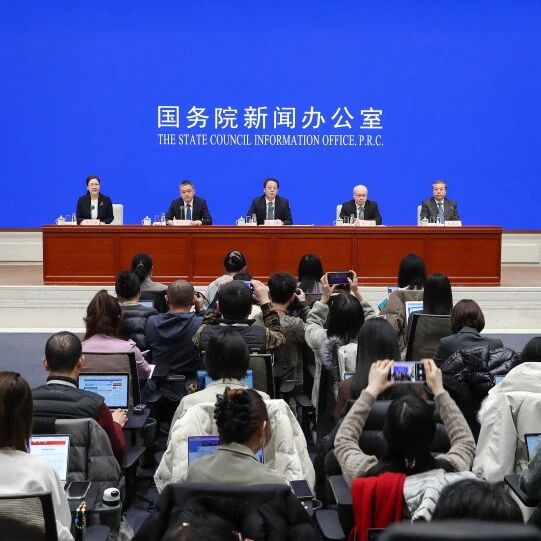
把促进物价回升作为货币政策的重要考量!国家发改委最新发声
券商中国· 2026-01-20 04:13
Core Viewpoint - The Chinese government is focusing on implementing proactive fiscal and monetary policies to stimulate economic growth and price recovery, addressing the current imbalance between supply and demand in the economy [2][3][5]. Group 1: Economic Policies and Strategies - The National Development and Reform Commission (NDRC) plans to implement a more proactive fiscal policy and moderately loose monetary policy, emphasizing the importance of price recovery in monetary policy considerations [2]. - A strategic plan for expanding domestic demand from 2026 to 2030 is being developed to adapt to the upgrading of demand structure in China, aiming to create new demand through new supply [3]. - The NDRC is working on significant high-tech industry projects during the 14th Five-Year Plan period, with expectations for the digital economy's added value to reach 49 trillion yuan by 2025, accounting for approximately 35% of GDP [4]. Group 2: Economic Development Goals - By 2025, the main economic and social development goals are expected to be achieved, showcasing resilience in development and improved living standards [5]. - The urbanization rate is projected to reach 67.89% by the end of the year, an increase of 0.89 percentage points from the previous year [5]. Group 3: Policy Implementation and Support - The NDRC is enhancing the "Two New" policies, with an initial allocation of 62.5 billion yuan in special bonds to support these initiatives, aiming to lower investment thresholds for small and medium-sized enterprises [6][7]. - There will be a focus on standardizing local economic promotion behaviors and enhancing market competition mechanisms to ensure a dynamic balance in supply and demand [8][9]. Group 4: Market Regulation and Coordination - The NDRC is set to develop a list of actions that hinder the establishment of a unified national market and a list of encouraged and prohibited actions for investment promotion [10]. - There is an emphasis on coordinating reforms with fiscal, financial, consumption, investment, industrial, and innovation policies to address intertwined cyclical, structural, and institutional issues in the economy [11]. Group 5: Regional Development Initiatives - The NDRC is committed to advancing strategies for the development of the western regions and the rise of central regions, recognizing their potential to support stable economic growth [13][14].