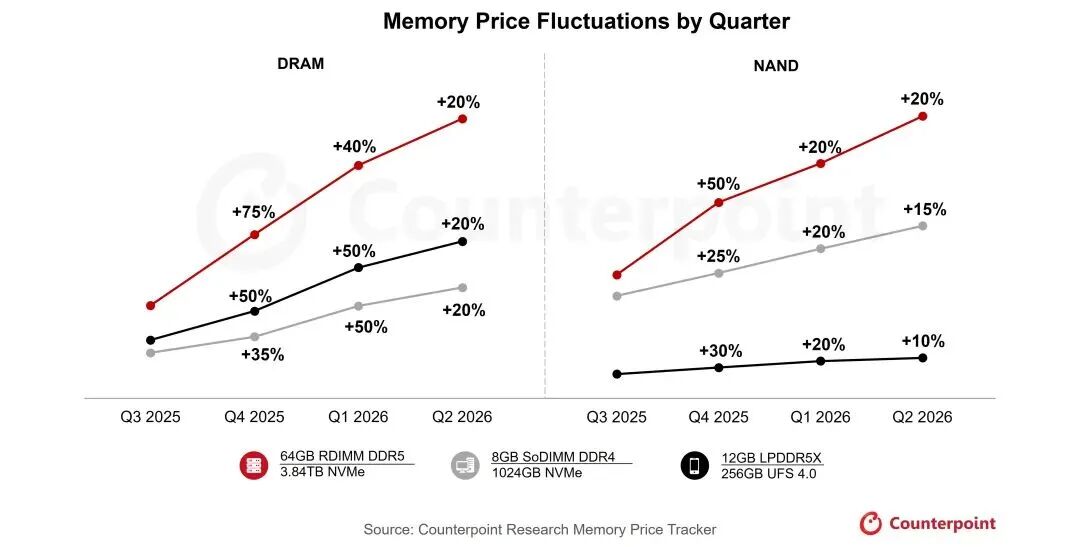
存储芯片涨价

Search documents
三星存储反手一个超级加倍
虎嗅APP· 2026-01-25 14:11
以下文章来源于王智远 ,作者王智远 王智远 . 商业记录者,主持人、《复利思维》《自醒》图书作者;专注于市场营销、消费心理、AI新科技、精 神生活与商业探索。 本文来自微信公众号: 王智远 ,作者:王智远 早上,刷到条韩国媒体的新闻。 三星电子今年第一季度把NAND闪存价格直接上调了100%以上。这什么概念? 几个月前,光头分析师们,还慢悠悠预测,说四季度大概涨30%多,一季度也就维持这个水平。结果 呢?三星反手就来个「超级加倍」。 很多人看到存储大幅涨价,第一反应是三星想钱想疯了。但要站在商业博弈的角度看,这更像一场豪 赌。堵什么?赌在AI面前,下游厂商根本没讨价还价的余地。 为啥敢这么赌?核心原因有三个。第一,「结构性断层」会是长期常态。 现在市场上不是所有芯片都缺,真正抢着要的是「能喂饱GPU的高性能eSSD」和「能跑端侧大模型 的LPDDR5X」。 数据中心那边,英伟达H100/B200集群就跟一群饿狼似的,只有最新的PCIe 5.0企业级SSD才配得 上,部分超算集群甚至已搭配CXL存储,可这类高端存储的产能全球就那么几条线。 我用Agent跑了下数据: 2024年渠道库存周转天数还有45天,到20 ...


内存条涨速超金条!100根可换上海一套房,你的手机电脑汽车都逃不过涨价
猿大侠· 2026-01-25 04:09
Core Viewpoint - The storage industry is experiencing a significant price surge, driven primarily by the demand from AI servers, which consume memory capacity at rates 8 to 10 times higher than traditional servers [5][19]. Group 1: Price Trends and Market Dynamics - The price of a single 256G DDR5 server memory module has exceeded 40,000 yuan, with a box of 100 modules costing between 4 million to 5 million yuan, while the average price of new homes in Shanghai is approximately 58,500 yuan per square meter [1]. - From the second half of 2025, DDR5 memory prices have surged over 300%, and DDR4 prices have increased by more than 150% [1]. - Market prices are highly volatile, with some industry insiders claiming this is the most extreme price fluctuation they have witnessed in the storage industry [2]. Group 2: Supply Shortages and Production Shifts - UBS and other investment banks have indicated that the storage industry is entering a severe supply shortage phase not seen in a decade, surpassing the historical highs of 2018 [3]. - AI servers are consuming 53% of global memory production capacity, leading to a drastic reduction in the supply of general-purpose memory like DDR5 and LPDDR5 [8]. - Major manufacturers like Samsung, SK Hynix, and Micron are reallocating production resources towards higher-margin HBM, further tightening the supply of general DRAM [6]. Group 3: Impact on Various Industries - The price increases are affecting downstream industries, with PC brands like Lenovo and Dell already raising prices, forcing consumers to either accept higher costs or opt for devices with reduced storage capacity [15][16]. - The automotive industry is particularly pressured, as the demand for storage has escalated from several GB to 256GB or even TB levels, with industry leaders warning that memory costs are becoming a significant burden [18]. Group 4: Future Outlook - The peak of the supply shortage is expected in the first and second quarters of 2026, with prices projected to maintain a growth rate of over 20% quarter-on-quarter during that period [19]. - The price surge cycle is anticipated to last at least until the end of 2026, with a significant demand growth forecasted at 26% against a supply increase of only 20% [19]. - Historical patterns suggest that the price surge will eventually correct once AI infrastructure stabilizes and new storage capacities are fully realized, but this correction is not expected before 2027 [20][21].

龙旗科技完成“A+H”上市布局,募资15.21亿港元加码AI与产能,小米高通同时入股
Jin Rong Jie· 2026-01-22 09:44
Group 1 - The core viewpoint of the article is that Shanghai Longqi Technology Co., Ltd. has successfully listed on the Hong Kong Stock Exchange, completing its "A+H" share listing strategy, with a strong market response on the first day of trading [1] - The company achieved a subscription rate of 1,149.76 times for the public offering and 9.02 times for the international offering, raising a total of approximately $56.5 million from cornerstone investors [1][2] - Longqi Technology is recognized as a leading ODM manufacturer in the consumer electronics sector, ranking second globally in ODM shipment volume for 2024 and being the largest smartphone ODM manufacturer [1][2] Group 2 - The purpose of the Hong Kong listing is to enhance the company's international brand influence and meet the demands of its global business development, with a net fundraising amount of approximately HKD 1.521 billion [2] - The company has established a product matrix centered on smartphones, with AI PCs and automotive electronics as growth engines, and is rapidly advancing emerging businesses like smart glasses [2] - Financial data indicates that Longqi Technology's revenue for 2022, 2023, and 2024 is projected to be CNY 29.34 billion, CNY 27.19 billion, and CNY 46.38 billion respectively, with a revenue decline of 10.28% in the first nine months of 2025 due to strategic adjustments [2]
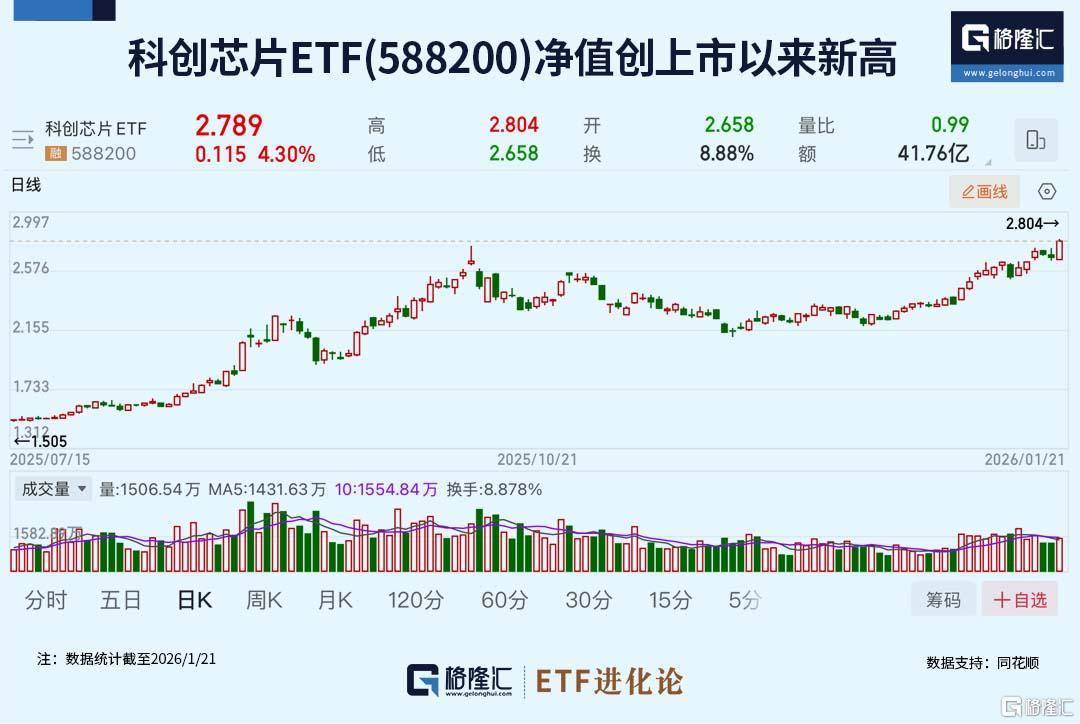
存储芯片涨价潮,十大核心ETF之科创芯片ETF(588200)净值创上市以来新高
Sou Hu Cai Jing· 2026-01-21 08:11
本轮行情的核心催化来自存储芯片价格的强劲上涨。据最新市场信息,海外半导体制造龙头计划在2026年第一季度将服务器级DRAM价格上调60%– 70%,NAND Flash合约价也保持上升趋势。现货市场中,部分DDR4、DDR5型号价格已实现翻倍,渠道库存快速去化,反映下游需求持续走强。 与以往周期反弹不同,本轮涨价更多源于供给结构变化导致的"被动短缺"。AI服务器对存储资源的需求约为传统服务器的4–6倍,且高度依赖HBM等高端 产品。为此,头部存储厂商将新增产能大幅向HBM、DDR5等高端制程倾斜,成熟制程的DDR4及利基型DRAM产能被显著压缩。供给端的主动收缩加剧 了市场紧张——三星电子与SK海力士计划继续削减NAND闪存产量,美光科技也指出内存芯片短缺情况正在加剧。 在此"产能挤出效应"下,市场呈现两大特征:高端HBM供不应求,2026年底前产能已基本被锁定;中低端DRAM供给断崖式下降,而数据中心、PC、汽 车等领域对DDR4仍有刚性需求,供需错配甚至导致DDR4价格反超DDR5的罕见现象。 存储芯片市场景气度攀升,半导体与算力产业链持续爆发。 今日,入选"2026年全球视野·下注中国"十大核心ETF之 ...
新管理团队上任一周年,荣耀开年“追高”直面手机涨价潮
Hua Xia Shi Bao· 2026-01-20 14:35
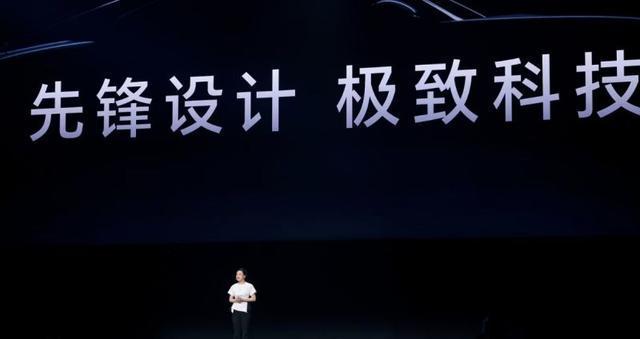
Core Viewpoint - Honor is intensifying its efforts in the high-end smartphone market by launching three new models, all priced above 4000 yuan, amidst rising memory prices and fierce competition in the smartphone market [2][4]. Group 1: Product Launches - On January 19, Honor launched three new smartphones: the lightweight Magic8 Pro Air starting at 4999 yuan, the youth-oriented Honor 500 Pro Molly collaboration model starting at 4499 yuan, and the ultra-high-end Magic8 RSR Porsche Design starting at 7999 yuan [2][3]. - The Magic8 Pro Air is designed to be lightweight, weighing approximately 155g and measuring about 6.1mm thick, making it lighter than Apple's iPhone Air by 10g [2]. Group 2: Market Trends - The smartphone market is experiencing a surge in memory prices, with predictions of a 40%-50% increase in storage prices in Q1 2026 and an additional 20% rise in Q2 2026 due to high demand from AI and server capacities [4]. - The high-end smartphone market (priced above 600 USD) is expected to grow by 5.4 percentage points in market share, reaching 35.9%, while the low-end market (below 200 USD) is projected to shrink to 20% [5]. Group 3: Company Strategy and Performance - Honor's new management team, marking its one-year anniversary, aims to transition from a smartphone manufacturer to an AI terminal ecosystem company, with a commitment to invest 10 billion USD over the next five years [6]. - In 2022, Honor's smartphone shipments exceeded 71 million units, marking a 9% growth, with overseas sales increasing by 47%, accounting for over 50% of total sales [7]. - Despite these achievements, Honor remains the sixth largest player in the Chinese smartphone market, with a market share of 13.1%, closely trailing behind Xiaomi [7][8].
存储芯片涨价潮或将贯穿2026年
Zhong Guo Jing Ying Bao· 2026-01-16 19:34
Core Viewpoint - The current surge in storage chip prices is expected to continue into 2026, driven by a combination of supply constraints and recovering demand, particularly in sectors like AI and data centers [3][4][10]. Group 1: Price Trends and Market Dynamics - Storage chip prices have seen significant increases, with examples like Acer's 32GB DDR5 memory rising from approximately 1300 RMB to around 2700 RMB within a few months [3]. - Analysts predict that the price of enterprise-grade SSDs may double in early 2026 due to strong demand for server-grade storage [4]. - The current price surge is characterized as a result of supply contraction and recovering demand after a prolonged downturn in the storage industry [5][11]. Group 2: Impact on the Supply Chain - The packaging and testing (封测) sector is experiencing structural improvements, with major firms raising prices by up to 30% due to high capacity utilization [5][6]. - The demand for advanced packaging technologies is increasing, which is driving up costs in the packaging and testing segment [6]. - Some mid-to-high-end packaging services are seeing improved pricing power, while traditional packaging services remain competitive and less affected by price increases [6][7]. Group 3: Differentiation Among Downstream Manufacturers - The impact of rising storage chip prices varies among manufacturers, with upstream firms benefiting more than midstream and downstream companies [7]. - PC manufacturers like Lenovo and Dell have raised prices by 10% to 30%, while some smartphone models have seen price increases of up to 500 RMB [8]. - Larger brands with better supply agreements and pricing power are less affected by cost increases compared to smaller manufacturers [9]. Group 4: Future Outlook and Opportunities - The storage chip market is expected to remain in a supply-demand imbalance, with DRAM and NAND flash consumption projected to increase significantly in 2026 [10]. - Domestic storage manufacturers are likely to gain market share and improve profitability due to favorable market conditions [11]. - Opportunities exist for companies involved in high-end storage and recycling, as well as those that can innovate in product offerings and cost structures [11].
上市潮与涨价潮共振!存储芯片“一天一个价”,业内警告产能短缺或持续半年
Xin Lang Cai Jing· 2026-01-15 14:19
Group 1 - The core viewpoint of the articles highlights the increasing interest and investment in the storage chip sector, particularly with the recent IPO of Zhaoyi Innovation in Hong Kong, which saw significant stock price increases on its debut [2][3] - Zhaoyi Innovation, known as the "leader in domestic storage chips," opened at 235 HKD and peaked at 248.8 HKD, representing a 53.5% increase from its issue price of 162 HKD, with a market capitalization of 156.7 billion HKD [3][4] - The company operates under a Fabless model and specializes in Flash and niche DRAM chips, with a significant portion of its revenue coming from overseas markets, accounting for approximately 70% of total revenue in the first half of the previous year [5][8] Group 2 - The storage chip market has entered a "super bull market," with prices expected to rise by 40%-50% in Q4 2025 and again in Q1 2026, driven by increased demand from AI and server capacities [7] - Zhaoyi Innovation's storage chip business generated 2.845 billion CNY in revenue in the first half of the previous year, marking a 9.2% year-on-year increase, and is expected to benefit from ongoing supply shortages in the niche DRAM market [7][8] - The company is also involved in the production of customized storage solutions, with projects in various fields such as automotive and robotics expected to enter mass production soon [8]

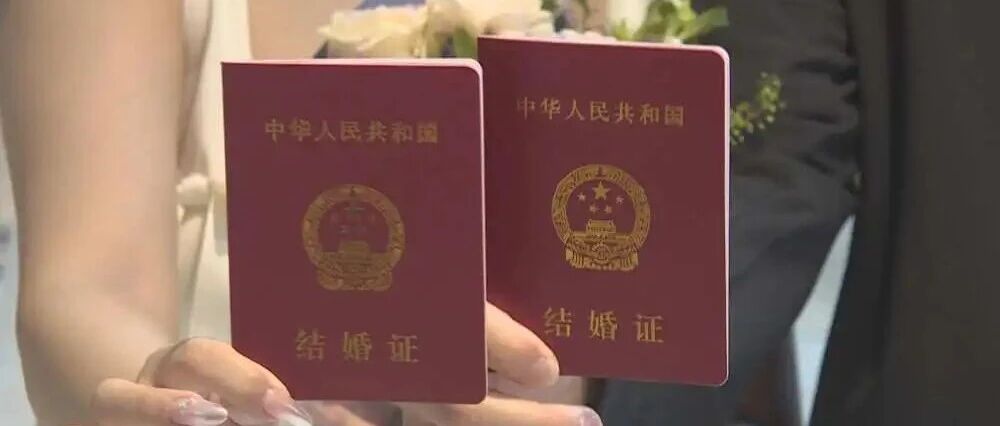
上海初婚平均年龄29.7岁
21世纪经济报道· 2026-01-13 09:18
Group 1 - The core viewpoint of the article highlights the significant increase in marriage registrations in Shanghai, with a projected total of 175,092 couples registered in 2025, reflecting a growth of approximately 38.7% compared to 2024 [4] - The average age for first marriages in Shanghai is reported to be 29.7 years in 2025, with males averaging 30.3 years and females 29.1 years [4] - Since the implementation of the "nationally unified marriage registration" on May 10, 2025, Shanghai has processed 41,332 marriage registrations under this new system, which includes 34,040 marriage registrations and 7,292 divorce registrations, accounting for 38.49% and 21.3% of the total marriage registrations during the same period [1][4] Group 2 - The new marriage registration regulations have removed regional restrictions, allowing couples to register their marriage without needing a household registration book, significantly enhancing the convenience of the process [4]
泰凌微:存储芯片涨价对于消费电子的需求会有一定的影响
Zheng Quan Ri Bao Wang· 2026-01-13 02:47
Group 1 - The core viewpoint of the article indicates that the price increase of storage chips will have a certain impact on the demand for consumer electronics [1] - The company stated that the pricing of its products will be determined by a comprehensive consideration of various factors, including market supply and demand [1]

存储芯片或将涨价50%,手机厂商紧急减产千元机
2 1 Shi Ji Jing Ji Bao Dao· 2026-01-12 15:01
Core Insights - The storage chip market has shifted to a seller's market due to strong demand from AI, leading to significant price increases not seen in over a decade [1][2][3] - Major smartphone manufacturers are adjusting their shipment forecasts for 2026, particularly in the sub-1000 yuan segment, due to rising costs and supply chain challenges [8][9] Group 1: Market Dynamics - The global storage chip market is experiencing unprecedented price hikes, with DRAM prices for 4GB expected to rise from around $20 to $40-50 by the end of 2025, marking a significant increase [2] - The demand structure for storage chips has been reshaped by the explosive growth of the AI industry, leading manufacturers to prioritize high-margin products like HBM for servers over consumer electronics [2][3] - The expansion cycle in the storage chip industry exacerbates supply tightness, with new production capacity taking 18-24 months to come online, making it difficult to meet short-term demand [2] Group 2: Impact on Smartphone Industry - Smartphone manufacturers are adopting strategies to cope with rising costs, including lowering shipment targets and adjusting product pricing or specifications to maintain profit margins [6][9] - The competition in the smartphone market is expected to intensify, with a projected decline in overall shipment volume by 3-4% in 2026, down to approximately 1.15 billion units [9] - The shift towards value competition in the smartphone industry is accelerating, moving away from mere scale expansion to focusing on product positioning and user experience in the context of AI and ecosystem integration [10]