新中式养生

Search documents
国内8城齐放,海外再下一城!陆藜·开了个方子养生版图加速扩张
Sou Hu Cai Jing· 2025-06-26 10:53
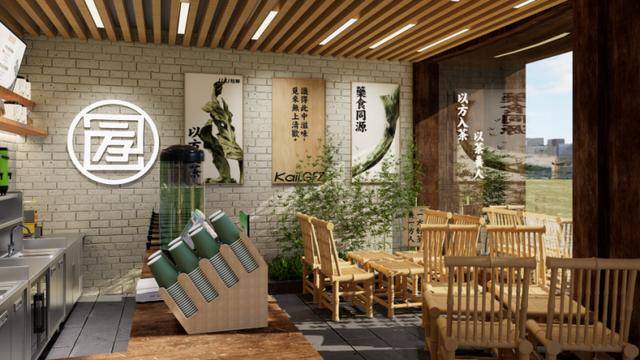
Core Insights - The company "陆藜·开了个方子" is expanding its presence in the health and wellness market by opening new stores in eight cities across China and launching its first overseas store in Kuala Lumpur, Malaysia, by June 2025, marking a significant step in its global health lifestyle strategy [1][5]. Domestic Expansion - The new store openings in China reflect a deep understanding of urban dynamics, with each location tailored to specific consumer needs and lifestyles, such as a "life-extending" base in Qingdao and a "vitality charging station" in Yuyao [3]. - The Chengdu strategy includes two stores that cater to tech workers and shoppers, offering unique herbal drinks and a sensory experience that aligns with local culture and consumer behavior [3]. - Each store emphasizes distinctive product offerings and services, utilizing authentic ingredients and creating atmospheres that resonate with various customer segments, from modern minimalism to cultural heritage [3]. International Market Strategy - The Kuala Lumpur store addresses the local climate and dietary preferences by integrating local flavors with traditional herbal offerings, such as a spicy combination of Luo Shen and pepper pork bone tea [5]. - To celebrate the opening, the company launched promotional activities and social media campaigns to engage local consumers, enhancing brand visibility and connection with the community [5]. Brand Philosophy and Market Positioning - The expansion strategy combines local cultural elements with the brand's herbal core, creating a dual engine of growth that enhances its market presence both domestically and internationally [7]. - The brand aims to redefine global health consumption patterns by integrating Eastern herbal traditions into modern lifestyles, as evidenced by the diverse experiences offered in its stores [7].

挤走碳酸饮料?中式养生水站稳购物车C位 食品消费风向变了
Nan Fang Du Shi Bao· 2025-06-16 06:20
Group 1: Industry Trends - The "health and wellness" industry is projected to reach a total revenue of 9 trillion yuan in 2024 and is expected to expand to 29.1 trillion yuan by 2030 [1] - The new trend of "new Chinese health preservation" is gaining traction, with 90% of post-90s individuals recognizing the importance of health preservation, and over half taking action [2] - The market for "sugar-free" and "fat-free" products is growing, with the market share of sugar-free ready-to-drink tea increasing from 17.62% to 31.65% [3] Group 2: Consumer Behavior - Young consumers prefer "ready-to-eat" snacks, aligning with the expanding "lazy economy," which is expected to exceed 5 trillion USD globally by 2025 [11] - Emotional value is becoming a significant factor in consumer choices, with 86% of respondents in first-tier cities using snacks to comfort themselves [13] - The demand for "health-oriented" snacks is rising, with brands like Three Squirrels and Liuyin Pupu launching products targeting health-conscious consumers [11][12] Group 3: Market Opportunities - The "medicinal food homologation" concept is being emphasized, with the market for medicinal food homologation snacks reaching 68 billion yuan, growing at over 45% annually [7] - The market for bird's nest products is also expanding, with the market size expected to grow from 55.9 billion yuan in 2023 to 86 billion yuan by 2028 [9] - The health food market for women is projected to reach 2.778 trillion yuan in 2024, with significant growth expected in the "she economy" segment [9][10]
食角新赏 | 新品粽乘风食养、文化价值,礼盒装价格带向300元以下集中
Cai Jing Wang· 2025-05-27 09:49
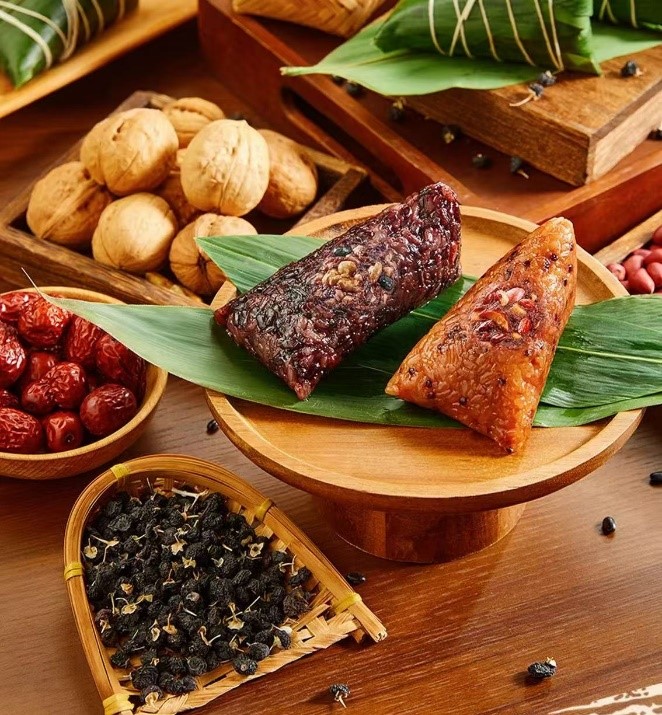
Core Insights - The article discusses the evolving trends in the Chinese zongzi (sticky rice dumplings) market as brands innovate to meet changing consumer preferences, particularly focusing on health and cultural values [1][2][4] Group 1: Market Trends - Health consciousness is becoming a significant driver of consumer demand, with a shift towards low-sugar and low-fat options in traditional Chinese pastries [1][2] - The zongzi market is projected to grow, with an expected total market size of 103 billion yuan in 2024, marking an 8% increase, and anticipated to exceed 110 billion yuan by 2025 [8] Group 2: Product Innovations - Brands are introducing new zongzi flavors and ingredients, such as 三全食品's new tea zongzi and health-focused options like 五红山药粽 and 五黑核桃粽, which emphasize the "medicinal food" concept [1][2] - Other brands like 思念食品 and 全聚德 are also launching innovative products that incorporate various grains and health-oriented ingredients, reflecting a trend towards using single types of coarse grains in their zongzi [2][4] Group 3: Consumer Behavior - The zongzi gift market is notable, with a significant portion of consumers budgeting between 100-250 yuan for gift boxes, indicating a strong gift-giving culture associated with the product [8] - The price segmentation of zongzi gift boxes shows that the majority fall within the 50-149 yuan range, highlighting consumer preferences for affordable options [8] Group 4: Cultural Integration - Brands are leveraging regional culinary traditions to enhance their product offerings, such as 广州酒家 incorporating local flavors into their zongzi, which helps to create a cultural identity around the product [4]


春生阳气喝开水, “中式健康养生”的密码稳稳拿捏年轻人的心
Zhong Guo Shi Pin Wang· 2025-05-19 02:58
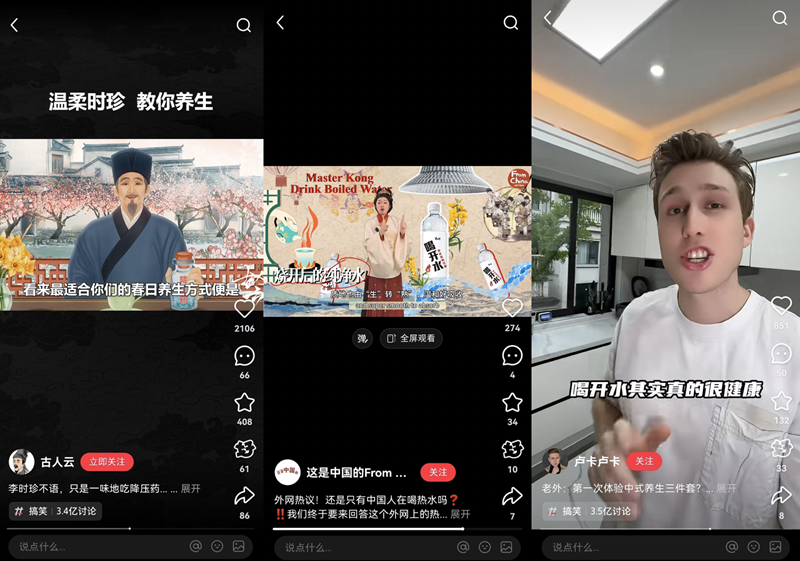
Core Insights - The article discusses how Master Kong is successfully blending traditional Chinese health concepts with modern consumer trends, particularly targeting Generation Z with its "Drink Boiled Water" campaign [1][2][18] - The campaign emphasizes the importance of drinking boiled water in spring for health, leveraging traditional wisdom from texts like "Huangdi Neijing" and "Bencao Gangmu" [2][8] Marketing Strategy - Master Kong has launched the "Spring Vitality Drink Boiled Water" theme activity, effectively capturing the attention of consumers during the spring season [2] - The brand utilizes a dual approach of online content-driven marketing and offline experiential events to engage with young consumers [7][5] - The online strategy includes collaborations with influencers and KOLs to educate consumers on the health benefits of drinking boiled water [2][7] Product Innovation - Master Kong has redefined "boiled water" by incorporating modern technology, ensuring safety and purity through advanced filtration and sterilization processes [8][10] - The TDS (Total Dissolved Solids) value of Master Kong's boiled water is reported to be less than 2, indicating a high level of purity compared to typical tap water [10] Consumer Engagement - The brand has successfully created a cultural connection by organizing events like the "Gu Yu Garden Party," which combines traditional cultural elements with product experiences [5] - The campaign has generated significant online engagement, with hashtags like DrinkBoiledWaterGood and SpringVitalityDrinkBoiledWater reaching over 480 million and 530 million views respectively [7] Lifestyle Integration - Drinking boiled water is being positioned as a simple yet effective health practice, appealing to the fast-paced lifestyle of young consumers [12][14] - Master Kong aims to make drinking boiled water a natural part of daily life, promoting it as a convenient and healthy choice [14][16]

年轻人涌入医院买面包
3 6 Ke· 2025-05-07 12:13
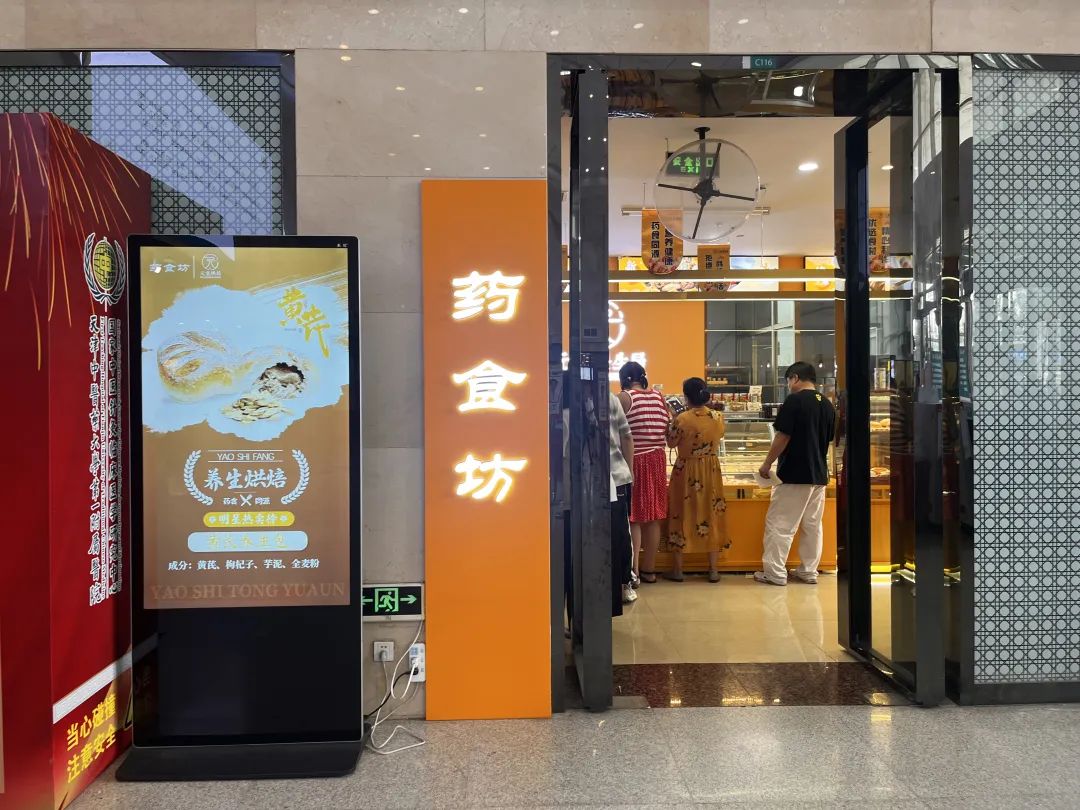
Core Viewpoint - The rise of Chinese-style health bread, which combines traditional Chinese medicine concepts with modern baking, is gaining popularity among young consumers, particularly in hospital settings and social media platforms [3][6][8]. Group 1: Market Trends - The trend of "Chinese-style" products is becoming a new consumer phenomenon, with health-oriented foods like Chinese health bread emerging as a natural extension of this trend [6][8]. - The market for Chinese health water is projected to grow at a compound annual growth rate of 88.9%, potentially reaching a market size of 10.8 billion yuan by 2028 [6]. Group 2: Consumer Demographics - Young consumers, particularly health enthusiasts, are driving the demand for Chinese-style bread, often influenced by social media and health trends [3][6][8]. - The average customer flow at the "Yuanqi Health Bureau" bakery in hospitals is over 20 people during peak hours, indicating a strong interest from both patients and health-conscious individuals [5][6]. Group 3: Product Characteristics - Chinese-style breads feature unique ingredients and flavors, such as "Lotus Leaf Summer Package" and "Huangqi Health Package," which differentiate them from traditional Western breads [4][8]. - The combination of medicinal ingredients with baked goods is seen as an innovative approach that caters to the curiosity of young consumers [8][21]. Group 4: Competitive Landscape - The emergence of "copycat" products, as seen with the Yangzhou Central Hospital's health bread, indicates a growing market interest and competition in this niche [3][6]. - Companies like "Zhi Ma Health" are optimistic about the market potential for health-oriented breads, with early sales showing promising results [11][12]. Group 5: Challenges and Limitations - The location of many Chinese-style bread shops, often situated in hospitals or traditional medicine settings, limits their scalability and market reach [16][18]. - Despite positive consumer feedback, the challenge of maintaining repeat purchases exists, as many consumers view these products as novelty items rather than staples [17][20].
东方树叶,撑起农夫山泉
3 6 Ke· 2025-03-27 00:18
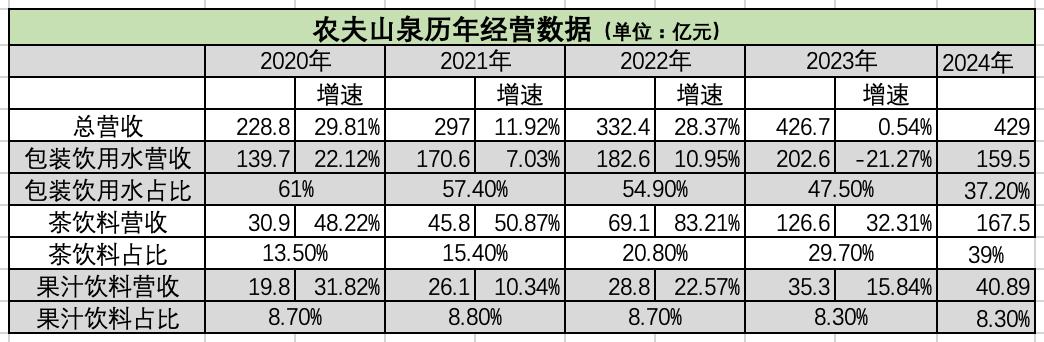
Core Viewpoint - The performance of Nongfu Spring in 2024 was significantly supported by its tea beverage brand, Dongfang Shuye, amidst challenges faced in the packaged drinking water segment, which saw a decline in revenue and profitability [1][3][4]. Group 1: Financial Performance - Nongfu Spring's total revenue for 2024 was 429 billion RMB, a slight increase of 0.5% year-on-year, while net profit rose by only 0.4% to 121.2 billion RMB [1][2]. - In the first half of 2024, revenue and net profit grew by 8% to 221.7 billion RMB and 62.4 billion RMB, respectively, but the second half saw declines to 207.3 billion RMB and 58.8 billion RMB [1]. - The packaged drinking water segment experienced a significant revenue drop of 21.3% to 160 billion RMB, reducing its revenue share from 47.5% in 2023 to 37.2% in 2024 [1][2]. Group 2: Tea Beverage Segment - Dongfang Shuye's revenue grew by 32.3% to 167.5 billion RMB in 2024, surpassing the packaged drinking water segment for the first time, accounting for 39% of the company's total revenue [3][4]. - The tea beverage segment, including Dongfang Shuye and Tea Pi, saw annual revenue growth rates exceeding 50% from 2021 to 2023, with a total revenue of 167.5 billion RMB in 2024, marking a 5.4 times increase since 2020 [4][9]. Group 3: Market Position and Strategy - Dongfang Shuye has established a strong market presence, holding over 60% market share in the no-sugar tea segment, despite increasing competition [9]. - The brand's extensive distribution network, covering 2.43 million retail outlets, has been crucial in maintaining visibility and accessibility, particularly in lower-tier cities [8][9]. - Product innovation, such as seasonal offerings and larger packaging, has contributed to Dongfang Shuye's appeal among health-conscious consumers [6][8]. Group 4: Challenges and Future Outlook - The packaged drinking water segment faced a 20% revenue decline in 2024, yet Nongfu Spring maintained its leading market share [11][17]. - The company is exploring diversification into agricultural partnerships to bolster its juice business, with a 15.6% revenue increase in juice beverages to 41 billion RMB in 2024 [16][17]. - The impact of negative public sentiment on Nongfu Spring's overall performance may diminish over time, potentially improving future sales [16][17].