消费欺诈

Search documents
姚润昊卸任上海叠纸科技公司职务,此前旗下游戏《恋与深空》被控虚假宣传
Qi Lu Wan Bao· 2025-10-27 03:17
Core Insights - Shanghai Die Paper Technology Co., Ltd. has undergone a change in its legal representative and executive director, with Yao Fei taking over from Yao Runhao [1] - The company has faced a significant trust crisis due to discrepancies between promotional content and actual game features in its popular mobile game "Love and Deep Space" [1][2] - The game has received over 2000 complaints related to consumer fraud, with individual spending records reaching up to 80,000 yuan [2] Company Overview - Shanghai Die Paper Technology Co., Ltd. was established on March 22, 2019, with a registered capital of 100 million yuan [3] - The company specializes in software development, animation design, and online cultural operations, owning popular game series such as "Warm Warm" and "Love" [3] - The company has nearly 400 million registered users globally and is projected to generate nearly 1 billion USD in revenue for 2024 [3] Recent Developments - The new game activity "The Fallen Crown" launched on July 25, 2025, has led to player dissatisfaction due to missing features that were advertised [1] - A lawyer's letter has been issued, categorizing the situation as "consumer fraud" and citing violations of consumer protection laws [2] - The company has received recognition as a key cultural export enterprise for multiple years and has won various awards for its games [3]
低配电脑高配价卖给学生 商家:生意不好,用了点销售手段
Xin Lang Cai Jing· 2025-10-16 04:27
Core Points - A consumer named Ren encountered issues purchasing a computer at a high price, which led to widespread attention on the matter [2] - The consumer initially intended to buy an ASUS Tianxuan 6 Pro but was persuaded to purchase a lower-spec model at an inflated price [2] - The local market supervision bureau intervened and facilitated a resolution between the consumer and the retailer [2] Summary by Sections - **Consumer Experience** - Ren planned to buy an ASUS Tianxuan 6 Pro but was redirected to a different model due to claims of performance issues [2] - The retailer presented a price higher than the official website, leading to a payment of an additional 300 yuan [2] - **Retailer Response** - The retailer, represented by Zhang, argued that the recommended model better suited the consumer's needs and claimed the pricing was within a reasonable range [2] - Zhang admitted to using some sales tactics due to poor business performance [2] - **Resolution and Future Actions** - The retailer agreed to refund 800 yuan and provide a brand headphone as compensation after mediation [2] - The market supervision bureau indicated that further investigation into the retailer's sales practices would be conducted to prevent similar issues in the future [2]
守护阳澄湖大闸蟹金招牌
Su Zhou Ri Bao· 2025-09-26 00:37
Core Viewpoint - The upcoming sales season for Yangcheng Lake hairy crabs raises consumer concerns about counterfeit products and misleading marketing practices, prompting regulatory actions to ensure compliance and protect consumer rights [1][2][4]. Group 1: Regulatory Actions - Suzhou market regulatory authorities are conducting a series of actions, including classified monitoring and special law enforcement checks, to regulate the marketing activities of Yangcheng Lake hairy crabs and optimize the business environment [1][6]. - The authorities have identified high-risk enterprises based on complaints and have implemented measures such as listing non-compliant businesses in the abnormal operation directory to reduce disruptions in the industry [6][7]. Group 2: Consumer Protection Issues - There have been multiple cases of exaggerated and false advertising by crab vendors, leading to consumer deception and dissatisfaction, as seen in the case of a company claiming to have 900 acres of farming area while only having 70 acres [2][3]. - Issues such as difficulty in redeeming prepaid crab cards and short-weight products have been reported, indicating a pattern of consumer fraud and marketing manipulation [4][5]. Group 3: Market Monitoring - The market regulatory department has initiated online monitoring of major e-commerce platforms, covering 1,184 entities and 4,411 products, resulting in the removal of 785 violations and the referral of three cases for offline investigation [7]. - A total of 27 cases related to the previous crab season have been investigated this year, with fines totaling 955,200 yuan, demonstrating a strong deterrent effect against illegal practices [6].
Amazon will pay $2.5 billion to settle claims about deceptive Prime practices
Business Insider· 2025-09-25 16:04
Core Points - Amazon is facing a record fine of $2.5 billion to settle claims of misleading customers regarding Prime subscriptions [1][2] - The Federal Trade Commission (FTC) stated that $1.5 billion of the fine will be allocated for customer refunds [1] - The settlement was announced just as Amazon's trial was about to commence [2] FTC's Statement - FTC Chairman Andrew N. Ferguson emphasized the significance of the settlement as a victory for consumers against deceptive subscription practices [2] - The FTC accused Amazon of employing sophisticated tactics to manipulate consumers into subscribing to Prime and complicating the cancellation process [2] - The settlement aims to ensure that Amazon does not engage in similar practices in the future [2]



网购遭遇久拖不发货,商家是否涉嫌欺诈?
Sou Hu Cai Jing· 2025-09-17 08:28
Core Viewpoint - Consumer fraud refers to deceptive practices by businesses that mislead consumers, resulting in damage to their legitimate rights and interests [1] Group 1: Definition and Conditions of Fraud - Consumer fraud occurs when a business uses false or improper means to deceive or mislead consumers [1] - The determination of fraud in online shopping depends on specific circumstances, including false statements, deceptive actions leading to decisions based on incorrect understanding, and resulting losses [2] - If a business induces consumers to wait or pay additional fees using false information without reasonable justification, it may constitute fraud [2] Group 2: Compensation and Penalties - Businesses found to have committed fraud must compensate consumers for their losses, with the compensation amount being three times the price paid for the goods or services, with a minimum of 500 yuan if the calculated amount is less [4] - If laws or regulations specify penalties, those must be followed; otherwise, administrative departments may impose corrections, warnings, confiscation of illegal gains, or fines ranging from one to ten times the illegal gains, or up to 500,000 yuan if there are no illegal gains [5] - Serious violations may lead to business suspension or revocation of business licenses [5] Group 3: Legal Basis - The Consumer Rights Protection Law of the People's Republic of China stipulates punitive compensation responsibilities for businesses engaging in fraudulent practices, allowing consumers to claim damages and punitive compensation under certain conditions [6]

华泰人寿山东分公司2025年金融教育宣传周之守护您的“钱袋子”,消费反欺诈指南——识陷阱、懂维权、防风险
Qi Lu Wan Bao· 2025-09-17 05:19
Core Viewpoint - The rapid development of the digital economy has led to an increase in various consumer fraud schemes, which have infiltrated multiple sectors including shopping, dining, and elder care, necessitating heightened consumer vigilance and protective measures [1] Group 1: High-Frequency Consumer Fraud Tactics - "Windfall" inducements through mobile lottery and false promotions are prevalent, with a notable case where a mobile lottery scheme generated transaction volumes of up to 2 billion yuan in a single day [2] - "Health anxiety" exploitation through misleading claims about food and health products targeting the elderly, with potential penalties for violations of advertising laws reaching up to 2 million yuan [4] - "Safety hazard" fraud involving substandard products masquerading as quality goods, such as recycled materials being sold at high prices, posing serious health risks [5] - "Tech-enabled" harassment through AI-generated calls that exploit personal information, complicating regulatory oversight [7] - "Service reduction" schemes where maintenance services are subcontracted to unqualified entities, leading to inflated repair costs [8] - "Brand imitation" fraud with counterfeit products being sold at premium prices, making it difficult for consumers to distinguish between genuine and fake items [9] Group 2: Consumer Rights Protection Guidelines - Consumers should be vigilant against misleading terms like "free" or "limited time" and verify merchant credentials through official channels [11] - Maintaining evidence such as transaction records and communication logs is crucial for effective dispute resolution [12] - Promptly contacting merchants or platforms for complaints can expedite resolution, with specific hotlines available for various issues [13] - Legal recourse is available for unresolved disputes, including mediation through consumer associations or small claims court [14] - Collective action can enhance consumer protection, encouraging reporting of widespread fraud to authorities [15]
独居女生深夜开锁被索要2410元,不付钱师傅就不肯走
Mei Ri Jing Ji Xin Wen· 2025-08-26 16:09
Core Points - The article highlights a case of high-priced locksmith services in Shanghai, where a woman was charged 2410 yuan for a service that was advertised at 25 yuan, raising concerns about consumer rights and pricing transparency [1][4][7] Group 1: Incident Overview - A woman named Xiao Hui was charged 2410 yuan for locksmith services after ordering through an online platform, despite the service being advertised at a much lower price [1] - The breakdown of the charges included 580 yuan for the lock core, 500 yuan for the anti-theft lock body, and additional fees totaling 2210 yuan, which Xiao Hui contested [1][3] Group 2: Company Background - The locksmith service involved, "Old Shanghai Locksmith Service Center," is operated by Shanghai Anxuntong Technology Service Co., Ltd., which was established in June 2025, just two months prior to the incident [4] Group 3: Consumer Rights and Legal Implications - Legal experts argue that the pricing method used by the locksmiths violates the Price Law, as the vague pricing of "starting from" does not provide clear and accurate information to consumers [7] - The incident reflects a broader issue of "locksmith scams" reported by multiple consumers, indicating a pattern of deceptive practices in the industry [6][7] Group 4: Platform Response - Following the incident, the locksmith service was removed from the online platform, and the parties involved reached a settlement after the platform's customer service intervened [6]
独居女生深夜开锁被索要2410元,不付钱两名师傅就不肯离开!店铺已被平台下架,律师:“某某元起”标价方式误导消费者
Mei Ri Jing Ji Xin Wen· 2025-08-26 13:41
Core Points - The article highlights a case of high-priced locksmith services in Shanghai, where a woman was charged 2410 yuan for a service that was advertised at 25 yuan [1][3] - The incident reflects a growing trend of "locksmith scams" in the region, with multiple reports of similar experiences from consumers [8] Group 1: Incident Details - A woman named Xiao Hui was charged 2410 yuan for locksmith services after ordering through an online platform, despite the service being advertised for 25 yuan [1] - The breakdown of the charges included 580 yuan for the lock core, 500 yuan for the lock body, 480 yuan for the handle, and additional fees totaling 240 yuan [4][5] - After negotiation, Xiao Hui paid 1800 yuan to the locksmiths to have them leave her premises [5] Group 2: Company and Regulatory Response - The locksmith service involved, "Old Shanghai Locksmith Service Center," was established in June 2025, just two months prior to the incident [5] - Following the complaint, the service center acknowledged improper charging and refunded 800 yuan to Xiao Hui [5][7] - The service center has since been removed from the online platform due to the incident, indicating a response from the platform to consumer complaints [7] Group 3: Legal and Consumer Protection Insights - Legal experts have indicated that the pricing practices of the locksmiths may violate consumer rights, as the use of vague pricing ("starting from") can mislead consumers [8] - Consumers are advised to communicate with service providers immediately if they suspect fraud and to report any unreasonable charges to relevant authorities [8]
重金属超标!沙金首饰销售乱象遭曝光
Sou Hu Cai Jing· 2025-08-25 07:53
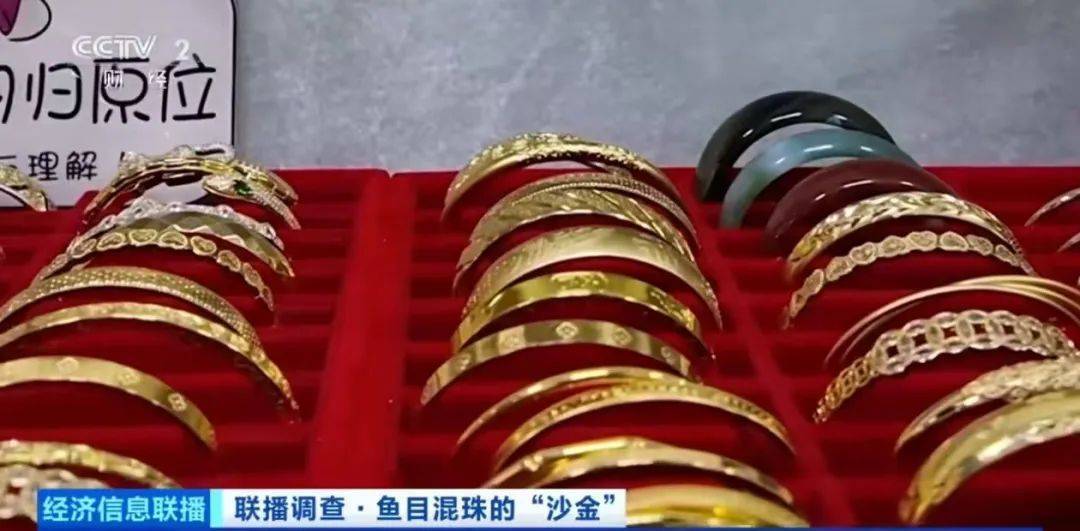
Core Viewpoint - The rise of "sand gold jewelry," which resembles gold but is made from brass and gold-plated, reflects consumer demand for affordable alternatives amid high gold prices [1][5]. Group 1: Product Characteristics - The jewelry is primarily made from brass and electroplated with 0.05 microns of gold, simulating the texture of gold [3]. - The production cost of these gold-plated items is around 10 yuan, yet they are sold online for over 100 yuan [3]. - Many of these so-called "sand gold" products do not contain actual gold and are often made from copper-nickel alloys, with some containing harmful elements like lead and nickel [5]. Group 2: Market Dynamics - The popularity of "sand gold jewelry" indicates a strong demand among young consumers for fashionable yet cost-effective options, highlighting a mismatch in supply and demand in the high gold price era [5]. - Consumers are encouraged to seek transparent product information and purchase from reputable sources to avoid confusion between jewelry and investment products [6]. Group 3: Regulatory and Industry Implications - There is a call for better regulation and quality standards in the pseudo-gold industry to protect consumers and ensure product transparency [6].
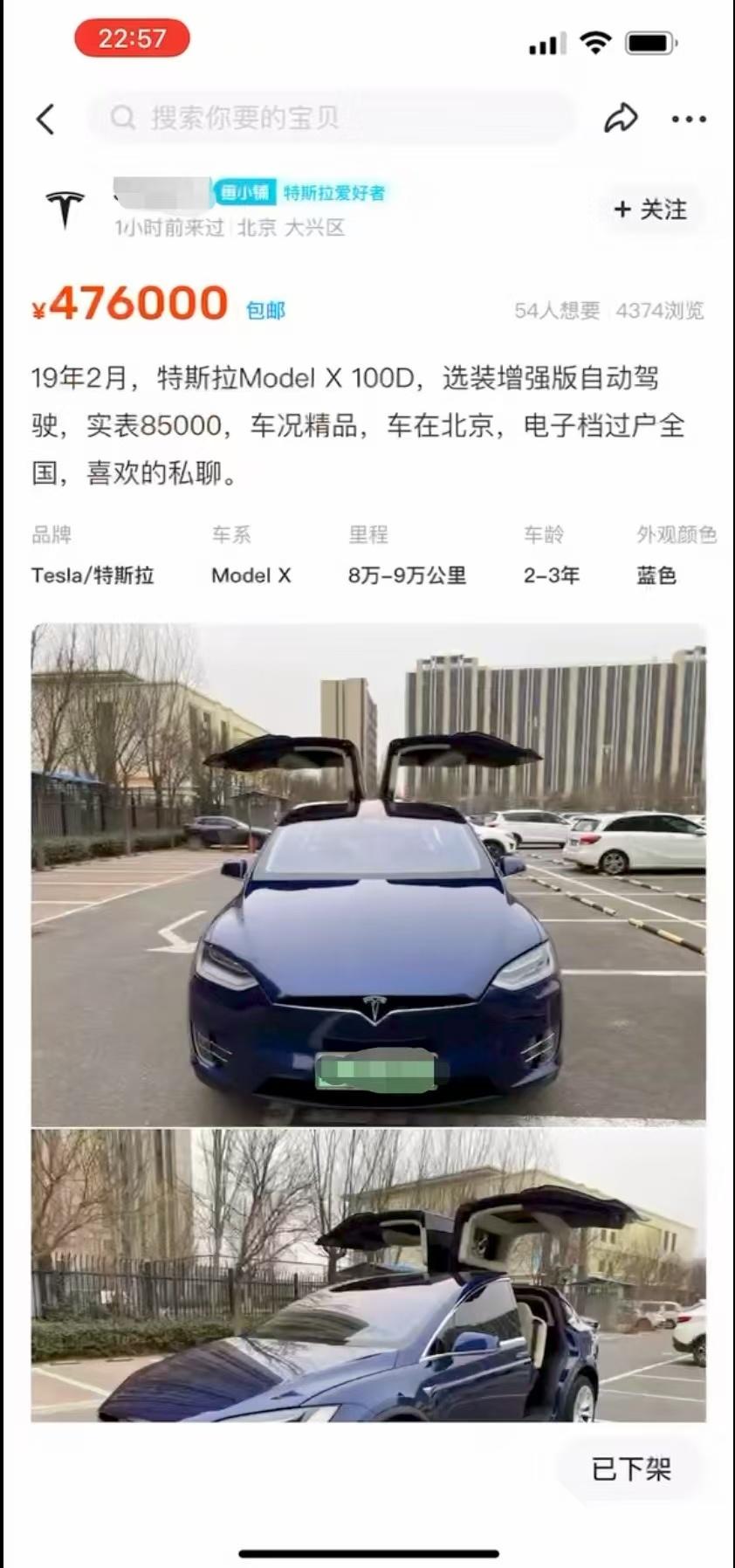
花46万“捡漏”精品特斯拉,故障频出车主发现买的是“全损”车,法院判决:退一赔三
Qi Lu Wan Bao· 2025-08-11 02:36
Core Viewpoint - The case highlights the risks associated with purchasing used cars, particularly those with hidden damages and the importance of transparency in transactions. The seller was found guilty of fraud for concealing critical information about the vehicle's condition, leading to significant financial repercussions for the buyer [1][15][16]. Group 1: Incident Overview - In February 2022, a buyer, Mr. Zhao, purchased a 2019 Tesla Model X with a mileage of 85,000 kilometers for 462,000 yuan, believing it to be in excellent condition [2][6]. - After experiencing multiple mechanical failures within nine months, Mr. Zhao discovered that the vehicle had been declared a total loss by the insurance company due to a severe accident in 2021 [9][10]. Group 2: Seller's Defense - The seller, Mr. Yu, claimed he was not a professional used car dealer and had informed Mr. Zhao about the vehicle's prior damage, arguing that the term "total loss" used by insurance companies did not equate to a significant safety issue [11][12]. - Mr. Yu presented evidence of the vehicle's auction history and argued that the price difference indicated the vehicle's condition was known to the buyer [11][12]. Group 3: Legal Proceedings - The court found that Mr. Yu had intentionally concealed critical information about the vehicle's total loss status, constituting fraud under consumer protection laws [15][16]. - The initial ruling mandated Mr. Yu to refund the purchase price of 462,000 yuan and pay an additional 1,386,000 yuan as punitive damages, totaling three times the purchase price [15][16]. Group 4: Final Judgment - The appellate court upheld the initial ruling, emphasizing that Mr. Yu's actions were not merely an oversight but a deliberate attempt to mislead the buyer regarding the vehicle's true condition [16]. - The court reiterated that the classification of the vehicle as a total loss significantly impacts its market value and safety, which the seller failed to disclose [15][16].