
《闪耀暖暖》

Search documents
AI重塑游戏:供给革新与需求跃迁,开启游戏产业新周期
China Post Securities· 2026-03-25 05:39
Investment Rating - The industry investment rating is "Outperform" [1] Core Insights - AI is driving a dual engine of content supply and user demand in the gaming industry, leading to a new cycle of innovation [2] - The global AI gaming market is projected to reach $51.26 billion by 2033, with a compound annual growth rate (CAGR) of 36.1% from 2025 to 2033 [25] Summary by Sections AI Dual-Engine Drive: Stimulating Content Supply and User Demand - Supply Side: AI breaks the "impossible triangle" of game development, achieving cost reduction and efficiency while accelerating innovation. The development cost of AAA games is nearly $600 million, with a cycle exceeding 5 years. AI enhances art efficiency by 30%-300% and testing efficiency by 50% [2][14] - Demand Side: AI improves user experience, driving user growth and lifetime value (LTV). Smart NPCs and infinite content enhance user stickiness, with DAU growth rates reaching up to 8.35% [26][28] Three Pillars of AI Game Scaling: Model, Computing Power, and Cost - The collaboration of model capabilities, hardware computing power, and economic costs is essential for AI game scaling. Current breakthroughs in these areas are enabling real-time AI interactions and local deployment of large models [39][47] - The cost of AI model inference is decreasing exponentially, allowing developers to afford frequent AI calls in games, thus accelerating the commercialization of AI in gaming [48][55] Startups Exploring AI-Native Games, Large Companies Integrating AI into High DAU Products - Startups are pioneering AI-native game forms, while large companies adopt a gradual integration strategy, embedding AI into existing high DAU products to validate the commercial value of AI technology [58][72] - Major companies like Tencent and NetEase are progressively incorporating AI capabilities into their games, enhancing user engagement and operational efficiency [74]
方寸屏幕尽显传统美 游戏世界同过中国年
Xin Lang Cai Jing· 2026-02-16 06:46
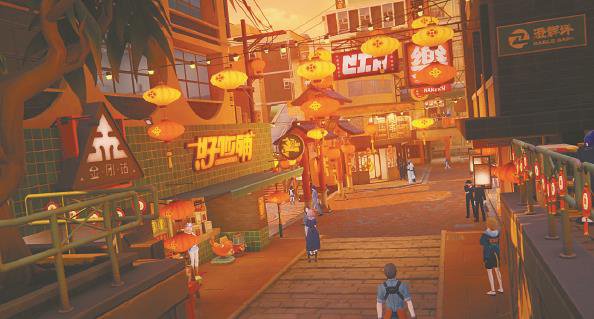
Core Viewpoint - The article highlights how various Shanghai-based game developers are integrating traditional Chinese culture into their games to enhance the festive atmosphere during the upcoming Lunar New Year, creating immersive experiences for players. Group 1: Cultural Integration in Game Design - MiHoYo's "Honkai: Star Rail" introduced a new character "Yao Guang," whose design incorporates Miao silver jewelry and movements inspired by peacock dance, showcasing the vibrant charm of traditional culture [6] - Shanghai Deyou's "Shining Nikki" launched the "Brilliant Light of Heavy Abyss" outfit inspired by the Sanxingdui bronze tree, with academic consultation from the excavation team to ensure cultural accuracy [7] - The game has previously collaborated with various cultural institutions to create outfits and events that reflect traditional Chinese arts, such as Peking opera costumes and other intangible cultural heritage [7] Group 2: Incorporation of Traditional Customs - MiHoYo's "Zhuoqu Zero" features a "Gold Expansion Day" event where players receive online invitations and in-game currency as "lucky money," blending traditional customs into gameplay [8] - "Undecided Incident" focuses on a "Treasure Appraisal Mystery" event, using Kunqu opera music to enhance the historical storytelling experience for players [8] - Shanghai Eagle Horn Network's "Arknights" introduced a new gameplay feature with Chinese characters, allowing players to engage with the cultural significance of the New Year while enjoying the game [9] Group 3: Virtual and Real-world Integration - Shanghai-based game companies are collaborating with cultural institutions to create a seamless blend of virtual and real-world experiences during the Lunar New Year [10] - "Legendary New Hundred District" partnered with the Guandi Temple in Shanxi to offer players opportunities to win traditional cultural items, promoting awareness of cultural heritage among younger audiences [10] - The integration of traditional New Year customs into gameplay allows players to enjoy both gaming and cultural experiences, making the virtual world a new space for celebrating the festival [10]

观察 | 千亿IPO背后的真相:MiniMax赢过智谱,靠的不是技术?
未可知人工智能研究院· 2026-01-10 04:04
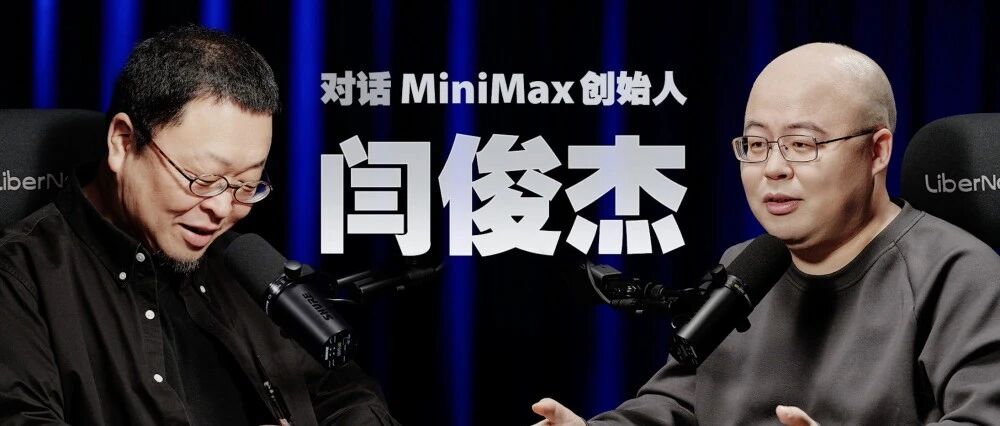
Group 1 - The core point of the article emphasizes the importance of understanding demand over merely focusing on technology, as highlighted by Peter Drucker [1] - MiniMax's IPO performance was exceptional, with significant market interest from top global investors like Tencent, Alibaba, Sequoia, GIC, and South African pension funds [7][8] - The article contrasts MiniMax's rapid commercialization strategy targeting the consumer market with Zhizhu's more traditional B2B approach, indicating a fundamental difference in their business models [9][10] Group 2 - MiniMax's Talkie application, launched in June 2023, has generated substantial revenue, contributing 63.7% of the company's total revenue, with projections of nearly $36 million in the first nine months of 2025 [15] - The average age of MiniMax's team is post-95, showcasing the potential of young talent in driving innovation and success in the tech industry [20][29] - The article outlines three key insights for ordinary individuals: the significance of emotional value in products, the necessity for technology to serve practical scenarios, and the advantages of youth in the AI era [31][38] Group 3 - The article suggests that the recent IPOs of MiniMax and Zhizhu signal a strong confidence in the AI sector, with a focus on companies that can successfully commercialize their technologies [40][42] - It emphasizes that the true benchmark for success is not merely going public but achieving profitability and sustainable growth [47][48] - Companies that can identify real user needs and generate genuine revenue will become increasingly valuable in the market [49]
叠纸腾讯稳健、网易触底反弹,2025乙游市场格局变了吗?
3 6 Ke· 2025-12-23 00:28
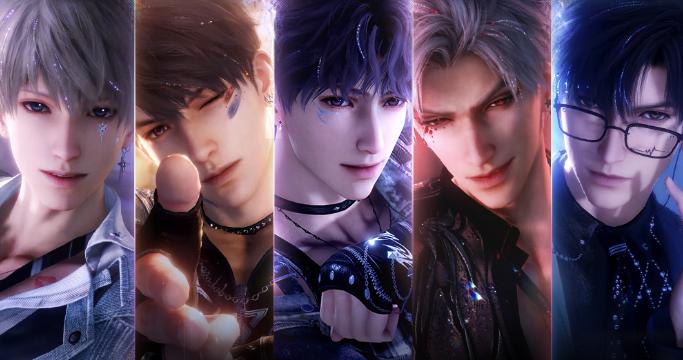
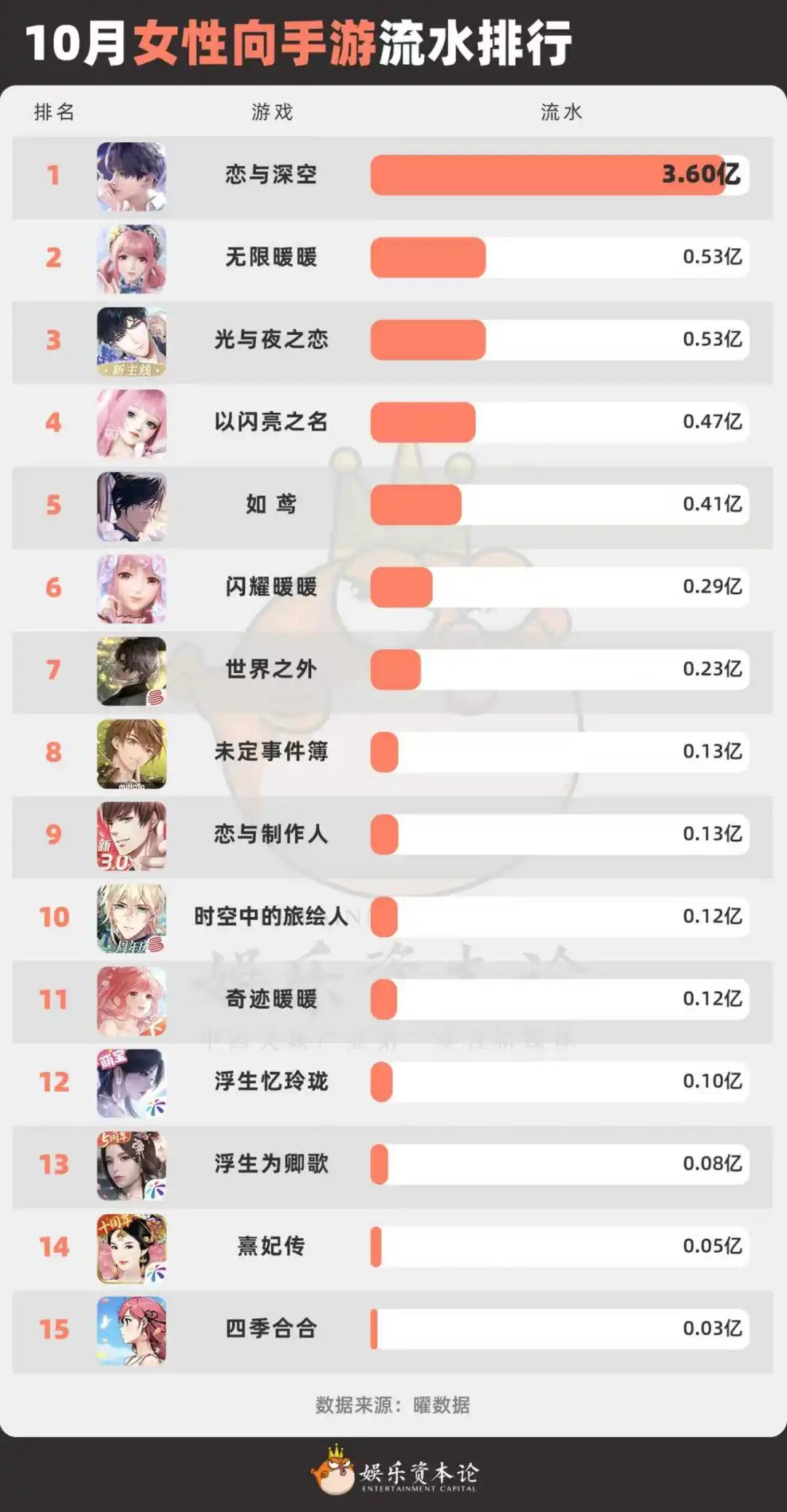
Core Insights - The female-oriented gaming market in China has shown significant growth, with a market size reaching 8 billion yuan in 2024, representing a year-on-year increase of 124.1%, indicating strong commercial potential and cultural influence [1][10] - Despite the growth, the market faced challenges in 2025, including content controversies, public relations crises, and industry changes that impacted development and growth [1][9] Market Performance - The top female-oriented games in 2025 include "Light and Night of Love" by Tencent, which has shown stable performance and even surpassed "Love and Deep Space" in revenue in November 2025, with an estimated income of 49.09 million yuan, reflecting a 125.42% increase [4][5] - "Love and Deep Space" faced multiple controversies, including player dissatisfaction and security issues, leading to a significant revenue drop of 39.40% to 48.36 million yuan in November 2025 [2][5] - "World Beyond" experienced a public relations crisis due to price increases and a loss of player trust, resulting in a significant decline in its market position, although it showed signs of recovery with a strong update in December 2025 [6][7] Industry Dynamics - The competitive landscape of the female-oriented gaming market has shifted, with previous leaders like "Code Kite" and "World Beyond" falling behind, while "Love and Deep Space" remains resilient despite controversies [9] - The market still has growth potential, as there is a significant demand for emotional engagement among young, educated female players, with over 60% of players being single and seeking emotional support through gaming [10] - Upcoming titles like "Under the Night" and "Code Sol" are generating interest, with "Under the Night" already in its second testing phase and receiving positive feedback, indicating potential for future success in the market [11][12]


“游戏沪十条”让全球玩家迷上上海
Xin Lang Cai Jing· 2025-12-20 06:42
Core Insights - The 2025 China Game Industry Conference highlighted the release of the "Game Shanghai Ten Measures," aimed at supporting the high-quality development of domestic games and injecting strong momentum into the industry [1][4]. Group 1: Industry Growth - China's game industry achieved steady growth, with actual sales revenue reaching 350.79 billion yuan in 2025, a year-on-year increase of 7.68%, and a user base expanding to 683 million, up 1.35% [1]. - Self-developed games contributed significantly, with domestic market sales reaching 291.09 billion yuan, a growth of 11.64%, supported by stable long-term products and new releases [1]. - The overseas market for self-developed games saw actual sales of $20.46 billion, marking a 10.23% increase, maintaining a scale exceeding 100 billion yuan for six consecutive years [1]. Group 2: Policy Support - The "Game Shanghai Ten Measures" includes systematic support policies with an annual funding total of 50 million yuan, aimed at creating a globally influential game and esports industry ecosystem [2]. - Key functional areas identified for development include Xuhui Caohejing, Yangpu Dazhongzhi, and Jing'an Daning, focusing on building a robust industry hub with comprehensive services and active consumer engagement [2]. - Xuhui District attracted over 70 game companies, including Tencent and NetEase, with the gaming industry revenue reaching 52.17 billion yuan in the first three quarters of 2025, a 5.0% year-on-year increase [2]. Group 3: Cultural Integration and Innovation - The "Game Shanghai Ten Measures" encourages the development of original high-quality games that incorporate traditional Chinese culture and reflect Shanghai's urban characteristics [3]. - Companies like Paper Games collaborate with national cultural institutions, while Century Huatong emphasizes technological innovation, viewing the gaming industry as a platform for cultural and technological advancement [3]. Group 4: Esports Development - Shanghai aims to become a global hub for esports, with plans to accelerate the development of a globally influential proprietary event system and promote synergy between international top events and local IPs [3]. - The Perfect World Esports event attracted nearly 90,000 attendees and generated 370 million yuan in surrounding consumption, showcasing the potential of esports to drive economic growth [3].
戏曲与游戏融合正成为“新赛道”,能否助力传统文化破圈生长
Xin Lang Cai Jing· 2025-12-15 10:54
Core Insights - The integration of traditional Chinese opera and gaming is emerging as a new cultural phenomenon, enhancing both artistic expression and audience engagement [1][3][32] - The academic seminar "Art New Quality Productivity: Innovation Drive and Paradigm Change" highlighted the importance of technology in art creation and the growing trend of "opera-game fusion" [1][3] Group 1: Industry Trends - The gaming industry is becoming a significant platform for the dissemination of traditional culture, with a projected user base of 674 million and a market size exceeding 350 billion yuan in 2024 [3] - 68% of overseas gamers express a preference for games featuring Chinese cultural elements, indicating a global interest in this fusion [3] - "Embedded fusion" is identified as a key collaboration model, integrating opera elements into game design, narrative, and aesthetics [3][24] Group 2: Successful Case Studies - The collaboration between Zhejiang Xiaobaihua Yue Opera Troupe and Tencent's "Honor of Kings" successfully integrated elements from the Yue opera "Butterfly Lovers," achieving 64 million skin acquisitions and 1.5 billion total exposures [5] - The partnership between Tencent's "Tianya Mingyue Dao" and Shanghai Peking Opera House showcased Peking opera through motion capture technology, enhancing player experience [8] - Perfect World's "Dream New Zhu Xian" and Jiangsu Peking Opera House's collaboration received positive feedback from young players, demonstrating the effectiveness of opera integration [9] Group 3: Audience Engagement - The "Digital Pear Garden" initiative by NetEase's "Nirvana in Fire" game has attracted significant player engagement, with 89.6% of players experiencing opera for the first time through the game [17] - Players actively participate in sharing their experiences and engaging with opera culture, indicating a successful outreach strategy [17][19] - The collaboration with various opera forms, including Huangmei opera, has resonated well with younger audiences, leading to high engagement rates [19][26] Group 4: Future Directions - The concept of "opera-game fusion" is seen as a pathway for traditional opera to reach new audiences and explore digital cultural products [32] - The integration of advanced technologies like motion capture and 3D scanning is enhancing the authenticity of opera representation in games [32][33] - Industry experts emphasize the need for innovation while respecting the artistic integrity of traditional opera, ensuring that the essence of the art form is preserved in its digital adaptations [33]
国乙2025:舍弃二次元,奔向现充人
3 6 Ke· 2025-11-09 12:47
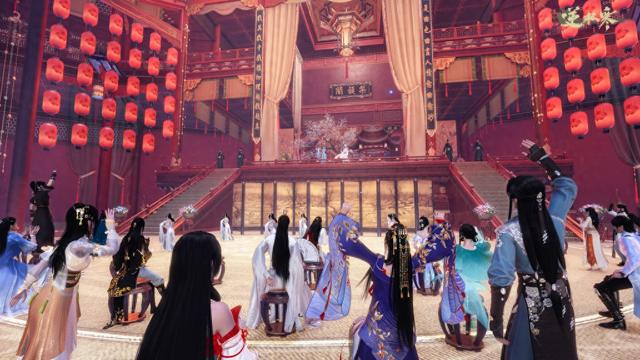
Core Insights - The female-oriented gaming market in China, particularly the "national乙" (Guo Yi) segment, has seen a decline in performance after a strong start with new titles like "Love and Deep Space," "World Beyond," and "Like a Kite" pushing market share to over 10 billion yuan [1][4] - The current market dynamics have shifted from "one strong and many strong" to "one strong and many weak," indicating a significant change in competition and user engagement [4] - "Love and Deep Space" remains the leading title but struggles to maintain its previous high rankings against competitors like "King of Glory" and "Douyin" [6][12] Market Performance - "Love and Deep Space" has consistently generated over 100 million yuan monthly, but its ability to top charts has diminished due to the increasing strength of platforms like Douyin [6][12] - "Like a Kite" initially performed well but faced backlash due to narrative issues, leading to a more subdued marketing approach while maintaining stable revenue [8][10] - "World Beyond" has suffered from a significant drop in revenue, with October earnings at only 23.1 million yuan, attributed to internal company turmoil and pricing issues [10][11] User Engagement and Community Dynamics - The user base for "Love and Deep Space" is notably diverse, including many older female players who are less influenced by online community discussions, contributing to its stable revenue [12][22] - The concept of "乙游原教旨" (originalist乙 game) is debated, with some players feeling that current titles deviate from traditional aesthetics and gameplay, which may limit their appeal to broader audiences [16][18] - The potential for growth lies in attracting a larger, less engaged user base, particularly those outside the traditional二次元 (2D) gaming community [23][31] Future Trends and Industry Movements - Companies are increasingly recognizing the purchasing power of the "现充" (active social players) demographic, which could lead to new marketing strategies and game designs aimed at this group [25][31] - Upcoming projects like Tencent's "Heart of the King" and new titles in development may signal a shift in focus towards appealing to a broader audience within the female-oriented gaming market [27][29] - The balance between catering to core users and attracting new players will be crucial for the sustainability and growth of titles in the national乙 market [33]
鲍勇剑:当全球化退潮——中国企业的出海想象
Xin Lang Cai Jing· 2025-11-03 05:04
Core Insights - The article discusses the challenges and strategies for Chinese companies expanding internationally in the current geopolitical climate, emphasizing the need for a nuanced approach that considers historical context and modern realities [1][2][11]. Historical Context - The historical relationship between economic trade and military expansion is highlighted, with examples from ancient Greece, India, and the Islamic Caliphate demonstrating how trade has often been intertwined with political and cultural shifts [3]. - The article notes that the violent expansion models of the past are no longer viable for Chinese companies, which must seek alternative strategies for international engagement [3]. Comparison with Other Nations - Chinese companies' international expansion is compared to the post-World War II expansion of American companies and Japan's strategies post-1973 oil crisis, noting that the geopolitical environment has changed significantly, making direct imitation of these models problematic [5][6][9]. - The article emphasizes that while American companies benefited from a lack of competition and a favorable global environment, Chinese companies face political and ideological challenges that complicate their international strategies [6][11]. Current Challenges - Chinese companies are currently navigating a complex international landscape characterized by rising protectionism and geopolitical tensions, which can hinder their market access and operational strategies [11][12]. - The article cites specific policies from the Biden administration and the European Union that target Chinese companies, illustrating the non-economic factors that can impact their international operations [11][12]. Strategic Opportunities - The article proposes six potential models for Chinese companies to explore in their international expansion: 1. **Multi-Center Trade Clusters**: Establishing flexible trade networks across various regions to mitigate risks [14][15]. 2. **Sustainable Resource Development Communities**: Collaborating on international standards in emerging industries to bypass geopolitical barriers [16]. 3. **International Metropolitan Economic Cooperation Alliances**: Forming city-to-city partnerships to enhance trade and cooperation [17]. 4. **Cultural Economic Entities**: Leveraging cultural resonance to build cross-border user communities [18]. 5. **Sovereign Economic Distributed Global Supply Chains**: Creating diversified supply chains to reduce reliance on single countries [19]. 6. **Equitable Growth Partnerships**: Promoting sustainable development narratives in collaboration with developing nations [20]. Conclusion - The article concludes that Chinese companies must adopt a multi-modal approach to global cooperation, moving beyond a singular export-oriented strategy to create a strategic moat in the face of geopolitical challenges [21]. - It emphasizes the importance of understanding the cultural and civilizational dimensions of international business, suggesting that successful engagement requires more than just economic transactions [22][23].

叠纸创始人卸任《恋与深空》游戏公司法定代表人,仍为实控人
Nan Fang Du Shi Bao· 2025-10-28 03:56
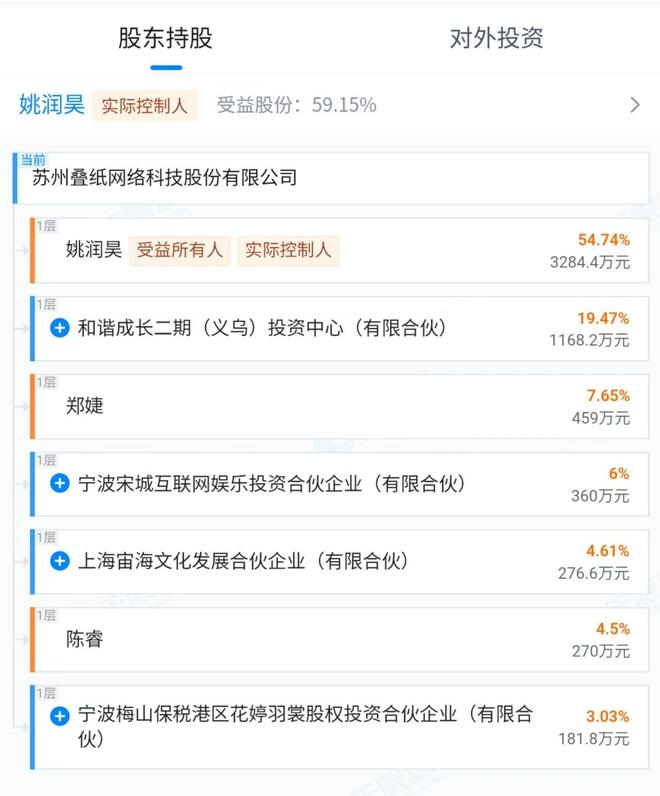
Core Viewpoint - Recent management changes at Shanghai Die Paper Technology Co., Ltd. reflect routine corporate operations, with COO Yao Fei replacing founder and CEO Yao Runhao as the legal representative [1][4]. Group 1: Company Overview - Shanghai Die Paper Technology Co., Ltd. was established in March 2019 with a registered capital of 100 million RMB, focusing on advertising, clothing retail, and online cultural operations, fully owned by Die Paper Technology [1]. - Yao Runhao retains a 54.74% stake in Die Paper Technology, maintaining control over the company despite the management changes [1]. Group 2: Management Changes - The transition of legal representatives is part of a broader trend, as Yao Runhao has also stepped down from other positions, including as legal representative of Wuhu Die Paper and Shanghai Die Paper Interactive Entertainment [4]. - This year has seen significant personnel changes within the company, marking the most substantial management restructuring in its 12-year history [4]. Group 3: Industry Position - Die Paper Games, founded in 2013, is a leading player in the female-oriented gaming sector in China, known for its core IPs "Warm Warm" and "Love and Production" [9]. - The game "Shining Warm Warm" features 3D clothing dynamic display technology, while "Love and Production" pioneered a fully dynamic Live2D and multi-thread narrative model, enhancing the industrialization of domestic dating simulation games [9]. - The company achieved a 75% month-on-month revenue growth in December 2024, ranking fifth in the "Top 30 Chinese Mobile Game Publishers" [9]. - However, the highly anticipated AAA project "Contract of All Things" faced significant setbacks, with the team size reduced from 120 to about 20 members earlier in 2025 [9].
姚润昊卸任上海叠纸科技公司职务,此前旗下游戏《恋与深空》被控虚假宣传
Qi Lu Wan Bao· 2025-10-27 03:17
Core Insights - Shanghai Die Paper Technology Co., Ltd. has undergone a change in its legal representative and executive director, with Yao Fei taking over from Yao Runhao [1] - The company has faced a significant trust crisis due to discrepancies between promotional content and actual game features in its popular mobile game "Love and Deep Space" [1][2] - The game has received over 2000 complaints related to consumer fraud, with individual spending records reaching up to 80,000 yuan [2] Company Overview - Shanghai Die Paper Technology Co., Ltd. was established on March 22, 2019, with a registered capital of 100 million yuan [3] - The company specializes in software development, animation design, and online cultural operations, owning popular game series such as "Warm Warm" and "Love" [3] - The company has nearly 400 million registered users globally and is projected to generate nearly 1 billion USD in revenue for 2024 [3] Recent Developments - The new game activity "The Fallen Crown" launched on July 25, 2025, has led to player dissatisfaction due to missing features that were advertised [1] - A lawyer's letter has been issued, categorizing the situation as "consumer fraud" and citing violations of consumer protection laws [2] - The company has received recognition as a key cultural export enterprise for multiple years and has won various awards for its games [3]