碳达峰碳中和

Search documents
擘画“十五五”美丽上海建设新蓝图
Zhong Guo Huan Jing Bao· 2026-02-26 01:14
责编:徐小雪 电话:(010)67139791 传真:(010)67139791 E-mail:dfxcb@vip.sina.com 以奋斗者姿态、先行者担当 "十五五"美丽上海建i 2026年是"十五五"规划的 开局之年,在上海市第十六届人 民代表大会第四次会议上,政府 工作报告全面总结了过去一年及 "十四五"时期生态环境保护工 作,清晰擘画了"十五五"时期美 丽上海建设蓝图,并对2026年重 点工作作出部署。报告提出,要 着力推进经济社会发展全面绿色 低碳转型,加快建设美丽上海。 要牢固树立和践行绿水青山就是 金山银山理念,以碳达峰碳中和 为牵引,协同推进降碳、减污、扩 绿、增长,打造人与自然和谐共生 的美丽家园。 生态建设成果丰硕, "美丽上海"底色更亮 政府工作报告指出,2025 年.上海市生态文明建设进一步 加强,生态环境质量持续改善。 过去一年,上海市推进重 点行业超低排放改造、重点企 业挥发性有机物深度治理,并 淘汰国四柴油车4.6万辆。在 水环境治理方面,启动排水管 理体制改革,持续推进雨污泥 接和人河入海排污口整治。固 体废物治理能力持续提升,建 成 5 座 湿垃圾资源化处理设 施,并加强建 ...

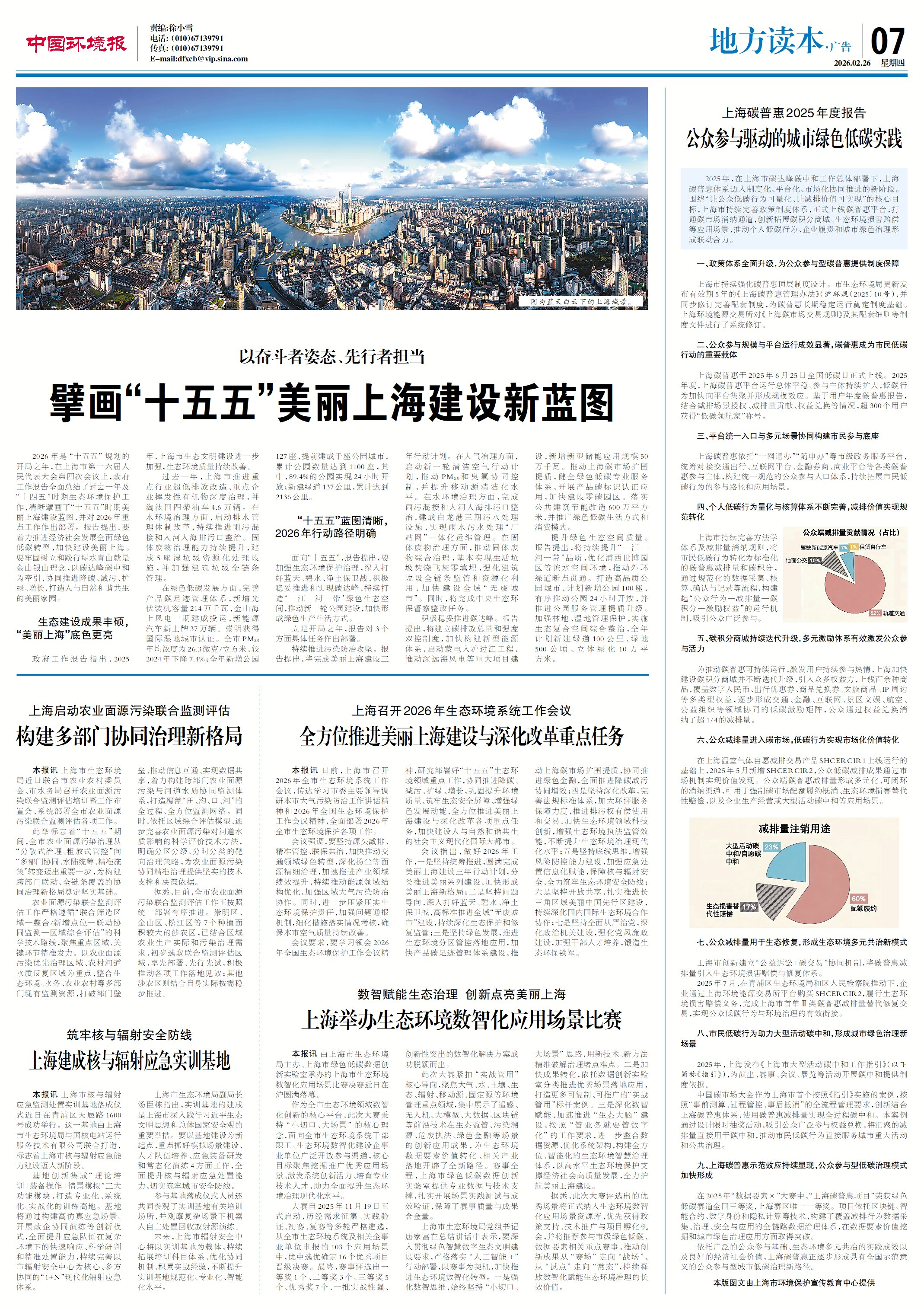
一名工科生的“泵”搏人生
Xin Lang Cai Jing· 2026-02-25 23:03
"考研时我只有一个简单的想法——回江苏老家。"南京腾图节能科技有限公司负责人马正军坐在堆满技 术资料的办公室里,回溯创业起点。这名第八届"挑战杯"中国大学生创业计划竞赛金奖获得者,如今已 在创业这条路上走了10多年。 在江苏大学读研期间,马正军进入国家水泵及系统工程技术研究中心。在这里,他第一次系统性地认识 到,那些隐藏在工厂角落、市政泵房里的水泵,竟是耗能大户。"水泵用电占全社会总用电量的20%以 上。这是个隐蔽的'能源黑洞',但反过来看,也是巨大的节能蓝海。"这点燃了他的科研热情,也悄然 埋下了创业的种子。 真正将技术设想转化为创业蓝图,源于参加由共青团中央领衔主办的第八届"挑战杯"中国大学生创业计 划竞赛。2012年,马正军在导师指导下组建参赛团队,以"腾图节能科技有限责任公司创业计划"项目参 赛。"备赛过程中我们整理了实验室积累的专利、奖项和工程案例,光是商业计划书就迭代了30多 版。"他回忆说,"那时候电脑里存了40G的备赛资料,每一版PPT都反复打磨,答辩问题准备了上百 个。" 有一天晚上9点多,马正军接到一个陌生来电,对方说,"我在电视上看到你了,你们做的项目很有意 义,我想聊聊合作"。紧接着, ...
绿电、智算、低空商机满满!阳东喊你来做“投资合伙人”
Xin Lang Cai Jing· 2026-02-25 08:43
转自:广东阳江发布 丙午马年,烈焰翻涌,正如阳东大地新春发展之势——产业布局无限光明,全员服务热情正盛,县域经济奔腾在望,期待更多民间资本和社会力量强 势"加盟"…… 2月26日,阳东区高质量发展大会暨运营提升行动动员会将在阳东区电子电器产业园标准厂房二期举行。本次盛会以区委、区政府名义,号令全员上阵、 上下齐心,激起一马当先、马不停蹄的昂扬斗志,奋力投身构建阳东特色"1+3+3+X"现代化产业体系,以及推进中国式现代化阳东实践的伟大征程。 产业发展质效足以撼动城市经济"硬脊梁";企业一句"好口碑",胜过多少金杯银杯! 紧跟阳江市"提质服务年"的工作主线,阳东立足实际,在2026年正式吹响实施"运营提升"行动的全新号角,向五湖四海的企业家发出一份合作共赢的诚挚 邀约:欢迎走进阳东、了解阳东、游历阳东、投资阳东,共建共享一个商机满满、生机勃勃的富美新阳东! 绿能拔尖 发展指标全省领先 投资 是拉动全域经济增长的"头驾马车" 也是阳东区委、区政府 新一年实施"运营提升"行动的重中之重 "十四五"期间,阳东实现固定资产投资总额年均增长9%,其中去年表现尤其亮眼。2025年,阳东共完成固定资产投资同比增长77%,增速 ...
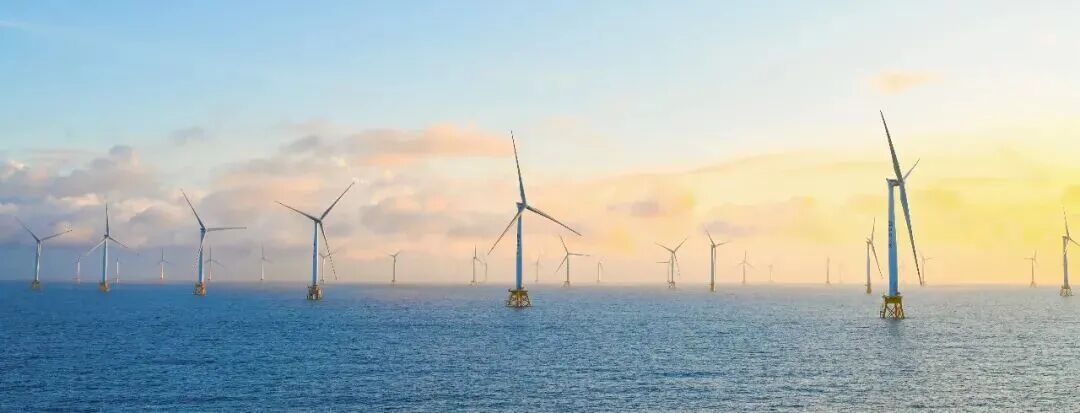
国家电网4万亿投资只是开局!中国电力"超级发展周期"汹涌来袭
Sou Hu Cai Jing· 2026-02-24 08:47
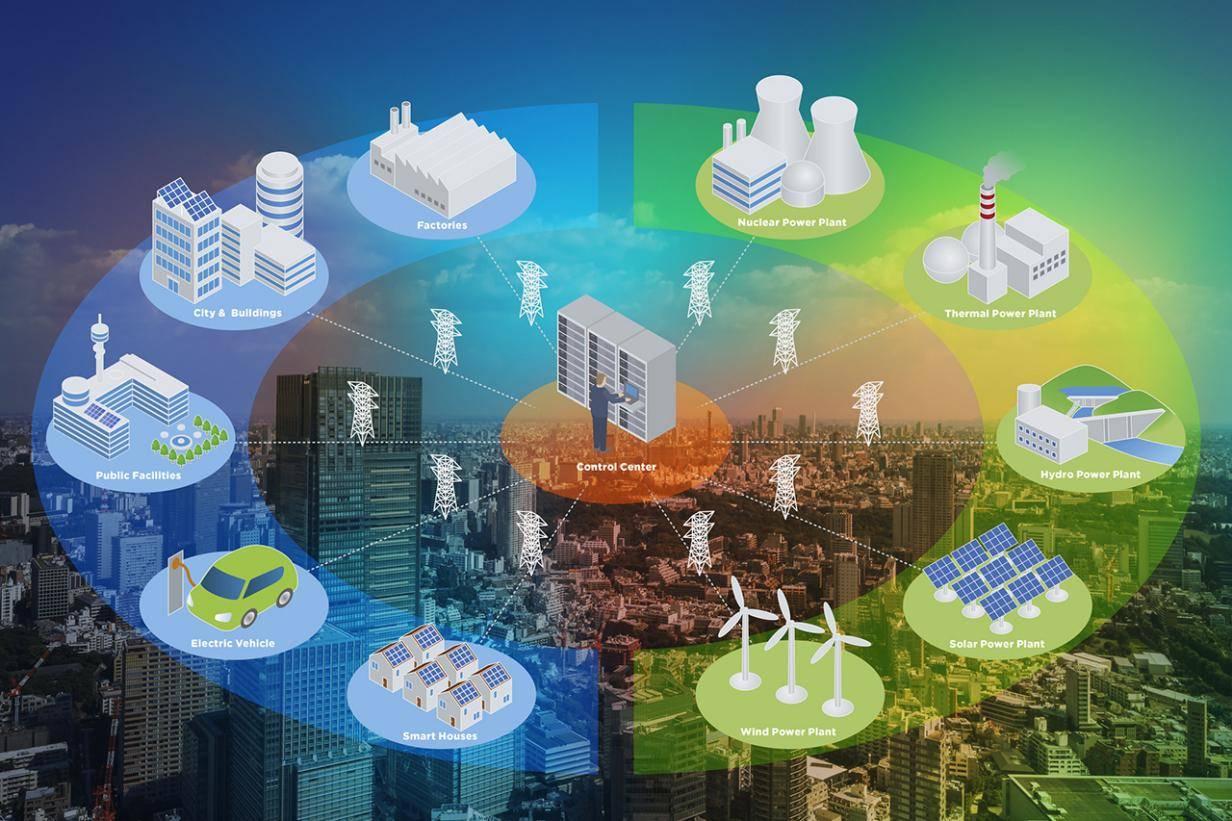
当国家电网在2026年1月15日宣布"十五五"期间将砸下4万亿元固定资产投资时,整个能源界都沸腾了!这不是简单的数字叠加,而是一场足以改写全球能源 版图的超级投资浪潮。 4万亿元是什么概念?相当于每天就要投入超过22亿元,每小时将近1个亿!更让人震惊的是,这笔巨额投资较"十四五"时期暴增40%,年均投资规模将突破 8000亿元大关。放眼全球,还没有任何一个国家在电力基础设施建设上如此"豪横"。 这不是终点,而是起点。南方电网同步加码,2026年投资规模预计达1800亿元,还有蒙网,还有那几十家发电企业、电力建设企业、电力装备企业。可以 说,整个中国电力领域未来5-10年将投入多少,毋庸置疑的将是一个天文数字。这一切,都标志着中国电力建设正式迈入高强度投资的黄金周期。 一个前所未有的"电力超级发展周期",正在神州大地上轰鸣启动! 1.1 从"十三五"到"十五五":一场跨越15年的投资接力 让我们先来梳理一下国家电网的投资轨迹: "十三五"时期(2016-2020年):累计投资2.4万亿元,为当时的历史最高水平 从2.4万亿到2.8万亿,再到4万亿,国家电网的投资节奏明显加快,接连打破天花板。2022年年度电网投 ...

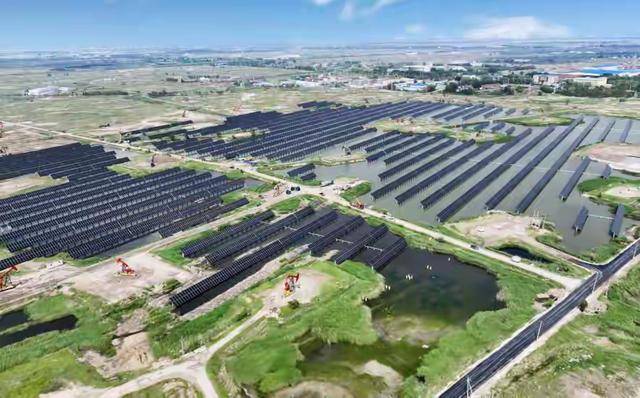
中国电力第一大省:去年发电量达到8517亿度,领先广东、江苏
Sou Hu Cai Jing· 2026-02-22 08:53
Core Insights - Inner Mongolia is projected to generate 851.7 billion kWh of electricity in 2025, accounting for approximately 8.8% of the national total, significantly surpassing Guangdong and Jiangsu by over 140 billion kWh and 200 billion kWh respectively [1][3][12]. Resource Advantage - Inner Mongolia is a major energy province in China, with coal reserves and production consistently ranking first nationally. In 2024, the province's raw coal output is expected to reach 1.29 billion tons, making up 27.3% of the national total [3][5]. - The province's abundant coal resources allow for stable and low-cost supply, enabling consistent operation of thermal power plants, which form the backbone of its electricity generation [5][9]. Energy Mix - In 2025, thermal power is expected to contribute 5,920.4 billion kWh, representing 69.5% of the total electricity generation, while wind power is projected to generate 2,033.4 billion kWh, accounting for 23.9% and showing a year-on-year growth of 22.6% [5][9]. - Inner Mongolia has also made significant strides in renewable energy, with total installed capacity for new energy sources exceeding 147 million kW, surpassing that of thermal power [7][25]. Infrastructure Development - The province has established a robust electricity transmission network, including eight ultra-high voltage transmission lines, facilitating efficient electricity delivery to various regions across China [10][23]. - Since the launch of the first ultra-high voltage line in 2016, Inner Mongolia has cumulatively transmitted 838 billion kWh of electricity, supporting the energy needs of approximately 285 million households annually [11][23]. Economic Impact - Inner Mongolia's electricity generation supports the economic activities of densely populated and industrially developed regions such as Beijing, Tianjin, and Jiangsu, especially during peak demand periods in summer and winter [16][17]. - The availability of stable electricity has also fostered local industrial growth, particularly in coal chemical and renewable energy equipment manufacturing, reducing production costs and enhancing competitiveness [19][30]. Social Benefits - The expansion of the electricity grid has improved living standards in rural areas, providing reliable power for heating, cooling, and household appliances, thereby enhancing the quality of life for residents [21][30]. - Inner Mongolia's role as a key energy supplier helps balance the regional disparities in electricity supply and demand across the country, ensuring that economic development and public welfare are supported [23][32].
2026年《中国能源报》火热征订中!
中国能源报· 2026-02-14 00:03
Core Viewpoint - The article emphasizes the role of China Energy News as a leading media platform in the energy sector, promoting high-quality development and supporting the carbon peak and carbon neutrality goals set by the government [1]. Group 1: Overview of China Energy News - China Energy News was established on June 1, 2009, and is the first mainstream economic newspaper in China covering the entire energy industry chain [1]. - The publication serves as an authoritative platform for interpreting important discussions by General Secretary Xi Jinping regarding energy work [1]. - It has become a media benchmark for the energy industry, showcasing high-quality development and fostering innovation in media integration [1]. Group 2: Audience and Partnerships - The readership of China Energy News spans the entire energy industry chain, making it a preferred industry publication for professionals in various sub-sectors [1]. - Many readers habitually save and collect issues of China Energy News, indicating its value and relevance in the industry [1]. - The publication has established strong partnerships with numerous government agencies, enterprises, and think tanks, enhancing its influence and reach [1]. Group 3: Collaboration and Support - China Energy News invites energy enterprises and institutions to engage in deeper collaborations, leveraging its multi-dimensional media platform to support brand building and enhancement [1]. - The publication aims to gather professional readers to contribute to its distribution efforts and provide insights for the development of the energy sector [1]. - The overarching goal is to work together to promote high-quality development in the industry and achieve carbon neutrality objectives [1].
能源早新闻丨国产首台,一次性并网成功!
中国能源报· 2026-02-12 22:33
Group 1: Renewable Energy Development - The National Energy Administration has set a target for renewable energy integration by 2025, aiming to establish the world's largest and fastest-growing renewable energy system, exceeding the non-fossil energy consumption goals for the 14th Five-Year Plan [2] - In 2025, China is expected to add over 430 million kilowatts of new wind and solar power capacity, with wind power contributing 120 million kilowatts and solar power 318 million kilowatts, representing a year-on-year growth of 22.0% [2] - Cumulative installed capacity of wind and solar power is projected to reach 1.84 billion kilowatts, accounting for 47.3% of total capacity, surpassing thermal power for the first time [2] Group 2: Pricing and Market Participation - In Guizhou, the mechanism electricity price for wind power projects is set at 0.3515 yuan per kilowatt-hour, with 22 projects selected, totaling 2.387 billion kilowatt-hours [2] - The Shanghai Municipal Development and Reform Commission has established a price range for the electricity spot market, with an initial clearing price range of 0 to 1.4 yuan per kilowatt-hour [3] Group 3: Electric Vehicle Exports - In January, exports of new energy passenger vehicles reached 286,000 units, marking a year-on-year increase of 103.6% and accounting for 49.6% of total passenger vehicle exports, up 12.5 percentage points from the previous year [4] - Pure electric vehicles made up 65% of new energy exports, with A00 and A0 class pure electric vehicles constituting 50% of pure electric exports [4] Group 4: Energy Assistance and International Relations - Switzerland has approved up to 32 million Swiss francs in emergency energy aid to Ukraine, including the delivery of high-performance generators and power modules [5] - Russia plans to send a batch of crude oil and fuel to Cuba as humanitarian aid, addressing the severe impact of the U.S. oil embargo on the Cuban population and economy [5] - The interim president of Venezuela met with the U.S. Secretary of Energy to discuss a mutually beneficial energy agenda, respecting Venezuela's energy sovereignty [6] Group 5: Technological Advancements - The first domestically produced voltage source static frequency converter for pumped storage has successfully been integrated into the grid in Nanning, marking a significant achievement in China's energy storage technology [7]
国家能源局发布2025年可再生能源并网运行情况
中国能源报· 2026-02-12 07:24
Core Viewpoint - The article emphasizes the rapid growth and significant achievements in China's renewable energy sector, highlighting the country's commitment to carbon neutrality and the expansion of its renewable energy capacity by 2025 [1]. Group 1: Renewable Energy Capacity - By 2025, renewable energy installed capacity exceeds 60%, with wind and solar power contributing over 430 million kilowatts of new capacity, surpassing thermal power for the first time [2]. - In 2025, the total installed capacity of renewable energy reaches 2.34 billion kilowatts, a 24% increase year-on-year, accounting for approximately 60% of the national total [2]. Group 2: Renewable Energy Generation - In 2025, renewable energy generation reaches 3.99 trillion kilowatt-hours, a 15% increase, making up 38% of total electricity generation [3]. - The increase in renewable energy generation covers the entire growth in national electricity consumption, with an additional 519.3 billion kilowatt-hours generated from renewable sources [3]. Group 3: Hydropower Development - In 2025, new hydropower capacity adds 12.15 million kilowatts, with total hydropower capacity reaching 450 million kilowatts [3]. - Hydropower generation in 2025 amounts to 1.46 trillion kilowatt-hours, with an average utilization of 3,367 hours [3]. Group 4: Wind Power Development - Wind power sees an increase of 12 million kilowatts in 2025, a 51% year-on-year growth, with 79% of new installations located in the "Three North" regions [4]. - Cumulative wind power capacity reaches 640 million kilowatts, with generation totaling 1.13 trillion kilowatt-hours, reflecting a 13% increase [4]. Group 5: Solar Power Development - Solar power capacity increases by 31.7 million kilowatts in 2025, a 14% growth, with both centralized and distributed solar power contributing significantly [5]. - Total solar power capacity reaches 1.2 billion kilowatts, with generation hitting 1.17 trillion kilowatt-hours, a 40% increase [5]. Group 6: Biomass and Thermal Power Development - Biomass power adds 1.51 million kilowatts in 2025, with total capacity reaching 47.43 million kilowatts and generation increasing by 7% [5]. - Thermal power sees a notable increase in installed capacity and generation, with specific figures indicating a growth trend [5].

2025年全国可再生能源发电量3.99万亿千瓦时,同比增长15%
Yang Shi Wang· 2026-02-12 03:56
Core Viewpoint - The National Energy Administration aims to achieve carbon peak and carbon neutrality by 2025, significantly enhancing the renewable energy system and exceeding the non-fossil energy consumption targets set for the 14th Five-Year Plan [1] Renewable Energy Capacity - The installed capacity of renewable energy has reached a new high, accounting for over 60% of the total, with wind and solar power contributing more than 430 million kilowatts of new capacity, surpassing thermal power for the first time [1] - By the end of 2025, the total installed capacity of renewable energy will reach 2.34 billion kilowatts, a year-on-year increase of 24%, representing approximately 60% of the total national power capacity [1] Renewable Energy Generation - The renewable energy generation is continuously increasing, with nearly 40% of electricity consumption coming from green energy, and all growth in electricity consumption being met by new renewable energy generation [2] - In 2025, the total renewable energy generation will reach 3.99 trillion kilowatt-hours, a 15% year-on-year increase, accounting for 38% of total generation [2] Hydropower - In 2025, the new hydropower installed capacity will be 12.15 million kilowatts, with a total installed capacity of 450 million kilowatts by the end of the year [2] - The hydropower generation will reach 1.46 trillion kilowatt-hours in 2025, with an average utilization of 3,367 hours [3] Wind Power - The new wind power installed capacity will be 120 million kilowatts in 2025, a 51% year-on-year increase, with 79% of new installations located in the "Three North" regions [3] - Wind power generation will reach 1.13 trillion kilowatt-hours in 2025, with an average utilization rate of 94% [4] Solar Power - The new solar power installed capacity will be 317 million kilowatts in 2025, a 14% year-on-year increase, with a total installed capacity of 1.2 billion kilowatts by the end of the year [4] - Solar power generation will reach 1.17 trillion kilowatt-hours in 2025, a 40% year-on-year increase, with a utilization rate of 95% [5] Biomass Power - The new biomass power installed capacity will be 151 million kilowatts in 2025, with a total capacity of 47.43 million kilowatts by the end of the year [5] - Biomass power generation will reach 224.7 billion kilowatt-hours in 2025, a 7% year-on-year increase [5] Concentrated Solar Power - The new concentrated solar power installed capacity will be 94 million kilowatts in 2025, a 203% year-on-year increase, with a total capacity of 1.82 million kilowatts by the end of the year [5] - Concentrated solar power generation will reach 1.6 billion kilowatt-hours in 2025, a 32% year-on-year increase [5]
2025年可再生能源并网运行情况
国家能源局· 2026-02-12 02:47
Core Viewpoint - The article emphasizes the rapid growth and significant achievements in renewable energy in China, highlighting the country's commitment to carbon neutrality and the development of a robust renewable energy system by 2025 [2]. Group 1: Renewable Energy Capacity - The installed capacity of renewable energy has reached a new high, with over 60% of total capacity coming from renewable sources. Wind and solar power alone contributed over 430 million kilowatts of new capacity, surpassing thermal power for the first time [3]. - By the end of 2025, the total installed capacity of renewable energy is expected to reach 2.34 billion kilowatts, a 24% increase year-on-year, accounting for approximately 60% of the total installed power capacity in the country [3]. Group 2: Renewable Energy Generation - The generation of renewable energy continues to grow, with nearly 40% of total electricity consumption coming from green energy. In 2025, renewable energy generation is projected to be 3.99 trillion kilowatt-hours, a 15% increase year-on-year, representing 38% of total electricity generation [4]. - The increase in renewable energy generation has fully covered the growth in overall electricity consumption, with new renewable energy generation reaching 519.3 billion kilowatt-hours [4]. Group 3: Hydropower - In 2025, the newly added hydropower capacity is 12.15 million kilowatts, with a total installed capacity of 450 million kilowatts by the end of the year [5]. - The hydropower generation is expected to reach 1.46 trillion kilowatt-hours, with an average utilization of 3,367 hours for large-scale hydropower plants [5]. Group 4: Wind Power - Wind power capacity saw a significant increase, with 120 million kilowatts added in 2025, marking a 51% year-on-year growth. The total installed wind power capacity reached 640 million kilowatts by the end of the year [6]. - Wind power generation is projected to be 1.13 trillion kilowatt-hours, reflecting a 13% increase, with an average utilization rate of 94% [6]. Group 5: Solar Power - Solar power capacity increased by 317 million kilowatts in 2025, a 14% year-on-year growth, with total installed capacity reaching 1.2 billion kilowatts [7]. - Solar power generation is expected to be 1.17 trillion kilowatt-hours, a 40% increase, with an average utilization rate of 95% [8]. Group 6: Biomass and Thermal Power - Biomass power saw an addition of 151,000 kilowatts in 2025, with a total installed capacity of 4.743 million kilowatts, and generation reaching 224.7 billion kilowatt-hours, a 7% increase [8]. - Thermal power capacity increased significantly, with 940,000 kilowatts added, resulting in a total capacity of 1.82 million kilowatts and generation of 1.6 billion kilowatt-hours, a 32% increase [8].