糖尿病

Search documents
专家:越来越多中青年甚至青少年被糖尿病“盯”上了
Zhong Guo Xin Wen Wang· 2025-11-07 01:05
Core Viewpoint - The increasing prevalence of diabetes among younger populations, including middle-aged individuals and even adolescents, is a significant concern, highlighting the need for awareness and preventive measures in the workplace [1][2]. Group 1: Rising Diabetes Cases - More middle-aged and even young individuals are being affected by diabetes, challenging the traditional view that it is primarily an elderly disease [1]. - The changing lifestyle, characterized by irregular habits, high-stress work environments, and unhealthy eating patterns, is contributing to the younger onset of type 2 diabetes [1]. Group 2: Importance of Prevention - Health interventions focusing on lifestyle changes are essential for the prevention and treatment of diabetes, emphasizing the need for early lifestyle modifications [1][2]. - The three levels of diabetes prevention include: - Primary prevention: Timely lifestyle interventions for high-risk individuals, focusing on diet and physical activity [1][2]. - Secondary prevention: Early screening and diagnosis for high-risk groups, followed by standardized management to control blood sugar levels [1][2]. - Tertiary prevention: Management of long-term diabetes patients to slow the progression of complications and improve quality of life [2].
半夜口干舌燥 可能不是缺水!这6种情况一定要警惕
Yang Shi Xin Wen· 2025-10-29 01:37
Core Points - The article discusses the common experience of dry mouth and thirst, emphasizing that it is often due to physiological reasons and not necessarily indicative of health issues [1][3] - It highlights the importance of understanding the triggers of thirst, which can include dehydration from exercise, high salt or sugar levels in the blood, and age-related decline in saliva production [3][4] Summary by Sections Physiological Causes of Dry Mouth - Thirst is primarily triggered by a decrease in body fluid volume and an increase in fluid osmotic pressure [3] - Factors such as heavy exercise, excessive sweating, and insufficient water intake contribute to dehydration [3] - Aging can lead to reduced saliva production due to atrophy of salivary glands [3] Pathological Causes of Persistent Dry Mouth - If adequate hydration does not alleviate dry mouth, it may indicate underlying health issues such as: - Common illnesses like colds, fever, or diarrhea that lead to dehydration [4] - Vitamin deficiencies, particularly B2, which can cause oral dryness and other symptoms [4] - Side effects from medications like clonidine and amitriptyline that affect saliva secretion [4] Serious Health Conditions to Monitor - Six conditions are highlighted that warrant attention if persistent dry mouth occurs: 1. Sjögren's syndrome, an autoimmune disease affecting salivary glands [6] 2. Autoimmune liver diseases that may present with dry mouth and eyes [10] 3. Diabetes, characterized by excessive thirst and urination due to high blood sugar levels [11] 4. Diabetes insipidus, a rare condition leading to fluid imbalance and excessive urination [12] 5. Sleep apnea syndrome, which can cause dry mouth due to snoring and disrupted breathing during sleep [14] 6. Hyperthyroidism, which accelerates metabolism and can lead to increased thirst [16][17] Recommendations for Hydration - To effectively manage dry mouth, it is essential to maintain proper hydration: - The recommended daily water intake for adults is approximately 2500 milliliters, with at least 1500 milliliters coming from direct water consumption [20] - It is advised to drink water regularly throughout the day, rather than waiting until feeling thirsty [21] - Post-exercise hydration should be done gradually rather than in large amounts [22]


半夜口干舌燥,可能不是缺水!这6种情况一定要警惕
Zhong Guo Xin Wen Wang· 2025-10-29 00:59
Core Insights - The article discusses the common experience of dry mouth and thirst, emphasizing that it is often due to physiological reasons rather than serious health issues. However, persistent dry mouth despite adequate hydration may indicate underlying medical conditions that require attention [1][3]. Physiological Causes of Dry Mouth - Dry mouth is frequently triggered by factors such as reduced body fluid volume and increased osmotic pressure in bodily fluids, which can occur due to excessive sweating, dry environments, or insufficient water intake [3]. - Aging and the resulting decline in bodily functions, particularly the atrophy of salivary glands, can also contribute to the sensation of dry mouth [3]. Medical Conditions to Watch For - **Sjögren's Syndrome**: An autoimmune disease that attacks exocrine glands, leading to dryness in the mouth and eyes, and can result in dental issues due to reduced saliva [8][10]. - **Autoimmune Liver Diseases**: These can cause dry mouth and may be associated with Sjögren's Syndrome [10]. - **Diabetes**: Symptoms include excessive thirst, frequent urination, and unexplained weight loss due to elevated blood sugar levels affecting fluid balance [11]. - **Diabetes Insipidus**: A rare condition leading to significant fluid imbalance and excessive urination, which can cause persistent thirst [12]. - **Sleep Apnea**: Often indicated by snoring, it can lead to dry mouth due to disrupted sleep patterns [13]. - **Hyperthyroidism**: Increased metabolism can lead to symptoms such as excessive thirst and dry mouth [15]. Recommendations for Hydration - It is advised that adults consume approximately 2500 milliliters of water daily, with at least 1500 milliliters coming from direct water intake [16]. - Drinking should be done in small amounts throughout the day rather than waiting until feeling thirsty [17]. - Preference should be given to plain water over sugary drinks, and hydration should be managed carefully after exercise [18].
司美格鲁肽,实际上只是模仿了身体内置的减肥机制
GLP1减重宝典· 2025-10-22 12:42
Core Viewpoint - The article discusses the emergence and effectiveness of GLP-1 receptor agonists as a dual solution for obesity and diabetes, highlighting their mechanisms, clinical trial results, and future prospects in weight management and glycemic control [4][6][18]. Summary by Sections Introduction to Obesity and Diabetes - Obesity is a common comorbidity in diabetes, worsening insulin resistance and complicating blood sugar control. Traditional diabetes medications often lead to weight gain, creating a vicious cycle. The introduction of GLP-1 receptor agonists offers a potential solution to address both obesity and diabetes simultaneously [4]. What are GLP-1 Receptor Agonists? - GLP-1 (Glucagon-like peptide-1) is an incretin hormone that promotes insulin secretion, inhibits glucagon release, and delays gastric emptying, contributing to blood sugar control and appetite suppression. However, reduced GLP-1 secretion and action are observed in both diabetic and non-diabetic obese patients [6][7]. Efficacy of Liraglutide - Liraglutide, approved by the FDA in 2009 for type 2 diabetes under the brand name Victoza®, has shown significant weight loss effects in clinical trials. In a study with 564 participants, those receiving liraglutide lost between 4.8 kg to 7.2 kg compared to 2.8 kg and 4.1 kg in placebo and orlistat groups, respectively [9][10]. Over a year, liraglutide users lost an additional 5.8 kg compared to placebo [11]. By 2014, liraglutide was also approved for weight management under the brand name Saxenda® [12]. Emergence of Semaglutide - Semaglutide, introduced in 2017 under the brand name Ozempic®, requires weekly injections and has demonstrated superior weight loss results. In the STEP trials, semaglutide users lost an average of 15% of their body weight, significantly outperforming placebo groups [13][15]. The STEP 1 trial showed a 14.9% weight reduction, with over one-third of participants losing more than 20% of their weight [15]. The FDA approved semaglutide for obesity management in June 2021, marking it as the first new drug for obesity since 2014 [17]. Future Prospects - Oral formulations of semaglutide are being explored, primarily for type 2 diabetes treatment, with ongoing studies demonstrating its efficacy in weight loss and metabolic regulation. The PIONEER trials showed significant reductions in HbA1c and body weight among participants [20][21]. The potential for oral administration may provide an alternative for patients averse to injections [18]. Conclusion - The article emphasizes the importance of lifestyle changes alongside medication for effective weight management, underscoring that pharmacotherapy should complement healthy living rather than replace it [21].

这八类人群,是高血压的“偏爱”对象
Ren Min Wang· 2025-10-14 03:13
Core Viewpoint - Hypertension has become a common health threat, and the article identifies eight groups of people who are more susceptible to developing high blood pressure, aiming to promote preventive measures for better health. Group 1: Dietary Factors - Individuals with a long-term high-salt diet, consuming more than 5 grams of sodium daily, are at increased risk due to elevated blood volume and vascular pressure [4] Group 2: Psychological Factors - People experiencing chronic mental stress are prone to hypertension, as stress leads to excessive secretion of catecholamines, causing blood vessel constriction and increased blood pressure [6][7] Group 3: Alcohol Consumption - Those who consume more than 25 grams of alcohol daily are also at risk, as regular high alcohol intake can contribute to elevated blood pressure [9] Group 4: Obesity - Individuals with a body mass index (BMI) over 28 are at risk, as excess fat tissue secretes more angiotensinogen, increasing vascular tension and blood pressure [11][13] Group 5: Diabetes - There is a significant correlation between diabetes and hypertension, with 60% of diabetes patients also suffering from high blood pressure [14] Group 6: Sleep Disorders - Patients with sleep apnea, characterized by severe snoring and recurrent nighttime oxygen deprivation, experience sustained sympathetic nervous system activation, leading to hypertension [15][16]

下肢是人体“血糖仪”!要留意这5个变化
Yang Shi Xin Wen· 2025-10-02 12:49
Core Viewpoint - The article highlights the increasing prevalence of diabetes in China, emphasizing the health risks associated with high blood sugar levels and the importance of monitoring and controlling blood sugar to prevent complications. Group 1: Diabetes Prevalence and Risks - Diabetes has become the third most significant chronic non-communicable disease affecting public health in China, with the prevalence continuously rising [1] - High blood sugar levels can lead to various health issues, often without noticeable symptoms, causing ongoing damage to the body [1] Group 2: Symptoms Indicating High Blood Sugar - Changes in the legs and feet can signal uncontrolled blood sugar levels, as small blood vessels are often damaged first, leading to noticeable symptoms in these areas [3] - Common symptoms of high blood sugar include slow wound healing, itching, numbness in legs and feet, appearance of "sugar spots," and dry skin [6][7][8][9][10][11] Group 3: Blood Sugar Control Strategies - Effective blood sugar management involves not only lowering blood sugar levels but also maintaining stability to prevent complications such as heart attacks and kidney damage [13] - Recommended strategies for controlling blood sugar include increasing whole grains in the diet, eating harder foods, slowing down eating speed, adjusting the order of food intake, and being mindful of the glycemic index (GI) and glycemic load (GL) of fruits [15][16][17][18][19][20][21] - Regular exercise is also emphasized as a crucial component for lowering blood sugar and improving insulin response [22]
无糖饮料会增加糖尿病风险吗
Jing Ji Ri Bao· 2025-09-21 22:09
Group 1 - A recent study from Monash University in Australia indicates that consuming one cup of sugar-free drinks daily increases the risk of developing type 2 diabetes by 38%, compared to a 23% increase from sugary drinks [1] - The study's findings have sparked discussions on social media regarding the safety of sugar-free beverages [1] - Experts, including Zhong Kai from the China Center for Food and Health Information, criticize the study for relying on self-reported data, which may be inaccurate, and for not establishing a direct causal relationship between artificial sweeteners and diabetes [1] Group 2 - Zhong Kai emphasizes that diabetes is a metabolic disease not directly linked to sugar intake or sweeteners, and that moderate consumption of sweeteners does not significantly affect blood sugar levels [1] - The guidelines from the "Chinese Type 2 Diabetes Prevention and Treatment" and "Dietary Guidance for Adult Diabetes Patients" indicate that it is safe for diabetes patients to consume foods and beverages containing non-nutritive sweeteners [1] - Chen Junshi, a senior consultant at the National Center for Food Safety Risk Assessment, asserts that the safety of sweeteners has been validated by over 100 countries and international food safety organizations [2]
无糖饮料增加糖尿病风险?专家揭秘:这个锅甜味剂不背
Huan Qiu Wang· 2025-09-11 02:03
Core Viewpoint - The recent discussion on the increased risk of diabetes associated with daily consumption of sugar-free beverages has sparked significant public interest, with experts clarifying that the relationship between sugar intake and diabetes is not direct, and that sweeteners can be safely consumed by diabetic patients [1][2]. Group 1: Expert Opinions - The director of the Center for Food and Health Information, Zhong Kai, stated that diabetes is a metabolic disease and does not have a direct correlation with sugar intake or sweeteners. Research indicates that moderate consumption of sweeteners does not significantly affect blood sugar levels [1]. - Zhong Kai emphasized that sweeteners can serve as a sugar substitute for those managing their sugar intake, but they do not directly aid in weight loss. The key to weight loss lies in burning more calories than consumed [1]. - Chen Junshi, chief advisor of the National Center for Food Safety Risk Assessment, highlighted that China has strict approval and regulatory systems for food additives, ensuring their safe use [1]. Group 2: Safety and Recommendations - Chen Junshi pointed out that the safety of sweeteners has been confirmed by over 100 countries and numerous international food safety organizations over the past century. All sweeteners approved for use in China have undergone rigorous evaluation and testing [2]. - The "Healthy China Action (2019-2030)" recommends that individuals with high sugar intake can opt for beverages and foods containing natural sweeteners or sweeteners to reduce their sugar consumption [2].
畅饮无糖饮料致血糖升高 极端“养生”当心引病上身
Bei Jing Wan Bao· 2025-09-02 07:37
Group 1 - The article highlights the increasing trend of young people adopting extreme health practices, leading to chronic diseases such as gout, fatty liver, and diabetes [1][2][3] - It emphasizes the importance of balanced diets, moderate exercise, and regular routines as the foundation of true health [1][3] - Medical professionals warn that excessive exercise can lead to acute gout attacks due to elevated uric acid levels, with studies indicating that a single high-intensity workout can increase blood uric acid by over 30% [2][3] Group 2 - The phenomenon of "skinny fatty liver" is becoming more common, particularly among young women who engage in extreme dieting, leading to health issues despite weight loss [4][5] - The article discusses the mechanisms behind fatty liver development due to extreme weight loss, including insulin resistance and hormonal imbalances [4][5] - It advises that weight management should focus on balanced diets and gradual weight loss, recommending a maximum of 5% weight loss per month for safety [5] Group 3 - The article addresses the misconception that "sugar-free" drinks are entirely safe, as excessive consumption can still lead to health issues like diabetes [6][7] - It notes that the proportion of diabetes patients under 40 is increasing, linked to unhealthy lifestyles, including irregular eating and lack of exercise [7] - The article stresses the importance of early intervention during the "prediabetes" stage to prevent the progression to full diabetes [7] Group 4 - The "Three Reductions and Three Healths" initiative by the National Health Commission aims to lower chronic disease risks through scientific lifestyle interventions [8][11] - Recommendations include reducing salt intake to no more than 5 grams per day, oil intake to 25-30 grams, and added sugar to no more than 25 grams [8][10][11] - The initiative also emphasizes maintaining oral health, healthy weight, and bone health through proper nutrition and regular physical activity [12][13][14]
一个让你怎么都瘦不下来的原因 很多人都不知道
Yang Shi Xin Wen· 2025-08-09 22:14
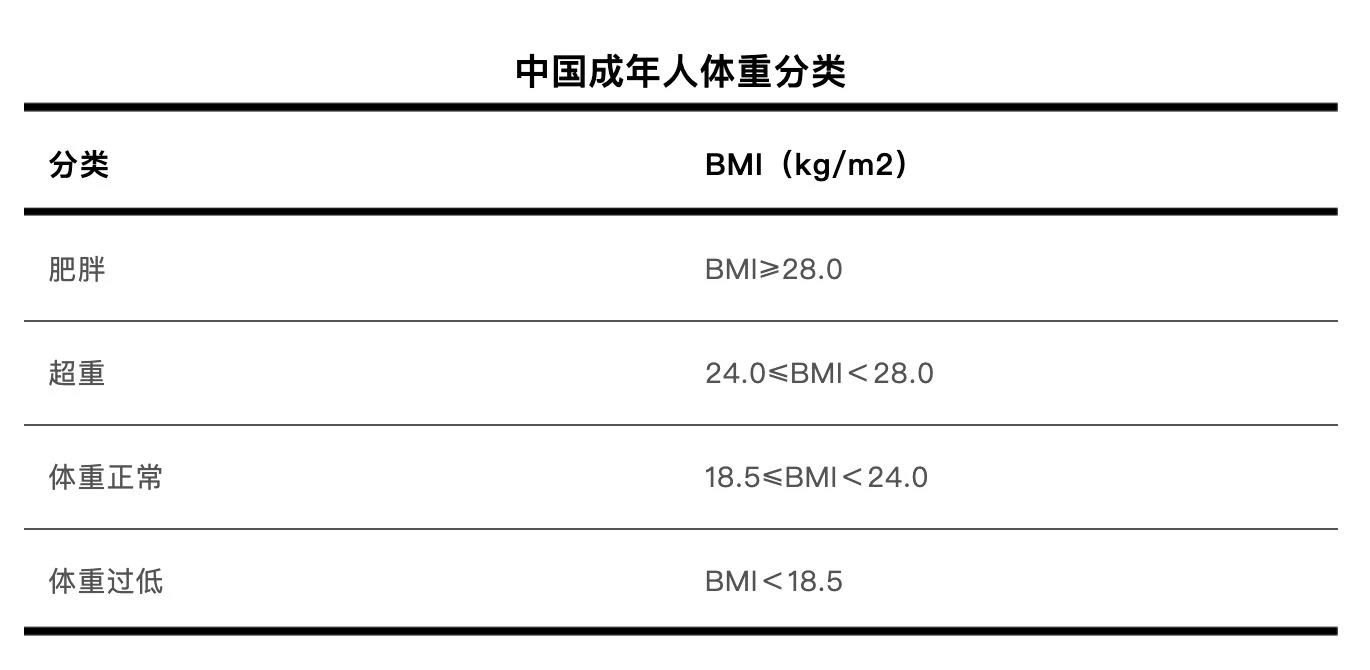
Group 1 - Insulin resistance is a condition where the body's sensitivity to insulin decreases, leading to impaired glucose regulation and potential health issues [1][5][12] - Insulin plays a crucial role in managing blood sugar levels by facilitating the uptake of glucose into cells for energy [1][12] - Common methods to assess insulin resistance include measuring fasting insulin levels and conducting glucose clamp tests [1] Group 2 - Body Mass Index (BMI) is a widely used indicator for assessing body weight, with values of 24 or higher indicating overweight and 28 or higher indicating obesity [2][4] - Abdominal obesity is defined by waist circumference measurements of 90 cm or more for men and 85 cm or more for women [2][4] Group 3 - Genetic factors significantly influence the likelihood of developing insulin resistance, particularly in individuals with a family history of diabetes [5] - Age is another critical factor, as the risk of insulin resistance increases with age, although it can also occur in children and adolescents [5] Group 4 - Environmental and lifestyle factors contributing to insulin resistance include overweight and obesity, particularly central obesity, which affects insulin sensitivity [6][8] - Sedentary behavior and lack of physical activity reduce glucose utilization by muscle cells, further exacerbating insulin resistance [8] - Unhealthy dietary habits, such as high-energy diets rich in refined carbohydrates and sugars, can lead to increased insulin resistance [9] Group 5 - Insulin resistance is associated with several health risks, including the development of type 2 diabetes, obesity, cardiovascular diseases, and fatty liver disease [12][13][15][16] - The condition creates a vicious cycle where high insulin levels promote fat accumulation, which in turn worsens insulin sensitivity [13] Group 6 - Improving insulin resistance can be achieved through healthy dietary habits, such as reducing refined carbohydrate intake and increasing the consumption of whole grains and quality proteins [17][19] - Regular physical activity is essential, with recommendations of at least 150 minutes of moderate-intensity aerobic exercise per week, combined with strength training [19] - Medical intervention may be necessary for individuals showing prediabetic symptoms, emphasizing the importance of professional guidance [20]