绿色经济转型

Search documents
专访匈牙利国会副主席:相信我们与广东将有更多的合作机遇
Nan Fang Du Shi Bao· 2025-07-06 01:40
Group 1 - The 2025 Ecological Civilization Guiyang International Forum opened in Guiyang, focusing on "Harmonious Coexistence between Man and Nature - Jointly Discussing Global Development and Green Transformation" with nearly a thousand attendees including political leaders, experts, and industry elites [1] - Hungary's Deputy Speaker of Parliament István Jakab emphasized the importance of Hungary's long-standing friendly relations with China, being one of the first countries to establish diplomatic ties in 1949 and the first EU country to join the Belt and Road Initiative [1][2] - The forum highlighted Hungary's commitment to environmental protection, sustainable development, and green economic transformation, aligning with the goals of the Belt and Road Initiative [1] Group 2 - A wastewater treatment plant in Guizhou Province utilizes Hungarian patented technology that employs living organisms for wastewater treatment, allowing treated water to be reused in agriculture and municipal sectors [2] - Hungary has become a significant center for the European electric vehicle and power battery industry, benefiting from the development of Sino-Hungarian relations [2] - The partnership between Pest County and Guangzhou has deepened since they became sister cities, leading to fruitful exchanges and cooperation in various fields [2][3]
亚投行年会热议基础设施低碳化发展 动员私营部门资金
Bei Ke Cai Jing· 2025-06-25 14:08
Core Viewpoint - The Asian Infrastructure Investment Bank (AIIB) emphasizes the importance of green infrastructure development as a key goal since its establishment, focusing on enhancing ecosystem services, biodiversity, and urban resilience [1] Group 1: Green Infrastructure Development - Green infrastructure is based on natural ecosystems and aims to provide ecological services, enhance biodiversity, and support sustainable development, playing a crucial role in urban planning and low-carbon transition [1] - AIIB has set a target for climate financing to account for 50% of its total approved financing by 2025, having exceeded this target in 2022, 2023, and 2024, with climate financing reaching 67% of total approvals in 2024, amounting to $5.61 billion [1] Group 2: Global Low-Carbon Infrastructure Trends - Over the past decade, global infrastructure development has increasingly focused on low-carbon solutions, contributing to greener urban development [2] - India has emerged as a strong producer of green hydrogen, with costs expected to decrease by 75% by 2030, reducing its reliance on fossil fuel imports [2] Group 3: Impact on Society and Economy - The energy transition is positively affecting the lives of Indian citizens, particularly women, and is driving the electrification of vehicles and public transport [3] - Low-carbon infrastructure is a focal point for many low- and middle-income countries, enabling them to bypass reliance on fossil fuels, as seen in Africa's microgrid projects [4] Group 4: Challenges in Financing and Data Consistency - Attracting private sector funding for low-carbon infrastructure remains a significant challenge, as private capital is primarily driven by return on investment rather than altruism [7] - There is a need for consistent data and policy frameworks to facilitate low-carbon transitions, as discrepancies in sustainability metrics can hinder progress [9]
重要流域贯通一体环境治理,美丽河湖建设敲定“三阶段”目标
Di Yi Cai Jing· 2025-05-22 01:37
Group 1 - The implementation of the "Beautiful Rivers and Lakes Protection and Construction Action Plan (2025-2027)" will drive the development of multiple industries, with companies encouraged to pay attention to local policy implementation to seize market opportunities [1][6] - The plan sets three phased goals for the construction of beautiful rivers and lakes, aiming for a completion rate of approximately 40% by 2027, significant results by 2030, and basic completion by 2035 [1][6] - The plan emphasizes the need for a comprehensive ecological environment governance system that connects upstream and downstream areas, focusing on improving water ecological environment quality [4][5] Group 2 - The concept of beautiful rivers and lakes includes stable water resources, effective ecological function maintenance, and significant improvement in water quality, enhancing public satisfaction with the ecological environment [2][4] - The plan outlines specific measures for pollution control, including the investigation and remediation of pollution sources along riverbanks, and the construction of urban sewage collection and treatment facilities [5][6] - Key industries expected to benefit from the plan include environmental technology and water treatment, ecological restoration and landscaping, new energy and green shipping, agricultural pollution control, water conservancy engineering, ecological tourism, environmental monitoring, and green finance [6]

《2025年东南亚绿色经济报告》发布
Shang Wu Bu Wang Zhan· 2025-05-16 15:47
Group 1: Current Status and Challenges of Southeast Asia's Green Economy - Southeast Asia has made progress in green economic transformation, but there is still a gap to meet the 2030 climate goals, with emissions increasing and reliance on fossil fuels [2] - Renewable energy currently accounts for 9% of the energy mix, and the penetration rate of electric vehicles is low, indicating a lag in green investment and industrial development [2] Group 2: System-Level Solutions - The sustainable bioeconomy is crucial for Southeast Asia, with potential to reduce approximately 230 million tons of CO₂ equivalent emissions and create around 340,000 jobs by 2030 through enhancing smallholder productivity and developing sustainable biofuel production [3] - Upgrading the existing power grid to accommodate renewable energy is necessary, with an expected reduction of about 5,000 tons of CO₂ equivalent emissions and the creation of around 200,000 jobs by 2030 [3] - Implementing a dual strategy to stimulate demand and strengthen local production of electric vehicles could lead to a reduction of approximately 4,000 tons of CO₂ equivalent emissions and the creation of around 350,000 jobs by 2030 [3] Group 3: Supportive Solutions - Climate financing in Southeast Asia is growing but still faces a funding gap, necessitating innovative financing models and the development of blended finance to attract private capital [4] - The carbon market is essential for decarbonization, and while there has been progress, the market remains immature, requiring clearer rules and enhanced project approval processes [4] - Artificial intelligence can help reduce emissions by optimizing various industries and promoting sustainable data center solutions [4] Group 4: Regional Cooperation and Investment Opportunities - Strengthening regional cooperation in Southeast Asia and the Asia-Pacific region can facilitate resource sharing, technology transfer, and market expansion, particularly in the bioeconomy, power grid construction, and electric vehicle sectors [5] Group 5: Action Recommendations and Outlook - Collective action is needed, with businesses incorporating sustainability into their models, financial institutions providing funding support, and governments guiding investments through policy [6] - By implementing these measures, Southeast Asia's green economy is expected to achieve significant progress by 2030, contributing to global climate change efforts [6]
广期所首次面向大湾区高校开展“走近期货 走进交易所”主题活动
Qi Huo Ri Bao Wang· 2025-05-16 06:48
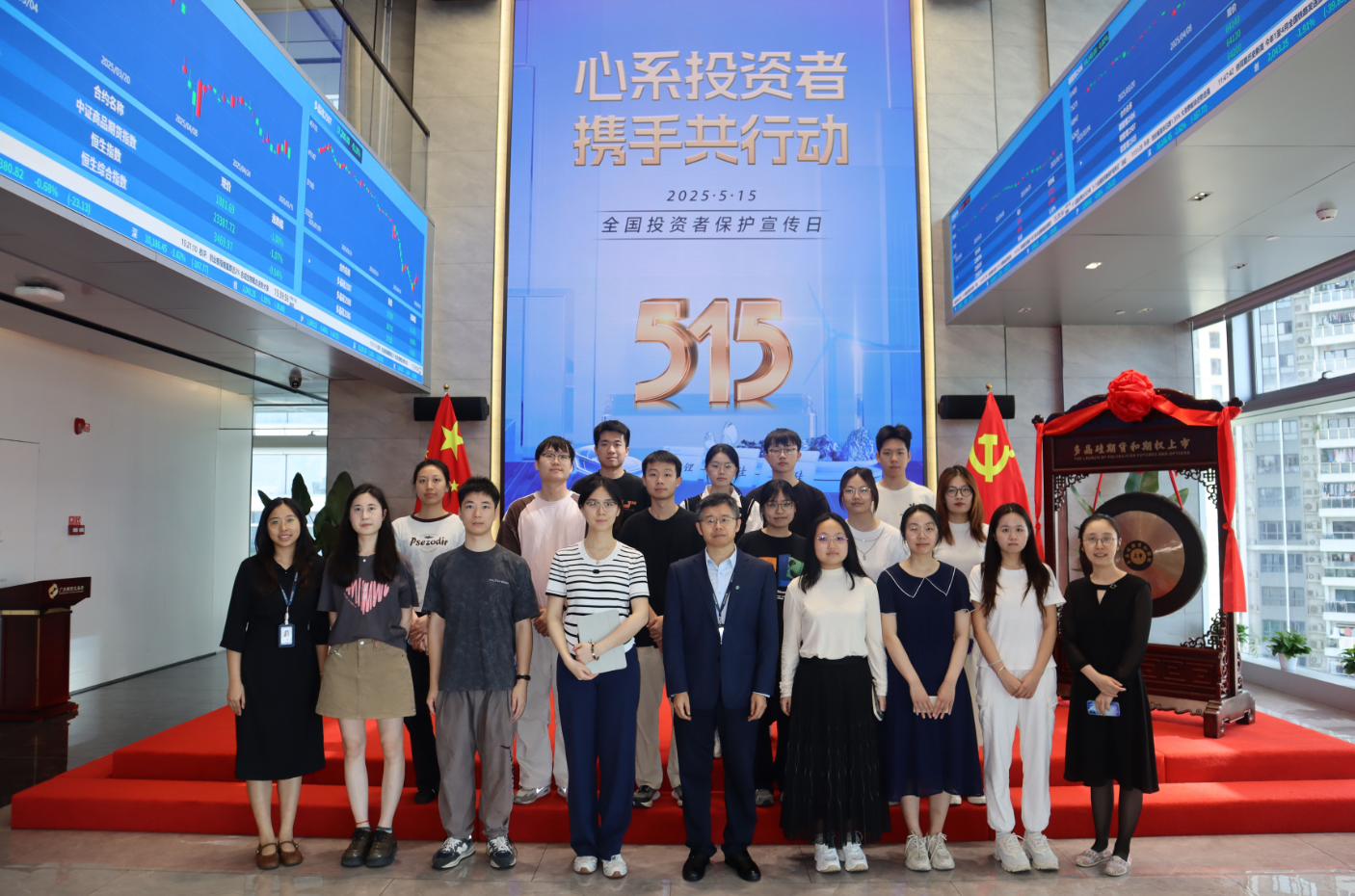
Core Viewpoint - The article emphasizes the importance of protecting investors, especially small and medium-sized investors, as a reflection of the development philosophy centered on the people, as advocated by President Xi Jinping [1] Group 1: Event Overview - The Guangzhou Futures Exchange (GFE) launched its first "Walk into Futures, Walk into Exchange" themed activity aimed at universities in the Greater Bay Area to promote investor protection [1][3] - On May 15, students from various disciplines visited the GFE trading hall to experience real-time market conditions and engage with staff about the development of the futures market [3] Group 2: Educational Impact - Students gained insights into the operation of the futures market and China's advantages in the new energy industry, particularly regarding industrial silicon and lithium carbonate futures [4] - The visit highlighted the role of the GFE in supporting green development and the Belt and Road Initiative, as well as its focus on listing futures for new energy metals [3][4] Group 3: Investor Protection Initiatives - The GFE has prioritized investor protection, implementing measures such as a review mechanism for protecting the rights of small and medium investors and expanding the scope of investor protection work [5] - During the investor protection publicity period, the GFE utilized various platforms to disseminate information on investor protection and conducted training sessions focused on new energy [5]
耶伦也坐不住了,称美国正被中国“捏着短板”,关税战是自己打自己
Sou Hu Cai Jing· 2025-05-05 05:33
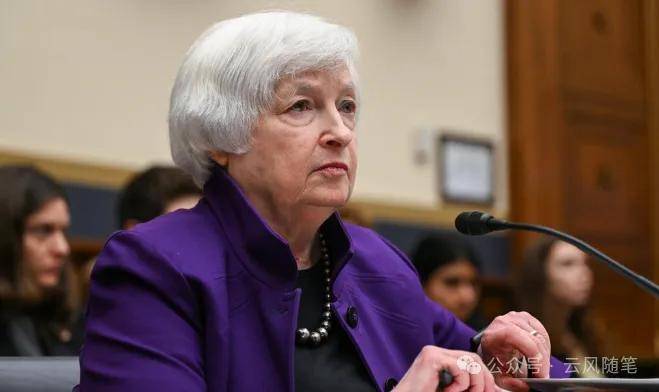
Core Insights - Former US Treasury Secretary Yellen highlighted that the US is vulnerable to China, particularly in the context of the ongoing tariff war, which she described as self-sabotaging for the US economy [1] Group 1: Dependence on Chinese Resources - The US defense supply chain relies on China for over 1,900 critical minerals used in weapon systems, including essential rare earth elements for advanced military equipment like the F-35 fighter jet and nuclear submarines [3] - China controls 90% of global rare earth refining capacity, making it difficult for the US to establish an independent supply chain despite significant investments [3] Group 2: Impact on Clean Energy Technology - The tariff war has adversely affected US clean energy technology, as China is the largest exporter of rare earths and a key producer of solar panels and lithium batteries, holding over 70% of global solar panel production capacity [5] - US companies face a potential 30% increase in costs if they attempt to bypass Chinese supply chains, leading to halted solar projects and delayed clean energy transition plans [5] Group 3: Economic Consequences of Tariffs - Since the escalation of US-China trade tensions in 2018, American households have seen an average annual increase of 7% in consumption costs, largely due to tariffs on Chinese goods [7] - Approximately 40% of imported products are used for domestic production, meaning tariffs have raised manufacturing costs, resulting in layoffs and reduced investments [8] - The US GDP experienced a 0.3% decline in Q1 2025, marking the worst performance since the pandemic recovery, underscoring the negative impact of the tariff war on the economy [8] Group 4: China's Resilience - China has shifted from an export-oriented model to a dual-circulation development strategy, allowing it to maintain a robust internal market and a complete industrial chain, giving it an advantage in the tariff conflict [9] Group 5: US Economic Policy Challenges - The US has misjudged globalization, benefiting from low-cost goods through offshoring while neglecting the fragility of its supply chains, leading to significant costs when attempting to decouple from China [8] - Yellen's warnings suggest that unilateralism will isolate the US further, and a cooperative approach is essential for economic recovery [8]
“阿中深化务实合作潜力巨大”
人民网-国际频道 原创稿· 2025-04-24 03:30
人民网迪拜4月23日电 (记者管克江)近日,阿联酋"全球投资办公室"公司创始人兼首席执行官加里·杜根接受人民网记者采访时表示,中国已连续 多年成为阿联酋最大贸易伙伴,双方在技术、可再生能源、医疗健康、金融等领域仍有巨大合作空间,"阿中深化务实合作潜力巨大"。 "全球投资办公室"主要针对家族企业提供投资咨询和财富管理服务。加里·杜根本人有40多年的投资经历,曾在摩根大通、巴克莱、梅林等投行工 作,担任过阿联酋迪拜国民银行首席投资官。在他任期内,促成了阿联酋迪拜国民银行在北京设立办公室。 加里·杜根表示,阿联酋地处东西方要道,阿中加强共建"一带一路"合作,可为中企提供扩大与欧洲、非洲等地合作平台。"近年来,阿联酋从事的 中转贸易重点正在转向东方产品—西方市场的方向。" 加里·杜根认为,阿联酋有着现代化基础设施和开放的营商环境,在全球经贸体系受到冲击的背景下,阿中加强经贸合作对双方都有利。中国推动绿 色经济转型的目标也同阿联酋高度契合。 (人民网杰勒德·阿勒费尔参与采写) 图为阿联酋"全球投资办公室"公司创始人兼首席执行官加里·杜根。受访者供图 加里·杜根经常访问中国。他说,自己最近一次到中国,印象最深刻的是新能源 ...

减塑行动持续升温,新茶饮与零售业如何重塑商业生态?
Huan Qiu Wang· 2025-04-23 07:51
Core Insights - China is actively addressing plastic pollution through policies like the "14th Five-Year Plan for Plastic Pollution Control" and aims to reduce single-use plastic in the food delivery sector, despite challenges in supply chain adjustments and consumer behavior [2] Group 1: Retail Industry Initiatives - ALDI has implemented "packaging reduction" and "paper instead of plastic" initiatives, successfully reducing plastic packaging by 93.57 tons, equivalent to replacing approximately 7.49 million 550ml plastic bottles [3] - ALDI has adopted lightweight packaging designs across 34 product categories, resulting in a reduction of 74.20 tons of plastic packaging, and has replaced plastic packaging with 100% recyclable paper trays for 18 product categories, reducing plastic use by 19.37 tons [3] - ALDI enhances consumer awareness of sustainable consumption through optimized packaging design and brand display areas [3] Group 2: New Tea Beverage Industry Challenges - The new tea beverage industry in China is experiencing rapid growth but faces significant packaging challenges, including an increase in packaging weight and a lack of reusable business models [4] - The industry predominantly relies on single-use plastic packaging, which poses sustainability challenges [4] Group 3: New Tea Beverage Industry Innovations - The new tea brand Tianlala has adopted biodegradable PLA straws made from natural plant resources, achieving a reduction of 80,000 tons in plastic emissions with an annual usage of over 500 million straws [5] - Tianlala has fully adopted paper cups in Hainan, aligning with regional plastic bans and establishing a dual approach of "overall reduction and regional focus" [5] - Despite the dual efforts of policies and industry actions, challenges remain in changing consumer habits and upgrading technology [5] Group 4: Business Opportunities in Plastic Reduction - ALDI collaborates with over 80% of local preferred suppliers in China, creating 13 private labels that account for 90% of its products, thus reducing transportation costs and enhancing consumer shopping experiences [6] - Tianlala builds competitive differentiation through biodegradable materials, providing a replicable low-carbon transformation model for the industry [6] - The need for collaboration across the supply chain is emphasized for effective management of lightweight, high-frequency, and dispersed products [6] Group 5: Future Directions - The transition towards a green economy is reshaping the business ecosystem, with the practices of the new tea beverage and retail industries responding to policy requirements and market trends [6] - ALDI plans to expand its packaging reduction initiatives to more product categories, while Tianlala explores new paths for green development through material technology innovation [6] - The success of global plastic reduction efforts will depend on industry collaboration, technological innovation, and public participation [7]
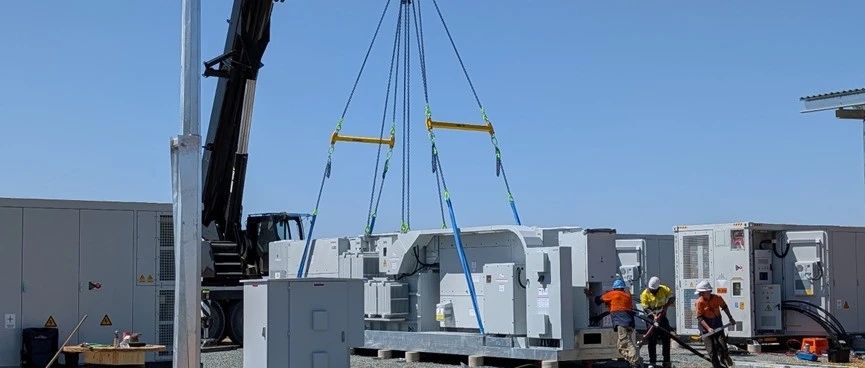
6.3GW!14个储能项目入选优先名单
行家说储能· 2025-03-11 11:12
Core Viewpoint - Australia is set to experience a surge in energy storage capacity, with a total of 6.3GW from 14 storage-related projects included in the country's first renewable energy priority list [1][2]. Group 1: Project Overview - The renewable energy priority list includes 56 projects, with 32 being generation and storage projects, contributing to a total storage capacity of 6.3GW [1]. - Among the 14 storage-related projects, there are 2 pumped hydro projects with a capacity of 2.75GW and battery energy storage systems (BESS) totaling 3.621GW [2]. - The largest battery storage project is the Bundey Battery Storage System, which has a capacity of 1.2GW [3]. Group 2: Key Projects and Companies - Key projects include: - Bundey Battery Storage System by Genaspi with a capacity of 900MW solar and 1200MW BESS [3]. - Darwin Battery Storage System (D-BESS) by SunCable with a capacity of 100MW [3]. - Wooreen Battery Storage System, the largest independent storage project in Australia, with a capacity of 350MW/1400MWh, backed by Energy Australia [6]. - Companies such as AGL Energy Ltd. and Origin Energy Ltd. are planning significant increases in battery storage capacity, with AGL seeking financing for 1.4GW and Origin targeting 1.8GW by 2027 [6]. Group 3: Market Trends and Opportunities - The Australian energy storage market is expected to grow, driven by improved trade relations with China, which could enhance investment prospects in the energy storage sector [6]. - Chinese companies, including CATL, Trina Storage, and Jinko Energy, are accelerating their entry into the Australian market, collaborating with local power companies and developers on various storage projects [7].