
美元潮汐

Search documents
美联储终于出手了,首轮降息开启,中国会跟牌么?历史给答案
Sou Hu Cai Jing· 2025-09-21 01:55
Group 1 - The Federal Reserve has announced a 25 basis point cut in the federal funds rate, marking the end of a nearly year-long rate hike cycle [1][7] - The rate cut has significant implications for global capital markets, with China becoming a focal point as it navigates potential impacts on the yuan, capital flows, and A-share market [3][9] - The U.S. economy appears stable on the surface, but underlying pressures from falling inflation rates have prompted the Fed's decision to lower rates [5][7] Group 2 - The Fed's rate cut is a response to economic weakness, as high rates have strained households and businesses, leading to decreased consumer confidence and investment [7][9] - Following the announcement, there was a notable influx of over $1.5 billion into China's A-shares, indicating renewed market confidence [9][15] - The narrowing of the interest rate differential between China and the U.S. alleviates depreciation pressure on the yuan and enhances the attractiveness of Chinese assets [13][15] Group 3 - The Chinese central bank has emphasized a cautious approach, avoiding blind adherence to the Fed's policies, and has already implemented targeted measures to support economic recovery [20][22] - The balance between monetary easing, exchange rate stability, and capital safety is critical for China, as missteps could lead to systemic risks [22][31] - The market is experiencing a "slow bull" sentiment, with foreign capital inflows contributing to market stability, but regulators remain vigilant against potential liquidity excesses [29][31] Group 4 - The Fed's rate cut signals the beginning of a new financial cycle and a potential reshaping of global financial dynamics, with China needing to navigate this carefully [33][34] - The decision on whether China will follow suit with rate cuts will influence its monetary policy and strategic direction over the next five years [34][35]

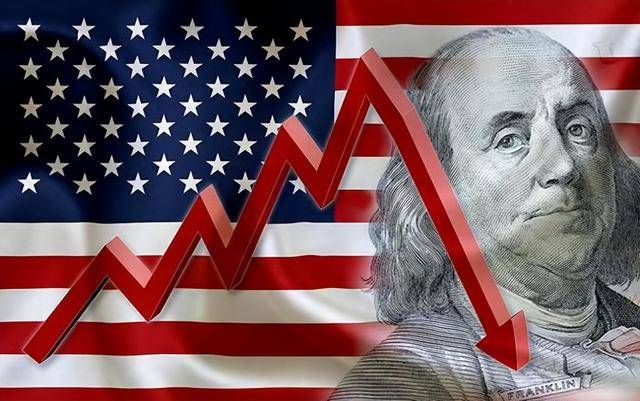
美联储降息,大放水要来了吗?对股债汇房有啥影响?
Sou Hu Cai Jing· 2025-09-18 10:04
Group 1 - The Federal Reserve has lowered interest rates by 25 basis points, with Canada following suit, indicating a potential trend of global central banks adopting similar measures [2][3] - The impact of the Fed's rate cut is significant as the US dollar is the international currency, influencing global wealth distribution and asset values [3][4] - Historical instances of major Fed rate cuts have led to substantial market recoveries, with the last three major cuts resulting in significant stock market gains [5][6] Group 2 - The current rate cut is characterized as a defensive measure rather than a response to a major crisis, with expectations of a total reduction of around 150 basis points this year [6][8] - The US economy is facing internal contradictions, with political pressures influencing monetary policy decisions, particularly regarding employment data adjustments [9][11] - The depreciation of the US dollar and the subsequent rise of the Chinese yuan provide China with greater policy flexibility, potentially benefiting its stock and real estate markets [12][13] Group 3 - The stock market in China is expected to respond positively to the Fed's rate cut, with historical data suggesting significant gains during previous rate cut cycles [13][14] - The bond market is also likely to see increased interest from foreign investors, particularly in government and policy financial bonds [13] - The real estate sector's performance will depend on interest rate adjustments, with potential for mortgage rates to drop significantly if the Fed's actions lead to a similar response from the People's Bank of China [13][14]

今年首次降息!回顾美联储近年来的利率调整操作
Sou Hu Cai Jing· 2025-09-18 02:02
Group 1 - The Federal Reserve announced a 25 basis point reduction in the federal funds rate target range to between 4.00% and 4.25%, aligning with market expectations [1] - This marks the first rate cut of 2025 and follows three rate cuts in 2024, with indications of two more cuts expected this year [1][3] - The Federal Open Market Committee noted a slowdown in U.S. economic activity in the first half of the year, with employment growth decelerating and a slight increase in the unemployment rate, although it remains at historically low levels [1] Group 2 - Inflation rates have risen and remain at relatively high levels, with the Fed's monetary policy goals focused on achieving full employment and stabilizing long-term inflation at 2% [1] - The committee expressed concerns about the uncertainty surrounding the economic outlook and acknowledged the rising risks to employment [1] - The voting result for the rate cut was 11 to 1, with Stephen Milan being the sole dissenting vote advocating for a 50 basis point cut [1] Group 3 - The latest economic outlook from the Fed indicated that 9 out of 19 officials believe there will be two more rate cuts by the end of 2025, with one official suggesting a total cut of 1.25% this year [3] - Historically, the Fed has utilized the dollar's dominance to adjust interest rates in a manner that serves U.S. interests, impacting global wealth distribution [4] - From March 2020, the Fed aggressively cut rates to near zero in response to the pandemic, leading to significant inflation increases, with the Consumer Price Index reaching a 9.1% year-over-year rise in June 2022, the highest since 1980 [4] Group 4 - To combat severe inflation, the Fed raised rates 11 times from March 2022 to July 2023, totaling a 525 basis point increase, maintaining rates at their highest level since 2001 [6] - The Fed's rate cuts and aggressive monetary policies have significant implications for emerging markets, creating challenges such as increased difficulty in financing and higher debt costs [6]
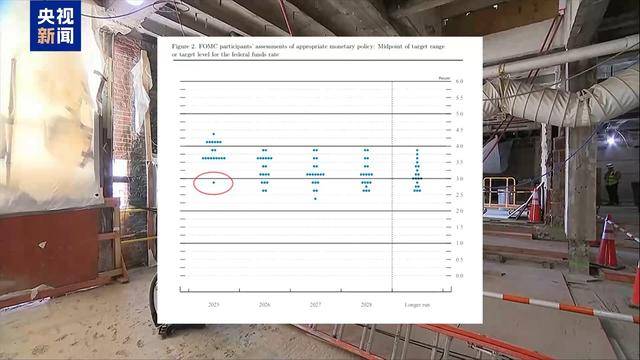
美联储降息25个基点 年内或再降息两次
Sou Hu Cai Jing· 2025-09-18 01:45
Group 1 - The Federal Reserve announced a 25 basis point reduction in the federal funds rate target range to between 4.00% and 4.25%, aligning with market expectations [1] - This marks the first rate cut of 2025 and follows three rate cuts in 2024, with indications of two more cuts expected this year [1][3] - The Federal Open Market Committee noted a slowdown in economic activity in the first half of the year, with employment growth decelerating and a slight increase in the unemployment rate, although it remains at historically low levels [1] Group 2 - Inflation rates have risen and remain relatively high, with the Fed's monetary policy goals focused on achieving full employment and stabilizing long-term inflation at 2% [1] - The committee expressed concerns about the uncertainty in the economic outlook and acknowledged the rising risks to achieving its dual mandate, leading to the decision to initiate rate cuts [1] - The voting outcome for the rate cut was 11 to 1, with Stephen Milan being the sole dissenting vote advocating for a 50 basis point cut [1] Group 3 - The Fed's latest economic outlook indicates that 9 out of 19 officials believe there will be two more rate cuts by the end of 2025, with one official suggesting a total cut of 1.25% this year [3] - Historically, the Fed has utilized the dollar's dominance to adjust interest rates in a manner that serves U.S. interests, impacting global wealth distribution [3][5] - From March 2022 to July 2023, the Fed raised rates 11 times, totaling 525 basis points, reaching the highest level since 2001 [5]
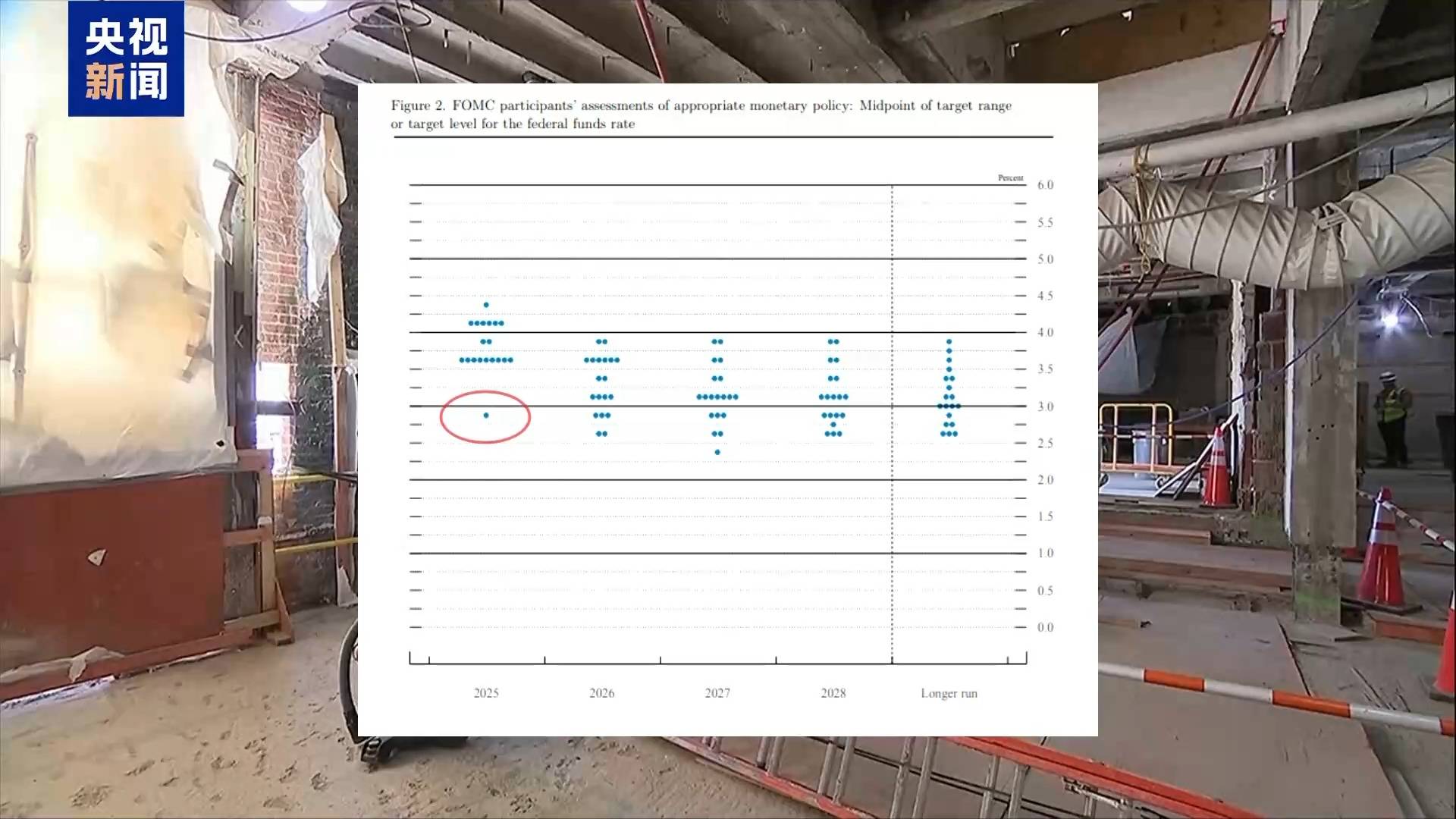
今晚降多少?
Sou Hu Cai Jing· 2025-09-17 13:56
Group 1 - The core viewpoint is that the Federal Reserve is expected to lower interest rates in its upcoming meeting, with a 96% probability of a 25 basis point cut and a 4% chance of a 50 basis point cut [1][2] - The labor market data shows a significant slowdown, with only 22,000 jobs added in August 2025, far below the expected 75,000, and the unemployment rate rising to 4.3%, the highest in nearly four years [2][4] - The Federal Reserve's interest rate adjustments are seen as a tool for global economic influence, rather than solely responding to domestic inflation and employment metrics [6][7] Group 2 - The anticipated interest rate cut is viewed as a necessary measure to alleviate market pressures and is expected to impact various sectors, including housing and exports [13][10] - A potential 50 basis point cut could indicate the Fed's awareness of undisclosed systemic risks in the economy [12] - The global economic landscape is under significant stress, with emerging markets and Europe showing reduced resilience, suggesting that the Fed's actions will have far-reaching implications for global asset prices [9][10][14]
中美金融巅峰对决,谁将笑到最后?
Sou Hu Cai Jing· 2025-09-13 05:02
Group 1 - The core development is the potential interest rate cut by the Federal Reserve in September, as indicated by Chairman Jerome Powell, which aligns with Trump's long-standing pressure on the Fed to lower rates [1][3]. - Trump's consistent calls for rate cuts since initiating the tariff war have created a scenario where he is likely pleased with the Fed's recent signals [3]. - The U.S. economy has been artificially propped up by high interest rates attracting international capital, but this could lead to a significant downturn if rates are lowered, exposing high-debt companies to potential failures [5][6]. Group 2 - The U.S. appears to be attempting to replicate strategies from the 1990s to extract wealth from other nations, particularly through manipulating interest rates to create asset bubbles in emerging markets before capitalizing on the subsequent crashes [6][12]. - China is strategically avoiding the pitfalls of U.S. monetary policy by not engaging in excessive stimulus and instead focusing on sustainable economic practices and technological advancements [9][11]. - The ongoing economic competition between the U.S. and China is framed as a battle of endurance, with the U.S. facing significant debt obligations while China is making strides in key technologies [11][13].

为什么A股突然涨得这么猛,到底是谁在买?
雪球· 2025-08-29 08:08
Core Viewpoint - The article discusses the recent surge in A-shares, attributing it primarily to foreign capital flows rather than retail investors, highlighting the influence of U.S. interest rate changes on global capital movement [3][9]. Group 1: Retail Investors - Retail investors are not the main driving force behind the recent market surge, as their buying power is highly dispersed and lacks the ability to form a decisive impact [4][5]. - Retail investors tend to chase trends, buying during upswings but are unlikely to counteract downward trends [5][6]. Group 2: Main Players in the Market - The primary influence on the market comes from foreign capital, which is significantly affected by U.S. interest rate policies [6][9]. - When the U.S. raises interest rates, capital flows into the U.S., while a decrease leads to capital flowing out, impacting other markets, including China [7][8]. Group 3: Currency and Market Correlation - There is a notable correlation between the RMB exchange rate and the performance of the stock market, with RMB appreciation generally leading to stock market gains and depreciation leading to losses [13][15]. - The article illustrates that from April to the present, the RMB has been in an appreciation phase, which correlates with a stronger performance in A-shares [15][17]. Group 4: Future Outlook - While current foreign capital inflows are positive for the market, predicting future movements based on currency fluctuations remains challenging [19][20].

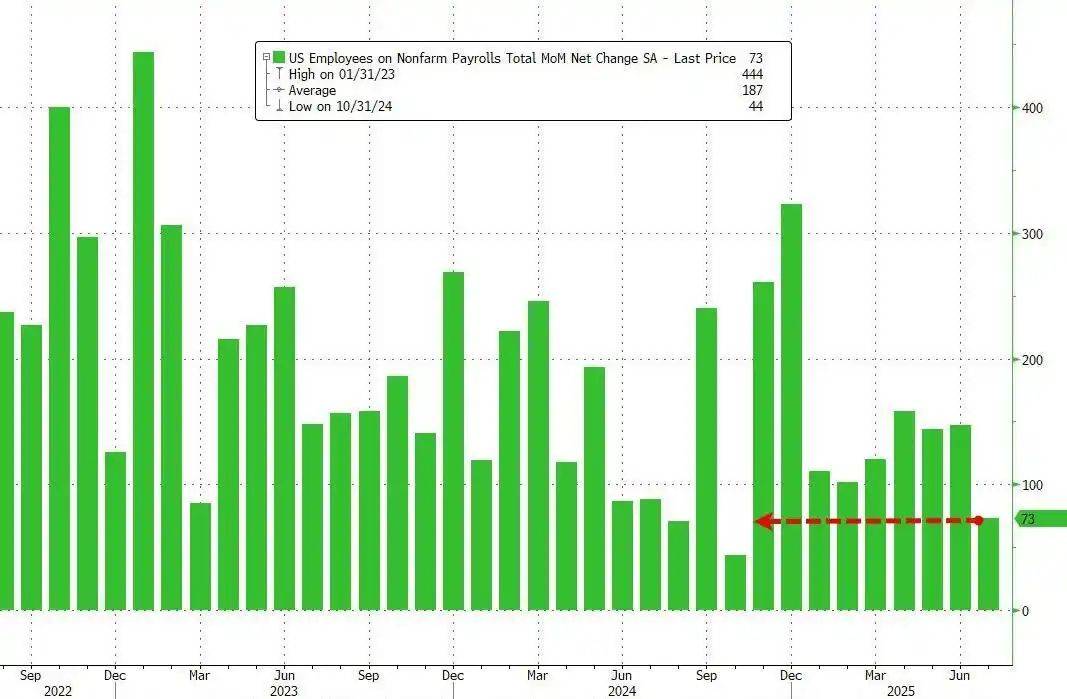
美非农数据造假疯狂,这场面美国人都没见过,难怪中国一直拖延
Sou Hu Cai Jing· 2025-08-07 04:19
Group 1 - The U.S. labor market data has been significantly revised downwards, with a total of 258,000 jobs disappearing from the non-farm payrolls over two months, indicating a potential systemic issue with the accuracy of employment statistics [2][4] - The U.S. government has a history of releasing favorable employment data to boost market confidence, only to later revise these figures downward, which has raised concerns about the integrity of the data [4][6] - The recent employment data revisions have led to negative implications for President Trump's administration, as he faces pressure to address the weak job numbers and has called for the dismissal of key economic officials [4][6] Group 2 - The job growth reported in June, which showed an increase of 147,000 jobs, was misleading as the majority of new positions were in government, education, and healthcare, while retail and manufacturing sectors showed little to no growth [6][7] - The current economic situation in the U.S. presents a dilemma for monetary policy, where both raising and lowering interest rates could lead to significant risks for the economy [6] - In the context of U.S.-China trade negotiations, the U.S. appears anxious and is employing various strategies, while China maintains a stable and patient approach, suggesting a potential delay tactic from the Chinese side [7]
现在明显感觉,美国的思路变了,不再以针对中国为目标,之前西方世界总想遏制我们发展,并把我们的利益瓜分掉,逼出了一个更加强大的对手
Sou Hu Cai Jing· 2025-07-30 15:05
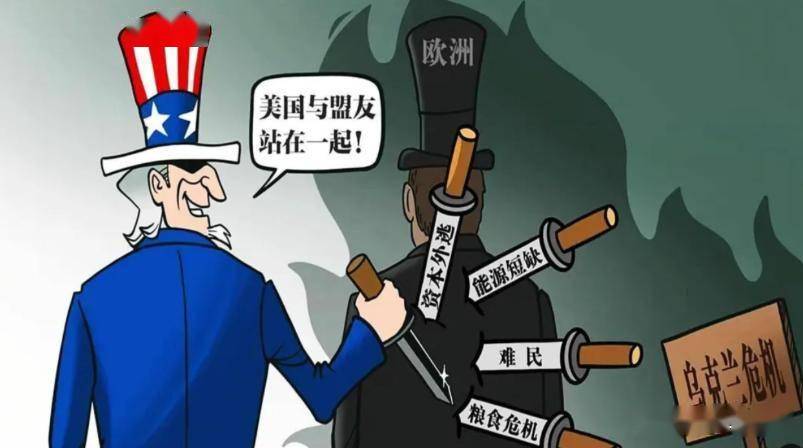
Group 1 - The United States has shifted its focus from solely containing China to also targeting its allies for economic gains [1][3] - In 2022, the total tariffs imposed by the U.S. on its allies exceeded $65 billion, nearly double that of 2017 [3] - The U.S. is leveraging trade surpluses and legislative measures to compel investment back to its shores, particularly from Canada and Mexico, with a trade surplus of $120 billion in 2023 [4] Group 2 - The Inflation Reduction Act has led to at least €43 billion in investments moving from Europe to the U.S., highlighting the economic pressure on European nations [4] - Japan and South Korea have faced significant losses due to U.S. policies, with Samsung reporting an 85% drop in profits in 2023 [6] - The U.S. is employing a strategy of imposing high tariffs and then offering exemptions contingent on investment in the U.S., effectively pressuring allies [8][10] Group 3 - The U.S. has recognized that its financial dominance is waning, with the dollar's share in global reserves dropping to 58%, the lowest in 25 years [6] - The relationship between the U.S. and its allies has evolved, with allies now forced to choose between survival and principles, as stated by an EU trade commissioner [10] - The U.S. has adjusted its strategy to extract benefits from allies, requiring them to pay "protection fees" and transfer parts of their supply chains [12]
全新的美元潮汐来了
Sou Hu Cai Jing· 2025-07-26 12:24
Group 1 - The new wave of dollar liquidity is reshaping the global economic landscape, driven by aggressive monetary policy adjustments by the Federal Reserve [1][2] - The Federal Reserve's interest rate hikes from March 2022 to July 2023 totaled 525 basis points, tightening global liquidity and increasing debt repayment pressures for countries borrowing in dollars [1][2] - A potential shift towards interest rate cuts by the Federal Reserve could lead to a surge of capital flowing into global markets, boosting stock markets and real estate [2][3] Group 2 - The anticipated return of capital to the U.S. following a stabilization of the economy could result in significant asset price corrections and increased risks of corporate bankruptcies [3] - Emerging market countries that rely on foreign capital may face severe challenges, including currency depreciation and financial market turmoil [3] - China has proactively adjusted its monetary policy, including early rate cuts, to stimulate domestic economic growth and manage currency strength [3][4] Group 3 - China has implemented strategies to attract long-term capital into its markets, including policies to increase insurance company investments in A-shares and coordinated efforts to stabilize the stock market [4] - The "national team" has actively increased investments in ETFs, reinforcing the stability of the A-share market ahead of potential foreign capital influx [4] - China's robust policy framework and economic resilience position it favorably to navigate the challenges posed by the new dollar liquidity wave [4]