
蓝色金融

Search documents
金融支持生态产品价值实现的思考与实践 以烟台为例
Jin Rong Shi Bao· 2025-11-17 04:57
Core Insights - The article emphasizes the importance of establishing a mechanism for realizing the value of ecological products, which is crucial for achieving harmony between humans and nature [1][2][3] Group 1: Financial Mechanisms and Collaboration - The People's Bank of Yantai has initiated a collaborative governance framework to support the realization of ecological product value, transitioning from fragmented departmental efforts to a system-integrated approach [2] - A long-term cooperation mechanism has been established among various stakeholders, including government and financial institutions, to enhance the financing of ecological products [2][3] - The introduction of policies and reports has laid a theoretical foundation for financial support in specific regions, guiding resources towards key ecological areas [3] Group 2: Financial Product Innovation - Financial institutions in Yantai have developed a comprehensive financial support system that covers all regions, industries, and scenarios, enabling ecological products to be tradable and valued [4] - The innovation of green financial products, such as marine carbon credit loans and ecological environment-oriented development loans, has created a product matrix that facilitates the conversion of ecological resources into economic value [6][7] Group 3: Sustainable Development Mechanisms - The use of monetary policy tools has been crucial in providing low-cost resources to ecological industries, enhancing the capital accessibility of ecological products [8] - Financial institutions are exploring innovative financing products and service models tailored to the unique characteristics of ecological industries, such as carbon credit loans and green development-linked loans [9] - A project database has been established to support sustainable and replicable projects, with significant financial backing provided to selected projects [10]
金融支持生态产品价值实现的思考与实践
Jin Rong Shi Bao· 2025-11-17 01:42
Core Insights - The article emphasizes the importance of establishing a mechanism for realizing the value of ecological products, which is crucial for the harmonious coexistence of humans and nature [1] - Yantai is highlighted as a pilot city for this mechanism, showcasing its rich ecological resources and active financial ecosystem, which supports the integration of ecological product value accounting and financial innovation [1] Group 1: Financial Mechanisms and Collaboration - The People's Bank of China in Yantai has shifted from a fragmented departmental approach to a collaborative governance framework, enhancing financial support for ecological product value realization [2] - A long-term cooperation mechanism has been established among various departments and financial institutions to facilitate the financing of ecological products, thereby converting ecological advantages into industrial development advantages [2] Group 2: Policy Development and Incentives - The article discusses the importance of well-defined policies that guide the processes of ecological product value accounting, trading, and financing, which stimulate market participation [3] - Several policy measures have been introduced to direct financial resources towards key ecological areas, addressing challenges in measuring and monetizing ecological assets [3] Group 3: Comprehensive Financial Support - Financial institutions in Yantai have developed a comprehensive financial empowerment system that covers all regions, industries, and scenarios, enabling ecological products to be tradable and valued [4] - Specific loans have been issued for various ecological projects, including a loan of 6.87 billion for a water reservoir and 92 billion for clean energy enterprises, demonstrating extensive financial support for ecological product value realization [4] Group 4: Innovative Financial Products - The article outlines the transition from single product financing to a diverse product matrix, showcasing the development of innovative financial products tailored to different ecological resources [5][6] - New financial products, such as "marine carbon sink loans" and "green + sustainable development linked loans," have been created to enhance the financial attributes of ecological products [6] Group 5: Collaborative Financial Ecosystem - Yantai has moved beyond traditional loan models to create a financial ecosystem that includes loans, insurance, and fiscal subsidies, enhancing the support for ecological product financing [7] - The introduction of various insurance products has provided significant risk coverage, with over 3 billion in policy-based marine aquaculture insurance [7] Group 6: Sustainable Financing Mechanisms - The article highlights the use of monetary policy tools to provide low-cost resources for ecological industries, improving capital accessibility for ecological products [8] - A total of 10.77 billion has been issued in loans and support tools, facilitating approximately 60 billion in loans for green industries and ecological agriculture [8] Group 7: Project Development and Support - The establishment of a project library containing 100 quality projects with ecological and economic value aims to ensure a sustainable supply of projects and precise financial support [10] - Financial support has been provided for 62 projects, with a total credit of 2.36 billion and loans of 870 million, promoting the development of current ecological projects and future sustainability [10]
创新发展蓝色金融 释放海洋经济潜能
Zheng Quan Ri Bao· 2025-11-12 16:24
Core Viewpoint - Coastal provinces in China are actively promoting the development of the marine economy, recognizing its significance in national economic growth [1][2] Group 1: Marine Economy Development - Various provinces are implementing different strategies to enhance marine economic development, including focusing on traditional industries like fishing and aquaculture, and supporting emerging industries such as underwater robotics [2][4] - The marine economy encompasses a wide range of industries, including marine fisheries, shipbuilding, transportation, and tourism, totaling 15 sectors [2] Group 2: Innovation and Financial Support - The sustainable development of the marine economy requires strong internal motivation from innovation entities like research institutions and enterprises, supported by a stable development environment and clear rights boundaries [2][4] - Local governments are optimizing the business environment through legal frameworks to enhance the innovation capabilities of marine economy stakeholders [2][4] Group 3: Blue Finance Initiatives - Blue finance, which supports the marine economy, is being explored and innovated by local departments to create a specialized financial system tailored to marine economic needs [3][4] - Financial institutions are developing credit products that align with marine industries, expanding the blue bond market, and enriching blue insurance offerings to inject financial resources into the marine economy [4] Group 4: Challenges and Collaborative Solutions - The marine economy faces challenges such as high investment costs, long return periods, and significant risks, leading to a substantial financing gap for sustainable development [4] - To address financing difficulties, collaboration among various stakeholders is essential, including the formulation of targeted fiscal policies and the development of innovative financing tools [4]
站在全省海洋生产总值破万亿新起点蓝色金融 护航向海图强
Xin Hua Ri Bao· 2025-11-05 23:20
Core Insights - Jiangsu aims to exceed a marine production value of 1 trillion yuan by 2024, with financial support being a key factor in achieving this goal [1] - The establishment of the Blue Finance Service Center and the launch of various financial initiatives indicate Jiangsu's commitment to supporting marine economic development [1][2] Group 1: Financial Innovations - The Guoxin Dafeng 850,000 kW offshore wind power project, with a total investment of approximately 10.6 billion yuan, utilizes an innovative development model combining offshore wind power, marine ranching, and seawater hydrogen production [2] - Jiangsu Bank has designed a "pre-loan + project loan" product to address the complex risk structures of marine projects, providing 8.4 billion yuan in credit [2] - Blue finance is tailored to the unique characteristics of the marine economy, requiring customized financial services [2] Group 2: Regional Financial Initiatives - Coastal cities like Yancheng, Nantong, and Lianyungang are focusing on blue finance, emphasizing support for marine green industries and low-carbon technology [3] - Yancheng has introduced a "carbon finance" series and allocated special credit quotas for marine economy projects, with financial institutions issuing loans totaling 27.3 billion yuan to significant marine projects this year [3] - Lianyungang has created the "Lianhai融" government-bank product to encourage preferential loans for marine industries [3] Group 3: Diverse Financial Tools - Blue finance is still in its early stages, with a limited supply of financial products to meet the diverse financing needs of the marine industry [4] - As of 2024, 30 blue bonds have been issued in China, totaling 30.99 billion yuan, primarily funding offshore wind and seawater desalination projects [4] - Financial institutions are encouraged to develop tailored services for various marine entities, including support for issuing short-term financing and medium-term notes [4] Group 4: Investment and Insurance - The Jiangsu Marine Economy Equity Investment Fund, established in May, has a scale of 2 billion yuan, focusing on the "ten major marine industry chains" and emerging strategic industries [5] - Insurance and financing leasing are being accelerated, with significant risk coverage provided for offshore wind projects [5] - Traditional insurance products are being upgraded to better serve the marine economy [5] Group 5: Collaborative Ecosystem - Jiangsu is building a multi-faceted support system for sustainable marine economic development, including the launch of the Jiangsu Marine Blue Finance Service Platform [6] - The platform has already met financing needs of 2.776 billion yuan for marine enterprises and has gathered 16,300 marine enterprises in its database [6] - The establishment of the Blue Finance Service Center aims to facilitate regular interactions between financial institutions and marine enterprises [6] Group 6: Project Signings - At the recent conference, 17 key projects were signed, covering marine fund investments, cooperation between financial institutions and enterprises, and regional equity market services [7]
青岛银行(002948):业绩稳健 资产质量持续改善
Ge Long Hui· 2025-10-30 20:24
Core Insights - Qingdao Bank reported a revenue growth of 5.0% year-on-year in Q3 2025, compared to 8.8% in the first half of 2025, while net profit increased by 15.5% year-on-year, slightly down from 16.1% in 1H 2025 [1] - The bank's net interest margin showed resilience, with a slight decrease of 2 basis points to 1.66% in Q3 2025, while the annualized asset yield decreased by 4 basis points to 3.52% [1] - The bank's loan growth remained robust, with total loans increasing by 13.3% year-on-year, driven primarily by corporate loans, which grew by 19%, while retail loans faced a decline of 4.8% [1] Revenue and Profitability - Q3 2025 revenue growth was impacted by fluctuations in the bond market, leading to pressure on other non-interest income, which declined by 10.7% year-on-year [2] - The bank's fee income showed signs of recovery, with a year-on-year decline of only 3.5% in Q3 2025, compared to a 13.4% decline in 1H 2025 [3] Asset Quality - The non-performing loan (NPL) ratio slightly decreased to 1.10% in Q3 2025, with a year-on-year decline in the NPL generation rate by 20 basis points [3] - The provision coverage ratio improved, rising by 17.2 percentage points to 269.99% in Q3 2025, indicating a strengthening of the bank's asset quality [3] Capital and Valuation - The core Tier 1 capital adequacy ratio decreased by 30 basis points to 8.75% [4] - The bank's projected price-to-book (PB) ratios for 2025, 2026, and 2027 are 0.77X, 0.55X, and 0.51X, respectively, while the price-to-earnings (PE) ratios are projected at 6.16X, 5.55X, and 5.04X [4] - The bank is expected to maintain favorable growth in credit and performance, leveraging its roots in Qingdao and the economic dynamics of Shandong [4]
安永荣获2025中国海博会“卓越贡献奖”,分享蓝色金融与ESG融合发展路径
Sou Hu Cai Jing· 2025-10-30 03:38
Core Insights - Ernst & Young (EY) received the "2025 Annual Excellence Contribution Award" at the 2025 China Marine Economy Expo for its significant role in building the marine industry ecosystem [2][4] - The expo serves as a high-end platform for showcasing China's marine economic achievements and promoting international cooperation, focusing on themes like market-oriented exhibition mechanisms and deep-sea technology [6][7] Group 1: Award and Recognition - EY was recognized for its contributions to the marine industry ecosystem, highlighting its collaboration with governments from countries like Germany, Australia, Greece, and Oman [4] - The award reflects EY's expertise in blue economy and sustainable development, validating its efforts in empowering industries and building a prosperous ecosystem [4] Group 2: Blue Finance and ESG Integration - EY's partner, Li Jing, emphasized the importance of establishing a quantifiable ESG governance framework to attract long-term capital into the marine sector [6] - The integration of blue finance with ESG principles is seen as essential for enhancing transparency and governance in marine industries, providing a clear framework for investors [6] Group 3: Future Directions and Commitment - EY continues to invest in blue economy and sustainable development, offering a full cycle of support including strategic planning, financing, and compliance management for marine technology companies and local governments [7] - The company aims to collaborate with various partners to drive the development of the blue economy and build a sustainable marine industry ecosystem [7]


发挥绿色金融作用 助力经济社会发展全面绿色转型——《金融时报》访中国人民银行研究局负责人
Jin Rong Shi Bao· 2025-10-20 08:37
Core Insights - The People's Bank of China (PBOC) has implemented a series of practical measures to promote high-quality development of green finance during the 14th Five-Year Plan period, establishing a comprehensive framework for standards, tools, cooperation, and effectiveness [1] Group 1: Green Finance Standards - A multi-field standard system is gradually being established, with 1 national standard, 9 industry standards, and over 30 green finance standards under research. The first national green finance standard, "Green Finance Terminology," is set to be published by 2025 [2] - The green finance support project directory has expanded the scope of green finance to include trade and consumption, achieving full-chain coverage from production to consumption [2] Group 2: Transition Finance Standards - Transition finance standards have made significant breakthroughs, with the PBOC prioritizing support for advanced technologies and significant carbon reduction benefits. Transition finance standards for steel, coal power, building materials, and agriculture have been piloted in over 20 provinces, with approximately 67 billion yuan in transition loans issued by August 2025 [3] - The second batch of transition finance standards for metallurgy, petrochemicals, and other industries is being developed, with local standards and enterprise transition planning manuals being created to support regional green finance [3] Group 3: Biodiversity and Blue Finance Standards - A biodiversity finance and blue finance standard system is being gradually established, with over 20 provinces piloting biodiversity finance directories to promote a "nature-benefiting" transition [4] - Blue finance standards are under development and will be piloted in coastal areas [4] Group 4: Green Finance Tools - The demand for green finance has increased, leading to the development of a diverse range of green financial products. The PBOC has utilized structural monetary policy tools to provide low-cost funding for carbon reduction projects, with over 1.38 trillion yuan in carbon reduction loans issued by mid-2025 [5] - The green loan balance is approximately 42.39 trillion yuan, and the green bond balance exceeds 2.2 trillion yuan, positioning China among the top globally in these areas [6] Group 5: Risk Management - The PBOC has conducted climate risk stress tests and assessments to enhance financial institutions' risk management capabilities, ensuring the stability of the green finance market [7] Group 6: International Cooperation - China has taken a leading role in the G20 sustainable finance working group, producing key documents such as the G20 Sustainable Finance Roadmap and the G20 Transition Finance Framework [8] - The PBOC has actively promoted the alignment of green finance standards with international standards and participated in multilateral cooperation platforms to facilitate cross-border capital flow into green sectors [9] - Ongoing bilateral cooperation in green finance with countries like the UK, Singapore, and Australia is being implemented, along with sustainable investment capacity-building initiatives in emerging economies [9]
青岛银行“十四五”:规模突破7400亿,特色金融赋能区域经济
2 1 Shi Ji Jing Ji Bao Dao· 2025-10-15 07:31
Core Viewpoint - Qingdao Bank is committed to high-quality, specialized financial services that support regional economic development, achieving significant growth and integration into the local economy during the "14th Five-Year Plan" period [1][2]. Group 1: Financial Performance - Qingdao Bank's total assets increased from 459.83 billion yuan at the beginning of 2021 to 743.03 billion yuan by June 2025, representing a cumulative growth of over 28 billion yuan and a growth rate of 61.59% [2]. - The bank's return on equity (ROE) improved from 8.56% in early 2021 to 15.75% by June 2025, an increase of 84% [2]. - The non-performing loan ratio decreased from 1.51% in early 2021 to 1.12% by June 2025, while the provision coverage ratio increased from 169.62% to 252.80%, enhancing risk resilience [2]. Group 2: Strategic Initiatives - Qingdao Bank has adopted a comprehensive operational layout by establishing subsidiaries such as Qingyin Financial Leasing and Qingyin Wealth Management, and obtaining various important qualifications, transitioning from a traditional commercial bank to a comprehensive financial service group [2][3]. - The bank has focused on specialized operations in technology finance, inclusive finance, green finance, and manufacturing, aiming for precision in meeting national strategies and regional economic needs [7][8]. Group 3: Blue Economy and Marine Finance - Qingdao Bank has elevated "marine finance" to a core strategic level, significantly increasing credit resources for marine-related projects and achieving notable results during the "14th Five-Year Plan" [4]. - The bank is a pioneer in sustainable blue economy finance in China, having developed the world's first "Blue Asset Classification Standards" in collaboration with the IFC and successfully secured a $150 million international blue loan for marine-friendly projects [4][5]. - By June 2025, the balance of blue finance loans reached 19.23 billion yuan, serving over 500 clients and issuing more than 40 blue finance-themed wealth management products, raising over 5.3 billion yuan [4]. Group 4: Community Engagement and Future Outlook - Qingdao Bank actively participates in social responsibility initiatives and local public welfare activities, aligning its development with community growth [8]. - The bank aims to continue contributing to the high-quality development of the economy in Shandong Province and Qingdao City by maintaining a focus on political and public service aspects of financial work [8].
建设银行盐城分行 以金融“活水”浇灌绿色发展沃土
Sou Hu Cai Jing· 2025-10-09 10:45
Core Insights - The Construction Bank's Yancheng branch is committed to "ecological priority and green development," integrating its mission into local development through product innovation, project empowerment, and ecological protection [1][16] - As of the end of August, the green loan balance of the bank reached nearly 50 billion yuan, reflecting a growth of over 20% since the beginning of the year [1] Green Finance Activation - A significant EOD project with a total investment of nearly 3 billion yuan has been selected as a pilot for ecological environment-oriented development in Jiangsu Province, marking a benchmark for Yancheng's exploration of "ecology + industry" integration [2] - The bank has formed a cross-departmental professional service team to provide tailored financing solutions, successfully forming a syndicate of 2 billion yuan, with the bank covering 1 billion yuan of the syndicate share [4] Financial Support for Green Enterprises - The bank has launched specialized products such as "Environmental Loan," "Hazardous Waste Loan," and "Carbon Finance" to address the diverse financing needs of green industries, with a total of 1.029 billion yuan allocated to "Environmental Loans" [4][5] - The bank's green financial tools include green credit, green bonds, and green funds, with a focus on clean energy, energy conservation, and ecological environment governance [5] Blue Finance Empowering Marine Economy - The bank has facilitated a 6.79 billion yuan loan for a 1 million kilowatt offshore wind power project, demonstrating rapid financial service capabilities [6] - The introduction of the "Su Nong Dan · Fishing Boat Loan" aims to alleviate financing difficulties for fishermen, with the first loan of 2 million yuan successfully issued [6][7] Comprehensive Financial Services - The bank has established a professional team to provide customized services for key projects in Yancheng's green industry upgrade and marine economy development, ensuring financial support for ecological governance and industrial development [13][14] - A digital platform for green finance management has been launched, enhancing the efficiency and precision of green credit services [15] Commitment to Social Responsibility - The bank actively promotes green finance knowledge and awareness through community outreach and educational initiatives, fostering a culture of environmental responsibility [15][16] - The bank aims to continue its efforts in supporting the development of a green low-carbon demonstration zone and a modern marine economy in Yancheng [16]

齐鲁银行:精准服务海洋经济 破解产业发展瓶颈
Qi Lu Wan Bao· 2025-09-24 02:16
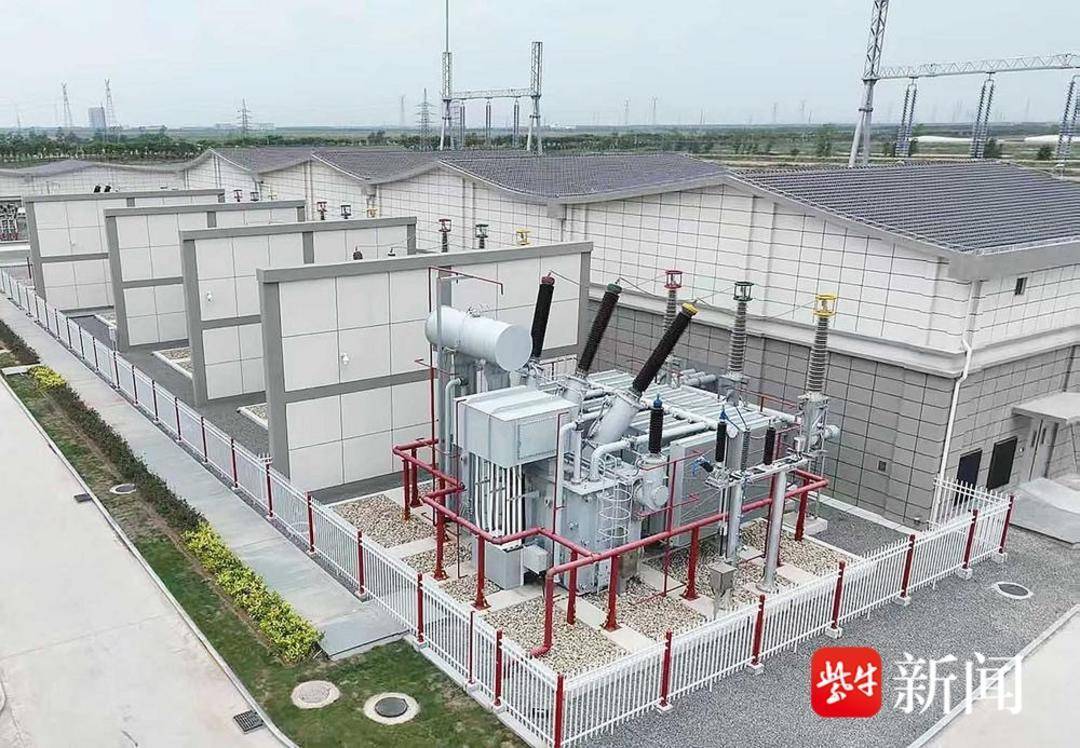
Core Insights - The leading enterprise in the cold chain storage and supply chain sector in Jiaozhou is facing financial challenges due to the "payment before delivery" model prevalent in the seafood industry, which has resulted in over 50 million yuan in annual financing pressure [1][2] - Qilu Bank has introduced an innovative "blue cold chain industry chain financial solution" to address the financing difficulties faced by the seafood cold chain industry, aligning with national strategies for marine economic development [2][3] Company Overview - The enterprise operates a 32,000 square meter cold storage facility with a capacity of 100,000 tons, 38 automated cold chain conveyor lines, and advanced temperature control systems, handling 180,000 tons of seafood annually, accounting for 35% of the cold chain circulation in Jiaozhou [1] - The utilization rate of the low-temperature warehouse has increased from 90% to 98%, with a maximum daily throughput exceeding 800 tons, establishing it as one of the busiest seafood cold chain hubs in the Shandong Peninsula [3] Financial Solutions - Qilu Bank provided 50 million yuan in online trade financing to the enterprise's supply chain management company, reducing financing costs by 1.5 percentage points, which helps alleviate the pressure of advance procurement [2] - A total of 140 million yuan in trade financing has been approved for five compliant and high-growth seafood processing enterprises, resulting in an increase of over 20 million yuan in annual processing output and creating 220 new jobs [3] Industry Impact - The financial support from Qilu Bank has led to significant improvements in the efficiency and profitability of the seafood cold chain industry, with surrounding enterprises forming a marine economic industrial park covering 2.3 square kilometers [3]
