
贸易合作

Search documents
美瑞贸易惊天反转!瑞士砸2000亿投资美国,15%税率藏双赢密码
Sou Hu Cai Jing· 2025-11-16 10:51
Core Points - The unexpected resolution of the trade conflict between the US and Switzerland, with a significant reduction in tariffs from 39% to 15% and a commitment of $200 billion in investments from Switzerland [1][7][9] Group 1: Trade Agreement Details - The trade negotiations began in April, with the high tariffs imposed in July serving as leverage in the discussions [5][11] - The new 15% tariff aligns with the rates applied to EU goods, providing Switzerland with a more favorable treatment [7] - Switzerland has committed to investing approximately $200 billion in the US by the end of 2028, focusing on key sectors such as education, training, pharmaceuticals, and manufacturing [9][11] Group 2: Economic Implications - The high tariffs had previously led to a significant economic downturn in Switzerland, prompting a revision of economic growth forecasts [5] - The agreement is expected to stabilize bilateral trade relations and provide economic benefits to both countries [11][15] - The Swiss franc appreciated by 0.4% against the US dollar following the announcement, indicating positive market sentiment [13] Group 3: Strategic Insights - The agreement exemplifies a win-win scenario where both countries address their economic needs through negotiation rather than confrontation [11][15] - The collaboration highlights the importance of finding mutual benefits in trade relations, especially in a climate of rising protectionism [13][15]


英智库:中国已成为海湾国家最大贸易伙伴
Xin Hua Wang· 2025-11-14 09:23
报告指出,美国政府的关税举措可能促使亚洲生产商加倍向非美国市场倾斜。中国目前占海湾国家 与新兴亚洲经济体全部贸易额的47%。双方在可再生能源、建筑业等非油气领域的合作不断深化,将推 动海湾国家与中国进一步拓展贸易合作。 报告提到,阿联酋与中国的非油气贸易持续增长,2025年上半年阿联酋对华非油气贸易额同比增长 15%。 【纠错】 【责任编辑:施歌】 新华社伦敦11月14日电(记者郑博非)位于英国伦敦的独立智库"亚洲之家"13日发布最新研究报告 说,中国已超越美国、英国和欧元区国家,成为海湾国家最大的贸易伙伴。 报告援引国际货币基金组织数据说,2024年阿联酋、沙特阿拉伯、卡塔尔、科威特、阿曼和巴林等 六个海湾国家对华贸易额达2570亿美元,超过这六个国家与美国、英国和欧元区国家合计2560亿美元的 贸易总额。报告预计,到2028年,海湾国家与中国的贸易总额将增至3750亿美元。 ...
俄哈关系提升至全面战略伙伴和联盟水平
Xin Hua She· 2025-11-12 19:57
托卡耶夫表示,两国元首签署提升双边关系水平的宣言具有历史意义,体现两国互信和广阔合作前景, 哈俄各领域关系蓬勃发展具备坚实基础。他强调,双方将继续致力于在欧亚经济联盟、上海合作组织、 独立国家联合体、集体安全条约组织和其他多边机制内进一步加强协作。 托卡耶夫此次国事访问为期两天。两国元首12日在克里姆林宫会谈后,双方签署一系列政府间和部门间 合作文件。 俄罗斯总统普京12日在首都莫斯科同对俄进行国事访问的哈萨克斯坦总统托卡耶夫举行会谈并签署一份 宣言,将双边关系提升至全面战略伙伴和联盟水平。 克里姆林宫网站援引这份宣言说,俄哈两国延续数百年的友谊和联盟不可侵犯,双方决心在面对全球挑 战和威胁时互相支持,共同抵制破坏两国国内政治稳定的企图。宣言还对两国在政治与安全、经济合作 与一体化、知识密集型产业和人文等领域进一步深化合作提出多项规划。 普京在会谈后的联合记者会上说,哈萨克斯坦是俄罗斯在亚欧地区重要贸易伙伴,2024年俄哈双边贸易 额达287亿美元。两国贸易结构日益多元化,本币结算使用比例超过96%。双方稳步推进投资、能源、 汽车、农业、化肥生产等领域合作;在航天研究领域保持密切合作,继续联合运营拜科努尔航天 ...
从对接桌叩开市场门
Jing Ji Ri Bao· 2025-11-11 22:11
Core Insights - The trade investment matchmaking event during the China International Import Expo (CIIE) serves as a significant platform for international exhibitors and Chinese buyers to engage in business discussions, highlighting China's vast market opportunities [1][2]. Group 1: Event Highlights - The "Hui Chat" trade negotiation area was bustling with activity, featuring 50 negotiation tables fully occupied by overseas exhibitors and Chinese buyers [1]. - The event facilitated a historic trade agreement between China and South Africa, allowing South Africa to export five types of stone fruits to China for the first time under a single agreement [1]. - The timing of South Africa's harvest season aligns with China's winter and spring market, particularly the peak consumption period during the Chinese New Year, creating a favorable market opportunity for South African fruits [1]. Group 2: Participant Experiences - Participants expressed enthusiasm about the event, with South African fruit exporters noting the potential for significant market access and collaboration with Chinese buyers [1][2]. - Indonesian exhibitors reported a strong understanding of Chinese buyers' needs, indicating confidence in expanding their market presence [2]. - The event resulted in tangible outcomes, such as a $4.6 million cooperation intention between the U.S. Gore Company and two specialized enterprises in Shanghai shortly after the event commenced [2]. Group 3: Future Prospects - The matchmaking tables are seen as a crucial step in fostering cooperation, with expectations for increased orders from South Africa in the upcoming fruit season [2]. - The event is positioned as a bridge for global enterprises to access the Chinese market, reflecting China's commitment to openness and mutual benefit in international trade [2].
印尼总统普拉博沃启程赴澳大利亚访问
Zhong Guo Xin Wen Wang· 2025-11-11 11:54
Core Points - Indonesian President Prabowo has embarked on a one-day visit to Australia to discuss cooperation in trade, investment, and education [1] - The visit includes a meeting with Australian Prime Minister Albanese, marking a reciprocal visit following Albanese's trip to Indonesia in May [1] Group 1: Trade and Investment - The agenda of the visit focuses on enhancing cooperation in trade and investment between Indonesia and Australia [1] Group 2: Education - Discussions will also cover collaboration in the education sector, indicating a broader scope of bilateral relations [1]
进博“全勤生”静安:从参展热土到全球企业“首选地”
Guo Ji Jin Rong Bao· 2025-11-10 12:14
Core Insights - Jing'an District has significantly increased its participation in the China International Import Expo (CIIE), growing from 16 exhibitors in the first edition to 53 in the eighth, showcasing its strategic focus on attracting investment and promoting economic development [1][2][3] Investment and Business Development - The district has established a "new and old co-prosperity" ecosystem, with companies like Europharma witnessing rapid growth and establishing strong partnerships with the district government [2][3] - The "Investment Jing'an, Win the CIIE" promotional event highlighted the district's commitment to fostering trade and investment, resulting in multiple procurement agreements signed during the expo [3][4] International Brand Engagement - Notable international brands, such as Aster, have chosen Jing'an for their flagship centers, reflecting the district's appeal and investment potential [4][5] - The district's proactive approach in inviting global companies to participate in the CIIE has facilitated a transformation from "investors" to "exhibitors," enhancing their market presence in China [5][6] Innovation and Technology Integration - Jing'an has launched innovative platforms like the "Beauty Hub" and "Meichuang Jingjie," which integrate technology and beauty, aiming to create a comprehensive ecosystem for the beauty industry [12][13] - The collaboration with top-tier resources, including hospitals and research centers, aims to bridge the gap between scientific research and consumer experience in the beauty sector [12][13] Cultural and Economic Synergy - The district's initiatives, such as the "Jing'an International Reception Hall," aim to create a seamless connection between global resources and local enterprises, enhancing the overall business environment [11][12] - Events like the "CIIE" serve as a platform for cultural exchange and economic collaboration, positioning Jing'an as a hub for international business and innovation [10][11]

南非各出口理事会:盼借进博会触达中国万亿元级消费市场
Zhong Guo Xin Wen Wang· 2025-11-04 17:16
Core Insights - The upcoming China International Import Expo (CIIE) presents a significant opportunity for South African exporters to access China's vast consumer market, valued in trillions of RMB [1][2] - South African councils, including the South African Footwear and Leather Export Council (SAFLEC) and the South African Fruit and Vegetable Canning Export Council (SAFVCEC), emphasize the importance of the expo for market access and collaboration with major Chinese e-commerce platforms [1][2] Group 1: Participation and Opportunities - South Africa will lead 32 companies to the CIIE, aiming to promote high-value-added products in the Chinese market [2] - The SAFLEC, with 252 member companies, highlights the expo as a unique opportunity to connect with buyers, distributors, and retailers that are typically hard to reach [1] - The SAFVCEC views the CIIE as a crucial platform for gathering market information, understanding competitive dynamics, and identifying emerging consumer trends [1] Group 2: Trade Relations - China has been South Africa's largest trading partner for 16 consecutive years, while South Africa has been China's largest trading partner in Africa for 15 years [2] - In 2024, bilateral trade between China and South Africa is expected to account for nearly 20% of total China-Africa trade [2]
中美“舌战”吉隆坡,成果几何?
水皮More· 2025-10-26 12:27
Core Viewpoint - The recent trade talks between China and the U.S. in Kuala Lumpur highlighted the ongoing tensions and the need for both sides to build mutual trust and manage differences, with a focus on various trade issues including tariffs and fentanyl cooperation [2][5][6]. Group 1: Trade Negotiation Context - The fifth round of trade negotiations took place in Kuala Lumpur, with Chinese Vice Premier He Lifeng expressing hope for mutual efforts to build trust and manage differences [2]. - Key discussion topics included U.S. maritime logistics and shipbuilding industry measures, extension of the "reciprocal tariff" suspension, fentanyl tariffs and enforcement cooperation, agricultural trade, and export controls [2]. - Chinese Commerce Ministry representative Li Chenggang noted that both sides had in-depth and candid discussions, leading to a preliminary consensus [2]. Group 2: U.S. Stance and Historical Context - Li Chenggang indicated that the U.S. maintained a hardline stance throughout the negotiations, reflecting a consistent approach since the first round in Geneva [5]. - The article draws attention to the symbolic meanings of the negotiation locations, suggesting a pessimistic outlook on the negotiations [5]. - The U.S. has engaged in disruptive activities prior to the Kuala Lumpur talks, with Treasury Secretary Yellen reportedly expressing critical views towards Chinese representatives [5]. Group 3: Future Outlook and Strategic Positioning - China is positioned to counter U.S. hegemonic practices, while the U.S. has shown insincerity in negotiations, particularly regarding tariffs and fentanyl, which are seen as tools rather than genuine negotiation points [6]. - The article suggests that maintaining normal diplomatic relations and avoiding extreme opposition is crucial, with trade cooperation possible in mutually acceptable areas [6]. - The notion that U.S.-China relations cannot return to previous states is acknowledged, emphasizing the need for both sides to work towards a new, equitable relationship [6].
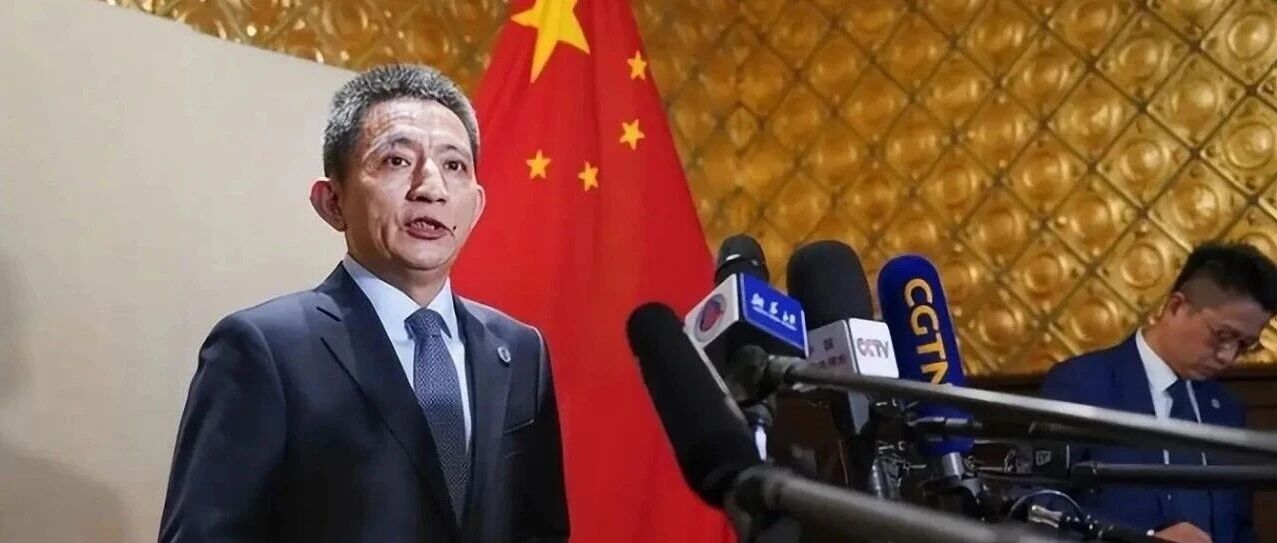
加拿大为讨好美国对华下手,被坑惨后访华求饶,现在认输已经晚了
Sou Hu Cai Jing· 2025-10-26 06:18
Core Insights - Canada is actively seeking to improve trade relations with China by requesting the removal of import tariffs on canola seeds, following a series of diplomatic visits by Canadian officials [1][12] - The imposition of tariffs on Chinese electric vehicles and other products by Canada was an attempt to gain favor with the U.S., but it backfired, leading to retaliatory measures from China that have significantly impacted Canada's economy [3][6] Trade Relations - Canada has historically relied on the U.S. and China as its primary trade partners, with the U.S. being the largest and China the second largest [3] - The Canadian government's decision to impose tariffs on Chinese products was intended to negotiate better treatment from the U.S., but it resulted in adverse effects on its own economy [4][6] Economic Impact - China's retaliatory measures specifically targeted Canada's canola seed industry, imposing a 75.8% deposit on all canola seed exports from Canada due to alleged dumping practices [8] - In 2022, Canada's canola seed exports to China were nearly CAD 5 billion, making it a critical component of the Canadian agricultural sector [8] Market Dynamics - The Canadian agricultural sector initially underestimated China's ability to source canola seeds from alternative suppliers, such as Australia, which has led to increased competition and pressure on Canadian exports [10] - The shift in China's sourcing strategy highlights the vulnerability of Canada’s position in the global supply chain, emphasizing that reliance on a single market can be detrimental [10][13] Diplomatic Efforts - Canada's recent diplomatic overtures to China reflect a recognition of the need to address its trade challenges and the importance of the Chinese market for its agricultural exports [12][20] - Other Western nations are also seeking to mend trade relations with China, indicating a broader realization that trade conflicts ultimately harm their own economies [17][20] Trade Strategy - The article suggests that Canada must demonstrate genuine cooperation by removing its own tariffs on Chinese products to restore trade relations effectively [15][20] - The historical context of trade sanctions imposed by the U.S. and Europe on China has shown that retaliatory measures can effectively target key industries, leading to significant economic repercussions for the initiating country [18]

迈赫尔通讯社编译版:伊朗和俄罗斯间的贸易约80%通过双方本币结算
Shang Wu Bu Wang Zhan· 2025-10-25 15:43
Core Insights - The trade cooperation between Iran and Russia is being strengthened, with approximately 80% of their trade settled in local currencies [1] Trade Composition - Currently, 60% of the trade between Iran and Russia is related to agricultural products [1] - Russia primarily exports grains, timber, oilseeds, chemicals, aluminum, coal, and steel to Iran [1] - Iran mainly imports components, energy products, ceramics, cement, and agricultural products from Russia [1] Financial Cooperation - The financial collaboration between Iran and Russia is deepening, with around 80% of trade transactions conducted in Iranian rials or Russian rubles [1]