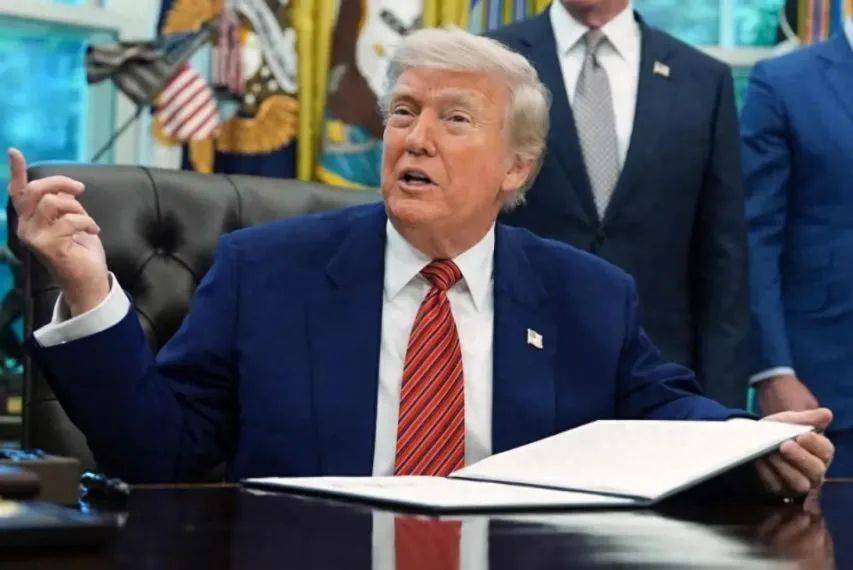
贸易失衡

Search documents
欧洲商界怨声载道:与美国的贸易变得极其困难
Feng Huang Wang· 2025-08-01 07:34
Group 1 - The U.S. will impose a 15% tariff on most products exported from Europe starting Friday, significantly impacting European manufacturers [1] - European businesses are facing historically high tariff rates, leading to shipment suspensions, price increases, and concerns over potential bankruptcies [1] - The complexity of doing business with the U.S. has escalated, causing delays in goods transportation and a reevaluation of supply chain strategies [1] Group 2 - The wine industry on both sides of the Atlantic is suffering due to tariffs, affecting thousands of producers and businesses reliant on wine imports and exports [2] - Consumer giants like Procter & Gamble and Adidas are warning of price increases in the U.S. to cope with tariff impacts [2] - Some European companies, particularly in the automotive sector, are planning to establish factories in the U.S. to avoid tariffs, while others find it impossible to relocate their supply chains [2] Group 3 - The 15% tariff on affordable perfume products is forcing companies like Corania to demonstrate significant creativity to survive in the U.S. market [3]
美国对部分铜产品加征50%关税扰乱市场预期 专家发出警告
Yang Shi Wang· 2025-08-01 05:37
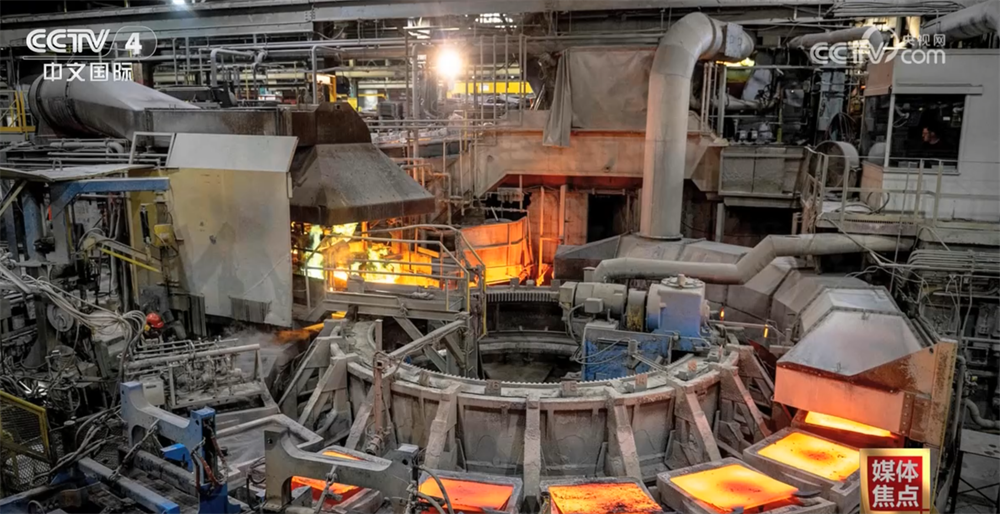
Group 1 - The U.S. government has announced a 50% tariff on imported semi-finished copper products and copper-intensive derivatives starting August 1, which disrupts market expectations and affects the stability of the U.S. copper-intensive industry [1] - The new tariffs will not apply to copper ore, refined copper, and copper scrap, but will impact industries reliant on copper, such as construction, automotive, and electronics, potentially increasing their costs [3] - Approximately half of the copper consumed in the U.S. is imported, primarily from countries like Chile and Canada, indicating a significant reliance on foreign supply [3] Group 2 - Experts suggest that the 50% tariff will cause "medium-term damage" to Chile, but the country can mitigate "long-term damage" through market diversification strategies [5] - Canadian copper producers have received temporary exemptions from tariffs on copper concentrates and scrap, but manufacturers of copper wire and cables may face challenges if they cannot shift trade to other markets [7] - The tariffs may suppress overall U.S. economic growth, as the increased costs of copper products could be passed on to consumers, affecting various sectors [9]

欧洲政商界人士:美欧新贸易协议失衡 暴露欧洲长期对美依赖
Sou Hu Cai Jing· 2025-07-29 12:15
Group 1 - The new trade agreement between the US and EU has temporarily avoided escalating trade conflicts, but the 15% tariffs impose significant pressure on the highly integrated transatlantic supply chain, highlighting Europe's long-term dependence on the US and the imbalance in trade negotiations [1] - French officials have expressed dissatisfaction with the trade agreement, calling for further negotiations to create a more equitable US-EU trade relationship, with Prime Minister Borne criticizing the agreement as a sign of EU submission [3][5] - German Chancellor Merz has indicated that the 15% tariffs represent a substantial burden for Germany's export-oriented economy, warning that the overall negative impact on transatlantic trade could ultimately harm the US economy as well [5][7] Group 2 - The German Industrial Association's executive board member has noted that the 15% tariffs are a significant increase compared to previous levels and could have far-reaching negative effects, urging Europe to use this agreement as a warning to strengthen internal unity and competitiveness [7]

事关关税,IMF发出警告
21世纪经济报道· 2025-07-24 01:23
Core Viewpoint - The International Monetary Fund (IMF) warns that tariffs are not a solution to global economic imbalances, highlighting the risks associated with excessive trade deficits and surpluses [2][3]. Group 1: Global Economic Assessment - The IMF's 2025 External Sector Report evaluates the trade status of 30 major economies, which account for approximately 90% of global GDP [2]. - In 2024, the global current account balance as a percentage of world GDP is expected to increase by 0.6 percentage points, reversing a trend of decline since the 2008-2009 financial crisis [2]. - The report indicates that the U.S. trade deficit will expand by $228 billion in 2024, reaching $1.13 trillion, reflecting macroeconomic imbalances within the U.S. [2]. Group 2: Tariffs and Trade Wars - The IMF asserts that tariff barriers have minimal impact on improving trade imbalances and warns that escalating trade wars could significantly affect the global macroeconomy [2]. - Short-term effects of higher tariffs may reduce global demand and exacerbate inflationary pressures by increasing import prices [2]. Group 3: Currency and Financial Stability Risks - The report expresses concerns about the stability of the international monetary system due to rising geopolitical tensions, which could disrupt financial stability [2][3]. - The U.S. dollar has depreciated by 8% since January, marking the largest semi-annual decline since 1973, prompting global investors to reassess their exposure to dollar risks [3]. - The rise of stablecoins and innovations in cross-border transactions may reinforce the dollar's dominance but could also introduce financial stability risks [3].
IMF警告:关税无法解决贸易失衡,稳定币或干扰金融稳定
2 1 Shi Ji Jing Ji Bao Dao· 2025-07-23 14:05
Core Viewpoint - The International Monetary Fund (IMF) warns that tariffs are not a solution to global economic imbalances, highlighting the risks associated with excessive trade deficits and surpluses [1][2]. Group 1: Global Economic Assessment - The IMF's 2025 External Sector Report evaluates the trade status of 30 major economies, which account for approximately 90% of global GDP [1]. - In 2024, the global current account balance as a percentage of world GDP is expected to increase significantly by 0.6 percentage points, reversing a trend of narrowing since the 2008-2009 financial crisis [1]. Group 2: U.S. Trade Deficit - The U.S. trade deficit is projected to widen by $228 billion in 2024, reaching $1.13 trillion, indicating macroeconomic imbalances within the U.S. [1]. - The IMF warns that the effectiveness of tariff barriers in improving trade imbalances is minimal, and escalating trade wars could have significant negative impacts on the global macroeconomy [1]. Group 3: Currency and Financial Stability Risks - The rise of protectionism is casting a shadow over global bilateral trade, direct investment, and securities investment flows, potentially leading to a fragmented international monetary system and increased financial volatility [2]. - The U.S. dollar has depreciated by 8% since January, marking the largest semi-annual decline since 1973, raising concerns about currency risk [2]. - The IMF acknowledges that while the dollar will maintain its dominant position, recent trade tensions and rising U.S. debt levels may prompt global investors to reassess their exposure to dollar risks [2]. - The emergence of stablecoins, particularly dollar-backed stablecoins, could reinforce the dollar's dominance but also pose financial stability risks [2].
日本财务省大臣Kato在南非表示:关税并非缩小贸易失衡问题的合理工具。开放和自由的贸易具有重要意义。对美国总统特朗普挑起的关税所造成的不确定性感到忧心忡忡。
news flash· 2025-07-17 19:57
Group 1 - The Japanese Finance Minister Kato stated that tariffs are not a reasonable tool to reduce trade imbalances [1] - Emphasized the importance of open and free trade [1] - Expressed concerns over the uncertainties caused by tariffs initiated by U.S. President Trump [1]
美国出乎意料对哈萨克斯坦下手,“还是与中国有关”
Guan Cha Zhe Wang· 2025-07-12 00:01
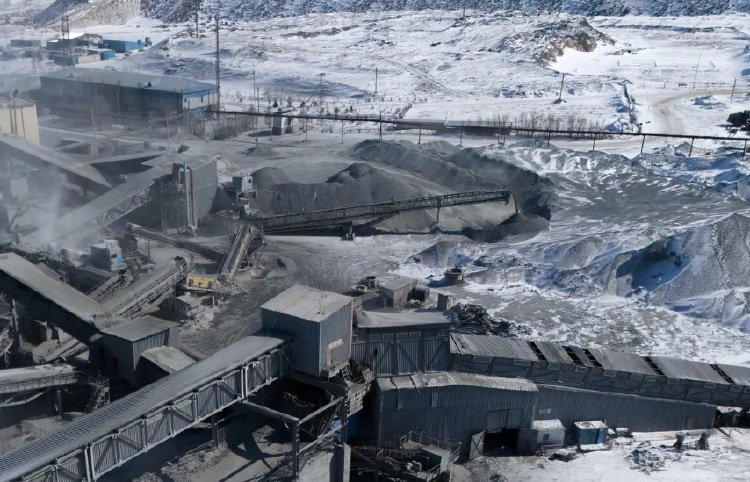
Core Viewpoint - The U.S. government's imposition of tariffs on Kazakhstan has raised concerns about the country's economic relations, particularly with China and Russia, as it seeks to balance its strategic partnerships while facing pressure from the U.S. [1][5][7] Group 1: Tariff Announcement and Impact - President Trump announced a 25% tariff on imports from Kazakhstan, effective August 1, as part of a broader trade strategy targeting nearly 20 countries [1][7] - The tariffs are expected to affect less than $100 million worth of Kazakh products, which constitutes about 5% of its exports, while over 90% of its exports to the U.S. will remain tariff-free [7] - Kazakhstan's trade department has submitted proposals to improve bilateral trade relations and is awaiting a response from the U.S. [7][8] Group 2: Economic Relations with China - Kazakhstan has significantly deepened its economic ties with China, with trade volumes now ten times greater than those with the U.S. [4] - The country is becoming a potential hotspot for critical minerals and rare earth metals, essential for electric vehicle production and other advanced technologies [2][4] - A recent discovery of a large rare earth deposit could position Kazakhstan as one of the largest rare earth reserves globally, further attracting investment [2] Group 3: Strategic Positioning - Kazakhstan is strategically located between China and Russia, and it aims to avoid over-reliance on either neighbor while seeking investment from Europe and North America [5] - Analysts suggest that the U.S. tariff threats may inadvertently push Kazakhstan closer to China and Russia, undermining the U.S.'s position as a balancing power in the region [5] - The country has historically been a significant recipient of U.S. investment, particularly in oil and gas, but recent trends show a decline in U.S. investments [1][5]
减肥药进口潮推高对美逆差,小国爱尔兰意外成为美国第二大贸易伙伴
Hua Er Jie Jian Wen· 2025-06-20 11:57
Group 1 - The core point of the article highlights the surge in demand for weight loss drugs and concerns over tariffs, which have propelled Ireland to become the second-largest source of the U.S. trade deficit [1] - In the first four months of this year, the U.S. imported $36 billion worth of hormone drug ingredients from Ireland, more than double the total imports from Ireland for the entire previous year [1] - Nearly 100% of these imports are destined for Indiana, where Eli Lilly, the manufacturer of weight loss drugs Zepbound and Mounjaro, is headquartered [1] Group 2 - The trade deficit has increased, but these drugs are transforming the healthcare landscape, with Novo Nordisk becoming the highest-valued company in Europe [1] - Novo Nordisk is investing billions of dollars to build factories in the U.S., which may alleviate trade imbalances in the long term [1] - Concerns over tariffs have led to a stockpiling trend, with companies rushing to ship goods to the U.S. before tariff deadlines [2] Group 3 - Ireland is at the center of a global stockpiling trend, as it is a major hub for U.S. pharmaceutical giants, partly due to favorable tax policies [2] - The demand for weight loss drugs is currently enormous, prompting companies to build safety stocks [3] - The trade imbalance has placed Ireland in a difficult position, as it was recently placed on the U.S. Treasury's currency manipulation monitoring list [3] Group 4 - Eli Lilly holds a significant position in the weight loss drug market, with sales of its GLP-1 drugs Mounjaro and Zepbound expected to nearly double this year to around $30 billion [4] - Maintaining the supply of weight loss drugs poses challenges for both Eli Lilly and its competitor Novo Nordisk, which manufactures Ozempic and Wegovy [4] - The demand for air logistics has surged, with transportation companies noting an increase in requests for drug shipments, which are typically transported by air due to their lightweight and high value [4]


美欧钢铝争端升温 欧盟称谈判仍在正轨但将准备反制
智通财经网· 2025-06-04 13:06
Group 1 - The EU Trade Commissioner Maros Sefcovic stated that despite the new tariffs imposed by the US on steel and aluminum products, trade negotiations between the EU and the US are progressing in the "right direction" [1] - The US government raised tariffs on steel and aluminum products from 25% to 50%, citing national security as the reason, which has intensified trade barriers [1] - The EU has approved tariffs on €21 billion worth of US goods as a countermeasure to Trump's metal tariffs, targeting politically sensitive agricultural products and other items [2] Group 2 - The EU is preparing to impose additional tariffs on €95 billion worth of US goods in response to Trump's "reciprocal" tariffs and automotive tariffs, which will include products like Boeing aircraft and American-made cars [2] - The OECD warned that the trade tensions initiated by Trump have significantly worsened the global economic outlook, particularly affecting the US [3]
对华关税降至12%?美国准备实行B计划,特朗普在等中方高层见面
Sou Hu Cai Jing· 2025-06-04 12:06
Core Points - A U.S. federal court has blocked President Trump's tariff policy announced on April 2, ruling that he overstepped his authority by imposing comprehensive tariffs on countries that export more to the U.S. than they import [1][3] - The court's 49-page ruling stated that only Congress has the power to regulate trade with other nations, thus prohibiting the Trump administration from executing tariffs under the International Emergency Economic Powers Act (IEEPA) [3][4] - The White House has expressed strong opposition to the ruling, claiming that non-elected judges should not dictate responses to national emergencies and that the administration will use all executive powers to address the crisis [1][3] Tariff Policy Implications - The court has mandated that the U.S. government must issue new enforcement notices to all customs ports within 10 days to implement the ban on tariffs, and during this period, the Customs and Border Protection must cease collecting tariffs based on IEEPA [4] - If the Trump administration's request for a stay of the ruling is not approved, the ban will take effect after 10 days, potentially reducing tariffs on China to around 12% [4] - The ruling has rendered previous tariff orders ineffective immediately upon issuance, and the government must publish necessary administrative orders to enforce the permanent ban [4] Responses from China - China's Ministry of Commerce reiterated the U.S. court's ruling and criticized the unilateral tariff measures, stating they have not resolved U.S. issues but have instead harmed international trade order [6] - The Chinese Foreign Ministry emphasized that there are no winners in a trade war and that protectionism ultimately harms all parties involved [6] Future Strategies - Amid the legal challenges, Trump's trade team is reportedly considering a backup plan involving a two-step approach: first, imposing a maximum 15% tariff globally for 150 days to address trade imbalances, and second, developing personalized tariffs for each major trading partner during that period [6][8]