
FOF

Search documents
多元资产配置成共识,鹏华易选稳健3个月持有期FOF全面发行中
Zhong Guo Jing Ji Wang· 2025-11-26 02:49
Core Insights - The FOF market has significantly expanded in 2023, with total market size reaching 193.34 billion yuan by the end of Q3 2025, representing a growth of over 46% compared to the end of 2024 [1] - The demand for stable, diversified, and professional investment tools has surged due to challenges such as low interest rates, broken guarantees, and increased market volatility [1] Group 1: FOF Product Features - The essence of public FOFs is to provide investors with a professional investment solution for diversified asset allocation, aiming for a long-term balance between risk and return through scientific combinations and dynamic adjustments [1] - The newly launched Penghua Easy Selection Stable 3-Month Holding Period FOF, led by Chief Asset Allocation Officer Zheng Ke, focuses on multi-asset allocation and aims to control volatility while broadening sources of return [1][3] Group 2: Addressing Investor Challenges - FOFs effectively address common behavioral biases faced by ordinary investors, such as difficulty in selecting funds, timing issues, and holding onto investments [1] - The Penghua Easy Selection Stable FOF is designed to assist in fund selection by leveraging a research team with extensive experience to create a scientifically constructed portfolio of quality funds [2] Group 3: Investment Strategy - Asset allocation is identified as the core value of FOFs, contributing over two-thirds of investment returns, with a focus on both strategic asset allocation (SAA) and tactical asset allocation (TAA) [3] - The product aims to enhance the risk-return profile of the portfolio while optimizing the investor's holding experience through a disciplined asset allocation mechanism [3]
稳守反击 专业领航——华商基金FOF名将孙志远携新基破解基金投资难题
Xin Lang Ji Jin· 2025-11-25 01:15
Core Viewpoint - The article highlights the advantages of Fund of Funds (FOF) in addressing common challenges faced by ordinary investors, such as difficulty in selecting funds and holding them long-term. The newly launched "Huashang Huixiang Multi-Asset Allocation 3-Month Holding Mixed Fund (FOF)" aims to leverage these advantages to provide stable returns for investors [1]. Group 1: Fund Overview - The "Huashang Huixiang Multi-Asset Allocation 3-Month Holding Mixed Fund (FOF)" is being issued by Huashang Fund, a well-established public fund company with nearly 20 years of experience [1]. - The fund will be managed by Sun Zhiyuan, a seasoned fund manager known for his strong research and investment capabilities [1][3]. - The fund's asset allocation strategy includes equity, fixed income, money market, and other types of funds, with equity allocation set between 5%-30% [6]. Group 2: Manager Profile - Sun Zhiyuan has 13.6 years of experience in the securities industry, with a focus on fund analysis and FOF/MOM investment management [3]. - He emphasizes a "steady counterattack" investment philosophy, aiming for absolute and relative returns while ensuring a good investment experience for clients [4]. Group 3: Performance Metrics - Data from Galaxy Securities indicates that the fund managed by Sun Zhiyuan, "Huashang Anyuan Steady Progress One-Year Holding Mixed Fund (FOF)," ranks second in its category for A-class shares and first for C-class shares over the past year [5]. Group 4: Investment Philosophy - The fund is designed to encourage a long-term investment perspective by setting a minimum holding period of three months, helping investors avoid irrational decisions due to short-term market fluctuations [6][10]. - Huashang Fund's strong research capabilities and active management approach are highlighted as key strengths that support the fund's investment strategy [9].

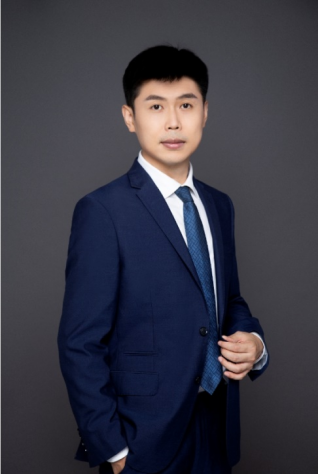
民生加银基金刘欣:不做市场的“预言家”,做资产配置的“践行者”
Zhong Guo Ji Jin Bao· 2025-11-24 03:06
Core Insights - The article emphasizes the increasing demand for low-volatility, absolute return products in the current low-interest, high-volatility environment, with public FOFs (Fund of Funds) emerging as a key tool to meet this demand [1] - Liu Xin, the assistant general manager and head of asset allocation at Minsheng Jianyin Fund, is highlighted for his pragmatic investment philosophy that focuses on asset allocation rather than short-term market predictions [2][4] Investment Philosophy - Liu Xin's investment philosophy is characterized by "market reverence" and "weakness thinking," acknowledging the complexity of markets and the limitations of individual perception [2][3] - The focus is on addressing solvable investment issues, such as long-term asset patterns and risk correlation analysis, rather than attempting to predict short-term market movements [3] Asset Allocation Strategy - The essence of asset allocation is to "acknowledge uncertainty," aiming for sustainable investment returns through diversified portfolios that hedge against uncontrollable risks [4] - Liu Xin advocates for a "localized all-weather" FOF strategy that emphasizes multi-asset diversification rather than merely selecting top-performing funds [5][6] Performance Metrics - Under Liu Xin's leadership, the Minsheng Jianyin Kangning Stable Pension Target One-Year FOF has achieved a net value growth rate of nearly 8% since 2025, surpassing its performance benchmark by 3.51% with a maximum drawdown of -1.95%, indicating strong stability [1] Market Outlook - Liu Xin holds a relatively optimistic view on the A-share market, citing its reasonable valuation and sustainable upward trend, making it a core equity asset for strategic allocation over the next two to three years [9] - The A-share market is currently at a medium valuation level, providing a safety margin compared to other global markets [9] Bond Market Perspective - Bonds are viewed as a "stabilizer" in the portfolio, with a focus on interest rate bonds for risk hedging rather than yield generation, while credit bonds are selected through experienced active fund management [10] - The current bond market is characterized by low overall interest rates, but bonds still offer "insurance value" against economic downturns [10] New Fund Launch - A new fund, Minsheng Jianyin Multi-Dimensional Stable Allocation 3-Month Holding Period Mixed FOF, is set to be launched, which will implement the "localized all-weather" strategy and dynamically optimize asset allocation [11]
全网收听超6万,这期干货满满的配置话题访谈,说了什么?
中泰证券资管· 2025-11-14 07:02
Core Viewpoint - The podcast episode titled "When the Big Cycle Fails, Where is the New Macro Coordinate?" hosted by fund manager Tang Jun from Zhongtai Asset Management has gained significant attention, with over 60,000 listeners in a week, indicating a strong interest among investors in learning about macroeconomic frameworks and investment strategies [2][5]. Group 1: Framework Construction - The background and reasons for the effectiveness and ineffectiveness of the Merrill Clock are discussed [5]. - The "Credit-Money" framework is introduced, explaining how to describe the current macroeconomic state based on this framework [5]. - The current macroeconomic state leads to specific asset allocation conclusions [5]. Group 2: Allocation and Portfolio Construction - The distinction between active and passive allocation is made, highlighting the problems that active allocation can solve [9]. - Preparations required for engaging in active allocation are outlined [9]. - The role of FOF (Fund of Funds) in addressing specific issues is examined [9]. - The execution of strategic and tactical layers in investment is discussed [9]. Group 3: Reflections on Human Nature - The importance of understanding human behavior in the context of investment allocation is emphasized, inviting listeners to engage in a professional and rigorous intellectual exchange [6]. Group 4: Risk and Return Concepts - The concept of risk budgeting and how to construct a portfolio within a given risk budget is explained [9]. - The notion of return streams and which assets can represent different return streams is analyzed, drawing lessons from Bridgewater's practices [9]. - The significance of having a framework in investment decision-making is highlighted [9]. - The meaning of logic in investment and the application of probabilistic thinking in market timing are discussed [9].

年内11只FOF募集规模均超20亿
Zheng Quan Shi Bao Wang· 2025-11-14 04:12
人民财讯11月14日电,11月14日交银施罗德基金公告显示,交银臻享多资产三个月持有期混合(FOF) 成立,募集规模23.67亿元,获9440户有效认购。根据统计,包括该FOF在内,今年以来成立规模在20 亿元以上的FOF已有11只,其中有5只成立于10月至今这段时间内。 ...
力争严控回撤,景顺长城和熙稳进FOF打造稳健配置新体验
Xin Lang Ji Jin· 2025-11-13 23:34
Group 1 - The core viewpoint of the articles highlights the recovery of Fund of Funds (FOF) in 2023, with a positive average return of 14.29% for 477 FOFs established for over six months as of October 31 [1] - The total market size of FOFs reached 187.147 billion yuan by the end of Q3, reflecting an increase of 57 billion yuan compared to the end of the previous year, indicating a trend towards diversified asset allocation for investors [1] - Historical data shows low correlation among various asset classes, which supports the strategy of multi-asset allocation in FOFs to enhance returns and reduce volatility [1] Group 2 - The proposed FOFs, such as the Invesco Great Wall and Xie Wenjin's three-month holding period FOF, aim to balance risk and return by employing a "fixed income + multi-asset" strategy, with a focus on 90% fixed income and 10% equity assets [1] - The fund manager Jiang Hong emphasizes a "stability first, then diversification" approach, with a focus on risk control and volatility management, leading to a 6.52% increase in the bond-oriented FOF index over the past year [2] - Jiang Hong maintains a positive outlook on the equity market, suggesting a focus on sectors like technology, high-dividend stocks, pharmaceuticals, and turnaround opportunities, while also advocating for leveraging strategies in the bond market [2]
民生加银公募FOF,以专业之力重塑资产配置新格局
Jiang Nan Shi Bao· 2025-11-07 12:29
Core Insights - The current global economic landscape is undergoing significant adjustments, leading to increased market volatility and making single-asset investment models inadequate for investors seeking stable growth [1] - The asset management industry is experiencing structural changes, with the overall AUM in China projected to reach 170.13 trillion yuan by mid-2025, reflecting a growth of approximately 4.27% from the end of 2024 [1] Group 1: Asset Management Trends - The asset management industry is shifting from a "single track" approach to a "diverse collaboration" model, with asset allocation concepts becoming mainstream [1] - The diversification of investment products is evident, with bank wealth management products at 30.67 trillion yuan, public funds at 34.39 trillion yuan, and pension funds managed by fund companies at 6.10 trillion yuan [1] Group 2: Scientific Asset Allocation - Scientific asset allocation can effectively buffer the impact of single-asset volatility on overall investments, creating a "defensive net" for portfolios [2] - Dynamic adjustments in asset allocation allow for risk control while seizing investment opportunities across different markets and stages, balancing long-term risk and return [2] - FOF (Fund of Funds) is emerging as a crucial tool for investors to achieve scientific asset allocation, offering dual diversification across different funds and asset classes [2] Group 3: New Product Launch - Minsheng Jianyin Fund is set to launch a new product, Minsheng Jianyin Multi-Asset Stable Allocation 3-Month Holding Period Mixed FOF, from November 24 to December 8, aimed at meeting investor demand for stable allocation and flexible holding [3] - The new product will adopt a "multi-asset, multi-strategy" allocation approach, expanding beyond traditional stock and bond allocations to include overseas assets and commodities [3] - The product will implement dynamic risk hedging and portfolio optimization based on in-depth analysis of asset correlations, aiming to control volatility while enhancing long-term return potential [3]
从“选人”到“配置”,浦银安盛张川谈工业化时代的FOF破局
2 1 Shi Ji Jing Ji Bao Dao· 2025-10-15 11:32
Core Viewpoint - The global market is entering a critical policy window, with a focus on potential interest rate cuts from the Federal Reserve, while investors are exploring multi-asset allocation strategies to convert risks into wealth opportunities [1] Group 1: Market Outlook - Zhang Chuan, head of FOF business at Puyin Ansheng Fund, expresses a long-term positive outlook on A-shares and Hong Kong stocks, driven by AI computing power and industrial capital expenditure, despite potential short-term volatility [1][8] - The long-term liquidity of overseas equity assets may improve in the context of the Fed restarting its rate cut cycle, although the US stock market may enter a consolidation phase after continuous upward movement [1][9] - Gold is expected to face short-term upward pressure but is projected to rise in the long term due to global economic uncertainties, geopolitical conflicts, and ongoing central bank purchases [1][8] Group 2: Investment Philosophy - Zhang emphasizes a systematic investment philosophy focused on risk management before asset allocation, aiming to provide sustainable and stable returns in a low-interest-rate environment [2][5] - The transition from a "heroic era" of asset management to a systematic and industrialized approach is highlighted, with a focus on multi-asset allocation as a key growth area for asset management institutions [3][4] Group 3: Asset Allocation Framework - A four-step asset allocation framework is proposed: asset selection and positioning, strategic asset allocation, tactical adjustments, and attribution iteration, aimed at creating a transparent and efficient investment experience [7][8] - The framework categorizes assets into "winning assets" (e.g., bonds) that provide safety and "odds assets" that enhance portfolio sharpness, balancing volatility [6][8] Group 4: Current Market Positioning - The current market is viewed as a "period of resonance improvement" between Chinese and American liquidity, leading to an overweight position on A-shares, Hong Kong stocks, and overseas equities [8][9] - Caution is advised regarding bond assets, which are seen as lacking short-term directional opportunities, while US Treasuries are viewed with skepticism due to liquidity and quota constraints [9]
广发基金宋家骥:以多元资产配置平衡持有体验和长期收益
Shang Hai Zheng Quan Bao· 2025-09-28 15:12
Core Viewpoint - The article discusses the importance of multi-asset allocation strategies in balancing holding experience and long-term returns, emphasizing a macro-quantitative framework and risk budgeting system as key components of effective asset allocation [1][2]. Asset Allocation Strategy - The asset allocation is divided into two levels: the first level focuses on major asset allocation, which establishes the foundational risk-return characteristics of the portfolio; the second level involves the selection of underlying funds and fund managers to achieve excess returns within the established framework [1][2]. - Strategic asset allocation sets the long-term risk-return characteristics and investment horizon, while tactical asset allocation involves adjustments based on market conditions using a "five-dimensional framework" that considers macro, fundamental, valuation, sentiment, and technical aspects [2]. Fund Selection Process - The fund selection process is broken down into four steps: fund classification, quantitative analysis, qualitative analysis, and fund selection. Fund classification is crucial for accurate analysis and avoids mixing funds with different styles [3]. - Quantitative analysis utilizes a self-built fund evaluation system to assess factors such as timing ability, stock selection capability, performance cost-effectiveness, excess returns, maximum drawdown, and Sharpe ratio, followed by qualitative analysis that considers the investment philosophy and stability of fund managers [3]. Team Strength and Product Performance - The strength of the team is highlighted as a foundation for effective execution of FOF strategies, with a comprehensive research framework covering various asset classes established since 2013 [5]. - As of September 22, all 22 FOF products managed by the company achieved positive returns over the past year, with an average return of 33.53%, and 12 products exceeding a 30% return [5]. Investment Outlook - The company suggests an overweight position in A-shares and Hong Kong stocks, with specific sectors like technology, innovative pharmaceuticals, and new consumption showing structural opportunities [5]. - In the commodities sector, rare metals and gold are viewed positively due to rising prices and strategic importance in high-end manufacturing, alongside ongoing uncertainties that may drive gold prices higher [6].
2025年8月基金投顾投端跟踪报告:主动权益基金仓位抬升,多维弹性品种获增持
Ping An Securities· 2025-09-10 11:55
Group 1 - The total number of fund advisory portfolios on the Tian Tian Fund APP reached 454 as of the end of August 2025, an increase of 4 from the previous month, with new portfolios in consumption, pharmaceuticals, dividends, and overseas strategies [9][10][11] - The performance of the fund advisory portfolios showed that the median return of the equity-debt balanced portfolios lagged behind similar FOF products over the past year, with all types of equity-debt balanced portfolios underperforming their benchmarks in the month [17][18] - The active equity funds saw significant increases in holdings, particularly in quantitative strategies, industry rotation strategies, and growth styles, indicating a shift towards more dynamic investment approaches [41][42] Group 2 - The performance of sector-specific portfolios indicated that all sector portfolios had positive median returns over the past year, with pharmaceuticals, new energy, consumption, dividends, and state-owned enterprises outperforming their benchmarks [23][27] - The regional portfolios, particularly those focused on Hong Kong stocks, outperformed their benchmarks over the past year, while overseas strategy portfolios underperformed in the same period [22][23] - The top-performing sector portfolios this year were concentrated in pharmaceuticals and technology, with the highest returns coming from the "Pharmaceutical Hamburger" and "China's Hard Technology" portfolios [25][27] Group 3 - The tracking of fund positions revealed that the conservative advisory portfolios reduced their holdings in index funds while increasing their allocation to mixed funds, reflecting a strategic shift in asset allocation [30][32] - The balanced advisory portfolios decreased their bond fund holdings and increased their mixed fund allocations, indicating a preference for more flexible investment strategies [32][35] - The aggressive advisory portfolios also reduced their stock fund holdings while increasing their allocations to active equity funds, suggesting a trend towards more active management in pursuit of higher returns [32][35]