
促消费

Search documents
“广东优品购”活动第二阶段将于2026年元旦启动
Nan Fang Ri Bao Wang Luo Ban· 2025-12-29 09:01
Group 1 - The Guangdong Winter Consumption Promotion and New Year Goods Festival was launched on December 26, 2025, by the Guangdong Provincial Department of Commerce and Yangjiang Municipal Government [1] - The "Guangdong Quality Purchase" activity will enter its second phase on January 1, 2026, featuring four categories of new consumption vouchers: automotive, home appliances, electronics, and local specialty products [1] - The event aims to stimulate consumer spending and signal Guangdong's commitment to boosting consumption and stabilizing economic growth, targeting the peak consumption seasons of New Year and Spring Festival [1] Group 2 - Yangjiang launched a series of activities including "Moyang Products Happiness Purchase" and "Yue Enjoy Warm Winter Yang Goods Purchase Tide" [2] - The event introduced shopping, food, and tourism maps that cover 62 unique consumption scenarios, 15 local delicacies, and 7 premium tourism routes, enhancing consumer experience [2] - The initiative encourages consumers to explore local products, taste regional flavors, and enjoy coastal scenery in a one-stop shopping experience [2]
2025广东冬季促消费暨年货节在广东阳江启幕
Zhong Guo Jing Ji Wang· 2025-12-29 06:21
Core Viewpoint - The 2025 Guangdong Winter Consumption Promotion and New Year Goods Festival aims to stimulate consumer spending and economic growth in Guangdong, with a focus on local products and cultural experiences [1][3]. Group 1: Event Overview - The event is jointly organized by the Guangdong Provincial Department of Commerce and the Yangjiang Municipal Government, marking an important step in the province's consumption season activities [1]. - The festival will feature various Guangdong specialty products, allowing consumers to purchase New Year goods in a one-stop shopping experience [1]. Group 2: Promotional Activities - The Guangdong Provincial Department of Commerce announced the "Guangdong Quality Purchase" promotional campaign, set to launch on January 1, 2026, offering various consumer vouchers across four categories: automotive, home appliances, electronics, and local specialty products [1]. - The campaign will run until February 28, 2026, covering the peak consumption periods of New Year and Spring Festival [1]. Group 3: Local Initiatives - The event serves as a catalyst for local initiatives, with Yangjiang launching its own series of activities, including "Moyang Happiness Purchase" and "Yue Enjoy Warm Winter Goods Purchase Tide" [2]. - Yangjiang has also released shopping, food, and tourism maps to enhance consumer experience, highlighting 62 unique shopping spots, 15 local delicacies, and 7 premium tourism routes [2]. Group 4: Thematic Focus - The festival's theme, "Yue Flavor New Year Goods Shopping in Lingnan," includes five major promotional activities: "Enjoy Yue Purchase," "Craftsmanship Yue Products," "Aromatic Yue Flavor," "Exciting Yue Enjoyment," and "Quality Yue Travel" [3]. - Various cities in Guangdong will host unique consumption activities tailored to their local characteristics, such as Shenzhen's New Year Consumption Season and Zhuhai's themed New Year Goods Festival [3].
聚焦四大核心消费领域,2026年成华元旦潮购月活动来了
Xin Lang Cai Jing· 2025-12-28 11:10
Group 1 - Chenghua District is launching a shopping festival themed "New Year Consumption · Trend Gathering Chenghua" from December 28 to January 3, 2026, aimed at boosting consumer enthusiasm [2] - The event will integrate four core consumption sectors: automobiles, home appliances, shopping centers, and specialty streets, offering a variety of online and offline activities [2] - Significant year-end discounts are available for consumers planning to purchase vehicles, as Chenghua is a key automotive consumption hub [2] Group 2 - Home improvement is a focus, with IKEA Chengdu and Fusenmei Home furnishing offering discounts and promotional activities to enhance living environments [2] - Various shopping malls and specialty streets will provide immersive experiences beyond shopping, transforming into trend showcases and art parks [3][4] - The event includes interactive performances and special promotions at locations like Chengdu MixC and Tianfu International Animation City, appealing to younger consumers [4] Group 3 - Major department stores and supermarkets are participating in the event, with promotions on fresh produce and daily necessities, facilitating one-stop price comparisons for consumers [5][6] - A convenience welfare station will be set up, where consumers can receive a "New Year Lucky Bag" containing practical items by presenting any purchase receipt from Chenghua District [6] - The overall initiative aims to create a comprehensive and layered consumption network through extensive and specific discounts [6]


2025广东冬季促消费暨年货节活动启动
2 1 Shi Ji Jing Ji Bao Dao· 2025-12-28 02:26
Group 1 - Guangdong Province's Commerce Department and Yangjiang Municipal Government launched the 2025 Guangdong Winter Consumption Promotion and New Year Goods Festival to stimulate consumer spending and signal economic growth [1] - The event focuses on "New Year Goods," "Benefiting the People and Enterprises," and "Integration of Business Formats," offering a variety of Guangdong specialty products for consumers [1] - The "Guangdong Quality Products Purchase" campaign will start on January 1, 2026, featuring subsidies for automotive, home appliances, electronics, and local specialty products, running until February 28, 2026 [1] Group 2 - China UnionPay Guangdong Branch introduced the "UnionPay Year-End Fan Season - Enjoy U Benefits" winter consumption promotion with six major activities covering food, accommodation, transportation, tourism, and shopping [2] - Suning.com in Guangdong launched a New Year home appliance renewal campaign with discounts, cross-store reductions, and substantial subsidies to enhance consumer experience [2] - Yangjiang City initiated a series of activities including "Moyang Products Happiness Purchase" and "Yue Enjoy Warm Winter" with shopping, food, and tourism maps to enhance consumer engagement [2]
天津新春消费季启动
Xin Lang Cai Jing· 2025-12-27 20:45
Group 1 - The "Purchase in China, Colorful Consumption" 2026 Tianjin Spring Consumption Season has officially launched, featuring over 1,000 promotional activities centered around five themes: welcoming the New Year, purchasing New Year goods, enjoying gourmet food, appreciating beautiful scenery, and winter sports [1] - The event is organized by the Tianjin Municipal Bureau of Commerce, the Municipal Bureau of Culture and Tourism, and the Municipal Sports Bureau, starting from the end of this year and continuing through the first quarter of 2026 [1] - Major shopping centers, including Tianjin Joy City, Tianhe City, and Longhu Tianjie, will extend their operating hours, and various events such as New Year's Eve parties and countdowns will be held [1] Group 2 - The city will host over 20 New Year goods markets to meet citizens' purchasing needs, with retailers like Fushun Outlets and Florence Town offering year-end discounts and promotions [1] - During the event, restaurants will introduce special New Year's Eve dinners and family banquets, with the Tianjin Men’s Cuisine Cultural Museum set to open in early 2024 [1] - The winter season will also see the introduction of "Ice and Snow+" consumption scenarios, with new attractions like the Bear Ridge Ice and Snow World and the Shining Ice and Snow Festival at Tianjin Happy Valley [2]
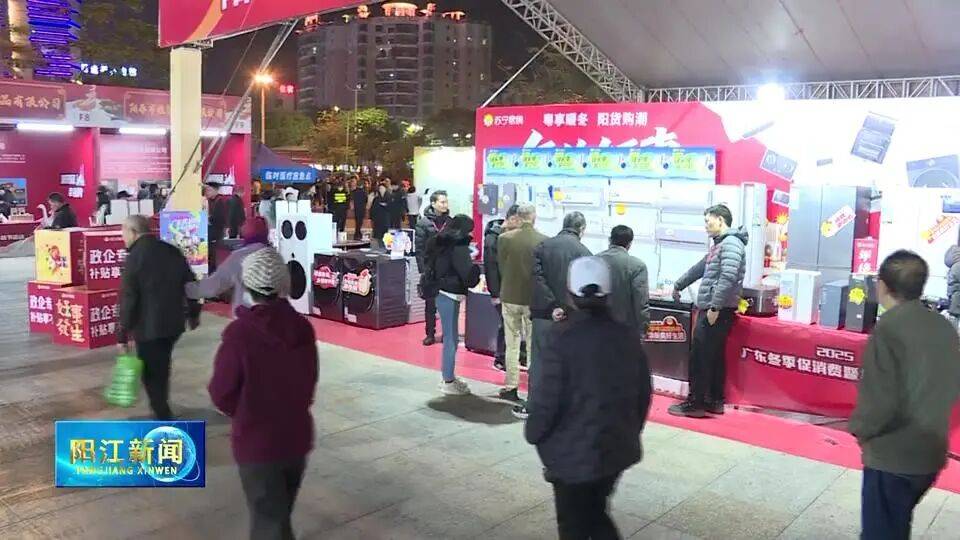
逛展、打卡、领券!2025广东冬季促消费暨年货节在阳江启动
Sou Hu Cai Jing· 2025-12-27 18:12
Group 1 - The event "2025 Guangdong Winter Consumption Promotion and New Year Goods Festival" was officially launched in Yangjiang, aiming to stimulate consumer activity across all 21 cities in Guangdong Province [1][2] - The theme of the event is "Cantonese New Year Goods, Enjoy Shopping in Lingnan," featuring five major promotional activities to enhance consumer engagement and integrate various sectors [1] - The Guangdong Provincial Department of Commerce announced the second phase of the "Guangdong Quality Purchase" initiative, set to begin on January 1, 2026, offering consumption vouchers across four categories, including automotive and electronic products, to boost quality consumption [1] Group 2 - The event is part of a broader strategy to implement the provincial consumption season, benefiting the public and signaling Guangdong's commitment to boosting consumption and stabilizing growth [2] - During the festival, Yangjiang will host a three-day "Cantonese Enjoyable Winter, Yang Goods Shopping Tide" event, featuring ten exhibition areas, including traditional food and smart home appliances [4] - The city will also release thematic maps for shopping, dining, and tourism, along with a selection of 20 representative local products to enhance the integration of local specialties with gift consumption [4]
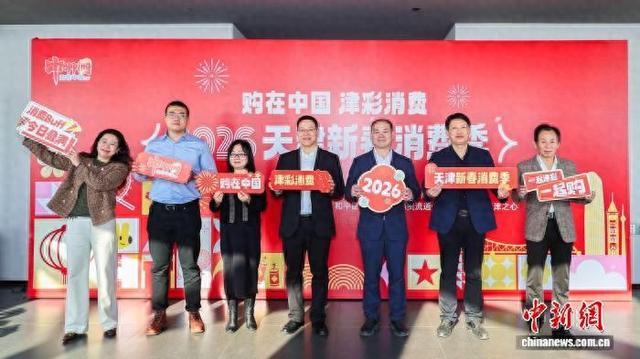
2026天津新春消费季:贯穿一季度,超1000场活动促消费
Sou Hu Cai Jing· 2025-12-27 15:52
Core Viewpoint - The Tianjin government has launched the "2026 New Spring Consumption Season" to stimulate consumer spending during the first quarter of 2026, focusing on key festive periods such as New Year's Day and the Spring Festival [1] Group 1: Event Overview - The consumption season is organized by the Tianjin Municipal Bureau of Commerce in collaboration with the Cultural and Tourism Bureau and the Sports Bureau [1] - The event will feature over 1,000 promotional activities aimed at creating a vibrant consumer atmosphere [1] Group 2: Key Themes and Participation - The initiative will revolve around five major themes, designed to enhance various consumption segments [1] - Nearly 1,000 merchants are expected to participate in the activities, indicating strong local business engagement [1]
天津启动2026年新春消费季 将推出超千场促消费活动
Xin Lang Cai Jing· 2025-12-27 13:33
Core Viewpoint - Tianjin is launching the "Buy in China, Colorful Consumption" 2026 New Spring Consumption Season to stimulate consumer spending, focusing on various sectors including shopping, food, tourism, and performances [1][3]. Group 1: Event Overview - The event is organized by Tianjin's Commerce Bureau in collaboration with the Culture and Tourism Bureau and the Sports Bureau, aiming to enhance the city's consumer landscape and build an international consumption center [3]. - The consumption season will run through the first quarter of 2026, targeting key dates such as New Year's Day, the Spring Festival, and the Lantern Festival [3]. Group 2: Activities and Themes - The "Welcoming Spring, Renewing Color" theme will feature over 300 promotional activities that highlight local cultural characteristics [4]. - The "Buying New Year Goods, Experiencing Tianjin Charm" theme will include more than 200 activities focused on traditional New Year shopping and family gatherings [4]. - The "Tasting Delicacies, Seeking Tianjin Flavors" theme will organize over 200 food-related promotional events to cater to festive dining needs [4]. - The "Enjoying Scenic Views, Touring Tianjin" theme will offer around 200 winter tourism activities to create a comprehensive winter consumption ecosystem [4]. - The "Playing in Snow, Enjoying Tianjin Fun" theme will involve about 100 activities at ski resorts and shopping districts to enhance winter sports consumption [4].
2025广东冬季促消费暨年货节在阳江启幕
Zhong Guo Xin Wen Wang· 2025-12-27 06:16
Core Viewpoint - The 2025 Guangdong Winter Consumption Promotion and New Year Goods Festival has been launched in Yangjiang, focusing on promoting local products and enhancing consumer experience during the festive season [1][2]. Group 1: Event Overview - The event is themed "Cantonese New Year Goods, Enjoy Lingnan" and features five main promotional activities: "Enjoy Cantonese Shopping," "Craftsmanship of Guangdong Products," "Fragrant Cantonese Flavors," "Exciting Cantonese Experiences," and "Quality Guangdong Tours" [1]. - The event aims to provide a one-stop shopping experience for consumers to purchase traditional Guangdong New Year goods and immerse themselves in local cultural festivities [2]. Group 2: Promotional Activities - The Guangdong Provincial Department of Commerce announced the launch of the "Guangdong Quality Purchase" campaign, which will begin its second phase on January 1, 2026, offering various consumer vouchers across four categories: automotive, home appliances, electronics, and local specialty products [2]. - The campaign will run until February 28, 2026, covering the peak consumption periods of New Year's Day and the Spring Festival [2]. Group 3: Local Initiatives - Yangjiang is leveraging this event to kick off its own series of activities, including "Moyang Products, Happy Shopping" and "Cantonese Enjoyable Winter, Yang Goods Shopping Wave," featuring shopping, food, and tourism maps highlighting local attractions and culinary specialties [2]. - The main venue for the event includes a New Year goods exhibition area, smart home appliance showcase, and a food carnival featuring local delicacies [3]. Group 4: Interactive Experiences - The event includes non-heritage performances and interactive experiences such as kite-making, lacquer art, paper-cutting, and tie-dyeing, along with live cooking demonstrations and free tastings at food stalls [3]. - Additionally, major e-commerce platforms are offering a dedicated section for "Moyang Products, Happy Shopping," allowing consumers to order local goods online [3].
稳中求进提质增效 实现“十五五”良好开局
Xin Lang Cai Jing· 2025-12-26 21:02
Group 1 - The core focus for the upcoming economic work in Shenyang is to maintain stability while pursuing progress, emphasizing "qualitative improvement and reasonable quantitative growth" [1] - The construction of a modern industrial system with Shenyang's unique advantages is a top priority, focusing on industrial upgrades and the transformation of old and new driving forces [2] - The city aims to enhance traditional industries like equipment manufacturing while also supporting strategic emerging industries such as aerospace, biomedicine, and new energy [2] Group 2 - Promoting consumption and expanding investment are identified as crucial engines for economic growth, requiring coordinated efforts to achieve breakthroughs [2] - Effective investment will focus on infrastructure, industrial upgrades, and social welfare, with an emphasis on high-quality projects to ensure early commencement and effectiveness [2] - Continuous reform is essential to stimulate internal motivation, with a focus on optimizing the business environment and reducing the cost of factor mobility [3] Group 3 - The city will implement targeted policies to enhance the business environment by comparing with the highest international and domestic standards [3] - The reform will prioritize state-owned enterprises and development zones, aiming to increase vitality and actual benefits through accountability measures [3] - The Shenyang municipal government emphasizes a proactive and results-oriented approach to implement the meeting's spirit and contribute to the modernization of Shenyang [3]