情绪消费

Search documents
尼尔森 IQ 中国区高级副总裁王斐:品牌要与消费者产生情绪呼应,Z世代是未来5年品牌发展的筹码丨WISE2025商业之王大会
3 6 Ke· 2025-12-04 07:57
Core Insights - The WISE 2025 Business King Conference aims to anchor the future of Chinese business amidst uncertainty, focusing on the transformation of commercial narratives and technological advancements [1] Group 1: Consumer Behavior Trends - The current macroeconomic environment has led to significant changes in consumer behavior, categorized into rational consumption, emotional consumption, and a middle ground termed the "vacuum zone" [3][8] - Rational consumption is the most easily identifiable and is likely to be compressed, with some shifting to long-term savings and education investments, while others transition to emotional consumption, highlighting the importance of emotional value [8][9] - Three major trends identified by Nielsen IQ include: the continued importance of brand influence, a shift from broad coverage to niche market penetration, and the necessity for brands to resonate emotionally with consumers [3][9] Group 2: Brand Evaluation Metrics - Nielsen IQ has developed new rankings based on 40 years of data, focusing on emotional consumption through three new lists assessing brands on existence value, functional value, and experiential value [4][10] - The influence ranking measures how brands are perceived and chosen, with key indicators including brand awareness, recommendation, favorability, premium pricing ability, and purchasing expenditure [11][12] - The growth ranking for fast-moving consumer goods (FMCG) emphasizes willingness to pay more, while for durable goods, high favorability and recommendation are crucial for achieving top positions [13][14] Group 3: Cultural Resonance and Loyalty - Cultural resonance is vital for brands to connect emotionally with consumers, especially in FMCG where differentiation is challenging [14][15] - User loyalty strategies differ between FMCG and durable goods, with FMCG relying on media exposure to enhance brand loyalty, while durable goods require a broader engagement across product categories [16][17] - Gen-Z is identified as a key demographic for brand growth over the next five years, necessitating targeted communication strategies to align with their values and preferences [10][18] Group 4: Overall Brand Performance - Successful brands exhibit strong influence as a foundational element, with loyalty serving as a protective moat for durable goods, while FMCG brands leverage media to maintain loyalty [15][16] - Many classic brands are undergoing a youth-oriented transformation to appeal to Gen-Z consumers [17] - Cultural resonance is highlighted as a critical factor for brands to navigate economic cycles, emphasizing the need for emotional connections with consumers [18]


开源证券:情绪消费时代 关注高端黄金和时尚黄金品牌
Di Yi Cai Jing· 2025-12-04 00:18
(文章来源:第一财经) 开源证券指出,黄金珠宝行业核心逻辑已发生深刻变化:金价高涨、婚庆下滑,传统渠道品牌竞争力削 弱,同时情绪消费兴起叠加社媒传播助力,部分具备差异化产品力和消费者洞察力的新兴产品型品牌崛 起,在爆款打造、终端销售和加盟商开店等多维度验证竞争优势,品牌势能亦持续提升。建议关注高端 中式黄金和年轻时尚黄金等细分赛道机会,看好具备差异化产品力和消费者洞察力的黄金珠宝品牌。 ...
开源证券:情绪消费时代,关注高端黄金和时尚黄金品牌
Mei Ri Jing Ji Xin Wen· 2025-12-04 00:09
每经AI快讯,开源证券研报指出,黄金珠宝行业核心逻辑已发生深刻变化:金价高涨、婚庆下滑,传 统渠道品牌竞争力削弱,同时情绪消费兴起叠加社媒传播助力,部分具备差异化产品力和消费者洞察力 的新兴产品型品牌崛起,在爆款打造、终端销售和加盟商开店等多维度验证竞争优势,品牌势能亦持续 提升。建议关注高端中式黄金和年轻时尚黄金等细分赛道机会,看好具备差异化产品力和消费者洞察力 的黄金珠宝品牌。 ...
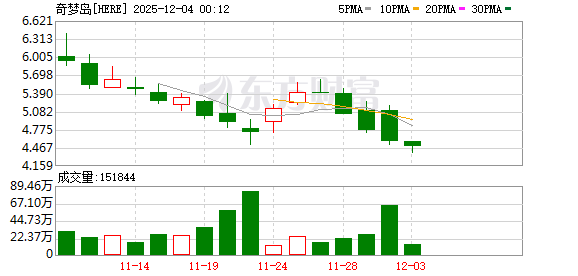
奇梦岛核心经营指标全面向好
Zheng Quan Ri Bao· 2025-12-03 16:13
Core Insights - Qimengdao Group reported a significant revenue increase of 93.3% in its潮玩 (trendy toy) business, achieving 127.1 million yuan in Q1 of FY2026 [2][3] - The company has successfully transformed its focus to the潮玩 sector, capitalizing on the current market dynamics characterized by demand upgrades and ecosystem expansion [2][3] Financial Performance - For the quarter ending September 30, Qimengdao's revenue from its key IPs included 89.73 million yuan from WAKUKU and 20.76 million yuan from ZIYULI, contributing to overall performance [3] - The company anticipates further revenue growth, projecting Q2 revenues between 150 million and 160 million yuan [4] Market Position and Strategy - Qimengdao has established a diverse IP portfolio, including 11 proprietary IPs and several exclusive and non-exclusive licensed IPs, enhancing its market presence [3] - The company is leveraging its supply chain efficiency, with a significant increase in production capacity, achieving over 1 million plush blind boxes in August alone, a 20-fold increase from earlier in the year [3] Industry Context - The潮玩 market is evolving into a phase of strong IP operation and comprehensive ecosystem competition, presenting both opportunities and challenges for new entrants [4][5] - Competitors like Pop Mart and Kayo are setting high revenue benchmarks, with Pop Mart projected to reach 13.04 billion yuan in 2024, indicating a competitive landscape [6] Future Outlook - Qimengdao's chairman emphasized the company's strategic focus on潮玩 and its dual-engine growth strategy of IP development and multi-channel expansion, which is expected to solidify its competitive edge [7] - The company possesses over 1 billion yuan in cash reserves, providing a strong foundation for supply chain expansion and strategic investments [6][7]
商贸零售行业点评报告:医美化妆品11月月报:美丽田园收购思妍丽100%股权,双十一大促落幕美妆表现亮眼-20251203
KAIYUAN SECURITIES· 2025-12-03 14:45
Investment Rating - The investment rating for the industry is "Positive" (maintained) [1] Core Insights - The report highlights the acquisition of 100% equity of Siyuanli by Meili Tianyuan for 1.25 billion RMB, which consolidates the top three brands in the Chinese beauty service industry, enhancing market share and competitive positioning [8][37] - The Double Eleven shopping festival saw a total e-commerce sales of 1.695 trillion RMB, a 14.2% increase from 2024, with beauty products generating 132.5 billion RMB in sales [9][41] - The report emphasizes the trend of "emotional consumption" driving growth in high-quality companies within the medical beauty and cosmetics sectors [10][66] Summary by Sections Medical Beauty - Meili Tianyuan's acquisition of Siyuanli aims to create a "triple strong alliance" in the high-end beauty market, with a projected market share increase in 20 major cities [8][37] - The report recommends focusing on upstream medical beauty product manufacturers and expanding chain medical beauty institutions, highlighting companies like Aimeike and Kedi-B as key investment targets [10][66] Cosmetics - The Double Eleven sales performance was strong, with beauty products leading the way, particularly domestic brands like Proya and Han Shu, which dominated sales across multiple platforms [9][41][48] - The report identifies a shift towards high-priced and multifunctional skincare products, with a significant increase in sales for premium beauty items during the festival [57][66] Investment Recommendations - The report suggests investing in companies that cater to emotional value and innovative safe ingredients, particularly domestic brands like Proya, Shangmei, and Marumi, which are expected to continue their growth trajectory [10][66] - It also highlights the importance of integrating AI technology into e-commerce platforms to enhance consumer experience and operational efficiency [62][66]

开源晨会-20251203
KAIYUAN SECURITIES· 2025-12-03 14:44
Group 1: Wind Power Industry - The domestic wind power demand is stable, driven by the "dual carbon" goals and the 2035 plan for 360 GW of installed capacity, with a projected addition of 86.99 GW in 2024 and a total of 272.1 GW from 2021 to 2024, significantly higher than the 145.5 GW added during the 13th Five-Year Plan period [7][8][9] - The "15th Five-Year Plan" aims for annual new installed capacity of no less than 120 GW, with offshore wind power expected to contribute at least 15 GW annually, indicating a robust growth trajectory for the wind power sector [7][8] - The industry is recovering from price wars, with a 9% increase in the average bid price for onshore wind projects in 2025 compared to 2024, suggesting improved profitability for wind turbine manufacturers [9] Group 2: Retail Industry - The retail sector is slowly recovering in 2025, with segments like high-end gold and fashion jewelry experiencing higher demand due to rising gold prices, while cosmetics and medical aesthetics face intense competition [13][15] - "Emotional consumption" is identified as a key driver of market dynamics, with a focus on brands that can leverage consumer insights and differentiate their products [13][15] - Investment strategies should prioritize high-quality segments with both short-term recovery potential and long-term growth prospects, emphasizing companies with competitive advantages and brand strength [13][15] Group 3: Coal Mining Industry - Yongtai Energy's Hai Zetan coal mine project is progressing ahead of schedule, with plans to repurchase shares worth 300-500 million yuan for cancellation, signaling confidence in long-term growth [20][21][22] - The Hai Zetan project has significant resource advantages, with reserves of 1.145 billion tons and a planned production capacity of 6 million tons per year, expected to reach 10 million tons annually upon completion [21][22] - The company maintains profit forecasts for 2025-2027, projecting net profits of 580 million, 1.05 billion, and 1.47 billion yuan, respectively, with a corresponding EPS of 0.03, 0.05, and 0.07 yuan [20][21] Group 4: Chemical Industry - Wankai New Materials is advancing its rPET and oxalic acid projects, which are expected to drive diversified growth, maintaining a "buy" rating [5][23] - The rPET project, in collaboration with Carbios, aims for an initial capacity of 50,000 tons, with a total investment of approximately 922 million yuan, showcasing strong partnership commitment [23][24] - The oxalic acid project, utilizing low-cost natural gas, aims to establish a production capacity of 100,000 tons, enhancing the company's competitive edge in the market [24]

均价40元的捏捏,凭什么让年轻人一年剁手上万?
3 6 Ke· 2025-12-02 04:19
Core Insights - The rise of "handmade squishies" as a new stress-relief toy reflects a growing trend among young consumers seeking emotional value and creative expression [1][2][19] - The market for handmade squishies has seen significant engagement, with over 5.4 billion views on the topic on Xiaohongshu and more than 3 million related products available [2][19] - The handmade squishy market is characterized by diverse consumer motivations, with some valuing the tactile experience and others seeking community and unique designs [4][7][19] Consumer Behavior - Young consumers, such as "Kiki," initially engage with handmade squishies for their stress-relief properties but later find deeper emotional satisfaction through creation and sharing [4][5] - Another consumer, "Little Fish," emphasizes the importance of community and unique designs, willing to pay higher prices for distinctive pieces [7][19] - The purchasing behavior of consumers shows a preference for cost-effective options, with 90% of buyers opting for products priced at 83 yuan or below [15] Market Dynamics - The handmade squishy market is experiencing a shift, with increased competition from mass-produced alternatives affecting small creators [11][19] - The pricing structure ranges from a few yuan to hundreds, with some popular items even reaching thousands on second-hand platforms, indicating a clear product tiering [15] - Despite the high demand, many creators struggle to achieve significant profits due to the price sensitivity of consumers and the costs associated with production [15][19] Creator Insights - The creation process for handmade squishies is time-intensive, requiring careful selection of materials and design, which can take several hours to days [8][10] - Successful creators, like "Butterfly Crisp," emphasize the importance of unique designs and effective brand management to sustain their businesses [13][19] - The potential for growth in the handmade squishy market lies in brand building and expanding into experiential offerings, such as workshops and collaborations [19]

轻工制造及纺服服饰行业周报:六部门联合印发促消费方案,关注轻纺板块4条投资主线-20251201
ZHONGTAI SECURITIES· 2025-12-01 11:33
Investment Rating - The report maintains a "Buy" rating for key companies in the light industry and textile sector, indicating a positive outlook for their stock performance in the coming months [4][6][11]. Core Insights - The report highlights the recent joint issuance of a consumption promotion plan by six government departments, focusing on enhancing supply-demand matching in consumer goods, which is expected to benefit the light textile sector [6][7]. - Four main investment themes are identified: emotional consumption, intelligent consumer goods, brand apparel, and manufacturing upgrades, each presenting unique opportunities for growth [6][7][8]. Summary by Relevant Sections Market Overview - The light industry index increased by 4.17%, ranking 5th among 28 industries, while the textile and apparel index rose by 2.75%, ranking 16th [6][11]. - Key sub-sectors within the light industry showed positive performance, with packaging printing up by 5.46% and cultural products by 4.81% [6][11]. Investment Themes 1. **Emotional Consumption**: The report emphasizes the importance of IP-driven products in creating demand, particularly in the cultural and pet economy sectors [6][7]. 2. **Intelligent Consumer Goods**: The ongoing advancements in AI and related standards are expected to drive the adoption of smart consumer products, with a focus on AI glasses and smart home products [6][7]. 3. **Brand Apparel**: The report notes a favorable environment for domestic brands due to increased recognition and innovation in consumer experiences [6][7]. 4. **Manufacturing Upgrades**: There is a focus on new textile materials and environmentally friendly products, highlighting companies with strong R&D capabilities [6][7]. Key Company Recommendations - Companies such as Bubble Mart and Morning Glory are highlighted for their strong growth potential and innovative capabilities in the emotional consumption and cultural product sectors [6][7]. - In the home furnishings sector, companies like Kuka Home and Xilinmen are recommended due to their robust e-commerce performance [6][7]. - For brand apparel, companies like Anta Sports and Li Ning are noted for their potential in functional footwear and apparel [6][7]. Raw Material Trends - The report tracks fluctuations in raw material prices, noting recent increases in cotton prices and stable pricing in certain paper products, which may impact production costs [19][22][39].
鹏扬基金吴西燕:在稳健与创新之间寻找平衡
Shang Hai Zheng Quan Bao· 2025-11-30 14:10
Core Viewpoint - The investment strategy should balance policy guidance and industry fundamentals, with a focus on high-end manufacturing globalization, new consumption, and innovative pharmaceuticals as long-term growth drivers [1][5]. Group 1: Consumer Market Insights - The consumer market is expected to have strong confidence and growth momentum due to policy support, but brand promotion must align with positioning to avoid blind cross-industry ventures [2]. - Brand building plays a crucial role in boosting consumer confidence and expanding domestic demand, requiring careful maintenance and alignment with appropriate channels [2]. - The sectors of "new consumption" and "emotional consumption" are viewed positively for their growth potential as policy plans continue to be implemented [2]. Group 2: Traditional Industries - Traditional industries like kitchen appliances and automotive lighting have investment value due to improved industry structure and efficiency, despite being affected by cyclical factors [2]. - The kitchen appliance sector, while growing slowly and constrained by the real estate cycle, benefits from a favorable competitive landscape leading to high return on equity (ROE) [2]. - The automotive lighting industry is experiencing growth driven by the upgrade of new energy vehicles, with increased unit value and profit margins due to early investments in the sector [3]. Group 3: Investment Strategy - The current market preference for high-growth sectors and the pressure on blue-chip stock valuations highlight the risks associated with chasing hot themes [4]. - A solution proposed is to identify long-term growth potential through in-depth research and invest when there is a perceived safety margin in stock prices [4]. - In a market environment dominated by quantitative strategies, active management investors should focus on solid companies with sustainable performance to endure long-term [4]. Group 4: Future Outlook - Three key areas are highlighted for future investment: globalization of high-end manufacturing, emerging consumer products, and innovative pharmaceuticals [5]. - High-end manufacturing is expected to gain investment value as Chinese companies enhance their global competitiveness through a complete domestic supply chain and ongoing technological upgrades [5]. - Emerging consumer products are projected to maintain a growth advantage within the overall consumer sector, presenting investment opportunities [5]. - Despite recent adjustments, the long-term logic for innovative pharmaceuticals remains strong, supported by robust internal demand and upcoming clinical data releases from representative companies [5].
商贸零售行业周报:品牌建设+科技美学,谱写国货美妆增长答案-20251130
KAIYUAN SECURITIES· 2025-11-30 07:11
Investment Rating - The investment rating for the retail industry is "Positive" (maintained) [1] Core Views - The retail industry is experiencing a shift towards quality growth and long-term strategies, moving away from reliance on traffic bonuses [25][26] - The industry is focusing on emotional consumption themes, with high-quality companies in sectors like gold jewelry, offline retail, cosmetics, and medical aesthetics being highlighted as investment opportunities [5][29][30] Summary by Sections Retail Market Review - The retail industry index rose by 3.45% during the week of November 24-28, 2025, outperforming the Shanghai Composite Index by 2.05 percentage points [4][13] - The multi-format retail sector showed the highest growth this week, with a 6.18% increase, while the jewelry sector led the year-to-date performance with a 22.11% increase [18][19] Retail Insights: Brand Building and Technological Aesthetics - The 2025 Cosmetics Annual Conference highlighted the importance of brand building and technological aesthetics for domestic beauty brands to achieve growth [25][26] - Companies like Shiseido and Shanghai Jahwa are focusing on quality and profitability, while Elysian Group is transitioning from operational to technological drivers [26][27] Investment Recommendations - **Gold Jewelry**: Focus on brands with differentiated product offerings and consumer insights, recommending companies like Chow Tai Fook and Lao Pu Gold [5][29] - **Offline Retail**: Highlighting companies adapting to trends and exploring AI-enabled cross-border e-commerce, with recommendations for Yonghui Supermarket and Aiyingshi [5][30] - **Cosmetics**: Emphasizing brands that meet emotional value and safety innovation, recommending companies like Maogeping and Proya [5][30] - **Medical Aesthetics**: Targeting differentiated product manufacturers and expanding medical chains, recommending companies like Aimeike and Kedi-B [5][30] Company-Specific Insights - **Chow Tai Fook**: Achieved revenue of HKD 38.986 billion in FY2026H1, with a slight decline in revenue but a stable profit margin [36][37] - **潮宏基 (Chao Hong Ji)**: Reported a revenue increase of 28.4% in Q1-Q3 2025, with a strong performance in Q3 [39][40] - **永辉超市 (Yonghui Supermarket)**: Experienced a revenue decline of 22.2% in Q1-Q3 2025, but is undergoing a transformation towards quality retail [43][44]