
实体经济

Search documents
总书记的关切·落地的回响 | 守好实体经济这个根基
Ren Min Ri Bao· 2025-10-21 02:53
Group 1 - The importance of developing the real economy is emphasized as a strategic choice for a large country like China, focusing on industrial modernization and manufacturing improvement [1][2][3] - The Luoyang Bearing Group has successfully increased its high-end bearing output to account for 70% of its total production, showcasing the effectiveness of focusing on real industry [1] - The transformation of Yangquan Valve Company, which has embraced technological innovation, reflects the historical evolution of national industry and the necessity of maintaining a strong real economy [1] Group 2 - The steel industry, particularly the development of "hand-tear steel," illustrates the commitment to innovation and quality, with thickness reduced from 0.02mm to 0.015mm [4] - Companies are encouraged to focus on their core business and avoid distractions from capital operations, as seen in the textile and footwear industries in Fujian [5] - Innovation is highlighted as a core competitive advantage, with companies like XCMG and LiuGong leading in engineering machinery through groundbreaking products [6][7] Group 3 - The manufacturing sector is identified as a critical component of the real economy, with China's industrial output increasing from 31.3 trillion yuan to 40.5 trillion yuan during the 14th Five-Year Plan [8] - China has over 63 million enterprises, including 504,000 high-tech firms and 14,000 specialized small and medium-sized enterprises, indicating a robust and resilient real economy [8] - China's contribution to global manufacturing growth exceeds 30%, and it remains the largest automobile exporter, enhancing its international industrial competitiveness [8]
多元化视角看社会融资规模
Sou Hu Cai Jing· 2025-10-20 22:53
Group 1 - The social financing scale increment in China for the first three quarters of this year reached 30.09 trillion yuan, an increase of 4.42 trillion yuan compared to the same period last year, indicating strong support for economic recovery and a moderately loose monetary policy [1] - The financing structure has improved, with government and corporate bond financing accounting for 43% of the social financing scale increment, while the proportion of RMB loans to the real economy has decreased to 48%, showing a shift towards more diversified financing channels [1] - Banks play a crucial role in credit issuance and are also major participants in bond investments, holding about 25% of their assets in bonds, with approximately 70% of government bonds and 20% of corporate credit bonds held by banks [1] Group 2 - The total social financing scale in China exceeds 430 trillion yuan, with broad money (M2) at over 330 trillion yuan, indicating a substantial funding capacity to meet the financing needs of the real economy [2] - The current macroeconomic environment is characterized by insufficient demand, low inflation, and low interest rates, suggesting that future financial impacts on the real economy will primarily occur through interest rate pathways [2] - There is a need to address structural imbalances in demand, particularly the over-investment and under-consumption issues, which require a shift in fiscal spending from investment-focused to improving livelihoods [2] Group 3 - The redistribution system needs further improvement, with a focus on coordinating initial distribution, redistribution, and third distribution systems, enhancing the regulatory effects of taxes, social security, and transfer payments [3] - The macro policy direction has shifted towards benefiting people's livelihoods and promoting consumption, with future fiscal spending expected to prioritize social welfare issues such as elderly care, healthcare, education, and housing security [3] - These measures aim to promote social equity while improving economic circulation, which is beneficial for balancing demand and supply [3]
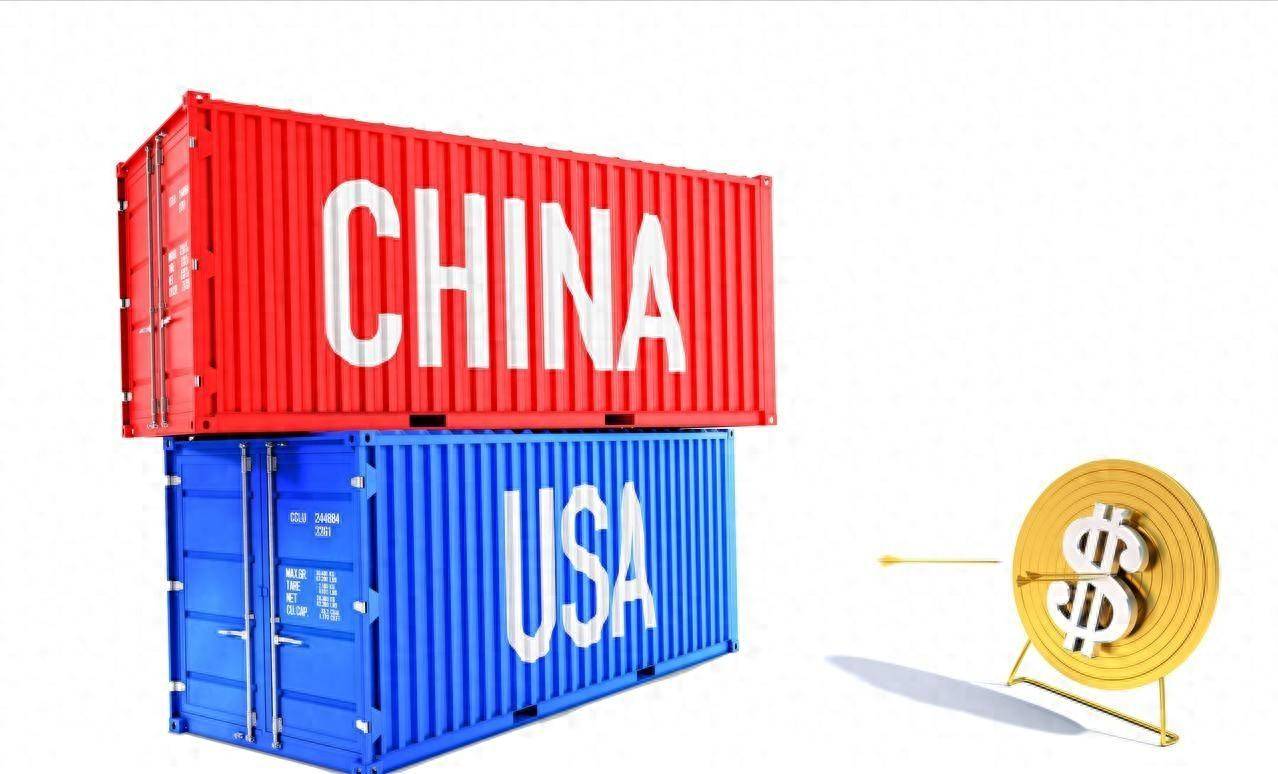
再次超越美国,中国GDP40万亿全球第一,比美国还多10万亿
Sou Hu Cai Jing· 2025-10-20 13:28
Group 1 - The International Monetary Fund's latest prediction indicates that China's GDP will exceed $40 trillion this year, making it the world's largest economy, while the U.S. GDP stands at $30.51 trillion [2] - The concept of Purchasing Power Parity (PPP) is used to eliminate the effects of currency fluctuations and price levels, providing a clearer picture of a country's actual production capacity and consumer purchasing power [4] - China's economy is heavily rooted in substantial and complete industrial sectors, with significant contributions in steel (over 60% of global production), cement (50%), and home appliances (30%) [6] Group 2 - The PPP method reveals a new global economic landscape, with China and the U.S. together accounting for over one-third of the global economy, while emerging economies like India, Russia, and Indonesia are rising in prominence [8][10] - By 2025, Asia's GDP is expected to account for 48.6% of the global economy, indicating a shift in economic growth towards the East [10] - China's semiconductor market is projected to exceed $180 billion, capturing 30% of the global market, showcasing its technological self-reliance [12] Group 3 - Trade with countries along the Belt and Road Initiative has reached 42.2% of China's total foreign trade, with significant growth in exports to ASEAN, the Middle East, and Africa [14] - The U.S. faces structural challenges, including a national debt exceeding $37 trillion and rising inflation, which is eroding consumer purchasing power [16] - The PPP forecast for 2025 signifies a shift towards a development model that emphasizes the connection between economic growth and improvements in living standards [18][20]

在接续奋斗中谱写中国式现代化新篇章
Xin Hua Wang· 2025-10-20 06:20
Group 1 - The "14th Five-Year Plan" is nearing completion, with the upcoming "15th Five-Year Plan" set to address the historical positioning of the party and the nation, analyzing complex changes in the development environment and making strategic plans for the next five years [1][2] - The "14th Five-Year Plan" period has seen significant economic achievements, with China's GDP expected to reach approximately 140 trillion yuan this year, contributing around 30% to global economic growth [3][4] - The period has also marked advancements in innovation, with China ranking among the top ten in the global innovation index and making strides in various high-tech fields [3][4] Group 2 - The "15th Five-Year Plan" is crucial for solidifying the foundation for socialist modernization, with a focus on high-quality development amidst complex strategic opportunities and challenges [4][5] - The leadership of the Communist Party is emphasized as essential for navigating the development of the world's second-largest economy, ensuring sustained and healthy economic growth [5][6] - The plan aims to prioritize people-centered development, addressing urgent issues faced by the populace and ensuring that modernization benefits all citizens [6][7] Group 3 - The integration of development and security is highlighted as a dual focus for the "15th Five-Year Plan," with an emphasis on preparing for new risks and challenges in a rapidly changing global landscape [8] - The overarching goal remains the realization of the great rejuvenation of the Chinese nation, with a commitment to continuous progress in building a modern socialist country [9]
回望“十四五”,想起总书记这句话丨经济发展取得新成效 “要守牢实体经济这个根基”
Ren Min Ri Bao· 2025-10-20 02:37
Group 1 - The core direction for Jilin City's development is to strengthen the foundation of the real economy, promote the transformation of traditional industries, enhance advantageous industries, and cultivate new productive forces [1][2] - Jilin City is focusing on the transformation and upgrading of traditional industries, with significant investments such as the 33.9 billion yuan project by PetroChina Jilin Petrochemical, which aims to transition from refining to chemicals and high-end materials [2][3] - The steel industry in Jilin City is undergoing a shift from "incremental development" to "reduction and optimization," with companies like Jilin Jianlong Steel receiving support for digital transformation and intelligent upgrades [3][5] Group 2 - Jilin City is actively fostering new industries by emphasizing independent innovation, with a focus on converting scientific achievements into practical applications, resulting in 206 local technology transformations and a 22.9% increase in technology contract transaction volume [6] - The first International Conference on Urban Low-altitude Transportation was held in Jilin City, highlighting the interest in carbon fiber cooperation, particularly from Jilin Chemical Fiber Group, which is expanding its market through partnerships with low-altitude economy enterprises [6] - Since the 14th Five-Year Plan, China's industrial added value has increased from 31.3 trillion yuan to 40.5 trillion yuan, showcasing the country's manufacturing strength and the importance of the real economy as a pillar of national prosperity [6]


区块链+实体经济:一场颠覆性的商业革命正在上演?
Sou Hu Cai Jing· 2025-10-20 00:02
Core Viewpoint - Blockchain technology is increasingly penetrating the real economy, potentially leading to unprecedented business transformations [1] Group 1: Blockchain in Supply Chain and Finance - Blockchain enables traceability in supply chains, allowing consumers to access detailed information about products, such as their origin and processing history [3] - In supply chain finance, blockchain addresses information asymmetry, facilitating transparent and traceable transactions that enhance financing opportunities for small and medium-sized enterprises [3] Group 2: Collaborative Ecosystem Development - The construction of a blockchain-based digital commerce ecosystem involves collaboration among governments, enterprises, and technology providers, with local governments promoting blockchain industry development [4] - Leading enterprises are forming industry alliances, while technology companies provide foundational support for blockchain applications [4] Group 3: Efficiency Gains in Trade - A blockchain-based cross-border trade service platform in the Yangtze River Delta has significantly reduced customs clearance time from several days to just a few hours, lowering operational costs for businesses [6] Group 4: Challenges in Integration - Despite the promising outlook, challenges such as lack of unified technical standards, fragmented application scenarios, and insufficient talent remain significant barriers to deep integration of blockchain with the real economy [7] - Real-world applications, such as agricultural traceability, face difficulties due to limited information technology capabilities among farmers, highlighting the need for technology to align closely with industry realities [7] Group 5: Future Outlook - While blockchain is not a panacea, its absence could hinder future developments; the maturation of the blockchain-based digital commerce ecosystem may lead to innovative combinations like "blockchain + agriculture" and "blockchain + logistics" [9] - The direction is clear: technology must serve the real economy and create tangible value [9]

经济发展取得新成效 “要守牢实体经济这个根基”
Ren Min Ri Bao· 2025-10-19 22:16
Group 1 - The core message emphasizes the importance of maintaining a strong real economy while promoting the transformation of traditional industries and the cultivation of new productive forces in Jilin Province [1][2] - Jilin City, historically an industrial hub, faces challenges due to its heavy reliance on traditional industries and competition issues, but is now focusing on high-quality development through innovation and enterprise support [2][3] - The transformation project by PetroChina Jilin Petrochemical, with a total investment of 33.9 billion, aims to shift from refining to chemicals and high-end materials, marking a significant step in the city's industrial upgrade [2][3] Group 2 - Traditional industries in Jilin City are undergoing upgrades to foster new productive forces, with a focus on revitalizing older enterprises through digital and intelligent transformations [3][4] - Jilin Jianlong Steel is adapting to the steel industry's shift from growth to optimization, utilizing expert consultations and funding for digital transformation, resulting in a 17.1% increase in hot-rolling efficiency [3] - Jilin City is actively promoting innovation by aligning technology transfer with enterprise needs, achieving 206 local technology transfers and a 22.9% increase in technology contract transaction value this year [4]
新增170万亿元!金融“活水”激发实体经济活力
Xin Hua She· 2025-10-19 05:06
Core Insights - The total new funding provided by China's banking and insurance sectors to the real economy over the past five years amounts to 170 trillion yuan [1] - During the "14th Five-Year Plan" period, continuous financial support has invigorated the Chinese economy [2] Financial Overview - The total social financing stock in China exceeds 430 trillion yuan, with broad money (M2) balance over 330 trillion yuan and RMB loan balance over 270 trillion yuan, indicating stable and sustained financial support for economic growth [3] - Loans in key areas of the financial "five major articles" account for about 70% of total loans, with infrastructure loan balances increasing by 62% compared to the end of the "13th Five-Year Plan" [3] Sector-Specific Developments - High-tech enterprise loans and loans to technology-based SMEs have an average annual growth rate exceeding 20%, while research and technology loans have an average annual growth rate of 27.2% [4] - By the end of June, the balance of loans to inclusive micro and small enterprises reached 36 trillion yuan, 2.3 times that of the end of the "13th Five-Year Plan" [4] - The balance of loans in the wholesale, retail, accommodation, and catering sectors has grown by 80% since the beginning of the "14th Five-Year Plan" [4] Financial Resilience - The total assets of China's banking and insurance sectors exceed 500 trillion yuan, with stock and bond market sizes ranking second in the world, enhancing the resilience and foundation to face various challenges [5] - Expectations for financial services have increased, focusing on higher quality, sustainability, and warmth [5] Future Outlook - Financial service efficiency continues to improve, with financial "活水" (vitality) accelerating to inject life and vigor into the Chinese economy [6]
新华鲜报·“十四五”亮点 | 新增170万亿元!金融“活水”激发实体经济活力
Xin Hua She· 2025-10-19 00:57
Core Insights - The total new funding provided by China's banking and insurance sectors to the real economy over the past five years amounts to 170 trillion yuan [1] - Continuous financial support has invigorated the Chinese economy during the "14th Five-Year Plan" period [2] Financial Overview - The total social financing stock in China exceeds 430 trillion yuan, with broad money (M2) balance over 330 trillion yuan and RMB loan balance over 270 trillion yuan, indicating stable and sustained financial support for economic growth [3] - Loans in key financial sectors account for approximately 70% of total loans, with infrastructure loans increasing by 62% compared to the end of the "13th Five-Year Plan," supporting 102 major projects outlined in the "14th Five-Year Plan" [3] Sector-Specific Developments - High-tech enterprise loans and loans to technology-based SMEs have an average annual growth rate exceeding 20%, while research and technology loans have an average annual growth rate of 27.2% [4] - By mid-June, the balance of loans to inclusive micro and small enterprises reached 36 trillion yuan, 2.3 times that of the end of the "13th Five-Year Plan" [4] - The loan balance for the wholesale, retail, accommodation, and catering sectors has grown by 80% since the beginning of the "14th Five-Year Plan" [4] Financial Resilience - The total assets of China's banking and insurance sectors exceed 500 trillion yuan, with stock and bond market sizes ranking second in the world, enhancing the sector's resilience and capacity to meet challenges [5] - There is an increasing expectation for higher quality, more sustainable, and warmer financial services from the public [5] Future Outlook - Financial service efficiency continues to improve, with financial resources rapidly flowing into the economy, injecting vitality and energy into China's economic landscape [6]
“十四五”亮点丨新增170万亿元!金融“活水”激发实体经济活力
Xin Hua She· 2025-10-19 00:49
Core Insights - The total new funding provided by China's banking and insurance sectors to the real economy over the past five years amounts to 170 trillion yuan [1] - During the "14th Five-Year Plan" period, continuous financial support has invigorated the vitality of the Chinese economy [2] Financial Overview - The total social financing stock in China exceeds 430 trillion yuan, with broad money (M2) balance over 330 trillion yuan and RMB loan balance over 270 trillion yuan, indicating reasonable growth in financial totals [3] - Infrastructure loan balance has increased by 62% compared to the end of the "13th Five-Year Plan," providing ample funding for 102 major projects outlined in the "14th Five-Year Plan" [3] Sectoral Insights - High-tech enterprise loans and loans to technology-based SMEs have seen an average annual growth rate exceeding 20%, with research and technology loans growing at an average annual rate of 27.2% [4] - By the end of June, the balance of loans to inclusive micro and small enterprises reached 36 trillion yuan, 2.3 times that of the end of the "13th Five-Year Plan" [4] - The loan balance for the wholesale, retail, accommodation, and catering sectors has grown by 80% since the beginning of the "14th Five-Year Plan" [4] Financial Resilience - The total assets of China's banking and insurance sectors have surpassed 500 trillion yuan, with stock and bond market sizes ranking second in the world, enhancing the resilience and strength of the financial system [5] - Expectations for financial services have increased, focusing on higher quality, sustainability, and warmth [5] Future Outlook - Financial service efficiency continues to improve, with financial "活水" (vitality) accelerating to inject life and vigor into the Chinese economy [6]