
科技成果转化

Search documents
周红波到在宁高校调研科技成果转化工作
Nan Jing Ri Bao· 2025-12-17 02:36
Group 1 - The core message emphasizes the importance of integrating education, technology, and talent development to support the construction of a modern industrial system in Nanjing [1] - Nanjing Agricultural University is recognized for its contributions to national food security and high-quality agricultural development, focusing on key areas such as crop variety cultivation and pest management [1] - The city aims to enhance agricultural innovation by fostering collaboration between universities and local enterprises, particularly in fields like smart agriculture and ecological agriculture [1] Group 2 - Nanjing University of Information Science and Technology is accelerating the development of its "Meteorology+" and "Information+" disciplines, which are closely linked to local industrial development and public welfare [2] - The university is encouraged to strengthen cooperation with the Jiangbei New Area and relevant research platforms to promote the industrialization of advanced technology [2] - The city plans to optimize its open innovation ecosystem and deepen collaboration among government, industry, academia, and research institutions to foster independent technological innovation and talent development [2]
新一轮发展周期开启,中国经济如何谋划稳与进?
Zhong Guo Xin Wen Wang· 2025-12-16 13:40
在中国新闻社16日主办的"国是论坛:2025年会"上,与会专家围绕"破界与共生:创新激活中国式现代 化"展开讨论,从就业结构、创新机制到产业机遇,共同探寻经济持续向好的现实路径。 十四届全国政协委员、新希望集团董事长刘永好指出,稳定就业可以有三种形态:传统就业要稳,新质 就业要扩,灵活就业要活。 传统就业要稳,传统制造业仍然是解决就业最重要的领域。新质就业要扩,科技型企业成长很快,要延 长科技产业链,在上下游增加就业机会。灵活就业要活,建议出台适度宽松政策支持灵活就业,同时建 立相应社会保障体系。 中新网北京12月16日电 (冯玲玲)2026年,"十五五"规划即将启程,中国经济站在新一轮发展起点。面对 内外环境变化,如何培育增长新动能、高质量推进中国式现代化,成为关键议题。 长三角国家技术创新中心主任刘庆表示,科技创新和产业创新的深度融合被称为科技成果转化的"死亡 之谷"。"研发作为产业,技术作为商品",长三角国家技术创新中心以此为理念,开始解题之路。 刘永好认为,要积极应对经济从"高增长"到"高质量发展"的转型,企业面临天时、地利、人和。 "天时",即党和政府非常关心民营企业发展,出台了鼓励、支持、推动民营 ...
华昌达(300278.SZ)与上海交大上海智能制造研究院、上海智能制造功能平台达成战略合作
智通财经网· 2025-12-16 10:57
Core Viewpoint - Huachangda (300278.SZ) has signed a Strategic Cooperation Framework Agreement with Shanghai Jiao Tong University’s Shanghai Intelligent Manufacturing Research Institute and Shanghai Intelligent Manufacturing Functional Platform Co., Ltd. to establish a deep integration of industry, academia, and research [1] Group 1: Strategic Cooperation - The three parties aim to build an innovative system focusing on key areas such as robotic automation technology solutions, embodied intelligence technology and equipment, humanoid robots, industrial robots, and industrial software [1] - The agreement designates Huachangda as an important partner for the transformation of research and development results from the other two parties [1] Group 2: Technology and Talent Development - The collaboration will address critical "bottleneck" technology challenges in the industry and promote the transformation of scientific and technological achievements [1] - The partnership will also focus on cultivating high-quality, interdisciplinary talent and serve as a model for university-enterprise cooperation [1] Group 3: Research and Development Collaboration - New technologies and patents developed by the university and the platform will prioritize collaboration with Huachangda, including technology transfer, licensing, industrialization, and commercialization [1] - The aim is to facilitate the application of research outcomes in Huachangda's global projects [1]

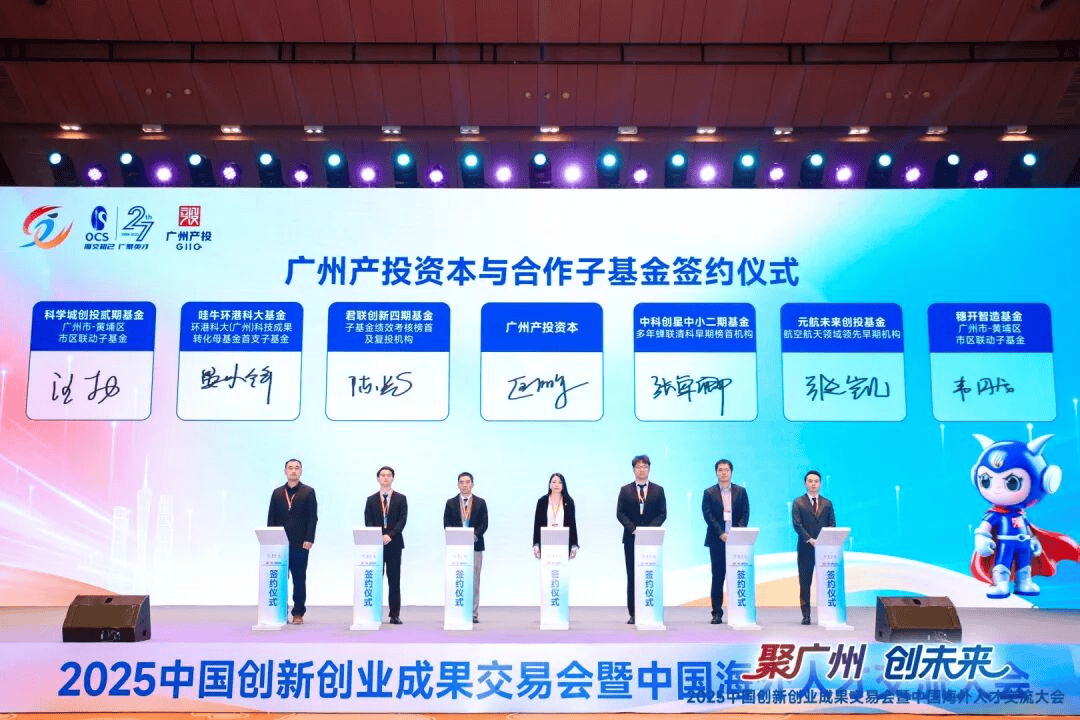
千亿基金群落地,广州加速科技成果转化
Sou Hu Cai Jing· 2025-12-16 10:17
启动仪式上,广州国资国企智库联盟正式揭牌。同时,联盟年度课题成果和服务清单发布。 据了解,该联盟致力于构建广州国资国企"大智库"生态体系,将进一步整个广州国资国企系统智力资源。广州国资国企的"最强大脑"强强联手、合力献 策,将通过协同研究与成果共享,为国资国企深化改革、服务城市战略提供强有力的智力支撑和决策参考。 重磅榜单揭晓,勾勒创新生态新图景 大会现场,2025年度"最具影响力新兴海归创业企业"榜单、大湾区未来独角兽榜单、"广州独角兽创新企业榜"正式发布。 "广州独角兽创新企业榜"包含"独角兽""未来独角兽""种子独角兽"三大子榜单。2025年,全市共有210家企业入选。其中,"独角兽"创新企业26家,"未来 独角兽"创新企业105家,"种子独角兽"企业79家,增芯、芯粤能、大潮玩、大圣科技等4家企业首次跻身"独角兽"创新企业行列,希音国际、广汽埃安两 家企业仍是超级独角兽。 人力资源和社会保障部留学人员和专家服务中心联合相关单位,发布2025年"最具影响力新兴海归创业企业"榜单及上市海归创业企业大数据监测报告。榜 单数据显示,珠三角、长三角、京津冀三大区域经济集群仍是海归创业企业发展的核心载体,粤港澳大 ...

3332项科技成果“上架”科交会 首日签约额超亿元
Nan Fang Ri Bao Wang Luo Ban· 2025-12-16 09:33
Core Insights - The 2025 Higher Education Technology Achievement Trading Fair (referred to as "Tech Fair") commenced in Guangzhou, showcasing 3,332 technology achievements from 638 universities across the country [1] - The fair aims to facilitate the transformation of scientific achievements from "shelves" to "market" by clearly labeling each technology with a market "price tag" for enterprises to reference [2] - A total of 1.22 billion RMB was signed in contracts on the first day, with projects from fields such as biomedicine, artificial intelligence, and new information technology [1] Group 1: Technology Showcase - The "supermarket" area featured various technology achievements with clear pricing, such as Guangdong Medical University’s rice germ nutrition granules priced between 510,000 to 1 million RMB and Zhongshan University's outdoor intelligent grabbing robot priced over 20 million RMB [2] - The fair included a demonstration area for cutting-edge industries, showcasing innovations like the "Zero Dragon" indoor inspection drone, which attracted attention from security and operation maintenance companies [3] Group 2: Bridging the Gap - Technical managers played a crucial role in connecting universities with enterprises, acting as "translators" to convert complex technical language into understandable solutions for businesses [4] - The fair featured a series of roadshow activities covering various fields, allowing technology holders to present their innovations directly to potential partners [5] Group 3: Student Innovations - A dedicated area for student entrepreneurial teams was established, highlighting projects from universities like Beihang University and Nanjing University, aiming to attract industry investment [6] - Notable projects included a dual-use flying car developed by a team from Beihang University, which garnered significant interest from enterprises [6]
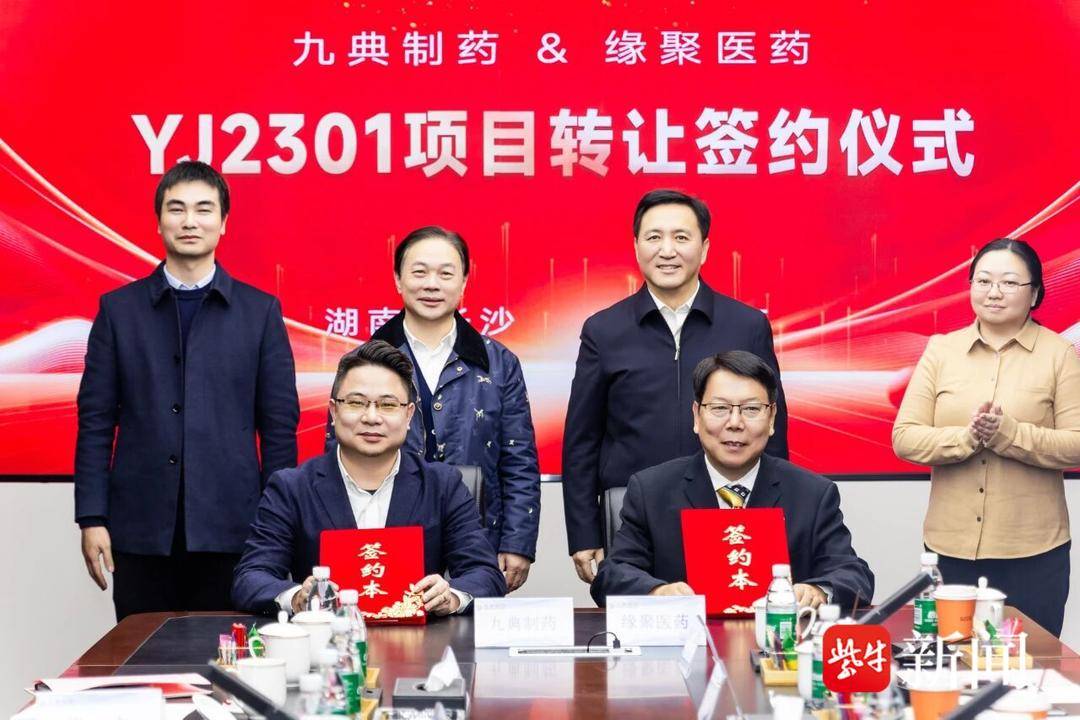
镇痛新药项目斩获4 亿元合作!南医大科技成果转化迈向新高
Yang Zi Wan Bao Wang· 2025-12-16 07:04
九典制药总经理杨洋表示,YJ-2301项目具有鲜明创新性和良好开发前景,九典制药将发挥在药品研发、生产注册及市场推广的经验优势,全力推进项目 产业化进程,期待与学校建立长期深入的战略伙伴关系。 日前,南京医科大学教师团队与湖南九典制药(300705)股份有限公司在湖南浏阳举行YJ-2301项目转让签约仪式。据悉,本次交易总金额近4亿元,标志 着又一高校原创成果成功走向产业化。 扬子晚报/紫牛新闻记者王赟 YJ-2301作为一款小分子镇痛创新药,其核心优势在于采用全新作用机制。针对性解决现有镇痛药物普遍存在的嗜睡,多次给药耐受等副作用问题,具备 广阔的市场应用空间。相关专利已完成校内转化并获全国高校生物医药区域技术转移转化中心(江苏苏州)、苏州南医大创新中心全流程赋能。此次合作将 加速该项目后续开发与临床转化,是学校打通科研成果走向市场"最后一公里"关键举措,也为校内原始创新成果转化提供了可复制、可推广的实践范式。 通讯员朱珠 南京医科大学党委书记兰青指出,此次合作是学校深化产学研融合、加速科技成果转化的重要实践。学校始终坚守服务"健康中国"战略的初心,将以此次 合作为纽带,整合科研优势、人才资源与企业产业化能 ...

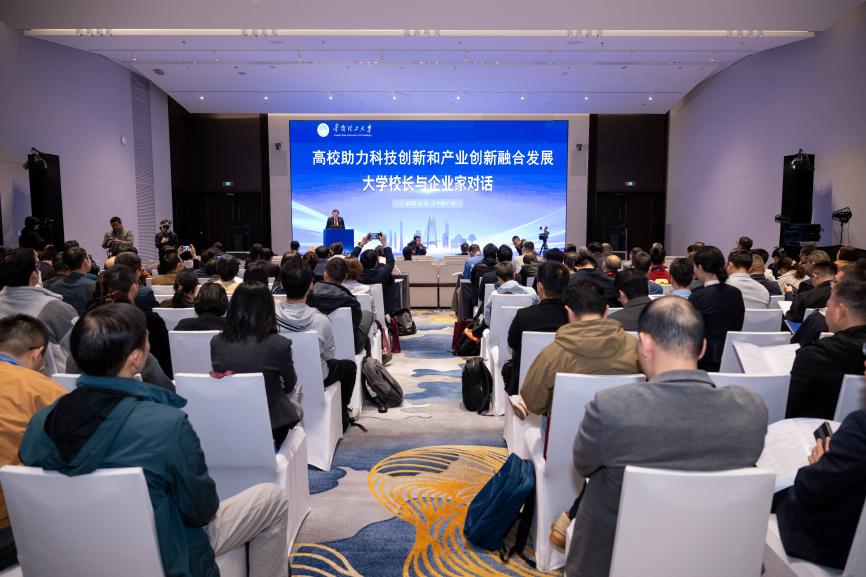
大学校长对话企业家:大科学时代如何回应“钱学森之问”?
2 1 Shi Ji Jing Ji Bao Dao· 2025-12-16 03:39
Group 1 - The "2025 Higher Education Technology Achievement Fair" attracted over 600 renowned universities, focusing on the integration of technological and industrial innovation [2] - The dialogue between university presidents and entrepreneurs emphasized the importance of universities as partners in innovation rather than just knowledge suppliers [3][5] - The event marked the 20th anniversary of Qian Xuesen's question, highlighting the need for new paths in cultivating innovative talent in the context of the big science era [7] Group 2 - South China University of Technology has established 291 provincial and ministerial platforms and 30 national platforms to support technological breakthroughs, incubating over 430 companies [3] - Xiamen University is enhancing its collaborative mechanisms for research and innovation, focusing on creating a conducive ecosystem for innovation [4] - Qingdao University of Science and Technology has developed six new models for technology transfer, emphasizing market-driven approaches and enhancing the ownership rights of research personnel [5][9] Group 3 - Companies are increasingly taking on the role of innovation educators, adapting their collaboration models with universities to better align with technological advancements [6][9] - BGI is exploring new paradigms for talent cultivation through industry-academia collaboration, focusing on major national and human needs [8] - The success story of iFlytek illustrates the effective cycle of industry-academia collaboration, emphasizing the importance of partnerships with companies that prioritize core technologies [9] Group 4 - Financial support is crucial for the transformation and incubation of technological innovations, with Guangdong Yuecai Investment Holdings establishing multiple funds to back strategic emerging industries [10] - The company plans to create an integrated platform for technology evaluation, fund investment, and incubation to facilitate breakthroughs in core technologies and business model innovations [10]
透过数据看2025科交会“成绩单” 搭建科技成果“高效对接+落地转化”平台
Yang Shi Wang· 2025-12-16 03:11
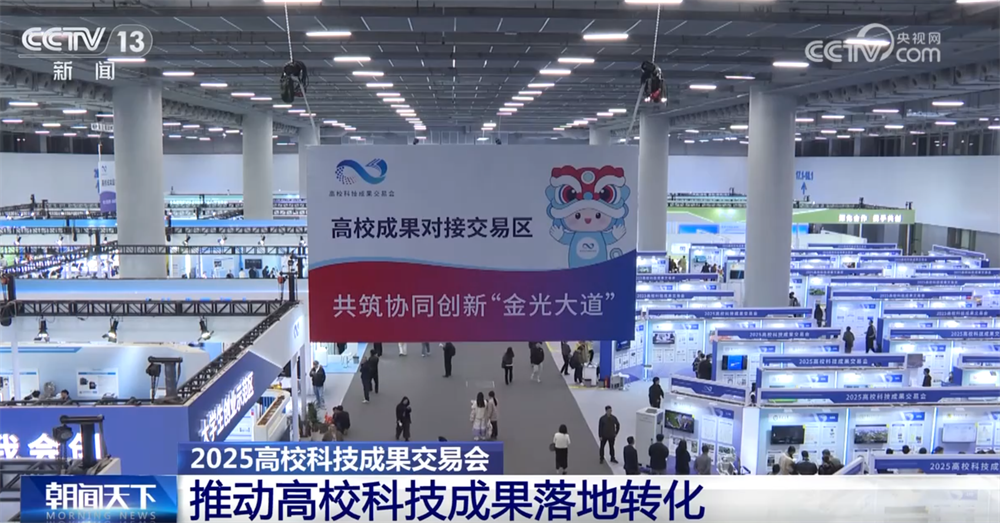
除了高校成果超市区,大会围绕"展示+推介+交易+服务"科技成果对接交易流程,组织了项目路演;还面向企业组织了"揭榜挂帅"专场, 由企业向高校发出技术攻关"英雄帖",高校科研人员现场"揭榜"。来自全国及粤港澳地区的技术经理人,法律、金融、投融资等机构服务团队 也深度参与,在现场为科技成果转化提供专业的全链条服务。 天津大学理学院陈毅称:"我们的光量子显示技术是今年天津大学的重点成果转化专项,目前我手边这台样品是达到了0.01毫米的一款柔 性透明显示屏。目前我们应用在一些应用场景上,包括商业会展、广告宣传,还有车载显示。" 央视网消息:为期三天的2025高校科技成果交易会15日在广州开幕。本届科交会以"校企携手、融合创新:助力发展新质生产力"为主题, 集聚全国高校最新科技成果及企业技术需求,搭建了科技成果高效对接、落地转化的平台。 2025高校科技成果交易会吸引了627所高校报名参与,四百多所高校3000余项科技成果参展,270个项目参与路演,同时大会征集企业需求 1900余项,为高校成果和企业需求双向对接搭建了桥梁。大会以成果超市的形式展示高校最新科技成果。 据了解,成果超市最大的特点是分为货架区、柜台区、展板 ...
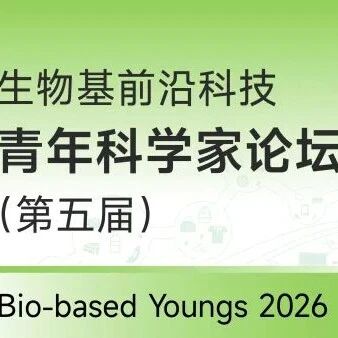
让生物基青年科学家被看见 | 青年论坛 Bio-based Youngs 2026 报告报名启动
合成生物学与绿色生物制造· 2025-12-16 02:36
关键词 | 生物基大会 |青年科学家论坛 当新质 生产力成为高质量发展的关键引擎,当青年科技人才在创新发展中的生力军作用愈发凸显,如何发现青年之智?如何点燃创新之力? 该论坛将收集 80个 创新申请报告,以 " 让生物基青年科学家被看见 " 为主旨,助力行业 10分钟 挖掘一个生物基领域的前沿技术 ,聚集原创,突 破边界, 对接人才与合作搭建一个高效交流平台。同时,为助力创新,青年科 学家论坛设置 现场评选 与奖金颁发 环节 。 扫码报名 | Bio-based 2026 请勾选:青年科学家论坛、科技成果展示 01 青年论坛概况: 主办单位 : 浙江省全省生物基高分子材料重点实验室、 宁波德泰中研信息科技有限公司( DT 新材料) 时间地点 :2026年5月20日下午,上海 DT新材料旗下生物基和生物制造产业科技服务平台, 是行业最重要 的资源和信息枢纽之一 。至今为止,我们在生物基大会、非粮生物质论坛、合成 生物学与绿色生物制造论坛、材视等多场主创活动上举办多届青年主题论坛,已有 500+位 创新青年科学家线上线下分享前沿科技与进展,并促进产 业、投资和科研等多方交流、关注与对接。 往届DT新材料主办青年论 ...
2025科交会首日 多方共享科研成果从“书架”走向“货架”的成功做法
Guang Zhou Ri Bao· 2025-12-16 02:04
会演奏乐曲的机器人乐队、神经免疫制剂、辅助患者康复的设备……记者探访科交会现场发现,北京大 学、清华大学、复旦大学、上海交通大学、中山大学、华南理工大学等国内知名学府,纷纷在科交会上 摆摊"卖货"——不过他们卖的都是各高校最新潮、最"硬核"的科研成果。 技术经理人架起成果"转化桥" 12月15日至17日,由教育部高等学校科学研究发展中心与全国高校区域技术转移转化中心(粤港澳大湾 区)联合主办的2025高校科技成果交易会在广州举行。 科研成果从"书架"走向"货架",是一条长长的"链条",中间要经历多道"关口"。这条"链条"上,各方该 如何发挥各自作用?科交会首日,高校、技术经理人、转化平台、企业等纷纷分享成功做法,发表各自 见解。 现场:炒菜机器人能做200多种菜品 本次大会吸引全国600余所高校集结广州,集中展示新一代信息技术、新能源、生物医药、低空经济等 战略性新兴产业领域的前沿科技成果。 此次科交会,注册高校638所(其中"985"大学37所);参会人员4563人,其中校领导220余人。在成果 汇聚方面,413所高校提交成果3332项,其中路演项目270个,重点推介项目414个,实物展品1597个, 模型 ...