创新驱动

Search documents
电影票房超500亿、AI赋能传统产业……中国活力持续迸发
Yang Shi Xin Wen· 2025-12-13 18:52
Economic Outlook - The economic situation in China this year is better than expected, with major economic indicators showing strong resilience and vitality, leading to a projected annual growth rate of around 5% [1] - China continues to be the largest engine of global economic growth [1] Innovation and Technology - The government emphasizes the need to accelerate original innovation and expand international technology innovation centers, particularly in Beijing and Shanghai [3][5] - A focus on innovation-driven growth is set for next year's economic work, aiming to cultivate new economic drivers [3][36] Environmental Policies - From next year, there will be effective control over high energy-consuming and high-emission projects as part of a comprehensive green transition [7] - The government plans to accelerate the elimination of outdated production capacity and promote the application of green and low-carbon technologies [9] Consumer Spending - The government aims to boost consumption through special actions and plans to increase urban and rural residents' income, including raising basic pensions [11] - Policies will be optimized to remove unreasonable restrictions in the consumption sector, thereby unleashing the potential for service consumption [13] Film Industry Growth - As of December 13, 2025, China's film box office has surpassed 50 billion yuan, exceeding last year's total by 7.5 billion yuan [13] - Domestic films account for nearly 82% of the total box office, with a diverse range of genres achieving international standards [15] - The film industry is transitioning from traditional box office revenue to a multi-consumption ecosystem, contributing significantly to economic growth [21] Forestry and Sustainable Practices - A three-year pilot program for sustainable forest management has been initiated, covering 40.49 million acres [23] - The program aims to enhance forest quality and economic benefits, with significant increases in tree growth rates and biodiversity [25][29] - The initiative has generated economic benefits of 7.86 billion yuan and increased labor income for forestry workers by 10.52 billion yuan [34] Industrial Transformation - The focus on innovation is driving the modernization of the industrial system, with traditional industries undergoing transformation through technology [36] - Companies are increasingly adopting artificial intelligence to enhance production efficiency and product quality [38][40] - Efforts are being made to improve the business environment, with significant reductions in approval times for projects [45][47]

中央经济工作会议释放哪些重要信号?
Xin Hua She· 2025-12-13 12:27
中国经济面面观|中央经济工作会议释放哪些重要信号? "深入实施提振消费专项行动""扩大优质商品和服务供给""优化'两新'政策实施""清理消费领域不合理限 制措施"……聚焦提振消费,会议作出一系列部署。 复旦大学管理学院科创中心首席经济学家邵宇认为,通过财政政策与货币政策协同发力,短期补贴与长 期社会保障并重,消费潜力将进一步激发;同时,投资领域将迎来更多重大工程和项目,为经济增长提 供强劲动力。 会议强调,"坚持创新驱动,加紧培育壮大新动能",并提出"制定一体推进教育科技人才发展方案""建 设北京(京津冀)、上海(长三角)、粤港澳大湾区国际科技创新中心"等一系列具体部署。 稀宇科技副总裁严奕骏认为,每一次的技术迭代和发展,都给整个社会非常大的信心,京津冀、长三 角、粤港澳大湾区各自拥有强势产业,并与人工智能有很好的结合,新技术的应用会更好地赋能经济增 长,前景非常广阔。 "十四五"临近收官,"十五五"即将开篇。资深金融工作者滕印认为,我国经济长期向好的支撑条件和基 本趋势没有改变,坚定了我们鼓足干劲、应对挑战、砥砺前行的信心和决心,我们对经济的发展充满信 心。 中央经济工作会议12月10日至11日在北京举行。 ...
观察·中国经济韧性获得广泛认可 解码中国经济底色与底气
Yang Shi Wang· 2025-12-13 08:15
中国2026年将继续实施"更加积极的财政政策"和"适度宽松的货币政策"。文章称,清晰有力的宏观调控政策、科技产业充沛的创新 活力、空间广阔的超大规模市场、配备完善的产业体系,共同筑牢高质量发展的基础,也有效支撑了信心、提高了预期。消费是扩 大内需、畅通循环的关键,中国经济向"内"发力,从长远看是充分激活自身优势和潜力的必然。 英国《金融时报》:重心向创新端倾斜 央视网消息:2025年的中央经济工作会议成为媒体高度关注的焦点。中国经济的底色与底气是什么?抗压能力和内生动力带来哪些 确定性? 美国彭博社:中国经济韧性获得广泛认可 彭博社分析认为,会议明确透露出2026年将持续推出相关经济促进政策,始终坚持稳中求进的工作总基调,这一信号凸显中国将坚 定保障经济长期增长目标。中国经济在2025年已展现出强大的抗压能力和内生动力。在面对美国关税壁垒时,中国通过积极开拓多 元化出口市场,进一步印证了经济发展的强劲增长势头。国际组织看好中国经济,近日,接连上调增速预期。 香港大公网:宏观政策更加积极 2026年作为"十五五"规划的开局之年,中国将着力推进高质量增长,创新、现代服务业、人工智能以及绿色转型将成为新的增长引 擎 ...
好评中国|锚定高质量发展,奋力实现“十五五”良好开局
Huan Qiu Wang· 2025-12-13 07:45
Core Insights - The Central Economic Work Conference held on December 10-11, 2025, is crucial for setting the direction for China's economic work in 2026 and ensuring a good start for the "15th Five-Year Plan" [1][2] - The conference emphasizes the importance of unity in thought, consensus, and confidence to navigate the complexities of the current economic landscape and achieve high-quality development [2][3] Economic Strategy - The conference outlines a series of strategic deployments focused on stabilizing and advancing economic growth, with a priority on domestic demand and building a strong domestic market [3] - Key tasks include boosting consumption, optimizing investment, fostering innovation, and addressing risks in real estate and local debt [3][4] Leadership and Governance - Strengthening the Party's comprehensive leadership over economic work is highlighted as essential for overcoming challenges and achieving targets [4] - The need for a correct performance view that prioritizes people's well-being and practical results is emphasized, along with avoiding bureaucratic tendencies [4] Future Outlook - The conference sets a clear roadmap for 2026, aiming for a robust start to the "15th Five-Year Plan" and a commitment to high-quality development [5] - A call for collective effort and determination to overcome obstacles and achieve economic goals is made, reinforcing the vision for a modern socialist country [5]
中国经济面面观丨中央经济工作会议释放哪些重要信号?
Xin Hua Wang· 2025-12-13 07:31
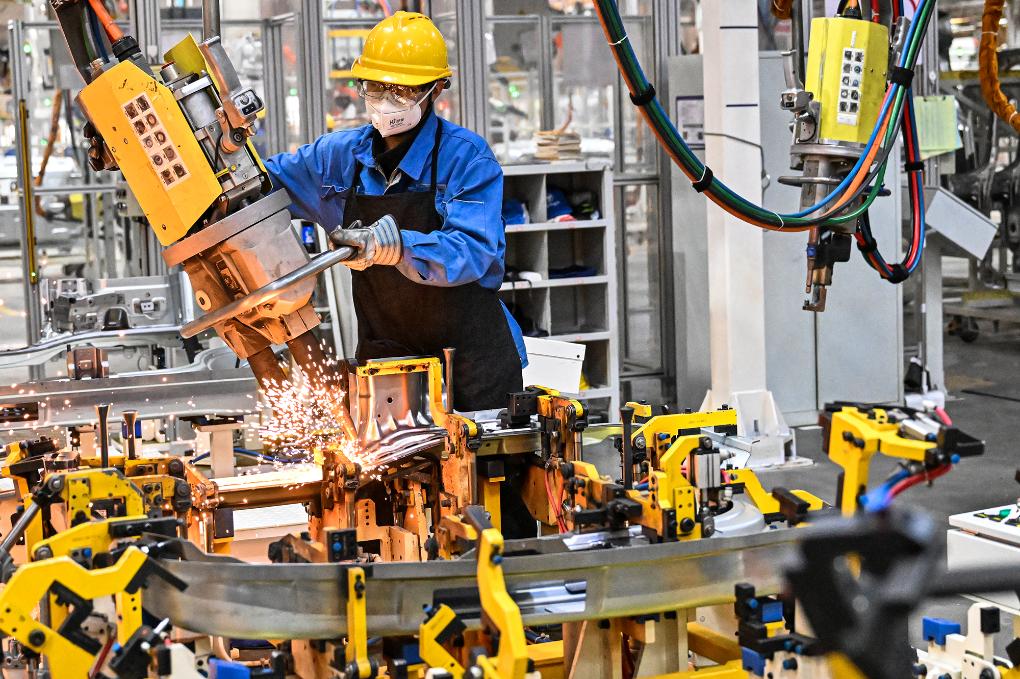
中央经济工作会议12月10日至11日在北京举行。会议分析了当前经济形势,并对2026年经济工作进行了部署。 此次会议释放出了哪些重要信号?政策将如何进一步推动经济实现质的有效提升和量的合理增长? 会议指出,"明年经济工作在政策取向上,要坚持稳中求进、提质增效,发挥存量政策和增量政策集成效应,加大逆周期和跨周期调节力度, 提升宏观经济治理效能。" 专家认为,这既是对当前内外部环境的精准把握,也是对未来经济发展的深远谋划。 会议确定了明年经济工作要抓好的八个方面重点任务:坚持内需主导,建设强大国内市场;坚持创新驱动,加紧培育壮大新动能;坚持改革 攻坚,增强高质量发展动力活力;坚持对外开放,推动多领域合作共赢;坚持协调发展,促进城乡融合和区域联动;坚持"双碳"引领,推动全面 绿色转型;坚持民生为大,努力为人民群众多办实事;坚持守牢底线,积极稳妥化解重点领域风险。 12月12日,在河南省商丘市豫商经济技术开发区一家新能源汽车企业,工人在新能源轻卡车生产线上赶制产品订单。新华社发(李恒摄) "坚持内需主导,建设强大国内市场"摆在八个方面重点任务之首。 "深入实施提振消费专项行动""扩大优质商品和服务供给""优化'两新' ...
财信研究院宏观团队|目标积极务实,政策提质增效,内需主导强化——2025年中央经济工作会议解读
Xin Lang Cai Jing· 2025-12-13 07:10
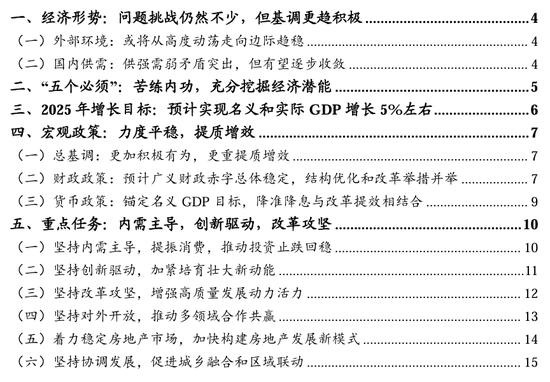
Economic Situation - The economic situation is characterized by persistent challenges, but the overall tone is becoming more positive. The external environment is expected to stabilize marginally, while domestic supply-demand imbalances are highlighted as a significant issue [2][10]. - The meeting emphasizes the need to address "development and transformation" issues, indicating that many challenges can be resolved through concerted efforts [10]. Five Musts - The meeting outlines "Five Musts" to enhance economic potential, focusing on internal capacity building to respond to external challenges and the importance of policy support alongside reform innovation [2][18]. - Key strategies include ensuring effective market regulation while promoting investment in both physical and human capital [19]. 2025 Growth Target - The growth target for 2026 is set at approximately 5% for both nominal and real GDP, reflecting a pragmatic approach to align with long-term goals and current economic conditions [3][21]. - The transition of growth drivers is expected, with the "three new economies" projected to surpass the real estate sector historically [21]. Macroeconomic Policy - The macroeconomic policy framework is shifting from "promoting stability through growth" to "enhancing quality and efficiency," indicating a focus on structural optimization rather than mere expansion [4][26]. - Fiscal policy is expected to maintain a deficit rate around 4%, with a focus on improving the efficiency of spending rather than just increasing the scale [30][31]. - Monetary policy will remain moderately accommodative, with expectations for potential rate cuts and targeted support for key sectors [36][40]. Key Tasks - The emphasis on domestic demand is paramount, with strategies to boost consumption and stabilize investment growth projected at 2-3% for 2026 [5][46]. - Innovation-driven growth is prioritized, with plans to strengthen the integration of education, technology, and talent development [6][50]. - Reforms will focus on eliminating barriers to development, enhancing market dynamics, and improving the business environment [7][57]. Real Estate Market - The policy focus is shifting towards stabilizing the real estate market, moving from demand stimulation to a balanced supply-demand approach [8][63].
创新驱动,中央经济工作会议有三点新提法
Sou Hu Cai Jing· 2025-12-13 06:42
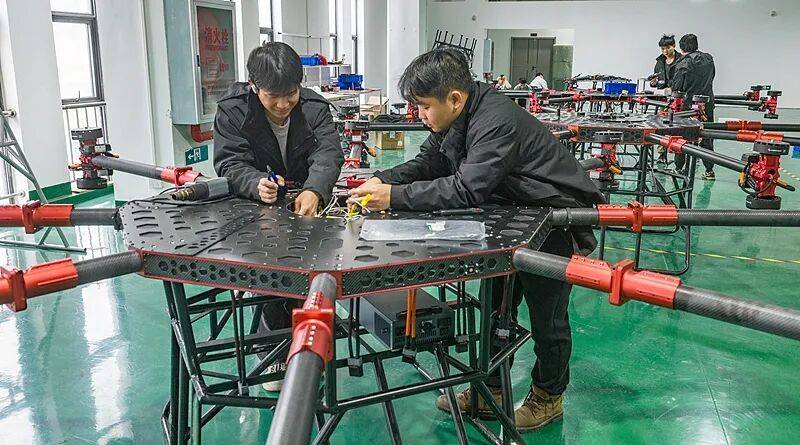
Group 1 - The core focus of the Central Economic Work Conference is on innovation-driven development, emphasizing the importance of talent as a key component in the integration of technology, industry, talent, and finance [2][3][4] - The conference outlines a plan to enhance the service sector, addressing both capacity expansion and quality improvement, with a focus on resolving deep-seated issues such as insufficient quality supply and innovation capabilities [6][7] - A new emphasis on "perfecting artificial intelligence governance" is introduced, aiming to ensure the safe and controllable development of AI through a systematic regulatory framework [8][9] Group 2 - The conference highlights the need for a cohesive approach to education, technology, and talent development, breaking down departmental barriers to better align talent supply with industry demand [4][5] - The service sector is recognized as a crucial driver for employment and economic development, with projections indicating that by 2024, service sector employment will account for 48.8% of total employment [7] - The strategy includes the establishment of international technology innovation centers in key regions such as Beijing, Shanghai, and the Guangdong-Hong Kong-Macau Greater Bay Area to foster a world-class innovation cluster [11][12]
中央经济工作会议,这些提法意涵深刻!
Xin Hua She· 2025-12-13 05:32
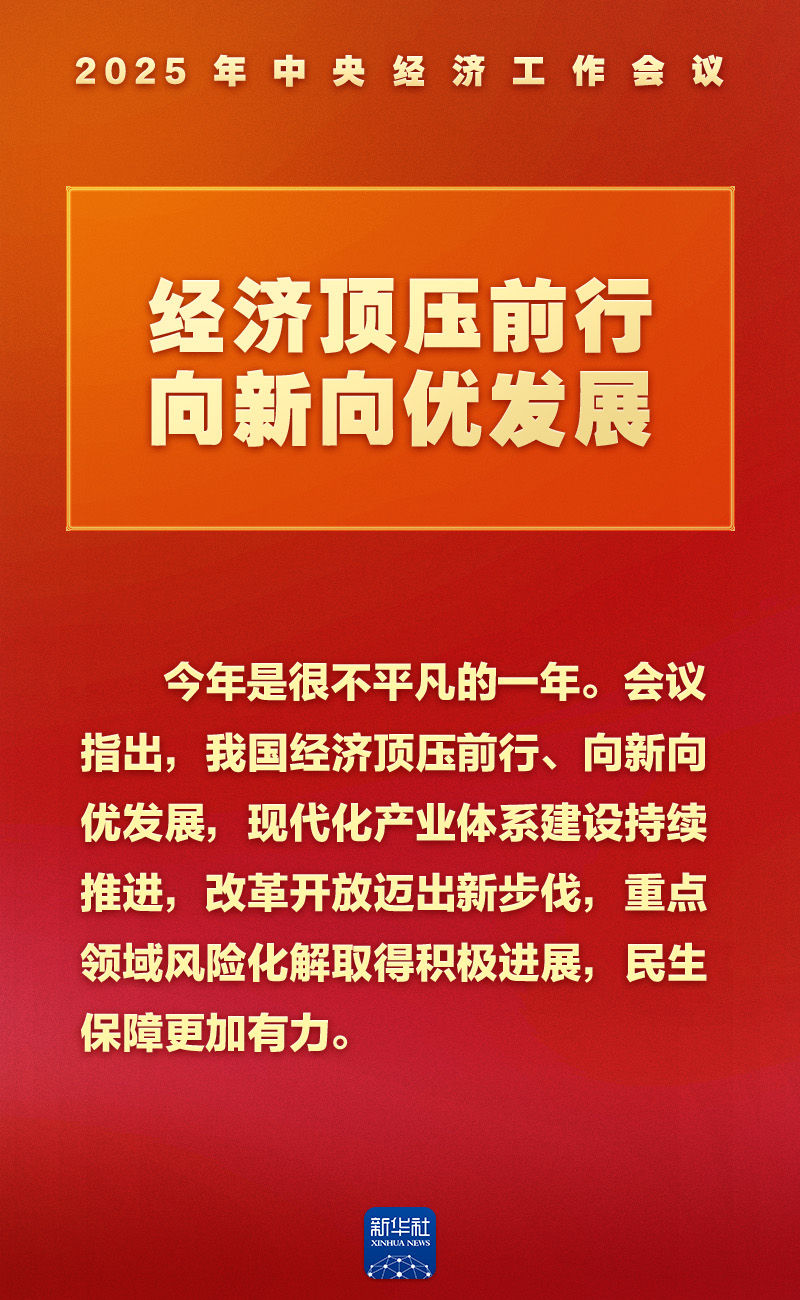
Core Insights - The Central Economic Work Conference held on December 10-11, 2025, summarized economic work for 2025, analyzed the current economic situation, and outlined tasks for 2026 [1] Group 1: Key Principles - The conference emphasized "Five Musts" for economic work: fully tapping economic potential, combining policy support with reform and innovation, ensuring both flexibility and effective management, investing in both physical and human capital, and honing internal capabilities to face external challenges [3][4] Group 2: Policy Directions - The conference highlighted the need for a policy orientation focused on stability and progress, quality improvement, and efficiency enhancement, while leveraging both existing and new policies to enhance macroeconomic governance [9] Group 3: Eight Key Tasks - The conference outlined "Eight Persistences" as key tasks for the upcoming year, including prioritizing domestic demand, driving innovation, tackling reforms, maintaining openness, promoting coordinated development, leading with "dual carbon" goals, prioritizing people's livelihoods, and ensuring bottom-line security [12] Group 4: Domestic Market Focus - The conference prioritized building a strong domestic market, with tasks such as formulating a plan for increasing urban and rural residents' income, optimizing the implementation of new policies, and increasing central budget investments [15] Group 5: Innovation and Reform - The conference called for a focus on innovation, with tasks including developing a comprehensive plan for education, technology, and talent development, and establishing international technology innovation centers in key regions [17] Group 6: Market Regulation - The conference stressed the importance of reform to enhance high-quality development, including establishing a national unified market construction regulation and addressing issues like overdue payments to businesses [19] Group 7: External Cooperation - The conference emphasized the need for external openness and cooperation, with plans to gradually expand service sector openness and promote digital and green trade [22] Group 8: Coordinated Development - The conference highlighted the importance of coordinated development, focusing on rural-urban integration and regional collaboration, with specific tasks aimed at promoting high-quality county economic development [25] Group 9: Green Transition - The conference underscored the commitment to a green transition, with plans to develop a national energy strategy and enhance carbon trading market construction [27] Group 10: Livelihood Improvements - The conference aimed to prioritize people's livelihoods, with initiatives to support flexible employment, increase educational opportunities, and reform healthcare payment methods [31] Group 11: Real Estate Stability - The conference addressed the need to stabilize the real estate market through targeted measures, inventory reduction, and promoting the construction of quality housing [34]
国声智库:以创新驱动引领产业链变革 构筑高质量发展新优势
Xin Hua Wang· 2025-12-13 03:17
Group 1: Key Industrial Chain Development Actions - The Central Economic Work Conference emphasizes the importance of high-quality development of key industrial chains as a core pillar for building a manufacturing powerhouse, focusing on systematic, targeted, and collaborative approaches to address weaknesses in the industrial chain [2][3] - The action plan includes establishing a dynamic risk assessment mechanism for industrial chains and enhancing cross-departmental coordination to ensure supply chain security [2][3] - The role of "chain master" enterprises is highlighted, with recommendations to empower them in technology standard-setting and resource allocation, fostering collaboration with specialized enterprises [3] Group 2: Artificial Intelligence Integration - The conference marks a shift in China's AI development from primarily research-focused to emphasizing large-scale application and governance, aiming for the core AI industry to exceed 400 billion yuan by 2025 [5][6] - A comprehensive AI governance framework is established, focusing on algorithm regulation and accountability, with plans for a dynamic regulatory mechanism for high-risk AI applications [6][7] - The initiative includes promoting AI applications across various sectors, such as manufacturing, healthcare, and agriculture, to enhance productivity and efficiency [5][6] Group 3: Innovation in Financial Services - The need for innovative financial services to address the "valley of death" in technology financing is underscored, with proposals for a multi-layered support system for tech startups [8][9] - Recommendations include establishing a national technology venture capital fund and optimizing the review process for tech companies on stock exchanges [8][9] - The development of intellectual property securitization is proposed to enhance liquidity for tech firms, alongside measures to encourage long-term investment [9] Group 4: Education and Talent Development - The integration of education, technology, and talent development is identified as crucial for supporting industrial and technological innovation [10][11] - The establishment of international technology innovation centers in key regions is proposed, focusing on leveraging local strengths in various high-tech fields [10] - Initiatives to enhance corporate participation in technology decision-making and to promote vocational education aligned with industry needs are recommended [11] Group 5: International Cooperation and Trade - The conference calls for high-quality development of the Belt and Road Initiative, promoting a comprehensive model of technology, industry, and finance for international collaboration [12][13] - The focus is on developing digital and green trade, with incentives for companies engaged in cross-border e-commerce and green technology [12][13] - The establishment of a cross-border AI governance cooperation platform is proposed to enhance international collaboration in AI regulation [12]
八大重点任务,每一项都沉甸甸的,都吸引着世界的目光
Sou Hu Cai Jing· 2025-12-13 03:00
Group 1 - The primary task is to maintain domestic demand as the leading force and build a strong domestic market, which is crucial for economic stability amidst international uncertainties [2] - The second task emphasizes innovation-driven growth, highlighting the need for increased market demand to stimulate corporate innovation and economic momentum [2] - The third task focuses on deepening reforms to enhance high-quality development, which is essential for generating new momentum and increasing market vitality [4] Group 2 - The fourth task is to uphold openness and promote win-win cooperation across multiple fields, despite challenges from unilateralism and protectionism in the international environment [4] - The fifth task stresses coordinated development to promote urban-rural integration and regional collaboration, which is vital for achieving common prosperity and modernization [5] - The sixth task is to lead with "dual carbon" initiatives, committing to comprehensive green transformation and environmental protection [6] Group 3 - The seventh task prioritizes people's livelihoods, aiming to improve the quality of life and ensure that every citizen experiences happiness and pride [8] - The eighth task involves maintaining a strong bottom line by proactively and prudently addressing risks in key areas, particularly in real estate and local government debt [8]