科技赋能

Search documents
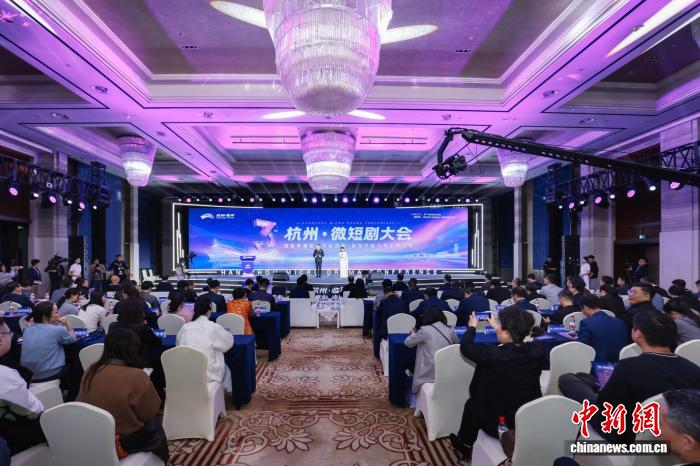
第三届杭州·微短剧大会启幕 助力“千帆出海”
Zhong Guo Xin Wen Wang· 2025-11-11 13:51
Core Insights - The third Hangzhou Micro Short Drama Conference has commenced, focusing on empowering various industries and promoting global outreach through micro short dramas [1] Group 1: Industry Growth and Trends - Since the 14th Five-Year Plan, micro short dramas have rapidly emerged as a new growth driver in the online audio-visual sector, evolving from a new business format to an important form of popular art [2] - The Zhejiang Provincial Department of Culture, Radio, Television, and Tourism has released a recommended list of "Micro Short Drama + AIGC" to showcase the innovative integration of digital technology with cultural content [2] Group 2: Technological Integration and Future Directions - There is a call for continuous deepening of key technology research and scene integration to promote the intelligent transformation of the entire micro short drama production and internationalization process [2] - The emphasis is on utilizing smart analysis and algorithms to accurately understand overseas market demands and establish international operational platforms [2] Group 3: Talent Development and Recognition - The conference announced the winners of the second "Great Games Coming" National Online Micro Short Drama Script Creation Competition and recognized outstanding content creation companies and contributors [2] - The launch of the third season of the "Youth Online Scriptwriting Incentive Support Program" aims to strengthen the talent foundation in the industry [2] Group 4: Collaborative Initiatives - The Linping District has partnered with leading platforms and companies to initiate the "Ancient and Modern Grand Canal" film and television creation plan, aiming to build a comprehensive empowerment system from writing to broadcasting [3] Group 5: Policy Support - Linping District plans to introduce new cultural policies to provide comprehensive support for quality projects, with individual project subsidies reaching up to 10 million yuan [5]

银行理财大事记:养老理财试点扩全国,数据基建升级
HWABAO SECURITIES· 2025-11-11 07:49
Investment Rating - The report does not explicitly state an investment rating for the banking wealth management industry Core Insights - The banking wealth management market is experiencing steady growth, with the total market size reaching 31.60 trillion yuan in October, reflecting a 1.16% month-on-month increase and a 7.50% year-on-year increase [4][9] - The annualized yield of wealth management products has generally increased, with pure fixed-income products recording an annualized yield of 3.09%, up by 1.60 percentage points month-on-month [4][9] - The report highlights the expansion of pension wealth management trials nationwide, with a new mechanism for automatic connection to enhance product accessibility [11][17] Summary by Sections 1. Market Overview - As of October, the total market size of wealth management products is 31.60 trillion yuan, with a month-on-month increase of 1.16% and a year-on-year increase of 7.50% [4][9] - The market is seeing a shift in product types, with cash management products decreasing while fixed-income products maintain steady growth [4][9] 2. Product Performance - The annualized yield for cash management products is recorded at 1.29%, down by 2.73 basis points month-on-month, while pure fixed-income products have an annualized yield of 3.09%, up by 1.60 percentage points [4][9] - The report indicates a decrease in the net value ratio of wealth management products to 3.10%, down by 2.3 percentage points month-on-month [4][9] 3. New Product Launches - In October, the issuance of new wealth management products decreased, consistent with seasonal trends, with the majority of new products being fixed-income and closed-end products [4][9] - The report notes that many new products have seen a downward adjustment in performance benchmarks, reflecting a consensus on the long-term low interest rate environment [4][9] 4. Regulatory Developments - The National Financial Supervision Administration has expanded the pilot areas for pension wealth management products nationwide, enhancing the scale and accessibility of these products [11][17] - The report discusses the approval of regulatory measures to support the development of pension wealth management, including the establishment of an automatic connection mechanism for product compliance [11][17] 5. Industry Innovations - Several wealth management companies are innovating their product offerings, such as introducing multi-subscription wealth management products to improve capital efficiency [4][9] - The report highlights partnerships between leading wealth management firms and technology platforms to enhance service capabilities and investor education [11][17]
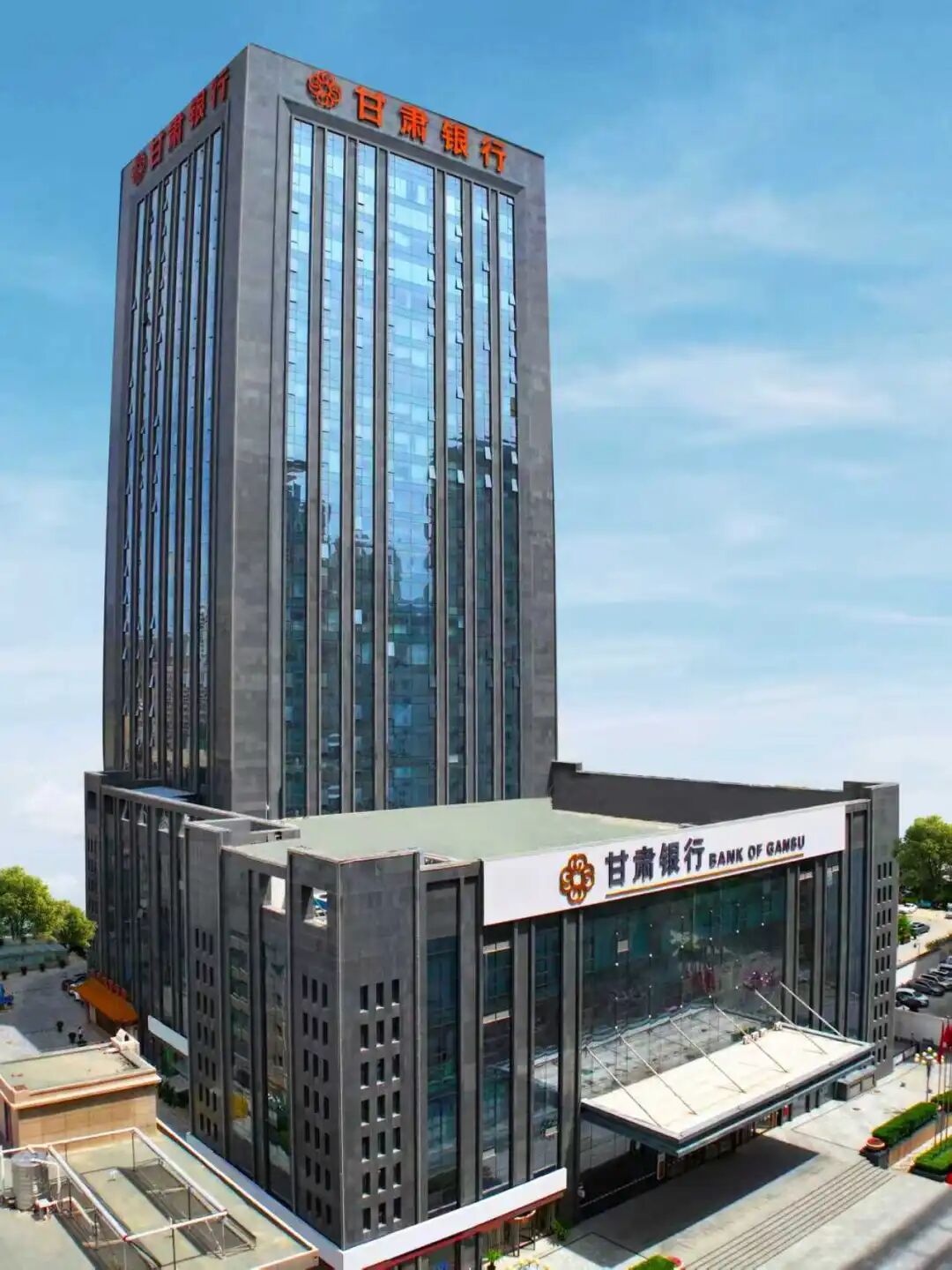
陇原金融新答卷:甘肃银行转型攻坚书写高质量发展篇章
Mei Ri Jing Ji Xin Wen· 2025-11-11 06:19
Core Viewpoint - Gansu Bank is focusing on serving the real economy and has transitioned from scale expansion to a new stage of quality and efficiency development, with a mission to support local economic growth and strategic transformation [1][3]. Financial Performance - From 2019 to June 2025, Gansu Bank's loan balance grew at an average annual rate of 6.7%, with savings deposits increasing by 116 billion and personal customers reaching 8.26 million [3]. - The bank's intermediary business income rose significantly, with its share increasing from 1.69% to 8.5%, and net income reaching 228 million [3]. - The bank maintained a low non-performing loan ratio while focusing on key areas such as inclusive small and micro loans and green finance, with inclusive small and micro loans growing at over 13% annually [3]. Strategic Focus - Gansu Bank has positioned itself as a regional development partner, aligning its growth with local strategic needs, and has provided over 400 billion in loans to key sectors such as energy, transportation, and tourism [4]. - The bank's manufacturing loans grew at an average rate of 8.33%, while loans to technology enterprises increased by 23.43% [4]. Inclusive Finance - Gansu Bank's inclusive finance services have reached 99 townships in Gansu Province, with agricultural loans totaling 42.7 billion [5]. - The bank has introduced specialized products like "medicinal materials loans" and "seed loans" under a tailored approach for each county [7]. Green Finance - The bank has developed a green finance action plan, with green loan balances reaching 206.78 billion and an annual growth rate of 7.8% [6]. - Key projects supported include wind and solar energy initiatives, with significant funding allocated to reduce financing costs for enterprises [6]. Technological Empowerment - Gansu Bank is undergoing a digital transformation, with mobile banking services reaching 4.224 million customers and smart counters replacing 74.78% of traditional counter services [8]. - The bank's data-driven risk control system has achieved a warning accuracy rate of 41.78%, successfully intercepting fraudulent funds [8]. Elderly Financial Services - The bank has established 19 elderly financial demonstration outlets and launched exclusive products for seniors, with 820,000 social security cards issued [9]. Innovation in Science and Technology Finance - The bank's technology loan balance reached 236.42 billion, with innovative products addressing challenges in intellectual property pledges [10]. Local Engagement - Gansu Bank has implemented community-focused initiatives, such as zero-fee payment solutions for local merchants, enhancing financial accessibility [11]. - The bank's efforts in ecological protection and support for local agriculture have positively impacted employment and community development [12][13]. Conclusion - Gansu Bank's transformation reflects its commitment to quality and efficiency, with a focus on technology, inclusive finance, and local economic development, positioning itself as a vital player in Gansu's financial landscape [14].
贝壳加大股东回报,Q3回购金额2.8亿美元创近两年来新高
Sou Hu Cai Jing· 2025-11-10 11:11
Core Insights - Beike (NYSE: BEKE; HKEX: 2423) reported its Q3 2025 financial performance, showcasing a total transaction value (GTV) of 736.7 billion RMB and a net revenue of 23.1 billion RMB, reflecting a year-on-year growth of 2.1% [1] - The company achieved a net profit of 747 million RMB and an adjusted net profit of 1.286 billion RMB during the same period [1] - As of the end of Q3, Beike's cash balance, excluding customer reserve funds, remained approximately 70 billion RMB [1] Shareholder Returns - Beike increased its shareholder return efforts, with a share buyback amounting to 280 million USD in Q3, representing a 38.3% increase compared to the same period last year, marking a two-year high [1] - From the beginning of 2025 until the end of Q3, the total buyback amount increased by 15.7% year-on-year [1] - Since initiating the buyback program in September 2022, Beike has repurchased approximately 2.3 billion USD worth of shares, accounting for about 11.5% of the total share capital prior to the buyback [1] Strategic Developments - The company's Executive Director and CFO, Xu Tao, highlighted significant progress in optimizing business structure and enhancing technological empowerment during Q3 [1] - Beike aims to create greater value for customers and investors by combining technological innovation, a counter-cyclical business portfolio, and a lean operational system as the industry enters a new phase of high-quality development [1]
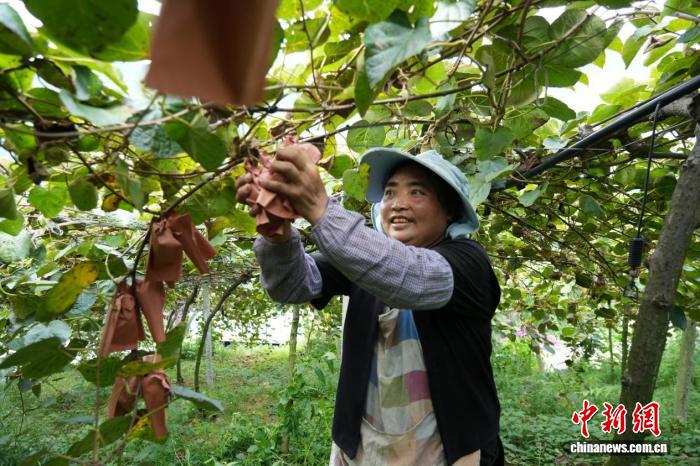
(乡村行·看振兴)贵州水城:红心猕猴桃迎丰收 “甜蜜”让生活更甜蜜
Zhong Guo Xin Wen Wang· 2025-11-10 11:07
Core Viewpoint - The kiwi fruit industry in Shuicheng, Guizhou, has seen significant growth, contributing to rural revitalization and improving the livelihoods of local farmers through increased production and income. Group 1: Industry Growth and Impact - The area of kiwi cultivation in Shuicheng has expanded from 300 acres in 2000 to 111,000 acres, directly benefiting 7,356 households and creating over 15,000 job opportunities [1][2] - In 2024, the fresh fruit output is projected to reach 36,000 tons with a value of 722 million yuan, while in 2025, the expected output is 37,500 tons with a value of 750 million yuan [2] Group 2: Technological and Educational Support - The local government has conducted five training sessions and 53 on-site technical guidance sessions for farmers, enhancing kiwi quality and yield through education on variety selection, field management, and pest control [1][2] - The promotion of a "fruit orchard grass + green fertilizer" planting model and water-saving irrigation techniques has been implemented to maintain soil moisture [2] Group 3: Sales and Market Expansion - Sales channels for Shuicheng kiwis have expanded, with 54 brand direct sales stores established in over 20 cities, and partnerships with 15 distributors for regional agency agreements [4] - The development of e-commerce sales has enabled the kiwi products to reach a wider market, enhancing their visibility and accessibility [4]
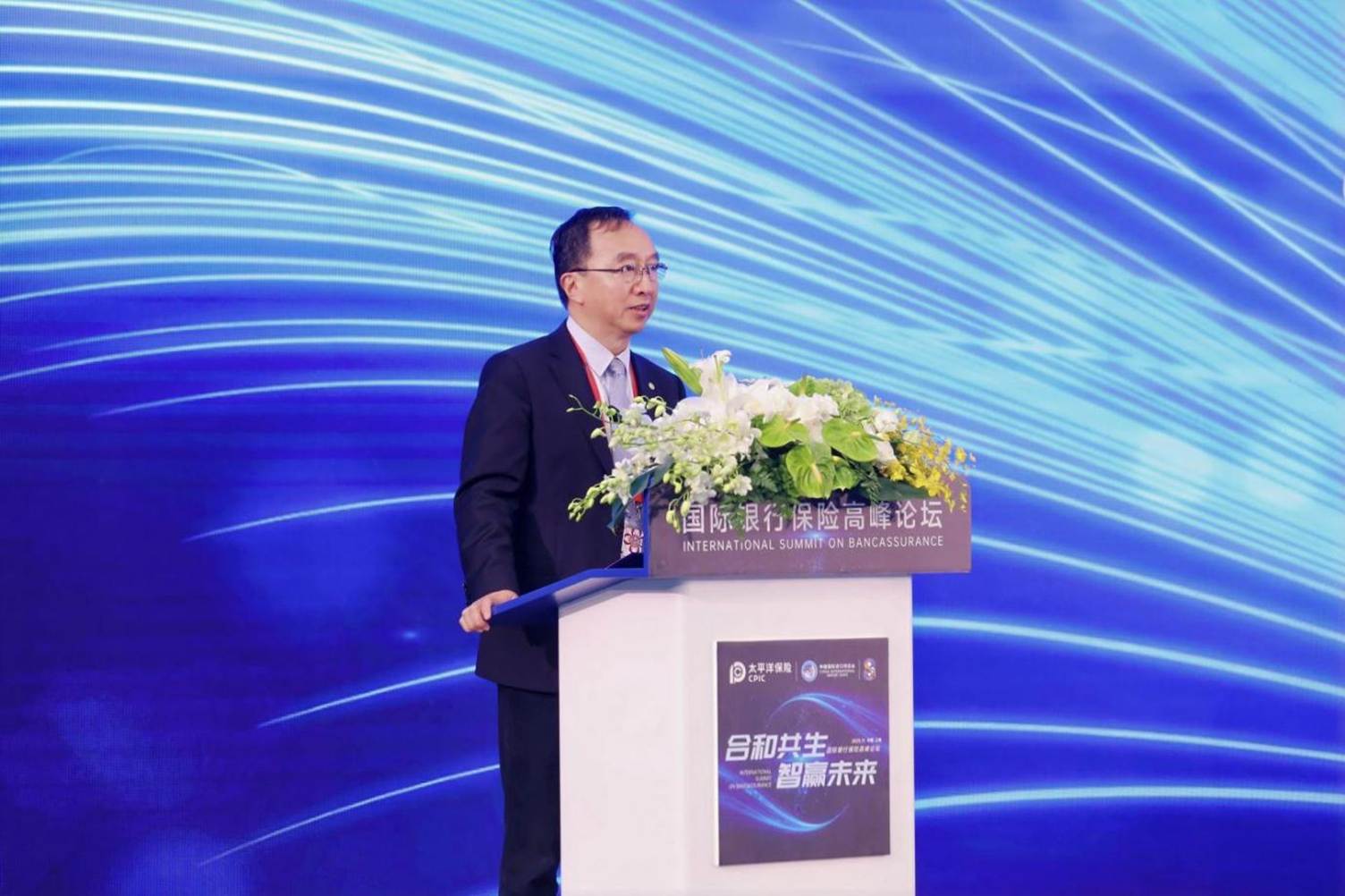
中国太保寿险在沪举办国际银行保险高峰论坛
Zhong Guo Jin Rong Xin Xi Wang· 2025-11-10 07:28
Core Insights - The forum focused on the integration of banking and insurance sectors, emphasizing high-quality development paths for collaboration in the context of building a strong financial nation [1][3] - China Pacific Insurance (CPIC) highlighted the significant contribution of the bancassurance channel, with personal insurance premiums exceeding 4 trillion yuan in recent years [1] Group 1: Strategic Collaboration - CPIC's Chairman Fu Fan advocated for a "symbiotic" strategic collaboration, leveraging the unique advantages of bancassurance to align with national strategies and meet public needs [3] - The shift in bancassurance cooperation from "channel collaboration" to "ecosystem integration" was emphasized, indicating broader development opportunities [3] Group 2: Service Innovations - CPIC launched the "China Pacific Bancassurance Service System," which includes the "Nanshan Residence" home care service brand and the "Jianxiangjia" insurance plus service model [5] - The "Nanshan Residence" service employs a multidisciplinary care approach, providing comprehensive home care through a team of various healthcare professionals [5] Group 3: Digital Transformation - The introduction of the "China Pacific Bancassurance Digital Customer Experience Solution" aims to enhance efficiency and customer experience by connecting online and offline touchpoints [5] - The forum featured insights from representatives of Swiss Re and Dutch global insurance groups on European bancassurance market trends and successful collaboration models [5]

“老戏新演”也精彩
Ren Min Ri Bao Hai Wai Ban· 2025-11-09 22:56
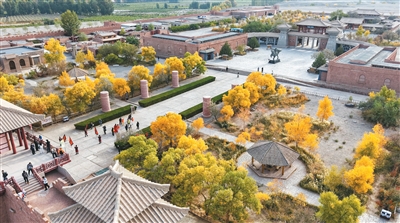
Core Insights - The tourism performance in China has shown significant growth in the live performance sector, with increases in the number of shows, box office revenue, and audience attendance compared to previous years [4][5][6] - Major performances like "Impression Liu Sanjie" and "Again Dunhuang" have become key attractions, contributing to local tourism and economic growth [10][12] Group 1: Market Performance - In the first three quarters of this year, the national tourism performance market has achieved year-on-year growth in terms of the number of performances, box office revenue, and audience numbers, indicating strong market vitality [4] - The cumulative performances of four major shows in Dunhuang during the "14th Five-Year Plan" period reached 7,901, attracting over 3.75 million visitors and significantly boosting local economic sectors such as accommodation and dining [12] Group 2: Product Innovation and Upgrades - The tourism performance market is experiencing a rich supply of products, with traditional formats like mountain water performances and themed park shows undergoing continuous upgrades to enhance their appeal [5][7] - The 2025 revamped version of "Tunnel Warfare" will include interactive elements for tourists, allowing them to engage directly with the performance, thus deepening emotional connections [7] Group 3: Cultural Integration and Technology - The integration of traditional culture and modern technology is crucial for the development of tourism performances, with a focus on creating high-quality content and expanding industry boundaries [8][9] - Performances like "Dragon and Phoenix Dance China" have been updated to appeal to younger audiences by incorporating modern aesthetics and technology, showcasing traditional culture in a contemporary context [9] Group 4: Audience Engagement - The immersive experience in performances such as "Long Hate Song" and "Again Dunhuang" allows audiences to feel a deeper connection to the cultural narratives being presented, enhancing their overall experience [6][11] - The use of advanced technologies like large-scale stage machinery and 3D imaging in performances has transformed the audience's experience, making it more engaging and interactive [11]
阿拉伯国家媒体重庆采风 多维度感知科技魅力
Zhong Guo Xin Wen Wang· 2025-11-08 09:58
Core Insights - The development of "virtual shooting technology" in China is creating new opportunities for collaboration in the film and television sectors between Arab countries and China [1][3] - A media tour titled "Hello Chongqing: Discovering Urban Charm" showcased the technological advancements and economic achievements of Chongqing to nearly 40 media representatives from Arab countries [1][3] Group 1: Technological Advancements - The virtual shooting technology demonstrated in Chongqing allows for immersive experiences without the need for extensive travel, impressing media representatives [3] - The advanced technology in electric vehicles at the Seres Super Factory highlighted China's transformation from a manufacturing powerhouse to an intelligent manufacturing leader [3][5] Group 2: Agricultural Innovation - The "smart factory" for vegetable cultivation in Nanchuan District showcased how technology can enhance agricultural productivity and quality, attracting interest from international media [5] - The ability to grow fruits and vegetables in controlled environments, referred to as "reverse temperature" growth, was noted as a significant advancement in modern agriculture [5]

第八届进博会“上新”不停,消费“情绪场”与“科技力”同台唱主角
Sou Hu Cai Jing· 2025-11-07 15:45
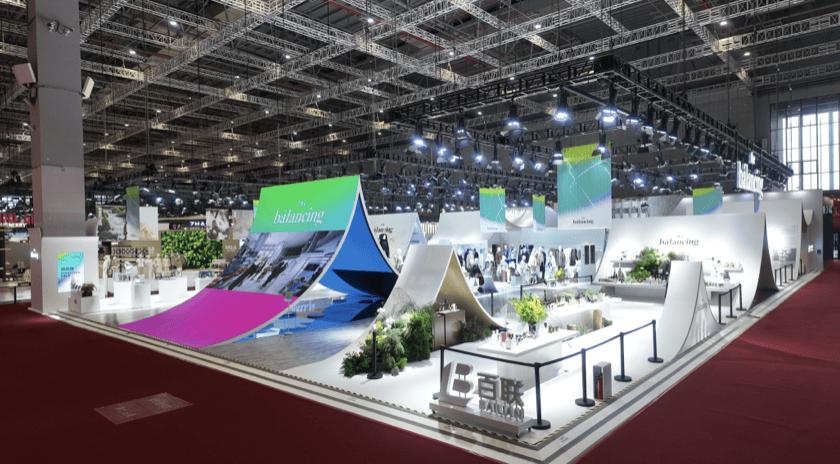
Core Insights - The 8th China International Import Expo (CIIE) emphasizes global cooperation and innovation in consumer goods, showcasing new products and future consumption trends driven by "emotional resonance" and "technological empowerment" [1][3][23] Group 1: Emotional Engagement and Consumer Experience - The "emotional sensing space" created by Bailian Group at the expo highlights the importance of emotional connection in building lasting commercial relationships, featuring over 400 unique products from nearly 100 brands across 20 countries [3][6] - An interactive art installation named "Emotional Theater 1.0" utilizes AI emotion recognition to transform personal emotions into dynamic visual scenes, enhancing the shopping experience by recommending products based on emotional states [6][8] Group 2: Technological Innovations in Beauty and Health - Major beauty brands are showcasing their technological advancements, with Shiseido introducing its "Shiseido Medical Aesthetic Cycle" concept, which integrates professional medical beauty with daily skincare [9][11] - Bayer HealthCare announced a strategic partnership with Tianwu Technology to incorporate AI in health product development, aiming to accelerate the commercialization of new products through intelligent protein molecular design [25][27] Group 3: Sustainable Practices and Localized Products - MUJI's exhibit emphasizes its commitment to local sourcing and production, showcasing a new hemp product line that reflects its "co-creation" strategy with Chinese designers [18] - IKEA's focus on "aging-friendly" solutions demonstrates its response to social issues, featuring innovative designs that cater to the elderly while also introducing localized products for Chinese consumers [20] Group 4: Health and Wellness Trends - The health sector is increasingly leveraging technology, with brands like INNER HEALTH launching new products that address weight management and metabolic health, validated by dual certifications from European and Australian authorities [23] - The introduction of the AKK series by INNER HEALTH reflects a growing consumer demand for sustainable health management solutions, combining scientific research with practical applications [23]

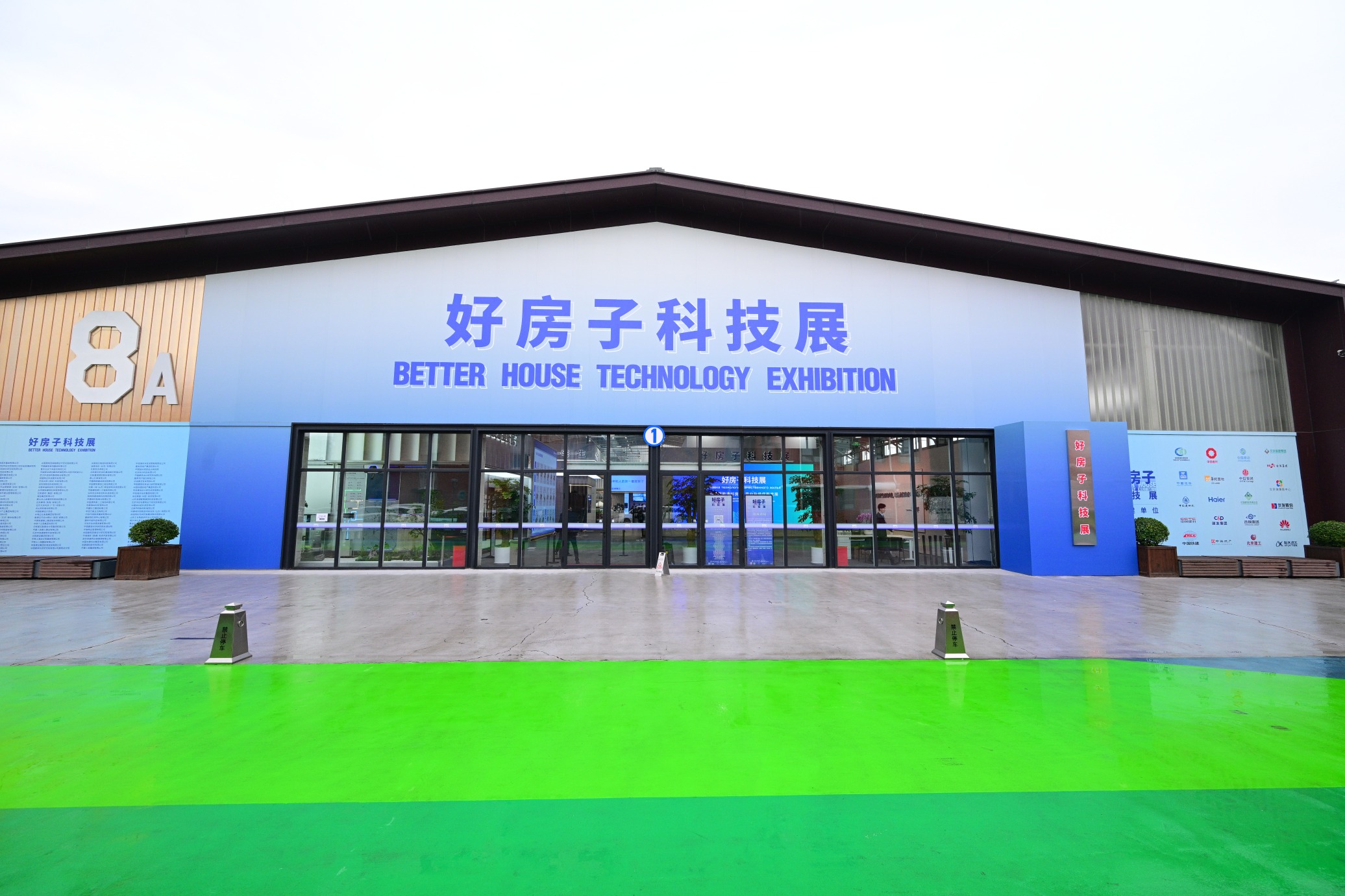
科技赋能造好房子 产业升级促新发展
Xin Hua Cai Jing· 2025-11-07 14:25
Core Viewpoint - The "Good House Technology Exhibition" in Beijing focuses on the theme of "Technology Empowering Good House Construction and Industrial Upgrade Promoting New Development," showcasing innovative housing concepts and technologies to meet public needs [1][3]. Group 1: Exhibition Overview - The exhibition is organized by the Ministry of Housing and Urban-Rural Development, in collaboration with over 20 entities including state-owned enterprises and research institutions, aiming to promote the concept of "Good House" [3]. - It features ten exhibition areas, including model houses, standards, designs, construction methods, materials, maintenance, smart construction, national heavy equipment, future technologies, and residential parks [3][4]. Group 2: Definition of "Good House" - A "Good House" is defined as one that is liked, desired, and affordable by the public, varying in size and price to meet diverse needs, with the common standard being "public satisfaction" [4]. - The exhibition showcases 18 model houses, including commercial housing, affordable housing, and renovated old residences, emphasizing safety, comfort, sustainability, and intelligence [4]. Group 3: Key Exhibition Areas - The "Good Standards" area displays the "Residential Project Specifications" and utilizes AI tools to present standardization achievements in the construction of "Good Houses" [5]. - The "Good Design" area highlights modern design concepts and innovative integration technologies, showcasing exemplary works and practical cases [5]. - The "Good Materials" area features high-quality building materials with characteristics of health, safety, and sustainability, such as carbon fiber and self-healing waterproof materials [5]. Group 4: Construction and Maintenance - The "Good Construction" area demonstrates the complete process of building a "Good House," from design to construction, emphasizing industrialized and low-carbon methods [5]. - The "Good Maintenance" area showcases property services and smart community operations, illustrating successful practices in enhancing service quality [5]. Group 5: Technological Integration - The exhibition emphasizes the role of new technologies in construction, promoting smart homes, digital families, and renewable energy applications to enhance building standards [6]. - The "Smart Construction" area features advanced construction robots and software, showcasing the integration of new information technologies with industrialized construction [6]. - The "National Heavy Equipment" area displays models of significant construction machinery, highlighting advancements in construction capabilities [6]. Group 6: Future Innovations - The "Future Technology" area presents innovations such as photovoltaic energy storage and AI smart home scenarios, redefining future living environments [6]. - An outdoor residential park area is being developed to showcase low-carbon buildings and age-friendly designs, catering to the public's demand for high-quality living [6].