绿色金融

Search documents
全力保障重庆经济“开门红”
Xin Lang Cai Jing· 2026-01-22 18:09
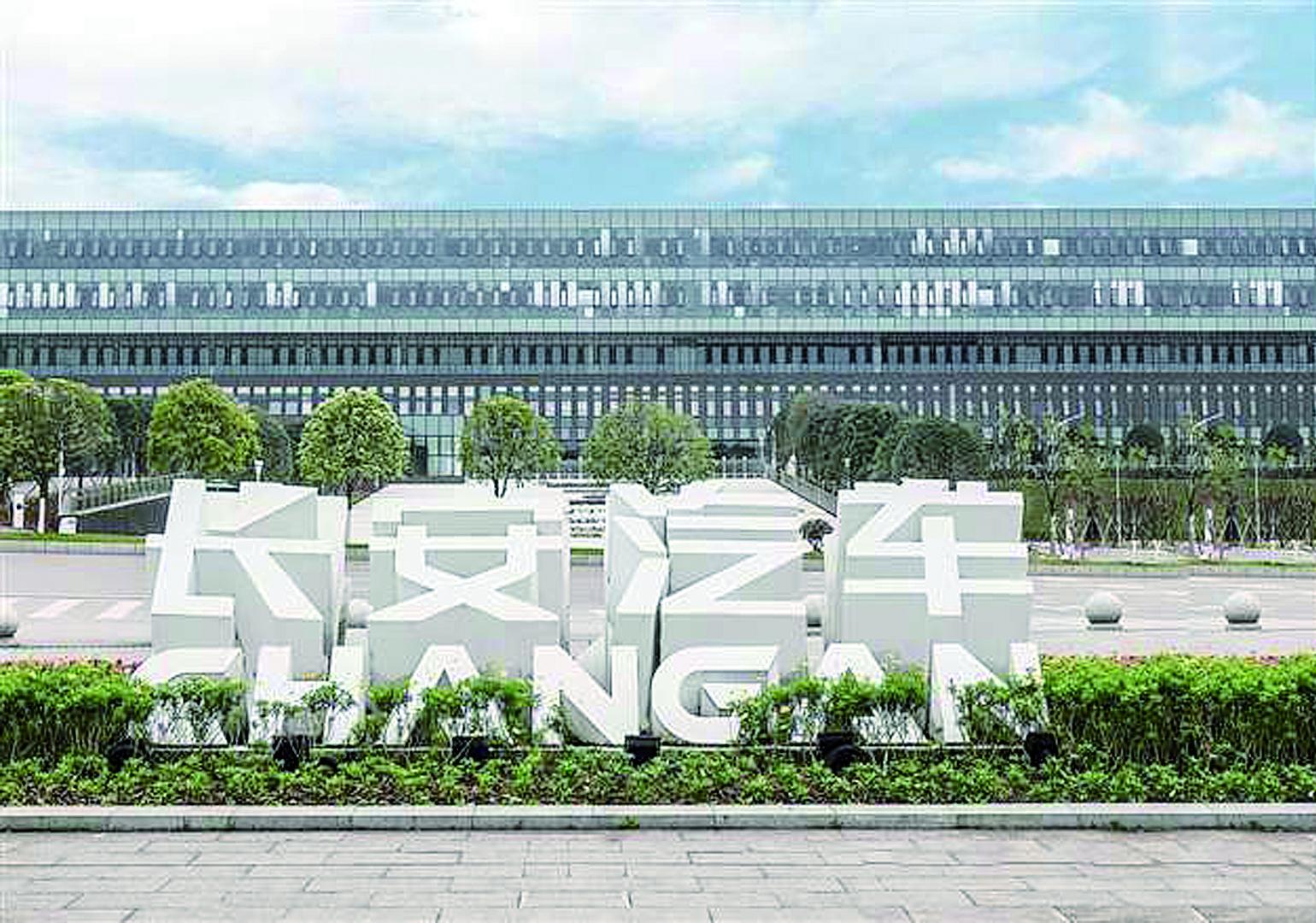
Group 1 - The core message of the news is that Chongqing's financial sector is actively supporting the real economy through various initiatives aimed at reducing financing costs and improving service efficiency, particularly in key industries such as technology and green finance [2][3][5] - In 2025, the People's Bank of China injected 127.7 billion yuan into the market, leading to an increase of 430.2 billion yuan in new loans, with a year-on-year loan balance growth of 7.2%, outperforming the national average for ten consecutive months [2][3] - The average interest rate for new corporate loans in December 2025 dropped to 3.15%, a decrease of 0.2 percentage points from the previous year, with measures in place to ensure transparency in loan costs [3][4] Group 2 - In 2025, over 60% of new loans were directed towards key sectors such as technology, inclusive finance, and elder care, with technology SMEs experiencing a loan growth rate exceeding 30% and elder care loans surging by 72.8% year-on-year [3][4] - Green loans in Chongqing surpassed 1 trillion yuan for the first time, with a financing balance related to the New Land-Sea Corridor exceeding 730 billion yuan, showcasing strong performance in green finance [4] - For 2026, the financial authorities plan to inject over 140 billion yuan in low-cost funds, with specific initiatives targeting technology firms to address their unique financing challenges [5][6] Group 3 - The Chongqing Securities Regulatory Bureau reported that in 2025, it supported various entities in raising 224.9 billion yuan through equity and debt financing, marking a 19% increase year-on-year [8][9] - The asset scale of listed companies in Chongqing reached 4 trillion yuan by the end of Q3 2025, ranking first in the central and western regions, with a year-on-year growth of 7% [9][10] - The regulatory body aims to enhance the operational standards of listed companies and promote the issuance of innovative bond products to support local economic development [11][13]

金砖国家新开发银行签署绿色金融协议 助力上海绿色发展
Xin Hua Wang· 2026-01-22 14:19
Core Viewpoint - The New Development Bank (NDB) has signed a cooperation agreement with Shanghai Rural Commercial Bank for a green loan project, emphasizing financial support for Shanghai's green development [1] Group 1: Project Details - The NDB will provide an equivalent of 100 million USD in five-year RMB funding specifically for renewable energy, energy efficiency, environmental protection, and digital infrastructure [1] - The project is centered around the theme of "Financial Support for Shanghai's Green Development" [1] Group 2: Strategic Importance - The chairman of Shanghai Rural Commercial Bank, Xu Li, stated that green development has become a global consensus and that green finance is essential for achieving carbon neutrality goals and driving comprehensive green transformation [1] - NDB's Vice President, Roman Shcherov, highlighted Shanghai's status as a global financial hub and the ideal environment it provides for this cooperation [1] Group 3: Institutional Background - The NDB was established in 2015 by Brazil, Russia, India, China, and South Africa to support infrastructure and sustainable development projects in BRICS and other emerging economies and developing countries [1] - The bank aims to complement existing multilateral and regional financial institutions to promote global growth and development [1]
南京银行股份有限公司2025年度业绩快报速览
Jin Rong Jie· 2026-01-22 12:24
南京银行股份有限公司 2025年度业绩快报建览 经营拥堵 口 PATTS VII 窗 资产总额 30,224.24亿元 较上年末增长16.63% 图 贷款总额 14,243.56亿元 较上年末增长13.37% 画 存款总额 16,707.89亿元 同比增长10.48% | 四母净利润 218.07亿元 同比增长8.08% 经营质效 对公板块 · 对公价值客户数较上年末增长19.04% 较上年未增长11.67% 盈利能力 回 营业收入 555.40亿元 资本实力 核心一级资本充足率 9.31% 财经频道更多独家策划、专家专栏,免费查阅>> 责任编辑:小讯 绿色金融 普惠小微 科技金融 贷款余额 贷款余额 贷款余额 较上年末增长 较上年末增长 较上年末增长 30.08% 17.46% 19.49% 零售板块 较上年末增长 零售客户金融资产(AUM) 21.23% 10.025亿元 较上年未增长 私人银行客户 22.94% 金融资产(AUM) 较上年未增长 36 零售价值客户数 27.02% 较上年末增长 FIFT 手机银行App用户数 29.85% 资产质量 不良贷款率 0.83% mp 拨备覆盖率 313.31 ...


苏农银行披露2025年业绩快报 多项业绩指标五年翻番
Zheng Quan Ri Bao Wang· 2026-01-22 08:53
1月21日晚间,苏农银行披露了2025年业绩快报,这是A股上市农商银行首份业绩快报。 2025年是"十四五"规划的收官之年,也是对苏农银行具有特殊意义的一年。五年前,苏农银行掌舵人、公司董事长徐晓军 上任之时曾提出"五年再造一个苏农银行"的目标,成为市场关注的焦点。 现在,苏农银行"五年再造"的交卷时刻已到,最新披露的业绩快报也是一份"快检试剂",可以让外界先期一睹苏农银行过 去五年的发展成绩单。 多项业绩指标五年翻番 最新的业绩快报显示,截至2025年末,苏农银行总资产2311.03亿元,较年初增长8.00%;总贷款1394.32亿元,较年初增长 7.81%;总存款1829.59亿元,较年初增长7.47%,其中储蓄存款1125.12亿元,较年初增长11.03%。 2025年度,苏农银行经营效益稳步提升,实现营业收入41.91亿元,同比增长0.41%;归属于母公司股东的净利润20.43亿 元,同比增长5.04%。 从数据看,过去一年,苏农银行规模指标和经营业绩继续保持稳健增长。"九层之台,起于累土",每个报告期各项指标的 稳健增长,也最终促成苏农银行过去五年间多项业绩指标实现翻番。 其中,储蓄存款由2020年 ...
上海农商银行与新开发银行签署绿色金融合作协议
Xin Lang Cai Jing· 2026-01-22 08:41
徐力董事长表示,绿色发展已成为超越国界的全球共识,绿色金融正是撬动"双碳"目标落地、驱动经济 社会全面绿色转型的核心引擎。作为扎根上海、服务长三角的金融国企,上海农商银行始终践行"金融 向善",持续打造"长三角最具绿色底色的银行",构建全链条绿色金融服务体系。此次与新开发银行的 携手,是上海农商银行完善ESG管理,促进自身和利益相关方共同可持续发展,实现经济效益、社会效 益和生态效益的良性结合。 来源:i上农商行 1月22日,上海农商银行与新开发银行举行绿色转贷款项目合作签约仪式。上海农商银行党委书记、董 事长徐力与新开发银行副行长罗曼·谢罗夫签署协议,上海农商银行行长汪明、副行长占玲灵、董事会 秘书姚晓岗,新开发银行副行长拉吉夫·兰詹、周强武等出席。 本次是上海农商银行首度与国际多边开发银行开展的绿色转贷款合作,项目以"金融助力上海绿色发 展"为核心,新开发银行将提供等值一亿美元的五年期人民币资金,专项用于支持可再生能源与能效、 环境保护及数字基础设施三大关键绿色领域,是上海农商银行跨境绿色金融的崭新实践。 谢罗夫副行长表示,上海作为全球金融枢纽及新开发银行总部所在地,为本次合作提供了理想的发展环 境。上海 ...

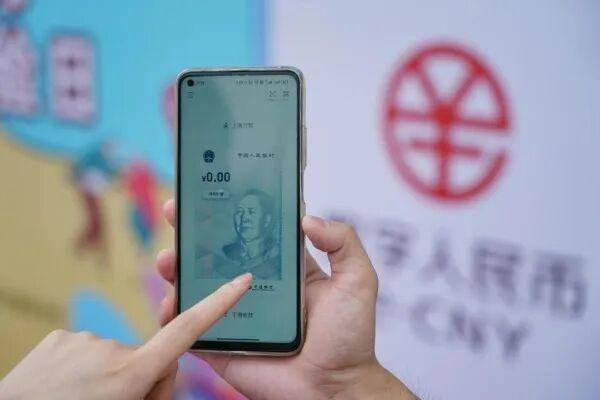
数字人民币升级2.0,对香港和区域金融有何意义?
Sou Hu Cai Jing· 2026-01-22 08:04
Core Viewpoint - The digital renminbi has transitioned from a digital cash era to a digital deposit currency era, with wallet balances now earning interest, marking a significant evolution in its functionality and implications for Hong Kong and the Greater Bay Area's financial ecosystem [1][3]. Group 1: Digital Renminbi 2.0 and Green Finance - Digital renminbi 2.0 enhances transparency and trust in green finance, providing a technological foundation for the issuance and monitoring of green bonds and carbon credits [3]. - The upgrade from digital renminbi 1.0 to 2.0 shifts its role from a retail payment tool to a comprehensive financial instrument with efficient payment and interest-earning capabilities, facilitating better management of overseas operational funds for enterprises [3][5]. Group 2: Hong Kong's Role in Digital Renminbi Development - Hong Kong has been examining the feasibility of central bank digital currencies since 2017 and is now a key player in the digital renminbi's cross-border payment infrastructure through the mBridge project [4][5]. - As the first cross-border pilot for digital renminbi outside the mainland, Hong Kong is positioned to attract multinational companies to use digital renminbi as a liquidity management tool, enhancing its offshore renminbi liquidity pool [5]. Group 3: Future Opportunities and Requirements - The upgrade to digital renminbi 2.0 presents new opportunities and requirements for Hong Kong, reshaping offshore renminbi business logic and extending applications into asset management and digital asset issuance [5][6]. - To achieve these functionalities, there is a need for enhanced risk prevention measures to ensure the security and stability of cross-border payment networks [6]. Group 4: Collaborative Innovation in the Greater Bay Area - The Greater Bay Area aims to innovate collaboratively in the digital renminbi space, focusing on regulatory cooperation, application scenarios, and platform integration [7]. - Key initiatives include optimizing user experiences for residents using digital renminbi wallets and exploring smart contract settlements in cross-border trade, leveraging the programmability of digital renminbi [7][8]. - The construction of major cooperation platforms in the Greater Bay Area, such as the Qianhai and He Tao areas, will facilitate cross-border applications and wallet interoperability [8].

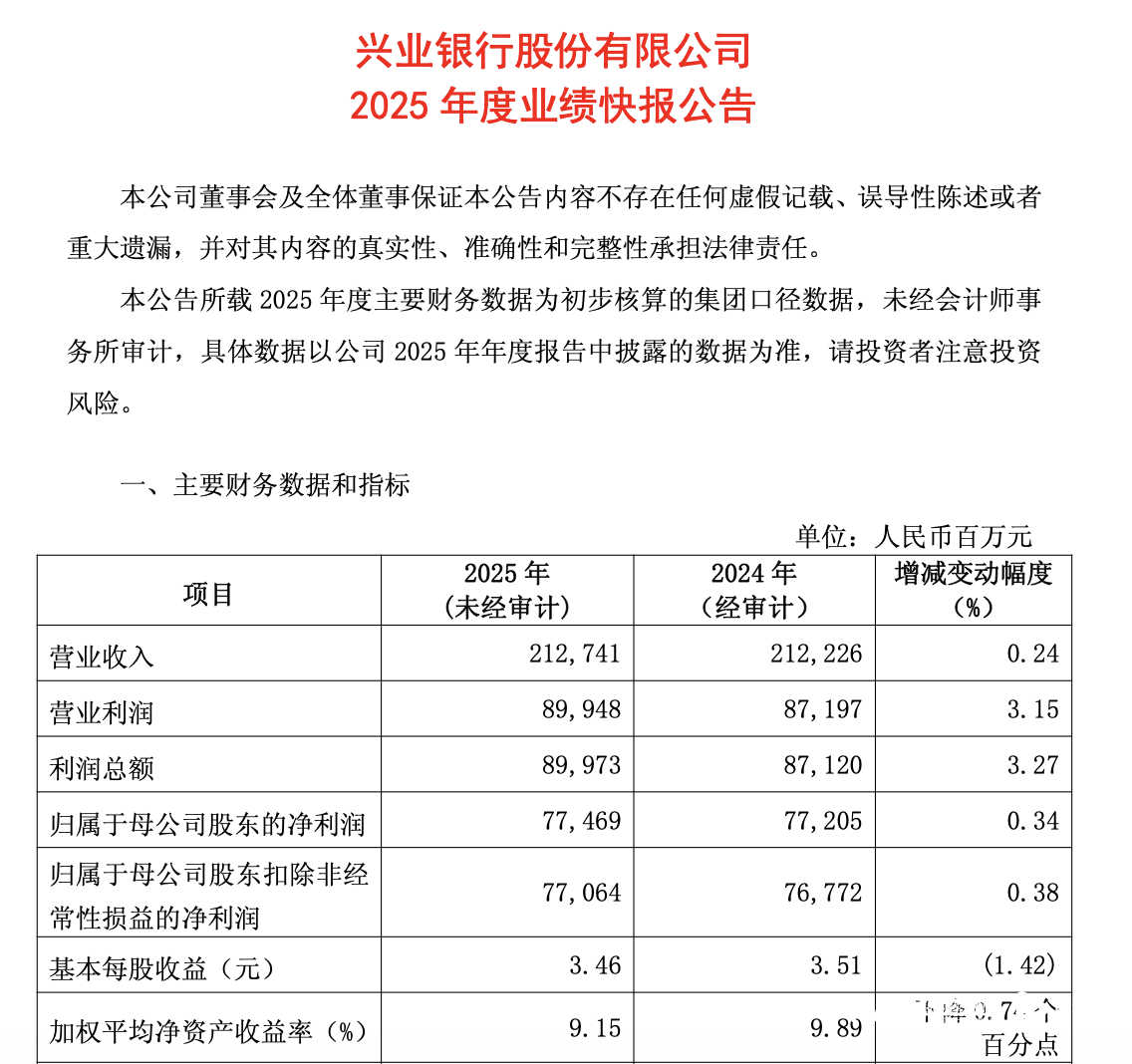
逆袭收官!兴业银行站上11万亿规模台阶,Q4“力挽狂澜”
Nan Fang Du Shi Bao· 2026-01-22 07:24
1月21日晚间,兴业银行发布2025年度业绩快报公告。报告显示,2025年兴业银行实现营业收入2127.41亿元,同比增长0.24%;实现归母净利润774.69亿 元,同比增长0.34%。 在资产规模上,截至2025年末,兴业银行总资产突破11万亿,达11.09万亿元,较上年末增长5.57%。值得一提的是,兴业银行第四季度单季表现亮眼,推动 全年营收增速转正。 | | | | | 早い: 八大川日 // // | | --- | --- | --- | --- | --- | | 项目 | 2025 年 | | 2024 年 | 增减变动幅度 | | | (未经审计) | | (经审计) | (%) | | 营业收入 | 212, 741 | | 212, 226 | 0. 24 | | 营业利润 | 89, 948 | | 87, 197 | 3.15 | | 利润总额 | 89, 973 | | 87, 120 | 3.27 | | 归属于母公司股东的净利润 | 77, 469 | | 77, 205 | 0. 34 | | 归属于母公司股东扣除非经 | | 77,064 | 76,772 | 0. 38 ...

国泰君安期货商品研究晨报:绿色金融与新能源-20260122
Guo Tai Jun An Qi Huo· 2026-01-22 01:33
Report Overview - Report Date: January 22, 2026 - Report Title: Guotai Junan Futures Commodity Research Morning Report - Green Finance and New Energy - Report Focus: Nickel, stainless steel, lithium carbonate, industrial silicon, and polysilicon futures 1. Report Industry Investment Rating - Not provided in the report 2. Report Core Views - Nickel: Indonesian statements repeatedly disrupt market sentiment, leading to wide - range fluctuations in nickel prices [2][4] - Stainless Steel: The futures market is anchored by the contradictions in the ore end, and the rising price of ferronickel supports the price center [2][4] - Lithium Carbonate: Supported by auction prices and expected supply reduction, the bullish and volatile trend continues [2][9] - Industrial Silicon: Upstream production cuts lead to a range - bound oscillation state [2][12] - Polysilicon: Attention should be paid to subsequent spot transaction prices [2][13] 3. Summary by Commodity Nickel and Stainless Steel - **Fundamental Data**: For nickel, the closing price of the Shanghai Nickel main contract was 143,060 yuan, with a change of 1,700 yuan compared to T - 1. The stainless steel main contract closed at 14,720 yuan, up 375 yuan from T - 1. Other data such as trading volume, import prices, and price spreads also showed different degrees of change [4] - **Macro and Industry News**: Indonesia suspended issuing new smelting licenses through the OSS platform; China implemented export license management for some steel products; Indonesia plans to revise the benchmark price formula for nickel ore and adjust the nickel ore production target [4][5][7] - **Trend Intensity**: Both nickel and stainless steel have a trend intensity of 0, indicating a neutral outlook [8] Lithium Carbonate - **Fundamental Data**: The closing price of the 2605 contract was 166,740 yuan, up 6,240 yuan from T - 1. Trading volume, open interest, and other indicators also changed. Spot prices of lithium carbonate and related products in the industrial chain showed an upward trend [9] - **Macro and Industry News**: The SMM battery - grade lithium carbonate index price increased; an auction of lithium spodumene concentrate was completed; new energy vehicle retail and wholesale data declined year - on - year and month - on - month [10][11] - **Trend Intensity**: The trend intensity of lithium carbonate is 1, indicating a relatively bullish outlook [11] Industrial Silicon and Polysilicon - **Fundamental Data**: The closing price of the Si2605 contract for industrial silicon was 8,780 yuan, up 35 yuan from T - 1. The PS2605 contract for polysilicon closed at 49,700 yuan, down 1,000 yuan from T - 1. Data on trading volume, open interest, price spreads, and inventory also showed various changes [13] - **Macro and Industry News**: The battery market is under cost pressure due to rising silver prices, and overseas battery prices have changed due to export tax policies [13][15] - **Trend Intensity**: Industrial silicon has a trend intensity of 0 (neutral), and polysilicon has a trend intensity of - 1 (relatively bearish) [15]
让非遗焕发新生让产业迸发活力
Xin Lang Cai Jing· 2026-01-21 23:41
Group 1: Community and Cultural Activities - The community emphasizes the need for diverse cultural activities for the elderly, such as calligraphy, opera appreciation, and handicraft skills, along with the involvement of more cultural volunteers and professional instructors to enhance activity quality [1] - There is a call for stronger grassroots transmission of intangible cultural heritage, particularly in paper art, to engage more young people and integrate traditional skills into schools and communities [2] Group 2: Financial Services - The financial sector highlights the importance of supportive policies for microfinance services, aiming for more precise and comprehensive guidance to bolster the development of microfinance in Huzhou [3] Group 3: Manufacturing and Industry - The manufacturing sector seeks targeted support policies for the digital transformation of traditional industries, focusing on high-end talent cultivation, smart research and development, and industry chain collaboration [4] Group 4: Agriculture and Rural Development - The tea industry, particularly white tea, is identified as a key economic driver for rural areas, with a request for more attention to the development of rural specialty industries and improvements in transportation and logistics to enhance the tea industry's vitality [5] Group 5: Health and Wellness Industry - The travel and wellness industry calls for more recommendations from representatives to improve service standards and encourage social participation in creating unique travel and wellness products [6]
迎接ESG大考,险企数据中心碳排高丨ESG强信披来了
2 1 Shi Ji Jing Ji Bao Dao· 2026-01-21 11:26
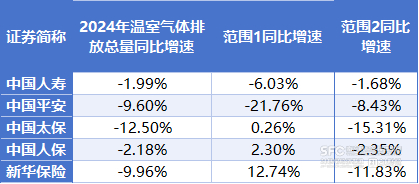
Core Viewpoint - The upcoming ESG assessment for A-share listed insurance companies is drawing significant market attention, with a deadline of January 21, 2026, for the disclosure of their latest annual ESG reports [1] Group 1: ESG Reporting and Standards - Five major A-share listed insurance companies, including China Life, Ping An, China Pacific, China Property, and New China Life, are required to disclose their ESG reports within three months [1] - The release of China's first financial ESG evaluation national standard provides a clear scoring framework for the insurance industry [1][2] Group 2: Carbon Emissions and Green Investments - All five insurance companies have shown a downward trend in annual total carbon emissions, with the highest reduction reaching 12.5% [1][3] - The total scale of green investments by these five companies has reached 1 trillion yuan [1] - China Life leads in total carbon emissions at 67.61 thousand tons, significantly higher than the lowest emitter, China Property, at 1.76 thousand tons [4] Group 3: Customer Service and Complaints - New China Life has experienced a significant increase in complaints, with a year-on-year surge of 71.52%, totaling 134,293 complaints [1][15] - The complaint volume per billion yuan of premium for New China Life is 0.87, which is relatively high compared to other companies [14][15] - The insurance industry is facing scrutiny regarding customer service quality as part of its ESG social dimension [14]