
耐心资本

Search documents
从一场投资路演交流会看耐心资本如何赋能数字经济高质量发展
Xin Hua Cai Jing· 2025-12-03 06:18
Group 1 - The "2025 Global Data Business Conference Investment Roadshow" was held in Shanghai, featuring 12 award-winning companies from the "Data Element ×" competition, with over 40 investment institutions participating [1] - The event aimed to bridge the gap between innovative companies and capital, promoting the concept of "using competitions to drive application" [1][6] - The need for patient capital that understands industry development was emphasized, particularly in sectors like data-driven industrial equipment and agriculture, where R&D investment is significant and returns take time [2][3] Group 2 - Patient capital is seen as essential for long-term support and collaboration in the innovation process, providing not just funding but also strategic resource alignment [4] - The "Data Element ×" competition serves as a platform for identifying high-growth, innovative projects, contributing to the development of a healthy ecosystem for data industry growth [5][6] - The roadshow aimed to facilitate the transformation of data value and promote a virtuous cycle between technology, industry, and finance [6][7]
“金融有为”地方纵横谈丨以培育耐心资本为核心的政府投行招商模式
Xin Hua Cai Jing· 2025-12-03 02:33
Core Viewpoint - The "14th Five-Year Plan" emphasizes the combination of an effective market and a proactive government, aiming to enhance the role of the market in resource allocation while improving government functions to build a unified, open, competitive, and orderly market system [1] Group 1: Financial Market Development - The financial market is crucial for capitalizing and securitizing resources, and achieving high-quality economic development during the "14th Five-Year Plan" requires local governments to explore financial service systems with local characteristics [1] - The report outlines five development models for local financial reform: regional financial center model, technology industry financial cycle model, government investment bank招商 model, new financial service elements model, and local characteristic financial service model [1] Group 2: Industrial System Development - The "14th Five-Year Plan" calls for the construction of a modern industrial system to strengthen the foundation of the real economy, with local governments playing a key role in attracting and laying out industries [2] - Local governments face challenges such as homogeneous industrial layouts and the loss of traditional industry advantages while trying to develop strategic emerging industries [2] Group 3: Government Investment Bank招商 Model - The government investment bank招商 model aims to enhance the attraction of emerging industries and quality enterprises through local industry funds and guiding funds, with a focus on creating a positive interaction between equity investment and project attraction [3] - Key factors for developing this model include leveraging government funds as patient and innovative capital, improving evaluation mechanisms for local funds, and attracting market-oriented management institutions [3][4] Group 4: Project Implementation and Industry Chain Development - Major projects and leading enterprises are essential for building complete industry chains and ecosystems, with the government investment bank model providing significant multiplier effects in project implementation [4] - Local governments should identify core and weak links in the industry chain and prioritize support for leading enterprises and key projects, especially in areas where social capital is hesitant to invest [4] Group 5: Traditional and Emerging Industry Collaboration - Local governments must balance the development of traditional industries with the growth of emerging and future industries, focusing on upgrading traditional sectors through technology and innovation [5] - Investments should target key areas such as technological transformation and green transition, fostering a collaborative development environment among traditional and new industries [5] Group 6: Hefei's Experience - Hefei has successfully implemented the government investment bank招商 model, focusing on strategic emerging industries like integrated circuits and new energy vehicles, resulting in significant industrial cluster effects [6] - The city has established a closed-loop mechanism for investment evaluation and risk assessment, ensuring investments are based on clear industrial logic [6][7] Group 7: Investment Mechanisms and Brand Building - Hefei has developed a tiered risk tolerance and accountability mechanism to encourage investment, allowing for a loss tolerance of 15% to 50% for different fund types [7] - The city launched the "Creative Investment City" initiative to attract innovative capital, establishing a total scale of 20 billion yuan for government guiding funds and linking over 200 funds with a total scale of 400 billion yuan [8] - Hefei's comprehensive strength has significantly improved, with GDP exceeding 1 trillion yuan and becoming a new growth star in the Yangtze River Delta region [8]
吸引险资“活水” 多地竞相抛橄榄枝
Xin Lang Cai Jing· 2025-12-03 00:40
Core Viewpoint - Insurance capital, characterized by its large scale, long duration, and strong stability, is becoming a key target for investment attraction across various regions in China [1][5]. Group 1: Regional Efforts to Attract Insurance Capital - Multiple regions, including Tibet and Shaanxi, have recently implemented policies and organized special activities to attract insurance capital investments [1][5]. - The Tibet Autonomous Region has initiated actions to encourage insurance capital investment, exploring partnerships with state-owned enterprises and large private enterprises [1][5]. - Shaanxi Province hosted an event to promote insurance capital investment, attracting over ten leading domestic insurance institutions [1][5]. Group 2: Characteristics and Benefits of Insurance Capital - Insurance capital is recognized for its large single investments and long investment cycles, providing stable financial support for local economic development [1][6]. - The capital is particularly beneficial for long-term major projects, especially in infrastructure and industrial upgrades, helping alleviate local financing pressures and promoting high-quality economic growth [2][6]. Group 3: Diversification of Investment Methods - The investment approach of insurance capital has evolved from primarily debt and equity to a diversified model that includes stocks, real estate, and private equity funds [3][7]. - A notable example includes the introduction of insurance institutions into a private equity fund in Henan, marking a significant breakthrough in insurance capital investment [3][7]. - Insurance capital is increasingly targeting sectors beyond traditional infrastructure, such as technology and elderly care, with recent projects signed in these areas [3][7]. Group 4: Regulatory Support and Future Trends - The enhancement of insurance capital investment enthusiasm is supported by regulatory policies aimed at promoting high-quality development in the insurance industry [4][8]. - Future investment trends may see insurance capital expanding into areas like technological innovation and green industries, with a focus on risk prevention and long-term benefits [4][8]. - Predictions indicate a shift from traditional debt investments to tools like REITs and industrial funds, aiming to create a closed loop of investment, operation, and exit to improve capital efficiency [9].
浙江“十五五”规划建议:完善科技创新投入机制,发展耐心资本
Zheng Quan Shi Bao Wang· 2025-12-03 00:20
Core Viewpoint - The Zhejiang Provincial Committee emphasizes the importance of creating a favorable innovation ecosystem and a first-class business environment in its proposal for the 15th Five-Year Plan for Economic and Social Development [1] Group 1: Innovation Ecosystem - The proposal aims to improve the mechanism for technology innovation investment and develop patient capital [1] - It seeks to establish a market-oriented system for the transformation and application of scientific and technological achievements, including reforms for the entire chain and cycle of achievement transformation [1] - There is a focus on optimizing the industrial ecosystem and promoting collaborative innovation along the industrial chain [1] Group 2: Intellectual Property and Cultural Development - The plan includes high-level construction of a strong intellectual property province, with mechanisms for nurturing, utilizing, and protecting intellectual property [1] - It aims to foster an innovation culture that encourages responsibility, values innovation, and tolerates failure [1] Group 3: Market Reforms and Business Engagement - The proposal accelerates the implementation of comprehensive reforms for market-oriented allocation of factors in Hangzhou, Ningbo, and Wenzhou [1] - It emphasizes the need for regular communication mechanisms with private enterprises and the establishment of a responsive platform for business needs [1]
11月份公募机构重点调研17个行业
Zheng Quan Ri Bao· 2025-12-02 16:12
Group 1 - In November, public fund institutions accelerated their research activities, focusing on hard technology and advanced manufacturing sectors, with 154 institutions participating in over 4,200 company surveys across 30 industries and more than 500 stocks [1] - The research trend showed a concentration on leading firms and specific sectors, with 85 institutions conducting more than 20 surveys each, and Bosera Fund leading with 111 surveys, primarily in the electronics, machinery, and power equipment industries [2] - The electronics sector received the most attention, with 974 surveys conducted, followed by machinery with 819 surveys, and pharmaceuticals with 403 surveys, indicating a strong interest in companies like Luxshare Precision and Industrial Fulian [2] Group 2 - Public institutions are increasingly focusing on long-term value, emphasizing core competitiveness and growth certainty in niche areas, such as automation growth logic for Huichuan Technology and natural gas equipment advantages for Jereh [3] - In the pharmaceutical sector, the focus is on the progress of innovative drug pipelines and commercialization effectiveness, reflecting a market interest in companies' technological innovation and long-term profitability [3] - The investment landscape is shifting towards companies with strong R&D capabilities and integrated supply chains, particularly in electronics, machinery, and power equipment, as institutions prepare for future market opportunities [4] Group 3 - The investment value of hard technology and advanced manufacturing sectors is expected to become more prominent, driven by policy incentives and industry upgrades, with a focus on AI-manufacturing integration, solid-state battery supply chains, and leading firms in high-end manufacturing [4] - The overall liquidity environment remains favorable for mid-term market trends, despite short-term fluctuations as the year-end approaches [4] - Investors are advised to pay attention to three main lines: AI-manufacturing integration in electronics, solid-state battery industry in power equipment, and leading firms in high-end manufacturing [4]


商业航天迎来爆发元年!这家山东创投机构下了一步“先手棋”
Da Zhong Ri Bao· 2025-12-02 09:18
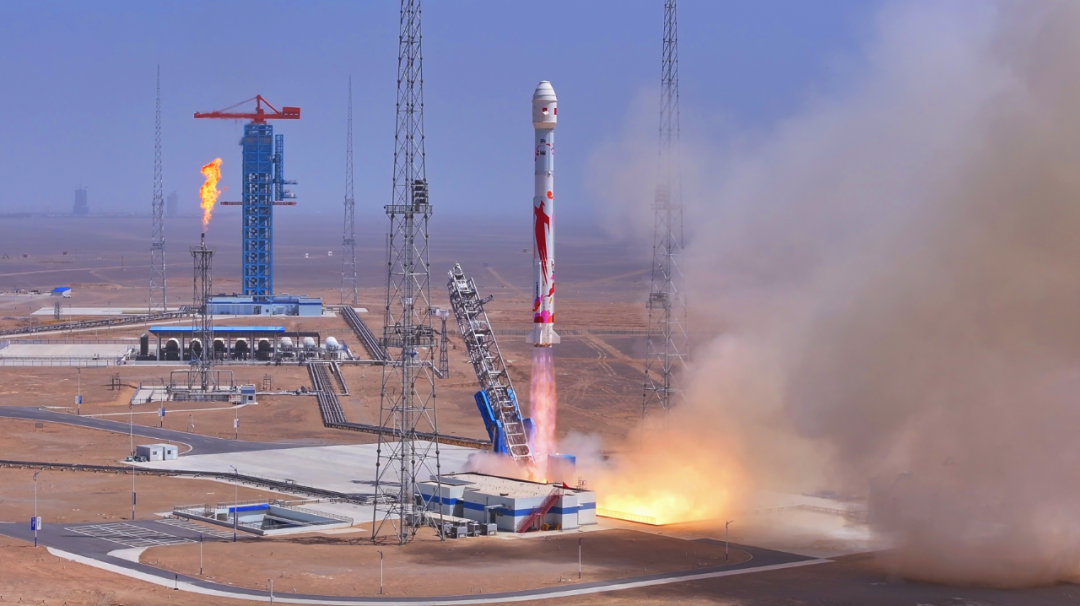
Group 1 - The National Space Administration of China has released the "Action Plan for Promoting High-Quality and Safe Development of Commercial Space (2025-2027)", integrating commercial space into the national space development framework [1] - The establishment of the Commercial Space Department aims to promote high-quality development in the commercial space sector, benefiting the entire industry chain [1] - Lushin Venture Capital has proactively invested in over ten leading companies in the commercial space sector, including Blue Arrow Aerospace and Weihan Technology [2][4] Group 2 - Lushin Venture Capital allocates over 90% of its funds to "hard technology" and has made early investments in commercial space, demonstrating confidence in the sector's potential [3][5] - The company invested 30 million yuan in Weihan Technology in 2021, acquiring nearly 10% equity, with a focus on long-term growth rather than immediate returns [4] - Weihan Technology has established a space manufacturing line and secured significant orders, applying its thermal control solutions to over 300 satellites, maintaining the top market share domestically [4][10] Group 3 - Lushin Venture Capital emphasizes a patient investment strategy, focusing on innovation and growth rather than short-term returns, supporting companies through their development phases [7][9] - The firm has invested in over 300 companies, with more than half being early-stage and growth-stage enterprises, and has helped 44 companies go public [8] - Lushin Venture Capital is actively involved in creating an industrial ecosystem in Shandong, focusing on the "offshore launch services - core manufacturing - aerospace information application" industry [4][10] Group 4 - The company has established a 10 billion yuan fund to support high-quality industrial development in Shandong, targeting strategic emerging industries [12] - Lushin Venture Capital's approach includes not only financial investment but also providing resources for research, management, and market expansion to enhance the vitality of invested companies [9][12] - The successful launch of the Zhuque-2 rocket involved collaboration among Lushin's invested companies, showcasing the effectiveness of their integrated industrial chain strategy [10][12]


工银资本陆胜东:耐心资本助推科技创新
投中网· 2025-12-02 07:01
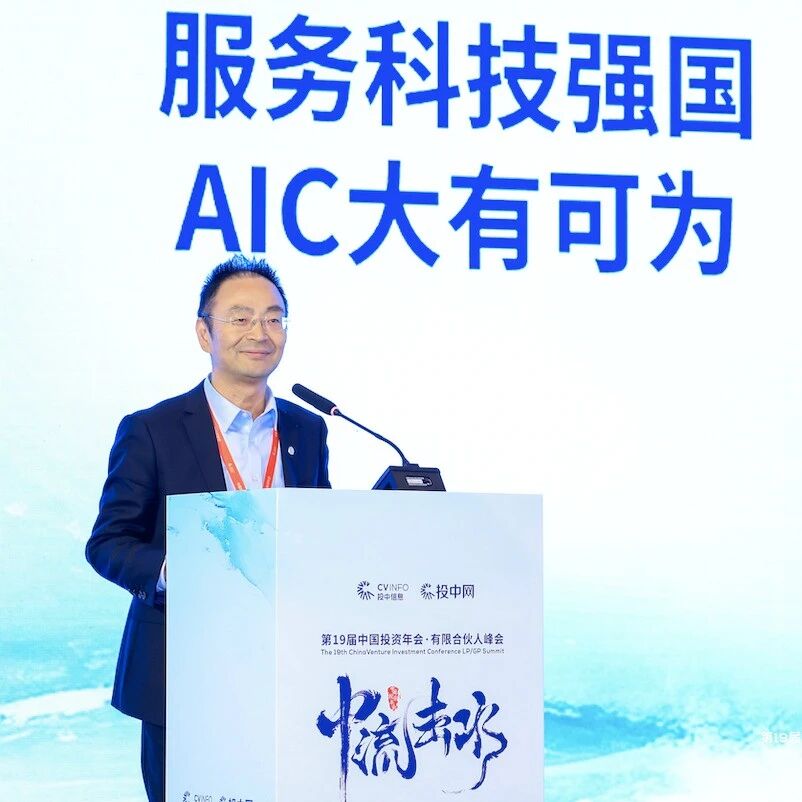
Core Viewpoint - Patient capital is becoming a crucial force in supporting technological innovation and industrial upgrading in China's investment landscape, particularly in the "hard card replacement" technology sector, with Financial Asset Investment Companies (AIC) injecting continuous capital into the real economy through market-oriented debt-to-equity swaps and equity investments [3][5]. Group 1: AIC's Role and Development - AIC, approved by the State Council, serves as a bank-affiliated debt-to-equity swap implementation agency, initially tasked with reducing leverage and preventing risks, now expanding its scope to include market-oriented debt-to-equity swaps, equity investment pilots, and private equity investment funds [5][6]. - Major Chinese banks, including ICBC, ABC, and others, have established AIC institutions, with recent expansions including banks like Industrial Bank and CITIC, enhancing the capacity of patient capital [5][6]. Group 2: Policy Support and Opportunities - National policies, such as the 20th National Congress and the State Council's 2024 measures, emphasize the encouragement of angel investment, venture capital, and private equity, indicating a favorable environment for AIC's development [7][8]. - The expansion of AIC's direct equity investment pilot scope is supported by regulatory bodies, creating a conducive policy space for AIC to play a significant role in supporting technological innovation and new productive forces [7][8]. Group 3: Investment Strategy - The company focuses on early, small, long-term investments in hard technology, targeting key regions like Beijing, the Yangtze River Delta, and the Greater Bay Area, as well as strategic emerging industries and critical technology sectors, including renewable energy storage [8][9]. - AIC is committed to supporting national-level specialized and innovative enterprises, high-tech companies, and unicorns, with plans for further investments in "hard card replacement" technologies [9]. Group 4: Building Collaborative Ecosystems - The company emphasizes long-term, value, strategic, and stable investments, actively constructing an ecosystem and network of partnerships with state-owned enterprises, national funds, local investment platforms, and top private equity firms [10]. - The goal is to foster a collaborative environment that promotes the interaction of technology, industry, and finance, ultimately supporting technological innovation and injecting more equity investment into the real economy [10].
银行须向生态型科技金融服务商转型
Jin Rong Shi Bao· 2025-12-02 02:01
Core Insights - The case of Agricultural Bank providing financial support to Cyberspace Group represents a shift in banking from traditional credit models to a dual-value creation approach, emphasizing long-term capital and comprehensive services for technology enterprises [2][3] - The transformation from "financing" to "intelligence" highlights the need for banks to adapt their financial service systems and risk management frameworks to better support technology-driven companies [2][3] Group 1: Financial Innovation and Support - Agricultural Bank's investment of 500 million yuan in equity capital exemplifies a collaborative model that enhances the capital structure and market competitiveness of technology firms [2] - The case illustrates a replicable path for banks to transition from debt-oriented thinking to equity-oriented thinking, focusing on growth logic rather than collateral [3] Group 2: Challenges and Opportunities in Financing - The current financial support system in China is primarily based on indirect financing, with a need for improved long-term and patient capital supply, especially for foundational research and cutting-edge technology [4][5] - Direct financing, particularly through bonds and equity, is gaining traction in the technology sector, indicating a growing support from capital markets for innovation [4][5] Group 3: Recommendations for Banks - Banks should develop a comprehensive financial capability system that integrates investment, debt, and advisory services to meet the diverse capital needs of technology enterprises [3][6] - Emphasis should be placed on building specialized teams that understand technology, industry, and finance to enhance service delivery to innovation-driven companies [6] - Banks are encouraged to actively participate in the bond market and establish mechanisms for long-term capital support, including market-oriented debt-to-equity swaps [5][6]


创投行业这一年:LP出资回暖,退出路径多元化渐成共识
Zhong Guo Ji Jin Bao· 2025-12-01 11:08
【导读】创投行业这一年:LP出资回暖退出路径多元化渐成共识 "年底正值绩效考核的关键期,我们投资者关系(IR)团队已连续多日高强度工作,为不同类型的基金 出资人(LP)量身定制募资方案,人手严重不足。"北京某头部创投机构的IR负责人坦言。 据中国基金报记者了解,此前数年的"募资寒冬"已导致创投机构的募资团队经历了一轮持续的优化与精 简,今年市场环境显著回暖,LP的出资意愿普遍增强,但是,不同背景的LP核心诉求各异,标准化的 募资策略已然失效。上述IR负责人透露,其三人团队需同时推进三个新LP的募资方案,并为八个存量 LP准备年度基金运营总结。 投中信息CEO杨晓磊在"第19届中国投资年会·有限合伙人峰会"上表示,行业已迎来情绪与数据同步改 善的阶段性拐点。他强调,国资已成为市场中最重要的资金力量,占比高达75%~80%,发挥着"压舱 石"的关键作用。同时,社保基金、金融资产投资公司(AIC)等长期资本的入场,亦显著改善了市场 的整体流动性。 LP结构变化 重塑VC/PE市场 《LP全景报告2025》指出,当前,我国私募股权市场资金端结构已经改变,在政府国资主导体系下, 资金诉求已经从市场化财务配置转向国家战略 ...
投中信息杨晓磊:创投市场拐点已至
Zhong Guo Ji Jin Bao· 2025-11-30 08:05
Group 1 - The core viewpoint of the article is that the primary private equity market in China has reached a turning point, with optimism for the upcoming years, particularly 2026 [1] - The fundraising, investment, and exit sectors have all shown significant improvement, with new fund establishments and investment amounts increasing by 10% to 20% year-on-year, and exit scales growing by over 100% due to a recovery in the secondary market [2][3] - Long-term capital supply has notably increased, with "patient capital" from social security funds, insurance funds, and Asset Investment Companies (AIC) enhancing market liquidity, as evidenced by 99 AIC funds established since September 2024, totaling 198 billion yuan [3] Group 2 - Despite the increase in state-owned capital contributions, the scale of insurance capital investment has decreased year-on-year, as insurance capital has largely completed its primary market allocations and is adopting a more cautious investment strategy [3] - The performance realization degree in China's venture capital market is higher than that in the United States, with the cash return rate (DPI) reaching 1.0 in the seventh year being considered excellent [4][5] - The operation models of large state-owned funds align well with industry characteristics, making state capital a stable long-term funding source for the venture capital market [5]