自主创新

Search documents
这套装备实现了中国人的“易拉罐自由”
Ke Ji Ri Bao· 2025-10-10 23:37
Core Viewpoint - The development of a domestically produced 2300mm single-stand six-roll aluminum cold rolling mill by China Nonferrous Metal Industry's Foreign Engineering and Construction Co., Ltd. (中色科技) has ended the long-standing reliance on imported equipment for producing aluminum can materials, marking a significant breakthrough in the industry [1][5]. Group 1: Equipment Development - The six-roll mill is crucial for producing ultra-thin aluminum can materials, which have specific requirements for thickness, strength, and flatness [2][5]. - Historically, the six-roll mill technology was entirely dependent on imports, creating a gap in the aluminum processing industry [2][4]. - The first domestically produced UCM six-roll mill was developed in 2004, but it was considered rudimentary compared to international standards [3][4]. Group 2: Technological Advancements - The latest 4.0 version of the six-roll mill successfully produced aluminum strips thinner than 0.258mm, achieving stable mass production and breaking the foreign monopoly on this technology [5][6]. - The new equipment significantly reduces costs by two-thirds compared to imported machines and shortens the design and manufacturing cycle [6]. - The mill features an advanced UCM system that allows for precise control of the rolling process, enhancing the quality of the produced materials [6][7]. Group 3: Innovation and Future Directions - The introduction of electromagnetic induction heating technology has improved the efficiency and safety of the rolling process, replacing traditional heating methods [7]. - The company aims to continue advancing its technology by integrating 5G and artificial intelligence into its operations [8]. - Future plans include focusing on high-end equipment development to strengthen the domestic aluminum and copper material industry [8].
“大国重器”变身“智能课堂”
Yang Shi Xin Wen· 2025-10-09 08:39
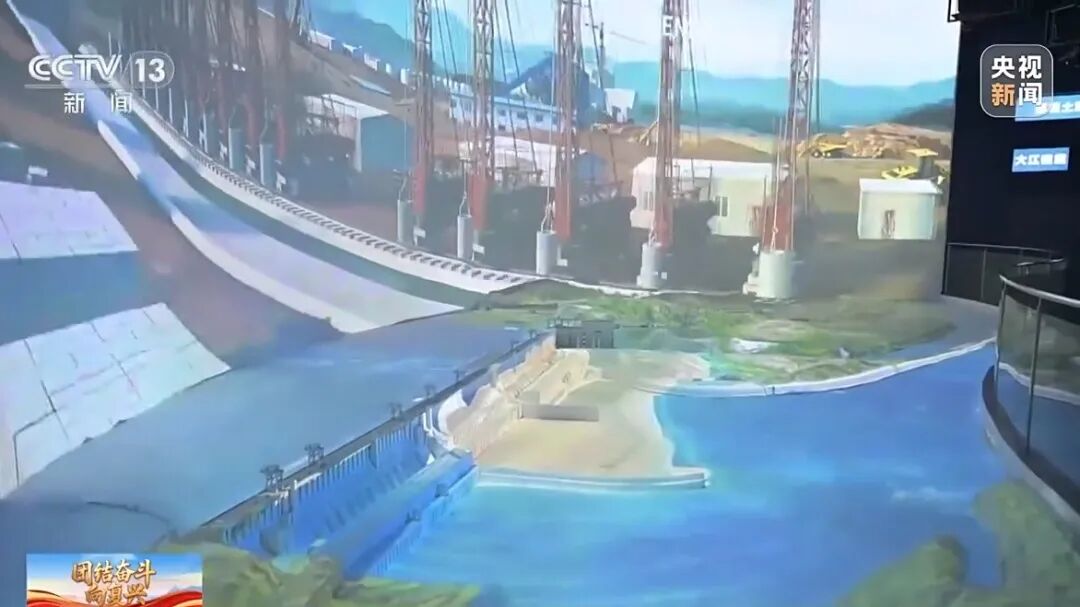
Group 1: Three Gorges Dam - The Three Gorges Dam has transformed from a "century project" into an interactive "living classroom," attracting numerous visitors during the holiday season [1][10] - The Three Gorges Engineering Museum showcases over 2,000 exhibits, including relics, engineering blueprints, and components, using multimedia technology to present the construction journey of the world's largest water conservancy project [2][8] - The tourism area has implemented a smart explanation system that enhances visitor experience by providing detailed insights into the dam's roles in flood control, power generation, navigation, and water resource utilization [8][10] Group 2: Fuling Shale Gas Field - The Fuling Shale Gas Field, China's first commercially developed shale gas field, features interactive experiences that allow the public to understand how domestic technology breaks foreign barriers in clean energy development [11][19] - During the holiday period, the Fuling Shale Gas Field is expected to receive over 2,000 visitors, showcasing its achievements in energy development [19] - The field's first domestically produced fracturing truck and other exhibits highlight the advancements in China's energy sector, emphasizing the importance of domestic innovation [19][24] Group 3: Technological Innovations - The development of high-sulfur gas fields has led to significant advancements in domestic equipment, reducing reliance on imports and cutting costs by 62% [23][24] - A new generation of flow meters has been developed, improving fault handling efficiency by 24 times compared to traditional models [22][24] - The successful development of high-sulfur series tools and instruments has enabled the complete localization of core components and equipment, enhancing the competitiveness of China's oil and gas industry [24]

数字阅读背后藏着他的“光与电”
Ke Ji Ri Bao· 2025-10-09 02:52
Core Viewpoint - The article emphasizes the importance of the spirit of scientists, highlighting the legacy of Wang Xuan, a pioneer in Chinese printing technology, and his contributions to the field of computer science and laser typesetting. Group 1: Contributions to Printing Technology - Wang Xuan is recognized as the inventor of Chinese character information processing and laser typesetting technology, marking a significant revolution in China's printing industry after the invention of movable type printing by Bi Sheng [1][4]. - The "748 Project" initiated in 1974 aimed to develop a Chinese character information processing system, with Wang Xuan focusing on the advanced fourth-generation laser typesetting system [2][3]. Group 2: Innovations and Breakthroughs - Wang Xuan faced skepticism regarding his ability to develop a fourth-generation machine, particularly due to the challenge of storing vast amounts of Chinese character information in limited computer memory [3]. - He developed a unique "contour plus parameters" compression technique, which allowed for the storage of Chinese characters in a computer, significantly reducing the required memory [3]. Group 3: Impact on the Industry - By 1985, the Economic Daily became the first newspaper to adopt laser typesetting, leading to a rapid transition in the industry where 99% of newspapers and 90% of publishers abandoned traditional lead typesetting within five years [4]. - The introduction of color laser typesetting in 1992 marked a milestone, with the Science and Technology Daily publishing the first color newspaper produced using this technology [4]. Group 4: Legacy and Inspiration - Wang Xuan's approach combined scientific innovation with a commitment to national service, embodying the spirit of dedication and mentorship [4][5]. - His legacy encourages future generations to surpass his achievements and continue advancing technology in the field [5].
【牢记总书记的嘱托·企业调研记】晶能裂变
Jing Ji Ri Bao· 2025-10-08 22:31
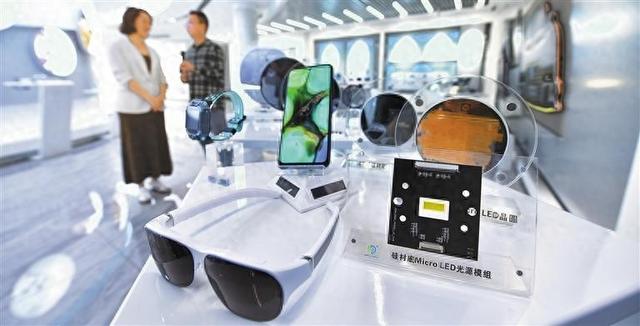
Core Viewpoint - The article highlights the significant growth and innovation of Jingneng Optoelectronics Co., Ltd. in the LED industry, emphasizing its commitment to independent technology development and market expansion despite challenges in the sector [1][3][28]. Group 1: Company Growth and Achievements - Jingneng has established itself as a leader in the LED market, achieving notable milestones such as winning the National Technology Invention Award in 2016 and being nominated for the China Quality Award in 2021 [3][5]. - The company reported a sales growth of over 30% and a similar increase in tax contributions for 2024, showcasing its resilience in a challenging market [5][6]. - Jingneng's strategic focus on high-end markets and long-term innovation has allowed it to replace imports and drive the development of the domestic supply chain [1][7]. Group 2: Technological Innovation - The company has developed a proprietary MES (Manufacturing Execution System) to enhance production quality, achieving a defect rate of "one in a billion," significantly surpassing industry standards [14][15][17]. - Jingneng has invested approximately 10% of its sales revenue in R&D, which is relatively high for LED companies, enabling it to maintain a competitive edge [6][11]. - The firm has established a comprehensive technology moat with dozens of core technologies across the entire supply chain, including substrate materials and packaging [11][12]. Group 3: Market Position and Industry Impact - Jingneng's growth has contributed to the transformation of the global light source market, with increasing recognition of Chinese LED products worldwide [1][3]. - The company plays a pivotal role in the domestic LED industry, with its products now being used in major smartphone brands and automotive applications, thus reducing reliance on foreign suppliers [22][25]. - The overall LED market in China is expected to decline by approximately 6% in 2024, indicating a challenging environment for many smaller competitors, while Jingneng continues to thrive [3][28]. Group 4: Future Outlook and Challenges - Jingneng aims to explore new markets such as autonomous driving and smart devices, anticipating significant growth opportunities in these sectors [27][31]. - The company faces pressures from intense competition and the need for continuous innovation, requiring a skilled workforce and long-term investment strategies [30][31]. - The support from venture capital, particularly from firms like Jindong Capital, has been crucial for Jingneng's long-term development, highlighting the importance of patient capital in the tech sector [7][31].
楼梯上的创新轨迹(人民论坛)
Ren Min Ri Bao· 2025-10-08 22:11
Core Insights - The article emphasizes the importance of innovation and the willingness to take the first step in technological advancements, highlighting China's rapid progress in various scientific fields [2][3] Group 1: Innovation Journey - The staircase at Yushu Technology symbolizes the journey of innovation, where initial failures lead to eventual success, reflecting the broader narrative of technological development in China [1][2] - Key figures in China's space and defense sectors, such as Wang Yongzhi and Huang Xuhua, are celebrated for their pioneering contributions, showcasing the spirit of perseverance in overcoming challenges [2] Group 2: Trial and Error in Innovation - Innovation is described as a process of trial and error, where setbacks are viewed as opportunities for learning and improvement, particularly in China's aerospace sector [3] - The concept of "resetting" problems in technical and management aspects is highlighted as a unique approach that has led to successful outcomes in projects like the lunar exploration program [3] Group 3: Supportive Environment for Innovation - The article discusses the need for a supportive environment that encourages innovation and tolerates failure, citing recent policies aimed at fostering technological advancements [3] - The evolution of the electric vehicle industry is presented as an example of overcoming initial challenges, with advancements in technology alleviating previous concerns such as range anxiety [3] Group 4: Future Outlook - The article concludes with a forward-looking perspective on the necessity of continuous effort and determination in achieving high-level technological self-reliance in China [4]
上汽9月份销售整车44万辆行业第一
Xin Lang Cai Jing· 2025-10-08 07:18
Core Insights - SAIC Motor Corporation reported a total vehicle sales of 440,000 units in September, marking a year-on-year increase of 40.4% and a month-on-month increase of 21% [1] - The company has achieved a cumulative vehicle sales of 3.193 million units from January to September, reflecting a year-on-year growth of 20.5% [1] - SAIC continues to lead the domestic automotive industry with terminal retail sales reaching 3.378 million units [1] Sales Performance - In September, sales of SAIC's self-owned brands reached 294,000 units, representing a year-on-year increase of 50.4% [1] - Sales of new energy vehicles in September approached 190,000 units, showing a year-on-year growth of 46.5% [1] - The overseas market sales reached 101,000 units in September, with a year-on-year increase of 12.2% [1] Strategic Initiatives - The company is focusing on comprehensive reforms and innovation transformation to drive growth [1] - The "new three driving forces" of SAIC, which include self-owned brands, new energy vehicles, and overseas markets, are performing strongly [1]

工程机械向新而进
Jing Ji Ri Bao· 2025-10-06 21:59
Core Insights - The engineering machinery industry is crucial for infrastructure development, showcasing significant vitality at the recently concluded BICES 2025 exhibition, with over a thousand exhibitors presenting advanced, green, and intelligent technologies and products [1] - The industry is undergoing a transformation towards digitalization, with companies like LiuGong and XCMG leading the way in smart and autonomous machinery, enhancing operational efficiency and safety [2][3] - The shift towards green development is evident, with electric machinery gaining traction, offering advantages such as zero emissions and lower operational costs [4][5] - The international competitiveness of Chinese engineering machinery is on the rise, with significant export orders and a growing share of overseas revenue for listed companies [6][8] Industry Trends - The BICES 2025 exhibition highlighted the achievements of the engineering machinery sector since the 14th Five-Year Plan, emphasizing the industry's focus on high-end, intelligent, and green development [1] - LiuGong's large-scale smart green mining solutions demonstrate the successful application of intelligent technology in complex operational scenarios, addressing the challenges of automation in mining [2] - The industry is projected to achieve revenues of 816.5 billion yuan in 2024, reflecting substantial technological advancements and modernization of the industrial chain [3] Green Development - The push for green transformation is accelerating, with electric machinery becoming a key trend, characterized by high efficiency and low maintenance [4] - SANY Group's innovations in electric machinery, such as a 65-ton electric excavator with a 96% efficiency rate, exemplify the industry's commitment to reducing operational costs and environmental impact [4][5] - The penetration rates for electric lifting platforms and forklifts are projected to reach 92.5% and 73.6%, respectively, indicating a strong shift towards electric solutions [5] International Expansion - The exhibition attracted global buyers, with companies reporting significant orders from over 50 countries, highlighting the strong international demand for Chinese engineering machinery [6] - The successful export of specialized equipment, such as the 12.49-meter diameter shield tunneling machine, showcases the industry's ability to meet international standards and requirements [7] - The overseas revenue share of A-share listed engineering machinery companies has surged from 11.38% in 2020 to 47.48% in 2024, underscoring the importance of international markets for growth [8]
致敬祖国图片系列报道之三:向祖国报告
Zhong Guo Neng Yuan Wang· 2025-10-04 04:58
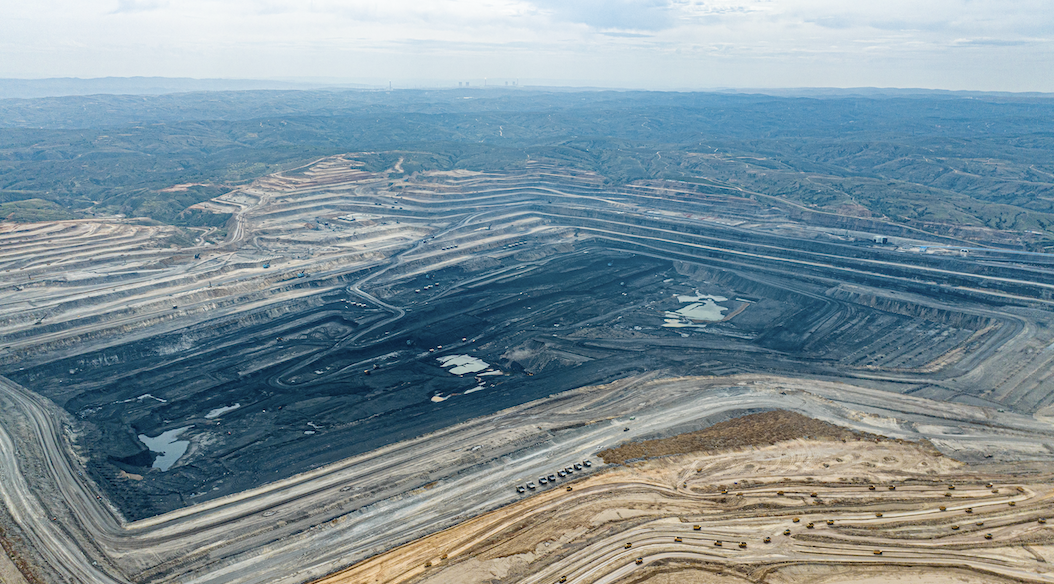
Core Insights - The article highlights the advancements and innovations in the coal mining industry, particularly focusing on the achievements of the Juneng Group in the Erdos Plateau, showcasing a modernized and eco-friendly approach to coal mining [1][2][3]. Group 1: Technological Innovations - The Juneng Group operates the largest open-pit coal mines in Asia, featuring the world's first permanent magnet direct drive electric shovel, which signifies a leap from technology following to global leadership in heavy mining equipment [4]. - The company has successfully transformed 103 unmanned trucks, achieving an operational efficiency that exceeds 85% compared to human drivers, utilizing "5G + multi-group collaboration" technology to create a smart mining environment [4]. - A domestically produced heavy-duty mining truck, powered by a 16V175K engine, has passed initial assessments and is now in the trial operation phase, marking a significant step towards breaking foreign technology monopolies [6]. Group 2: Environmental Initiatives - The Juneng Group has implemented a three-pronged technical system for controlling soil erosion, ecological reconstruction, and land reclamation, resulting in nearly 100,000 acres of greening and a reclamation rate of 100% [2]. - The vegetation coverage in the mining area has increased from 25% to over 85%, exemplifying the company's commitment to ecological sustainability and the integration of resource development with environmental protection [2][3]. Group 3: Infrastructure and Capacity - The modernized maintenance workshop, covering 79,000 square meters, supports an annual coal production capacity of 69 million tons, addressing maintenance bottlenecks following the expansion of the two open-pit mines [6]. - The collaboration with Northern Heavy Truck has led to the successful development of a 300-ton domestic mining truck, which has passed rigorous operational assessments and is now in industrial use, showcasing advancements in core technology within the mining equipment sector [6][7].
持股超50%就连坐拉黑,特朗普这次玩的有多狠,商务部连用三个严重回击
Sou Hu Cai Jing· 2025-10-04 02:53
Core Viewpoint - The new export control regulations introduced by the U.S. Department of Commerce represent a significant escalation in the trade war with China, impacting thousands of Chinese companies and their subsidiaries due to a "guilt by association" approach [1][3][4]. Group 1: Regulatory Changes - The new regulations automatically blacklist subsidiaries of companies listed on the Entity List or Military End User List, without the need for individual review or justification [3][4]. - This approach disrupts previous norms where subsidiaries could operate normally if they met certain conditions, marking a shift towards more aggressive enforcement [3][4]. Group 2: Impact on Chinese Companies - Thousands of Chinese companies are expected to be affected, with subsidiaries potentially facing sanctions despite having no direct ties to any violations [3][4]. - The regulations extend to even minority-owned affiliates, complicating business relationships and increasing the burden of due diligence for U.S. companies wishing to collaborate with Chinese firms [3][6]. Group 3: U.S. Business Consequences - U.S. companies may face increased costs and operational challenges due to the need for more rigorous compliance checks, potentially leading to a loss of access to the Chinese market [6][7]. - The long-term implications could result in a shift in market dynamics, allowing competitors from Europe, Japan, and South Korea to gain ground in the absence of U.S. firms [7]. Group 4: Chinese Response and Market Dynamics - The Chinese government has expressed strong opposition to the new regulations, emphasizing their detrimental impact on legitimate business operations and global supply chains [7][9]. - The pressure from U.S. restrictions may accelerate China's push for self-sufficiency in technology sectors, particularly in semiconductors and AI, as companies seek to reduce reliance on U.S. technology [7][9][10].

全释硬科技丨这盛世如您所愿!9组数字致敬中国科学脊梁
Yang Shi Xin Wen Ke Hu Duan· 2025-10-03 06:09
Core Viewpoint - The article highlights the contributions of patriotic scientists in China, emphasizing their dedication and sacrifices for the nation's progress and development [1][16]. Group 1: Contributions of Scientists - Qian Weichang, despite his initial struggles in physics, chose to pursue science to serve the country, embodying the spirit of "the needs of the nation are my profession" [4]. - Hua Luogeng, upon hearing about the founding of New China, wrote an open letter urging overseas students to return and contribute to the nation, inspiring many top scientists to come back [6]. - Huang Xuhua dedicated 30 years to developing China's first nuclear submarine, prioritizing national duty over family [6]. - Gu Fangzhou developed a polio vaccine, personally testing it on his own child to ensure its safety, ultimately saving millions of children [6]. Group 2: Research and Innovations - Yuan Longping spent seven years searching for a natural male-sterile rice variety, leading to breakthroughs in hybrid rice research, aiming to eliminate hunger [8]. - Tu Youyou, through extensive research, developed artemisinin, a drug that has saved approximately 6.2 million lives globally [11]. - Deng Jiaxian risked his life during a nuclear test to collect debris, demonstrating his commitment to national security and scientific advancement [13]. - Nan Rendong dedicated 22 years to the construction of the world's largest radio telescope, FAST, showcasing perseverance in scientific endeavors [15]. Group 3: National Pride and Innovation - Ma Weiming led a 20-year effort to develop a key technology for naval power systems, achieving a breakthrough that surpassed American technology [15]. - The article concludes with a reflection on the sacrifices made by these scientists, emphasizing that the nation's stability and progress are due to their relentless efforts and dedication [16].