情绪消费

Search documents
职业联赛要善用出圈思维
Jing Ji Ri Bao· 2025-11-10 00:10
Group 1 - The "Su Super" annual event has concluded, showcasing its influence beyond football and exploring new paths for local economic development [1] - The event's economic model is deeply tied to regional IP, with teams named after cities, creating a synergy between football and local economies [1] - Ticket sales are not just for viewing but represent a comprehensive economic spillover effect, boosting consumption in various sectors like dining, accommodation, and tourism [1] Group 2 - The use of internet trends for marketing has gained traction, with "meme economics" becoming popular due to its low entry barriers and focus on emotional interaction [2] - Fans are purchasing emotional value when attending matches, highlighting the rise of emotional consumption as a new service sector trend [2] - Professional leagues should adopt internet thinking to enhance fan loyalty and recognition while learning from "Su Super" to increase social engagement [2]
行业周报:关注零售行业年度投资策略:保值、颜值、情绪价值-20251109
KAIYUAN SECURITIES· 2025-11-09 08:15
Core Insights - The retail industry is experiencing a shift from value preservation to emotional value, with a focus on high-growth segments for investment opportunities [5][28] - The report maintains a positive outlook on the retail sector, emphasizing the importance of consumer insights and differentiated product offerings [5][28] Retail Market Overview - The retail index reported a slight increase of 0.31% during the week of November 3 to November 7, 2025, underperforming the Shanghai Composite Index, which rose by 1.08% [7][16] - Year-to-date, the retail index has increased by 4.20%, lagging behind the Shanghai Composite Index's 19.27% growth [16][20] Investment Strategy for 2026 - The investment strategy highlights four main themes: 1. **Gold and Jewelry**: Focus on high-end and fashionable gold segments, with recommendations for brands like Lao Pu Gold and Chao Hong Ji [5][48] 2. **Retail E-commerce**: Emphasize the transformation of offline retail to enhance service and experience, with key players like Yonghui Supermarket and Ai Ying Shi [5][48] 3. **Cosmetics**: Target domestic brands that capture emotional value and innovate on safety ingredients, recommending brands like Juzi Biological and Pechoin [5][49] 4. **Medical Aesthetics**: Focus on differentiated product manufacturers and expanding medical institutions, with recommendations for brands like Ai Mei Ke and Ke Di-B [5][49] Sector Performance - The jewelry sector is undergoing significant changes due to rising gold prices and a decline in traditional wedding markets, leading to the emergence of brands with strong consumer insights [5][29] - The cosmetics sector is seeing a rise in domestic brands leveraging cultural roots and emotional value to capture market share [5][41] Company-Specific Insights - **Chao Hong Ji**: Reported a revenue increase of 28.4% year-on-year for the first three quarters of 2025, with a notable performance in Q3 [54] - **Yonghui Supermarket**: Experienced a revenue decline of 22.2% year-on-year for the first three quarters of 2025, but is undergoing significant transformation [50] - **Juzi Biological**: Achieved a revenue growth of 21.7% year-on-year for the first half of 2025, focusing on collagen products [50]


今夜,北京为电竞沸腾!鸟巢观赛人数刷新吉尼斯世界纪录
Bei Jing Ri Bao Ke Hu Duan· 2025-11-08 13:22
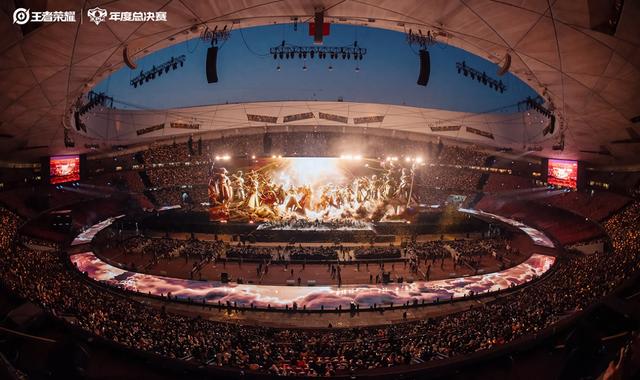
Core Insights - The 2025 King of Glory KPL Annual Finals held at the Bird's Nest set a Guinness World Record for the highest attendance at a single esports event, with 62,196 spectators [1][2] - The event not only showcased thrilling esports competition but also stimulated significant consumer activity in Beijing, with hotels fully booked and local businesses extending their operating hours [1][2] Event Highlights - The total prize pool for the finals reached 70 million yuan, marking a significant milestone in the development of esports in China [2] - Ticket prices ranged from 488 yuan to 2,088 yuan, reflecting the high demand and emotional investment of fans [4] - Over 85% of ticket purchasers were from outside Beijing, indicating a strong cross-city interest in the event [8] Consumer Behavior - Attendees engaged in extensive spending on event-related merchandise, with limited edition items selling out quickly [4][10] - The event spurred a surge in hotel bookings, with prices reportedly increasing by nearly 100% due to high demand [6][8] - Many attendees planned additional sightseeing and dining experiences in Beijing, indicating that the event served as a catalyst for broader tourism [8] Commercial Impact - Local businesses, including restaurants and retail stores, experienced increased foot traffic and sales, with some extending their hours to accommodate event-goers [12] - The event's popularity led to the establishment of pop-up stores and promotional activities in nearby commercial areas, further enhancing the consumer experience [10][12] - The "ticket root economy" saw significant growth, reflecting a shift in esports consumption from niche to mainstream [12]

财经对话:解忧渡,“野蛮”提振消费的“中式美学消费第一股”
Sou Hu Cai Jing· 2025-11-08 09:07
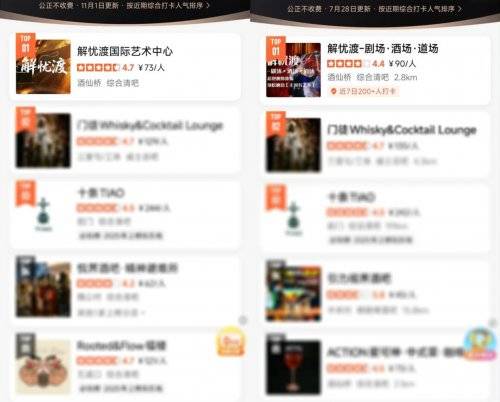
Core Insights - The brand "Jieyoudu" has emerged as a leading force in the cultural and entertainment consumption sector in Beijing, consistently topping the consumption rankings for three consecutive quarters, representing a new wave of consumerism that blends ancient Eastern philosophy with modern business models [1][3]. Group 1: Business Model - Jieyoudu is distinct from traditional dining or entertainment businesses, founded by a collaboration of experienced production companies and national intangible cultural heritage inheritors, focusing on transforming ancient Chinese wisdom into contemporary, consumable experiences [3]. - The brand's mission is encapsulated in its name, aiming to create a space for spiritual relaxation and enlightenment, promoting a new cultural paradigm that transcends conventional norms [3]. - Its core business model is described as an integrated loop of "performance-driven traffic + derivative product monetization + digital experience extension," which effectively engages consumers [3][5]. Group 2: Market Response - The innovative experience framework of Jieyoudu, which allows audiences to become active participants rather than passive viewers, has successfully converted one-time consumers into loyal users who resonate with the brand's aesthetics [5]. - The brand's merchandise related to its premiere performances sold out quickly, indicating strong market appeal and consumer interest [5]. Group 3: Cultural and Emotional Value - Jieyoudu taps into the emerging consumer trend focused on "emotional value" and "spiritual consumption," particularly appealing to younger demographics seeking deeper meaning beyond material wealth [7]. - The brand's unique positioning offers not just products but also cultural identity and lifestyle solutions, creating a competitive edge in the market [7]. - The successful seed round funding is seen as a validation of its business model, reinforcing its status as a potential leader in the "Chinese aesthetic consumption" sector [7]. Group 4: Industry Implications - Jieyoudu represents a significant case study for the current consumer market, demonstrating that true market leadership stems from a profound exploration and creative transformation of cultural values rather than mere marketing gimmicks [8]. - The brand's approach signifies a deep integration of brand power, cultural influence, and commercial efficiency, suggesting a shift towards long-termism rooted in cultural heritage [8].
泡泡玛特最新回应:正在调查中 不会开除涉事员工
Zhong Guo Jing Ying Bao· 2025-11-07 10:00
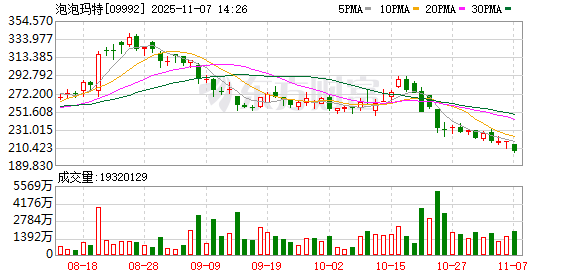
Core Points - The incident involving a live broadcast by Pop Mart has sparked significant discussion, with the term "Pop Mart live broadcast incident" trending at the top of social media [1] - Pop Mart confirmed the occurrence of a live broadcast accident and is conducting an urgent investigation, but stated that no employees involved in the incident would be dismissed [1] Product Launch - On November 6, Pop Mart launched the new DIMOO series "New Diary," which includes the DIMOO new series blind box keychain priced at 79 yuan [1] - The DIMOO "New Diary" series is the second rubber blind box product and the first non-collaborative rubber blind box product, featuring 6 basic styles and 1 hidden style, representing 7 emotions such as "stranger" and "dependence" [1] - According to data from the Dewu App, the DIMOO "New Diary" series sold out immediately after its release [1]

“没事,会有人买单的” 泡泡玛特直播间翻车
Zhong Guo Jing Ying Bao· 2025-11-07 06:25
Core Insights - The incident involving a conversation during a live stream for the "DIMOO New Birth Diary Series Blind Box" has sparked widespread discussion on "emotional consumption" across various social media platforms [2] Company Insights - DIMOO is an intellectual property (IP) created by Chinese designer Ayan Deng, which has been acquired by Pop Mart, making it part of the company's proprietary IP portfolio [2]
IP趣玩食品成休闲食品赛道增长新引擎
Zhong Guo Chan Ye Jing Ji Xin Xi Wang· 2025-11-07 00:10
Core Insights - The core viewpoint of the articles is that the IP play food sector is emerging as a new growth engine in China's snack food market, which has surpassed a trillion yuan in scale, driven by evolving consumer demands for nutrition, health, novelty, and emotional value [1][3]. Market Overview - The overall market size of IP food in China reached 35.4 billion yuan last year and is expected to grow to 84.9 billion yuan by 2029, with the IP play food segment growing from 5.6 billion yuan in 2020 to 11.5 billion yuan last year, reflecting a compound annual growth rate (CAGR) of 19.6% [3]. - The IP play food market is projected to continue expanding at a CAGR of 20.9% from this year to 2029, potentially reaching 30.5 billion yuan [3]. Consumer Trends - The consumer demographic for IP play food is becoming increasingly "age-inclusive," attracting not only children but also young adults and older consumers [2][3]. - Many young consumers share and recommend various products on social media, creating a unique community culture around IP play food [3]. Product Innovation and Development - The industry is transitioning from a model focused on low-age audiences and single product categories to a more systematic development path that includes all-age coverage, diverse products, refined designs, and healthier formulations [6]. - Health trends are pushing the industry towards "sugar-free" options, with many products now prominently featuring "sugar-free/0 sugar" labels [6]. Emotional Consumption - The rise of emotional consumption has led to a significant market for products that provide emotional companionship, with 72% of consumers indicating that their purchasing behavior is driven by the desire for emotional connection [7]. - IP play food effectively captures this demand by integrating elements of surprise, interaction, and collectability into snack products, transforming consumption from merely satisfying hunger to providing emotional comfort [7]. Competitive Landscape - The increasing number of entrants in the IP play food market has led to a growing concern over product homogenization, prompting companies to innovate continuously in product forms and enhance toy quality [5][9]. - Companies are encouraged to focus on original IP incubation and cross-industry collaborations to build unique content advantages [8]. Investment and Market Dynamics - The IP play food sector is attracting more investor attention, with increased financing events and deeper integration across the industry chain, from IP licensing to product design and marketing [4]. - The market is characterized by a shift towards enhancing emotional value and consumer experience rather than competing solely on price [8].
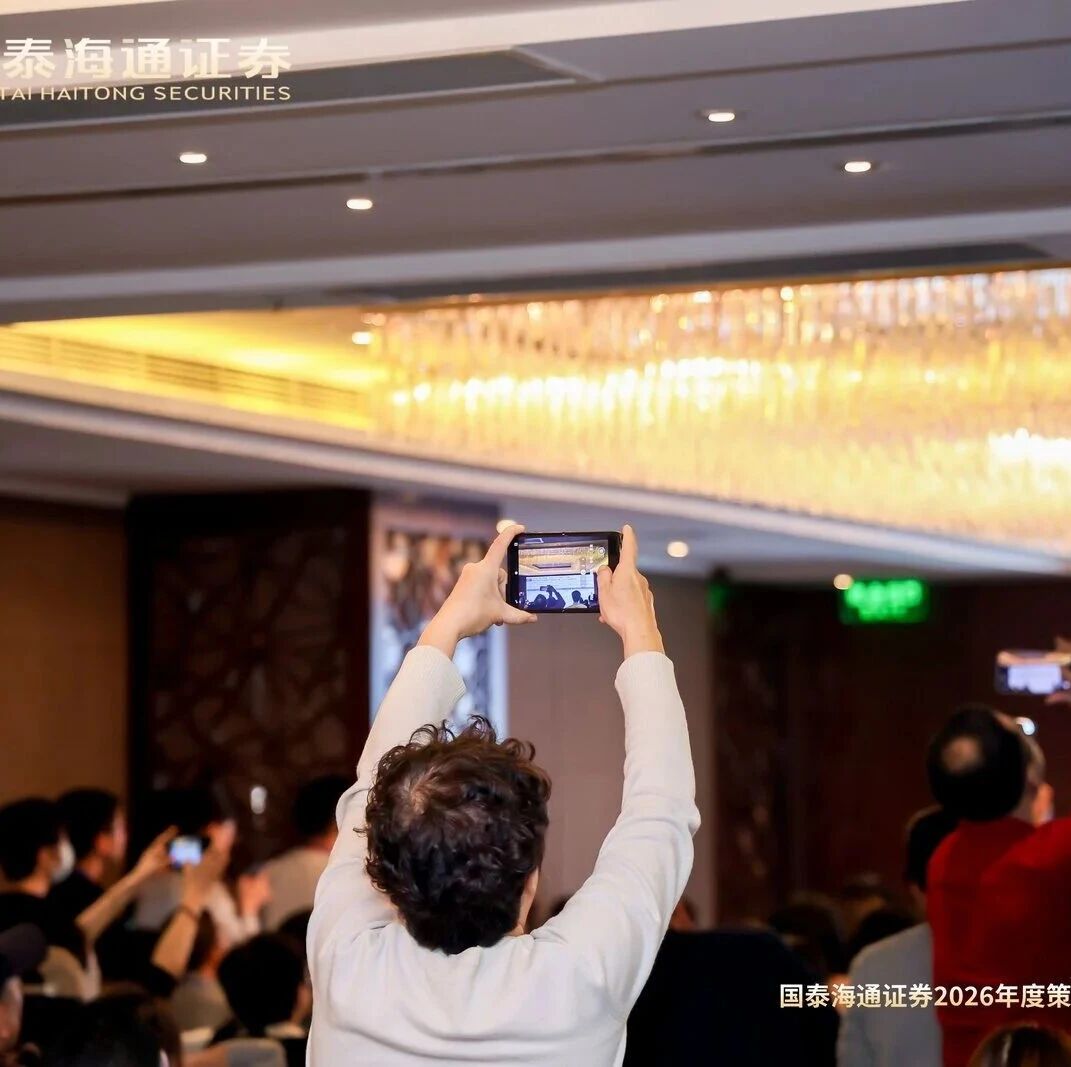
掘金“情绪消费”崛起分论坛-精彩花絮|启航新征程·国泰海通2026年度策略会
国泰海通证券研究· 2025-11-06 10:46
Group 1 - The article discusses the upcoming Guotai Junan Securities 2026 Strategy Conference scheduled for November 4-6, 2025, in Beijing at the China Grand Hotel [1] - It emphasizes the importance of the conference for investors and stakeholders in the financial sector [1] Group 2 - The content is primarily aimed at clients who have signed up for Guotai Junan Securities research services, indicating a focus on providing tailored insights to a specific audience [5] - There is a reminder regarding the appropriate management of securities and futures investors, highlighting the need for quality service and risk control [5]
中金:白酒报表有望出清改善 大众食品整体需求低位企稳
Zhi Tong Cai Jing· 2025-11-06 08:24
Core Insights - The food and beverage industry has entered a new normal since the beginning of 2025, with a weak overall consumption environment and a continued trend towards high cost-performance, functionality, health, and emotional consumption [1][2] - The liquor industry is undergoing channel inventory destocking, with expectations for improved financial statements by 2026, as the upward turning point becomes clearer [3] - The demand for consumer goods is stabilizing at a low level, with a divergence in performance among sub-industries, while leading companies focus on improving efficiency [4] Industry Overview - The overall consumption environment in the food and beverage sector remains weak, with a focus on high quality and cost-effectiveness, functionality, health, and emotional value [2] - Leading companies are concentrating on stable operations and high-quality development, resulting in improved operational quality and shareholder returns [2] - The liquor industry continues to experience weak demand, compounded by new regulations, leading to significant adjustments on both supply and demand sides [2] Liquor Industry Insights - The liquor sector is expected to see a recovery in financial statements by mid-2026, with the first half of the year potentially marking a turning point [3] - The impact of policies is expected to diminish, and consumer scenarios are anticipated to gradually recover, supported by deeper consumption policies [3] - Companies with strong brand power, product innovation, channel control, and excellent supply chain efficiency are likely to achieve high-quality growth [2][3] Consumer Goods Sector Insights - The overall demand for consumer goods is stabilizing at low levels, with a continuation of trends towards cost-performance, health, and emotional value [4] - Sub-industries such as snacks and soft drinks are expected to expand, while leading companies focus on improving operational quality [4] - The traditional consumer goods sector is projected to see a mild recovery in revenue and profit margin improvements following a bottoming out of fundamentals [4]
中金2026年展望 | 食品饮料:复苏深化,聚焦高质量增长(要点版)
中金点睛· 2025-11-05 23:52
Group 1: Industry Overview - The food and beverage industry has entered a new normal in 2023, with a weak overall consumption environment, emphasizing high quality-price ratios, functionality, health, and emotional consumption trends [3] - Leading companies are focusing on stable operations and high-quality development, improving shareholder returns and operational quality [3] - The liquor industry continues to experience weak demand, compounded by new regulations, leading to significant adjustments in supply and demand [4] Group 2: Liquor Industry Insights - The liquor sector is expected to see a turning point in the first half of 2026, with a focus on leading companies that show early recovery in fundamentals and long-term growth potential [4][7] - The impact of policies on business demand is gradually weakening, and consumer demand is expected to stabilize, leading to a potential recovery in liquor sales [7] - The strategic focus of liquor companies has shifted from inventory pressure to exploring new growth opportunities, particularly targeting younger consumers [8] Group 3: Consumer Goods Trends - Overall demand for mass-market food is stabilizing at low levels, with sub-sectors showing varied performance; trends of quality-price ratio, health, and emotional value consumption continue [4][10] - The beer industry is experiencing stable sales among leading domestic brands, with a focus on upgrading products and improving efficiency [11] - The snack food sector is seeing significant channel differentiation, with growth in membership stores and snack wholesale channels, while traditional channels face pressure [11] Group 4: Beverage Sector Developments - The soft drink industry is benefiting from travel, innovation, and investments in frozen products, maintaining steady growth despite increased competition [12] - The dairy industry is expected to see a mild recovery in 2026, driven by potential consumer stimulus policies and improved supply-demand balance [12] - The condiment sector is facing stable demand in 2025, with expectations for innovation among leading companies in 2026 [13]