
绿色金融

Search documents
保护即发展: 生物多样性金融标准加速落地
Jin Rong Shi Bao· 2026-01-20 02:05
Core Viewpoint - The introduction of biodiversity financial standards aims to address the lack of funding and guidelines in biodiversity protection, driven by the global ecological crisis and China's commitment to ecological civilization [1][2]. Group 1: Biodiversity Financial Standards - The People's Bank of China is leading the development of biodiversity financial standards, which include 87 items across four categories: sustainable use of biological resources, ecosystem protection and restoration, nature-based solutions, and activities friendly to high-sensitivity industries [2]. - The standards aim to resolve long-standing issues of project identification and lack of unified standards in biodiversity finance [2]. Group 2: Implementation and Practices - Current practices in various regions focus on transforming natural capital into measurable, tradable, and financeable financial assets, creating a positive cycle of benefiting from ecological protection [3]. - Examples include biodiversity performance-linked loans in Fujian and Hubei, and a new policy financial tool supporting marine ranch loans in Guangdong [3]. Group 3: Restoration and Pollution Control - Regions are shifting from end-of-pipe solutions to integrated planning for biodiversity finance, promoting sustainable circular economy models [4]. - Projects like ecological restoration loans in Qinghai and sustainable grassland loans in Shanxi illustrate the application of biodiversity finance in combating desertification and promoting waste recycling [4]. Group 4: Expansion and Integration - Biodiversity finance is expanding the scope of green finance, integrating the concept of harmonious coexistence between humans and nature into high-quality development practices [5]. - Infrastructure projects, particularly highways, are benefiting from tailored biodiversity financial services that incorporate biodiversity protection throughout the project lifecycle [5]. - The transformation of biodiversity from an "invisible asset" to an "explicit value" is becoming clearer, with a consensus emerging that "protection equals development" [5].
国泰君安期货商品研究晨报:绿色金融与新能源-20260120
Guo Tai Jun An Qi Huo· 2026-01-20 01:44
Report Overview - Report Date: January 20, 2026 - Report Title: Guotai Junan Futures Commodity Research Morning Report - Green Finance and New Energy - Report Focus: Nickel, stainless steel, lithium carbonate, industrial silicon, and polysilicon futures 1. Report Industry Investment Rating - No industry investment rating information is provided in the report. 2. Report Core Views - **Nickel**: Indonesian statements have repeatedly disrupted market sentiment, leading to wide - range fluctuations in nickel prices [2][4]. - **Stainless Steel**: The futures price is anchored to the contradictions in the ore end, and the rising price of ferronickel supports the price center [2][4]. - **Lithium Carbonate**: Downstream purchasing has cooled down, and the price is oscillating at a high level [2][9]. - **Industrial Silicon**: Production cuts by upstream producers have disrupted the market, causing the futures price to rebound [2][13]. - **Polysilicon**: Attention should be paid to the impact of market news [2][13]. 3. Summary by Commodity Nickel and Stainless Steel - **Fundamental Data**: The closing price of the Shanghai Nickel main contract was 142,320 yuan, with a change of 970 yuan compared to T - 1. The trading volume of the Shanghai Nickel main contract was 949,372 lots, a decrease of 375,848 lots compared to T - 1. For stainless steel, the closing price of the main contract was 14,305 yuan, up 30 yuan from T - 1, and the trading volume was 375,328 lots, a decrease of 124,971 lots from T - 1 [4]. - **Macro and Industry News**: Indonesia has suspended issuing new smelting licenses through the OSS platform for certain nickel - related products. China's Ministry of Commerce and Customs have implemented export license management for some steel products. Indonesia plans to revise the benchmark price formula for nickel ore and adjust the nickel production quota [4][5][7]. Lithium Carbonate - **Fundamental Data**: The closing price of the 2605 contract was 147,260 yuan, up 17,280 yuan from T - 1. The trading volume was 329,126 lots, a decrease of 262,397 lots from T - 1. The spot - 2605 basis was 3,740 yuan, a decrease of 8,060 yuan from T - 1 [9]. - **Macro and Industry News**: The SMM battery - grade lithium carbonate index price was 151,665 yuan/ton, down 7,812 yuan/ton from the previous working day. Hunan Yueneng plans to raise up to 47.88 billion yuan for energy - storage battery cathode material production capacity construction [10][12]. Industrial Silicon and Polysilicon - **Fundamental Data**: The closing price of the Si2605 contract was 8,845 yuan/ton, up 240 yuan from T - 1. The trading volume was 391,114 lots, an increase of 109,861 lots from T - 1. For the PS2605 contract, the closing price was 50,505 yuan/ton, up 305 yuan from T - 1, and the trading volume was 12,235 lots, a decrease of 9,482 lots from T - 1 [13]. - **Macro and Industry News**: TCL Zhonghuan plans to acquire all or part of the shares of Yidao New Energy, but the investment is still in the planning stage [13][15]. 4. Trend Intensity - **Nickel**: 0, indicating a neutral trend [8]. - **Stainless Steel**: 0, indicating a neutral trend [8]. - **Lithium Carbonate**: 0, indicating a neutral trend [12]. - **Industrial Silicon**: 0, indicating a neutral trend [15]. - **Polysilicon**: 1, indicating a slightly bullish trend [15].
五部门联合部署开展零碳工厂建设,逐步拓展至传统高载能行业
Huan Qiu Wang· 2026-01-20 00:54
Group 1 - The Ministry of Industry and Information Technology, along with four other departments, has launched a plan to develop zero-carbon factories, aiming to cultivate a number of such factories in industries like automotive, lithium batteries, photovoltaics, and electronics by 2027, and to expand this initiative to traditional high-energy-consuming industries such as steel, non-ferrous metals, and petrochemicals by 2030 [1][4] - China's green factories play a significant role in green manufacturing, with their output accounting for over 20% of the national manufacturing output. Currently, approximately 6,430 national-level green factories have been cultivated in China [1] Group 2 - The Ministry of Industry and Information Technology and the Bank of China have jointly issued a notice to establish and improve the green finance work mechanism, encouraging financial institutions to develop financial products that support green manufacturing and increase investments in energy conservation, low-carbon development, water resource protection, environmental protection, and resource utilization in green factories [4] - The Minister of Industry and Information Technology, Li Lecheng, stated that during the 14th Five-Year Plan period, the focus will be on achieving new industrialization to promote high-quality development, advancing the intelligent, green, and integrated development of manufacturing, and maintaining a reasonable proportion of the manufacturing sector. A key priority will be to rejuvenate traditional industries, with initiatives like the "Artificial Intelligence+" action plan to explore the creation of zero-carbon factories and zero-carbon parks [4]

渤海证券研究所晨会纪要(2026.01.20)-20260120
BOHAI SECURITIES· 2026-01-20 00:27
Macro and Strategy Research - The performance of corporate credit is better than that of household credit, with a slight year-on-year decrease in RMB loans in December 2025, where corporate short-term and medium-to-long-term loans significantly outperformed the same period in 2024 [3][5] - The increase in M2 year-on-year indicates a positive trend, with non-bank financial institutions showing better deposit performance compared to the same period in 2024 [4][5] - The financial data for December 2025 highlights the growth in corporate credit, while household credit remains under pressure, necessitating further observation of sustainability [5] Fixed Income Research - Green bonds are defined as securities issued to raise funds specifically for green industries, projects, or economic activities, with a cumulative issuance scale of 5.32 trillion yuan by the end of 2025 [6][9] - The development of China's green bond market can be divided into three stages: exploratory phase (2015), standardized development phase (2016-2020), and system improvement phase (2021-present), with significant growth in issuance scale and variety [9][10] - Green bonds generally exhibit a stable interest rate advantage, with their issuance rates lower than corresponding non-green bonds, although this advantage has slightly diminished in recent years [10] Fund Research - The first gold ETF exceeding 100 billion yuan has been established, indicating a significant milestone in the market [11] - The public fund market saw a net outflow of 157.33 billion yuan in the ETF sector, with stock-type ETFs experiencing the largest outflow [12][13] - The average performance of equity funds was positive, with a 74.98% positive return ratio, while fixed income funds also showed strong performance [11][12] Industry Research - The focus on cultivating service consumption is emphasized, with sports events and IP+ consumption expected to benefit directly from new policies aimed at enhancing service consumption [14][15] - Recent announcements include measures from the Shanghai government to promote service industry quality and consumption expansion, indicating a shift towards service sector reform [14] - The light industry and textile sectors have shown mixed performance, with the light industry underperforming the CSI 300 index while the textile sector slightly outperformed it [14][15]
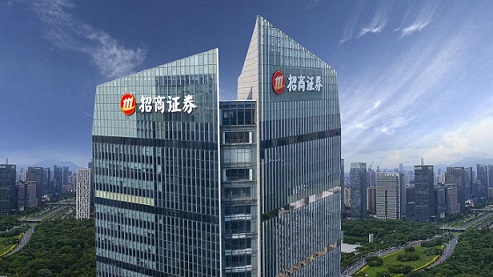
招商证券党委书记、董事长霍达:以专业为“器”服务大局 以改革为“道”激发动能
Zhong Guo Zheng Quan Bao· 2026-01-20 00:15
Core Viewpoint - The article emphasizes the commitment of China Merchants Securities to high-quality development and its alignment with national strategies, highlighting its achievements and future goals in the evolving capital market landscape [1][2][7]. Group 1: Company Development and Achievements - Since its establishment in 1991, China Merchants Securities has evolved into a comprehensive leading brokerage firm, adhering to its core values of professionalism and national service [1]. - During the "14th Five-Year Plan" period, the company has seen steady improvements in development quality and operational efficiency, aligning its growth with national economic strategies [2]. - The company has successfully raised 43.1 billion yuan in equity financing for green and new energy-related enterprises since 2021, and has issued green bonds and asset-backed securities totaling 64 billion yuan [2]. Group 2: Financial Services and Innovations - In the field of inclusive finance, the company launched the "Lingyue Plan" to provide comprehensive financial services to early-stage technology enterprises, with a total investment of 2.6 billion yuan across 645 companies [3]. - The company has also obtained qualifications for personal pension fund sales, positioning itself favorably in the growing pension finance market [3]. - As part of its digital finance strategy, the company is advancing AI integration across its business models and service systems, aiming to transform into an AI-driven securities firm [5]. Group 3: Strategic Directions and Future Outlook - The company aims to enhance its role in supporting the development of new productive forces and technological self-reliance, focusing on hard technology and strategic emerging industries [7]. - It plans to optimize its product and service offerings to meet diverse investor needs, leveraging AI and big data to improve service efficiency and reduce transaction costs [8]. - The company is committed to internationalization, seeking to enhance its global competitiveness and financial influence by expanding its presence in international markets [9]. Group 4: Compliance and Cultural Foundations - The company emphasizes strict compliance and risk management as essential components of its high-quality development strategy, aiming to build a robust internal control system [12]. - It seeks to embed Chinese financial culture into its operations, promoting values that align with national interests and enhancing employee engagement and satisfaction [13]. - The company is dedicated to continuous reform and innovation, striving to build a first-class investment bank and contribute to the construction of a financial power [10][11].

“五篇大文章”深耕改革 加快建设金融强市
Nan Fang Du Shi Bao· 2026-01-19 23:12
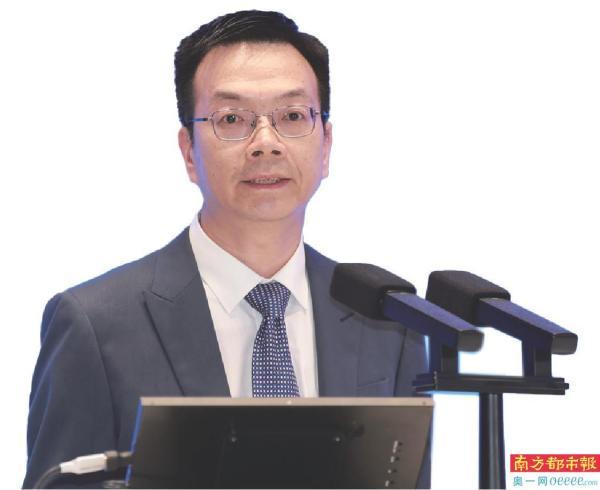
Core Viewpoint - Guangzhou is focusing on deepening financial reforms during the "14th Five-Year Plan" period, emphasizing five key areas: technology, green finance, inclusive finance, pension finance, and digital finance, to enhance its role as a core engine for high-quality development in the Guangdong-Hong Kong-Macao Greater Bay Area [4][5]. Group 1: Financial Development Strategies - The Guangzhou financial system has introduced various policies such as "20 Articles on Technology Finance," "10 Articles on Green Finance," and "12 Articles on Pension Finance" to direct financial resources towards strategic areas and weaknesses [6]. - By 2025, Guangzhou aims to implement the "Win-Win Plan for Enterprises," signing contracts with over 1,050 technology companies amounting to over 40 billion yuan, while green loan balances have reached 1.61 trillion yuan, a 4.13-fold increase from the end of the "13th Five-Year Plan" [6]. - The inclusive finance mechanism has benefited over 271,000 small and micro enterprises and individual businesses, while the digital RMB personal wallets have reached 18.86 million [6]. Group 2: Future Financial Initiatives - Guangzhou will continue to enhance the five key areas of finance, including improving technology finance, expanding green finance, increasing the efficiency of inclusive finance, enriching pension finance products, and innovating digital finance [7]. - The city plans to establish itself as the "National Investment Advisory City" by 2025, with significant breakthroughs in developing investment advisory services, supported by national policies [8]. - In 2026, Guangzhou will focus on four new financial sectors: investment advisory, real estate asset management, special asset management, and financing leasing, to further strengthen its financial landscape [9]. Group 3: International Financial Hub Development - The implementation of the "30 Financial Policies of Nansha" has provided Guangzhou with significant opportunities for financial innovation and openness, with new institutions like the HSBC Global Training Center being established [11]. - In 2026, Guangzhou will continue to promote the "30 Financial Policies of Nansha," enhancing the international financial hub's core functions and facilitating cross-border financial activities [11]. - The city aims to improve its modern financial service system by strengthening the core functions of the Guangzhou Futures Exchange and supporting licensed financial institutions to grow and serve the real economy [12].
“两翼齐飞”:统筹高质量发展与高水平保护
Xin Lang Cai Jing· 2026-01-19 18:11
Core Viewpoint - The integration of high-quality economic development and high-level ecological protection is essential for achieving sustainable development, emphasizing that both can mutually promote each other [1] Group 1: Economic Development and Ecological Protection - The need for a mindset that supports the mutual reinforcement of economic development and ecological protection is crucial, advocating for a dialectical approach to understand their relationship [2] - The concept of "green mountains and clear waters are invaluable assets" should be firmly established, recognizing that ecological wealth can be transformed into economic wealth [2] Group 2: Green Low-Carbon Circular Economy - Establishing a green low-carbon circular economy is fundamental for addressing ecological issues and is a necessary requirement for building a high-quality modern economic system [3] - The focus should be on transitioning from traditional production and consumption models to ones that align with resource and environmental capacities, promoting sustainable economic activities [3] Group 3: Technological Support for Green Development - Green low-carbon technology is identified as a key driver for achieving high-quality development and high-level protection, necessitating advancements in core areas such as new materials and renewable energy [4] - Emphasis on cultivating a high-level talent pool in ecological technology and establishing a robust evaluation mechanism for innovation capabilities is essential [4] Group 4: Policy and Institutional Framework - A comprehensive policy and institutional framework is vital for supporting the synergy between high-quality development and ecological protection, including enhanced fiscal and tax policies [5] - The establishment of a natural resource property rights system and an ecological protection compensation system is necessary to ensure effective ecological conservation [5]
商业银行赋能“冷资源”变“热经济”
Zheng Quan Ri Bao· 2026-01-19 16:44
Core Insights - The winter ice and snow economy is becoming a significant driver for consumption upgrades, regional development, and industrial integration, supported by innovative financial services from banks [1] Group 1: Financial Support for the Ice and Snow Economy - Banks are embedding services throughout the entire ice and snow economy chain, providing differentiated financial support tailored to various segments such as infrastructure, equipment manufacturing, and tourism [2] - Construction Bank's Heilongjiang branch has provided billions in loans for major infrastructure projects to enhance tourism connectivity between key ice and snow attractions [2] - Agricultural Bank of China quickly issued a 2.73 million yuan loan to a local beverage company facing cash flow issues during peak tourism season, demonstrating the banks' responsiveness to small and micro enterprises [2][3] Group 2: Support for Small and Micro Enterprises - Small and micro enterprises are crucial to the ice and snow economy, with Construction Bank providing over 100 million yuan in credit support to more than 130 hotels and restaurants in Heilongjiang since 2025 [3] - Financial institutions are actively identifying and addressing the funding needs of local businesses, ensuring they can upgrade facilities and meet increased demand during the winter season [3] Group 3: Consumer Experience and Payment Solutions - Banks are enhancing consumer experiences by integrating financial services into consumption scenarios, such as the "Love Ice and Snow Carnival" campaign by Industrial and Commercial Bank of China, which offers discounts to stimulate spending [4] - Agricultural Bank and Construction Bank have established "Ice and Snow Stations" to provide free services like hot drinks and luggage storage, improving visitor satisfaction [5][6] - The introduction of comprehensive payment solutions, including support for international card payments, aims to accommodate diverse consumer payment preferences [5] Group 4: Future Projections and Strategic Directions - The "China Ice and Snow Tourism Development Report (2026)" predicts that ice and snow tourism will attract 360 million visitors and generate 450 billion yuan in revenue during the 2025-2026 winter season [6] - Financial institutions are encouraged to leverage technology and green finance to support high-tech equipment production and eco-tourism projects, enhancing the overall ice and snow industry [6]



农发行专家委员会原研究员黄小卫被查!曾任广东省分行副行长
Nan Fang Du Shi Bao· 2026-01-19 13:17
据中央纪委国家监委驻中国农业发展银行纪检监察组、湖南省纪委监委1月19日消息:中国农业发展银 行(以下简称"农发行")专家委员会原研究员黄小卫涉嫌严重违纪违法,目前正接受中央纪委国家监委 驻中国农业发展银行纪检监察组纪律审查和湖南省永州市监委监察调查。 去年以来农发行收监管罚单77张 农发行成立于1994年,是由国家出资设立、直属国务院领导、支持农业农村持续健康发展、具有独立法 人地位的国有政策性银行。 农发行2024年年报显示,截至2024年底,该行总资产达106504.55亿元,贷款余额9.64万亿元;不良贷款 率0.44%,贷款拨备率4.36%。业绩方面,2024年该行实现营业收入1438.66亿元,同比下降1.29%,净利 润397.59亿元,同比增长10.26%。 根据该行此前披露的2024年工资总额信息,农发行2024年职工平均工资在三家政策性银行中最低,为 29.54万元,同比增3%。 值得一提的是,去年以来,农发行频频收监管罚单。企业预警通数据显示,以披露日期为准,2025年以 来,农发行共收到机构罚单77张,被罚没总额5747.24万元,平均每张罚单罚没金额为74.64万元。从被 罚原因看, ...
证券公司学习宣传贯彻党的二十届四中全会精神 | 招商证券党委书记、董事长霍达:以专业为“器”服务大局,以改革为“道”激发动能
Zhong Guo Zheng Quan Bao· 2026-01-19 12:13
Core Viewpoint - The article emphasizes the strategic opportunities for the securities industry in China, particularly focusing on the high-quality development path that companies like China Merchants Securities are pursuing in alignment with national economic goals and reforms [1][2]. Group 1: Company Development and Achievements - China Merchants Securities has evolved into a comprehensive leading brokerage firm since its establishment in 1991, adhering to its core values of professionalism and national service [1]. - The company has achieved steady improvements in development quality and operational efficiency during the "14th Five-Year Plan" period, integrating its growth with national economic strategies [3][6]. - As of the end of 2024, the total assets of the company reached 721.2 billion yuan, a 44.31% increase from the end of 2020, while net assets grew by 23.08% to 130.3 billion yuan [6]. Group 2: Strategic Focus Areas - The company is focusing on technology finance, establishing specialized departments to enhance its competitive edge in key sectors like semiconductors, and promoting a virtuous cycle between technology, industry, and finance [3]. - In the green finance sector, the company has developed a low-carbon strategic plan and has facilitated equity financing of 43.1 billion yuan for companies related to carbon neutrality and new energy since 2021 [3][4]. - The "Leaping Plan" was launched to provide comprehensive financial services to early-stage technology enterprises, with 645 companies registered and an investment of 2.6 billion yuan [4]. Group 3: Industry Trends and Future Directions - The securities industry is positioned to play a crucial role in supporting the development of new productive forces and enhancing technological self-reliance, which are core directions for high-quality development [7]. - The implementation of new policies is expected to optimize product service systems and deepen inclusive finance practices, leveraging technologies like AI and big data to enhance service efficiency [8]. - Internationalization is identified as a necessary path for high-quality development, with plans to expand into global markets, particularly in Southeast Asia, to enhance the industry's international competitiveness [9]. Group 4: Commitment to Compliance and Culture - The company is committed to strengthening compliance management and establishing a comprehensive risk management system to ensure robust operational integrity [12]. - Emphasizing the importance of a strong cultural foundation, the company aims to integrate Chinese financial culture into its operations, promoting values that align with national interests and societal well-being [13].