
信任危机

Search documents
景顺长城信任雪崩:刘彦春亏掉17%、康乐掌舵跑偏,散户被深套
Sou Hu Cai Jing· 2025-10-16 02:31
Core Insights - Invesco Great Wall Fund, once a benchmark in consumer investment, is now facing a severe trust crisis due to significant losses and management issues [2][6] - The fund managed by star manager Liu Yanchun has seen a loss exceeding 17% since its inception, with its scale shrinking to the brink of liquidation [3][5] - The overall management strategy under General Manager Kang Le has diverged from regulatory requirements, leading to a mass exodus of institutional investors and a challenging environment for retail investors [2][8] Fund Performance - Liu Yanchun's fund, Invesco Great Wall Dingyi Mixed (LOF) C, has experienced a unit net value drop to 1.8660 yuan, with a near 7.37% decline over the past year [3][4] - The fund's scale has decreased to 12 million yuan, dangerously close to the 50 million yuan liquidation threshold, causing liquidity issues for retail investors [3][4] - Liu's management scale has plummeted from over 110 billion yuan to 36.43 billion yuan, with a loss of over 70 billion yuan in just a few years [5] Investment Strategy - Liu Yanchun's investment strategy has become rigid and disconnected from market trends, with a heavy focus on traditional consumer and pharmaceutical stocks, failing to adapt to the shift towards technology and new energy sectors [4][6] - The fund's turnover rate has been alarmingly low, at 9.22% in mid-2025 and dropping to 8.07% by the end of 2024, indicating a lack of proactive management [4] Institutional Investor Sentiment - Institutional investors have completely avoided Liu's fund since its inception, with 100% of the holdings being individual investors, reflecting a lack of confidence in its investment value [4][5] - The overall decline in institutional holdings across the company's products signals a broader loss of trust in Invesco Great Wall Fund's management capabilities [8] Management Issues - Kang Le's management approach has led to a series of poorly performing new products, contributing to a cycle of small scale and poor performance, which contradicts regulatory expectations for improving investor returns [6][7] - The company has failed to establish effective communication with investors regarding performance issues, further eroding trust and confidence in its management [7][8] Industry Implications - The situation at Invesco Great Wall Fund serves as a warning to the entire public fund industry about the importance of maintaining investor trust and adhering to core principles of generating returns [8] - The decline from a leading fund to a collection of "mini funds" highlights the risks of straying from the fundamental goal of creating value for investors [8]

斯嘉丽质疑杜兰特的比特币,要求验证35亿美金
Sou Hu Cai Jing· 2025-10-12 00:48
Group 1 - Scarlett expresses skepticism about Durant's claim of having a $350 million Bitcoin account and feels she might be deceived [1] - Scarlett formally requests Durant to provide a way to verify the $350 million Bitcoin, stating she will only trust him if she sees the funds [3] - Durant is in a dilemma, pressured by Scarlett to confirm the Bitcoin account, while also fearing for his financial security if he reveals the information [5] Group 2 - Scarlett's insistence on confirming the Bitcoin account puts strain on their relationship, as Durant struggles to find a way to satisfy her while protecting his assets [5] - Durant considers using an excuse about account issues requiring professional intervention to delay revealing the account details [5] - The ongoing situation creates a potential risk for the relationship, as Scarlett's doubts may deepen if the matter is not resolved [5]

22:59,暴跌开始,世界被击中了
Xin Lang Cai Jing· 2025-10-10 22:41
Core Insights - The U.S. stock market experienced a significant decline, with the Dow Jones dropping by 1.9%, the S&P 500 by 2.71%, and the Nasdaq by 3.56% [3] - The VIX (Volatility Index) surged above 20, indicating increased market fear, while the dollar index fell by 0.57%, oil prices dropped nearly 4%, and Bitcoin decreased by approximately 5.5% [3] - Gold emerged as the only asset gaining value during this sell-off, as investors shifted from "faith" to "safe haven" assets [4] Market Dynamics - The current market turmoil is linked to growing skepticism about the AI bubble, with a potential for a larger market correction as investors rush to exit positions [4] - Systematic selling pressure is evident, with UBS warning that a 1% drop in the S&P could trigger around $20 billion in programmatic selling, escalating to $280 billion with a 3% decline [4] - The S&P 500 closed at 6652, and analysts caution that a drop below 6600 could lead to forced selling from previously stabilizing hedges [4] Future Outlook - The market may face further declines, with analysts predicting a "Black Monday" following the recent downturn [4] - The recent "tweet shockwave" has raised concerns about trust in the market, potentially marking the beginning of a trust crisis [4] - Upcoming reports will address the implications of the AI bubble, the demand for gold, and the fate of a significant stock that reflects the broader Chinese capital market [6][7]
顾客餐厅内“公筷喂狗”,西贝要有明确的态度
Nan Fang Du Shi Bao· 2025-09-18 10:26
Core Viewpoint - The incident involving a customer bringing a pet dog into a West Restaurant highlights significant management issues within the company, potentially damaging its public image and trust among consumers [1][2]. Management Issues - There is a notable inconsistency in West Restaurant's internal management policies, as the restaurant manager initially stated there was no policy against pets, while later responses confirmed a prohibition on pets, indicating a lack of clear communication and enforcement [2]. - The company's response to the incident has been criticized for not aligning with its brand image, raising concerns about its crisis management capabilities compared to competitors like Haidilao, which effectively handled similar situations [2]. Customer Experience and Expectations - The incident underscores the importance of clear policies regarding pets in dining establishments, as there are currently no national or local regulations governing this issue, leaving it to businesses to define their own stance [3]. - Businesses must either clearly indicate a pet-friendly policy or enforce a strict no-pets rule, ensuring that customers are informed and can make choices accordingly [3].
西贝“翻车”启示录:一场教科书级的公关危机如何炼成
Sou Hu Cai Jing· 2025-09-16 11:32
Core Viewpoint - The controversy surrounding the "pre-prepared dishes" debate highlights a significant disconnect between consumer expectations and the practices of contemporary dining establishments, particularly in the case of Xibei Restaurant Group [3][4][5] Consumer Concerns - Consumers are increasingly questioning the value they receive for their money, particularly when they perceive a lack of transparency regarding food preparation methods [4][5] - The expectation of fresh, hand-prepared meals is being challenged by the revelation of pre-prepared items, leading to feelings of deception among consumers [4][5] - The issue of price versus perceived value is central, with consumers willing to pay for high-quality dining experiences but resistant to paying for industrial processes disguised as artisanal cooking [4][5][6] Crisis Management - Xibei's initial response to the controversy was criticized as "disastrous public relations," characterized by confrontational tactics rather than de-escalation [6][8] - The company's attempts to clarify terminology regarding "central kitchen" versus "pre-prepared" dishes failed to resonate with consumer understanding, leading to further ridicule [6][7] - The involvement of the founder in the public dispute exacerbated the situation, turning a brand crisis into a personal image crisis [7][8] Shift in Strategy - Following initial backlash, Xibei appears to be transitioning from a combative stance to a more reflective approach, indicating a willingness to address consumer concerns [8] - Recommendations for effective crisis management include acknowledging mistakes, providing transparent information about food preparation, and inviting consumer participation in product development [9][10][12] - Emphasizing emotional resonance and storytelling in marketing can help bridge the gap between industrial processes and consumer expectations [11][12] Industry Implications - The incident serves as a cautionary tale for businesses about the importance of transparency and consumer trust in the digital age, where information spreads rapidly [13][17] - Companies must adapt to a new paradigm where trust is a quantifiable asset, and transparency is essential for maintaining consumer loyalty [17] - The future of competition in the industry will hinge on the ability to foster trust through open communication and accountability [17]

美债不香了!央行疯狂持金,金价一路飙升,因纸币数量越发越多?
Sou Hu Cai Jing· 2025-09-14 11:45
Core Viewpoint - The recent surge in gold prices reflects a growing distrust in fiat currencies among global economic participants, including the general public, investment institutions, and central banks [1][4]. Group 1: Economic Environment - The increase in gold prices is driven by a trust crisis in fiat currencies, as people perceive a decline in purchasing power due to the excessive issuance of money by central banks [1][4]. - The current economic environment is characterized by high inflation and low growth, leading to a situation where the actual value of money diminishes while income growth remains stagnant [4][12]. - The U.S. inflation complexity is largely a consequence of the Federal Reserve's unlimited quantitative easing policies from 2019 to 2020, which has resulted in a significant depreciation of currency value [4][12]. Group 2: Investment Institutions - Investment institutions are increasingly cautious about traditional safe-haven assets like U.S. Treasuries due to rising national debt, which stands at 130% of GDP, and a total debt of $40 trillion [5][7]. - The lack of a clear debt reduction plan in the U.S. has diminished institutional confidence in U.S. Treasuries, leading them to seek alternatives like gold, which is perceived as a more stable and scarce asset [7][9]. - Institutions are diversifying their asset allocations to mitigate risks associated with fiat currency depreciation and the potential collapse of traditional safe-haven assets [4][9]. Group 3: Central Banks - Central banks, particularly outside the U.S., have significantly increased their gold reserves, surpassing their holdings in U.S. Treasuries, indicating a shift in attitude towards the dollar and U.S. debt [9][11]. - Concerns among central banks include the potential weaponization of the dollar by the U.S. government and the increasing difficulty of obtaining dollars due to trade tensions and tariffs [11][12]. - Asian central banks have been particularly active in accumulating gold to enhance their financial stability and risk resilience amid global economic uncertainties [11][12]. Group 4: Future Outlook - The combination of high inflation, low growth, and a global trust crisis in fiat currencies is expected to sustain upward pressure on gold prices in the short to medium term [12][14]. - The emergence of digital gold may revolutionize the gold market by improving liquidity and expanding its application scenarios, potentially driving further price increases [15].
5000字,可能是全网最全的公募费率新规解读
表舅是养基大户· 2025-09-07 14:17
Group 1 - The core viewpoint of the article is the detailed interpretation of the newly released public fund sales fee management regulations, which aim to lower subscription and service fees while redefining redemption fee requirements [3][10][18] - The regulations are divided into two main parts: a general overview and a detailed interpretation from the perspective of fifteen market participants [4][11] - The article emphasizes that the new regulations are part of a broader trend towards fee reduction in the public fund industry, and while adjustments may occur, the overall direction is unlikely to change [18] Group 2 - The article discusses two significant news items in the A-share market: the fall of a former village chief and the reduction of holdings by the actual controller of the stock trading software Tonghuashun, highlighting the need for a robust reduction system to ensure legality and compliance [19][20][21] - It notes that the recent U.S. non-farm payroll data fell short of expectations, leading to a drop in 2-year Treasury yields and a rise in gold prices, indicating a potential shift towards a Federal Reserve rate cut cycle [23][24] - The article includes a summary of weekly highlights from a financial community, emphasizing the importance of ongoing analysis and insights in the financial industry [25][27]

观天下丨副首相因房“塌房” 英工党面临信任危机
Xin Hua Wang· 2025-09-07 05:12
Core Points - The resignation of Angela Rayner, the Deputy Prime Minister and key figure in the Labour Party, due to tax evasion allegations has significantly damaged the party's image and trustworthiness [1][5][6] Group 1: Resignation and Immediate Impact - Angela Rayner resigned from all positions on September 5, becoming the highest-ranking official to leave the Labour Party since it took office in 2024 [1] - Her resignation has triggered a cabinet reshuffle, affecting over ten cabinet members, including the appointment of David Lammy as the new Deputy Prime Minister [6] Group 2: Tax Evasion Allegations - Rayner purchased a property in Hove for £800,000, claiming it as her first home and paying £30,000 in stamp duty, while it was actually her second home, which would have incurred higher taxes [2] - The controversy arose from her alleged attempt to evade higher stamp duty by removing her name from a property deed in Manchester [2] Group 3: Public and Political Reactions - The public reaction to Rayner's tax evasion allegations has been severe, as tax evasion is a serious accusation for public figures in the UK [2] - The incident has drawn comparisons to past tax scandals in UK politics, such as the "expenses scandal" of 2009, which severely damaged public trust in politicians [3] Group 4: Future Implications for the Labour Party - The Labour Party is expected to face challenges in maintaining its support, especially with Rayner's potential influence on left-wing members against the centrist policies of leader Keir Starmer [5] - The party's credibility is further questioned, as public perception of its members' integrity is now under scrutiny following Rayner's resignation [6]
北溪爆炸惊天真相!乌克兰一手上演,欧洲陷入难堪
Sou Hu Cai Jing· 2025-09-01 00:54
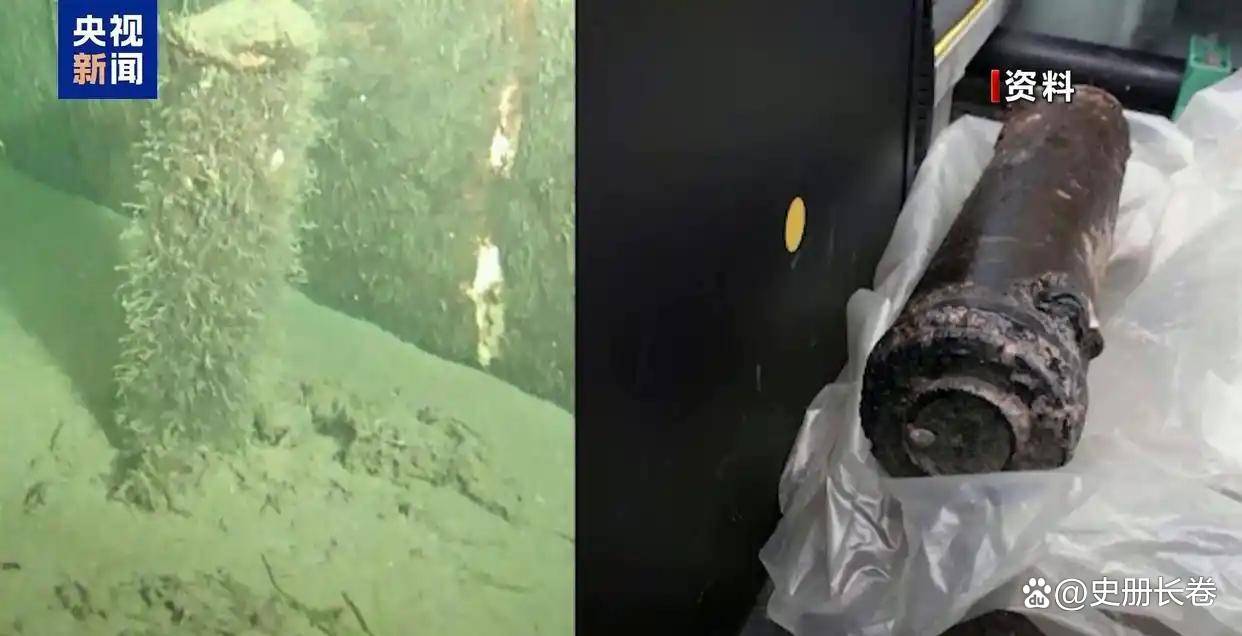
Core Insights - The investigation into the Nord Stream pipeline explosion has revealed shocking implications for European energy security and geopolitical trust, particularly pointing towards Ukraine as a potential suspect [1][6][19] - The incident has led to a significant shift in Europe's energy strategy, forcing countries to reduce reliance on Russian energy and increase support for Ukraine, despite the potential betrayal by an ally [1][6][19] Group 1: Investigation Details - German media has extensively reported on the Nord Stream explosion, identifying the individuals involved and suggesting Ukrainian government complicity [1][3] - The operation was meticulously planned by a team that included a captain, a coordinator, an explosives expert, and divers, who used false identities to execute the mission [3][5] - The operation's cost was estimated at $300,000, but it resulted in a 40% spike in European energy market prices [5] Group 2: Economic Impact on Europe - Germany has provided over €30 billion in aid to Ukraine, only to find its energy infrastructure compromised by actions potentially supported by that same ally [6][19] - The surge in industrial electricity prices has led companies like BASF to consider relocating production to China, potentially resulting in long-term economic losses of up to €1.2 trillion for Germany [6][19] - The U.S. has doubled its liquefied natural gas exports to Europe, but high prices have drawn criticism, contrasting with Germany's previous strategy to reduce dependence on American energy [6][19] Group 3: Challenges in Investigation - Germany faces significant obstacles in its investigation, with countries like Poland and Sweden showing reluctance to cooperate effectively [8][11] - Even if suspects are apprehended, uncovering the masterminds behind the operation remains uncertain [11] Group 4: Geopolitical Implications - The U.S. had prior knowledge of Ukraine's plans to sabotage the pipeline, indicating a complex interplay of geopolitical interests [13][15] - Ukraine benefits directly from the disruption of European-Russian energy ties, while the U.S. gains economically and strategically by increasing its influence over Europe [15][19] Group 5: Future Considerations for Europe - The investigation's findings may lead to a reevaluation of alliances and a need for Europe to reassess its foreign policy and energy strategies [21][23] - Germany's call for transparency in the investigation reflects a desire to prevent the truth from being obscured and to address the underlying trust issues within international relations [23]
美国关税冲击台湾传统产业 台积电亦面临困局
Zhong Guo Xin Wen Wang· 2025-08-20 23:20
Group 1 - The U.S. has imposed a temporary 20% tariff on Taiwan, significantly impacting traditional industries, particularly machinery and chemicals, which are crucial to Taiwan's export-driven economy [1] - The second quarter saw a decline in traditional industry output, while the information electronics sector remained robust, indicating a structural imbalance exacerbated by tariffs [1] - Major companies in the machinery sector, such as Baide Machinery and Cheng Tai Machinery, are implementing reduced work schedules due to operational pressures, with warnings of potential large-scale layoffs if conditions do not improve [1] Group 2 - The automotive market in Taiwan is experiencing a downturn, attributed to consumer concerns over tariff-induced price fluctuations, leading to a cautious market atmosphere [2] - TSMC, a key player in the semiconductor industry, is facing challenges as the U.S. considers direct investments in companies benefiting from the "Chip Act," causing a significant drop in TSMC's stock price by 4.22% [2] - The semiconductor sector is under threat from potential U.S. tariffs of up to 300%, aimed at encouraging domestic investment, which could lead to a restructuring of Taiwan's semiconductor supply chain [2] Group 3 - Growing skepticism towards the U.S. is evident among the Taiwanese public, as concerns rise over whether Taiwan is merely being used as a bargaining chip in U.S. trade policies [3] - The Taiwanese government's handling of tariff negotiations has led to a trust deficit, as initial communications downplayed the actual impact of the tariffs, causing suspicion among industry stakeholders and the public [3]
