
健康饮食

Search documents
新版美国膳食指南:尽量在家做饭
Feng Huang Wang· 2026-01-08 01:35
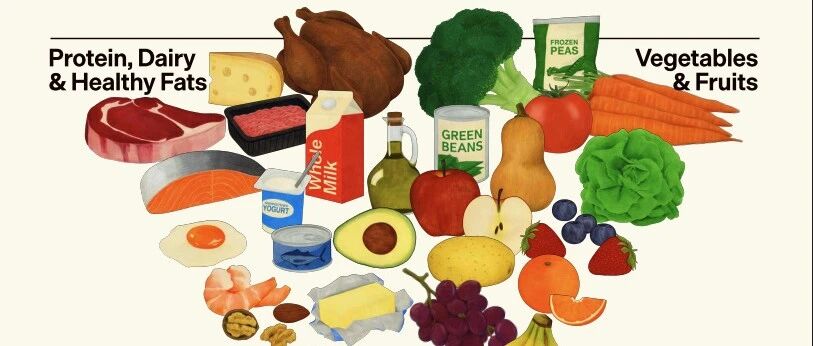
Core Viewpoint - The new federal dietary guidelines emphasize cooking at home and avoiding highly processed foods, reflecting the Trump administration's approach to "healthy eating" [1][2]. Group 1: Changes in Dietary Guidelines - The guidelines have undergone significant changes for the first time in over 40 years, with a new visual representation in the form of an inverted "food pyramid" [2]. - The guidelines specifically recommend avoiding ultra-processed foods and encourage home cooking, prioritizing nutrient-dense foods [5]. - The updated guidelines criticize past recommendations that promoted "low-quality, highly processed foods" [8]. Group 2: Nutritional Recommendations - The new guidelines suggest limiting added sugars to no more than 10 grams per meal and emphasize the importance of protein intake, recommending 1.2 to 1.6 grams of protein per kilogram of body weight, up from the previous recommendation of 0.8 grams [8]. - There is a shift towards endorsing whole-fat dairy products and red meat as sources of "nutrient-dense" protein, contrasting with previous guidelines that favored low-fat options [8]. - The guidelines continue to support the consumption of fruits, vegetables, whole grains, poultry, seafood, and nuts as the foundation of a healthy diet [8]. Group 3: Reactions to the New Guidelines - The American Medical Association (AMA) praised the guidelines for highlighting the role of processed foods and sugary drinks in chronic diseases [10]. - Concerns were raised by experts like Dr. Walter Willett from Harvard regarding the potential encouragement of excessive red meat and dairy consumption, which may not align with optimal health or environmental sustainability [10]. - Dr. Dariush Mozaffarian from Tufts University echoed these concerns, noting that many Americans already consume sufficient protein without needing to increase red meat intake [10].

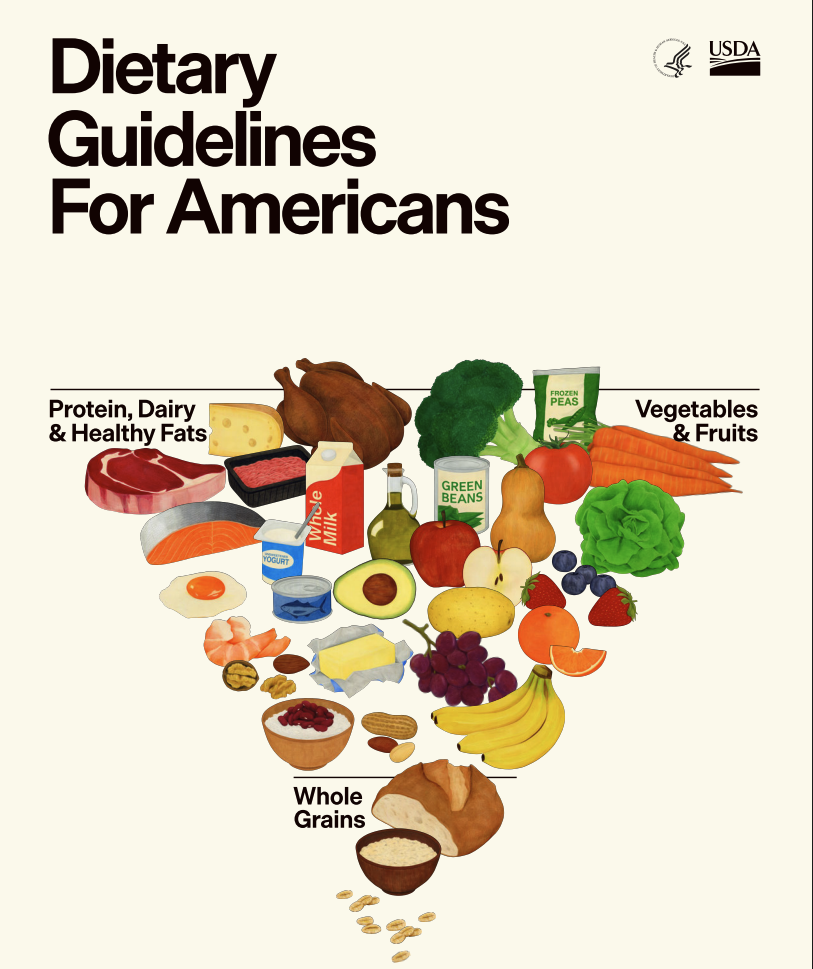
新版美国膳食指南:尽量在家做饭
财联社· 2026-01-08 01:15
Core Viewpoint - The new federal dietary guidelines emphasize cooking at home and avoiding highly processed foods, while supporting full-fat dairy and red meat, and significantly increasing protein intake recommendations [1][10]. Changes in the New Guidelines - The guidelines have undergone significant changes, with the new visual representation being an inverted "food pyramid," replacing the previous pyramid and plate models [4]. - The guidelines specifically advise against ultra-processed foods and encourage home cooking, highlighting the need to avoid high-sugar and high-salt packaged foods [7]. - The new recommendations suggest limiting added sugars to no more than 10 grams per meal and promote a protein intake of 1.2 to 1.6 grams per kilogram of body weight, up from the previous recommendation of 0.8 grams [10][11]. Support for Specific Food Groups - The updated guidelines favor whole-fat dairy products without added sugars and endorse red meat as a source of "nutrient-dense" protein [11]. - The guidelines continue to recommend fruits, vegetables, whole grains, poultry, seafood, and nuts as the foundation of a healthy diet [13]. Reactions to the New Guidelines - The American Medical Association (AMA) praised the guidelines for addressing the role of processed foods and sugary drinks in chronic diseases [17]. - Concerns were raised by experts like Dr. Walter Willett from Harvard regarding the potential encouragement of excessive red meat and dairy consumption, which may not align with optimal health or environmental sustainability [17]. - Dr. Dariush Mozaffarian from Tufts University echoed these concerns, noting that increased protein intake among Americans is often due to processed protein products rather than healthier sources [17].
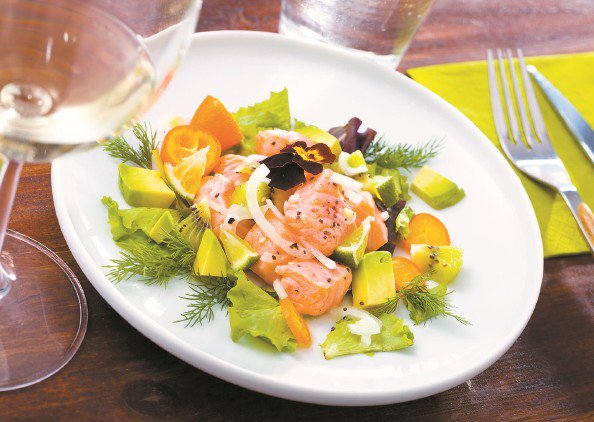
三文鱼配牛油果 网红色拉搭配的健康法则
Xin Lang Cai Jing· 2026-01-07 06:53
Core Viewpoint - The article discusses the nutritional aspects and misconceptions surrounding salads, emphasizing that while they are perceived as healthy, they may not always provide balanced nutrition. Group 1: Popularity and Nutritional Potential of Salads - The popularity of salads is linked to modern demands for visual appeal, health labels, and convenience in dining [3] - A quality salad can offer significant nutritional benefits, including vitamins, minerals, dietary fiber, and high-quality proteins [3] Group 2: Nutritional Truths of Popular Combinations - The combination of salmon and avocado in salads provides healthy fats but requires careful portion control to avoid excessive calorie intake [4] - Processed ingredients like ham and cheese in salads often contain high sodium levels, necessitating caution in their consumption [4] Group 3: Common Pitfalls in Salad Consumption - Large portions of leafy greens may not equate to adequate vegetable intake, leading to insufficient dietary fiber [6] - Many salads either exclude carbohydrates or overload on various "healthy" grains, which can lead to imbalanced calorie intake [7] - Salad dressings can significantly increase calorie content, with common options like mayonnaise being particularly high in calories [8] - The cumulative effect of healthy fats from ingredients like avocado and nuts can lead to exceeding recommended fat intake [9] - Protein sources in salads are often minimal, which may not provide sufficient satiety and can lead to increased hunger shortly after eating [10] Group 4: Ideal Salad Composition - An ideal salad should include approximately 200 grams of vegetables to ensure adequate fiber and micronutrient intake [11] - Quality protein sources should be included in a palm-sized portion to enhance satiety [11] - A fist-sized portion of healthy carbohydrates should be incorporated for sustained energy [11] - Healthy fats should be used sparingly, such as a small amount of nuts or avocado [11] - Dressings should be light and used in moderation, preferably served on the side to control intake [11]
英媒:法国“餐厅社交”为何陷入危机
Huan Qiu Shi Bao· 2026-01-06 23:57
Core Viewpoint - The traditional French restaurant industry is facing a crisis due to changing dining habits and rising living costs, leading to a rapid increase in restaurant closures [1][2]. Group 1: Industry Challenges - Approximately 25 restaurants are closing daily in France, highlighting the severity of the crisis in the restaurant sector [1]. - The French hotel and restaurant industry association (UMIH) has called for government intervention to limit new restaurant openings based on local population size and to issue licenses only to qualified professionals, but these proposals have not been adopted [1]. - The pandemic has significantly altered dining behaviors, with many customers now dining out only once or twice a week compared to previous habits [2]. Group 2: Economic Factors - Rising food wholesale costs are impacting restaurant profitability, as owners cannot raise prices due to competition from fast food and sandwich shops [2]. - The tax structure is unfavorable, with takeaway meals taxed at 5.5% while dine-in meals incur a 10% tax, further complicating the financial landscape for restaurants [2]. - Many workers are now using lunch vouchers in supermarkets instead of restaurants, which has negatively affected dine-in lunch sales [2]. Group 3: Changing Consumer Behavior - The rise of online shopping and food delivery services, along with restrictions on driving and parking in city centers, has exacerbated the challenges faced by the restaurant industry [3]. - French consumers, particularly younger generations, are spending less time dining out, with a shift towards healthier eating habits and gym visits during lunch breaks [3]. - Restaurant owners are faced with two main options: sourcing pre-prepared frozen foods to cut costs or maintaining a focus on health with a limited menu using local ingredients, which increases labor costs [3].
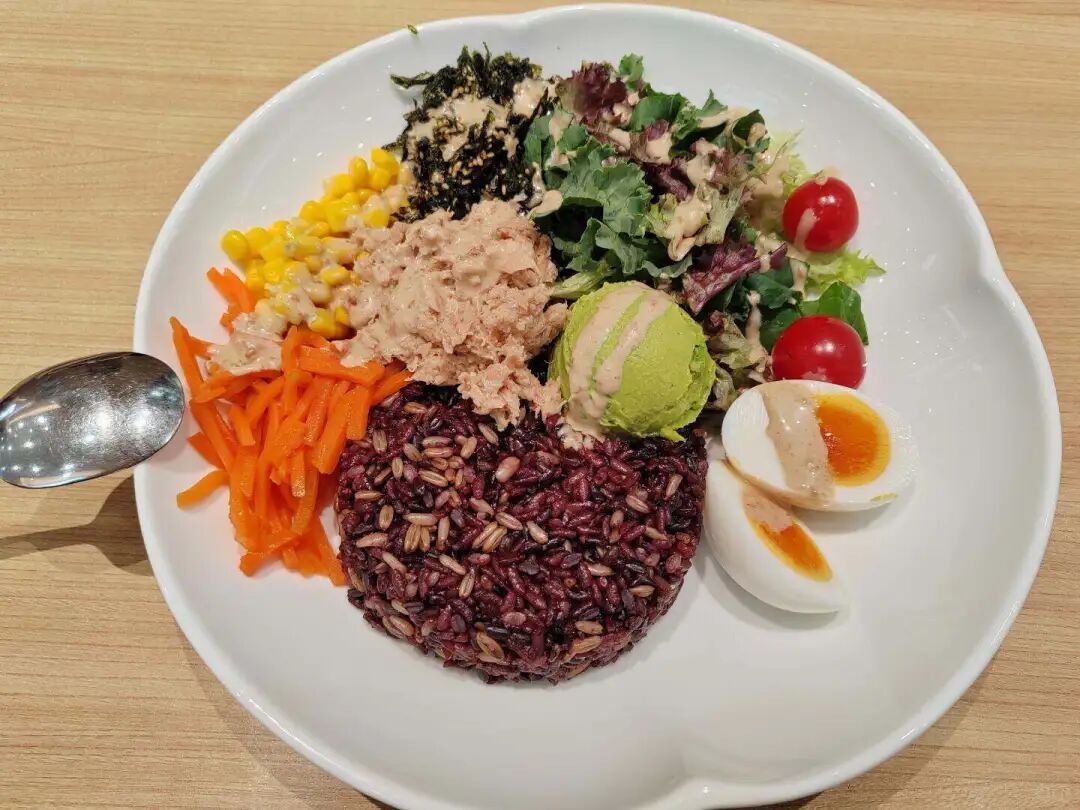
米村拌饭布局,轻食赛道又翻红?
3 6 Ke· 2026-01-05 05:51
Core Viewpoint - The light meal segment is gaining traction among various restaurant brands, with a focus on health-conscious offerings and competitive pricing, but the market faces challenges such as high closure rates and consumer skepticism regarding portion sizes and satisfaction [9][13][15]. Group 1: Market Trends - The light meal category is becoming a new selling point for brands, with 米村拌饭 launching a new line of light meals priced between 20.9 yuan and 33.9 yuan, filling a gap in the mid-range market [3][5]. - Other brands like Tims and 奈雪的茶 are also introducing light meal options, with prices generally around 30 yuan, indicating a trend towards affordable healthy eating [5][7]. - The light meal market in China is projected to grow significantly, with an expected market size of over 320 billion yuan by 2024, reflecting a 41.7% annual growth rate [15]. Group 2: Industry Challenges - Despite the growth potential, the light meal segment has a high closure rate, with over 6,200 stores shutting down in the past year, leading to a net increase of only 729 stores [13]. - The survival rate of light meal brands is concerning, with a closure rate of 27% compared to the average of 22.6% in the restaurant industry, indicating it is a high-risk category [13]. - Consumer feedback often highlights issues with portion sizes and energy satisfaction, which affects repeat purchase rates and overall brand loyalty [13][15]. Group 3: Consumer Behavior - Light meal consumption is highly dependent on specific scenarios such as workdays and dieting periods, making it vulnerable to shifts in consumer preferences [13][15]. - Brands are exploring local adaptations of light meals to cater to Chinese tastes, which may enhance consumer engagement and repeat purchases [16][17]. - The transition from light meals being a trendy choice to a regular dietary option remains a significant challenge for the industry [17].
榨菜的「难兄难弟」,被年轻人推下餐桌
36氪· 2026-01-04 09:10
Core Viewpoint - The article discusses the significant decline in the popularity of fermented bean curd (腐乳) among younger consumers, contrasting it with the resurgence of other traditional food products like Lao Gan Ma and Wujiang pickled vegetables, highlighting a need for innovation and adaptation in the industry [4][6][11]. Group 1: Market Performance - Lao Gan Ma has returned to peak revenue of 5.4 billion, showcasing a unique development style [6]. - Wujiang pickled vegetables have found success in overseas markets, selling over 8 million units in East Asia and Southeast Asia [7]. - In contrast, the fermented bean curd industry is facing declining sales, with the leading company Zhu Lao Liu reporting a 1.45% drop in revenue for the first half of 2025, and another company, Xianheng, seeing a 2.78% decline [10]. Group 2: Consumer Preferences - Younger consumers are increasingly rejecting fermented bean curd, with one supermarket employee noting that sales are primarily driven by older customers [21]. - A survey indicates that only 23% of young consumers repurchase new flavors of fermented bean curd, compared to 48% for traditional flavors, indicating a significant shift in taste preferences [25][26]. - The perception of fermented bean curd as "old-fashioned" and "unhealthy" is prevalent among younger demographics, leading to a decline in its market presence [23][30]. Group 3: Industry Challenges - The fermented bean curd industry faces three major challenges: health concerns due to high salt content, limited consumer awareness, and strong regional brand competition [28][30][35]. - The high salt content of traditional fermented bean curd (8%-15%) poses health risks, contributing to its declining popularity among health-conscious consumers [28]. - The industry is fragmented, with regional brands dominating, making it difficult to establish a national presence and leading to price wars and market saturation [36][38]. Group 4: Future Opportunities - The industry is projected to exceed 10 billion in scale by 2026, suggesting potential for growth if brands adapt to changing consumer preferences [42]. - Innovations such as low-salt and functional fermented bean curd products are emerging, with some companies developing new flavors and packaging to attract younger consumers [52][54]. - The article emphasizes the need for brands to evolve from being merely a side dish to offering diverse culinary applications, such as incorporating fermented bean curd into baked goods and other modern food trends [46][50].

建议普通人每天吃车厘子不超过15颗
Xin Lang Cai Jing· 2026-01-04 06:35
Group 1 - The article emphasizes that cherries are popular among consumers due to their sweet taste but should be consumed in moderation [1] - It is recommended that ordinary individuals limit their cherry intake to 100-150 grams per day, which is approximately 10 to 15 cherries [1] - Certain groups, including patients with chronic kidney disease, diabetes, and gastrointestinal disorders, should strictly control their cherry consumption [1] Group 2 - Cherries are high in fiber, which can lead to digestive issues if consumed in excess, particularly for individuals with weak spleens and stomachs [1] - The article notes that cherries have a warming nature, and those with a damp-heat constitution may experience symptoms like dry mouth, oral ulcers, and constipation if they overconsume [1]
“认真吃饭即认真生活”,在双汇治愈厨房,用一周餐单重拾生活烟火气
Sou Hu Cai Jing· 2025-12-30 02:36
Core Insights - The article highlights the growing trend among young professionals to prioritize quality and health in their dining choices, with a notable increase in the number of individuals bringing meals to work, rising to 15% in 2024 compared to 2018 [2] Group 1: Consumer Behavior - There is a rising health consciousness among young professionals, leading to a shift in dining habits towards meal preparation at home [2] - The challenge of planning and preparing meals for the week has become a common issue, prompting the need for practical solutions [2] Group 2: Product Offering - The collaboration between Shuanghui and Sohu to launch the "Shuanghui Healing Kitchen" program addresses the meal planning challenge by providing a practical weekly meal plan [2] - The program features a variety of easy-to-make dishes, emphasizing the importance of meal preparation in reducing decision fatigue and enhancing overall well-being [3][4] Group 3: Meal Recommendations - Breakfast options include "Egg and Ham Sandwich" and "Potato Bacon Cream Soup," designed for quick preparation and energy replenishment [6] - Lunch suggestions feature "Green Pepper Pork Rice" and "Seaweed Ham Fried Rice," which are filling and easy to transport [9] - Dinner focuses on comforting soup options like "Vegetable Meatball Soup" and "Radish Pork Rib Soup," promoting relaxation after a long day [12] Group 4: Psychological Impact - The meal preparation process is framed as a "healing process," transforming cooking from a mundane task into a manageable and predictable activity [12] - The initiative encourages a more autonomous lifestyle, allowing individuals to maintain a sense of control and self-efficacy in their daily routines [12]


当“减糖蛋糕”遇上“新年挂饰” 京东七鲜超市打造元旦家庭仪式感
Sou Hu Cai Jing· 2025-12-30 02:17
Core Viewpoint - The retail market is experiencing a surge in festive consumption as the New Year approaches, with retailers focusing on creating a festive atmosphere and emphasizing health-oriented product offerings to meet consumer demands for quality and emotional experiences [1][11]. Group 1: Promotional Activities - JD Seven Fresh Supermarket is launching a "Baking Super Category Day" from December 29 to January 1, offering discounts such as "spend 39 get 6 off" on baking products [3][11]. - Popular items like the "Strawberry Box Cake" are being sold at a reduced price of 39.9 yuan per box, featuring a health-conscious recipe with over 25% sugar reduction and a unique three-layer structure to enhance the eating experience [3][5]. Group 2: New Product Offerings - Several new baking products are being introduced, including the "Oreo Swiss Roll" and "Blueberry Chocolate Crisp Crepe," which combine rich flavors and textures to enhance festive dining experiences [5][12]. - The new offerings aim to provide consumers with healthier and more enjoyable dessert options, aligning with the growing trend towards health-conscious eating [12]. Group 3: Home Decoration and Consumer Trends - The introduction of festive home decor items, such as decorative flowers and wall hangings, reflects a shift towards enhancing the home environment for celebrations, moving beyond mere functionality to symbolize consumers' aspirations for a better life [7][9]. - Analysts note that the rise of instant retail channels offering festive decor captures the modern household's preference for "light renovation, heavy decoration," providing convenient and meaningful decoration solutions [9]. Group 4: Consumer Insights and Market Strategy - The ongoing "Baking Super Category Day" is part of a broader strategy by JD Seven Fresh to address consumer health needs, recognizing that modern consumers prioritize quality ingredients and health attributes in their food choices [11][12]. - The company is leveraging direct sourcing from global quality suppliers to reduce costs and enhance product quality, thereby shifting the baking industry focus from homogenized competition to a deeper emphasis on quality and health value [12].

走近甜味剂:现代食品工业的“甜蜜”科技
Xin Lang Cai Jing· 2025-12-29 04:48
Core Viewpoint - The increasing health awareness among consumers is driving the popularity of sugar-free and low-sugar products, leading to a dietary revolution that emphasizes taste and health [1][3]. Group 1: Market Trends - The market for sugar-free beverages in China has grown significantly from 2.26 billion yuan in 2015 to 19.96 billion yuan in 2022, with projections to reach 61.56 billion yuan by 2025, indicating a sustained growth trend [3]. - The trend of "sugar control" has become a popular lifestyle choice among young consumers, reflecting a demand for products that offer sweetness without the associated calories and blood sugar impact [3]. Group 2: Safety and Regulation - Various authoritative organizations, including JECFA, FDA, and EFSA, have reached a consensus on the safety of sweeteners, confirming that they are safe within the established acceptable daily intake (ADI) limits [2]. - For instance, the ADI for aspartame is set at 40 mg per kg of body weight, meaning a 60 kg adult would need to consume 12 to 36 cans of sugar-free drinks daily to approach this limit, emphasizing the importance of dosage in food safety [2]. Group 3: Development of Sweeteners - The evolution of sweeteners has been marked by advancements in food technology and health concepts, transitioning from early artificial sweeteners like saccharin to natural options such as steviol glycosides and monk fruit extract [4]. - The diversification of sweeteners has allowed for broader applications in beverages, dairy products, baking, and functional foods, showcasing the food industry's innovation in achieving "sugar reduction without sacrificing sweetness" [4][5]. - Researchers emphasize that the rational and scientific use of additives, including sweeteners, is essential for food production, contributing to a balanced and diverse diet [4].