半导体超级周期

Search documents
我国用户超5亿人 生成式人工智能推动半导体周期上行
Zheng Quan Ri Bao Wang· 2025-10-20 06:09
Core Insights - The rapid integration of generative artificial intelligence (AI) into daily life is highlighted, with user numbers in China reaching 515 million by June 2023, doubling in just six months [1] - The growth in generative AI is driven by technological accessibility and increasing demand, transitioning from novelty to necessity in various sectors [1] Industry Applications - Generative AI is being applied across multiple fields, including smart manufacturing, intelligent transportation, healthcare, education, and cultural tourism, showcasing diverse applications [1] - Examples of applications include AI traffic lights that adjust in real-time and exoskeleton robots assisting in hiking [1] Policy Support - The Chinese government has implemented policies to support AI development, aiming for deep integration of AI in six key areas by 2027, with a target of over 70% application penetration [2] - By 2030, the goal is for AI to significantly contribute to high-quality economic development, with over 90% application penetration of new intelligent terminals and agents [2] Semiconductor Industry Impact - The growth of generative AI is benefiting the semiconductor industry, with companies like Cambricon Technologies reporting a revenue increase of 2386.38% year-on-year, reaching 4.607 billion yuan [3] - Haiguang Information Technology also reported a revenue increase of 54.65%, reaching 9.49 billion yuan, driven by partnerships and market expansion [3] - The semiconductor sector is entering a "super cycle," with all segments from design to manufacturing expected to benefit from AI advancements [3] Economic Implications - The development of generative AI is expected to enhance productivity and create new infrastructure, technologies, industries, and job opportunities, contributing to high-quality economic growth [4] - The ongoing improvement of AI infrastructure and application scenarios is anticipated to sustain the growth momentum of generative AI [4]


港股异动 | 芯片股多数走高 上海复旦(01385)涨超7% 中芯国际(00981)涨超4%
智通财经网· 2025-10-20 02:28
Group 1 - The semiconductor stocks are mostly rising, with Shanghai Fudan up 7.41% at 41.6 HKD, SMIC up 4.2% at 72 HKD, and Hua Hong Semiconductor up 3.56% at 78.5 HKD [1] - NVIDIA's CEO Jensen Huang stated that due to U.S. export controls, the company's market share in high-end chips in China has dropped from 95% to 0% [1] - Cambricon's Q3 report shows a revenue increase of 2386.38% year-on-year for the first three quarters [1] Group 2 - TSMC reported a record net profit of 452.3 billion NTD in Q3, a year-on-year increase of 39.1% [1] - Huajin Securities remains optimistic about the semiconductor supercycle driven by artificial intelligence and suggests focusing on the entire semiconductor industry chain [1] - According to招商证券, the acceleration of domestic self-sufficiency is expected due to ongoing U.S. export controls, with advanced production line expansions anticipated to boost orders in domestic equipment and components [1]

台积电最新业绩,超出市场预期
Xin Lang Cai Jing· 2025-10-16 08:20
Core Insights - TSMC's Q3 financial results exceeded market expectations, with revenue of NT$989.92 billion (approximately US$33.1 billion), a year-on-year increase of 30.3%, and a net profit of NT$452.3 billion, marking a record high with a 39.1% year-on-year growth [1] - The strong performance is attributed to the increasing demand for AI chips, with advanced technology (7nm and above) accounting for 74% of total wafer revenue [1][2] - TSMC's optimistic outlook for Q4 includes projected sales of US$32.2 billion to US$33.4 billion and a gross margin of 59% to 61% [1] Company Performance - TSMC's Q3 revenue in USD was US$33.1 billion, surpassing the market expectation of US$31.6 billion [1] - The company reported that 3nm chip shipments accounted for 23% of total wafer revenue, while 5nm and 7nm chips contributed 37% and 14%, respectively [1] - TSMC's market capitalization is approximately US$1.22 trillion, nearly three times that of its competitor Samsung Electronics [3] Industry Trends - The demand for AI applications is driving the need for high-performance computing chips, leading analysts to raise their earnings and revenue forecasts for TSMC [2][3] - TSMC is preparing for the construction of multiple 2nm wafer fabs in Taiwan, with mass production expected to begin in late Q4 [3] - The semiconductor industry is entering a super cycle, as evidenced by the strong performance of both TSMC and Samsung Electronics, which reported an 8.7% year-on-year sales increase and a 31.8% rise in operating profit [3]

芯片的超级周期,四大迹象
半导体行业观察· 2025-10-15 02:48
Core Insights - Samsung Electronics achieved record sales in Q3, exceeding market expectations for operating profit, indicating a significant profit surprise. This aligns with the positive performance of TSMC and other semiconductor companies, suggesting a global embrace of a semiconductor supercycle [1][2]. Group 1: Signs of the Semiconductor Supercycle - The semiconductor industry is entering a supercycle characterized by soaring demand, supply shortages, and skyrocketing prices, marking the first occurrence since 2018. This supercycle is expected to last at least until 2027 [2]. - Four clear signals indicate the arrival of the supercycle: 1. Rapid growth in demand for AI accelerators due to large-scale data center construction, benefiting companies like Samsung and SK Hynix [2]. 2. A shift in focus towards High Bandwidth Memory (HBM) production, leading to a decline in general DRAM output, which is seen as a second sign of the supercycle [2]. 3. Increased sales of enterprise SSDs (eSSD) driven by the need for independent storage as AI expands into inference, indicating a third sign of the supercycle [2]. 4. The inability of Chinese memory companies to catch up in advanced DRAM fields, further supporting the supercycle narrative [2]. Group 2: Structural Differences in the Upcoming Supercycle - The semiconductor supercycle in 2025 will exhibit structural differences compared to previous cycles, primarily driven by investments in AI by large tech companies, rather than mobile device demand [4]. - High-performance semiconductors for AI computing, data centers, and autonomous driving will lead the market, while IoT and consumer electronics will support growth [4]. - The focus has shifted from general DRAM and NAND flash to high-end storage products like HBM, indicating a qualitative change in the market dynamics [5]. Group 3: Market Position and Future Projections - Samsung Electronics is expected to benefit significantly from the structural supercycle, with projections indicating it will hold 32% of the DRAM market and 30% of the NAND flash market by 2026 [5]. - Samsung regained its position as the leader in the memory market in Q3, with sales reaching $19.4 billion, surpassing SK Hynix's $17.5 billion [5]. - Analysts have raised Samsung's operating profit forecast for 2026 by 36% to 73 trillion KRW, reflecting strong performance expectations [5].


三星DRAM,重夺第一
半导体芯闻· 2025-10-14 10:26
Core Viewpoint - Samsung Electronics regained its position as the market leader in the memory sector in Q3 2023, driven by strong sales in DRAM and NAND products, with a sales figure of $19.4 billion [2][4]. Group 1: Market Performance - Samsung's memory sales increased by 25% quarter-on-quarter, recovering from previous lows [4]. - The semiconductor division's preliminary sales for Q3 reached 86 trillion KRW, a year-on-year increase of 8.72%, with operating profit rising by 31.81% to 12.1 trillion KRW, exceeding market expectations [5][6]. - The overall semiconductor market is experiencing a "super cycle," leading to a significant rebound in Samsung's performance [7][8]. Group 2: Demand Drivers - The explosive growth in global semiconductor demand, particularly due to the rise of artificial intelligence (AI), is a major driver for Samsung's recovery [8]. - The demand for high-bandwidth memory (HBM) is increasing as AI accelerators require substantial memory resources [8][9]. - The average fixed trading price for general PC DRAM products rose by 10.53% in September, marking the first time it exceeded $6 since January 2019, benefiting Samsung due to its large production capacity [9]. Group 3: Future Prospects - Samsung's HBM business is expected to recover as it has passed NVIDIA's HBM3E quality tests and is entering supply negotiations [10][11]. - The company is also expected to benefit from strategic partnerships, such as supplying HBM3E products to AMD for AI accelerators [10][11]. - Analysts predict that Samsung will achieve the highest growth rate among major DRAM companies by 2026, driven by new customer acquisitions and improved production efficiency [11][12].
半导体业务强势复苏,三星利润大涨
半导体行业观察· 2025-10-14 01:01
Core Viewpoint - Samsung Electronics' semiconductor division has shown a strong recovery in Q3 2023, with preliminary sales increasing by 8.72% year-on-year to 86 trillion KRW and operating profit rising by 31.81% to 12.1 trillion KRW, exceeding market expectations [1][2]. Group 1: Financial Performance - The operating profit has rebounded to around 10 trillion KRW for the first time in five quarters, marking the highest value since Q2 2022 [1]. - Compared to Q2 2023, where a 1 trillion KRW loss was recorded due to unsold memory inventory, the operating profit growth represents a 158.55% increase [1]. - The semiconductor business (DS division) is expected to generate around 5 trillion KRW in operating profit, significantly higher than the 400 billion KRW in Q2 2023 [1]. Group 2: Market Dynamics - The semiconductor industry is entering an "early semiconductor super cycle," driven by a surge in demand, particularly for AI accelerators and high-bandwidth memory (HBM) [3]. - The average fixed trading price for general PC DRAM products (DDR4 8Gb) rose by 10.53% in September, reaching $6.3, the highest since January 2019 [4]. - Analysts predict that Samsung Electronics will capture 32% of the DRAM market and 30% of NAND flash production by 2026, positioning it as a major beneficiary of the memory super cycle [4]. Group 3: Business Developments - Samsung Electronics has passed NVIDIA's HBM3E quality tests and is negotiating supply volumes, enhancing its competitive position against SK Hynix [5]. - The company is expanding its high-performance DRAM supply through participation in OpenAI's Stargate project, which is expected to significantly boost HBM sales [6]. - The foundry business is showing signs of recovery, with new customer orders focusing on 8-4nm processes, and the production of the Exynos 2600 processor is expected to increase utilization rates [7]. Group 4: Product Performance - The smartphone business contributed positively to Q3 performance, with the Galaxy Z Fold7 performing well in markets like the U.S. [8]. - Samsung Display's profits are estimated to reach around 1 trillion KRW, as the company begins supplying OLED panels for Apple's iPhone 17 [8]. - Despite challenges in the home appliance and TV sectors due to tariffs and logistics costs, overall performance is expected to improve, with projected operating profit for 2026 raised by 36% to 73 trillion KRW [8].
存储芯片,势头凶猛
半导体行业观察· 2025-09-30 03:31
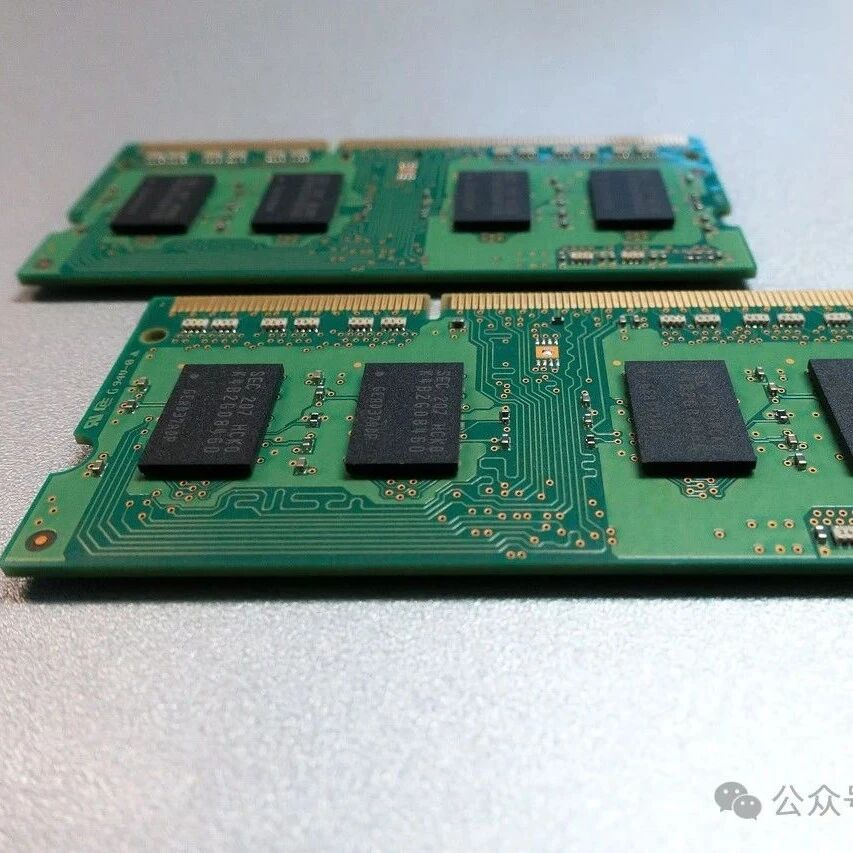
Core Viewpoint - The semiconductor industry is on the brink of a "super cycle" due to historically low DRAM inventory levels and increasing demand driven by artificial intelligence and other factors [1][2]. Group 1: Market Dynamics - DRAM inventory levels have dropped to an average of 3.3 weeks, the lowest in history, similar to levels seen during the 2018 semiconductor super cycle [1]. - The demand for HBM (High Bandwidth Memory) has surged due to the rise of AI, particularly with NVIDIA's AI accelerators, leading to a decrease in overall DRAM production as companies like Samsung shift production lines [2]. - The upcoming server upgrades in data centers built between 2017 and 2018 are expected to further increase the demand for general DRAM and eSSD [2]. Group 2: Pricing Trends - Prices for DRAM products have been rising, with "DDR4 8Gb" reaching $6,350 and "DDR5 16G" increasing over 40% since the beginning of the year [3]. - Samsung and SK Hynix are planning to raise DRAM prices, indicating a sustained trend of increasing prices in the market [3]. Group 3: Future Outlook - Morgan Stanley predicts that the peak of the current semiconductor cycle will occur in 2027, with a prosperous period lasting over a year [3]. - Samsung is expected to be the biggest beneficiary of the semiconductor recovery cycle due to its capacity expansion at the Pyeongtaek plant [3].
半导体,超级周期将至!
半导体芯闻· 2025-09-29 09:45
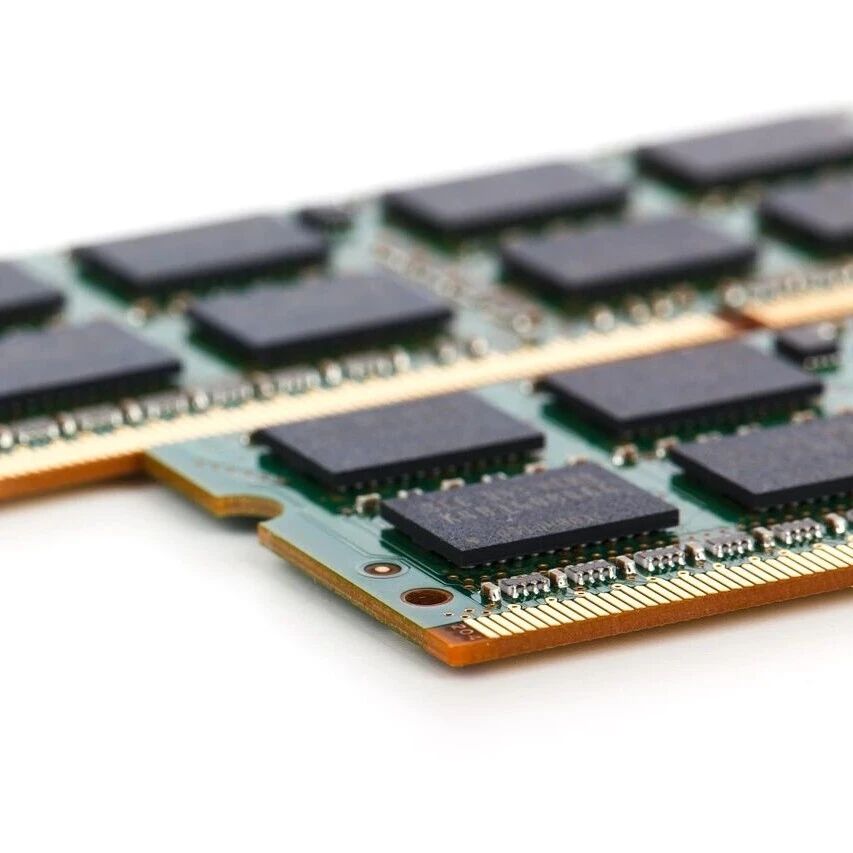
Core Viewpoint - The semiconductor industry is entering its first "super cycle" in seven years, driven by rising DRAM demand and supply constraints, particularly influenced by the AI boom and changes in supplier dynamics [1][2]. Group 1: Market Dynamics - Global DRAM suppliers' average inventory has dropped to a historical low of 3.3 weeks, similar to the 3-4 weeks average during the last semiconductor super cycle in 2018 [1]. - Despite DRAM buyers maintaining an average inventory of about 10 weeks, market demand remains strong, indicating a tightening supply situation [1]. Group 2: AI Influence - The surge in demand for HBM (High Bandwidth Memory) is primarily driven by the AI boom, as the value of accelerators used for AI training and inference has increased significantly [2]. - Major semiconductor companies like Samsung have shifted some DRAM production lines to HBM, resulting in a decrease in overall DRAM output [2]. Group 3: Pricing Trends - Prices for DRAM products are on the rise, with the price of "DDR4 8Gb" reaching $6.350 and "DDR5 16G" increasing over 40% since the beginning of the year, now priced at $7.535 [3]. - Samsung and SK Hynix are expected to further increase DRAM prices, reflecting ongoing supply shortages [3]. Group 4: Future Outlook - Morgan Stanley predicts that the peak of this semiconductor cycle will occur in 2027, with a prosperous period lasting over a year [3]. - Analysts expect Samsung to be the biggest beneficiary of the semiconductor cycle due to its capacity expansion in HBM, DRAM, and NAND sectors [3].

Wall Street bets on chip boom are getting more concentrated, and it could be good thing for investors
CNBC· 2025-09-19 16:44
Core Viewpoint - The semiconductor sector, particularly driven by Nvidia's success, has become a focal point for investors, with new concentrated investment strategies emerging in this space [1]. Group 1: Semiconductor ETFs - The VanEck Semiconductor ETF (SMH) has become a benchmark for capturing sector growth, with a portfolio that includes major players like Nvidia, TSMC, and ASML, and has grown to nearly $30 billion, up close to 30% year-to-date [2]. - Other ETFs such as the iShares Semiconductor ETF (SOXX) and Invesco PHLX Semiconductor ETF (SOXQ) also provide exposure to the semiconductor industry, attracting investors seeking concentrated investments [5]. - The SPDR S&P Semiconductor ETF (XSD) offers an equal-weighting approach, allowing smaller companies like Astera Labs and Credo Technology to have equal representation with larger firms like Nvidia [6][7]. Group 2: Nvidia's Role - Nvidia's CEO described the company's Blackwell platform as a significant advancement in AI technology, with demand being characterized as "extraordinary" [4]. - Nvidia's investment of $5 billion in Intel to co-develop data centers and PC chips highlights its growing influence across the tech sector [4]. Group 3: Investment Strategies - The Invesco Semiconductors ETF (PSI) utilizes a custom index to select semiconductor companies based on various momentum factors, providing a different exposure compared to traditional market-cap weighted ETFs [11][12]. - The newly launched VanEck Fabless Semiconductor ETF (SMHX) focuses on fabless companies, with Nvidia as its top holding, catering to investors seeking targeted exposure within the semiconductor space [13][14].
ASML一句话致使市值蒸发300亿美元
财富FORTUNE· 2025-07-18 13:02
Core Viewpoint - ASML's inability to confirm growth for 2026 has led to an 11% drop in its stock price, resulting in a market value loss of over $30 billion, signaling potential challenges for the semiconductor and AI sectors [1][2][3]. Group 1: Company Performance - ASML reported strong second-quarter earnings with revenue and net profit exceeding expectations, and an order volume of $6.4 billion [1]. - Despite the strong performance, CEO Christophe Fouquet expressed uncertainty about future growth due to macroeconomic and geopolitical factors, particularly new tariff threats [1][5]. Group 2: Market Implications - The warning from ASML may indicate a peak in the AI and semiconductor supercycle, suggesting a potential downturn or volatility ahead [2][3]. - ASML is the sole supplier of extreme ultraviolet (EUV) lithography machines, crucial for producing advanced semiconductors used in AI accelerators and data center chips [3][4]. Group 3: Factors Affecting Growth Outlook - Uncertainty surrounding tariffs, particularly a potential 30% tariff on European semiconductor equipment, is causing anxiety among ASML's customers, leading to delayed investment decisions [5]. - Ongoing trade disputes and export controls, especially involving China and the U.S., complicate demand forecasting for ASML [5]. Group 4: Market Reaction - The market reacted sharply to ASML's news, with an 11% drop in stock price, marking the largest single-day decline since October 2024 [6]. - The sell-off affected the broader European tech sector and impacted U.S. semiconductor equipment companies like Lam Research and Applied Materials [6].