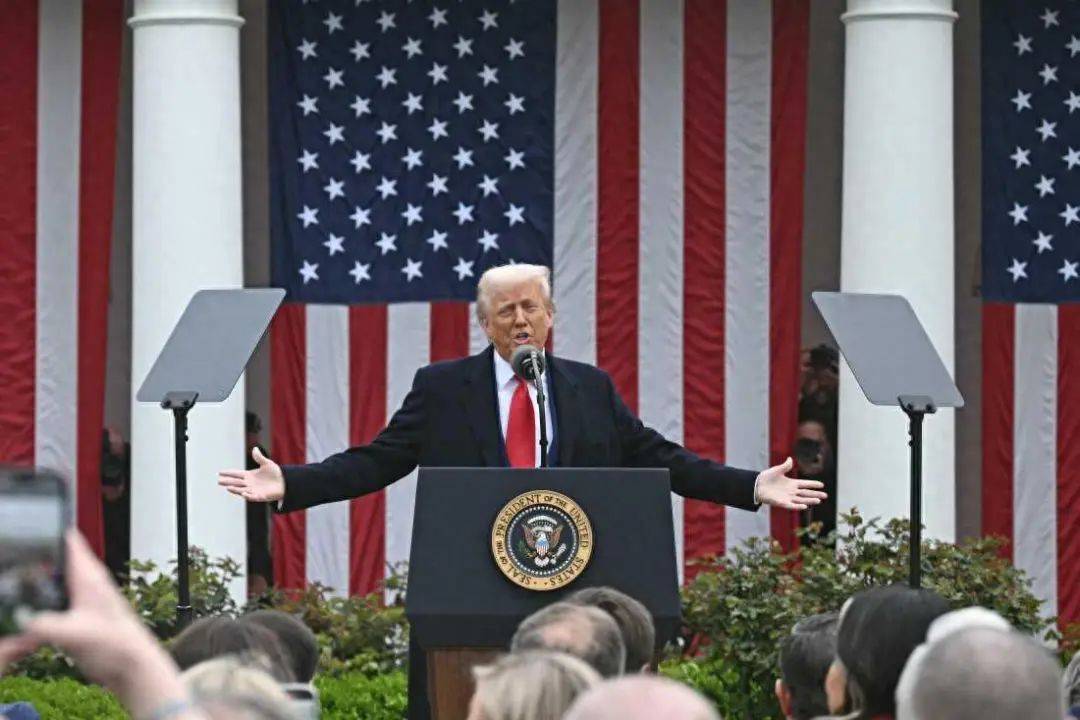
孤立主义

Search documents
特朗普要求购买美国装备,“爸爸梗”反映双方地位落差,北约峰会让欧洲感受苦涩
Huan Qiu Shi Bao· 2025-06-26 22:46
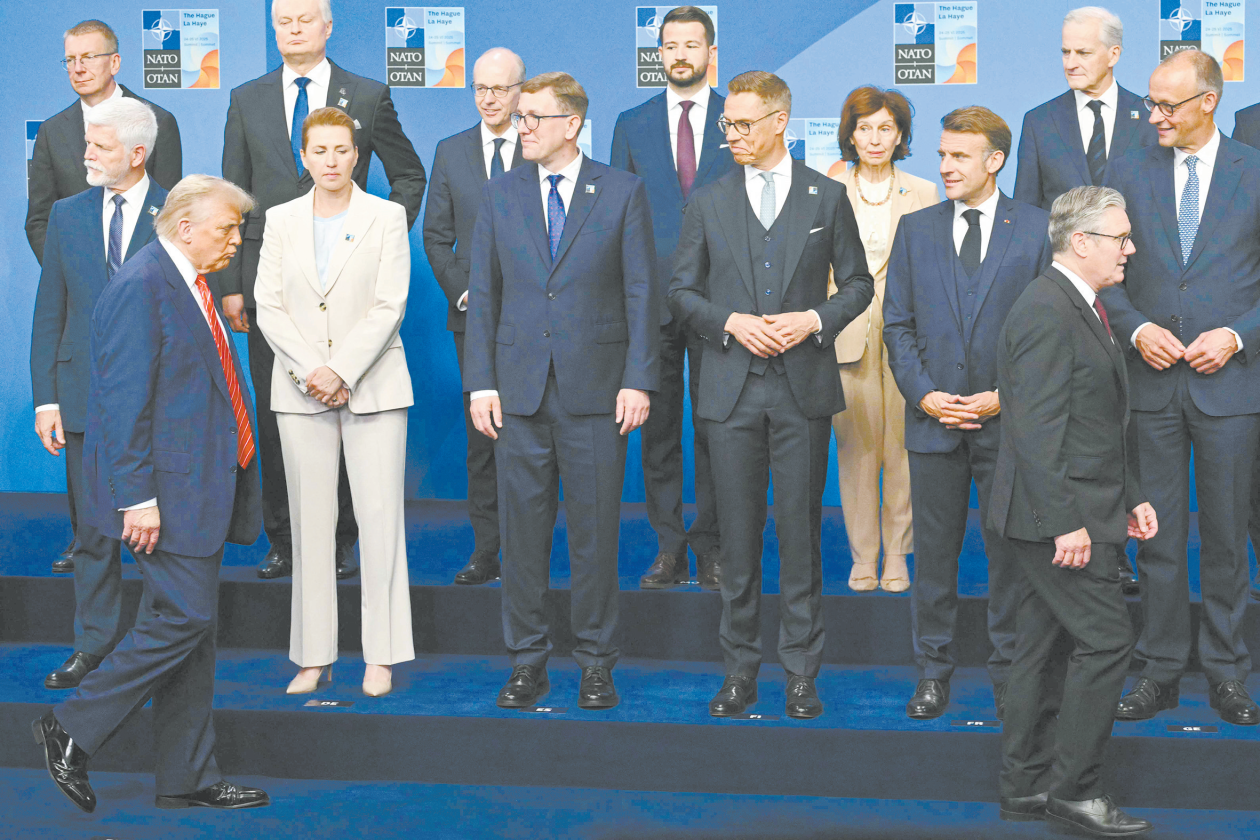
Group 1 - The NATO summit in The Hague concluded with a push for member countries to increase military spending from 2% to 5% of GDP, although this goal was met with skepticism and opposition from countries like Spain, leading to claims of "symbolic number games" [1][2] - President Trump emphasized that allies should use the additional military spending to purchase American weapons, while French President Macron advocated for the development of European military systems to avoid dependence on the U.S., highlighting the internal divisions within NATO, particularly between the U.S. and Europe [1][8] - NATO Secretary General Stoltenberg promoted the "China threat" narrative to justify increased military spending, raising questions about NATO's intentions as its members already account for 55% of global military expenditure [1][10] Group 2 - The summit was characterized by a brief duration and a vague declaration, which allowed member countries flexibility in interpreting the commitment to the 5% military spending target, reflecting negotiations among countries like Spain that set a maximum of 2.1% [2][4] - Other NATO countries, including Belgium and Luxembourg, are exploring similar flexible spending plans, indicating a broader reluctance to meet the 5% target due to financial constraints [4][5] - The agreement to split the 5% target into 3.5% for core military spending and 1.5% for infrastructure and cybersecurity provides member countries with operational flexibility [5] Group 3 - Trump's approach to NATO spending has been described as transactional, with an expectation that allies must pay for the security guarantees provided by the U.S., raising concerns about the future of collective defense commitments [7][10] - The U.S. arms industry is poised to benefit significantly from increased military spending in Europe, as American defense companies dominate the European arms market [8] - The absence of leaders from key Indo-Pacific nations at the summit raises questions about NATO's efforts to expand its influence in that region, indicating a disconnect between U.S. strategic ambitions and regional realities [9][10]

综述丨北约峰会:象征性的共识 盖不住的矛盾
Xin Hua Wang· 2025-06-26 09:12
Group 1 - The NATO summit in The Hague concluded with a symbolic consensus on increasing military spending, but underlying tensions between the US and Europe have become more pronounced [1][2] - The core agenda of the summit was to raise NATO members' annual defense spending from the current 2% of GDP to 5%, a demand strongly advocated by US President Trump [1][2] - A compromise proposed by NATO Secretary General Stoltenberg suggested dividing the 5% target into 3.5% for traditional military capabilities and 1.5% for non-traditional areas like cybersecurity, with the deadline extended from 2032 to 2035 [1][2] Group 2 - Several countries, including Spain, Belgium, and Slovakia, expressed concerns about the high military spending target, indicating that it would be difficult to meet in the short term [2] - The issue of Ukraine was notably downplayed at this summit, with less emphasis on aid compared to the previous summit, and the NATO-Ukraine Council meeting was canceled [2] - Analysts suggest that the NATO summit is losing its strategic coordination function due to the US's isolationist policies, making it challenging to implement any consensus reached [3]
美媒:特朗普连遭俄中以三国“蔑视”,外交政策正在瓦解
Guan Cha Zhe Wang· 2025-06-16 09:14
【文/观察者网 熊超然】"特朗普总统不顾一切地避免与伊朗开战,但他真的能避免吗?" 在以色列和伊朗连日来持续相互袭击之际,美国有线电视新闻网(CNN)当地时间6月16日报道指出, 强有力的国家安全考量和国内政治因素都表明,在这场以色列宣称为"生死存亡之战"的长期冲突中,美 国应当置身于与伊朗的冲突之外,这一立场是明智的。然而,某些强大的力量可能会让美国更深地卷入 冲突,而非仅仅是像目前对以色列提供武器进行防御这么简单。 早些时候,路透社援引两名知情官员透露,美国总统特朗普已经否决了(vetoed)以色列向美国提出的 杀死伊朗最高领袖哈梅内伊的计划。不过,其中一些因素也不是特朗普能控制的。 如果伊朗攻击美国在中东地区的军事基地和人员,或者是美国在全球范围内的目标,就如同特朗普发文 威胁的那样,华盛顿方面势必将作出强硬回应。此外,如果伊朗通过袭击红海等的国际航运,对特朗普 施加压力,迫使他管束以色列,这可能引发全球能源危机。 在美国国内,特朗普也面临着越来越大的压力。一些共和党人认为,如果在外交上无法迫使伊朗"弃 核",美国可能别无选择,只能军事介入这场冲突;而推崇"美国优先"运动的右翼人士,则纷纷要求特 朗普坚 ...
美媒:今年G7峰会将不会尝试发表联合公报,表明其他国家和特朗普政府存在巨大分歧
Guan Cha Zhe Wang· 2025-06-12 07:23
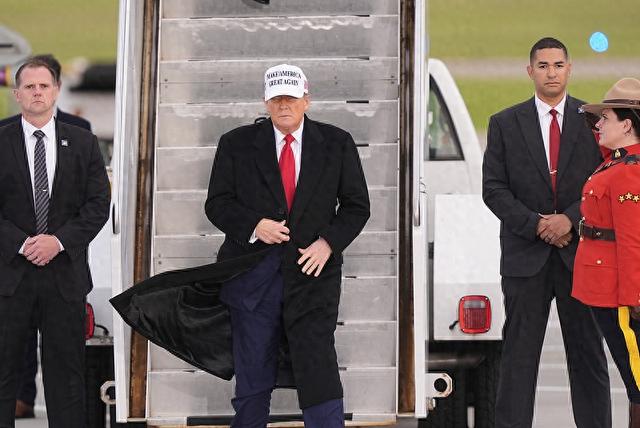
Group 1 - The G7 summit will take place from June 15 to 17 in Canada, with significant divisions among member countries on issues like the Russia-Ukraine conflict and climate change, leading to a lack of consensus on a joint communiqué [1][4] - Canadian Prime Minister Trudeau aims to ease tensions with U.S. President Trump and promote trade and security negotiations, avoiding a repeat of the contentious 2018 summit where Trump refused to sign the joint communiqué [1][3] - The summit will feature discussions on various topics, including artificial intelligence, energy security, and global conflicts, with leaders from non-G7 countries like Ukraine, India, Brazil, and Mexico also participating [6][7] Group 2 - The trend of shorter final joint statements has emerged since the 2018 summit, reducing negotiation time and minimizing contentious wording among member countries [7] - The Trump administration's approach has shifted G7's focus back to its original purpose of promoting global economic stability and growth, as indicated by the current agenda set by Canada [7]
来自历史深处的MAGA人群
虎嗅APP· 2025-06-10 13:43
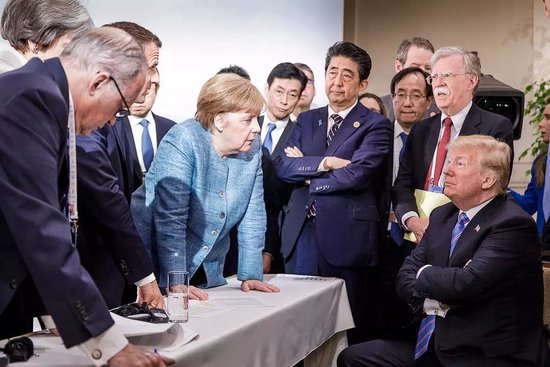
Core Viewpoint - The article discusses the rise of Trump's MAGA group as a significant force in American politics, emphasizing their historical roots and their impact on immigration and foreign policy [2][3][4]. Group 1: MAGA Group Characteristics - The MAGA group is primarily composed of working-class individuals, farmers, and residents of small towns, characterized by lower income and education levels compared to the national average [6][7]. - This group exhibits strong patriotic and nativist sentiments, often feeling alienated by globalization and cultural diversity, leading to a persistent hostility towards immigration and foreign influences [10][11][12]. Group 2: Historical Context - The historical roots of the MAGA group can be traced back to various populist movements in American history, including the Jacksonian democracy and the anti-imperialist sentiments of the 1890s [7][8][9]. - The article highlights that the MAGA group's attitudes towards foreign policy reflect a long-standing tradition of American isolationism, which has resurfaced in contemporary politics [5][6]. Group 3: Political Dynamics - Trump's political success is attributed to his ability to mobilize this historically marginalized group, which has been characterized by anti-establishment sentiments and a rejection of elite political norms [3][4][19]. - The article suggests that the MAGA group's influence on foreign policy is likely to grow, potentially surpassing the impact seen during Trump's first term [4][19]. Group 4: Foreign Policy Implications - The MAGA group's preferences indicate a shift towards isolationism, with recent polls showing a decline in support for active U.S. involvement in international affairs [33][34]. - There is a notable trend among MAGA supporters to prioritize domestic issues over foreign policy, reflecting a broader sentiment of "America First" [33][36]. Group 5: Future Considerations - The article raises questions about the sustainability of the MAGA movement's influence on U.S. foreign policy, particularly in light of the changing political landscape and the potential for internal divisions within the group [35][39]. - It emphasizes the need for ongoing observation of how these dynamics will shape America's international role and policy decisions moving forward [39].
来自历史深处的MAGA人群
Hu Xiu· 2025-06-10 04:38
Group 1 - The article discusses the unprecedented impact of Trump's second term on U.S. domestic and foreign policies, highlighting a significant deviation from traditional norms and unpredictability in his diplomatic approach [1][2] - Trump's political base, characterized by populism and anti-establishment sentiments, is identified as a driving force behind his foreign policy, suggesting that the preferences of this group may shape policy outcomes more than in his first term [2][3] - The historical context of the MAGA movement is explored, linking it to past populist movements in American history, which were often marked by isolationist tendencies and a rejection of elite influence [3][4][5] Group 2 - The article outlines the sociological characteristics of Trump's supporters, primarily consisting of lower-income, less-educated individuals from rural areas, who exhibit strong nationalist and anti-globalization sentiments [3][4] - It emphasizes the emotional and cultural factors that contribute to the MAGA group's political identity, including a deep-seated distrust of elites and a preference for local over international concerns [10][11] - The article notes a historical pattern of isolationism among similar groups, suggesting that current trends may reflect a resurgence of these sentiments in response to perceived failures of international engagement [28][29] Group 3 - The article highlights a shift in public opinion regarding U.S. involvement in international affairs, with a growing preference for domestic issues over foreign policy, particularly among Republican supporters [28][29] - It discusses the implications of this shift for future U.S. foreign policy, indicating a potential move towards isolationism and a reduction in international commitments [30][31] - The article also points out the influence of social media in amplifying the voices of the MAGA movement, facilitating a more organized expression of their political views [25][26]
英国脱欧以来英欧首次峰会终获成果:双方达成关系重置协议!
Jin Shi Shu Ju· 2025-05-19 09:36
Core Points - The UK and EU have reached a relationship reset agreement, ending tensions since Brexit in 2020 [1] - The agreement includes extending reciprocal fishing rights until June 30, 2038, and establishing cooperation on energy and security defense [1] - A "Balanced Youth Experience Program" will allow young people to work, study, volunteer, or travel in each other's countries for a limited time [1] Negotiation Context - Prior to the summit, negotiations intensified over sensitive issues like youth mobility and fishing rights, with reports of late-night discussions [2] - The agreement may pave the way for the UK to participate in EU security and defense policies, including agricultural trade friction and the role of the European Court in dispute resolution [2] - The geopolitical landscape, particularly the U.S. shift towards isolationism, has provided a rationale for the UK-EU relationship reboot [2] Political Landscape - Recent polling shows UK Prime Minister Keir Starmer's approval rating has dropped to 23%, while support for the Reform Party has increased [3] - The key challenge for the UK government is to navigate sensitive issues without appearing to seek a return to pre-Brexit relations [3] - The two main obstacles in negotiations are fishing rights and the youth mobility plan, with ongoing discussions rather than concrete agreements on the latter [3] Compromise Challenges - The Labour government faces difficulties in reaching compromises on complex issues while maintaining a stance against rejoining the EU [4] - Security and defense consensus may be easier to achieve due to ongoing threats, but other areas like fishing rights and market access remain complicated [4] Trade Relations Outlook - Analysts express skepticism about the agreement significantly improving trade relations, suggesting the summit's outcomes may be largely symbolic [5] - While some agreements may reduce red tape for UK exporters, substantial progress is unlikely without joining the single market, which remains a red line for the UK government [5]
尼日利亚学者:美关税政策破坏全球贸易生态系统
news flash· 2025-05-11 00:31
Core Viewpoint - The article emphasizes that the U.S. imposition of tariffs is a form of trade protectionism that disrupts the global trade ecosystem, urging countries to collaborate for global trade integration [1] Summary by Relevant Sections - **Tariff Policy Critique** - The U.S. government is encouraged to reassess its tariff policies, particularly the establishment of "benchmark tariffs" and "reciprocal tariffs," which are seen as flawed and detrimental to the least developed countries [1] - **Impact on Africa** - The tariffs have significantly affected Africa, as evidenced by trade data from the past two years, highlighting the negative consequences of U.S. trade policies on the continent [1] - **Call for Global Cooperation** - There is a strong call for moving towards global cooperation rather than isolationism, with a specific appeal for the U.S. administration to reconsider its current stance on trade [1]
“终于从中国借到了月壤,NASA却…”
Guan Cha Zhe Wang· 2025-05-03 10:46
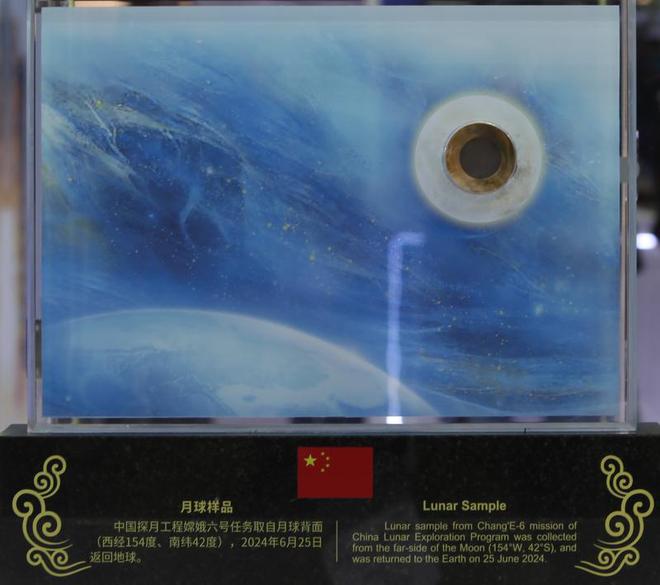
Core Viewpoint - The China National Space Administration (CNSA) has approved international applications for lunar samples from the Chang'e 5 mission, allowing seven institutions from six countries, including two U.S. universities, to borrow these samples. However, U.S. researchers face restrictions due to the "Wolf Amendment," which prohibits NASA funding for projects involving Chinese lunar samples [1][6][7]. Group 1: International Collaboration - The approved institutions include the University of Brown and Stony Brook University, both receiving NASA funding, but they cannot use these funds for research on the Chinese samples due to the "Wolf Amendment" [1][6]. - Timothy Glotch from Stony Brook University expressed gratitude for funding from his institution to collaborate with Chinese scientists, indicating a willingness to analyze the samples despite the restrictions [3][4]. - CNSA Administrator Zhang Zhongde emphasized the importance of sharing lunar research for the benefit of humanity, stating that the Chang'e program is open to international collaboration [6][8]. Group 2: Research Objectives - Glotch aims to compare the properties of lunar soil and rock samples with those from the Apollo program, focusing on thermal properties and magnetic characteristics to understand the geological history of the Moon [4][6]. - The research will involve examining ultra-thin rock slices under high magnification to uncover clues about the origin and composition of the rocks, contributing to a better understanding of lunar geology [4][6]. Group 3: U.S.-China Relations in Space - The "Wolf Amendment" has hindered U.S. scientists' access to Chinese lunar samples and vice versa, with Chinese scientists facing difficulties in obtaining Apollo samples from NASA [4][7]. - There have been ongoing discussions between U.S. and Chinese space officials regarding the sharing of lunar samples, but U.S. institutions still face significant domestic obstacles to receiving the samples [7][8]. - Wu Weiren, a prominent figure in China's lunar exploration program, criticized the U.S. for its isolationist policies and expressed a desire for more open communication and collaboration in space exploration [8].
特朗普发最后通牒:中国须立即取消反制,中方简洁回应,全球见证战略角逐
Sou Hu Cai Jing· 2025-04-13 06:04
Group 1 - The core viewpoint of the articles revolves around the implications of Trump's tariff policies, which are seen as a double-edged sword that may exacerbate existing economic issues in the U.S. rather than resolve them [1][3][10] - Trump's "reciprocal tariffs" are intended as a tool for "America First," but the fundamental economic principles remain unchanged, leading to potential negative consequences for the U.S. economy [2][4] - The agricultural and manufacturing sectors in the U.S. are particularly affected, facing rising costs and decreased competitiveness due to the tariffs [2][4] Group 2 - There is significant internal dissent within the U.S. regarding Trump's tariff policies, with even members of his cabinet expressing doubts and considering resignation [4][6] - The tariffs impose an invisible tax burden on American consumers, who end up paying higher prices for everyday goods, contradicting the intended protective measures for American citizens [4][6] - Protests against the tariff policies have erupted across the U.S., indicating widespread public dissatisfaction and unrest [6] Group 3 - Trump's approach to trade negotiations, including the intention to isolate China, reflects a strategy of power politics that may undermine America's international standing and alienate allies [7][12] - China's response emphasizes respect, dialogue, and cooperation as effective means to resolve differences, countering Trump's aggressive tactics [9][12] - The ongoing trade conflict is characterized as a test of economic strength, strategic wisdom, and political endurance, with uncertain outcomes for both the U.S. and China [10][12]