懒人经济

Search documents
“什么值得买”发布“双11”一阶段消费趋势:寒潮激活保暖消费
Zhong Guo Jing Ji Wang· 2025-10-22 04:59
Core Insights - The "Double 11" shopping festival shows a strong performance in traditional categories like mobile communication, home appliances, and furniture, while also witnessing significant growth in winter clothing and home upgrades due to cold weather [1][2] Group 1: Consumer Trends - The trend of "large capacity and high-quality" appliances is driven by changes in family structure and lifestyle upgrades, with consumers increasingly recognizing the long-term value of these products [2] - High-end products are gaining traction, with items like the iPhone 17 Pro Max and high-end skincare products leading in sales, indicating a shift towards quality consumption [2] - The cold weather has led to a surge in demand for warming products, with significant increases in sales for winter clothing and heating appliances [2][3] Group 2: Sales Performance - From October 15 to October 20, sales of overcoats, down jackets, and cotton jackets saw year-on-year growth of 105.43%, 61.79%, and 36.01% respectively, with goose down products experiencing a remarkable 243.30% increase [3][4] - Home heating products like winter quilts and electric blankets also showed strong sales growth, with winter quilts increasing by 258.17% [4] - The demand for outdoor sports gear has risen, with sales of ski clothing increasing by 48.80% as winter sports gain popularity [3][4] Group 3: Market Dynamics - The shopping festival has evolved into a more sustained and refined event, with consumers focusing on interest alignment and tangible consumption experiences [4] - The integration of AI and content strategies aims to enhance connections between businesses and consumers, reinforcing the importance of interest-driven shopping experiences [4]



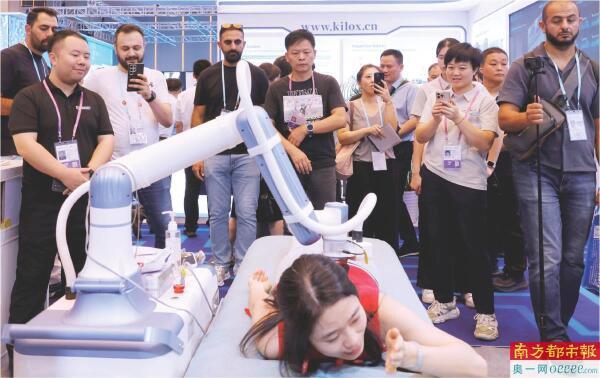
“机器人医生”上岗做艾灸 黑科技引爆国际采购热潮
Nan Fang Du Shi Bao· 2025-10-15 23:12
Core Insights - The 138th Canton Fair has introduced a Smart Medical Zone, showcasing advanced medical products and technologies from 47 companies, including surgical robots and wearable devices [8] - The Service Robot Zone features 46 leading enterprises, displaying various robots such as humanoid robots and robotic dogs, attracting a large number of domestic and international buyers [8] Smart Medical Technology - The Nova collaborative robot from Shenzhen Yuejiang Technology Co., Ltd. is highlighted for its intelligent moxibustion device, which mimics expert techniques with high precision, offering personalized therapy experiences [10][11] - Yuanhua Intelligent Technology's Kuntuo® orthopedic surgical robot has successfully completed 5,000 clinical surgeries across over 100 hospitals, improving accuracy by 34% compared to traditional methods and reducing postoperative medication by 30% [11] Service Robots - Shenzhen Infinite Power Development Co., Ltd. aims to sell 1.8 million robotic vacuum cleaners overseas this year, up from 1.5 million last year, focusing on high-end market segments [12] - Zhihui Technology's Allybot-C2 Pro commercial cleaning robot integrates multiple cleaning functions and is designed for high efficiency, with a significant increase in overseas orders expected [13][14] Wearable Robotics - Tai Xi Intelligent Technology's wearable exoskeleton has gained attention for its ability to enhance user efficiency and reduce energy consumption by approximately 30%, particularly beneficial for the elderly [15] - The exoskeleton's features include a comfortable design and a battery life of up to 8 hours, making it suitable for various users, including those with mobility challenges [15] Market Trends and International Response - The demand for service robots is growing, with international buyers expressing interest in the innovative technologies showcased at the fair, indicating a shift in global manufacturing dynamics [17] - Buyers from Europe and North America are particularly interested in the cost-saving potential of these technologies in sectors like hospitality, where labor shortages are prevalent [17][18]

别只盯着夕阳产业:抓住Z世代消费观下的“隐形”万亿蓝海!
Sou Hu Cai Jing· 2025-10-04 04:44
Core Insights - The article emphasizes the transformative impact of Generation Z on global consumer behavior, shifting from ownership to experiences and identity recognition [1][3] - Understanding and strategically investing in the consumption logic of Generation Z is seen as a key opportunity for the next decade [3] Group 1: Shift in Consumption Patterns - Generation Z shows a marked preference for experiences over material possessions, driving a transition from a "goods economy" to a "service economy" [4] - This generation is less loyal to traditional brands and more inclined towards niche, personalized brands that reflect their values [5] - The rise of small cultural trends and the acceptance of virtual assets, such as digital collectibles and metaverse properties, highlight a new consumption model [5] Group 2: Investment Opportunities - There is a growing market for "self-care" and "health" products, with Generation Z willing to pay for quality sleep, mental health services, and personalized fitness solutions [6] - The "lazy economy" is emerging, characterized by a high value placed on time efficiency, leading to increased demand for delivery services, on-demand services, and subscription models [6] - Investors are encouraged to focus on platforms that offer instant fulfillment and automation in service delivery [6] Group 3: Rise of Domestic Brands - Generation Z's recognition of local culture is driving the rise of "Guochao" (national trend) and "new domestic products," which are becoming significant market forces [8] - There is an opportunity for investors to engage with domestic brands in beauty, fashion, and trendy electronics that possess original design capabilities and efficient digital operations [9] - The confidence in local brands is attributed to their ability to match or exceed international brands in design, culture, and quality, with consumers willing to pay for "Chinese design" and "Chinese stories" [10] Group 4: Supply Chain Advantages - Domestic brands benefit from strong flexible supply chains, allowing for rapid product updates and responsiveness to the evolving demands of Generation Z [10]

从区县到全国布局,裹小递配送成为低成本创业首选
Sou Hu Cai Jing· 2025-09-15 04:20
Industry Overview - The online food delivery market in China is projected to reach a market size of 1.6357 trillion yuan in 2024, with a year-on-year growth of 7.2% and an industry penetration rate of 28.0% [1] - The market is expected to further expand, reaching 1.9567 trillion yuan by 2027 [1] - Demand for delivery services is increasing not only for traditional food but also for fresh produce, fruits, daily necessities, and pharmaceuticals [1] Market Dynamics - Growth in the delivery market is shifting from saturated first- and second-tier cities to third-tier cities and rural areas, with these lower-tier markets becoming significant sources of growth [1] - The rise of the "lazy economy" and the demand for "instant satisfaction" are driving the expansion of delivery services into county-level markets [8] Company Strategy - Guo Xiaodi has established a service network covering over 500 cities and counties in seven years, positioning itself as a hidden champion in the local delivery market [1] - The company employs a "light asset model" that minimizes startup costs for franchisees, allowing them to start with as little as 10,000 yuan without the need for physical storefronts or warehouses [3] - Key innovations include: - Cost reduction through a self-developed intelligent delivery system that optimizes order and rider matching [3] - A regional agent and crowdsourced rider model that lowers labor costs and increases order volume per rider [3] - Nearly 300 direct-operated regions that validate the company's ability to replicate its model across different areas [3] - Collaboration with major platforms like Meituan and Ele.me to share order traffic and provide integrated delivery and marketing solutions for local merchants [3] Operational Efficiency - Guo Xiaodi's intelligent delivery management system utilizes big data to optimize delivery routes and improve response times, achieving an average order response time of one minute and a delivery time of 45 minutes, with a fulfillment rate exceeding 99% [5] - The system has significantly enhanced user experience, as evidenced by a local cake shop increasing its delivery range and tripling its order volume [5] Government Support - The government is actively promoting the development of county-level service networks to meet the growing consumer demand and is encouraging local delivery companies to expand their business scope [5] Entrepreneurial Opportunities - Guo Xiaodi offers low-cost entrepreneurial opportunities for individuals looking to participate in the upgrading of county economies, enhancing both merchant market reach and residents' quality of life [6] - The company's model is reshaping the commercial ecosystem in county areas, providing a viable business opportunity for local entrepreneurs [6]


2025 “懒人经济” 消费趋势洞察
Sou Hu Cai Jing· 2025-09-01 14:55
Core Insights - The "Lazy Economy" is a rising economic model characterized by convenience, speed, and low cost, driven by the belief that "time is money" [6][10] - The market for the "Lazy Economy" is showing growth in sales and volume across various platforms, with a focus on instant retail [1][10] - The primary consumer demographic includes young individuals, with a notable female majority (54%) and a diverse urban distribution [1][10] Market Segmentation Insights - In the smart home appliance sector, products like dishwashers and washer-dryer combos are seeing increased sales, with brands like Siemens and Midea leading the market [2][18] - The food and beverage category is experiencing growth in pre-prepared meals, meal replacement powders, and health snacks, driven by consumer health awareness [2] - In the cosmetics and personal care sector, products such as tinted moisturizers and no-rinse shampoos are gaining traction, with brands like Zhi Se and Skin Key performing well [2] Consumer Behavior Trends - A significant portion of young consumers frequently utilize lazy services such as food delivery and housekeeping, indicating a strong preference for convenience [10][12] - Despite the current usage levels, there remains substantial growth potential in the lazy products market, as many consumers report using only a few such products [10][12] - The demand for convenient, quick, and intelligent products and services is strong, with a notable interest in pre-prepared meals and home services [12][13] Industry Growth Potential - The lazy economy is expected to continue expanding, fostering innovation across various industries to meet consumer demands for a more relaxed lifestyle [12][10] - The increasing popularity of smart home appliances reflects a growing consumer preference for products that save time and effort, indicating a significant market opportunity [18][19]

清凉经济”乘“热”而上 热产品、暖服务将“凉资源”变成“热钱流
Zhong Guo Chan Ye Jing Ji Xin Xi Wang· 2025-08-25 08:35
Group 1 - The "cooling economy" is thriving in response to ongoing high temperatures, with various innovative solutions emerging to meet consumer demand for relief from the heat [1][2] - Underground air-raid shelters are being transformed into "cooling havens," offering recreational activities and dining experiences, showcasing a creative adaptation of existing infrastructure [1] - The "lazy economy" is gaining traction as more consumers opt for home-based cooling solutions, leading to a surge in sales of convenient food items and increased subscriptions to online entertainment platforms [1] Group 2 - The export of cooling products from China, such as ice cream and air conditioning units, has seen significant growth, with notable increases in sales figures for various regions [2] - The "cooling economy" is not only creating new consumer markets but also driving advancements in manufacturing and technology, highlighting the importance of aligning production with consumer needs [2] - Companies that can effectively respond to consumer demand for cooling products and services are positioned to convert these "cool resources" into substantial revenue streams [2]
鲍鱼新升级!滋记携黑松露打造鲍鱼界“爱马仕”
Zhong Guo Chan Ye Jing Ji Xin Xi Wang· 2025-08-20 11:27
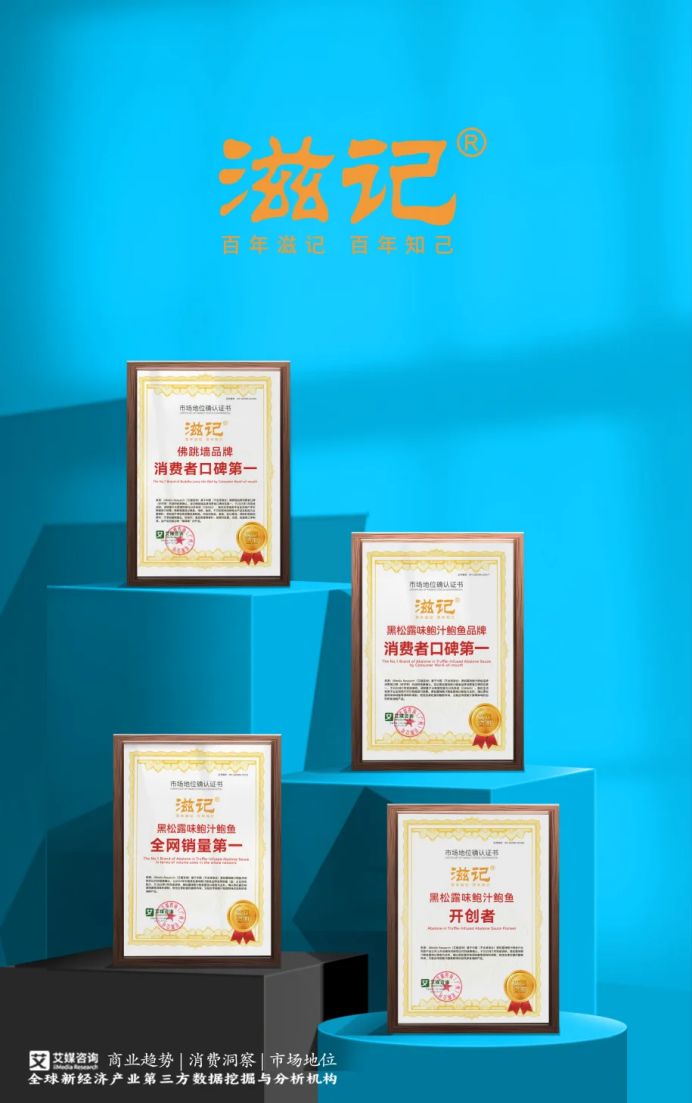
Core Insights - The company Zhi Ji has been recognized by iiMedia Research for its market leadership in black truffle flavored abalone products, achieving four significant accolades [1][8] - The shift in consumer behavior in China has transitioned high-end nourishing ingredients from being festive gifts to everyday dining options, with a notable increase in demand for convenience and flavor [3][12] Industry Trends - Over the past decade, the supply chain for high-end nourishing ingredients has evolved from a complex structure to a more streamlined process, reducing costs and making products more accessible to consumers [3][12] - The black truffle flavor has emerged as a key differentiator in the high-end abalone market, enhancing consumer experience and driving repeat purchases [5][6] Market Data - iiMedia Research forecasts that the market size for black truffle concept foods in China will grow from 655.7 billion yuan in 2024 to 1,056.4 billion yuan by 2029 [6] - In 2025, flavor will be a primary consideration for 34.69% of consumers when purchasing abalone products, highlighting the importance of taste in consumer decision-making [3] Product Development - Zhi Ji's black truffle abalone product exemplifies the integration of high-quality ingredients and innovative cooking techniques, appealing to both traditional and modern consumer preferences [10][11] - The company emphasizes quality through rigorous ingredient selection and standardized processes, ensuring a premium experience for consumers [11][12]
“清凉经济”乘“热”而上 热产品、暖服务将“凉资源”变成“热钱流”
Yang Shi Wang· 2025-08-20 03:50
Group 1 - The core idea of the article is the emergence of a "cooling economy" driven by the ongoing high temperatures across the country, leading to various innovative consumer demands and market opportunities [1][19] Group 2 - The transformation of air raid shelters into underground cooling spots is highlighted, with examples from Zhejiang and Sichuan where these spaces offer recreational activities and dining options [6] - The "lazy economy" is thriving as people opt for home cooling solutions, with significant increases in sales of convenient food items on delivery platforms, such as a peak order volume of 150 million on Meituan [10] Group 3 - The "pet economy" is also experiencing growth, with a variety of cooling products for pets gaining popularity, including pet air conditioning rooms and cooling mats, with monthly sales exceeding 10,000 units for basic models [14] Group 4 - Exports of cooling products from China are on the rise, with Zhejiang's ice cream and beverage exports reaching 120 million yuan, a 30% increase year-on-year, and Fujian's air conditioning exports hitting 140 million yuan, a 50% increase [16] Group 5 - The "cooling economy" is not only creating new consumer market trends but also driving upgrades in production, manufacturing, and technological innovation, emphasizing the importance of meeting consumer demands to convert "cool resources" into revenue [19]

洗地机争夺战:谁狂飙?谁掉队?你的体验打几分?
Tai Mei Ti A P P· 2025-08-13 03:16
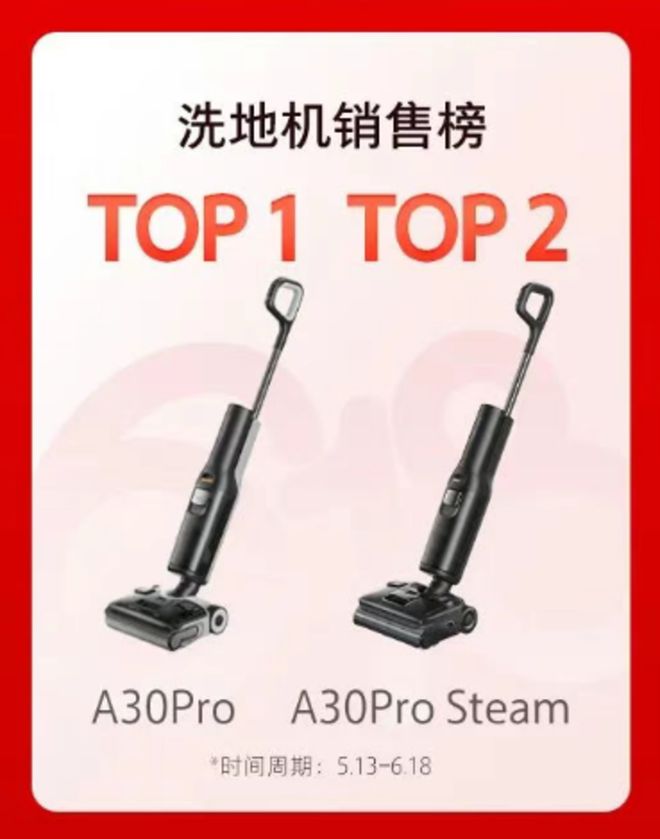
Core Insights - The "lazy economy" and quality of life trends are driving explosive growth in the floor cleaning machine market, with significant contributions from brands like Tineco, Roborock, and others [1][3] - The market for smart home cleaning products, including floor cleaning machines, is projected to reach nearly 300 billion RMB by 2029, with the floor cleaning machine segment experiencing a compound annual growth rate (CAGR) of approximately 192% from 2019 to 2024 [3] - Despite rapid sales growth, user experience issues persist, including difficulties in cleaning wastewater tanks, hair entanglement in brushes, and high costs for consumables [1][13] Market Dynamics - The floor cleaning machine market is expected to see a 30.3% year-on-year sales increase in the first half of 2025, driven by government subsidies, price stabilization, and brand efforts [3] - Tineco has established a strong foothold in the high-end market, achieving a 60% market share in the segment priced above 4000 RMB during the 2025 "618" shopping festival [4] - Roborock's aggressive marketing strategy has led to significant sales, with a total transaction volume of 1.6 billion RMB during the same period [4] Competitive Landscape - The competitive landscape is characterized by a first tier of brands (Tineco, Roborock, and Dreame) and a second tier including traditional appliance giants like Midea and Haier, as well as emerging players like Xiaomi and Yunji [8][9] - Market share data indicates fluctuations, with Tineco's share ranging from 34.67% to 37.87% over a span of weeks in 2025, while Roborock's share increased from 16.20% to 29.41% [8][9] - The second tier is seeing rapid changes, with new entrants like Mido and Westinghouse making significant impacts on market share [9] User Experience Challenges - Users report significant pain points with floor cleaning machines, including cumbersome cleaning processes and inadequate performance compared to traditional methods [13][16] - Complaints about product quality and inadequate after-sales service are common, highlighting a gap between the marketed benefits and actual user experiences [19][22] - The high cost of consumables, such as filters and brushes, adds to the overall expense of ownership, which can deter potential buyers [22] Conclusion - The explosive growth of the floor cleaning machine market is accompanied by intense competition and significant user experience challenges [23] - Companies that prioritize addressing user pain points and delivering genuine value are likely to emerge as leaders in this evolving market landscape [23]
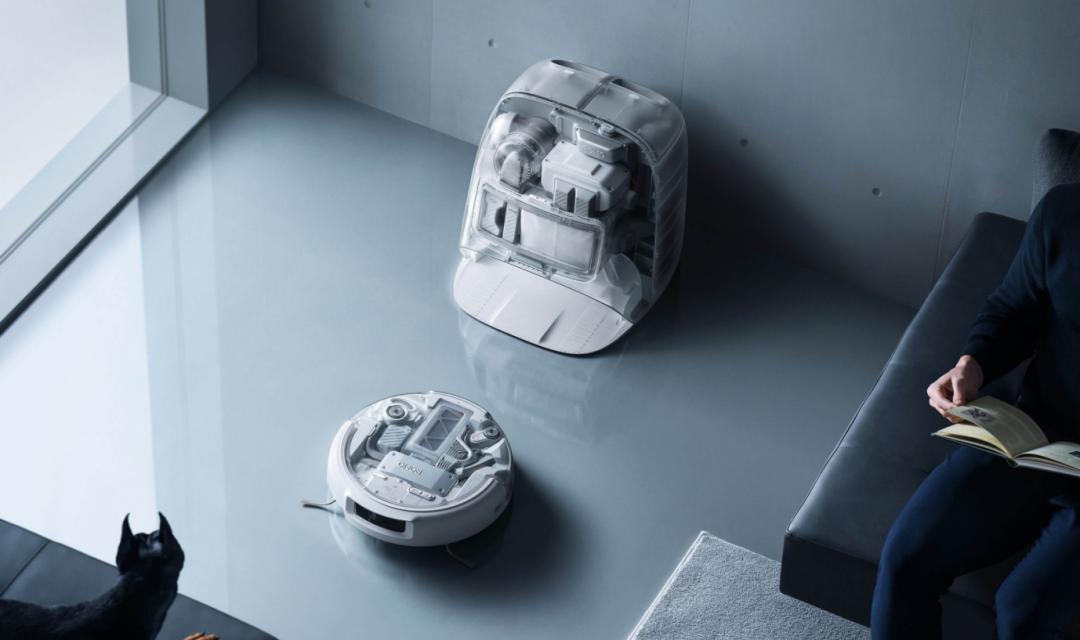
大疆杀入扫地机器人赛道,“云鲸追觅们”要小心了
3 6 Ke· 2025-08-12 12:29
Core Insights - DJI has entered the crowded robotic vacuum market with its first product, ROMO, introducing new dynamics to an already competitive industry [2][20] - The robotic vacuum market in China is experiencing significant growth, with a low penetration rate of approximately 6%, indicating substantial room for expansion [4][8] - The entry of DJI, a company with a strong technological background in drones, aims to leverage its existing technology to disrupt the traditional robotic vacuum market [6][12] Market Overview - The top five brands in the Chinese robotic vacuum market, including Ecovacs, Roborock, and Xiaomi, account for nearly 90% of the market share, leaving limited space for new entrants [2][4] - The market saw a shipment of 1.188 million units in Q1 2025, reflecting a year-on-year growth of 21.4% [4] Technological Landscape - DJI's entry is characterized by its focus on visual navigation technology, which could potentially challenge the existing laser navigation solutions used by competitors [10][12] - The company aims to apply its drone technology to the robotic vacuum sector, allowing for a more efficient development process [6][8] Competitive Dynamics - Established players like Roborock and Ecovacs have built significant barriers to entry, but they also face challenges such as reliance on outdated technologies and declining profit margins [10][17] - New entrants like Yunji and Trifo may struggle to compete against DJI's advanced technology and established market presence [15][20] Challenges Ahead - DJI faces supply chain challenges, particularly in achieving high production yields for its advanced visual modules, which are critical for the ROMO's success [16] - The company is entering a market with historically low profit margins, as evidenced by the declining net profits of leading competitors [17] - DJI's pricing strategy positions ROMO as a premium product, with prices ranging from 4,699 to 6,799 yuan, which is significantly higher than the average market price [18] Future Outlook - The entry of DJI is expected to trigger a new round of competition and market reshuffling in the robotic vacuum industry [20][21] - The ability to innovate and adapt to market demands will be crucial for all players in this evolving landscape [21]