洗烘套装

Search documents
苏宁易购发布2026年春节消费洞察:全国门店客流环比增长78%
Xin Lang Cai Jing· 2026-02-24 02:54
Core Insights - Su Ning Yi Gou's Spring Festival consumption insights indicate a significant increase in consumer activity, with a 78% week-on-week growth in store foot traffic from February 15 to 23 [1][3] - The sales of energy-efficient and water-efficient appliances reached 92.8%, while wearable devices like smartwatches and smart glasses saw a 62% increase in sales [1][3] - The trend in home appliance consumption is shifting towards smart, trendy, and scenario-based products, driven by younger consumers seeking comprehensive solutions for specific life scenarios [1][3] Consumer Behavior Trends - The new generation of young consumers is becoming the main driver of growth in home appliance sales, with new demands emerging around gatherings, household chores, and tech gifts [1][3] - Products that provide emotional value and enhance the sense of occasion, referred to as "atmospheric" appliances, are gaining popularity during the Spring Festival, marking a new growth point in the market [1][3] Regional Insights - Major cities such as Beijing, Nanjing, Shanghai, Chengdu, and Guangzhou are identified as having the highest demand for appliance upgrades [1][3] County-Level Consumption - Young people returning home for the Spring Festival are bringing technology back to rural areas, leading to significant upgrades in county-level home appliance consumption [2][4] - Notable growth in specific categories includes large-capacity refrigerators and laundry-drying sets, which saw a 95% year-on-year increase, and robotic cleaning devices, which grew by 153% [2][4]

霸屏CES、超级碗、春晚,追觅星空计划把摊子铺到全球顶流舞台
Xin Lang Cai Jing· 2026-02-14 13:12
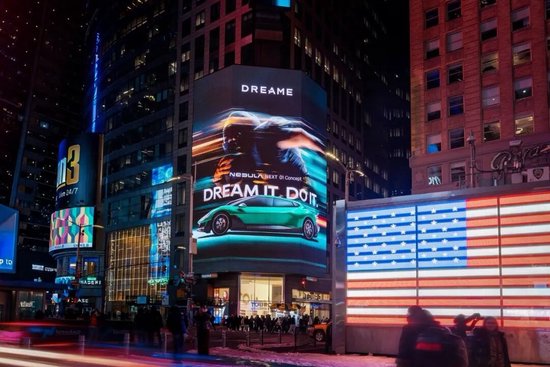
Group 1 - The core message of the article revolves around the strategic marketing moves of the company, particularly its participation in high-profile events like the Super Bowl and the CCTV Spring Festival Gala to enhance brand recognition and establish a high-end, technology-driven global image [3][4][24]. - The company aims to leverage these platforms to shift perceptions of Chinese consumer electronics from being seen as low-cost alternatives to being recognized as high-end technology brands [9][29]. - The Super Bowl advertisement serves as a significant investment, with a 30-second spot costing tens of millions of dollars, indicating the company's commitment to long-term market presence in North America [8][28]. Group 2 - The company is transitioning from a focus on individual product excellence to creating a comprehensive smart ecosystem that includes smart mobility, personal care, and cleaning solutions [31][33]. - The introduction of the Nebula Next 01 Concept car is a pivotal step in this strategy, expanding the company's ecosystem from home products to mobile solutions, thereby creating a complete "people-car-home" loop [12][31]. - The company has established a robust retail network with over 6,500 physical stores globally, which supports its brand experience and local operations, facilitating the rollout of new products [13][34]. Group 3 - The company has made significant investments in research and development, with over 70% of its workforce dedicated to R&D, resulting in a substantial number of patents filed and granted [16][37]. - The technical foundation for the company's ambitions includes advanced technologies such as high-speed digital motors and intelligent algorithms, which are applicable across various product categories [20][41]. - The company has assembled a skilled team for its automotive venture, combining expertise from traditional automotive manufacturing with its own innovative talent from the smart hardware sector [42].

国补百吋电视“爆单”,电梯难题何解?
Guan Cha Zhe Wang· 2026-01-31 12:35
Core Insights - The new "National Subsidy" policy for home appliances has significantly boosted the market, with major appliances seeing a nearly 30% year-on-year increase in consumption and a nearly 90% month-on-month surge [1][4] - The policy has led to a structural shift in consumer preferences towards high-end products, such as 100-inch televisions and energy-efficient refrigerators, indicating a trend of consumption upgrading [1][6] Group 1: Market Trends - The implementation of the new subsidy policy has resulted in a clear structural change in the home appliance market, with a focus on larger and higher-quality products [5][6] - High-end products, including smart and energy-efficient appliances, are driving innovation and sales, reflecting a shift in consumer demand towards quality and experience [6][7] - The market is experiencing a polarization effect, where leading brands with core technologies and comprehensive high-end product lines are gaining market share, while low-cost competitors may struggle [7][9] Group 2: Delivery and Service Challenges - The rise of 100-inch televisions has highlighted significant delivery and installation challenges, as only about 5% of elevators can accommodate these large products without removing packaging [9][10] - To address these challenges, logistics companies have developed integrated delivery and installation services, improving the success rate of home delivery for large appliances to over 95% [10][13] - The integration of delivery, installation, and old appliance recycling services is becoming a key competitive advantage for brands and platforms, enhancing customer satisfaction [13][14] Group 3: Future Outlook - The home appliance market is expected to see the emergence of new product categories that cater to specific consumer needs, driven by ongoing consumption upgrades and technological innovations [14] - The focus is shifting from merely selling products to providing comprehensive service experiences, which will shape the future landscape of the home appliance industry [14]


70万杯免费咖啡!Suning Max店“体验式消费”火了
Sou Hu Cai Jing· 2025-12-24 14:14
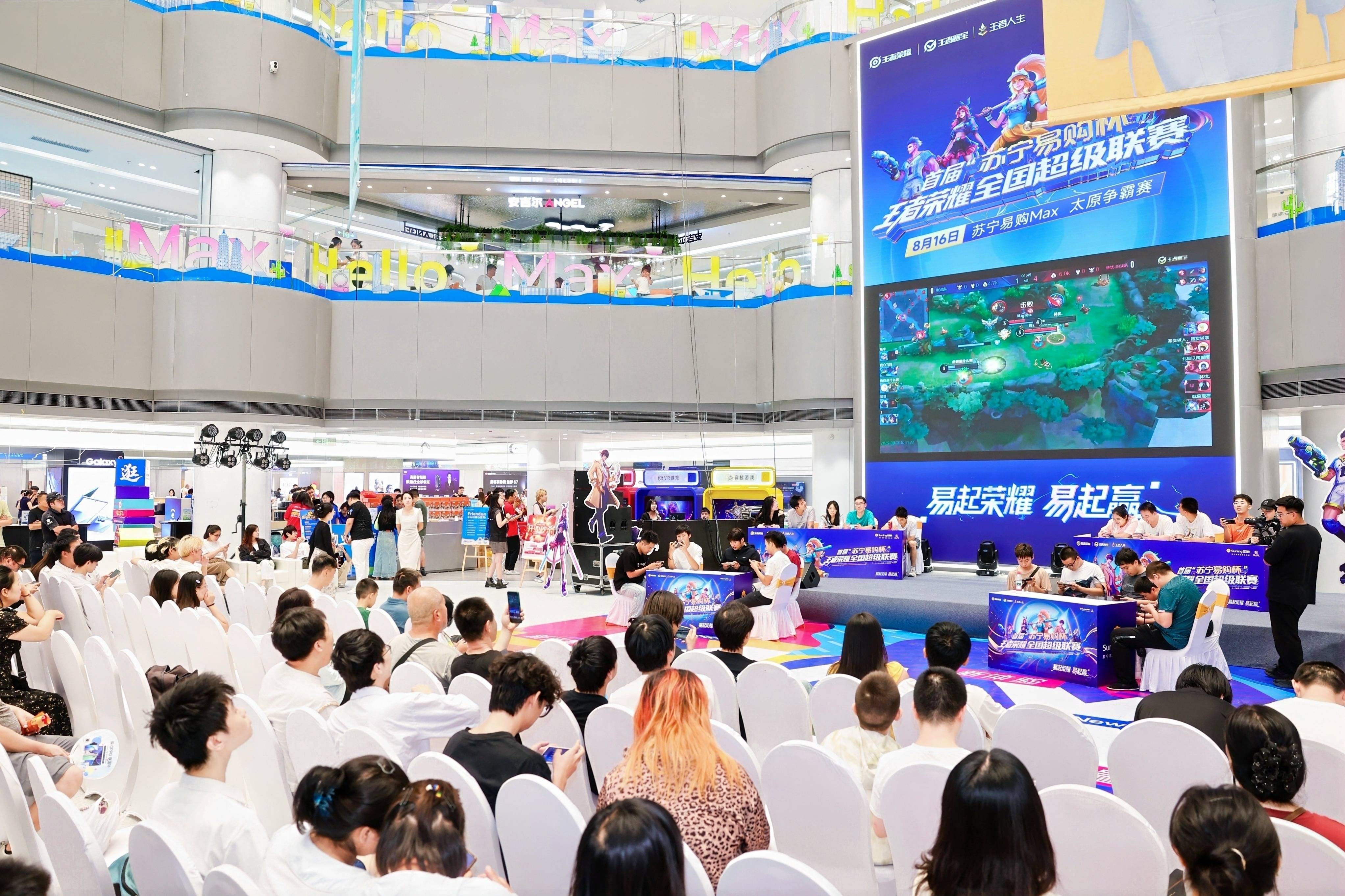
Core Insights - The retail industry is shifting from a "price-driven" model to an "experience-driven" model, as highlighted by the Deputy Minister of Commerce, Sheng Qiuping, at the recent National Retail Innovation Development Conference [1] - Suning.com is accelerating retail innovation by upgrading store scenarios and creating experience-oriented consumption spaces, exemplified by the Suning Max stores [1] Group 1: Store Innovations - As of December this year, Suning.com has established over 150 Suning Max and Suning Pro stores nationwide, with nearly 20 Suning Max stores located in major cities such as Nanjing, Beijing, and Shanghai [1] - The Suning Max stores replicate home living scenarios, integrating home appliances and home decoration with actual usage environments, enhancing consumer trust and purchase intent through immersive experiences [1] Group 2: Sales Performance - The Suning Max store in Beijing saw 35.3% of orders exceeding 50,000 yuan within two days of opening, while the Nanchang store experienced a 20% increase in average sales per customer compared to local stores [2] - The introduction of the "Private Home" renovation area in stores has led to a 22% year-on-year increase in orders for renovation services [2] Group 3: Engagement and Events - Suning.com plans to host over 1,000 product launch events and introduce more than 1,000 new home appliances and 3C products by 2025, enhancing consumer engagement [2] - The company has organized over 500 esports events targeting young consumers, attracting over 100,000 participants and resulting in a 27% year-on-year increase in sales of 3C digital products [2] Group 4: Diverse Experiences - Suning Max stores are enhancing their offerings by hosting over 1,000 culinary competitions and food tasting events, leading to a 50% increase in sales of integrated cooking machines [5] - The stores have also organized 500 large-screen viewing events, resulting in a 153% year-on-year increase in sales of large-screen televisions [5] Group 5: Community and Social Engagement - The establishment of the "Suning Friend" area in stores aims to create an open space with experiential and social attributes, enhancing community engagement [6] - The Friend area has distributed nearly 700,000 free cups of coffee and provided free laundry services for over 500,000 items, contributing to a 110% year-on-year increase in coffee machine sales and a 53% increase in laundry set sales [6] Group 6: Industry Perspective - The experience economy is driving the evolution of offline retail spaces towards a composite form characterized by content, emotion, and co-creation [9] - Suning.com’s exploration of store formats like Suning Max integrates product sales, experiential scenarios, and user services, providing a practical reference for retail transformation [9]
江苏““双12”消费礼包已到账 线上线下联动热推“苏品苏货”
Yang Zi Wan Bao Wang· 2025-12-15 08:55
Core Insights - The "Double 12" shopping festival in Jiangsu has seen 13 cities launch online and offline promotional activities, integrating various consumer experiences under the "Su New Consumption" brand [1][2] - Local enterprises and major e-commerce platforms are offering significant discounts and promotions, including government subsidies and special coupon packages, to stimulate consumer spending [1][3] - The event has successfully showcased local products, enhancing the visibility of Jiangsu's quality goods through various themed markets and promotional activities [2][4] Group 1 - Jiangsu's "Double 12" shopping festival features a variety of promotional activities, including themed markets and experience events, aimed at boosting local consumption [1][2] - Local companies like Suning and JD.com are actively participating by offering substantial discounts and special offers, such as a coupon package worth 1,080 yuan for users [1][3] - The festival has become a platform for local suppliers to connect with major retail chains and e-commerce platforms, facilitating the sale of local products [2][4] Group 2 - The "Su New Consumption" initiative has led to over 5,000 promotional activities across Jiangsu, with each city developing its unique consumer brand [4] - The event has highlighted the importance of integrating online and offline sales channels, with a focus on enhancing consumer experiences through diverse shopping environments [4] - Jiangsu's efforts to promote local products have resulted in a significant increase in consumer engagement, with various activities designed to attract shoppers and stimulate spending [3][4]

“小天鹅”变“小天鸥”!知名家电品牌紧急打假
2 1 Shi Ji Jing Ji Bao Dao· 2025-11-25 04:39
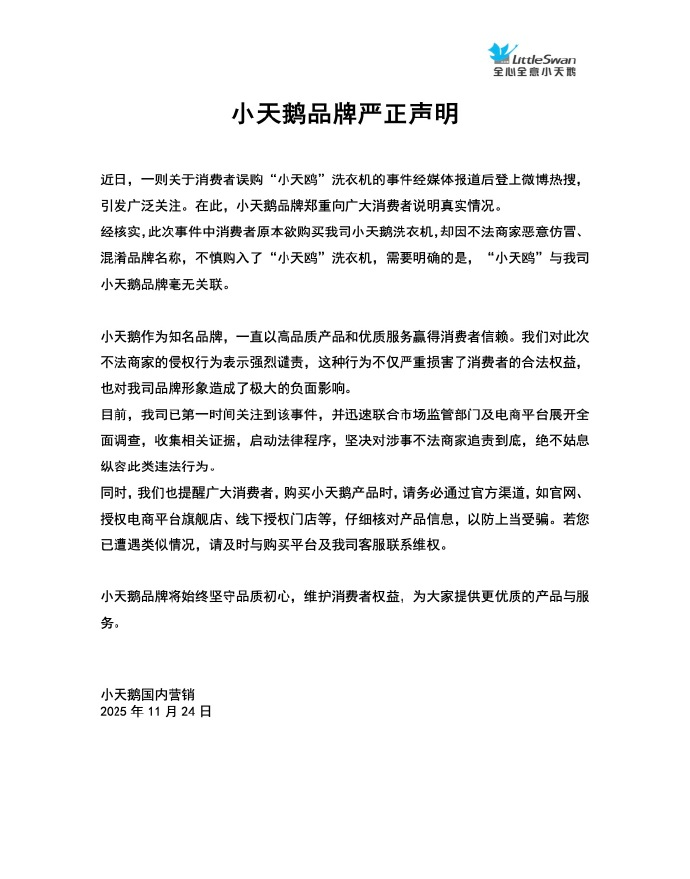
Core Points - A brand counterfeiting incident involving the "Little Swan" washing machine has emerged, with the brand confirming that "Little Ouz" is a malicious imitation by illegal merchants [1] - The incident has sparked widespread public discussion about brand confusion, leading to the brand's official response and legal actions against the counterfeiters [1] Company Overview - The "Little Swan" brand has over 60 years of history, dating back to 1958, and was the first to manufacture fully automatic washing machines in China in 1978 [3] - The company faced significant challenges in 2008, reporting revenue of 4.293 billion yuan and a net profit of only 40 million yuan, a year-on-year decline of 87.99% [3] - In 2008, Midea Group acquired a 24.01% stake in Little Swan for 1.68 billion yuan, facilitating its transition from a state-owned enterprise to a private company [3] Business Recovery - Following Midea's acquisition, Little Swan's net profit surged over 400% in 2009, reaching 222 million yuan, and revenue returned to a growth trajectory [4] - In 2010, Midea integrated its subsidiary Rongshida with Little Swan, consolidating most of its washing machine manufacturing under the Little Swan brand while maintaining a dual-brand strategy [4] - Currently, Little Swan's product range includes washing and drying sets, washing machines, dryers, air conditioners, and refrigerators [4]
不再冲动下单,今年“双十一”消费更理性
Sou Hu Cai Jing· 2025-11-16 04:43
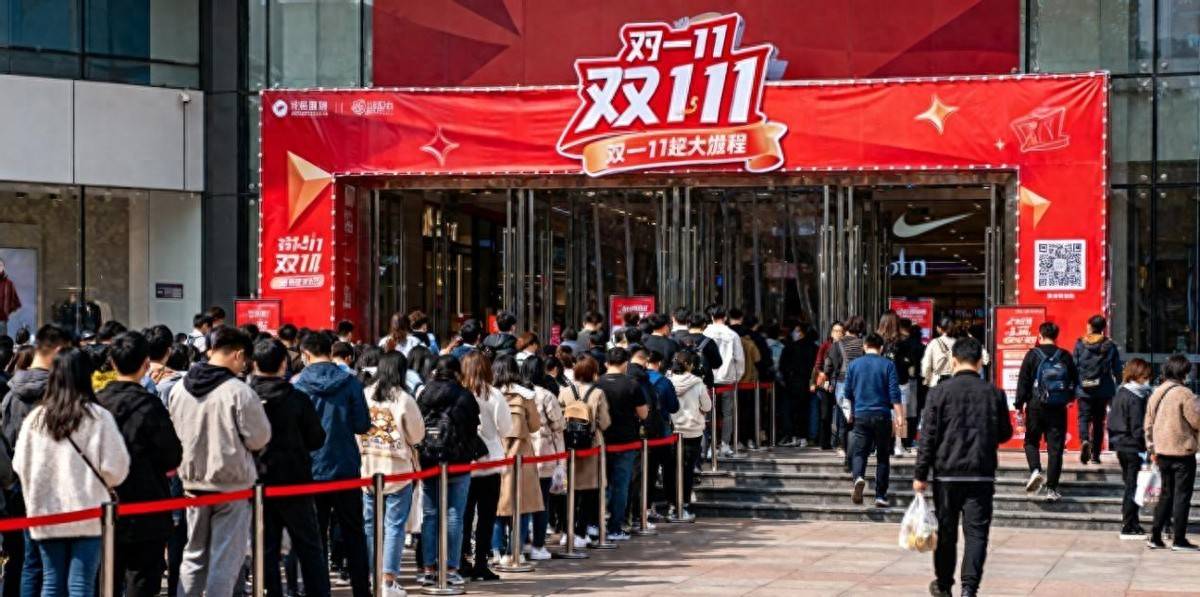
Core Insights - The 17th "Double Eleven" event concluded with a total online sales figure of 1.695 trillion yuan, reflecting a year-on-year growth of 14.2%, although the growth rate has slightly declined compared to previous years [1] - Consumer behavior has shifted from impulsive buying driven by low prices to more rational spending, focusing on the overall value and service quality [2][3] - E-commerce platforms are now competing on reliability and service rather than just price, indicating a maturation of the consumer market [8] Consumer Psychology Shift - The traditional urgency associated with "Double Eleven" has diminished, leading to a more extended promotional period across platforms, allowing consumers to make more thoughtful purchasing decisions [2] - Consumers are increasingly considering factors such as comprehensive costs, service quality, and after-sales support rather than just price [2][3] Platform Competition Dynamics - E-commerce platforms like Tmall and JD.com are emphasizing price stability and product authenticity, with new initiatives such as price protection mechanisms and integrated delivery services [3] - The average transaction value on platforms has increased, with significant sales in durable goods, reflecting a consumer preference for quality and long-term value [3][5] Changes in Consumption Structure - Home appliances lead the sales categories with a 16.5% market share, followed closely by mobile devices and clothing, indicating a trend towards durable goods [5] - Instant retail has seen a significant rise, with sales reaching 67 billion yuan, a year-on-year increase of 138.4%, while community group buying has declined by 35.3% [5][6] Value Transformation of "Double Eleven" - The focus has shifted from price competition to reliability and trustworthiness, with consumers prioritizing after-sales service and product quality [7][8] - The overall sales performance this year has been stable compared to last year, with some categories experiencing slight declines, highlighting the need for the industry to reassess promotional strategies [7][8]



今年的双11不是遇冷,而是成熟了
Sou Hu Cai Jing· 2025-11-06 21:10
Core Viewpoint - The Double 11 shopping festival this year reflects a shift from extravagant promotions to a focus on quality and service, indicating a maturation of the e-commerce industry [1][10]. Group 1: Industry Trends - Competition among platforms has evolved from "who is cheaper" to "who offers better quality," fostering a healthier competitive environment [3]. - Major platforms like Tmall and JD are simplifying rules and enhancing quality services, while smaller players like Vipshop are implementing rigorous product authentication processes [3]. - The trend of rational consumer behavior is evident, with shoppers prioritizing quality over low prices, as seen in the rising demand for smart appliances and health products [5]. Group 2: Consumer Behavior - Consumers are increasingly willing to spend on tangible quality and services, as evidenced by the sustained growth in logistics volume during the Double 11 period [5]. - The shopping experience this year is characterized by a longer time frame for purchases, allowing consumers to make more informed decisions [5]. - The overall sentiment is that the shopping festival has not cooled down but rather "cooled off," returning to the essence of shopping with a focus on service and quality [10].
第五届湖南家电仓库直销火爆开启 首日成交超5000万元
Chang Sha Wan Bao· 2025-10-25 09:45
Core Insights - The fifth Hunan home appliance warehouse direct sales event commenced on October 25, attracting numerous consumers with a combined subsidy from the organizer and manufacturers, resulting in a transaction volume exceeding 50 million yuan on the first day [1][5] Group 1: Event Overview - The event took place at the Jinxia Tongcheng Logistics Park, featuring over 10,000 square meters of space filled with well-known domestic brands such as Haier, Midea, Gree, and Hisense, as well as international brands like Dyson, Panasonic, Sony, Samsung, Siemens, and Toshiba [3] - The event is designed to facilitate the replacement of old appliances, aligning with national policies to promote the "old for new" initiative, providing substantial benefits to consumers [5] Group 2: Consumer Engagement - Consumers reported significant savings due to the subsidies, with one individual purchasing multiple high-efficiency appliances and saving over 11,000 yuan compared to market prices [3] - The event also featured various prizes, including smartphones and smart home devices, enhancing consumer excitement and participation [3][5] Group 3: Organizer's Perspective - The deputy general manager of Tongcheng Electric expressed satisfaction with the event's turnout and emphasized the commitment to providing quality brands and substantial discounts to ensure consumer satisfaction [5]
把家变成“高定秀场”,这届00后是懂时尚生活的
凤凰网财经· 2025-09-18 12:44
Core Viewpoint - The article emphasizes the integration of fashion and technology in daily life, showcasing how modern youth transform their living spaces into artistic expressions through innovative products from Casarte, a brand under Haier [1][20]. Group 1: The Concept of Home as an Artistic Space - The article presents the idea that home is not just a living space but an artistic venue, as demonstrated by the transformation of a living room into a "private art hall" using Casarte's AI technology [2][3]. - The use of Casarte's products, such as the AI ultra-depth TV and air conditioner, enhances the sensory experience of home, allowing individuals to relive cherished memories [2]. Group 2: Personal Spaces and Self-Care - The article highlights the importance of personal spaces for self-care, illustrated by a contestant who transformed her bathroom into a "skin meditation space" using Casarte's hot water system, which provides a soothing bathing experience [6][7]. - The narrative emphasizes that each bathing experience becomes a gentle ritual of returning to oneself, facilitated by advanced technology [6][7]. Group 3: Culinary and Social Connections - The kitchen is portrayed as a space for emotional connection and social gatherings, with a contestant showcasing Casarte's refrigerator and range hood, which enhance the cooking experience while preserving the freshness of ingredients [18][19]. - The article suggests that the kitchen serves as a theater of life, where culinary experiences bring people closer together [18]. Group 4: The Intersection of Technology and Fashion - The article concludes that the competition is not just a showcase of talent but a deep resonance between the youth and the brand, where technology becomes a narrative of stylish living [20]. - The contestants' innovative use of Casarte products illustrates how technology can elevate everyday life into a high-fashion experience, transforming homes into unique showcases of personal style [20].