
房地产市场分化

Search documents
最高总价超3亿元,深圳楼市“顶豪”登场!
Zheng Quan Shi Bao· 2025-11-26 09:52
Core Viewpoint - The luxury real estate market in Shenzhen is experiencing a surge in activity, with several high-end projects launching at the end of the year, potentially boosting market heat [1]. Group 1: Project Launches and Pricing - The recently announced project, Shenzhen Bay Junxi Garden, has 348 residential units approved for pre-sale, with an average price of approximately 168,000 yuan per square meter, and one unit priced over 3.7 billion yuan [2]. - The land for this project was auctioned at a starting price of 12.65 billion yuan, which is notable in Shenzhen's history, and was ultimately sold for 18.512 billion yuan after over 290 bidding rounds, resulting in a floor price of approximately 70,387.83 yuan per square meter and a premium rate of about 46.32% [2]. Group 2: Market Dynamics and Trends - The luxury market's performance is increasingly dependent on the quality of the products rather than the previous "price inversion" phenomenon, with high-net-worth individuals focusing on the scarcity and value of premium properties in core locations [3]. - The luxury market in first-tier cities remains active, with significant sales recorded, such as the 10.6 billion yuan in sales at Guangzhou's Poly Yuexi Bay and nearly 2 billion yuan for a single unit in Shanghai [4]. - The market is expected to see more high-end residential projects entering the market due to policies promoting low-density land and the removal of price restrictions, indicating a potential shift in the luxury housing landscape [4]. Group 3: Overall Market Performance - Despite the activity in the luxury segment, the overall real estate market remains subdued, with second-hand home prices experiencing a more significant decline [5]. - The end of the year is anticipated to see a surge in performance from real estate companies as they strive to meet sales targets, which may provide some support for new home sales in core cities [5].
7家房企激战两小时 民企懋源溢价18%拿下北京三环地块
Zhong Guo Jing Ying Bao· 2025-11-25 13:12
中经记者 吴静 卢志坤 北京报道 11月25日,北京两宗宅地出让,揽金64.95亿元。 其中,朝阳区松榆里地块作为东三环核心区域稀缺的纯住宅用地,吸引7家头部房企参与竞拍,最终懋 源以50.24亿元竞得该地块,成交楼面价6.2万元/平方米,溢价率18.21%。 东三环核心区再现宅地 本次土拍中最受关注的为朝阳区松榆里平房区城中村改造项目0410-0001地块(以下简称"松榆里地 块")。 根据出让文件,该地块总占地面积2.89万平方米,建筑控制规模8.08万平方米,容积率2.8,控高60米 (局部80米),起始楼面价5.26万元/平方米,是近五年该区域供应规模最大的纯住宅地块。 据中指研究院土地市场研究负责人张凯介绍,目前,项目周边主要以"老破小"二手房为主,例如松榆里 小区挂牌均价约5.2万元/平方米,总价230万元左右房源占比超六成,房龄普遍超过30年。新房市场供 应稀缺,仅有能建·东誉府,近期成交均价约为10.6万元/平方米,反映出区域存量市场老化与改善需求 释放直接的结构性错配。 基于此,松榆里地块后续预计推出120~180平方米改善型户型,填补板块产品空白,结合区域行情,未 来售价预计在10万~12 ...
今明两年,究竟是尽快买房还是再等一等?马云王石的观点不谋而合
Sou Hu Cai Jing· 2025-11-22 23:07
Core Insights - The current real estate market is facing significant challenges, with a 12% decrease in sales area and a 15% drop in sales value year-on-year for 2024, leading to uncertainty among potential buyers [1][3] - There is a notable divergence in housing prices across different city tiers, with first-tier cities remaining relatively stable while third and fourth-tier cities experience significant price declines [3][4] Market Overview - First-tier cities show stable housing prices, with some core areas even experiencing slight increases, while second-tier cities exhibit mixed trends, and third and fourth-tier cities face considerable downward pressure [1][3] - In a third-tier city, housing prices have dropped by approximately 20% compared to two years ago, with many developers offering discounts to attract buyers [3][4] Favorable Factors for Buying - The policy environment is relatively supportive, with various local governments implementing measures such as lowering down payment ratios and reducing taxes to stabilize the market [4][5] - Mortgage rates are at a low level, with the average rate for personal housing loans at 4.1% in 2024, significantly lower than previous years, reducing the overall cost of borrowing [4][5] - Increased supply of new homes provides buyers with more options, as developers offer incentives like free parking spaces and renovations to stimulate sales [4][5] Risks in the Current Market - There is a risk of further price declines, especially in cities with high inventory levels, which could lead to buyer dissatisfaction if prices drop after a purchase [4][5] - The uncertainty of policy changes poses a risk, as future tightening could increase costs or restrict purchasing eligibility [4][5] - Economic conditions may impact buyers' ability to repay loans, particularly for households with high debt levels [4][5] Buyer Strategies - For first-time homebuyers, the current market conditions may present a good opportunity due to supportive policies and low interest rates [5][6] - Investors are advised to be cautious, as the current environment presents increased risks and declining returns [5][6] - Homeowners looking to upgrade should assess their financial situation and needs before making a decision, with a focus on long-term value rather than short-term price fluctuations [5][6] Future Outlook - The years 2025 and 2026 may be pivotal for the real estate market, as the effects of supportive policies become more apparent and market differentiation intensifies [6][7] - The market is undergoing an adjustment phase, which is expected to continue, but long-term value trends should guide purchasing decisions [6][7] - The importance of considering personal financial stability and long-term family planning in real estate decisions is emphasized, as these factors significantly influence housing needs [6][7]

刺激购房之后,为啥房价还是起不来?2026年,会有哪些新方案出现?不妨了解下
Sou Hu Cai Jing· 2025-11-22 19:59
Market Overview - The real estate market in China is experiencing a significant downturn, with new residential prices in 70 major cities decreasing by 0.45% and second-hand home prices dropping by 0.66%, marking the largest declines of the year [3] - Despite various stimulus policies implemented by the government, including mortgage subsidies and tax rebates, the transaction volume has decreased by 28.1% compared to the same period last year, reaching the lowest level since 2017 [3][5] Underlying Issues - The core issue affecting the market is a lack of confidence among buyers, rather than just pricing. Even with reduced mortgage costs and tax incentives, buyers are hesitant to enter the market due to fears that prices have not yet bottomed out [7] - The real estate sector, which previously served as a key driver of the economy, is now facing a "housing winter," leading to a broader wealth contraction effect that suppresses consumer demand [7] Policy Challenges - Traditional policy tools appear to be ineffective in addressing the current market challenges, as they inadvertently harm genuine housing demand while attempting to curb speculation [11] - The market is showing signs of significant differentiation, with some areas experiencing price increases while others see declines, complicating the implementation of uniform macroeconomic policies [11] Future Outlook - By 2026, the approach to real estate policy may shift from merely stimulating demand to more comprehensive solutions, including restrictions on institutional investors and increased housing supply [13][15] - New financing models are emerging to address affordability challenges, indicating a potential shift in focus towards sustainable housing solutions [15] Buyer Strategies - In the evolving market landscape, buyers are advised to adopt new strategies, focusing on local market trends and being flexible in their long-term planning [17] - The concept of housing may need to transition from an investment vehicle to a primary residence, emphasizing its role as a home rather than merely an asset [17]
10年后,如今几百万的房屋能值多少钱?李嘉诚、曹德旺看法一致
Sou Hu Cai Jing· 2025-11-17 04:14
以下是文章的改写,力求提升质量,语句通顺,并进行了一定的顺序调整和细节补充: 中国房地产市场自2021年下半年以来,经历了一场显著的降温,量价齐跌成为常态。一方面,不少地区的房价开始松 动,结束了持续多年的单边上涨;另一方面,开发商的销售业绩也遭遇寒流,成交量大幅萎缩。然而,即便如此,国内 整体房价水平依然处于高位,让许多普通民众望而却步。在北京、上海、深圳等一线城市,拥有一套房产动辄需要六七 百万,而在杭州、武汉、南京等热点二线城市,也至少需要两三百万。面对如此高昂的房价,许多家庭只能无奈地感 叹"安居不易"。 尽管各城市房价依然坚挺,但房地产市场的调整趋势已是毋庸置疑的事实。那么,一个引人深思的问题浮出水面:十年 后,如今价值数百万的房产,还能值多少钱?对此,业界专家普遍认为,未来十年,房地产市场将呈现严重的分化格 局。一线和部分强二线城市的房价预计仍将保持上涨势头,但在人口流出明显的三四线城市,房价则可能面临下跌风 险。这种分化,体现了城市发展和人口流动的真实脉搏。 现在,让我们回到最初的问题:十年后,价值数百万的房产究竟值多少钱?我们的预测是:一线城市一套房的价格可能 回落至200多万,二线城市降至1 ...
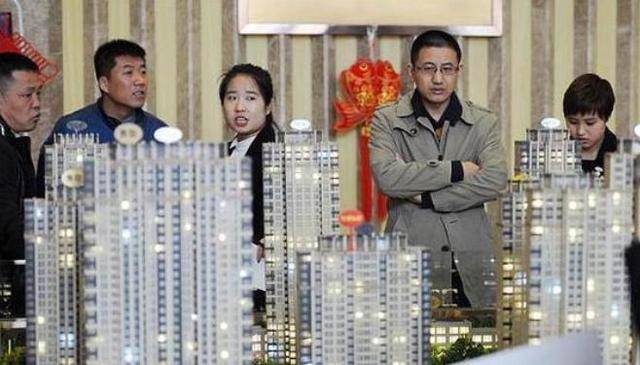
什么情况?深圳房价同比逆势上涨
Sou Hu Cai Jing· 2025-11-15 14:54
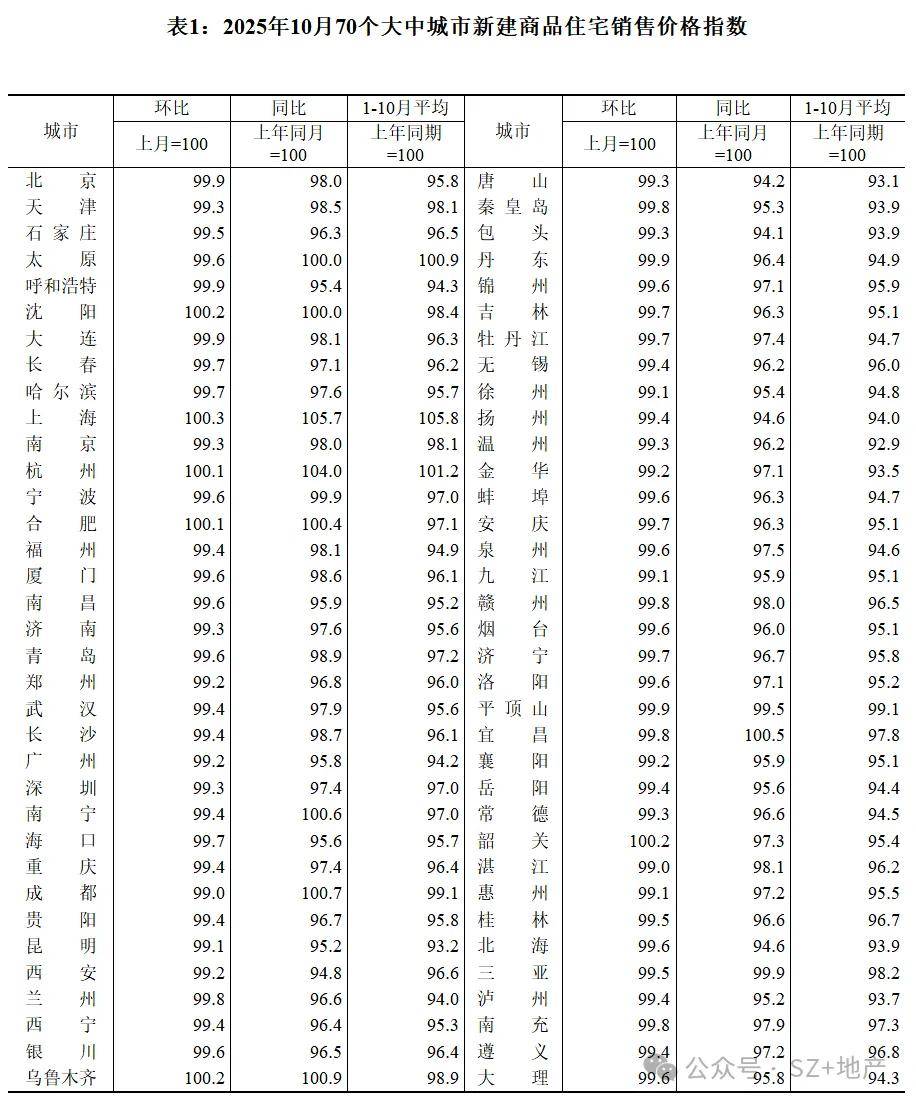
国家统计局11月14日公布的数据显示,2025年10月,70个大中城市商品住宅销售价格环比和同比均呈下降趋势。然而,在这一整 体下行的大环境中,深圳房地产市场展现出难得的韧性,尤其是新建商品住宅销售价格同比逆势上涨,成为一线城市中的亮点。 各线城市房价普遍下行,深圳新房同比逆势上扬 | | 城市 | 环比 | 同比 上年同月 | | 1-10月平均 上年同期 | 城市 | | 环比 | 同比 上年同月 | 1-10月平均 上年同期 | | --- | --- | --- | --- | --- | --- | --- | --- | --- | --- | --- | | | | 上月=100 | =100 | | =100 | | | 上月=100 | =100 | =100 | | 北 | 只 | 99.9 | | 98.0 | 95.8 | 唐 | 111 | 99.3 | 94.2 | 93.1 | | 天 | 津 | 99.3 | | 98.5 | 98.1 | 奏 | 皇岛 | 99.8 | 95.3 | 93.9 | | 有家庄 | | 99.5 | | 96.3 | 96.5 | 刊 | 头 ...
高人预言成真?2025年下半年,国内或将迎来6大趋势!
Sou Hu Cai Jing· 2025-11-14 05:27
Economic Trends - The domestic economy is expected to show six major trends in the second half of 2025 under the backdrop of "stability and improvement" [1] Demographic Changes - A significant decline in the number of newborns is anticipated to continue, driven by young people's financial pressures, such as rising housing costs and high childcare expenses. This will pose unprecedented challenges for industries related to maternity, childcare, and early education [3] - The long-term implications include a shortage of young labor supply, diminishing demographic dividends, and increased pressure on the social security system as the aging population grows [3] Financial Market Dynamics - With declining interest rates, there will be a rapid increase in demand for wealth management products. Deposit rates are falling, with three-year rates dropping below 2% and one-year rates nearing 1.5%. This trend is expected to continue, leading to a significant influx of savings into the stock market, funds, and bank wealth management products [4] - However, in a deflationary environment, the pursuit of high returns often comes with high risks, necessitating caution among investors [4] Rural Development - A trend of returning to hometowns for development is emerging, driven by high urban living costs and decreasing job opportunities. The government's "rural revitalization" strategy provides a platform for returnees to engage in various entrepreneurial activities, such as e-commerce, farming, and rural tourism [6] Real Estate Market - The real estate market is expected to show more pronounced differentiation, with varying price trends across regions. Cities that have experienced significant price declines, such as second and third-tier cities, will have limited downward potential. In contrast, first-tier cities like Shanghai and Shenzhen may face inevitable price corrections due to high housing price-to-income ratios [7] Employment Challenges - Middle-aged individuals are facing increasing employment difficulties due to a sluggish real economy and shrinking recruitment demand. Age discrimination in hiring is becoming more prevalent, with many companies preferring to hire individuals under 35, making it challenging for those over 40 to find jobs [7] - As a result, more middle-aged unemployed individuals may turn to flexible employment options, such as temporary work or self-employment [7] Impact of Artificial Intelligence - The rapid penetration of artificial intelligence (AI) is disrupting job markets across various industries. Companies are increasingly adopting AI technologies to replace human roles, such as customer service and delivery, leading to significant impacts on traditional employment [9]
上海楼市下滑9.35%,成交量骤降,买房时机浮现
Sou Hu Cai Jing· 2025-11-09 18:16
Core Insights - The Shanghai real estate market experienced a 9.35% decline in second-hand home transactions in October, while new high-end projects gained attention, indicating a divergence in market activity [1][5][11] New Home Market - In October, 11,102 new homes were sold, showing a slight decrease from September, but not a drastic drop, reflecting a hesitant market [3][11] - The Huangpu District emerged as the top performer in terms of both transaction area and total price during the week of October 20-26, with a transaction area of 20,200 square meters and a total price of 4.225 billion yuan, accounting for 15.99% and 36.11% of the city's totals, respectively [3][11] Policy Impact - The "8·25 New Policy" implemented on August 25 relaxed purchase restrictions outside the outer ring, leading to a surge in new home transactions in that area, which accounted for 73.45% of total sales in the month following the policy [5][11] Second-Hand Home Market - The total number of second-hand homes sold in October was 18,483, reflecting a 9.35% decrease from September, influenced by the National Day holiday which reduced effective trading days [5][11] - Despite the decline in total transactions, the average daily sales increased from 680 in September to 754 in October, indicating underlying market activity [5][11] Pricing Trends - Approximately 80% of the homes sold had transaction prices at least 5% lower than their listing prices, suggesting that sellers are more willing to negotiate [7][11] - The demand for homes priced below 5 million yuan remains strong, while high-end properties in core areas have limited negotiation space, with price adjustments between 3% to 5% [7][9] Market Segmentation - There is a growing divide between the outer and core areas, with noticeable price reductions in the outer regions while core areas maintain relative price stability due to resource scarcity and location advantages [9][11] - The market is not uniformly hot or cold; rather, it reflects a nuanced landscape where high-quality projects continue to perform well despite broader market challenges [13]
1.17亿买自家楼盘!马来西亚首富之子上海购豪宅背后,原来是这些原因
Sou Hu Cai Jing· 2025-11-05 00:42
Core Insights - The transaction involving the purchase of a luxury apartment by the chairman of Kerry Properties has stirred significant interest in the real estate sector, highlighting the ongoing demand for high-end properties in Shanghai [1][3]. Market Phenomenon Analysis - The sale of the apartment occurred shortly after the launch of the second phase of the Jinling Huating project, which set a record for new home prices in Shanghai at 326,800 RMB per square meter for a duplex unit [3]. - In September, 14 new luxury residential projects were launched in Shanghai, with a total supply of 1,619 units and an overall absorption rate of 72% [3]. - The market shows a stark contrast in performance, with some projects experiencing over 400% subscription rates while others struggle to attract buyers, indicating a unique operational logic in the high-end residential market [3]. Product Value Analysis - The Jinling Huating project, located in Huangpu District, represents a significant investment of 22.1 billion RMB by Kerry Properties, covering a total development area of 655,000 square meters [5]. - The average price for the second phase of the project reached 205,000 RMB per square meter, reflecting a notable premium over surrounding second-hand properties [6]. - Buyers are increasingly attracted to the project's rare location and future development potential, with limited available land for development around the Bund area [6]. Buyer Demographics - Among the 227 effective subscriptions for the second phase, 31.7% of buyers are local to Shanghai, with a significant portion also coming from the Yangtze River Delta region and some international clients [6]. - The changing asset allocation needs of high-net-worth individuals are reshaping the transaction logic in the luxury housing market, with buyers prioritizing liquidity and value retention over mere residential functionality [6]. Corporate Strategy - Since taking over as chairman in 2022, the chairman has been actively advancing Kerry Properties' strategic positioning in Shanghai, with substantial investments in key projects [8]. - The company has made significant land acquisitions, including a 13.3 billion RMB purchase for the Jinling Road project and an additional 8.783 billion RMB for related land [8]. Market Mechanism Analysis - The luxury housing market in Shanghai remains active despite a general decline in the national real estate market, with a reported 12% year-on-year decrease in sales area for commercial housing nationwide [10]. - The trend of high-end properties becoming a safe haven for capital is emerging, as investors seek stability amid uncertain returns in stock and bond markets [10]. Regional Value Analysis - Huangpu District is a focal point for urban renewal, with new developments adhering to a "retain, modify, and demolish" approach that preserves historical architecture while introducing modern amenities [11]. - The area is recognized for its historical significance and is undergoing significant urban renewal efforts, enhancing the overall value of new projects [11]. Industry Impact Assessment - The performance of the luxury market is influencing real estate developers' strategic choices, with many firms indicating a shift towards high-end products in prime locations [13]. - The competitive landscape for land acquisition in core urban areas remains robust, while suburban land has seen instances of sales at minimum prices, reflecting a structural adjustment in the industry [13]. - The contrasting dynamics between the luxury and ordinary residential markets raise questions about the rationality of property valuations and the implications of capital concentration in the real estate sector [13].

竞价21轮 保利华南溢价20%斩获佛山一宗涉宅用地
Zhong Guo Jing Ying Bao· 2025-10-30 03:33
Core Insights - The land parcel in Shishan Town, Nanhai District, was successfully auctioned for approximately 381 million yuan, acquired by Baoli South China, a wholly-owned subsidiary of Poly South China [1][2] Group 1: Land Auction Details - The starting price for the Shishan Town land was 317.6 million yuan, with a final transaction price reflecting a premium rate of about 20%, equating to a floor price of 5,232 yuan per square meter [1][2] - The land covers an area of approximately 31,700 square meters and is designated for mixed-use, including residential, retail, dining, hotel, and park areas, with a total development investment requirement of no less than 255 million yuan, excluding the land price [1][2] Group 2: Company Strategy and Market Position - Baoli South China has made three land acquisitions in Foshan this year, with the Shishan Town parcel being adjacent to a previously acquired site, indicating a strategic focus on the Binhai Lake area [1][3] - The company aims to maintain its "land acquisition immediately followed by construction" approach, emphasizing rapid development and project delivery [1][3] Group 3: Market Trends and Performance - In the first nine months of 2025, Baoli South China ranked first in Foshan's real estate sales with a total sales amount of 8.434 billion yuan in equity and 10.776 billion yuan in flow [4] - The overall real estate market in Foshan is experiencing a decline, with the top 30 real estate companies seeing a 15% year-on-year decrease in sales performance [4] - Despite the market downturn, there has been a notable increase in monthly sales performance in September, with a 36% month-on-month growth for the top 30 companies [4][5]