白酒国际化

Search documents
全球烈酒专题四:白酒出海,破局之道
Huachuang Securities· 2025-09-17 23:45
Investment Rating - The report maintains a "Buy" recommendation for the liquor industry, particularly focusing on the international expansion of Chinese Baijiu [1]. Core Insights - The report emphasizes that while Chinese Baijiu has been exported for over 40 years, it has not truly "gone global," with only 6.9 billion yuan in exports in 2024. The report highlights the challenges and opportunities in international markets, particularly in the context of rising global influence and the presence of a significant overseas Chinese population [4][7][8]. - The report identifies the need for Baijiu companies to address consumer decision-making processes and to enhance their marketing strategies to penetrate international markets effectively [7][8]. Summary by Sections 1. Baijiu Going Global: A Potential New Trend? - The report discusses the historical context of Baijiu exports, noting that initial attempts were limited due to cultural and taste differences. Recent years have seen increased internationalization efforts from leading companies like Moutai and Wuliangye [8][9]. - The report outlines the current state of Baijiu exports, indicating a stable export volume of around 15,000 tons, with a focus on premium products driving growth [12][18]. 2. Challenges and Opportunities - The report identifies various challenges faced by Baijiu in international markets, including differing alcohol standards, cultural barriers, and limited consumer awareness. However, it also points out new opportunities arising from China's growing global influence and the potential market among overseas Chinese [7][8][9]. 3. Pathways to Success - The report suggests that Baijiu companies should focus on understanding consumer preferences and building brand narratives to enhance market penetration. It emphasizes the importance of targeted marketing strategies in regions like East Asia, Southeast Asia, and emerging markets [7][8][9]. 4. Investment Recommendations - The report recommends focusing on leading companies like Moutai and Wuliangye, which have shown strong international strategies and brand recognition. It also highlights the potential of other companies like Fenjiu and Laojiao, which are diversifying their product offerings and improving channel management [7][8][9].





搜狐酒馆第34期|钟宇辰:白酒破圈的核心是“科普与共情”,既要讲透工艺,更要贴近需求
Sou Hu Cai Jing· 2025-08-29 01:45
Core Insights - The traditional perception of liquor, particularly Baijiu, is shifting from being an older generation's drink to appealing to younger consumers through innovative experiences and internationalization efforts [2][3] - The live discussion highlighted the importance of consumer-centric education in Baijiu, emphasizing the need to engage audiences with relatable details rather than technical jargon [2][6] Industry Trends - Baijiu is increasingly being integrated into younger social settings, with trends such as serving it on ice or in cocktails becoming popular [2] - The industry is witnessing a push from smaller enterprises towards international markets, while leading brands are focusing on youth-oriented strategies [2][11] Challenges in Internationalization - The international recognition of Baijiu remains limited, with significant challenges including a lack of foundational motivation among larger enterprises and concerns about investing in non-Chinese markets [9][10] - Misalignment in consumer perceptions and drinking contexts between Western and Chinese markets poses additional barriers to Baijiu's acceptance abroad [10] Educational Initiatives - The company aims to develop consumer-friendly educational programs that focus on practical experiences, such as pairing Baijiu with Western cuisine and creating cocktails [12] - There is a commitment to enhancing the communication of Baijiu's quality and production details in a way that resonates with consumers, moving away from purely historical or technical narratives [12]


贵州茅台仍能日赚2.5亿元!但增速降至近十年来最低
Guan Cha Zhe Wang· 2025-08-18 12:20
Core Viewpoint - Guizhou Moutai has reported resilient yet challenging financial results amid a deep industry adjustment, with total revenue of 91.094 billion yuan and net profit of 45.403 billion yuan for the first half of 2025, reflecting year-on-year growth of 9.16% and 8.89% respectively [1][2]. Financial Performance - Total revenue for the first half of 2025 reached 89.389 billion yuan, a 9.10% increase from 81.931 billion yuan in the same period last year [2]. - Total profit amounted to 62.778 billion yuan, up 9.03% from 57.578 billion yuan year-on-year [2]. - Net profit attributable to shareholders was 45.403 billion yuan, marking an 8.89% increase from 41.696 billion yuan [2]. - The net cash flow from operating activities saw a significant decline of 64.18%, dropping to 13.119 billion yuan [2][8]. - As of June 30, 2025, the company distributed 34.671 billion yuan in cash dividends and completed a share buyback of 5.202 billion yuan [2]. Growth Trends - The revenue growth rate of 9.16% is the first single-digit increase since 2015, while the net profit growth rate of 8.89% is the lowest since 2015 and the first single-digit increase since 2021 [3][4]. - In Q2 2025, revenue was 38.788 billion yuan, a 7.28% increase, and net profit was 18.556 billion yuan, growing by 5.25% [7]. Contract Liabilities and Cash Flow - Contract liabilities, which reflect prepayments from distributors, decreased significantly from 9.59 billion yuan at the beginning of the year to 5.51 billion yuan, a drop of 42.59% [8]. - The decline in contract liabilities indicates reduced enthusiasm from distributors regarding product purchases, reflecting industry pressures [8]. Product Performance - The Moutai liquor segment generated 75.590 billion yuan in revenue, accounting for nearly 85% of total revenue, with a year-on-year growth of 10.24% [8]. - The "sauce-flavor" series, intended to support Moutai's market position, achieved only 13.763 billion yuan in revenue, a growth of 4.69%, significantly lower than the company's overall growth rate [9]. Strategic Initiatives - Moutai is focusing on international expansion, with a net increase of 11 overseas distributors, bringing the total to 115, and overseas revenue reaching 2.893 billion yuan, a 31.29% increase [11]. - The company is shifting towards direct sales channels, with direct sales revenue of 40.01 billion yuan, an 18.6% increase, while traditional wholesale channels grew only 2.8% [12]. - New product launches, including limited edition and smaller packaging options, aim to stimulate sales and adapt to changing consumer preferences [13][14].

解码贵州茅台半年报:营收净利展现稳字当头
Zhong Guo Xin Wen Wang· 2025-08-15 11:22
Core Viewpoint - Guizhou Moutai's half-year report for 2025 shows steady growth in revenue and net profit despite a challenging market environment for the liquor industry, indicating the company's robust operational performance as the industry undergoes significant adjustments [2][3][4]. Financial Performance - In the first half of 2025, Guizhou Moutai achieved total revenue of 91.094 billion yuan, a year-on-year increase of 9.16%, and net profit attributable to shareholders of 45.403 billion yuan, up 8.89% [2]. - The company's core product, Moutai liquor, generated revenue of 75.59 billion yuan, reflecting a growth of 10.24%, while series liquor revenue reached 13.763 billion yuan, growing by 4.69% [4]. - The cash and cash equivalents balance stood at 142.885 billion yuan, with cash dividends of 34.671 billion yuan and share buybacks of 5.202 billion yuan, showcasing strong cash flow and profitability [5]. Market Dynamics - The liquor industry is currently experiencing a deep adjustment phase characterized by policy changes, shifts in consumer structure, and intense competition [2][9]. - Guizhou Moutai's direct sales channel has become a significant growth driver, with direct sales revenue reaching 40.01 billion yuan, an increase of 18.63% [4]. International Expansion - Guizhou Moutai's overseas revenue surged to 2.893 billion yuan, marking a year-on-year growth of 31.29%, significantly outpacing domestic revenue growth [6]. - The company is actively pursuing internationalization, with a strategic framework established for its global expansion goals by 2035 [7]. Innovation and Consumer Engagement - Guizhou Moutai is focusing on innovative marketing strategies and new consumption scenarios to adapt to changing consumer preferences, including increased sales expenses for advertising and market promotion [10][11]. - The company is committed to transforming its approach to consumer engagement by emphasizing lifestyle selling and creating new consumption experiences [10][11].
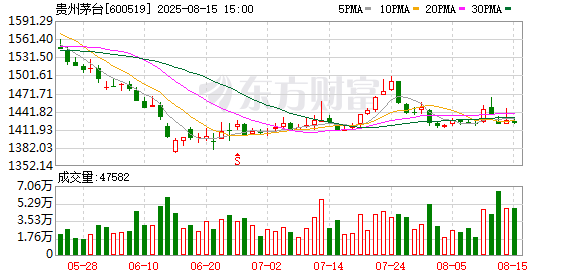
贵州茅台上半年实现营收894亿元,净利润454亿元;海外市场大涨31.29%
Sou Hu Cai Jing· 2025-08-13 13:31
Core Viewpoint - Guizhou Moutai reported a strong performance in the first half of 2025, with revenue and net profit showing significant year-on-year growth, driven by both domestic and international markets [2][9]. Financial Performance - The company achieved revenue of 89.39 billion yuan, a year-on-year increase of 9.10% [2]. - Net profit attributable to shareholders reached 45.40 billion yuan, up 8.89% year-on-year [2]. - Moutai liquor generated revenue of 75.59 billion yuan, growing by 10.24%, while series liquor revenue was 13.76 billion yuan, increasing by 4.68% [3][4]. Sales Channels - Direct sales revenue amounted to 40.01 billion yuan, reflecting an 18.63% increase, and accounted for 44.78% of total revenue [6][9]. - Wholesale and agency channels generated 49.34 billion yuan, with a more modest growth of 2.83% [6][9]. - The "i Moutai" digital marketing platform contributed 10.76 billion yuan in non-tax revenue, marking a 4.98% increase [6]. International Market Expansion - Revenue from international markets reached 2.89 billion yuan, a substantial increase of 31.29% year-on-year, highlighting the international market as a new growth driver [9][10]. - The number of overseas distributors increased by 11 to a total of 115 [9]. - Over the past decade, international revenue has grown from 725 million yuan to 2.89 billion yuan, with a compound annual growth rate of 16.62% [9]. Production Capacity - Moutai liquor production reached approximately 43,700 tons, while series liquor production was about 29,600 tons, both showing year-on-year increases [7][8]. - The company maintains a stable production outlook, ensuring quality and supply for future market demands [8]. Brand Value and Market Position - Moutai ranked 14th in the "China's 500 Most Valuable Brands" list with a brand value of 489.21 billion yuan, maintaining its position as the top brand in the food and beverage sector for 13 consecutive years [9]. - In 2024, Moutai accounted for a significant portion of China's liquor exports, with overseas revenue of 5.19 billion yuan, representing a major share of the market [10]. Industry Outlook - The global spirits market is projected to reach 603.1 billion USD by 2025, with significant potential for Chinese liquor exports [11]. - Moutai's strong brand and international strategy position it well for continued growth in the global market [11].
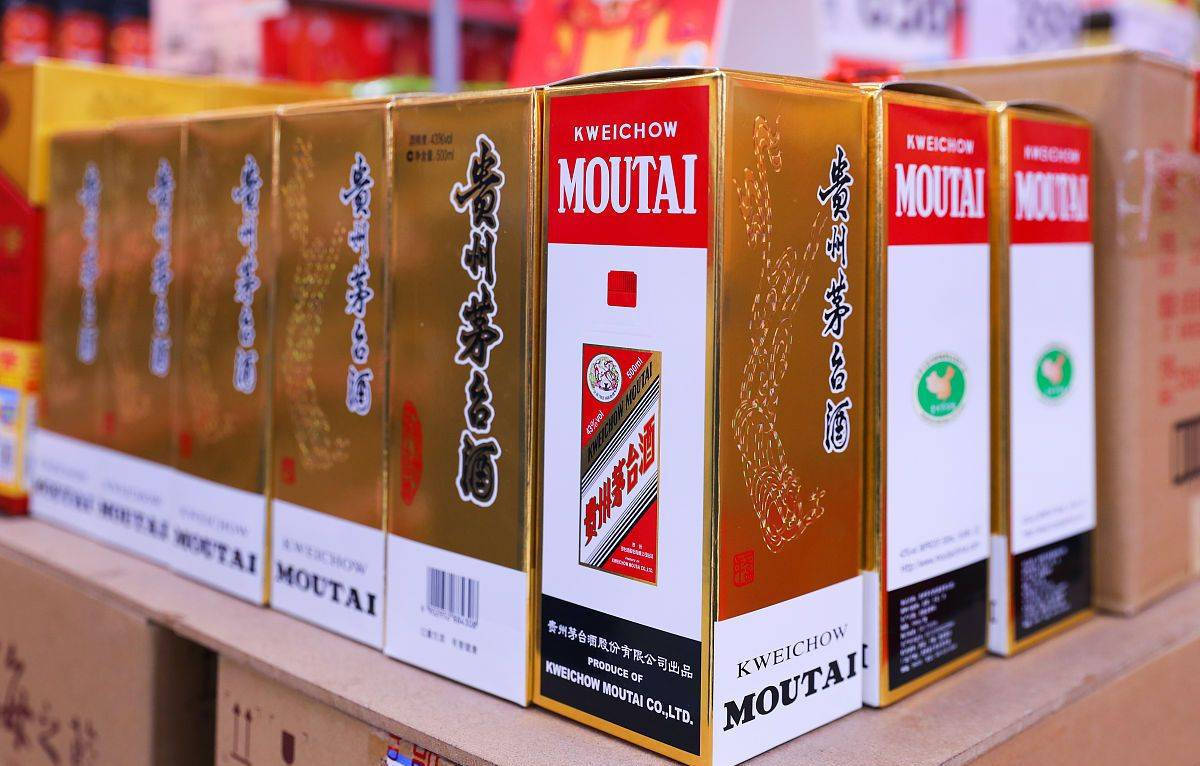
贵州茅台“成绩单”出炉!
天天基金网· 2025-08-13 05:05
Core Viewpoint - Guizhou Moutai has demonstrated stable growth in its financial performance, driven by effective market strategies and a focus on international expansion, while maintaining strong cash flow and shareholder returns [3][5][7]. Financial Performance - In the first half of 2025, Guizhou Moutai achieved total revenue of 91.094 billion yuan, a year-on-year increase of 9.16%, and a net profit attributable to shareholders of 45.403 billion yuan, up 8.89% [1]. - The company maintained a robust cash flow, with cash and cash equivalents reaching 142.885 billion yuan as of June 30, 2025, providing a solid financial foundation for future growth [3]. Business Strategy - Guizhou Moutai is focusing on three transformations: customer group transformation, scenario transformation, and service transformation, exemplified by the "Moutai Friends Carnival" event that integrates music and culture to attract younger consumers [3][8]. - The core product, 53-degree Flying Moutai, has maintained stable retail prices, with positive feedback from distributors regarding sales performance [3]. International Expansion - The company's overseas revenue reached 2.893 billion yuan in the first half of 2025, marking a significant year-on-year growth of 31.29%, indicating progress in its globalization efforts [7]. - Guizhou Moutai has engaged in extensive market research and brand promotion across over 30 countries, enhancing its understanding of local consumer preferences [7]. Market Position - Guizhou Moutai remains a favored choice among investment funds, consistently ranking in the top 10 holdings of various funds due to its stable fundamentals and generous dividends, with cash dividends amounting to 34.671 billion yuan in the first half of 2025 [5]. - Multiple brokerages maintain "buy" or "hold" ratings for Guizhou Moutai, citing its long-term investment value and potential for steady growth through capacity expansion and price increases [5].

贵州茅台发半年报 营收增9.16%净利润增8.89%
Sou Hu Cai Jing· 2025-08-13 02:08
Group 1 - The core viewpoint of the news is that Guizhou Moutai's 2025 semi-annual report shows revenue and profit in line with market expectations, indicating stable growth in a challenging industry environment [1][3] - In the first half of 2025, the company achieved total operating revenue of 91.094 billion yuan, a year-on-year increase of 9.16%, and a net profit attributable to shareholders of 45.403 billion yuan, a year-on-year increase of 8.89% [1] - The international revenue reached 2.893 billion yuan, reflecting a significant year-on-year growth of 31.29% [1] Group 2 - The white liquor industry is currently in a deep adjustment phase, with many analysts lowering performance expectations for listed companies [3] - Guizhou Moutai set a performance growth target of 9% for the year, and its actual performance aligns closely with this target [3] - The company's stable growth is attributed to the healthy development of its core product system and effective market strategies [3] Group 3 - Guizhou Moutai's market strategy focuses on three transformations: customer group transformation, scenario transformation, and service transformation, with an emphasis on consumer-centric approaches [3] - The customer group transformation targets new business demographics, while scenario transformation encourages innovation in dining consumption scenarios [3] - The company maintains a strong cash flow, with cash and cash equivalents amounting to 142.885 billion yuan as of June 30, 2025 [3]
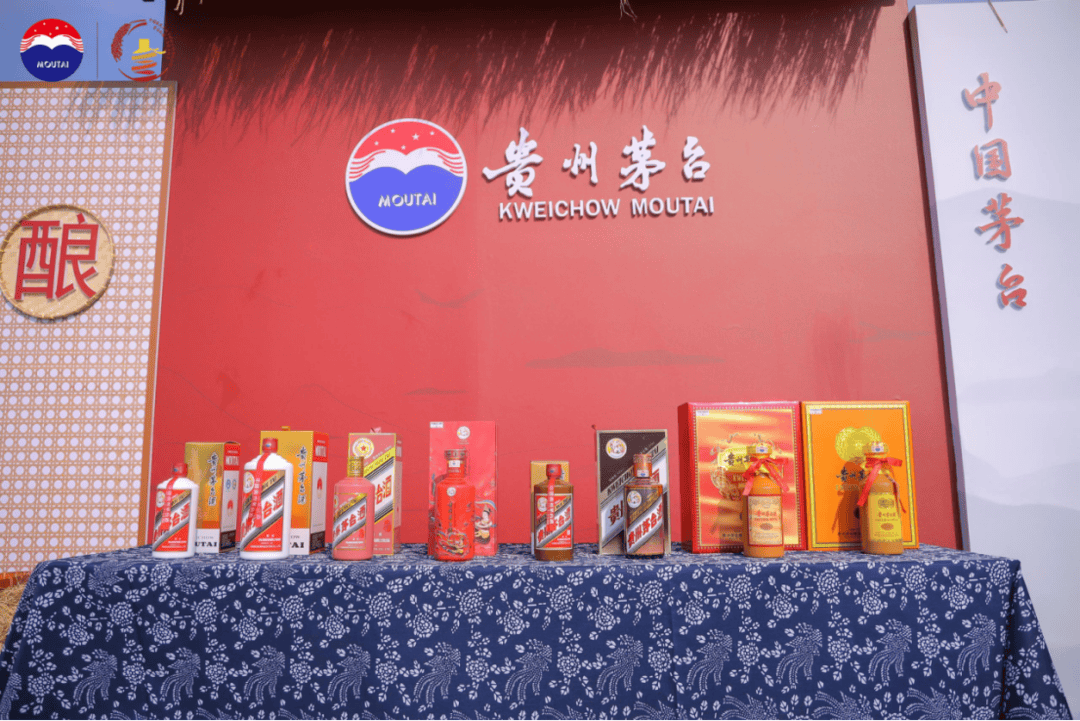
半年营收超910亿元,茅台转型升温:白酒是时候走出“浪浪山”
Hua Xia Shi Bao· 2025-08-13 00:49
Core Viewpoint - Guizhou Moutai (600519.SH) demonstrates resilience in a challenging liquor industry environment, achieving a revenue of 91.094 billion yuan and a net profit of 45.403 billion yuan in the first half of 2025, reflecting a year-on-year growth of 9.16% and 8.89% respectively [2][3] Financial Performance - In the first half of 2025, Guizhou Moutai's core financial indicators, including total revenue, total profit, and net profit attributable to shareholders, all grew around 9% [3] - The company has entered a phase of high-quality development, setting a revenue growth target of 9% for 2025, considering the industry landscape and its own capacity [3] - As of June 30, 2025, Guizhou Moutai's cash and cash equivalents reached 142.885 billion yuan, providing a strong financial foundation for future growth [3] Market Strategy - Guizhou Moutai is adapting to market conditions by introducing a new 500ml packaging to lower purchase barriers and stimulate market liquidity [4] - Analysts suggest that this strategy aims to enhance sales during a period of demand pressure, although significant growth will depend on macroeconomic recovery [4] International Expansion - Guizhou Moutai's overseas revenue exceeded 2.893 billion yuan in the first half of 2025, marking a year-on-year increase of 31.29% [6] - The number of overseas distributors increased by 11 in the first half of 2025, bringing the total to 115, indicating accelerated international market penetration [6] - The company is pursuing a three-step internationalization strategy, focusing on market expansion, brand and cultural output, and achieving international value creation [7] Industry Context - The liquor industry is undergoing significant structural changes, with high-end brands like Guizhou Moutai facing new consumer trends and market dynamics [9][10] - The company is shifting its focus from "channel-oriented" to "consumer-oriented" strategies, emphasizing service quality and consumer engagement [10][11] - The internationalization of Chinese liquor, particularly Moutai, is seen as a necessary evolution in response to domestic market saturation and competition [8][9]
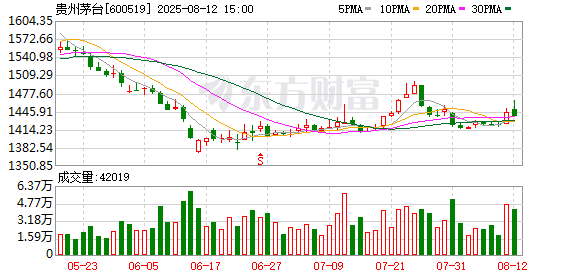
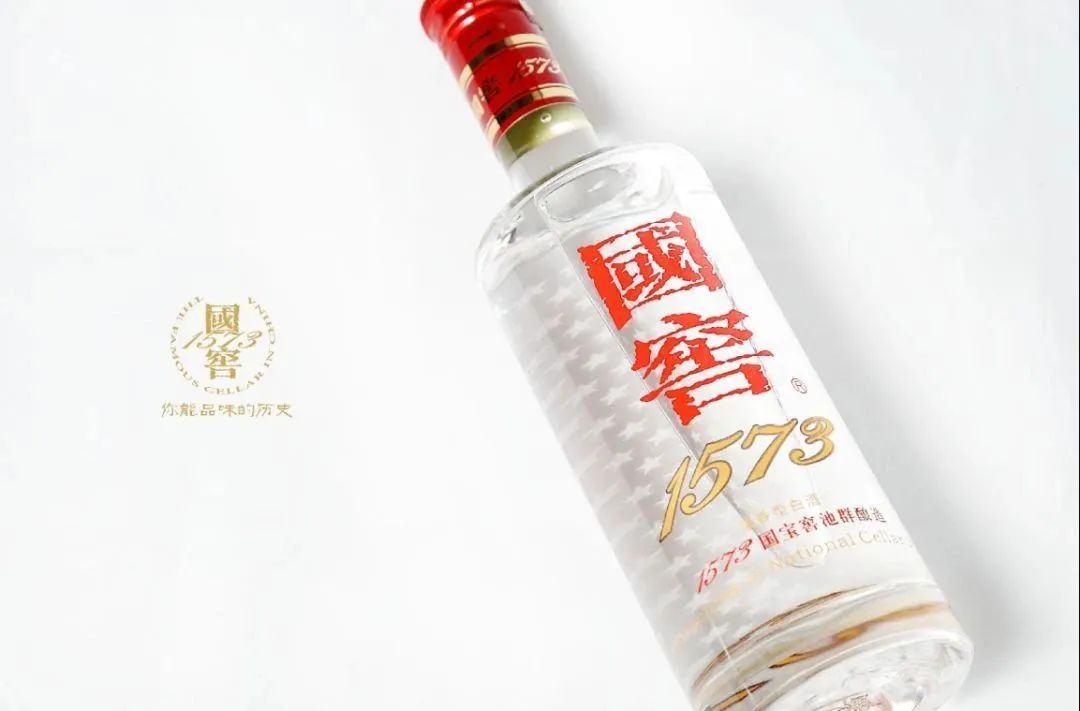
低度国窖1573如何改写高端酒市场规则?
Zhong Guo Jing Ji Wang· 2025-08-07 09:28
Core Viewpoint - A revolution in the consumption of low-alcohol liquor is emerging, driven by the demand for lighter drinking experiences among consumers, particularly the younger generation [1][2] Industry Trends - The low-alcohol liquor market in China is projected to grow from approximately 20 billion yuan in 2020 to 57 billion yuan by 2024, with an expected compound annual growth rate of 30% [3] - There is a notable preference among the 20-35 age group for low-alcohol beverages, with over 60% favoring them compared to traditional spirits [4] Company Performance - The 38-degree Guojiao 1573 has become a leading product in the low-alcohol segment, with sales expected to exceed 20 billion yuan in 2024, and its single product accounting for 50% of the brand's sales [5][6] - Guojiao 1573 dominates the market in regions like Hebei, holding 80% of the market share, and is highly favored in Shandong, Jiangsu, and northern Zhejiang [5] Product Innovation - The company is focusing on product innovation in low-alcohol and liqueur categories, with Guojiao 1573 being one of the earliest low-alcohol premium liquors [5] - The introduction of ice-drinking methods and innovative social events has successfully attracted attention on social media platforms, enhancing consumer engagement [8][12] Quality and Production - The quality of Guojiao 1573 is attributed to the unique brewing environment in Luzhou, which is known for its rich history and suitable conditions for distillation [9][14] - The company has invested over 20 years in developing techniques for reducing alcohol content while maintaining quality, positioning itself as a leader in the low-alcohol liquor market [11][14] Future Outlook - The internationalization of Chinese liquor is becoming a hot topic, with Guojiao 1573 poised to bridge the gap between local and global markets [15] - The company plans to introduce a 28-degree version of Guojiao 1573, indicating ongoing innovation and adaptation to market trends [15]
贵州茅台监事会人事调整;新版郎牌郎8月11日起接受销售订单
Sou Hu Cai Jing· 2025-08-01 18:52
Group 1: Craft Beer Market - The craft beer segment is gaining significant attention in the beverage industry, driven by its unique flavors and cultural attributes, becoming a new growth engine for the market [1][4] - The trend of diversified, personalized, and stratified consumer demand is clearly reflected in the craft beer market [1][4] Group 2: International Promotion of Chinese Baijiu - The "Fenqing Tianxia" promotion event took place in Spain and Italy, showcasing the high-end image and quality of Fen Yang Wang liquor, and promoting the unique charm and development potential of Chinese clear aroma baijiu in the European market [5][7] - The event facilitated cooperation between Fen Yang Wang liquor and cultural organizations in Spain and Italy, covering areas such as channel expansion, brand collaboration, and cultural tourism development [5] Group 3: New Product Launches - The new version of Langpai Lang will start accepting sales orders on August 11, 2025, with shipments beginning on August 25, featuring upgrades in packaging and anti-counterfeiting measures [8] - The new product aims to enhance consumer experience while ensuring consumer rights, contributing to a healthier market ecosystem [8] Group 4: Industry Consolidation in Guizhou - In Guizhou, 681 liquor enterprises have undergone mergers and restructuring as part of a comprehensive governance plan, reducing the number of production entities from 1,925 to 868, significantly increasing industry concentration [8] Group 5: Financial Performance of Companies - Hong Kong's San Miguel Brewery reported a 31.97% increase in net profit for the first half of 2025, with revenues of HKD 390 million and a gross profit of HKD 156 million [13] - Five Grain Liquid announced the successful completion of a project that is expected to generate economic benefits of CNY 230 million, with 179 projects covering the entire industry chain [10] Group 6: Innovations and Collaborations - The collaboration between Jinsha Ancient Wine and the Chengdu Jinsha Site Museum aims to create high-quality cultural creative wine products that reflect ancient Shu cultural heritage [12] - The introduction of a robot sommelier at the World Artificial Intelligence Conference demonstrates the unique advantages of robots in standardized and personalized service [16] Group 7: Sales Milestones - Terra beer from Hite Jinro has surpassed 5.5 billion bottles in cumulative sales since its launch in 2019, achieving an average annual growth rate of 9% over the past six years [18]