
石油危机

Search documents
时报图说丨“全球油阀”霍尔木兹海峡关闭,石油危机会重演吗?
证券时报· 2026-03-03 23:13
Core Viewpoint - The article discusses the significant rise in oil prices due to escalating tensions in the Middle East, particularly following military actions against Iran and the closure of the Strait of Hormuz, a critical maritime route for global oil trade [1][2]. Group 1: Impact of the Strait of Hormuz Closure - The Strait of Hormuz, known as the "world's oil valve," handles approximately 20% of global maritime oil trade, making it vital for oil exports from Middle Eastern countries [5][7]. - The closure of the Strait has led to a drastic reduction in shipping traffic, with daily vessel passage dropping from an average of 124 to 44, a decline of over 60% [7]. - The daily oil and product transport capacity of the Strait is about 20 million barrels, with key exporting countries like Saudi Arabia, Iraq, and Iran heavily reliant on this route for their oil exports [7][12]. Group 2: Oil Price Projections - Historical precedents indicate that geopolitical conflicts in the Middle East have previously led to oil price surges, with increases of nearly 200% during past crises [15][16]. - Current projections suggest that if Iranian oil supply is significantly disrupted, Brent crude prices could rise by $10-15 per barrel, with a potential price floor above $70 per barrel [18]. - If the conflict escalates and affects oil transport through the Strait, a scenario similar to the early stages of the Russia-Ukraine conflict could occur, leading to substantial price increases [18]. Group 3: Alternative Transport Capacity - Alternative pipelines, such as Saudi Arabia's East-West pipeline and the UAE's Fujairah pipeline, have limited capacities of approximately 800,000 barrels per day combined, which cannot compensate for the nearly 20 million barrels per day that the Strait typically handles [12][13]. - The East-West pipeline can transport 500,000-600,000 barrels per day, while the Fujairah pipeline can handle 150,000-200,000 barrels per day, indicating a significant shortfall in alternative transport options [13]. Group 4: Market Reactions and Risk Premiums - The current risk premium in the oil market is estimated at $18 per barrel, reflecting concerns over a complete shutdown of the Strait for about six weeks [20]. - If the Strait is partially closed, with 50% of traffic affected, oil prices could increase by $4 per barrel [20]. - The article suggests that the market is experiencing a rapid adjustment to geopolitical risk premiums, which will influence future price trajectories [21].

中东若按下“核按钮”,油价108美元的世界会是怎样?
Jin Shi Shu Ju· 2026-02-11 06:42
Core Insights - The geopolitical tensions in the Middle East are not currently seen as a dominant factor affecting the macroeconomic outlook, despite the potential for significant impacts on inflation, growth, and policy if an energy crisis were to occur [1][34] - The article outlines three potential scenarios for how Middle Eastern shocks could evolve and their implications for the global economy, particularly focusing on oil price fluctuations [1][15] Group 1: Oil Market Scenarios - In the most extreme scenario, a conflict targeting energy infrastructure could lead to oil prices soaring up to $108 per barrel, resulting in slowed growth and increased inflation [1][27] - A baseline scenario suggests that a conflict centered around Iran or Iraq could cause temporary price spikes without long-term damage to energy facilities [1][19] - Limited geopolitical shocks away from major oil-producing regions are unlikely to affect physical supply and prices significantly, as evidenced by the recent Gaza conflict [2][17] Group 2: Middle East's Global Role - The Middle East remains crucial for global stability, energy security, and economic health, providing one-third of the world's oil and one-fifth of its natural gas [3][4] - The region's sovereign wealth funds, including those from Kuwait, Qatar, Saudi Arabia, and the UAE, play a significant role in global capital markets [3] - Key trade routes, such as the Strait of Hormuz, are vital for global oil flow, underscoring the region's importance in international trade [3] Group 3: Historical Context and Current Dynamics - The geopolitical landscape of the Middle East has evolved significantly since World War II, with conflicts shifting focus from Arab-Israeli wars to confrontations involving Iran and its proxies [5][6] - The current geopolitical dynamics involve four main groups vying for control, including Iran's axis, Israel-UAE relations, Saudi Arabia's focus on economic stability, and the Turkey-Qatar alliance [7][8] Group 4: Economic Impact of Conflicts - The economic toll of conflicts in the region has been severe, with Gaza's economy projected to shrink by 83% in 2024 due to ongoing warfare [13] - The impact of military actions on local economies can have broader implications, affecting global oil prices and economic stability [12][13] Group 5: Energy Companies and Market Reactions - Regional energy companies like Saudi Aramco and ADNOC could see significant revenue increases with rising oil prices, provided that production and export remain uninterrupted [32][33] - However, disruptions to production facilities or shipping routes could negate the benefits of higher prices, emphasizing the need for stable operations in the region [32][33]
美媒:这次稀土的事比70年代石油危机对美国的影响可以更严重,美国必须回到谈判桌
Sou Hu Cai Jing· 2025-10-19 09:24
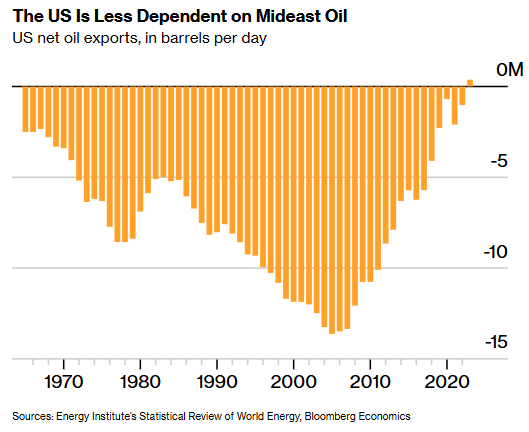
如今,稀土在全球工业体系中的地位愈发重要,甚至远超当年石油的影响。石油虽可通过增加开采来补充产能,但稀土情况不同。全球稀土资源虽有分布, 可其开采、提炼等技术含量极高。有该国科学家称,没有五到十年、千亿美元的投入,根本无法攻克相关技术难题。稀土几乎涉及该国全部工业领域,而华 尔街的繁荣也依赖这些工业的支撑。一旦相关工业停滞,市场将失去重要支撑,该国经济衰退风险加剧,国债利息偿还也将面临巨大压力。 近日,市场有观点将当下稀土相关局势与70年代石油危机对某国经济的影响进行对比,认为此次稀土问题带来的冲击可能更为严重。回顾70年代,因第四次 海湾战争)与伊朗局势动荡,石油价格在近十年内从每桶2.7美元飙升至40美元,涨幅近17倍。受此影响,当时某国股市遭受重创,道琼斯指数从1973年初 的1000点一路跌至1974年底的约500点,跌幅接近一半。同时,黄金、银价格涨幅超7倍,铝价上涨1.6倍,铜价上涨68%,大豆也上涨51%。由于石油是西 方世界工业体系的关键要素,该国陷入严重滞胀困境。 基于此,有分析人士认为,在巨大的利益损失面前,该国高层必然会重新考虑策略,回到谈判桌前。 此时,相关方应保持沉默,无论对方有何言 ...

乌克兰袭击成效显著俄罗斯石油危机加剧
Sou Hu Cai Jing· 2025-10-08 13:41
Group 1 - Ukraine has intensified attacks on Russian refineries and oil infrastructure, conducting over 30 strikes since early August, leading to a significant impact on Russian oil production, which has decreased by approximately 10% [1] - Oil and gas revenues are projected to account for about 30% of the Russian budget by 2024, making it the largest source of funding for the country [2] - In response to resource shortages, Russia has restricted oil product exports until the end of the year and extended the gasoline export ban, resulting in a decline in refinery output to an average of 4.9 million barrels per day, a drop of about 400,000 barrels compared to early 2025 [3] Group 2 - The situation in Russia may worsen as damaged infrastructure typically requires a long time to restore, with analysts predicting a potential halt in all oil product exports and the implementation of domestic rationing [4] - The withdrawal of Western oil companies has significantly reduced investment in Russian energy infrastructure, limiting the potential for increased oil production in the coming years [4] - Current Russian crude oil production is approximately 9.25 million barrels per day, down from a pre-war peak of about 10 million barrels per day, with the current maximum capacity at around 9.45 million barrels per day [4]
俄罗斯陷“石油危机”?亚洲卖家不好糊弄,干不过中东还被阿三坑
Sou Hu Cai Jing· 2025-09-21 09:48
Core Viewpoint - The article discusses the significant challenges faced by the Russian oil industry following Western sanctions and the shift in export dynamics towards Asian markets, particularly India and China, while highlighting the complexities and risks involved in this transition [2][6][25]. Group 1: Impact of Sanctions - The conflict in 2022 led to a drastic reduction in Russian oil exports to Europe, which previously accounted for over half of its total exports, resulting in a surplus of unsold oil [4][6]. - The European Union imposed a ban on Russian oil imports and set a price cap, forcing Russia to seek new markets in Asia [6][20]. Group 2: Shift to Asian Markets - China and India emerged as key buyers, with India's share of Russian oil imports increasing from 12% in 2021 to 37.6% in 2023, and projected to reach nearly 40% by mid-2025 [6][11]. - Despite the increase in exports to Asia, the pricing dynamics are challenging, with India negotiating significant discounts on Russian oil, at times reaching $20 per barrel [9][11]. Group 3: Economic Challenges - The revenue from oil exports has stabilized at around $20 billion per month, but the profit margins are severely compressed due to heavy discounts and high transportation costs [8][20]. - The use of the rupee for transactions has created liquidity issues for Russia, as funds are trapped in Indian banks and cannot be easily utilized for investments [13][25]. Group 4: Operational Risks - The establishment of a "shadow fleet" to circumvent sanctions has led to increased operational risks, including higher costs and potential environmental hazards [15][18]. - The fleet's capacity has been reduced due to Western sanctions targeting these vessels, further complicating Russia's ability to maintain export levels [16][24]. Group 5: Competitive Landscape - The competition from Middle Eastern producers, particularly Saudi Arabia, poses a significant threat to Russia's market share in Asia, as these countries have lower production costs and are increasing their output [20][22]. - The dynamics within OPEC+ and the strategic decisions made by Saudi Arabia to boost production are likely to further squeeze Russian oil exports [20][22]. Group 6: Long-term Outlook - While short-term trade with China and India may provide some support, the long-term outlook for Russian oil is uncertain due to ongoing sanctions, competitive pressures, and the need for innovative strategies to adapt to the changing market [25].
产油大国爆发石油危机,乌克兰改变战术,俄罗斯10%炼油厂停产
Sou Hu Cai Jing· 2025-08-24 04:04
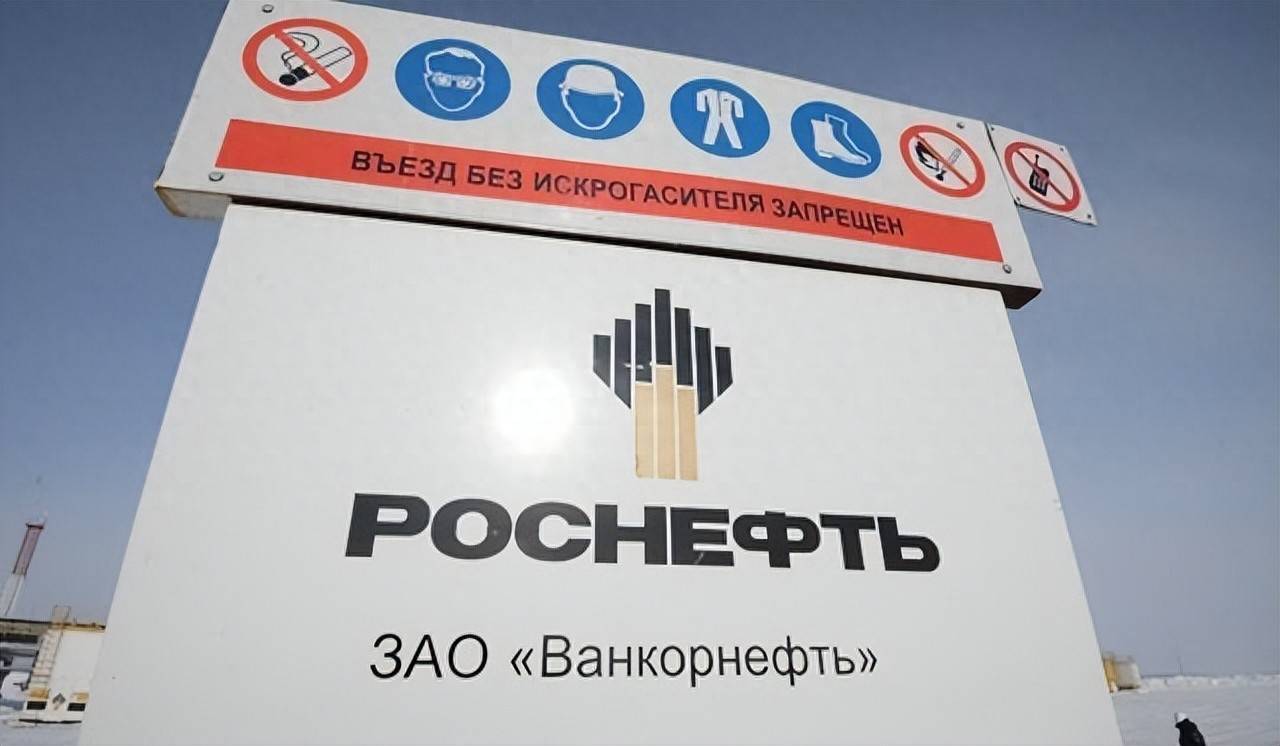
Core Viewpoint - The ongoing military conflict between Ukraine and Russia has led to significant disruptions in Russia's oil supply, with Ukrainian forces targeting key energy infrastructure, resulting in a "oil crisis" within Russia [1][4]. Group 1: Impact on Russian Oil Supply - Ukrainian military has intensified attacks on Russian energy facilities, including oil refineries and power substations, causing severe disruptions in energy production [1][2]. - The new Shakhytsynsk refinery in Saratov Oblast, a major oil fuel supplier with a storage capacity of 210,000 cubic meters, was significantly damaged, leading to a loss of operational capability [1]. - As of now, 10% of Russian refineries are reported to be offline due to attacks or equipment failures, contributing to a rise in domestic fuel prices [4]. Group 2: Regional Energy Crisis - The attacks have led to gasoline shortages in multiple regions of Russia, with wholesale prices for 95-octane gasoline increasing by over 55% since the beginning of the year [4]. - The railway transport system in Voronezh has been severely disrupted following attacks on local substations, affecting fuel supply logistics [2]. - The energy crisis is exacerbated by seasonal fuel demand increases, with reports indicating a noticeable "oil crisis" in both Russia and parts of Ukraine under Russian control [4]. Group 3: Broader Implications - The situation highlights the effectiveness of Ukrainian military tactics against Russian energy infrastructure, raising concerns about the sustainability of Russia's energy supply in the face of ongoing conflict [4]. - Despite the severity of the situation, military analysts suggest that a complete collapse of Russia's energy system is not imminent, with expectations of a price stabilization by September [4].

日本这次跟美国谈关税,为何如此硬气?
Sou Hu Cai Jing· 2025-07-08 18:16
Group 1 - Japan is currently taking a strong stance against the U.S. regarding tariffs, refusing to easily accept a proposed 25% tariff and responding with strong condemnation to U.S. threats of retaliation [1] - Historical context shows that Japan's previous compliance with U.S. demands, such as the Plaza Accord in 1985, led to significant economic downturns, including a prolonged period of stagnation known as the "Lost Decade" [3][6] - Japan's economy experienced a significant bubble in the 1980s, with real estate prices in Tokyo reaching over 200 million RMB per square meter and the Nikkei index peaking above 37,000 points, which was only recently surpassed [4][6] Group 2 - The current economic situation for Japan is precarious, as it has lost access to Russian oil and gas, making it increasingly reliant on the U.S. for energy resources [7] - Japanese manufacturers are considering relocating factories to the U.S. to reduce costs, which poses a risk to Japan's domestic manufacturing base and economic stability [7] - Japan holds over $1 trillion in U.S. Treasury bonds, which serves as a potential leverage point in negotiations, although Japan's diplomatic relations with other countries have weakened, limiting its options [8]

杨德龙:中东局势升级引发全球资金避险情绪上升
Xin Lang Ji Jin· 2025-06-23 09:24
Group 1: Geopolitical Impact on Markets - The escalation of the Middle East situation has led to global capital market volatility, particularly following the U.S. missile strikes on Iranian nuclear facilities [1] - The potential closure of the Strait of Hormuz by Iran could trigger a significant oil crisis, affecting oil prices and major oil-importing countries [1] - The conflict between Israel and Iran is expected to have a substantial impact on global peace and could lead to further increases in international oil prices [1] Group 2: Market Reactions and Trends - Following the U.S. attack, there has been a sharp increase in market risk aversion, with significant sell-offs in risk assets and a collective drop in cryptocurrency values [2] - The A-share market has shown some volatility but has not experienced a major sell-off, with strong performance in the innovative pharmaceutical sector and positive sentiment towards domestic chip technology [3] - The second half of the year is anticipated to see a continuation of strong performance in technology stocks, with expectations of breaking through the 3000 to 3400 point range in the market [3] Group 3: Investment Strategies - Investors are advised to focus on technology sectors such as humanoid robots, semiconductors, AI, and healthcare, while also considering high-dividend, stable earnings stocks for defensive positioning [5] - The investment strategy for the second half of the year is suggested to be a "barbell" approach, balancing growth stocks with high-dividend, low-valuation stocks [5]
邹志强:以伊冲突会引发一场石油危机吗?
Sou Hu Cai Jing· 2025-06-17 23:12
Group 1 - The conflict between Israel and Iran is escalating, impacting the geopolitical landscape of the Middle East and creating new shocks to the international energy market, which could affect global supply chains and economic growth [1] - Historical conflicts in the Middle East have led to significant volatility in global energy markets, and the current situation is expected to lead to a period of turbulence in international oil prices [1][2] - Iran's oil production remains over 3 million barrels per day, with exports around 2 million barrels per day, but any disruption due to the conflict could significantly impact international energy supply [2] Group 2 - The potential impact of the conflict on other Gulf oil-producing countries, such as Saudi Arabia and the UAE, is noteworthy, although they have not yet been directly affected [3] - Iraq's security situation is critical, as it lies in the path of the conflict, and any escalation could disrupt its oil production [3] - The possibility of Iran blocking the Strait of Hormuz is a significant variable that could lead to a spike in international oil prices, although Iran is unlikely to take such action unless absolutely necessary [4] Group 3 - The overall impact of the conflict on Iran's oil exports is manageable, as other OPEC+ countries have the capacity to compensate for any potential shortfall [5] - The current global oil demand is slowing, and supply remains relatively ample, which may buffer the effects of geopolitical tensions in the Middle East [4][5] - The ongoing conflict poses risks of escalation, including potential Iranian attacks on U.S. military bases and threats to the Strait of Hormuz, which could lead to further instability in the international energy market [5]
瑞银:与以往的石油危机不同,此次冲突对供应构成的风险很小,伊朗仅占全球石油产量的1.6%,且未报告任何供应中断。
news flash· 2025-06-16 12:31
Core Viewpoint - The current conflict poses minimal risk to oil supply, differing from previous oil crises, as Iran accounts for only 1.6% of global oil production and has not reported any supply disruptions [1] Industry Summary - Iran's contribution to global oil production is limited to 1.6%, indicating that its geopolitical issues may not significantly impact overall supply levels [1] - There have been no reported supply interruptions from Iran, suggesting stability in the oil market despite ongoing conflicts [1]