
绿色低碳转型

Search documents
中国光大水务(01857) - 2025年全年业绩简报
2026-02-27 04:11
2025年全年业绩简报 2026年2月 中国光大水务有限公司 2 经营业绩 目录 财务回顾 业务展望 前瞻性陈述 本简报或包含前瞻性陈述,该等陈述乃建基于有关中国光大水务有限公司(「光大水务」或「本公司」,连 同其附属公司统称「本集团」)业务的大量假设及不受本公司控制的因素,并受到重大风险及不明朗因素的 影响,因此实际业绩或与该等前瞻性陈述出现重大偏差。本公司概不承担就日后发生的事件或情况而更新 该等陈述的责任。 本简报包含的资料应以简报作出时候为准,本公司未曾作出更新及将不会更新该等资料以反映本简报日后 或发生的重大发展。本简报的投影片只供支持有关本公司背景资料作出讨论。本公司不会明示或暗示陈述 或保证本简报包含的任何资料或意见是公平、准确、完整或正确,因此不应依赖该等资料或意见。收件人 在作出判断时不应以该等资料或意见为基础,本简报包含的资料和意见或基于或取自本公司管理层的判断 及意见,因此该等资料不可能经常获得核实或确认。本公司或本公司的财务顾问、或任何有关董事、高级 职员、雇员、代理人或顾问概不会就内容承担责任,或因使用本简报的资料或本简报而引起的任何损失承 担责任。本简报并无考虑任何投资者的投资目标 ...
国家能源局油气司司长刘红:形成油气上游领域与新能源新产业深入融合及多能互补发展新格局
Zhong Guo Dian Li Bao· 2026-02-27 03:02
Core Viewpoint - The oil and gas industry is positioned as a crucial pillar of the national economy, focusing on ensuring energy security, promoting green and low-carbon transformation, and supporting high-quality development during the "14th Five-Year Plan" and the upcoming "15th Five-Year Plan" [1][3][5]. Group 1: Development Goals and Strategies - The "15th Five-Year Plan" period is critical for establishing a new energy system and advancing the energy power strategy, emphasizing the need for a systematic approach to development and safety [2][7]. - The oil and gas sector is tasked with enhancing domestic supply capabilities and advancing technological independence to meet core energy demands [3][5]. Group 2: Achievements During the "14th Five-Year Plan" - The oil and gas industry has seen a significant increase in investment, with an average annual investment of 387 billion yuan, a 48% increase compared to the "13th Five-Year Plan" [5]. - Record production levels were achieved in 2025, with crude oil output reaching approximately 216 million tons and natural gas output at 261.9 billion cubic meters [5]. Group 3: Infrastructure and International Cooperation - The construction of a national oil and gas network has accelerated, with a total pipeline length reaching 200,000 kilometers and enhanced storage capabilities [5][6]. - International cooperation in oil and gas has expanded, with an average annual import of 540 million tons of crude oil and 167 billion cubic meters of natural gas during the "14th Five-Year Plan" [6]. Group 4: Green and Low-Carbon Development - The industry is actively promoting green and low-carbon initiatives, including the integration of oil and gas exploration with new energy sources, and implementing carbon capture technologies [6][8]. - Demonstration projects for clean energy and carbon capture have been established, showcasing the industry's commitment to sustainable practices [6]. Group 5: Key Tasks for 2026 - The focus for 2026 includes solidifying oil and gas planning, enhancing exploration and production, and improving infrastructure connectivity [7][8]. - The industry aims to strengthen international cooperation and develop a unified, efficient, and open oil and gas market system [8].

生态环境部:“十五五”面临挑战 将继续以PM2.5浓度下降为工作主线
Yang Shi Xin Wen· 2026-02-27 03:02
在今天(27日)举行的新闻发布会上,生态环境部有关负责人介绍,"十五五"期间的大气污染防治工作 仍然面临挑战,今后将继续以PM2.5浓度下降为主线,大力推动结构优化调整和污染精细化治理,推动 空气质量全面改善。 生态环境部大气环境司司长李天威介绍,京津冀及周边地区、汾渭平原每年秋冬季都会出现1—2次持续 7天以上的重污染过程,而3天重污染就能拉高一个城市PM2.5年均浓度1微克左右,一些非重点区域改 善速度偏慢;不少地方难以摆脱"气象影响",在全球变暖大背景下,"十五五"极端天气可能成为"新常 态",空气质量改善的不确定性仍然很大。 我国PM2.5浓度与国际领先水平差距仍然较大。目前的深度减排存在难度,后续依靠大工程、大项目减 排的潜力较为有限;以化石能源为主的能源结构、以重化工为主的产业结构、以公路为主的交通运输结 构格局在短期内还难以改变;治理设施不正常运行和低效失效等问题依然突出,部分基层生态环境部门 的技术能力、装备水平也存在差距,持续改善大气环境质量仍然任重道远。 "十五五"期间,生态环境部将推动出台《空气质量持续改善行动计划(2026—2030年)》,创新金融、 价格、财税、环保差异化管理政策,深 ...
生态环境部:2025年全国空气质量为有监测记录以来最优
Yang Shi Xin Wen· 2026-02-27 02:28
生态环境部今天(27日)上午举行新闻发布会,全面介绍我国深入打好蓝天保卫战的相关情况。据介 绍,2025年我国环境空气质量达到有监测记录以来历史最优。 在2025年三项考核指标中,PM2.5平均浓度为28微克/立方米,优良天数比例达89.3%,重污染天数比例 为0.9%,均为有监测记录以来最好水平。 生态环境部大气环境司司长李天威表示,从区域看,重点区域示范带头。空间格局总体呈"南方空气质 量好、北方改善幅度大"特点,2025年PM2.5浓度最低的10个省份中南方占7个,"十四五"以来PM2.5浓 度降幅最大的10个省份全在北方。特别是,京津冀及周边地区和汾渭平原共49个城市,PM2.5浓度降幅 最大的20个城市几乎全在这两个区域,其中,山西临汾2025年PM2.5浓度为35.1微克/立方米,较2020年 下降46.5%,降幅全国第一。 (文章来源:央视新闻) "十四五"期间,我国突出精准、科学、依法治污,以更大力度推进蓝天保卫战各项工作。推动产业、能 源、交通运输"三大结构"绿色低碳转型。完成9.4亿吨粗钢、3.6亿吨焦化、4.7亿吨水泥熟料产能和1.7亿 千瓦煤电机组超低排放改造,建成全球规模最大的清洁煤 ...
国家能源局:推动油气管网与新能源新业态融合发展
Zhong Guo Dian Li Bao· 2026-02-27 00:43
努力开创油气行业高质量发展新局面 深入学习全会精神,勇担能源发展使命 "十五五"时期是我新型能源体系建设夯实基础的关键阶段,也是能源强国建设向纵深推进的攻坚时期, 必须以"四个革命、一个合作"能源安全新战略为根本遵循,把建设新型能源体系作为建设能源强国的核 心内容和关键路径。要以系统思维统筹发展和安全,以底线思维把握转型节奏和时效,推动能源发展实 现质的有效提升和量的合理增长。通过新型能源体系建设的全方面突破,实现化石能源提质升级、新能 源跨越式发展、化石能源与新能源深度融合,促进能源发展从保障供应向更好用能、锻造优势升级,让 能源体系的清洁低碳底色更鲜明、安全高效韧性更强劲,为中国式现代化筑牢能源根基。 立足部署要求,明确油气行业发展定位 石油天然气是重要的基础能源和工业原料,事关国计民生和能源安全。油气行业作为国家经济支柱产 业,在建设新型能源体系和能源强国的征程中,肩负着保障供给、转型赋能、协同发展的时代使命,战 略价值与支撑作用愈发凸显。 国家能源局石油天然气司司长 刘红 国家能源局组织全国能源系统深入贯彻落实党的二十届四中全会精神,系统总结"十四五"发展成效,围 绕2030年初步建成新型能源体系、推 ...
激发创新创造活力 凝聚实干奋进力量
Xin Lang Cai Jing· 2026-02-26 20:43
Group 1: Industry Development in Xing'an League - Xing'an League is focusing on enhancing four major industries: green modern agriculture, clean low-carbon industry, ecological cultural tourism, and high-quality service industry to achieve high-quality development [6][7] - The total investment for major projects in 2026 is planned to be 132.32 billion yuan, with an annual investment target of 41.5 billion yuan [7] - The region's GDP increased from 58 billion yuan to 85 billion yuan during the 14th Five-Year Plan, with an average annual growth rate of 5.1% [6] Group 2: New Energy Development in Xilin Gol League - Xilin Gol League is experiencing a significant energy revolution, focusing on new energy development, with a total installed capacity of 25.16 million kilowatts by 2025, accounting for 57% of the total power installed capacity [8][10] - The annual new energy generation is expected to exceed 55 billion kilowatt-hours, leading the Inner Mongolia Autonomous Region [9] - The league aims to enhance the efficiency of green electricity conversion and develop new energy supply systems [10] Group 3: Agricultural and Livestock Industry in Chifeng City - Chifeng City is enhancing its agricultural and livestock industry by establishing a complete supply chain from farm to table, with a daily slaughter capacity of 200 cattle and a daily output value of 7 million yuan [11][12] - The agricultural output value reached 84.39 billion yuan in 2025, maintaining the top position in the region [12] - The city is focusing on brand development, with the value of regional brands like "Chifeng Tomato" reaching 119.565 billion yuan [13] Group 4: Cultural and Tourism Integration in Hulunbuir City - Hulunbuir City is promoting cultural and tourism integration, with over 1 million domestic tourists and a tourism revenue of 13.512 billion yuan during the 2024-2025 winter season [15] - The city has been recognized as one of the top ten ice and snow tourism cities for ten consecutive years, enhancing its brand influence [15][16] - The city plans to continue developing cultural and sports resources to create competitive tourism products [16]

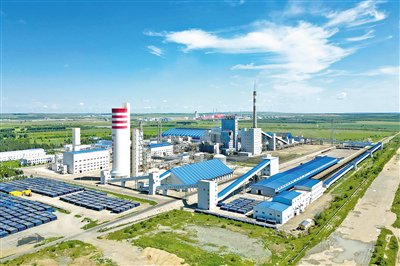
扩大进口,七部门联合发布!
Jin Rong Shi Bao· 2026-02-26 09:26
Core Viewpoint - The Ministry of Commerce and six other departments have jointly released a revised version of the "Encouragement of Import Services Directory," which aims to guide and support the innovative development of service trade, expand imports proactively, and achieve high-quality development in China [1][2]. Group 1: Directory Revision Overview - The revised directory is a response to the 2024 directive from the State Council to expand the import of quality services and is based on extensive research and feedback from local governments and service import enterprises [2][3]. - The new directory continues to support four existing categories: "Research and Design Services," "Energy Conservation and Environmental Protection Services," "Environmental Services," and "Consulting Services," while adding two new categories: "Other Professional Services" and "Medical and Health Services" [3][4]. Group 2: Specific Changes in the Directory - The new directory includes specific high-quality services that are urgently needed domestically, such as "Green Building and Other Low-Carbon Related Design, Assessment, or Certification Services" and "Supply Chain Management Services" under the "Other Professional Services" category [4][5]. - Adjustments have been made to optimize the content of encouraged import services, including updates to descriptions for "Digital Technology Development Services," "Technical Testing and Analysis Services," and "Water Pollution Control and Ecological Restoration Services" [4][5]. Group 3: Removal of Certain Services - Services that are no longer necessary to encourage for import, such as those solely focused on air pollution control, have been removed from the directory due to improvements in domestic service capabilities [5].
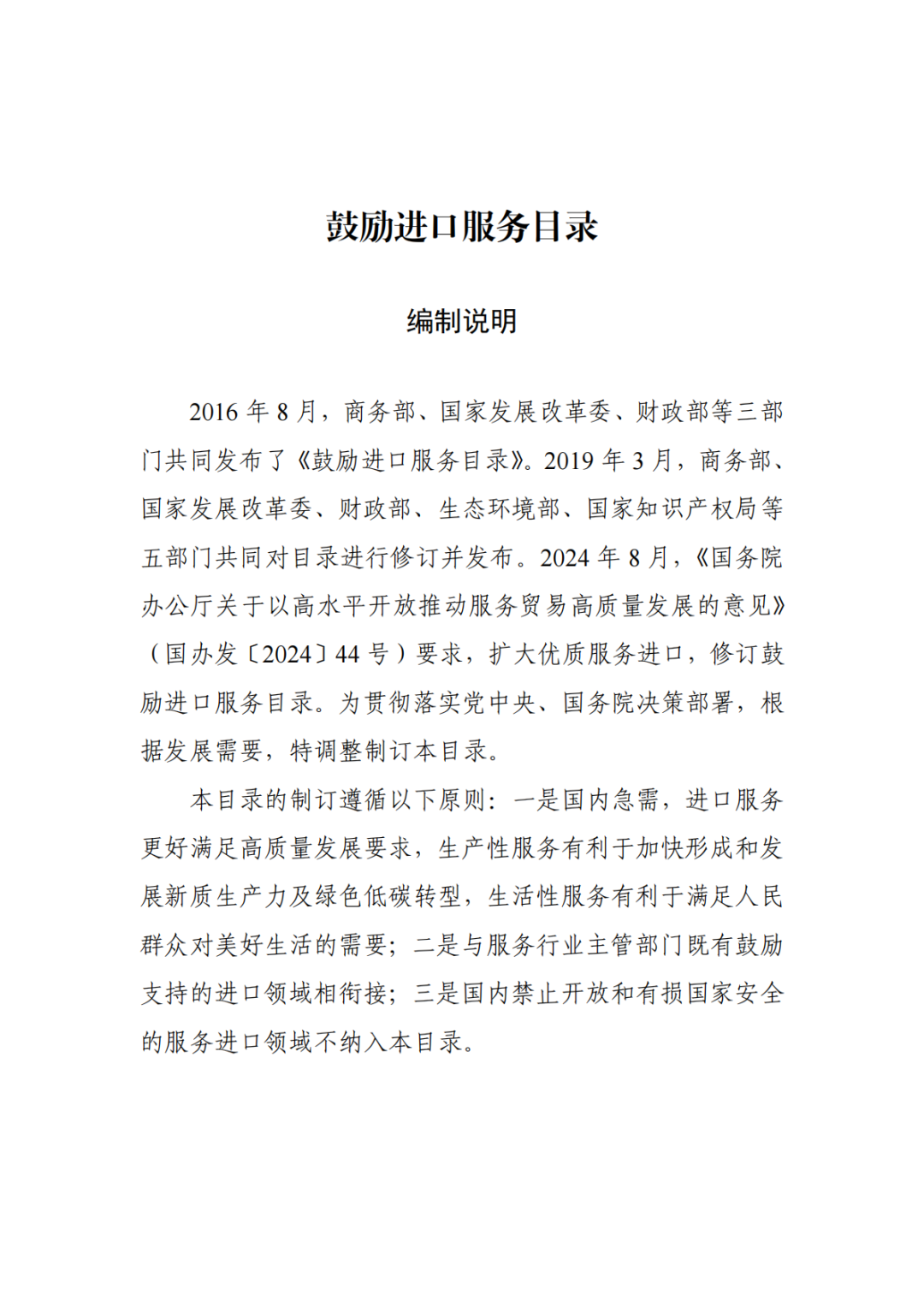
48亿元!这家化企拟实施纯碱装置提质改造工程
Zhong Guo Hua Gong Bao· 2026-02-26 09:11
根据公告,项目新建40万吨/年合成氨装置,新建100万吨/年联碱装置(年产轻质纯碱40万吨、重质纯碱 60万吨,并副产氯化铵103万吨)。同时可利用现有氨碱老线的煅烧、压缩、包装储运及部分公用工程设 施。 山东海化表示,项目以能源绿色低碳转型为核心目标,规划通过"绿电替代"与"直供降本"双重路径系统 构建绿色低碳技术体系,为企业碳达峰、碳中和提前布局,促进企业发展的绿色低碳转型。 山东海化(000822)2月26日公告,拟投资48.37亿元实施"基于资源和能源综合利用的纯碱装置提质增 效节能环保改造工程",项目建设周期24个月。 公告称,山东海化现有的120万吨/年氨碱法纯碱老生产线已运行超30年,设备陈旧,能耗较高,且该生 产线排放压力大,已不适应现代工业发展的需求,工艺改型升级势在必行。本次氨碱改造联碱的规模规 划为年产100 万吨,替代原有120万吨索尔维(氨碱法)纯碱装置产能,产能置换比例为1.2:1,属于减量置 换,符合国家相关产业政策。 ...

国家能源局:兼顾绿色氢氨醇等管输转型需要,推动油气管网与新能源新业态融合发展
Zhong Guo Dian Li Bao· 2026-02-26 01:31
Core Viewpoint - The oil and gas industry is positioned as a crucial pillar of the national economy, with a focus on ensuring energy security, promoting green and low-carbon transformation, and fostering high-quality development during the "14th Five-Year Plan" and beyond [2][5][8]. Group 1: Industry Development Goals - The "15th Five-Year Plan" period is critical for establishing a new energy system and advancing the energy power strategy, emphasizing the need for a systematic approach to development and safety [3][11]. - The oil and gas sector is tasked with enhancing domestic supply capabilities and advancing technological independence to support national energy security [5][11]. Group 2: Achievements During the "14th Five-Year Plan" - The oil and gas industry has seen significant investment, with an average annual investment of 387 billion yuan, a 48% increase compared to the "13th Five-Year Plan," leading to record production levels of crude oil and natural gas [8][9]. - Infrastructure development has accelerated, with the construction of extensive gas pipelines and storage facilities, enhancing the capacity for gas supply and risk management [8][9]. Group 3: Future Strategic Initiatives - The industry will focus on enhancing oil and gas exploration and production, particularly in key basins, while maintaining high investment levels and technological innovation [11][12]. - There will be a push for improved integration of oil and gas infrastructure with renewable energy systems, promoting a more resilient and efficient energy supply chain [11][12].
坚持电力先行 为能源强国建设和 “十五五”良好开局提供有力支撑
Zhong Guo Dian Li Bao· 2026-02-26 01:30
党的二十届四中全会擘画了未来五年经济社会发展的宏伟蓝图,作出了建设能源强国的战略部署。全国 能源工作会议、监管工作会议就贯彻落实党的二十届四中全会精神、深入推进能源强国建设作出总体安 排,国家能源局电力司(以下简称"电力司")深入贯彻会议精神,准确把握电力行业所处的战略方位, 以电力高质量发展为能源强国建设提供关键支撑,在"十五五"开局之年展现新担当新作为。 准确把握电力行业发展在能源强国建设中的战略方位 "十四五"以来,我国电力行业保持健康快速发展。截至2025年底,全国电力装机总规模达到38.9亿千 瓦,其中新能源装机规模突破18亿千瓦,装机比重历史性超过火电;特高压直流输电通道达到24 回,"西电东送"输电能力达到3.4亿千瓦,"十四五"电力规划主要发展目标顺利完成。 电力供应保障有力有序。建成世界最大的清洁电力供应体系,有效保障了"十四五"我国年均6.6%的用电 量增速,有力支撑了年均5.4%的国民经济增长。2025年全国用电量首次突破10万亿千瓦时,达到10.37 万亿千瓦时,超过美国、德国、日本、印度的用电量总和。城乡配电网供电保障能力显著增强,全国平 均供电可靠率超过99.9%。 电力绿色转型持 ...