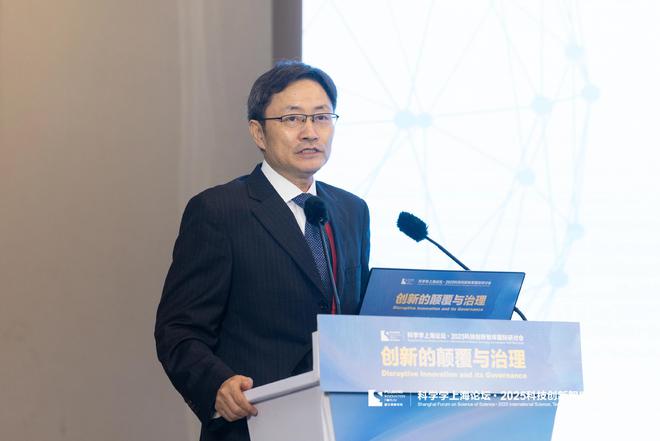
颠覆性创新

Search documents
为什么MIT和哈佛旁边的实验室大量空置?为什么波士顿地区的风投在持续下降?我们有一个“疯子”理论……
创业邦· 2025-08-28 10:13
Core Viewpoint - The article discusses the challenges faced by innovation hubs like Boston and compares them to similar issues in Chinese cities, emphasizing the need for a conducive environment to retain talent and foster innovation [11][12][30]. Group 1: Current State of Innovation Hubs - Boston has seen a doubling of laboratory space to 48.4 million square feet over the past five years, yet it faces a record vacancy rate exceeding 30% [8]. - Venture capital investment in Boston is declining, with California attracting more venture capital than the entire Northeastern U.S. combined [11]. - The region, despite its academic prestige, is becoming a "talent supply area" rather than an "innovation habitat," as many graduates leave to realize their potential elsewhere [12]. Group 2: The Need for Different Types of Innovators - The article highlights a paradox where Massachusetts produces many "smart people," but lacks the "crazy" innovators necessary for disruptive innovation [16][18]. - "Crazy" innovators are characterized by their willingness to take risks and challenge norms, which is essential for groundbreaking advancements [18]. - The success of companies like Facebook and Dropbox illustrates the trend of talent originating from prestigious institutions but ultimately establishing themselves in more conducive environments like Silicon Valley [13][19]. Group 3: Barriers to Retaining Innovators - Three main barriers are identified: rigid mechanisms that stifle entrepreneurial initiatives, a conservative culture that lacks tolerance for failure, and a capital environment that favors short-term returns over long-term innovation [21][25][27]. - The article argues that the lack of quick success stories in a region can lead to a vicious cycle where investors withdraw, further stagnating the ecosystem [27]. Group 4: Strategies for Improvement - To retain and cultivate "crazy" innovators, cities need to enhance interaction opportunities among diverse talent, create tangible outcomes from ideas, and balance funding strategies to support both long-term and short-term projects [31][33][36]. - The article emphasizes the importance of creating a supportive ecosystem where entrepreneurs feel understood and appreciated, transforming the city from a place of education to one of actionable innovation [36][38].


高端热水器哪家强?TOP10型号卡萨帝占6款
Huan Qiu Lao Hu Cai Jing· 2025-08-18 06:03
Core Insights - The article emphasizes that Casarte is a leader in the water heater market, driving innovation and setting industry standards rather than merely following trends [1][9] - The high-end water heater market is experiencing significant growth, with Casarte achieving a retail market share of 18% in the first half of 2025, leading the industry [1][9] - Casarte's innovative products, such as the "Crystal Tank" water heater, address consumer health concerns by eliminating metal impurities and enhancing user experience [3][4] Market Performance - In the first half of 2025, the offline sales growth rates for electric and gas water heaters were 17.9% and 18.7% respectively, with average prices increasing [1] - Casarte's electric water heater segment achieved a remarkable year-on-year growth of 71%, while gas water heaters saw a growth of 28.1% [1][9] - The top 10 models in the industry saw Casarte occupy 6 positions, indicating strong brand performance [4] Technological Innovation - Casarte's "Crystal Tank" technology eliminates corrosion and sediment issues associated with traditional water heaters, promoting a healthier bathing experience [3][4] - The FOF triple anti-scaling technology and a four-layer purification system achieve over 99.9% descaling and 99.99% antibacterial rates [4] - The "Level 1 Energy Efficiency" water heater utilizes aerospace-grade centrifugal atomization technology to effectively manage condensate water, enhancing safety and efficiency [6][7] Industry Trends - The water heater market is shifting focus from technical specifications to health performance and user comfort, with a trend towards larger capacity and premium products [9][11] - Market concentration is increasing, with the top three brands, including Casarte, holding over 65% of the market share [9] - Brands are investing in core technology and multi-dimensional innovation to enhance adaptability and resilience in a competitive landscape [11]


This Cathie Wood Stock Has More Than Doubled This Year, and It's Not Too Late to Buy
The Motley Fool· 2025-08-15 09:45
Core Viewpoint - Robinhood Markets has experienced a significant turnaround, with its stock price increasing nearly 500% over the past year, indicating strong potential for long-term investors [2][4]. Company Performance - Robinhood's revenue for the second quarter rose by 45% year over year to $989 million, with net income more than doubling to $386 million [4]. - Key metrics such as total platform assets, net deposits, and subscribers to the Gold premium option have shown positive trends [4]. Market Position and Strategy - The company has established itself as a serious financial services provider, moving beyond its initial challenges related to the meme stock phenomenon and regulatory scrutiny [3][4]. - Robinhood is recognized for its commission-free trading model, appealing to younger generations and making stock and cryptocurrency investing more mainstream [8][9]. Growth Potential - Despite a high forward price-to-earnings ratio compared to the average for financial stocks, Robinhood's long-term prospects remain attractive due to its popularity among younger users and ongoing product expansion [5][7]. - The company is diversifying its offerings, including retirement accounts, lending products, and international expansion into markets like the U.K. [9][10]. Future Outlook - Increased user activity is expected as younger generations enter the workforce, which could lead to solid returns for investors willing to hold the stock long-term [10].


保持好奇 勇于探索(一周科技观察)
Ren Min Ri Bao· 2025-08-10 22:20
Group 1 - The rapid development of artificial intelligence (AI) has not yet reached the level of human curiosity and exploration [1] - A breakthrough in gravitational wave astronomy has been made by a research team from the Shanghai Astronomical Observatory, suggesting that double black holes may be hiding a larger "mysterious body" nearby [1] Group 2 - A collaborative research team from Yanshan University has theoretically predicted that fluorine and helium can react under extreme conditions, forming a stable compound He3F2 [2] - A study from the University of South Australia has clarified that dietary cholesterol from eggs does not pose a threat to heart health, with saturated fats being the actual concern [2] - Research from the Chinese Academy of Agricultural Sciences has revealed that potatoes evolved from the ancestors of tomatoes around 9 million years ago, showcasing the impact of hybridization on new species [2] - A multinational team of scientists has discovered that glasswing butterflies use scent to identify each other, highlighting the evolutionary adaptations in their social interactions [2]
任总老矣,华为危矣?在网络上,为啥总有人想教任正非如何去做企业
Sou Hu Cai Jing· 2025-08-07 01:55
Core Viewpoint - The article discusses the challenges faced by Huawei and critiques Ren Zhengfei's understanding of disruptive innovation, suggesting that Huawei is on a path to decline similar to that of past tech giants like Motorola and Nokia [3][4][12]. Group 1: Critique of Ren Zhengfei's Views - The author believes that Ren Zhengfei's understanding of disruptive innovation is superficial and fundamentally flawed, which could lead to Huawei's downfall [3][4]. - The article argues that Huawei's reliance on "incremental technology" in a disruptive innovation environment is unsustainable [4][12]. - Ren's emphasis on maintaining traditional business models and avoiding radical changes is seen as a potential hindrance to Huawei's adaptability in a rapidly evolving market [5][7]. Group 2: Historical Comparisons - The author compares Huawei's current situation to that of Motorola and Nokia, suggesting that if these giants could fail, Huawei is not immune to the same fate [4][8]. - The article highlights that Huawei's competitors, such as Nokia and Ericsson, have either fallen to second-tier status or disappeared entirely, raising concerns about Huawei's future [8][12]. Group 3: Innovation and Market Position - The article posits that Huawei has missed opportunities in the smartphone market due to its focus on core business areas, which has limited its ability to innovate in consumer electronics [11][12]. - It is suggested that Huawei's strategy of focusing solely on its main business may prevent it from capitalizing on emerging trends and technologies [12][13]. Group 4: Company Culture and Employee Management - The author criticizes Huawei's collective ownership and management style, arguing that it may not resonate with younger employees and could hinder innovation [15]. - However, a counterpoint is made that Huawei's culture of collective effort and employee ownership has been crucial for its resilience and success [16].

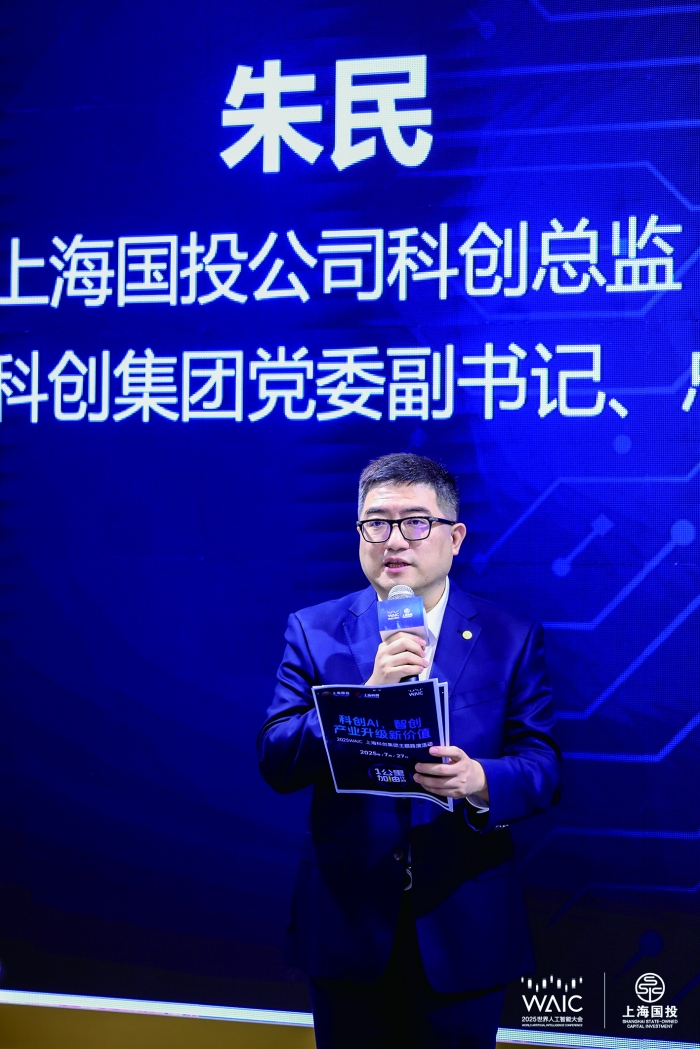
上海科创集团朱民:捕捉颠覆性创新机会 推动人工智能产业发展
Shang Hai Zheng Quan Bao· 2025-07-31 18:08
Core Insights - Shanghai Guotou Company, through its subsidiary Shanghai Sci-Tech Group, is focusing on both original innovation and identifying entrepreneurial teams based on industrial innovation needs, adopting a proactive investment strategy in the angel round [3] - The company emphasizes investment in the AI industry, particularly in foundational areas such as chip manufacturing and equipment research and development, with a total investment scale nearing 1 billion yuan across nearly 50 companies [4][6] Investment Strategy - The investment philosophy of Shanghai Sci-Tech Group is characterized by "early, small, long-term, and hard technology" investments, aiming to support significant enterprises in the AI sector [3] - The company is increasingly prioritizing team factors when selecting projects, indicating a willingness to support innovative teams even in the event of project failures [5] Role in Innovation Ecosystem - Shanghai Sci-Tech Group aims to be a pioneer in the innovation ecosystem by capturing signals of technological innovation, linking science and industry, and shaping the investment ecosystem [6] - The company plans to enhance its investment capabilities in three leading industries: integrated circuits, biomedicine, and artificial intelligence, focusing on original innovations and establishing a "source fund" to support high-potential technologies [7]
记者手记:在中国科协年会感受学术会议新风
Xin Hua She· 2025-07-31 15:38
Core Insights - The 27th China Association for Science and Technology Annual Conference emphasized a return to academic essence, fostering an environment for open discussions on hot topics and controversial issues [1][2] - The conference featured 98 specialized forums focusing on high-risk, high-reward non-consensus topics that could lead to significant technological breakthroughs [1][2] - A notable shift towards youth engagement was observed, with over half of the 7,000 attendees being under 40 years old, highlighting the increasing role of young researchers in academic discussions [2][4] Group 1 - The conference atmosphere encouraged participants to focus on academic discussions rather than formalities, with traditional elements like red carpets and free giveaways being eliminated [2] - The integration of forums with academic journals provided new opportunities for young scholars to present and refine their research, enhancing the quality of their work [4] - The event facilitated cross-disciplinary collaborations, particularly in discussions surrounding the intersection of psychology and artificial intelligence [1][2] Group 2 - Young researchers took on active roles, such as academic secretaries, allowing them to shape discussions and engage directly with established experts [3][4] - The conference's design aimed to maximize academic intensity by streamlining the agenda and focusing on substantive content [2] - The presence of a significant number of young attendees indicates a generational shift in the academic landscape, with increased participation from emerging scientists [2][4]
眼下,如何破局?
Hu Xiu· 2025-07-22 09:05
Group 1 - The core idea of strategy is to "occupy a place," emphasizing the importance of making choices about what to pursue and what to forgo [2][3][4] - Companies should focus on large markets or sectors, as larger markets provide more growth opportunities and can accommodate multiple large enterprises [2][3] - Not all companies need to target large markets; specialized small and medium enterprises can thrive in niche industries [3] Group 2 - Effective management hinges on understanding and motivating employees, which is fundamental to successful leadership [4][5] - Key responsibilities of a chairman include strategic decision-making, selecting the right people for execution, and communicating the company's culture and strategy [5][6][7] - The concept of "bureaucratic disease" can affect both large and small companies, leading to inefficiencies and low morale [10][11] Group 3 - Leadership qualities essential for effective management include direction, affinity, responsibility, and decisiveness, with cultural differences influencing these traits [12][13] - Companies should foster collaboration across departments to avoid the "silo effect," which can hinder efficiency and communication [15][16][17] Group 4 - The phenomenon of "involution" in various industries, characterized by excessive competition and price wars, can be addressed through consolidation, industry self-regulation, and innovation [26][27][28] - Companies should focus on differentiation and high-end product offerings to escape the cycle of price competition and enhance profitability [29][30] Group 5 - Understanding pricing strategies is crucial for business success, as effective pricing can significantly impact profitability [31][32][33] - Companies should not solely pursue low prices, as this can lead to unsustainable business practices and hinder innovation [34][35][36] Group 6 - The balance between continuous and disruptive innovation is vital for companies to remain competitive, requiring distinct teams for each type of innovation [39][40][41] - Emphasizing the process of work and contribution over mere results can lead to a more fulfilling and productive corporate culture [44][45][46]
支持科研人员勇闯“无人区”(创新谈)
Ren Min Ri Bao· 2025-07-20 21:52
Core Viewpoint - Establishing a non-consensus project screening mechanism is essential for advancing innovative breakthroughs in China's technological development, particularly in the context of basic research and original innovation [1][2][4]. Group 1: Non-Consensus Projects - Non-consensus projects are characterized by high innovation but lack consensus, making them difficult to identify and fund through traditional expert review processes [1][2]. - These projects are increasingly recognized as critical by major technological powers worldwide, prompting efforts to innovate institutional frameworks to support them [1][2]. Group 2: Importance of Basic Research - Basic research is the foundation of technological innovation, and there is a pressing need to explore uncharted territories in science where existing knowledge and standards do not apply [2][3]. - The lack of consensus on whether to pursue certain high-risk innovative fields highlights the need for a structured approach to support and evaluate these projects [2][3]. Group 3: Screening Mechanism Implementation - The implementation of a non-consensus project screening mechanism involves clear positioning, optimized selection methods, and robust management processes [3]. - The National Natural Science Foundation of China is establishing a committee of high-level scientists to ensure that the selection process is objective and fair, utilizing unconventional methods such as interactive discussions and committee deliberations [3]. Group 4: Encouraging Innovation - The initiative aims to support researchers in exploring significant research directions in areas of international technological competition, encouraging bold exploration rather than following trends [4]. - Beijing has begun to explore the expert recommendation mechanism for non-consensus projects, providing valuable experience for other regions to support innovative research [4].
科技部原副部长李萌:工程创新成为成就颠覆性创新更重要的形式
Di Yi Cai Jing Zi Xun· 2025-06-27 10:25
Core Insights - DeepSeek has achieved a breakthrough in developing large models with lower costs while maintaining equivalent performance, prompting industry discussions on the efficiency revolution in large models [1] - Engineering innovation is seen as a crucial driver for disruptive innovation, with DeepSeek exemplifying the potential of engineering advancements in enhancing large model development [1][3] - The future of artificial intelligence will increasingly depend on the synergy between software and hardware, particularly in fields like humanoid robotics and advanced autonomous driving [1] Group 1 - The historical context of engineering innovation is highlighted, questioning why significant innovations often arise in specific locations, such as the steam engine revolution occurring in Manchester rather than London [3] - The interplay between theoretical breakthroughs and engineering optimizations is expected to lead future disruptive innovations, with both "0 to 1" and "1 to 100" processes being significant [3] - The efficiency revolution in large models is driven by a combination of architecture, strategy, and optimal software-hardware collaboration, indicating a shift from single-dimensional to multi-faceted understanding of innovation [3][4] Group 2 - DeepSeek's approach to developing large models emphasizes low computing power and cost while achieving performance equivalence, marking a shift in industry competition logic where efficiency is paramount for disruptive innovation [4] - The pursuit of energy efficiency is becoming increasingly important, suggesting that without high performance and energy efficiency, disruptive innovation may not occur [4] - Open-source initiatives are identified as essential for supporting the ecosystem of disruptive innovation [4] Group 3 - While focusing on disruptive innovation, it is crucial to consider potential disruptive harms, as current large model technologies exhibit incomplete explainability [5] - The governance of advanced AI technologies is becoming more urgent, especially as the reasoning capabilities of large models increase, leading to concerns about their compliance with instructions [5]