
全国统一大市场

Search documents
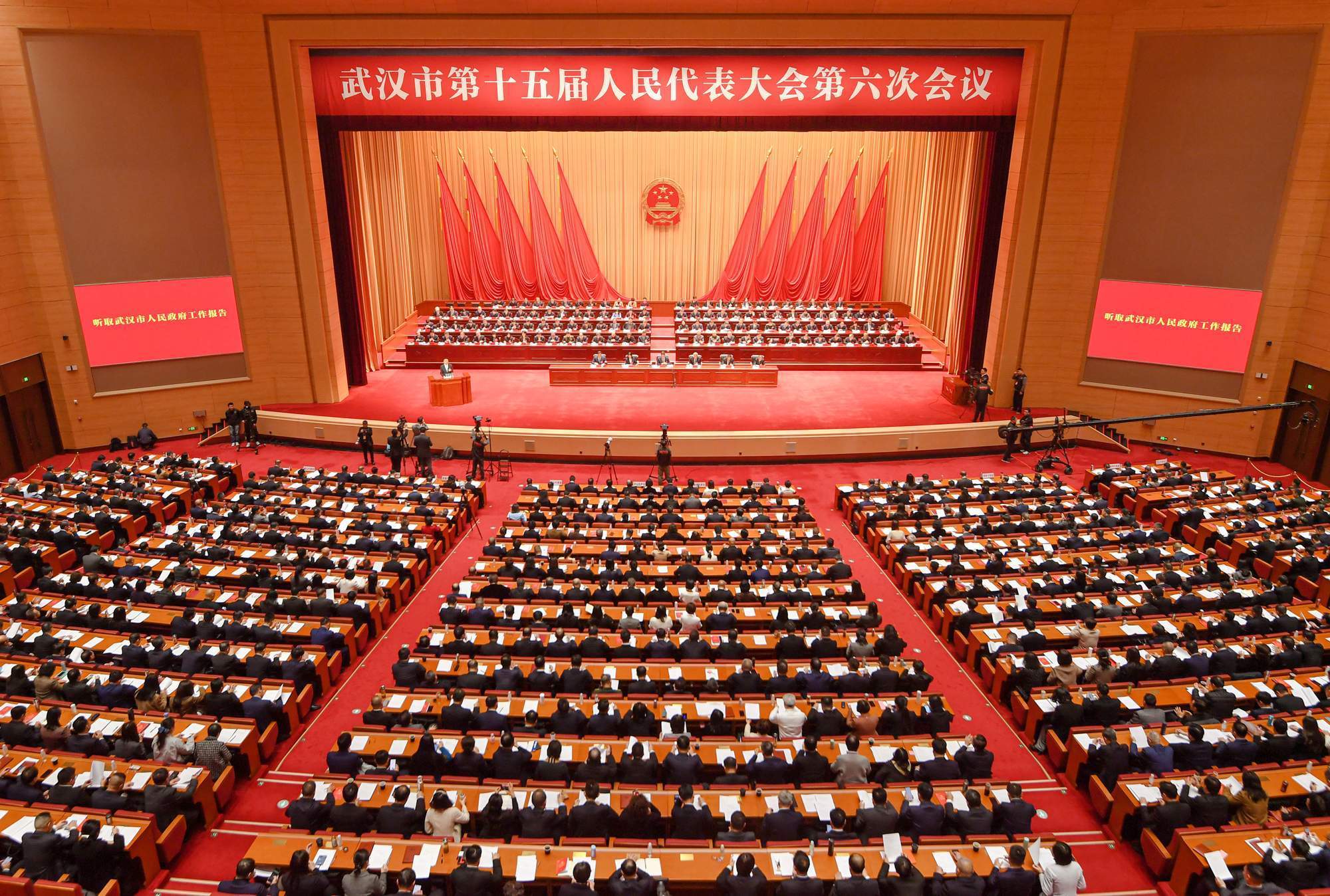
武汉市第十五届人民代表大会第六次会议开幕
Chang Jiang Ri Bao· 2026-01-06 13:38
Group 1 - The Wuhan Municipal People's Congress held its sixth session of the fifteenth term, focusing on government work reports and future development goals [1][6] - The government work report presented by Mayor Xiong Zhengyu outlined achievements from the past year and set ambitious targets for the "15th Five-Year Plan" [6][7] - Key areas of focus for the upcoming year include enhancing urban functions, expanding domestic demand, strengthening the real economy, and improving public services [8][9] Group 2 - The report emphasized the importance of high-quality development and innovation as central themes for Wuhan's future growth [7][8] - Specific strategies include promoting regional collaboration, enhancing infrastructure, and fostering a modern industrial system [8][9] - The session also reviewed the execution of the 2025 economic and social development plan and discussed the draft for the 2026 plan [9][10]

刘元春:2026年经济工作或将沿着两条主线展开
Xin Lang Cai Jing· 2026-01-06 10:47
具体来看,尽管面临国际经贸斗争,2025年1-11月份我国货物出口同比增长6.2%,出口表现韧性十足。 1-11月份社会消费品零售总额同比增长4%,服务零售额同比增长5.4%,消费仍在持续恢复,尤其是升 级类服务消费增长较快。1-11月份,固定资产投资同比下降2.6%,高技术产业投资维持较高增长。 2025年前三季度我国经济同比增长5.2%,尽管四季度经济面临下行压力,但是全年有望实现5%左右的 增长目标。 中央经济工作会议指出,2026年要更好统筹国内经济工作和国际经贸斗争,实施更加积极有为的宏观政 策,持续扩大内需、优化供给,因地制宜发展新质生产力,纵深推进全国统一大市场建设,持续防范化 解重点领域风险,着力稳就业、稳企业、稳市场、稳预期,推动经济实现质的有效提升和量的合理增 长。 如何看待2025年经济表现与2026年宏观形势?2026年应追求怎样的经济增速?怎样更好地提振消费?如 何继续实施更加积极有为的宏观政策?要重点推进哪些结构性改革?聚焦这些问题,中国金融四十人论 坛(CF40)成员、上海财经大学校长刘元春接受21世纪经济报道记者专访。 刘元春表示,2026年经济工作或将沿着两条主线展开:一是短 ...
锚定“十五五”开局 山西以转型之笔绘就高质量发展新图景
Zhong Guo Fa Zhan Wang· 2026-01-06 09:07
Core Viewpoint - The Shanxi Provincial Economic Work Conference emphasizes the importance of high-quality development and comprehensive transformation as the province enters the "15th Five-Year Plan" period, focusing on energy revolution and regional development [1][2]. Group 1: Economic Development Goals - The overall requirement for economic work in 2026 is to adhere to Xi Jinping's thoughts, implement the spirit of the 20th National Congress, and focus on the strategic positioning of Shanxi [2]. - The conference highlights the need to balance qualitative improvements with quantitative growth, emphasizing transformation effectiveness and the development of new productive forces [2][3]. Group 2: Policy Implementation - Shanxi will implement proactive macro policies, enhance policy foresight, and promote coordinated development and safety [3]. - The province aims to expand domestic demand, optimize supply, and promote orderly transformation while ensuring employment and market stability [3]. Group 3: Key Tasks for Transformation - The conference outlines ten key tasks across various sectors, including domestic demand, energy, industry, technology, and reform [4]. - Shanxi will focus on expanding domestic demand through consumer stimulation and major project construction, while also ensuring energy security through a deepened energy revolution [4][5]. Group 4: Industry and Innovation - The province will promote traditional industry upgrades and cultivate emerging industries, implementing actions for manufacturing revitalization [5][6]. - Shanxi aims to strengthen the integration of technological and industrial innovation, enhancing the role of enterprises in innovation and promoting the transformation of scientific achievements [6]. Group 5: Reform and Opening Up - Economic reform is identified as a key strategy for transformation, with a focus on optimizing the business environment and enhancing the vitality of market entities [7]. - Shanxi will expand its level of openness, promoting integrated development of trade and investment, and enhancing cooperation with other regions [7]. Group 6: Social Welfare and Environmental Protection - The ultimate goal of high-quality development is to improve the well-being of the people, with a focus on increasing income and providing social services [8]. - Shanxi is committed to green development, promoting pollution prevention and ecological restoration, while ensuring safety in various sectors [8].
五方面28项措施促经济稳增长提质效 山东公布2026年首份“政策包”
Zhong Guo Fa Zhan Wang· 2026-01-06 08:26
Group 1 - The Shandong Provincial Government has released a policy list for 2026 aimed at promoting economic stability and quality improvement, consisting of 28 practical measures across five key areas [1] - The policy focuses on consolidating the positive trend in the service industry, with a budget of 150 million yuan allocated for modern service projects, including 90 million yuan for high-end productive service enterprises and 60 million yuan for key service sectors [1] - The marine service industry will receive 100 million yuan in special funding, while cultural and tourism consumption will see the launch of numerous activities and financial incentives to stimulate consumer spending [1] Group 2 - The policy emphasizes the transformation of traditional industries through targeted measures, including financial support for green and digital upgrades, with specific incentives for the commercial aerospace sector [2] - Investment projects are highlighted as a cornerstone for economic growth, with 50 million yuan allocated for fixed asset investment assessment rewards, and a focus on facilitating the rapid implementation of key projects [2] - Efforts to integrate into the national market and expand international markets include subsidies for patent rights protection and support for newly approved public service platforms [2] Group 3 - The "Ten Thousand Enterprises Going Global" initiative will organize over 500 overseas exhibition activities in 2026, aiming to involve 10,000 enterprises and promote the integration of cross-border e-commerce with industrial clusters [3] - Shandong plans to enhance the implementation of policies through a dual-level platform to ensure quick access to benefits, with expectations for significant policy effects in the first quarter of 2026 [3] - The overall strategy aims to strengthen Shandong's role as a major economic province, providing solid support for economic stability and growth in the upcoming year [3]
BDO行业“三箭齐发”破解结构性矛盾
Zhong Guo Hua Gong Bao· 2026-01-06 03:11
Core Viewpoint - The BDO industry is focusing on addressing structural contradictions through technological innovation, downstream applications, and a unified national market to enhance profitability and prevent disorderly competition [1][2] Group 1: Industry Challenges and Strategies - The BDO industry aims to tackle potential market risks by creating a fair, innovative, and mutually beneficial ecosystem while preventing "involution" and disorderly competition [1] - A consensus was reached on the need for "production limits to stabilize prices" and the establishment of a "capacity warning mechanism" to reverse the trend of companies operating at a loss to dilute fixed costs [1] - The industry is encouraged to shift towards high-end and differentiated transformation, optimizing the development structure and phasing out outdated capacities to promote healthy growth [1] Group 2: Future Development Logic - The development logic for the BDO industry during the "14th Five-Year Plan" period will focus on transforming existing facilities into high-end material inputs rather than merely building more production units [2] - There is an emphasis on promoting the application of biodegradable plastics and leveraging the technological value of functional plastics, as well as advancing BDO's development in high-performance fibers, new energy batteries, and biomedical materials [2]
发改委:坚决破除地方保护和市场分割,综合整治“内卷式”竞争
Xin Lang Cai Jing· 2026-01-05 23:52
国家发展改革委党组书记、主任郑栅洁在人民日报发文表示,建设强大国内市场。深入实施提振消费专 项行动,扩大优质消费品和服务供给,优化"两新"政策实施,以放宽准入、业态融合为重点扩大服务消 费,推动商品消费扩容升级。优化政府投资结构,提高民生类政府投资比重,高质量推进"两重"建设, 不断提高投资综合效益,完善民营企业参与重大项目长效机制。坚决破除阻碍全国统一大市场建设卡点 堵点,统一市场基础制度规则,规范地方政府经济促进行为,坚决破除地方保护和市场分割,综合整 治"内卷式"竞争,充分释放我国超大规模市场红利。 ...
扩大内需关系战略全局
Sou Hu Cai Jing· 2026-01-05 23:15
Group 1 - The core viewpoint emphasizes that expanding domestic demand is a strategic move for economic stability and security, not just a temporary measure, especially given the rising complexity and uncertainty in the external environment [2] - The World Trade Organization (WTO) predicts that global merchandise trade volume growth will slow to 0.5% by 2026, significantly below historical averages, which complicates the stable operation of China's economy [2] - Both the central government and Jiangsu Provincial Economic Work Conference prioritize expanding domestic demand as the main focus for this year's economic work [2] Group 2 - From the consumption perspective, actions to boost consumption should focus on high-quality supply of goods and services while also enhancing residents' consumption capacity [3] - Consumption has consistently contributed over 50% to Jiangsu's economic growth, with total consumption remaining at a leading position nationwide [3] - To fundamentally expand consumption, a long-term plan for increasing urban and rural residents' income should be implemented, alongside improvements in fertility, healthcare, and education support to gradually enhance consumer expectations [2][3] Group 3 - From the investment perspective, domestic demand includes livelihood investment, manufacturing investment, and real estate investment, with a focus on utilizing central policies like special bonds and major projects to drive investment in weak areas of livelihood security [3] - Emphasis on urban renewal is crucial to compensate for the shortfall in real estate investment, especially as urbanization rates are already high [3] - Encouraging private investment towards new productive forces and high-quality services is essential for effectively expanding domestic demand [3] Group 4 - There is a consensus that reform is necessary to drive domestic demand expansion, with local governments needing to shift resources from attracting investment to incentivizing resident consumption and from infrastructure investment to welfare investment [3] - Building a unified national market is seen as a key institutional approach to address these challenges, facilitating smooth flow of goods and services nationwide [3] - By implementing unified market rules and standardized infrastructure, transaction costs can be reduced, and the potential for domestic consumption can be fully released [3]
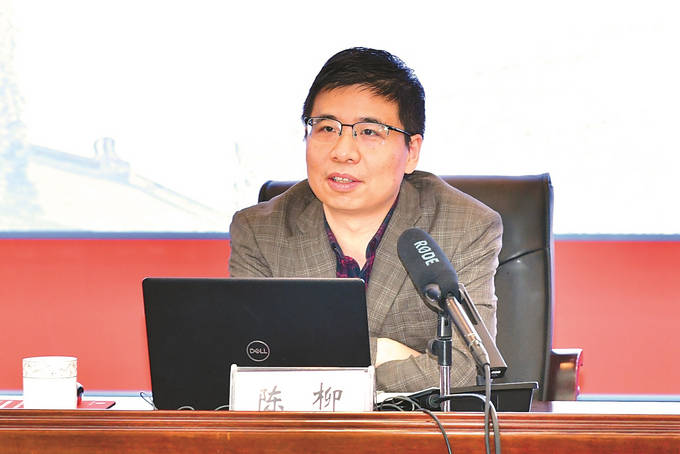
打通全国统一大市场“毛细血管”
Jing Ji Ri Bao· 2026-01-05 22:06
全国统一大市场建设条例是全国统一大市场的制度底座。支撑规则统一的是贯穿市场运行全环节的制度 规范,只有不断完善市场制度,才能确保各类市场活动从准入、交易到监管、退出全流程均有章可循、 有规可依。公平竞争审查规则、市场准入与退出规范、市场监管执法标准、要素配置制度等,均要形成 与市场经济规律相契合、覆盖全国各区域各行业的统一配套。这将成为覆盖全面、标准一致、执行刚性 的市场基础制度规则体系的重要组成部分。 破除要素流动障碍,就是要构建与各类要素属性精准适配的统一要素市场体系。技术、人力资源、数据 与资本等要素,是支撑全国统一大市场运转的"血液",其流动效率直接决定市场活力。这就要求制度设 计既需打破区域分割与垄断壁垒,还需针对不同要素特性搭建适配的流通框架,让要素能遵从市场规律 顺畅循环。 2025年以来,随着全国统一大市场建设持续深入,不少问题得到解决,目前仍然存在的卡点难点大多是 难啃的"硬骨头",涉及政府与市场关系、地方经济发展方式转型等。中央经济工作会议明确提出,制定 全国统一大市场建设条例,深入整治"内卷式"竞争。打通全国统一大市场的"毛细血管",还需系统破除 制度堵点与市场断点,更有效地畅通制约要素 ...
变局世界与潜能中国系列研究之一:如何充分挖掘经济潜能?
工银国际· 2026-01-05 08:23
Demand Potential - In the first three quarters of 2025, the per capita disposable income in China was 32,509 yuan, with a nominal growth rate of 5.1%[2] - Per capita consumption expenditure during the same period was 21,575 yuan, growing at 4.6%[2] - Household deposits increased by 12.7 trillion yuan, indicating enhanced financial resilience and a shift towards consumption[2] Supply Potential - The tertiary sector contributed 60.7% to economic growth in Q3 2025, marking a shift towards service-driven growth[5] - The focus on improving service efficiency is expected to yield productivity gains greater than traditional investment expansions[5] - The government aims to enhance service quality and integrate "Artificial Intelligence+" into various sectors to boost overall productivity[5] Innovation Potential - In 2024, China's R&D expenditure reached 3.613 trillion yuan, with an R&D intensity of 2.68%, reflecting a solid foundation for innovation[8] - The emphasis is on transforming localized innovations into widespread productivity improvements across industries[10] Institutional Potential - The establishment of a unified national market aims to improve resource allocation efficiency and enhance return rates for businesses[11] - Reforms targeting competition and cash flow stability are expected to create a more predictable investment environment[11] Economic Growth Framework - China's long-term growth center is projected to remain above global averages, with a significant advantage over major economies like the US and Eurozone[12] - The potential for economic growth is supported by addressing demand, efficiency, and external gaps, with a focus on converting savings into consumption[15]
五大关键词看好中国经济新一年
Jin Rong Shi Bao· 2026-01-05 02:33
Core Viewpoint - In 2025, China's economy demonstrated remarkable resilience and vitality, achieving a GDP growth of 5.2% year-on-year in the first three quarters, surpassing initial forecasts by institutions like the IMF and ranking among the top global economies. The year marked a significant "system upgrade" in growth momentum, characterized by accelerated development of new productive forces and a series of targeted macro policies aimed at enhancing future competitiveness and laying the groundwork for the 15th Five-Year Plan [2][4]. Group 1: Economic Growth and Structure - China's GDP growth of 5.2% in 2025's first three quarters reflects strong economic performance, driven by industrial upgrades and the expansion of emerging industries [2]. - The government implemented targeted macro policies focusing on digital economy and AI, supporting urban renewal and enhancing consumption through equipment upgrades and trade-in programs [2]. - The 15th Five-Year Plan emphasizes high-quality development with quantifiable goals such as maintaining economic growth within a reasonable range and improving residents' consumption rates [2]. Group 2: Domestic Demand and Investment - The 2025 Central Economic Work Conference prioritized "domestic demand as the main driver" for economic work in 2026, aiming for qualitative improvements and reasonable growth through multi-dimensional efforts in consumption, investment, and industry [3]. - Investment structure is set to optimize, focusing on new infrastructure, public services, and industrial upgrades, with significant government support in education, healthcare, and technology sectors [5]. Group 3: Innovation and Technology - The emphasis on "innovation-driven" development is crucial for addressing global economic uncertainties, with a systematic enhancement of China's innovation capabilities expected by 2026 [6][7]. - In 2024, R&D expenditure reached 36,326.8 billion yuan, an increase of 8.9% from the previous year, indicating a shift from following to leading in technological innovation [6]. Group 4: Reform and Market Integration - The construction of a unified national market is a key reform focus for 2026, aiming to eliminate market barriers and ensure fair competition through standardized regulations [8][9]. - Data shows that inter-provincial trade sales accounted for 41.1% of national sales revenue from January to November 2025, reflecting deepening trade connections and progress in market integration [8]. Group 5: Institutional Opening and Foreign Investment - The 2025 Central Economic Work Conference called for steady progress in institutional opening, with a focus on expanding service sector access and optimizing free trade zone layouts [11][12]. - From January to October 2025, 53,782 new foreign-invested enterprises were established, a 14.7% increase year-on-year, supported by various measures to attract foreign investment [11]. Group 6: Green Transformation - The commitment to a "dual carbon" strategy aims to drive comprehensive green transformation, with significant investments projected in climate adaptation and zero-carbon industries over the next decade [13][15]. - By August 2025, China's installed capacity for wind and solar power exceeded 1.69 billion kilowatts, tripling since 2020, highlighting the shift towards renewable energy [15][16]. - The establishment of a green financial support system aims to unify standards and enhance funding for green projects, with a notable increase in market confidence reflected in the green industry prosperity index [17].