关税战

Search documents
G7中唯一!加拿大为何还未与特朗普政府谈妥关税协议?
Di Yi Cai Jing· 2025-08-25 14:37
Group 1 - Canada will eliminate the 25% retaliatory tariffs on U.S. goods that comply with the USMCA starting September 1, as a response to the U.S. reducing tariffs on Canadian products [1] - The Canadian government has imposed retaliatory tariffs on U.S. goods three times since the trade war began, including tariffs on $60 billion CAD worth of U.S. products [1] - The Canadian small business sector is significantly affected, with 58% reporting impacts from retaliatory tariffs and 67% stating they have absorbed the full cost of U.S. import tariffs [2][3] Group 2 - The Canadian government is focusing on industries facing high tariffs, such as steel, aluminum, automotive, and lumber, while preparing for a formal review of the USMCA by the U.S. government [1] - The Canadian International Trade Commission reported that 34% of Canadian exports to the U.S. met USMCA criteria in January, rising to nearly 57% by June [2] - The Canadian steel and aluminum tariffs will remain in effect, with Canada being the largest supplier of these materials to the U.S. [4] Group 3 - The Canadian small business community faces challenges in obtaining USMCA product certification, with many businesses reluctant to pursue it due to high costs and workload [3] - The Canadian legal expert warns that maintaining retaliatory tariffs could jeopardize Canada's exemptions under the USMCA, especially as other allies have reached agreements with the U.S. [5] - The cancellation of retaliatory tariffs represents a shift for Canada, which previously took a strong stance against U.S. tariffs during the election [5]
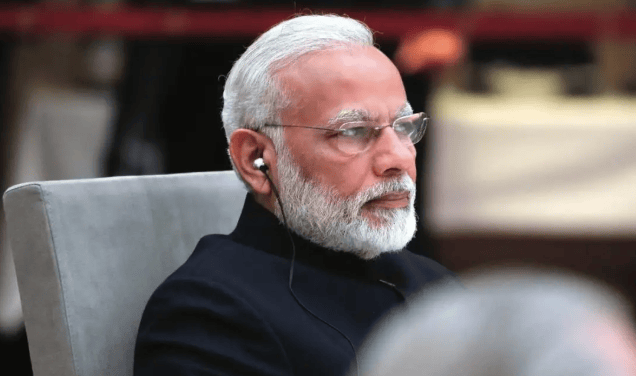
给印加税却不给中国加?美国财长说出真相,印度人彻底破防了,莫迪终于意识到中印差距
Sou Hu Cai Jing· 2025-08-25 13:23
Group 1 - The U.S. Treasury Secretary criticized India for profiting from "Indian-style arbitrage" by buying Russian oil at low prices, refining it, and reselling it during the conflict, which he deemed unacceptable [1] - The U.S. imposed an additional 25% tariff on Indian goods, raising the total tariff rate to 50%, citing the need to address imports of Russian oil [1][3] - India responded with strong statements, highlighting the hypocrisy of the U.S. as it continues to purchase billions of dollars in fertilizers and uranium from Russia [3] Group 2 - The trade tensions have led to significant potential declines in Indian exports to the U.S., with estimates suggesting a 60% drop if the 50% tariff persists, impacting nearly 1% of India's GDP [5] - Modi's government attempted to ease tensions by removing cotton import tariffs, but this gesture did not lead to any concessions from the U.S. [5][7] - The situation has exposed India's strategic vulnerabilities, as it finds itself caught between major powers, with its "multi-alignment" strategy being criticized as ineffective [5][7] Group 3 - The U.S. has shown a willingness to engage with China differently, maintaining lower tariffs, which reflects the strategic importance of the Chinese market [3][5] - The trade conflict serves as a wake-up call for India, emphasizing the need for a stronger position in international negotiations rather than relying on opportunistic strategies [7]

加拿大取消部分对美报复性关税
Bei Jing Shang Bao· 2025-08-24 16:29
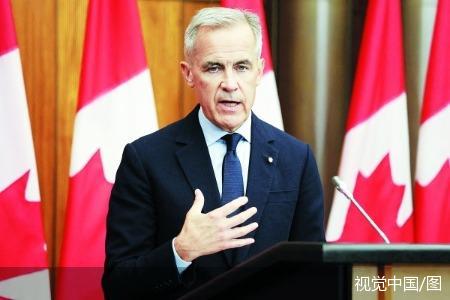
Group 1 - Canada has decided to cancel several retaliatory tariffs on U.S. goods, while maintaining tariffs on U.S. automobiles, steel, and aluminum temporarily [1][2] - The Canadian government is working closely with the U.S. to resolve trade issues, focusing on strategic areas and future renegotiations of the USMCA [2] - Canadian Prime Minister Mark Carney emphasized that Canada currently has the best trade agreement with the U.S., which is better than any other country [2] Group 2 - U.S. President Trump expressed approval of Canada's decision to cancel retaliatory tariffs, indicating a desire to maintain a good relationship with Canada [2] - The Canadian government has imposed retaliatory tariffs on U.S. goods three times since the trade war began, including tariffs on $60 billion CAD worth of U.S. goods and additional tariffs on U.S. automobiles [3]
拖住中国,吃掉欧盟!关税大戏背后,特朗普正在悄悄包围整个欧洲
Sou Hu Cai Jing· 2025-08-24 14:47
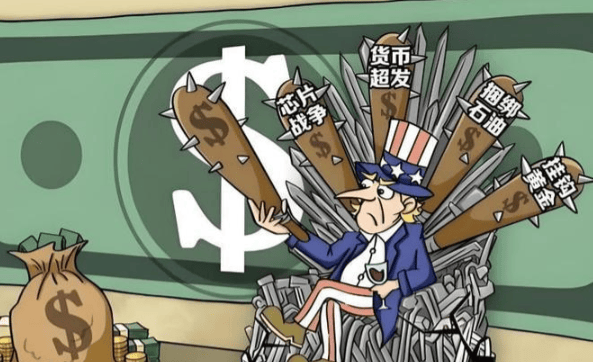
Group 1 - The core argument is that Trump's tariff strategy is aimed at restructuring the global economic landscape, weakening the EU's industrial base while slowing China's rise [1][8] - The first step involves imposing tariffs on the EU, which has just recovered from an energy crisis, thereby crippling its manufacturing sector and making it economically dependent on the US [3] - The second step targets China, not through direct confrontation but by creating uncertainty via tariffs and sanctions, aiming to hinder China's development [4] Group 2 - China's response to US tariffs is to accelerate its internal circulation and self-sufficiency, indicating resilience against external pressures [6] - The overarching strategy of Trump is to reshape the "American world order" by binding the global economy to the US through energy, finance, and regulatory frameworks [6] - The current global landscape is resistant to such tactics, with both the EU and China recognizing and countering Trump's strategies, suggesting a shift away from traditional power dynamics [8]
美国发动关税战,中美贸易会谈,有联合声明,民进党玻璃心碎一地
Sou Hu Cai Jing· 2025-08-24 10:09
Core Viewpoint - The recent trade conflict initiated by the U.S. against global partners, particularly Taiwan, has led to significant concessions from the U.S. after China's countermeasures, demonstrating China's resilience and ability to influence global trade dynamics [1][3][8]. Group 1: U.S.-Taiwan Relations - Following the U.S. announcement of a 34% tariff on Taiwan, the Taiwanese government quickly sought to negotiate a "zero tariff" deal in exchange for increased purchases and investments from the U.S. [1] - Taiwan's government has portrayed itself as a key trade partner in negotiations with the U.S., but recent developments have shattered this confidence [1][3]. Group 2: U.S.-China Trade Dynamics - The joint statement from China and the U.S. indicates a return to a 10% tariff status, suggesting that the U.S. did not achieve its objectives in the trade war [3][5]. - China's countermeasures included imposing a 125% tariff on U.S. products, effectively barring them from the Chinese market, which forced the U.S. to retract its additional tariffs announced on April 2 [3][5]. Group 3: Global Trade Implications - China's successful pushback against U.S. tariffs is seen as a model for other trade partners, potentially encouraging them to adopt a firmer stance against U.S. trade policies [5]. - The U.S. stock market has shown noticeable changes following the trade talks, reflecting a shift in investor confidence due to the negotiations between the U.S. and China [5]. Group 4: Internal U.S. Consequences - The trade war has led to rising prices in the U.S., negatively impacting Republican support ahead of the 2026 midterm elections, prompting a shift in U.S. policy [8]. - Taiwan's attempts to appease the U.S. through concessions have backfired, as the U.S. has not provided the expected support, instead exploiting Taiwan's reliance on American backing [8].
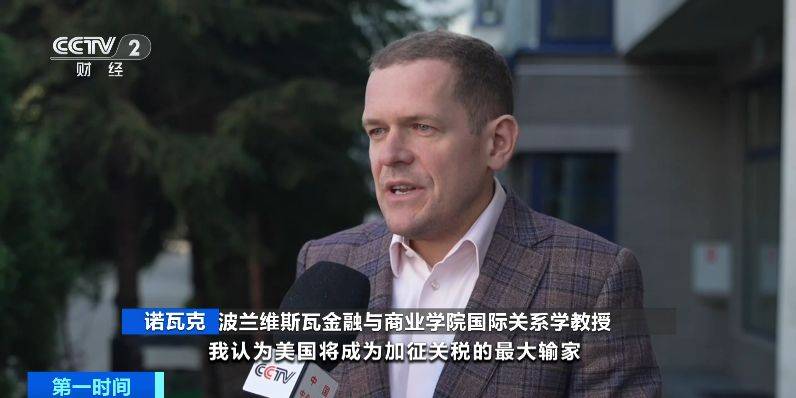
波兰专家:美国将成为关税战的最大输家
Sou Hu Cai Jing· 2025-08-24 08:12
Group 1 - The core viewpoint is that the U.S. tariff policy is negatively impacting the global trade system, and the U.S. will ultimately be the biggest loser from the tariff increases [1][3]. - The current trade system will lead countries to adjust the global trade landscape, placing the U.S. in a disadvantageous position as other nations will not maintain a high-tariff trade system with the U.S. [3]. - Historical evidence from Trump's first term indicates that tariff increases do not lead to job growth in the U.S., and American consumers will ultimately bear the cost of these tariffs [5]. Group 2 - There is a hope for cooperation between China and Europe to defend the multilateral trade system [5][7]. - The World Trade Organization (WTO) is acknowledged to have shortcomings and operational challenges, but it remains the best existing framework for global trade that must be collectively maintained [7].
中美会谈结束后,不到24小时,特朗普就收到噩耗,美联储拒绝降息
Sou Hu Cai Jing· 2025-08-24 06:31
Group 1 - The US-China talks have ended without substantial progress, with a 90-day extension of the "tariff truce" being the only outcome [1] - US Treasury Secretary mentioned the issue of "China importing Russian oil" and hinted at the possibility of raising tariffs to three digits, indicating ongoing pressure on China [1] - China's response was clear, stating "China's countermeasures will proceed as scheduled," signaling strong retaliation if tariffs are increased [1] Group 2 - The US economy is facing significant challenges, including a rising GPI of 2.7% in June, which could worsen with higher tariffs, leading to increased inflation and import costs [1] - The US fiscal deficit is out of control, with a debt of $36 trillion, leading to a global consensus that "the US is close to bankruptcy" [5] - Trump's inability to effectively negotiate on tariffs with China is evident, as US business leaders expressed their commitment to the Chinese market, indicating a reluctance to "decouple" [6]
特朗普的“大棒”,就快砸上印度天灵盖,莫迪才想起偷学中国一招
Sou Hu Cai Jing· 2025-08-24 05:49
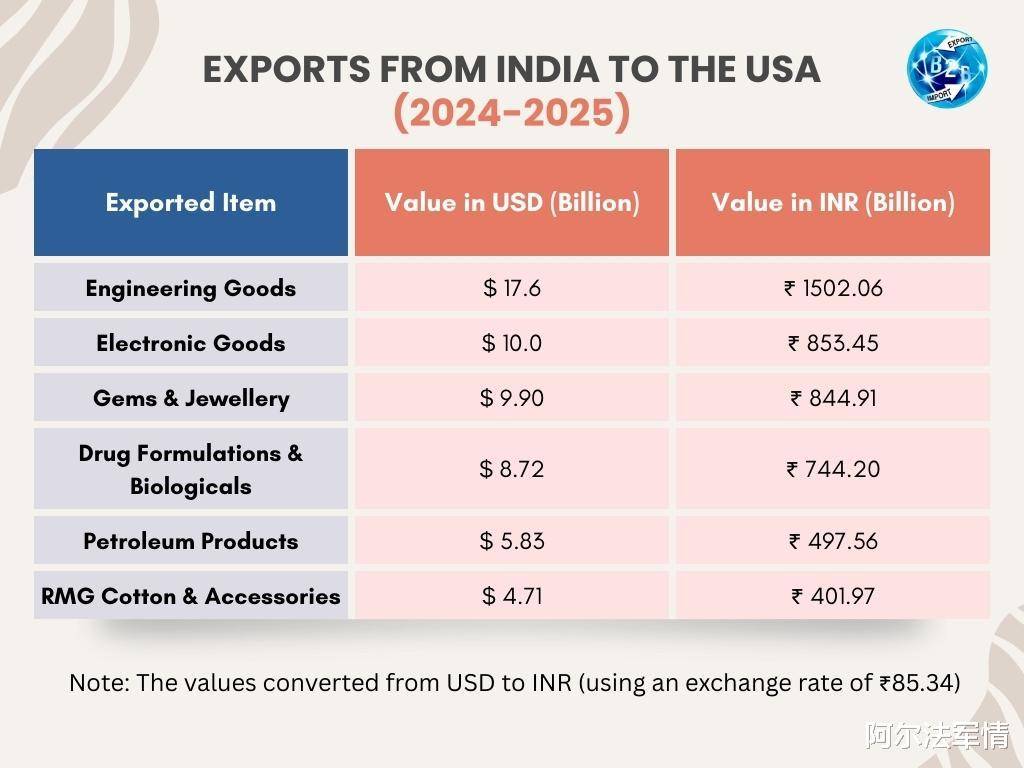
Core Viewpoint - India's economic and political situation has drastically changed due to Trump's recent threats of imposing secondary tariffs on Russian oil, directly targeting India while bypassing China, leading to confusion and concern within India [1][5]. Group 1: Economic Impact - Trump's decision to impose a 25% tariff on Indian goods, raising the total tariffs to 50%, is based on India's high tariffs on U.S. goods and its cooperation with Russia [2][5]. - The potential tariffs could affect approximately 55% of India's export value, equating to $87.3 billion, with a previous trade surplus of $45.8 billion with the U.S. [7][9]. - Labor-intensive sectors, particularly the gems and jewelry industry, which exports about 30% to the U.S., may face severe impacts from the high tariffs, potentially leading to a loss of $30 billion to $35 billion in overseas sales and a slowdown in GDP growth by nearly one percentage point [9][11]. Group 2: Political Response - The Indian government has not received directives to alter its oil import strategy, maintaining its current procurement levels despite U.S. pressure [7]. - Modi's government has adopted a strong stance against U.S. pressure, emphasizing the protection of farmers and laborers' interests, and promoting self-reliance through initiatives like "Make in India" [9][11]. - Modi's independent day speech highlighted a commitment to not compromise on policies that could harm public welfare, reflecting a defensive strategy in response to external pressures [9]. Group 3: Market Reactions - Foreign investor confidence has been shaken, with a capital outflow of $2 billion from Indian markets in July, continuing into August, alongside a decline in foreign direct investment (FDI) [9]. - The overall economic outlook for India has become increasingly complex due to these developments, raising questions about the country's ability to sustain growth amid impending tariff impacts [11].
加拿大“软”了,或要选择“跪”了!GDP前十名中,剩3国硬扛美国
Sou Hu Cai Jing· 2025-08-24 04:47
Group 1 - Canada has adopted a tough stance on the international stage, particularly in its trade conflict with the United States, which has escalated with a 35% tariff imposed by the U.S. since early August [1] - The European Union has chosen to lower tariffs on U.S. industrial goods to 15%, indicating a more conciliatory approach compared to Canada [1] - The global economic landscape shows that only China, India, and Brazil are maintaining a hardline stance against the U.S., while most other countries, including Canada, are opting for compromise under pressure [16][18] Group 2 - Canada’s Prime Minister Carney announced the removal of tariffs on all U.S. goods under the CUSMA agreement, signaling a shift towards compromise despite retaining tariffs on key industries like steel, aluminum, and automobiles [5] - India has faced significant pressure from the U.S., resulting in a 50% overall tariff, with the country unwilling to compromise due to domestic agricultural interests [11] - Brazil, as a key player in the BRICS nations, has chosen to deepen cooperation with China, particularly in agriculture, while facing a 50% tariff from the U.S. [13] Group 3 - The ongoing trade tensions highlight the challenges faced by countries in maintaining their positions against U.S. pressure, with only a few nations capable of withstanding such economic challenges [18] - The situation reflects a broader trend where countries with strong capabilities and resilience are more likely to succeed in navigating the complexities of international trade conflicts [16][18]
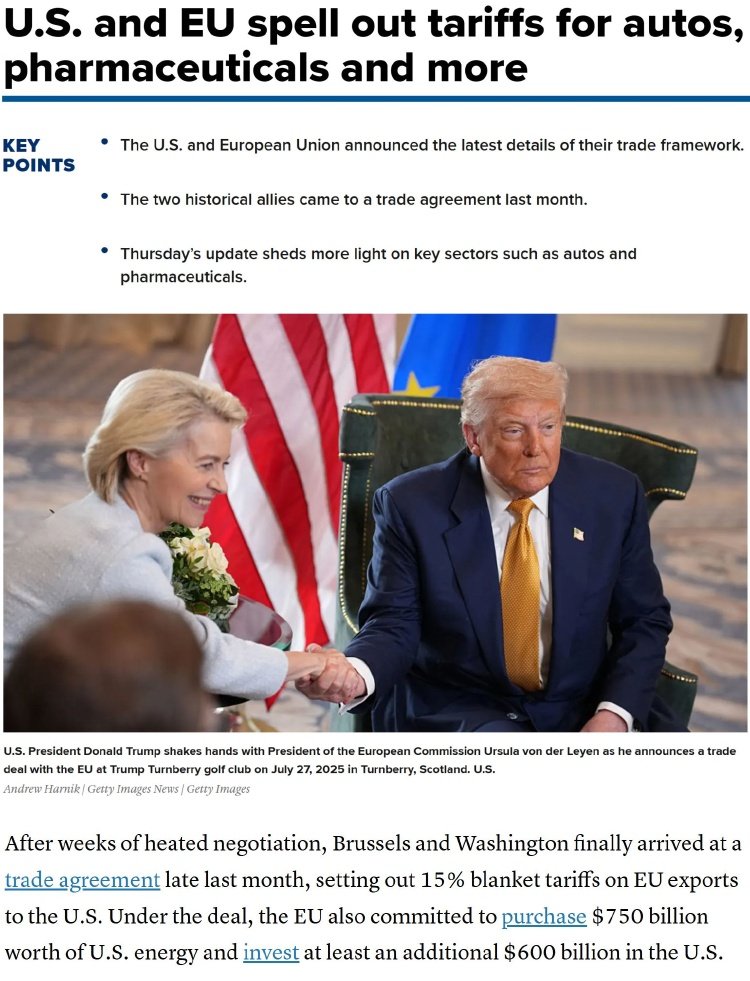
这是“协议”还是欧盟的“损失控制文件”?
Yang Shi Xin Wen· 2025-08-24 00:44
Core Points - The EU and the US announced a new trade agreement detailing tariffs and market access, with the US imposing a 15% tariff on most EU goods while exempting certain products [1] - The EU committed to eliminating tariffs on US industrial goods and providing preferential market access for US seafood and agricultural products [1] - The EU plans to purchase $750 billion worth of US liquefied natural gas, oil, and nuclear products by 2028, along with $40 billion in US AI chips [1][2] Group 1 - The US will impose a 15% tariff on most EU imports, while certain natural resources, aircraft, and generic drugs are exempt [1] - The EU will eliminate tariffs on US industrial products and provide preferential access for US seafood and agricultural goods [1] - The EU aims to significantly increase its procurement of US military and defense equipment [1] Group 2 - The agreement has raised concerns about fairness, with critics arguing it disproportionately favors the US [4][8][16] - There are unresolved issues regarding steel and aluminum tariffs, with no clear solution provided in the agreement [9] - The digital regulatory divide remains a significant point of contention, with no substantial progress made in this area [11] Group 3 - The agreement has been described as a "terrible, complete surrender" by some EU officials, highlighting the lack of reciprocity [8] - Concerns have been raised about the potential negative impact on European growth and employment due to the perceived imbalance in the agreement [16] - The agreement lacks legal binding, raising questions about its long-term viability and enforcement [20][23] Group 4 - The EU is expected to initiate legislation to ensure the US commits to reducing auto tariffs retroactively [23] - The agreement is seen as a "loss control document" for the EU, reflecting its dependency on the US [23][25] - Future negotiations are anticipated to address a fair and balanced trade agreement, although skepticism remains about the EU's leverage [25]