
单边主义

Search documents
商务部:推动投资便利化协定、电子商务协定尽早纳入世贸组织法律框架
Zheng Quan Shi Bao Wang· 2025-09-24 03:08
Core Viewpoint - The Chinese government emphasizes its unwavering commitment to its status as a developing member in the WTO, the protection of the legitimate rights of developing members, and the promotion of global trade and investment liberalization [1] Group 1: Commitment to WTO Principles - China firmly opposes unilateralism and protectionism, aiming to uphold the fundamental principles and rules of the WTO, such as non-discrimination [1] - The country is dedicated to maintaining the multilateral trading system and enhancing communication and cooperation with all parties to contribute to an open world economy [1] Group 2: Advancing WTO Rules - China advocates for the modernization of WTO rules, pushing for the early inclusion of investment facilitation agreements and e-commerce agreements into the WTO legal framework [1] Group 3: Focus on Development - The focus is on development dimensions, with efforts directed towards achieving pragmatic outcomes at the 14th WTO Ministerial Conference scheduled for March 2026 [1]
共同开辟和平、安全、繁荣、进步的光明前景
Ren Min Ri Bao· 2025-09-22 22:40
Core Points - The global governance initiative proposed by President Xi Jinping aims to build a more just and reasonable global governance system, emphasizing the importance of multilateralism and equal sovereignty among nations [1][4][6] - The initiative is a response to the changing international power dynamics and the increasing global challenges, advocating for the representation and voice of emerging markets and developing countries in global economic governance [2][4][14] - The concept of "consultation, construction, and sharing" is central to the initiative, promoting collaborative efforts among nations to address global issues and enhance mutual benefits [3][4][12] Summary by Sections Global Governance Initiative - The initiative is presented as a significant international public good from China, following previous initiatives on development, security, and civilization [1][2] - It focuses on reforming and improving the global governance system to align with the principles of the UN Charter and the needs of the current global landscape [1][2][4] Principles of the Initiative - Key principles include respect for sovereignty, adherence to international law, promotion of multilateralism, a people-centered approach, and action-oriented solutions [4][10] - The initiative has received positive responses from various countries, indicating its alignment with global expectations for improved governance [4][5] Historical Context and Future Directions - The initiative is rooted in historical lessons and aims to address the current challenges posed by unilateralism and protectionism [11][12] - China emphasizes its role as a major player in global governance, advocating for the provision of global public goods and the responsibility of large nations [12][14] Collaborative Efforts and Global Challenges - The initiative seeks to mobilize resources to tackle common challenges faced by humanity, such as climate change and digital governance [14][18] - China is actively engaging in international cooperation to fill governance gaps in emerging fields like artificial intelligence and cybersecurity [18][19]
鉴往知来,书写全球治理新篇章(大使随笔)
Ren Min Ri Bao· 2025-09-22 22:16
Group 1 - The 80th anniversary of the United Nations is being commemorated, emphasizing China's commitment to the UN's ideals and its role in maintaining international order and contributing to global peace and development [1] - The significance of the Chinese People's War of Resistance against Japanese Aggression is highlighted as a crucial part of the global anti-fascist struggle, showcasing China's sacrifices for humanity and world peace [1] - The establishment of the United Nations post-World War II is recognized as a pivotal decision by the international community, with China being a founding member and the first signatory of the UN Charter [1] Group 2 - The current international landscape is described as turbulent, necessitating a reflection on history and a commitment to multilateralism and cooperation [2] - China, in collaboration with the UN and other member states, has organized various commemorative activities to enhance global understanding of its contributions to World War II [2] - The importance of the UN as a platform for multilateralism and global governance is emphasized, with a call to strengthen its role amidst rising unilateralism and hegemony [2] Group 3 - A global governance initiative proposed by China aims to address the increasing governance deficit, promoting principles such as sovereign equality, adherence to international law, and a people-centered approach [3] - This initiative is seen as a significant contribution to global governance reform, aligning with the UN Charter's principles and reflecting China's commitment to multilateralism [3] - China expresses willingness to collaborate with other nations to implement various global initiatives, reinforcing the vision of building a community with a shared future for humanity [3]
中方正告美国,对华制裁必付出代价,首个拒绝特朗普的国家令人意外:根本做不到!
Sou Hu Cai Jing· 2025-09-22 04:42
Group 1 - The core viewpoint of the articles revolves around Trump's pressure on China and India to impose high tariffs due to their continued purchase of Russian oil, aiming to weaken Russia's economy and expedite peace negotiations in Ukraine [1][3][5] - Japan's finance minister publicly rejected the U.S. request, emphasizing that Japan would not raise tariffs based on another country's oil imports from Russia, showcasing Japan's independent stance in global economic interests [5][6] - The European Union's response to Trump's pressure has been mixed, with many member states opposing the high tariff policy, fearing negative impacts on their economies, particularly in relation to trade with China [6][8] Group 2 - The EU, particularly Germany and France, has expressed that relying solely on sanctions is not a viable solution to international disputes, advocating for a gradual reduction of energy dependence on Russia instead [8] - China's response to U.S. sanctions has been firm, asserting that its trade with Russia is legitimate and criticizing the U.S. for unilateral bullying and economic coercion, which threatens global supply chain security [6][8]

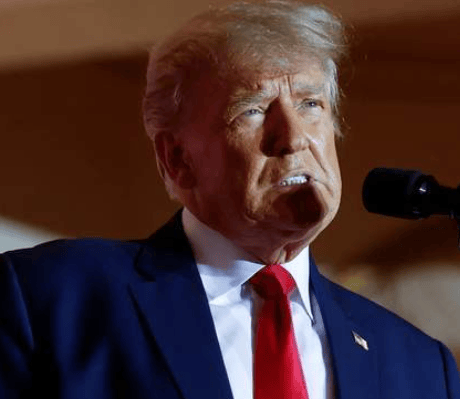
日本终于做了个明智的决定,拒绝美国要求对华加关税,理由很给力
Sou Hu Cai Jing· 2025-09-21 15:53
近期,日本做出了一个值得关注的决定:拒绝了美国要求对中国加征关税的请求。美国在施压盟友时,提出了一个极具挑战性 的问题:要求对中国加征高达100%的关税,理由是中国继续购买俄罗斯石油。然而,日本并未屈从这一压力,选择坚持自己 的立场,给出了非常有力的理由。 面对美国的施压,日本为何拒绝对华加税? 近期,美国对中国的经济施压愈加严厉,特别是通过联合欧盟和G7国家要求对中国加征"惩罚性关税"。特朗普政府认为,中 国继续从俄罗斯进口石油,不仅支持俄罗斯的经济,还间接影响俄乌冲突的走向。因此,要求G7国家联合对中国加征关税, 幅度最高可达100%。其中,墨西哥也在考虑对中国加税50%。 这种立场也体现了日本在国际经济格局中的谨慎与智慧。在当前全球经济动荡的背景下,任何过于激进的决策都可能带来不可 预测的风险。日本的决策不仅是对经济利益的保护,也是对全球经济稳定的贡献。 日本的这一决定,实际上也有着深远的意义。美国要求对中国加征关税的做法,如果得以实施,不仅会加剧中美之间的经济摩 擦,还会给全球经济带来严重的不确定性。特别是在全球供应链的相互依赖日益加深的背景下,任何单边主义的贸易政策都会 破坏全球经济的稳定。日本的拒 ...

最高100%!美国刚施压盟友对华加税,特朗普就收到2个坏消息,注定只能跟中国单挑?
Sou Hu Cai Jing· 2025-09-21 12:43
Group 1 - The core argument of the articles revolves around President Trump's proposal to impose a 100% tariff on China and India due to their continued oil purchases from Russia, which the U.S. views as support for Russia's war efforts, particularly against Ukraine [1][3][5] - The proposal has faced significant opposition from key allies, including Japan and the European Union, who prioritize their economic relationships with China and India over U.S. demands [3][5][7] - Japan's Finance Minister expressed that imposing tariffs solely based on oil purchases from Russia is unacceptable, highlighting Japan's economic dependence on trade with China and the potential negative impact on its own economy [3][5] Group 2 - The European Union has shown reluctance to support the U.S. tariff proposal, citing the importance of maintaining economic ties with China and India, particularly in sectors like automotive and electronics [5][7] - The unilateral pressure from the U.S. is seen as ineffective, as countries like Japan, the EU, and India are making decisions based on their own economic interests rather than following U.S. directives [7] - Future U.S.-China relations may hinge on the ability of both parties to engage in equal dialogue, with potential for cooperation in areas such as technology, agriculture, and energy, rather than escalating tensions through unilateral actions [8]
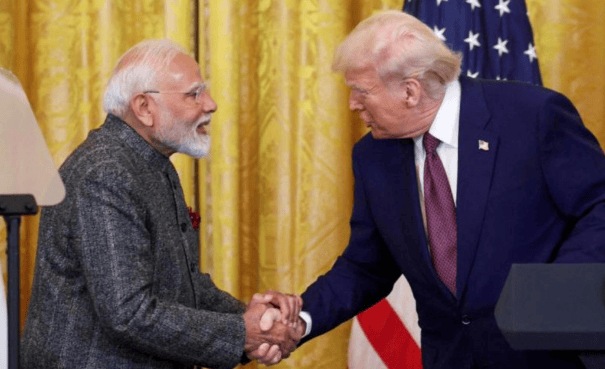
特朗普发文怒吼,7票通过表决结果已定,美国将成为第3世界国家?
Sou Hu Cai Jing· 2025-09-21 07:36
Core Points - The U.S. Supreme Court ruled 7-4 that the global tariff policy implemented by the Trump administration was an overreach of authority, labeling it illegal [1][3][5] - The ruling signifies a significant setback for Trump's trade strategy, which relied heavily on tariffs as a tool for economic gain and international negotiation [1][9] Group 1: Legal Implications - The court's decision indicates that the President does not have the unilateral authority to adjust tariffs, rendering Trump's executive orders invalid [3][5] - The ruling highlights the legal vulnerabilities of Trump's tariff policies, which were based on the International Emergency Economic Powers Act, a law that does not explicitly grant the President the power to modify tariff rates unilaterally [5][9] Group 2: Economic Consequences - If the tariffs are deemed illegal, the federal government could face up to $90 billion in refunds, potentially exceeding $1 trillion when considering the entirety of Trump's first term [7] - The removal of tariff protections may expose U.S. manufacturing and agriculture to increased global competition, impacting their competitiveness [7][9] Group 3: Political Reactions - In response to the ruling, Trump has launched a media campaign criticizing the decision and has mobilized supporters to seek impeachment of the judges who voted in favor [9] - The situation underscores the independence of the U.S. judicial system, as lower court rulings prioritize legal principles over political affiliations [9]
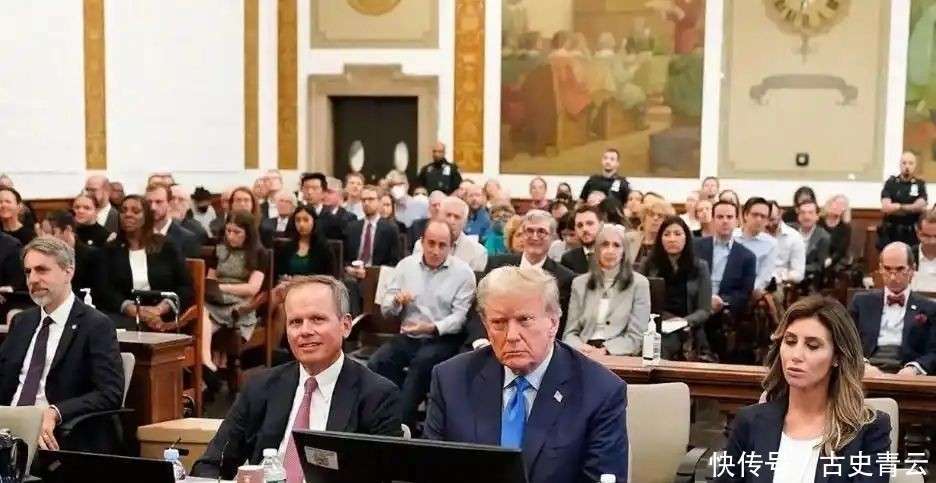
中国代表:反对单边主义和霸权主义行径
Xin Hua She· 2025-09-20 07:18
新华社日内瓦9月20日电(记者石松)中国常驻联合国日内瓦办事处和瑞士其他国际组织代表陈旭18日 出席联合国人权理事会第60届会议并发言,反对有关国家干扰主权国家间正常司法合作,以人权为借口 干涉别国内政,呼吁切实促进和保护所有人权。 陈旭作国家发言时表示,中国高度重视和保障人权,打赢脱贫攻坚战,"十四五"规划取得丰硕成果。中 国提出全球治理倡议,倡导各方携手构建更加公正合理的全球人权治理体系,尊重各国人权道路,坚决 反对以人权为借口干涉别国内政,将人权政治化、工具化。呼吁各国共同维护联合国宗旨和原则,切实 有效促进和保护所有人权。 陈旭首先代表"捍卫《联合国宪章》之友小组"作共同发言,指出有关国家对主权国家间正常执法和司法 合作进行无端指责和抹黑污蔑,对发展中国家滥施单边强制措施,动辄对主权国家使用武力或以武力相 威胁,是赤裸裸的单边主义和霸权主义行径,严重背离《联合国宪章》宗旨和原则。 ...
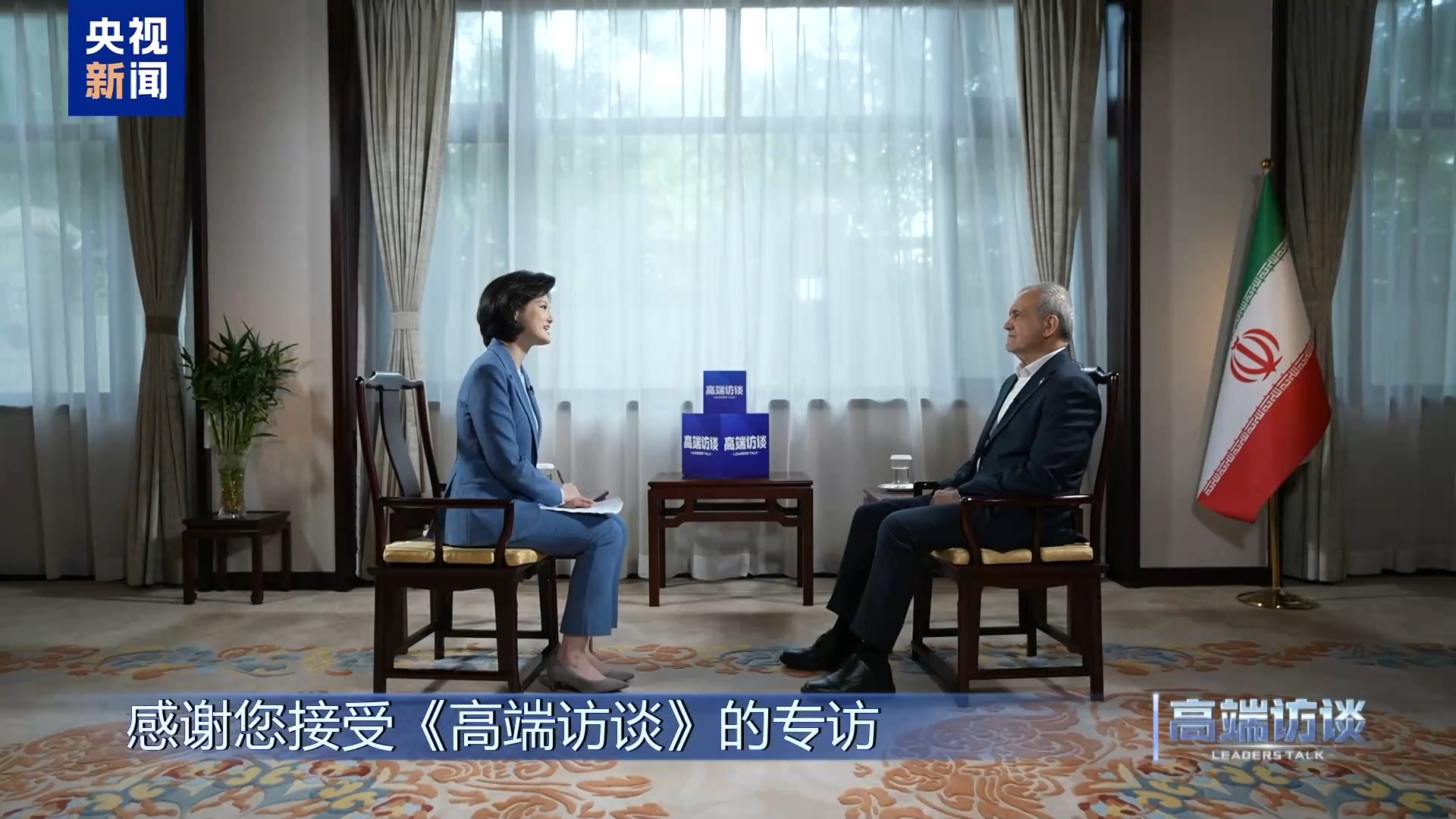
高端访谈丨专访伊朗总统佩泽希齐扬
Yang Shi Xin Wen· 2025-09-19 22:50
Core Viewpoint - The global governance initiative proposed by President Xi Jinping is seen as a model for contemporary international principles, emphasizing mutual respect, cooperation, and the establishment of a just and fair world [1][28]. Group 1: China-Iran Relations - The visit of Iranian President Pezeshkian to China marks his first official visit since taking office, highlighting the importance of strengthening bilateral ties [3]. - The comprehensive strategic partnership established between China and Iran is viewed as significant in the context of evolving global international relations [4][6]. - Pezeshkian emphasizes the historical ties between Iran and China, advocating for deeper cooperation and mutual assistance to build a peaceful and secure world [6][28]. Group 2: Global Governance Initiative - The global governance initiative is described as a systematic approach that encompasses multiple aspects, advocating for respect for international law and equality among nations [8]. - Pezeshkian stresses the need to eliminate double standards in international law and governance, calling for equal treatment of all countries regardless of their wealth or size [8][28]. - The initiative aims to promote a framework for international cooperation that respects sovereignty and territorial integrity [6][28]. Group 3: Middle East Stability - The reconciliation between Iran and Saudi Arabia, facilitated by China, is seen as a step towards achieving regional stability and peace [9]. - Pezeshkian asserts that unity and cooperation among Middle Eastern countries are essential for resolving ongoing conflicts and achieving lasting peace [22]. - The Iranian President expresses concerns over Israel's aggressive actions in the region, which he believes undermine peace efforts and contribute to instability [21][22]. Group 4: Nuclear Policy and International Relations - Pezeshkian reaffirms Iran's commitment to peaceful nuclear energy development, rejecting accusations of seeking nuclear weapons [11][16]. - He criticizes the double standards applied by Western nations regarding Iran's nuclear activities, emphasizing Iran's adherence to international agreements [10][19]. - The Iranian leadership is open to dialogue within the framework of international law, seeking to address concerns while maintaining their rights to develop nuclear technology for peaceful purposes [16][19].
印尼工商会副主席答21:跟中国保持合作有助抵御不确定性
2 1 Shi Ji Jing Ji Bao Dao· 2025-09-19 11:36
Core Insights - The 22nd China-ASEAN Expo and Business and Investment Summit was held in Nanning, Guangxi from September 17 to 21, highlighting the commitment of Chinese and ASEAN enterprises to deepen cooperation amidst global challenges like unilateralism and protectionism [2][3] - In the first eight months of this year, China's trade with ASEAN reached 4.93 trillion yuan, a year-on-year increase of 9.7%, marking a historical high and accounting for 16.7% of China's total trade [2] - The trade volume between China and ASEAN has grown from over 870 billion yuan in 2004 to nearly 7 trillion yuan in 2024, representing a sevenfold increase and consistent growth for nine consecutive years [2] Trade Relations - ASEAN trade representatives expressed optimism about future cooperation with China, emphasizing the strong complementary nature of their industries [3] - ASEAN countries supply China with bulk commodities such as electronic components, energy, and agricultural products, while China provides machinery, technology, and consumer goods to ASEAN nations [3] - China has become a significant source of foreign direct investment for ASEAN, particularly in infrastructure, energy, and manufacturing sectors, with many projects linked to the Belt and Road Initiative [3] Impact of U.S. Trade Policies - Indonesian business leaders indicated that collaboration with China is essential for navigating uncertainties arising from U.S. tariff policies [3] - The balanced trade relationship between China and Indonesia is seen as a foundation for seeking more cooperative opportunities, which is a key reason for participation in the Expo and Summit [3]