
电动化转型

Search documents
车展季·大咖说丨沃尔沃袁小林:应对变革要警惕“闭门造车”,我们不做“炫技”的产品
Mei Ri Jing Ji Xin Wen· 2025-09-02 10:14
Core Insights - Volvo's new XC70 marks a significant step in its electrification strategy, featuring the SMA super hybrid architecture and achieving over 5,000 pre-orders within 85 minutes of its global debut at the Chengdu International Auto Show [1][2] - The XC70 is expected to accelerate growth in the luxury hybrid market, with predictions of substantial market share increases by the end of the year [1][2] - The hybrid vehicle market in China has seen a tenfold increase in sales from 2020 to 2023, with projections of 7.252 million units sold in 2024, capturing 40% of the new energy vehicle market [2] Product Strategy - The XC70 offers over 200 km of pure electric range and a total driving range exceeding 1,200 km, filling the market gap between the XC60 and XC90 models [2] - Volvo emphasizes a pragmatic approach to electrification, maintaining a balance between pure electric, fuel, and hybrid vehicles for the foreseeable future [2][6] - The company aims to avoid unnecessary technological gimmicks, focusing instead on delivering real value to customers [5][8] Industry Positioning - Volvo is cautious about the rapid advancements in AI and smart driving technologies, advocating for collaboration with local tech partners while avoiding insular development practices [6][8] - The company plans to integrate AI and autonomous driving solutions into its products while leveraging China's leading smart technology resources [8] - By 2030, Volvo aims for over 90% of its global sales to come from electric and plug-in hybrid vehicles, supported by the SMA and SPA2 architectures [9]


从上半年“冰火两重天”的财报 看零部件巨头的转型阵痛与盈利希望
Zhong Guo Qi Che Bao Wang· 2025-09-02 01:50
Core Insights - The automotive parts industry is experiencing a mixed performance due to challenges from electrification, smart technology transitions, new U.S. tariffs, supply chain restructuring, and raw material price fluctuations [2] - Major companies are facing dual challenges of declining traditional fuel vehicle business and pressure on profitability from electrification efforts, yet some have achieved profit recovery and strategic transformation through cost control and restructuring [2] Financial Performance - ZF Friedrichshafen reported a revenue of €19.735 billion, a 10.3% decline year-on-year, with an EBIT of €367 million, down 42%, and a net loss of €195 million compared to a net profit of €45 million in the same period last year [3] - Schaeffler's net profit fell by 83.5% to €43 million, with total debt increasing by 32% to €7.282 billion [4] - BorgWarner's revenue and profit declined in the first half, but second-quarter revenue increased due to growth in electric drive products [4] Impact of U.S. Tariffs - The U.S. tariffs on key automotive parts, effective from May 3, have significantly impacted many companies, with some passing costs to customers while others focus on maintaining customer relationships [6][7] - Autoliv successfully passed most tariff costs to customers, achieving record revenue and operating profit in Q2 [6] - Valeo managed to mitigate tariff impacts through localized production, with 90% of products sold in the U.S. produced in North America [7] Strategic Responses - Companies are implementing various strategies such as business restructuring, asset divestiture, and efficiency improvements to restore profitability [10] - Faurecia is optimizing its operational model and evaluating its six business units for potential integration and divestiture [11] - Continental is nearing the separation of its automotive division, which will operate as a new independent company [11] Market Dynamics in China - The Chinese market is becoming increasingly vital for multinational automotive parts companies, with significant orders from local automakers driving growth [13] - Valeo secured €11.8 billion in orders globally, with a substantial portion coming from Chinese automakers [13] - ZF Friedrichshafen is focusing on localizing advanced technology production in China, with significant orders exceeding €1 billion [14]

华达科技20250901
2025-09-02 00:42
Summary of Huada Technology Conference Call Company Overview - **Company**: Huada Technology - **Industry**: Automotive manufacturing and metal processing Key Points Financial Performance - **Revenue Forecast**: Expected annual revenue between 5.8 billion to 7 billion CNY, with profits ranging from 439 million to 565 million CNY, indicating a rebound in performance [2][3] - **Q2 Performance**: In the first half of 2025, revenue reached 2.87 billion CNY, a year-on-year increase of 22.48%, with net profit close to 200 million CNY, up 21.17% [3] Business Segments - **Core Business Areas**: - Body stamping parts (traditional core business) - Battery box housings (acquisition of Jiangsu Hengyi) - Die-casting business (Huachi New Energy) [2][4] - **Client Base Expansion**: New clients include Geely, Chery, Great Wall, Xiaomi, and Li Auto, with total designated contracts nearing 10 billion CNY [2][6] Cost Management - **Sales and Management Expenses**: Sales expenses increased due to new product development and client transitions, while management expenses remained stable, showcasing strong cost control capabilities [2][7] Market Trends and Adaptation - **Electric Vehicle Market**: The company is actively transforming to adapt to electrification trends, significantly increasing new product development projects [6] - **Emerging Opportunities**: Focus on new demands such as flying cars and humanoid robots, with multiple mass production projects in reserve [8] Profitability and Margins - **Gross Margin Improvement**: Q2 gross margin increased by 2-3 percentage points due to stable main business profit margins, expanded scale of Hengyi, and manageable depreciation from new projects [9][10] Future Growth Projections - **Revenue Growth Expectations**: Anticipated continued revenue growth in the second half of 2025, driven by new client projects from both traditional and emerging brands [11] - **Investment in Chery**: Investment of 416 million CNY in Chery, with expected returns contingent on Chery's market performance post-IPO [5][17] Strategic Partnerships - **Collaboration with SAIC Group**: Close cooperation supplying various components, enhancing market competitiveness [12] Industry Positioning - **Market Share Dynamics**: Shift in market share from joint ventures to domestic brands, with a focus on consolidating the industry [15] - **Long-term Strategy**: Plans to integrate and consolidate within the industry, similar to leading companies like Fuyao Glass [15] Capital and Investment Strategy - **Financial Health**: The company maintains a low debt ratio and good cash reserves, allowing for flexible financing options [18] Overall Outlook - **Performance Goals**: The company’s three business segments are expected to perform well, with revenue projections for 2025 and 2026 indicating significant growth compared to previous years [19][20]

从估值神话到破产清算:Fisker,又一个新能源泡沫的破碎样本
3 6 Ke· 2025-09-01 03:22
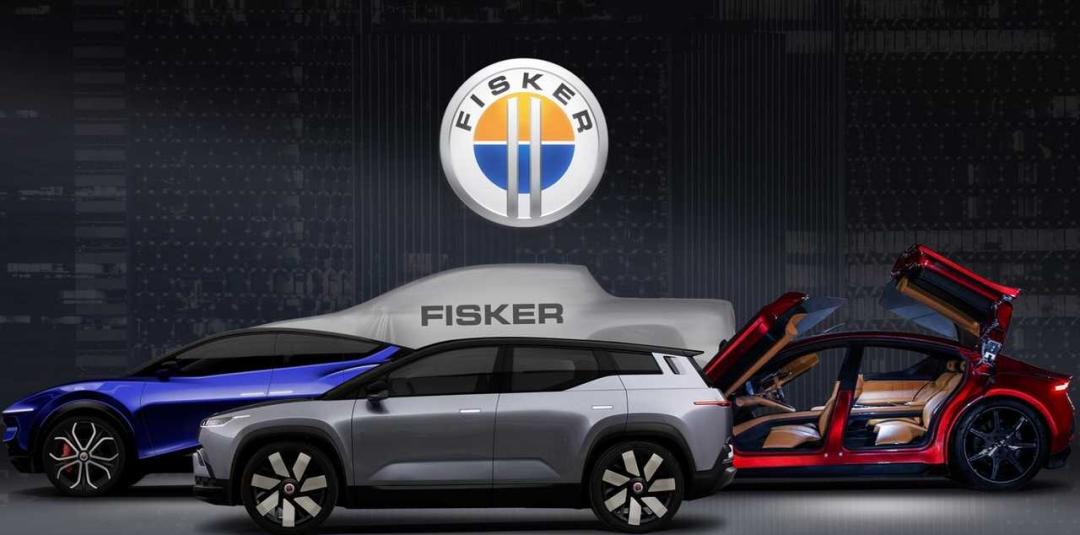
Core Insights - Fisker, once a promising electric vehicle company, faced a rapid decline from the launch of its Ocean SUV in 2023 to filing for bankruptcy in 2024, culminating in liquidation by 2025, highlighting the harsh realities behind the rapid growth of the electric vehicle industry [1][14] Group 1: 2023 - Initial Hopes and Cracks - In 2023, Fisker launched the Ocean SUV, aiming to disrupt the traditional SUV market, but soon revealed production shortfalls, producing only 1,022 units in Q2 against a target of 1,400-1,700 units [3] - The company raised $296.7 million through a convertible bond sale to support future growth, including new battery production lines and capital expenditures, indicating early signs of financial distress [3] - By December 2023, Fisker cut its annual production target to 10,000 units, a quarter of the previous year's optimistic expectations, due to supply chain issues and product quality concerns [4] Group 2: 2024 - Crisis Escalation - 2024 marked a disastrous year for Fisker, with safety issues and financial troubles leading to a downward spiral towards bankruptcy [5] - The National Highway Traffic Safety Administration (NHTSA) initiated multiple investigations into safety complaints, including brake failures and sudden power loss, eroding consumer trust [6] - By March 2024, Fisker announced a 15% workforce reduction and acknowledged insufficient cash to sustain operations for the next 12 months, leading to a shift from a direct sales model to a dealership model [7] Group 3: Bankruptcy and Liquidation - In April 2024, Fisker warned of impending bankruptcy if financing was not secured within 30 days, and by June, the company officially filed for Chapter 11 bankruptcy protection, reporting assets of $500 million to $1 billion against liabilities of $100 million to $500 million [8] - The bankruptcy court approved the sale of 3,231 Ocean SUVs for $46.25 million, significantly below their original price, reflecting the company's desperate situation [12] - By October 2025, the liquidation process revealed further complications, including SEC investigations and allegations of mismanagement, culminating in the abandonment of Fisker's headquarters [13][14] Group 4: Lessons for the Industry - Fisker's downfall illustrates the dangers of prioritizing design and capital stories over operational stability and safety, emphasizing the need for robust supply chain management and financial health in the electric vehicle sector [13][14] - The case serves as a cautionary tale for the electric vehicle industry, highlighting that without solid foundations, even the most ambitious visions can quickly turn into failures [14]
莲花全球整合战略进行时:上半年毛利率回升、亏损收窄四成
21世纪经济报道· 2025-08-31 00:34
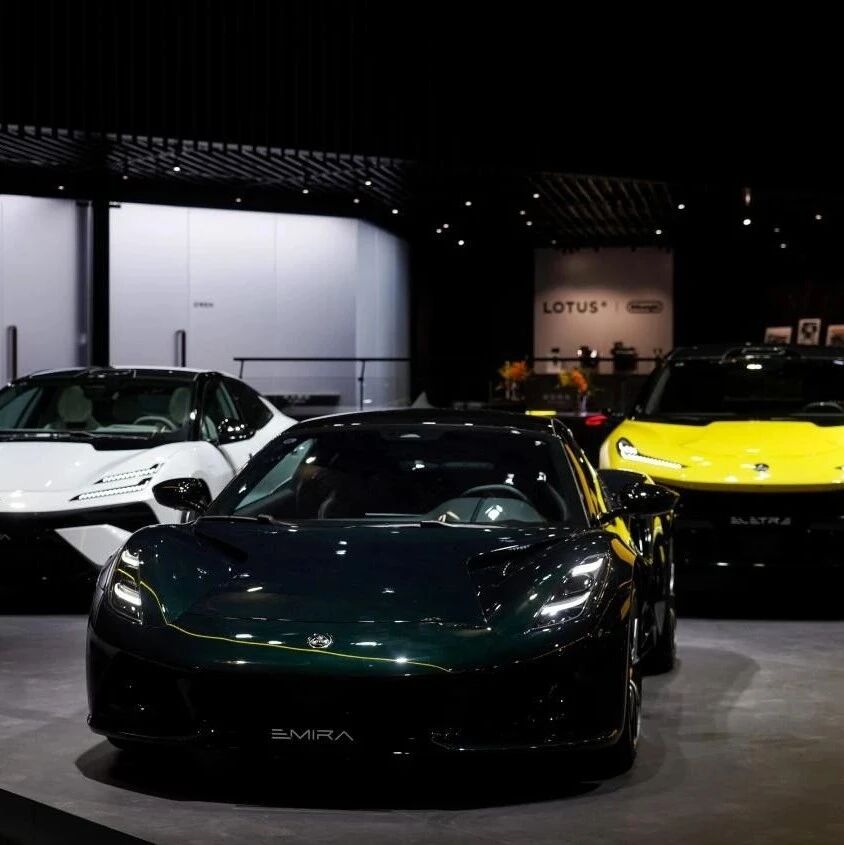
Core Viewpoint - Lotus Technology reported a narrowing of losses in its financial results for the first half of 2025, despite still being in a loss position. The company aims to accelerate its electric transformation and global expansion with a recent $500 million funding commitment [1][10]. Financial Performance - In the first half of 2025, Lotus Technology delivered 2,813 vehicles, generating revenue of $218 million. The adjusted EBITDA loss decreased by 37% year-on-year to $240 million, while operating losses narrowed by approximately 40% to $263 million [1]. - The gross margin improved to 8.3% from 3% in 2024, contributing to the reduction in operating losses [4]. - Vehicle sales revenue reached $197 million, with an average selling price of $70,000, indicating a strong positioning in the high-end market [4]. Market Performance - The Chinese market led deliveries with 1,403 vehicles, while Europe and North America delivered 858 and 122 vehicles, respectively. The ELETRE super SUV became a leading model in China's high-end electric SUV segment [2]. - North American deliveries were impacted by tariffs, but the situation has been gradually improving since July [2]. Strategic Initiatives - Lotus Technology is advancing its "One Lotus" global strategy, including rebranding in China and plans to acquire the remaining shares of Lotus UK to integrate R&D and supply chain systems [2][12]. - The company aims to achieve full electrification by 2028, coinciding with its 80th anniversary [2]. Funding and Future Plans - The recent $500 million funding includes $300 million in convertible notes from ATW Partners and a credit line of 1.6 billion RMB from parent company Geely. This funding will support electric vehicle development and global market expansion [7][10]. - Lotus Technology's cash reserves stood at $67.85 million, providing a buffer for technology investments and market expansion [7]. Product Development - Lotus is accelerating its global product rollout, with the ELETRE and EMEYA models already being delivered in China and planned for Europe and the U.S. [14]. - The company has set a market strategy aiming for a sales ratio of 3:3:3:1 across the U.S., Europe, China, and other regions, with current performance showing a preliminary achievement of this goal [15].

广汽集团上半年营收为421.66亿元,净利润同比由盈转亏
Ju Chao Zi Xun· 2025-08-30 04:07
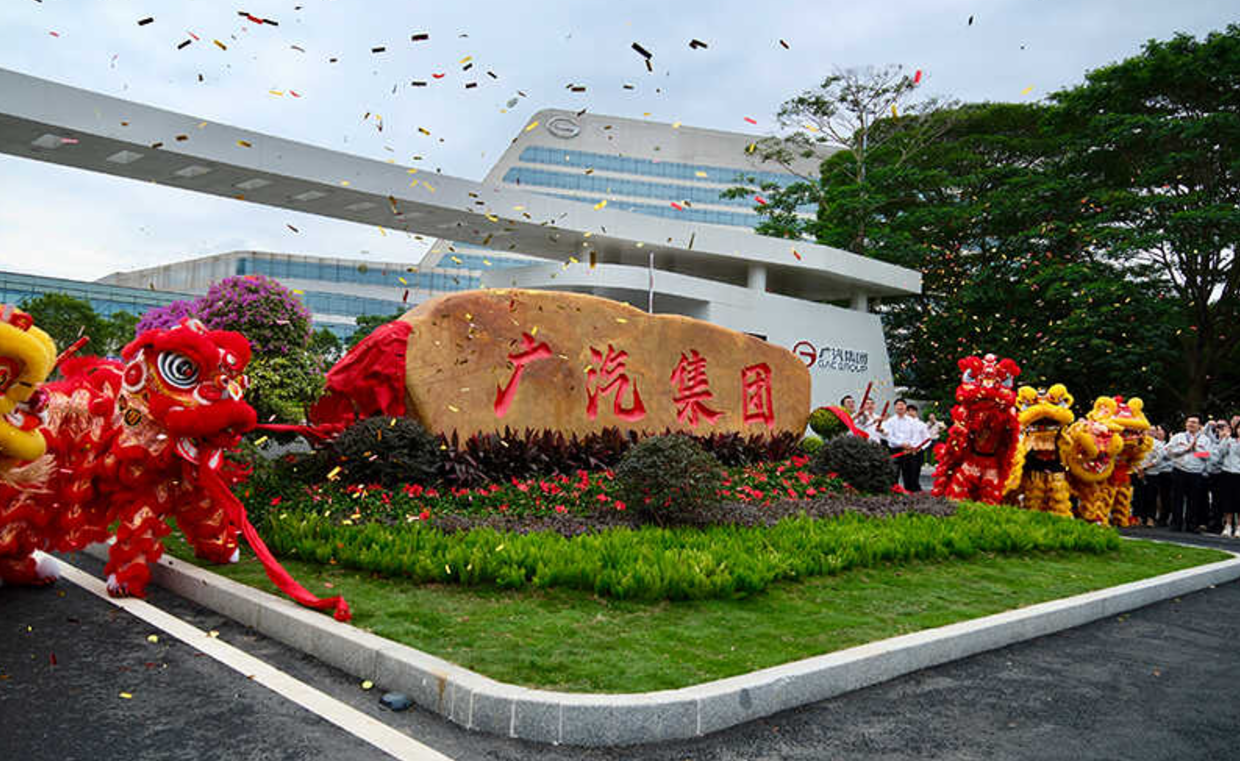
Core Insights - GAC Group reported a revenue of 42.17 billion yuan for H1 2025, a decrease of 7.95% year-on-year, and a net loss attributable to shareholders of 2.54 billion yuan, marking a shift from profit to loss compared to the previous year [2][3] - The total assets of GAC Group decreased by 8.51% year-on-year to 212.67 billion yuan, while the net assets attributable to shareholders fell by 2.69% to 111.28 billion yuan [2][3] Financial Performance - Revenue for the reporting period (January to June) was 42.17 billion yuan, down from 45.81 billion yuan in the same period last year, reflecting a decline of 7.95% [3] - Total profit was -3.93 billion yuan, a significant drop of 435.37% from a profit of 1.17 billion yuan in the previous year [3] - Net profit attributable to shareholders was -2.54 billion yuan, a decrease of 267.39% from a profit of 1.52 billion yuan year-on-year [3] - Net cash flow from operating activities was -10.77 billion yuan, a decline of 508.75% from 2.63 billion yuan in the previous year [3] Business Operations - GAC Group's total vehicle production and sales reached 801,700 and 755,300 units respectively, representing a year-on-year decline of 6.73% and 12.48% [4] - New energy vehicle sales were 154,100 units, down 6.08%, while energy-efficient vehicle sales increased by 13.43% to 211,600 units [4] - The proportion of energy-efficient and new energy vehicle sales rose to 48.43% during the reporting period [4] Product Development - GAC Group launched several new models including the GAC Trumpchi M8 and S7, as well as the AION UT and other updated models [4] - GAC Trumpchi focused on smart and electric vehicle transformation, collaborating with Huawei to enhance high-end models with advanced technology [4] - GAC AION's new entry-level electric hatchback AION UT was introduced to strengthen its product lineup [5] Joint Ventures and Partnerships - GAC Toyota achieved sales of 344,700 units, a year-on-year increase of 2.58%, with significant sales in hybrid models [6] - GAC Honda launched its first electric brand model P7, marking a new phase in its electrification strategy [6] - GAC Group is enhancing its AI ecosystem through partnerships with Huawei, Xiaomi, and Momenta [6]

奥迪或携TT概念车亮相慕尼黑车展 经典跑车有望回归
Huan Qiu Wang Zi Xun· 2025-08-30 03:33
Core Insights - Audi is set to unveil a new concept car at the Munich Motor Show on September 9, which is speculated to be a modern interpretation of the classic TT model, aiming to combine nostalgia with innovation to capture global market attention [1][2] Group 1: Audi's Strategy - Audi has released two teaser videos on social media to build anticipation for the upcoming reveal, with the first video featuring the classic TT model and emphasizing the phrase "Yesterday's legend is tomorrow's blueprint" [2] - The second teaser focuses on the vehicle's dynamic silhouette, leading to speculation about an "electric TT" [2] - The TT model, launched in 1998, is recognized as Audi's most iconic two-door sports car, known for its unique design and driving pleasure, indicating a potential revival of this classic brand during Audi's electric transformation [2] Group 2: Market Context - The Munich Motor Show is the largest automotive event in Europe, where German brands are collectively enhancing their presence, and Audi's actions are seen as a crucial step in accelerating its electrification and youth-oriented strategy [1][2] - While Audi has not disclosed specific technical details, industry predictions suggest that the new vehicle may be built on the PPE electric platform and feature advanced driver assistance systems [2]
成立捷达品牌新公司 大众汽车集团加速推进电动化布局
Zhong Guo Jin Rong Xin Xi Wang· 2025-08-29 15:23
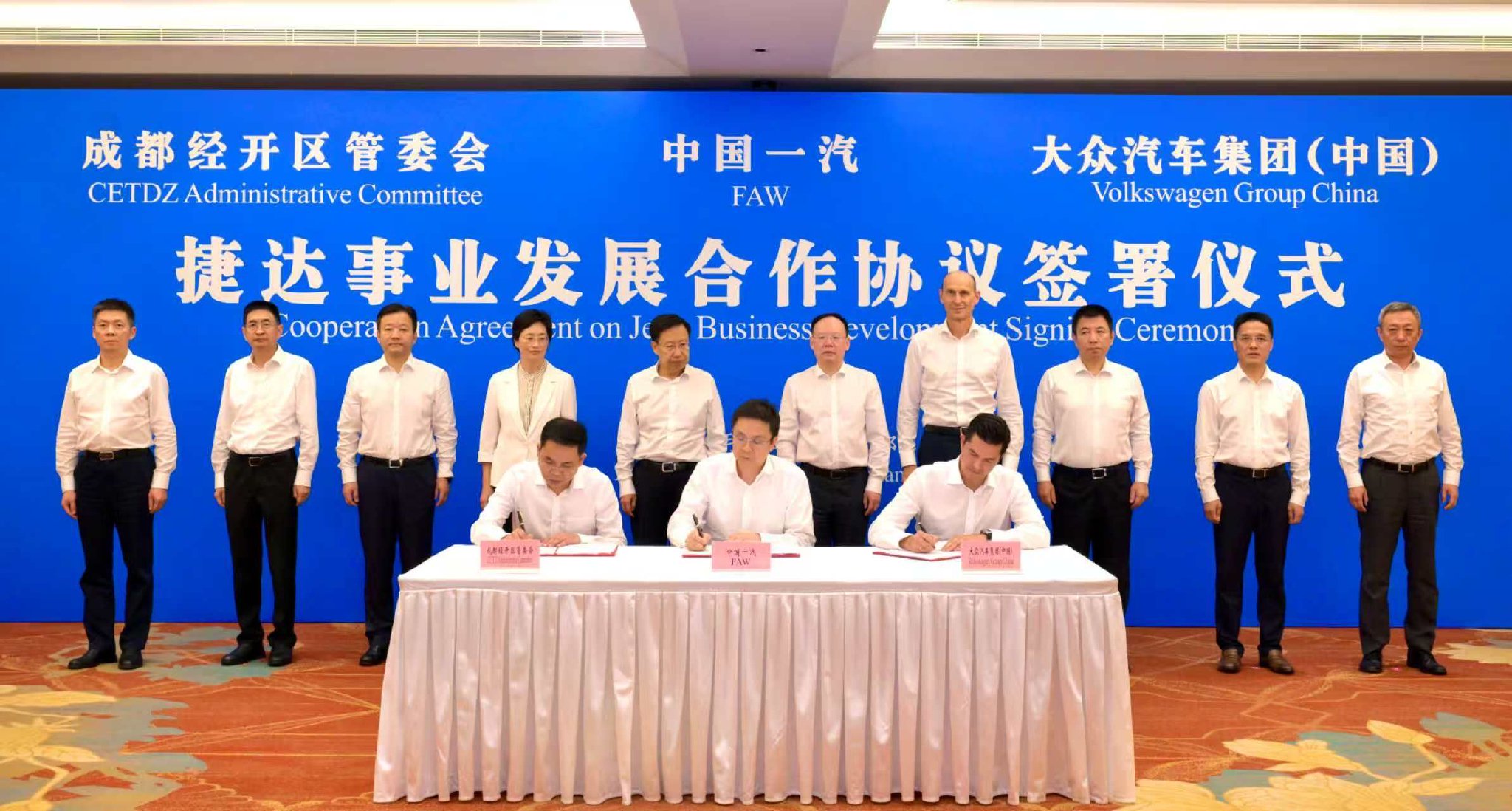
Core Insights - Volkswagen Group (China) has signed a cooperation agreement with China FAW and Chengdu Economic and Technological Development Zone to establish a new company for the Jetta brand, aiming to launch four entry-level electric vehicles by 2028 [1][3][4] Group 1: Electric Vehicle Strategy - The new Jetta brand will focus on the entry-level electric vehicle market, which is expected to grow significantly, with compact models projected to capture about 50% of the electric vehicle market by 2030 [3][4] - The first model is planned for launch in 2026, featuring electric and digital functionalities tailored for the entry-level market, along with advanced driver-assistance systems (ADAS) [4][5] Group 2: Market Positioning - Jetta has a strong legacy in China, having served over 5 million users, and aims to leverage this brand trust to transition into the electric vehicle era [3][6] - The strategy aligns with the growing consumer demand for high-quality, cost-effective, and intelligent mobility solutions in China [3][5] Group 3: Operational Framework - The new Jetta company will be based in Chengdu, integrating existing resources and local investments to enhance operational efficiency and market responsiveness [6][7] - The collaboration aims to create a billion-level industrial value chain by 2030, solidifying Jetta's position in the automotive ecosystem of Sichuan Province and Southwest China [6][7] Group 4: Broader Implications - This initiative is part of Volkswagen Group's broader strategy to introduce approximately 50 new energy vehicles in China by 2030, including 30 fully electric models [5][6] - The partnership reflects a commitment to localize operations and enhance technological capabilities, contributing to the high-quality transformation of the automotive industry in the region [7]

捷达混改成立新公司:三方合资协议签署 成都地方资本入局
Jing Ji Guan Cha Wang· 2025-08-29 15:23
Core Insights - The signing of the cooperation agreement between Volkswagen Group (China), FAW Group, and Chengdu Economic and Technological Development Zone marks a significant step towards the localization of the Jetta brand and introduces local capital into the partnership, representing an innovative breakthrough in Volkswagen's joint venture model [1][2] Group 1: Company Strategy and Development - The new company will fully integrate existing Jetta resources and introduce local capital as new investors, while Jetta will continue to operate as a sub-brand of Volkswagen, maximizing synergies with the Volkswagen Group and FAW-Volkswagen [1][2] - By 2028, Jetta plans to launch four new energy models targeting the entry-level market, starting with the Central Asian market for overseas expansion [1][4] - The establishment of the new company aims to leverage regional industrial synergies to accelerate Jetta's electrification process and enhance operational efficiency [1][4] Group 2: Market Position and Performance - Jetta, which was introduced to China in 1991 and evolved into a sub-brand in 2019, is now transitioning into a standalone entity, a unique move among joint venture brands [2] - Jetta's sales performance has been declining, with a projected total sales of 120,000 units in 2024, down 25.9% from 162,000 units in 2023, highlighting the urgency for a successful transformation [3] - The compact car market is crucial for Volkswagen's market share in China, with compact models expected to account for nearly half of the Chinese new energy vehicle market by 2030, making Jetta's transition to electric vehicles vital for Volkswagen's overall transformation [4][5] Group 3: Future Plans and Collaborations - The goal for the new Jetta company is to create a trillion-level industrial value chain encompassing research, production, supply, and sales by 2030, further integrating Jetta into the automotive ecosystem in Sichuan Province and the Southwest region [4] - Volkswagen plans to launch approximately 50 new energy vehicles in China by 2030, including around 30 pure electric models, emphasizing the importance of Jetta's electrification for achieving comprehensive coverage in the smart new energy vehicle market [4][5] - The success of Jetta's transformation will depend on product competitiveness, with expectations for more local technological and industrial chain collaborations in the future [5]

广汽集团(02238)发布中期业绩,股东应占亏损25.38亿元 同比盈转亏
智通财经网· 2025-08-29 11:55
Group 1: GAC Group Financial Performance - GAC Group reported a sales revenue of 42.611 billion yuan for the first half of 2025, a decrease of 7.88% year-on-year [1] - The company recorded a loss attributable to equity holders of 2.538 billion yuan, compared to a profit of 1.516 billion yuan in the same period last year [1] - The total vehicle production and sales were 801,700 units and 755,300 units respectively, representing a decline of 6.73% and 12.48% year-on-year [1] Group 2: New Energy Vehicle Sales - GAC Group's new energy vehicle sales reached 154,100 units, a decrease of 6.08% year-on-year, while energy-saving vehicle sales increased by 13.43% to 211,600 units [1] - The proportion of energy-saving and new energy vehicle sales increased to 48.43% during the reporting period [1] Group 3: GAC Trumpchi Developments - GAC Trumpchi launched the "Xiangwang" new energy vehicle series, including models like Xiangwang S7 and Xiangwang M8 Qiankun, focusing on smart and electric transformation [2] - The sales of energy-saving and new energy vehicles for GAC Trumpchi reached 35,000 units, an increase of 18% year-on-year [2] Group 4: GAC Toyota Performance - GAC Toyota achieved sales of 344,700 units in the first half of 2025, a growth of 2.58% year-on-year [3] - The company’s energy-saving and new energy vehicle sales reached 202,300 units, a significant increase of 30.55%, with a market share of 58.70% [3] - GAC Toyota's first jointly developed pure electric model, Platinum Smart 3X, became the best-selling joint venture electric vehicle for two consecutive months [3]