长期主义

Search documents
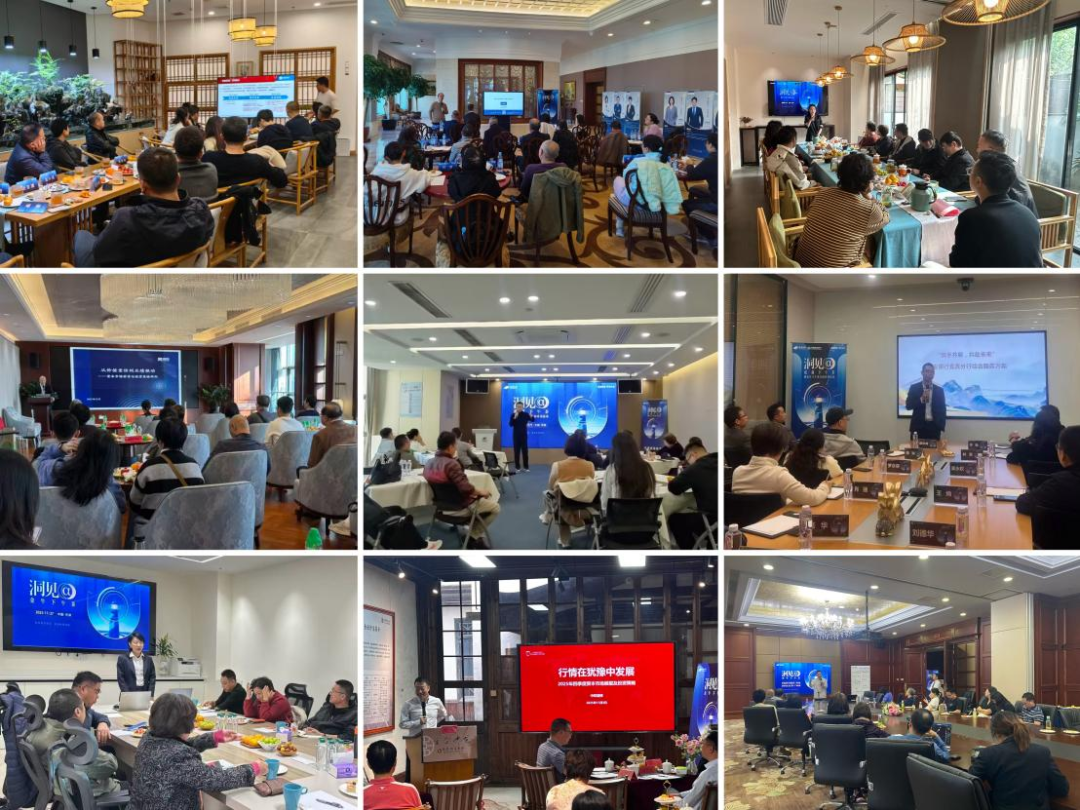
国信证券“洞见α”金牛私募下午茶活动“燃”遍全国,搭建高端客户深度对话平台
Zhong Guo Zheng Quan Bao - Zhong Zheng Wang· 2025-12-17 04:24
Group 1 - The core idea of the news is that Guosen Securities has launched the "Guosen Wealth Baichuan Plan - 'Insight α' Golden Bull Private Equity Afternoon Tea National Series" to meet the increasing demand for professional wealth management services among high-net-worth individuals in a challenging capital market environment [1][3]. - The series of events has already reached over 60 sessions across more than 20 cities, including Shanghai, Guangzhou, and Shenzhen, attracting thousands of high-net-worth clients [1][4]. - The events aim to provide timely and professional investment insights and asset allocation concepts to clients through an interactive and immersive afternoon tea format [3][5]. Group 2 - The series features renowned private equity fund managers who have won the "Golden Bull Award," likened to the "Oscar" of the private equity industry, ensuring high-quality investment research and insights [5]. - Each event emphasizes the importance of rational investment principles, including long-termism, risk control, and diversified asset allocation, to help clients build investment portfolios that align with their risk tolerance [6]. - The ongoing educational efforts aim to enhance the financial literacy of high-net-worth clients, fostering a deeper understanding of market dynamics and investment strategies for long-term wealth growth [6].


杰出品牌营销年会跨界对话:品牌的慢与快
Jing Ji Guan Cha Wang· 2025-12-17 02:55
Core Insights - The forum focused on "brand effective growth from a symbiotic perspective," featuring discussions from experts in pharmaceuticals, cultural tourism, and sports brands [1] Group 1: Pharmaceutical Industry - Lunan Pharmaceutical has achieved a brand value exceeding 13 billion, positioning itself as a benchmark for brand innovation in traditional pharmaceuticals through its core value of "doing good and making good medicine" [1] - The company emphasizes building trust through content and a 24-hour real-person pharmacist service team, transitioning from brand awareness to customer retention [2] Group 2: Cultural Tourism Industry - Overseas Chinese Town (OCT) has developed a unique brand advantage by integrating commercial, tourism, cultural, and sports elements, managing nearly 3 million square meters of commercial space [1] - The company aims to transform its brand into a geographical symbol, enhancing its reputation and high-end attributes in Shenzhen [3] - OCT employs standardized brand building and IP activities to attract consumers, creating a symbiotic cycle of "venue attraction - merchant benefit - user satisfaction" [3] Group 3: Sports Industry - Anta has positioned itself as the leading domestic sports brand, with its running category's annual revenue surpassing many competitors, driving brand growth [1] - The company focuses on professional product development, particularly in high-performance running shoes, prioritizing quality over short-term sales growth [4] - Anta's commitment to professional storytelling and product performance has led to a significant increase in sales of its carbon plate running shoes, reflecting a hundredfold growth compared to 2023 [4] Group 4: Overall Brand Strategy - The discussions highlighted the symbiotic relationship between brand economy and traffic economy, emphasizing the importance of long-termism and brand value in managing traffic [5] - Key insights included the necessity of strong product foundations to attract traffic, with a consensus that good products lead to significant traffic regardless of media form [5]

谁真正赢得了半导体战争?
伍治坚证据主义· 2025-12-17 02:39
Core Viewpoint - The article discusses the historical evolution of the semiconductor industry, particularly focusing on the DRAM market, highlighting how Japan and South Korea navigated challenges through long-term investments and strategic decisions, ultimately leading to shifts in market dominance. Group 1: Japan's Rise in DRAM - In 1976, Japan initiated a national program called VLSI to catch up with the U.S. in the semiconductor industry, focusing on DRAM as a standardized product with high capital requirements and significant scale effects [2] - From 1978 to 1984, Japanese companies expanded production during a downturn in the DRAM market, betting on long-term scale economies despite short-term financial losses [3] - By 1985, Japan's strategy paid off, capturing over 80% of the global DRAM market share, while U.S. companies like Intel exited the market due to unsustainable losses [5][6] Group 2: South Korea's Aggressive Strategy - In the 1990s, South Korea, particularly Samsung, adopted a similar strategy to Japan, investing heavily in DRAM during the Asian financial crisis, while Japanese firms opted for cost-cutting [7][9] - Samsung's aggressive investment during the crisis allowed it to gain a significant cost advantage over Japanese competitors, leading to a shift in market leadership by the 2000s [9][10] - The failure of Japan's Elpida to compete effectively against Samsung and SK Hynix resulted in the collapse of Japan's DRAM industry by 2012 [10] Group 3: Taiwan's Unique Approach - Taiwan's TSMC, founded by Morris Chang in 1987, focused solely on chip manufacturing without engaging in design, which was a departure from the integrated model prevalent at the time [11][13] - TSMC's strategy of maintaining neutrality and not competing with its customers allowed it to build trust and a strong customer base, leading to a self-reinforcing cycle of growth [13][14] - By the late 2010s, TSMC became the go-to manufacturer for leading chip design companies, solidifying its position in the industry despite high capital expenditures [14] Group 4: Lessons from the Semiconductor Industry - Success in capital-intensive industries requires long-term patience and the ability to endure short-term financial pressures, as demonstrated by Japan and South Korea's strategies [16] - Industry competition is a long-term game, where decisions made at critical junctures can have lasting impacts, as seen with Intel's exit from DRAM [17] - The ability to tolerate long-term failures is crucial for industry success, as evidenced by the supportive environments in Japan and Korea during their respective rises [18] - In capital-intensive sectors, maintaining clear boundaries and focusing on core competencies can provide a competitive edge, as illustrated by TSMC's approach [19]


岚图汽车与宁德时代签署深化合作协议
Xin Lang Cai Jing· 2025-12-17 01:56
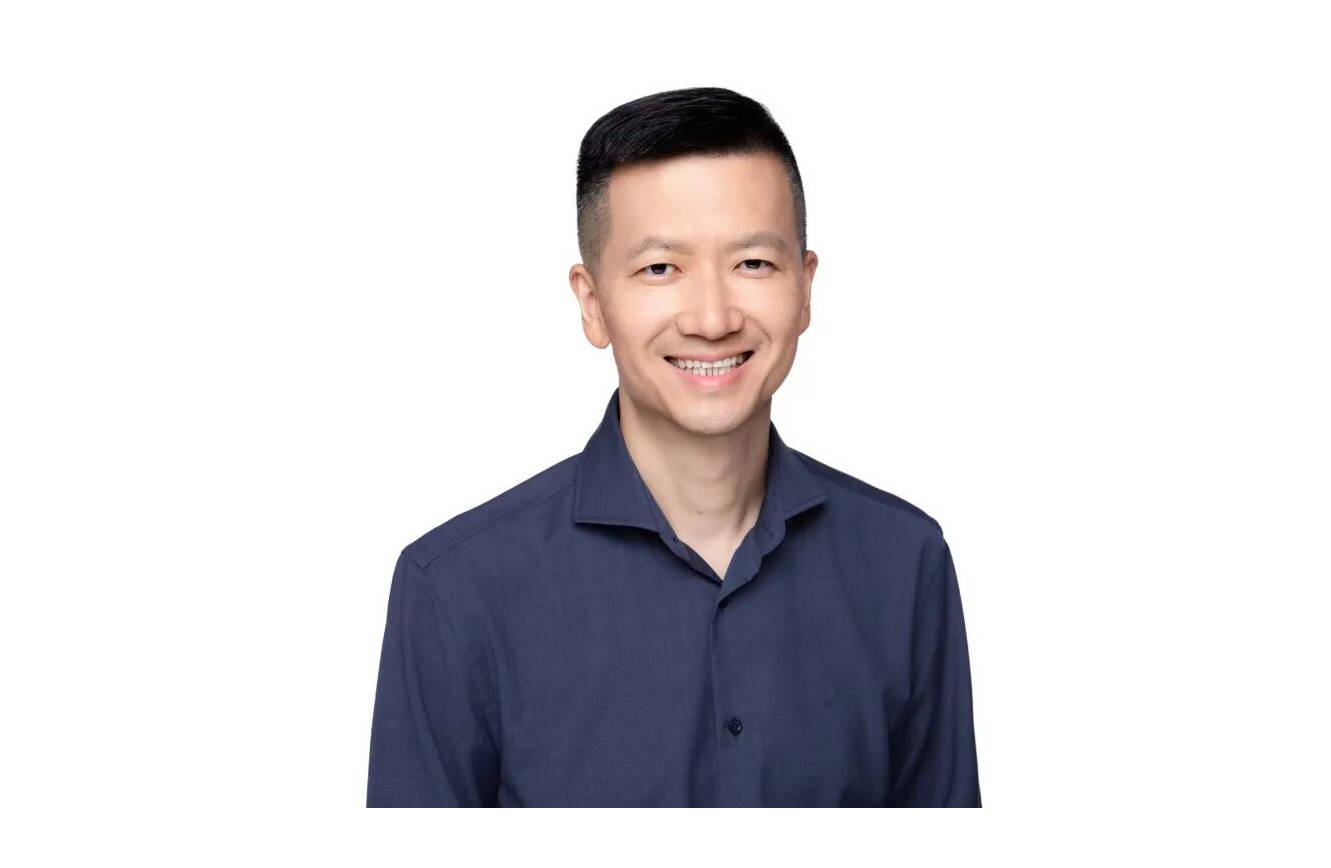
岚图汽车与宁德时代签署深化合作协议。双方将在新技术合作、产品供应、全球市场协同等领域展开全 方位深度协同,确保岚图汽车未来动力电池的稳定供应与技术领先性,持续提升在电池技术与供应链安 全领域的综合竞争力。 东风汽车董事、总经理、党委副书记冯长军,岚图汽车董事长、党委书记卢 放,宁德时代董事长兼CEO曾毓群、市场体系联席总裁韩伟等出席座谈并共同见证签约。岚图汽车总经 理蒋焘,宁德时代国内乘用车产品线副总裁罗慧萍分别代表双方签署协议。 与宁德时代达成长期深化 合作,是岚图汽车坚持"长期主义"理念的生动实践,更是与核心供应商伙伴打造风险共担、价值共享、 命运与共"共赢链"的又一关键举措。通过前瞻性布局,不断完善的产品矩阵,自立自强的技术创新,岚 图汽车正稳步构建起面向未来的体系化核心竞争力,在打造央国企转型新标杆的同时,也持续彰显中国 高端新能源品牌向上攀登的自信和实力。(岚图汽车) ...

深耕科技投资 以长期主义践行金融“五篇大文章”
Zhong Guo Zheng Quan Bao· 2025-12-16 20:19
Core Viewpoint - The article emphasizes the importance of high-quality development in China's economy, highlighting the role of financial services in supporting national strategies and addressing social needs, particularly through the lens of long-termism and innovation in various financial sectors [1][2][7]. Group 1: Financial Strategies and Initiatives - The Central Financial Work Conference has outlined five key areas for financial development: technology finance, green finance, inclusive finance, pension finance, and digital finance, which are essential for building a strong financial nation [1]. - The introduction of the new "National Nine Articles" provides robust support for the deepening reform of the capital market, ensuring stability and long-term growth [1]. - The "Action Plan for Promoting the High-Quality Development of Public Funds" has been released to guide the public fund industry from scale expansion to quality enhancement [1]. Group 2: Long-term Investment Philosophy - The company believes that long-termism is not just a slogan but is deeply integrated into every aspect of its operations, responding to national strategies and social needs through concrete actions [2]. - The establishment of a specialized technology research team, "Nuon Technology Group," aims to capitalize on opportunities in the new technological revolution and industrial transformation, focusing on sectors like AI, semiconductors, and innovative pharmaceuticals [2][3]. - As of the end of Q3 2025, the company has supported 760 technology enterprises in IPO fundraising, with a total market value of stocks held in companies meeting new productivity characteristics amounting to 33.844 billion yuan [3]. Group 3: Social Responsibility and Elderly Care - In response to the aging population, the company is developing a dual-line elderly care system that includes urban empowerment and rural assistance, addressing the financial needs of the elderly [3][4]. - The company has launched the first public fund "Silver-haired Financial Course," covering over 50,000 elderly individuals, focusing on financial fraud prevention, asset allocation, and long-term planning [3][4]. Group 4: Digital Transformation - The company is accelerating its digital transformation by integrating AI into asset management, aiming to enhance operational efficiency and competitiveness [4]. - By 2025, the company plans to complete the localization of the DeepSeek financial model and launch its own AI platform for various core business scenarios [4]. Group 5: Research and Development System - The company has established a comprehensive research and development system that emphasizes long-term performance and risk management, with over 90% of fund managers being internally trained [5]. - A multi-faceted assessment system has been implemented, focusing on long-term performance sustainability and risk-return ratios, providing a supportive environment for research personnel [5]. Group 6: Investor Engagement and Support - The company has created a comprehensive investor support system under the "In Now" brand, conducting over 2,033 events nationwide, benefiting nearly 100,000 participants [6]. - The company emphasizes "reverse companionship" and "professional empowerment" to help investors establish rational expectations during market fluctuations [6]. Group 7: Commitment to Financial Development - The company is committed to integrating its development with the high-quality growth of the public fund industry, adhering to the political and people-oriented nature of financial work [7]. - The company aims to contribute to the construction of a financial strong nation and the high-quality development of the public fund industry through continuous efforts in service to the real economy and wealth management needs of residents [7].
学习段永平的心态:能保持平常心,就已经超过很多人了!
雪球· 2025-12-16 13:00
Core Viewpoint - The article emphasizes the importance of maintaining a "calm mind" in investing, suggesting that emotional control is crucial for successful investment strategies [5][6]. Group 1: Importance of Emotional Control - Maintaining a calm mindset in investing is rare and valuable, as many investors experience negative emotions such as envy and anxiety during market fluctuations [6][7]. - Over 80% of investors exhibit a short-term mindset, which can lead to irrational decisions and losses [6]. - Investment experts assert that investing is more about managing emotions than intelligence [7]. Group 2: Strategies to Combat Negative Emotions - Increasing investment knowledge can help mitigate fear of the future and build confidence [9]. - Market volatility should be viewed as a fundamental characteristic rather than a risk; it is essential for generating profits [9][10]. - Long-term investment strategies can smooth out short-term fluctuations, as historical data shows that markets recover over time [12]. - Recognizing that no one can consistently be the best performer in the market can help investors maintain a calm mindset [13][14]. Group 3: Practical Experience and Feedback - Investors who have experienced significant market fluctuations and made effective decisions during those times tend to maintain a calm mindset [15][16]. - Diversifying investments across various assets can reduce the impact of volatility from any single asset [18][19]. - Dollar-cost averaging and rebalancing strategies can help manage volatility and improve overall investment performance [21][22]. - Setting realistic investment expectations can lead to better outcomes, with historical average returns for stocks and gold around 10% annually, and bonds around 5% [24].

以“好房子”为锚:保利发展的产品定力与长期价值
Di Yi Cai Jing· 2025-12-16 10:14
面对行业调整,保利发展没有被动等待,而是通过"调、换、转、退"推动新旧动能转换,持续优化资产 与业务构成。这一过程,正是国家所倡导的"推动企业结构性优化、提升经营效率"的生动实践。 在开发业务上,公司坚持聚焦重点城市、重点板块及高端客户群,重点在市场表现稳定、公司竞争优势 突出的城市开展投资,投资质量不断提高,资源结构持续优化。存量未开发资源则严格落实"以销定 产",有效提升资源价值。 保利发展始终聚焦"好房子"策略,担当行业价值革新者。近年来,保利发展连续九年发布行业白皮书, 系统提出并践行"好房子"标准,从产品理念、空间设计、社区服务、绿色健康等多维度推动住宅品质革 新。这不仅是企业产品战略的升级,更与"推动高品质生活、改善民生供给"的政策目标高度一致。 当市场因短期波动而焦虑时,真正穿越周期的力量,往往源于对长期主义的坚守与对核心价值的持续锻 造。保利发展在全国多个核心城市落地的"好房子"标杆项目,一批批由保利发展打造的"好房子"正成为 当地人居升级的新标杆。这些项目不仅在设计、绿色、健康、服务等维度全面践行"好房子"标准,更以 高交付品质和客户满意度,在行业深度调整期赢得市场信任。 在房地产行业结构性 ...

德力西电气总裁楼峰:以新质创新打造中国制造的全球竞争力
Jing Ji Wang· 2025-12-16 09:10
Core Viewpoint - Delixi Electric has established itself as a leader in China's low-voltage electrical industry through a robust strategic focus, systematic organizational capabilities, and a forward-looking ecological layout, demonstrating a commitment to long-termism and sustainable development [1][4]. Group 1: Strategic Focus and Growth - The company's growth is driven by systematic capability evolution rather than single-point breakthroughs, emphasizing product-driven innovation and market demand insights [4]. - Delixi Electric has established the "New Quality Productivity Innovation Research Institute" in 2024 to enhance its innovation and R&D ecosystem, focusing on key and forward-looking technologies in sectors like new energy and infrastructure [4]. - The company aims to empower upstream suppliers to achieve "zero-carbon factory" certification, promoting high-quality industry development and reinforcing its role as an ecosystem builder [4][5]. Group 2: Ecological Brand and Collaboration - Delixi Electric has pioneered the concept of "ecological brand," which emphasizes co-creation with users and partners to provide continuous value experiences, fostering a win-win ecosystem [5]. - The "Strong Foundation Plan," initiated in 2021, focuses on building a resilient and sustainable industrial ecosystem by enhancing core business foundations and empowering partners [5]. - The evolution of the "Strong Foundation Plan" from version 1.0 to 5.0 reflects the company's commitment to organizational culture, channel management, and industry breakthroughs [5]. Group 3: Sustainable Development Strategy - The company has set ambitious sustainability goals, including achieving operational carbon neutrality by the end of 2024 and preparing for "zero-carbon readiness" by 2030 [8]. - Delixi Electric's dual focus on "ecology + warmth" aims to enhance social responsibility while creating social value, promoting a culture of sustainability within the organization [8]. - The publication of the guide "Towards Net Zero: Green Sustainable Strategy Practice Guide" aims to influence the manufacturing industry's green transformation [8]. Group 4: Organizational Resilience and Employee Engagement - The company maintains resilience and continuous growth through strategic focus, emphasizing long-termism and core business strengths [9]. - A people-centric talent development system enhances employee engagement and innovation, contributing to organizational resilience [10]. - Delixi Electric's commitment to social responsibility is evident through initiatives like the "De Fund," which supports educational and cultural projects, fostering long-term relationships with partners [11].
旗舰黑科技下放,“战斗天使”杀疯了
Zhong Guo Jing Ji Wang· 2025-12-16 08:45
Core Insights - The article emphasizes the shift in consumer behavior towards emotional value in smartphone selection, highlighting the importance of design aesthetics, imaging capabilities, and user experience in fostering brand loyalty among young consumers [1][8] - Vivo's S series has successfully maintained a competitive edge in the mid-to-high-end smartphone market by focusing on design and imaging, creating a strong brand moat over the years [1][3] Group 1: Product Features and Innovations - The newly launched Vivo S50 series is noted for its flagship-level configurations, including the Qualcomm Snapdragon 8 Gen 5 chip and Sony IMX882 telephoto lens, aimed at providing an emotional experience for users [2][5] - The S50 series features significant upgrades in imaging capabilities, including the Sony IMX882 sensor and enhanced portrait functions, catering to the contemporary demand for "real beauty" among young users [5][6] - The series also includes advanced user experience features such as a wet-hand ultrasonic fingerprint sensor, addressing common unlocking challenges faced by users [7] Group 2: Market Positioning and Strategy - Vivo's S series exemplifies a long-term strategy that prioritizes brand value and emotional connections with users, distinguishing itself from competitors focused on short-term gains [4][8] - The brand philosophy emphasizes the importance of understanding and evolving with user needs, transforming smartphones into tools for personal expression and social interaction [8] - The S50 series is positioned to redefine the standards of the mid-to-high-end market, offering flagship experiences without the flagship price, thereby altering competitive dynamics in the industry [6][8]
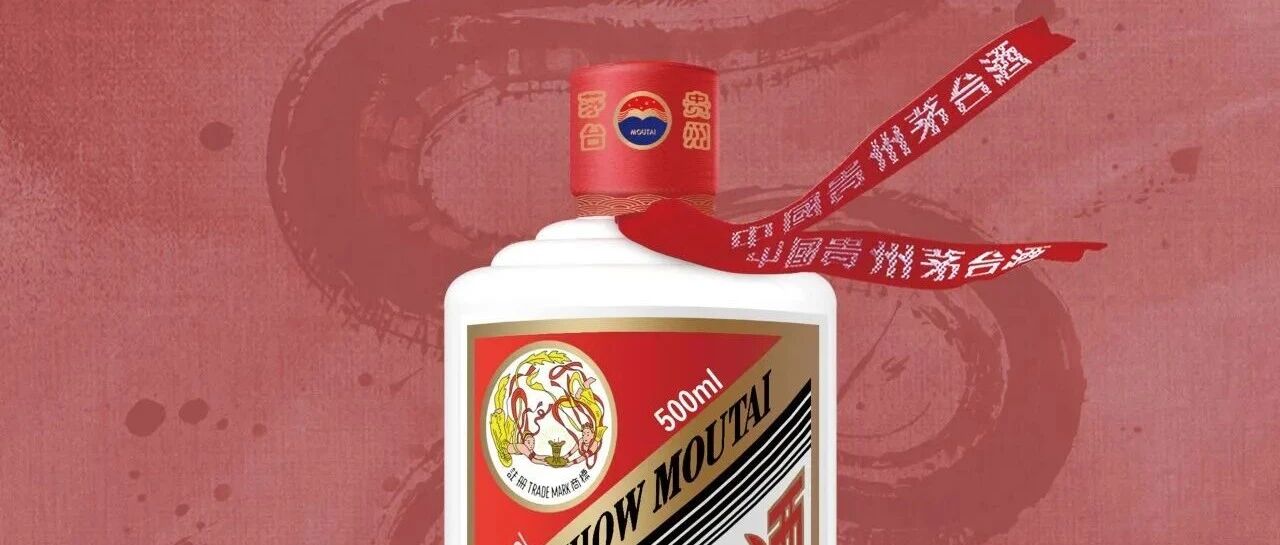
存量厮杀时代,茅台“韧性”如何穿越新周期迷雾?
财富FORTUNE· 2025-12-15 13:06
Core Viewpoint - The Chinese liquor industry, particularly the baijiu sector, is facing significant challenges such as high inventory, price inversion, and sluggish consumption, prompting a shift from high-speed growth to high-quality development. Moutai's future trajectory and transformation are crucial for various stakeholders, including consumers and investors [1]. Group 1: Industry Overview - The overall performance of the baijiu industry has declined, with 18 out of 20 listed liquor companies in A-shares reporting decreases in both revenue and net profit, with some experiencing over 100% drop in net profit. In contrast, Moutai achieved a revenue growth of 6.36% and a net profit increase of 6.25% in the first three quarters of 2025, showcasing its strong brand power and channel resilience [1]. - Moutai's chairman emphasized the importance of maintaining quality over quantity, stating that the company will not sacrifice long-term development for short-term gains, focusing instead on sustainable value creation [1][4]. Group 2: Quality Control and Production - Moutai is committed to a comprehensive quality control system throughout its production chain, particularly emphasizing the importance of its key ingredient, red sorghum. The company aims to ensure that Moutai liquor maintains its quality over time through rigorous scientific planning and production capacity management [6][8]. - The cultivation of skilled craftsmen is essential for Moutai, with the training process for a master brewer taking approximately ten years. This long-term investment in quality and capacity is seen as a way to strengthen Moutai's competitive edge during industry downturns [8][9]. Group 3: Market Strategy and Channel Resilience - The baijiu industry is experiencing significant inventory pressure, with average inventory turnover days reaching 900 days, a 10% increase year-on-year. Moutai is prioritizing the maintenance of channel resilience and market stability during this adjustment period [12]. - Moutai has implemented a scientific product distribution system driven by terminal sales, reducing market supply to stabilize the market. As a result, Moutai's revenue from liquor sales increased by 7.26% year-on-year in the third quarter [15]. Group 4: Consumer Engagement and Brand Evolution - Moutai is actively transforming its brand to connect with younger consumers through innovative marketing strategies that emphasize lifestyle and emotional connections. The company is expanding its target audience to include emerging industries and creating experiential consumption scenarios [18][21]. - Moutai's cultural initiatives, such as the "Moutai Wine Festival" and "Red Sorghum Harvest Season," aim to enhance emotional resonance with consumers and promote a shift from merely selling liquor to selling a lifestyle [22].