
企业出海

Search documents
圆桌对话:从本土走向全球:企业出海的“破圈”征程|2025中国—东盟博览会品牌文化出海交流会
3 6 Ke· 2025-09-22 10:43
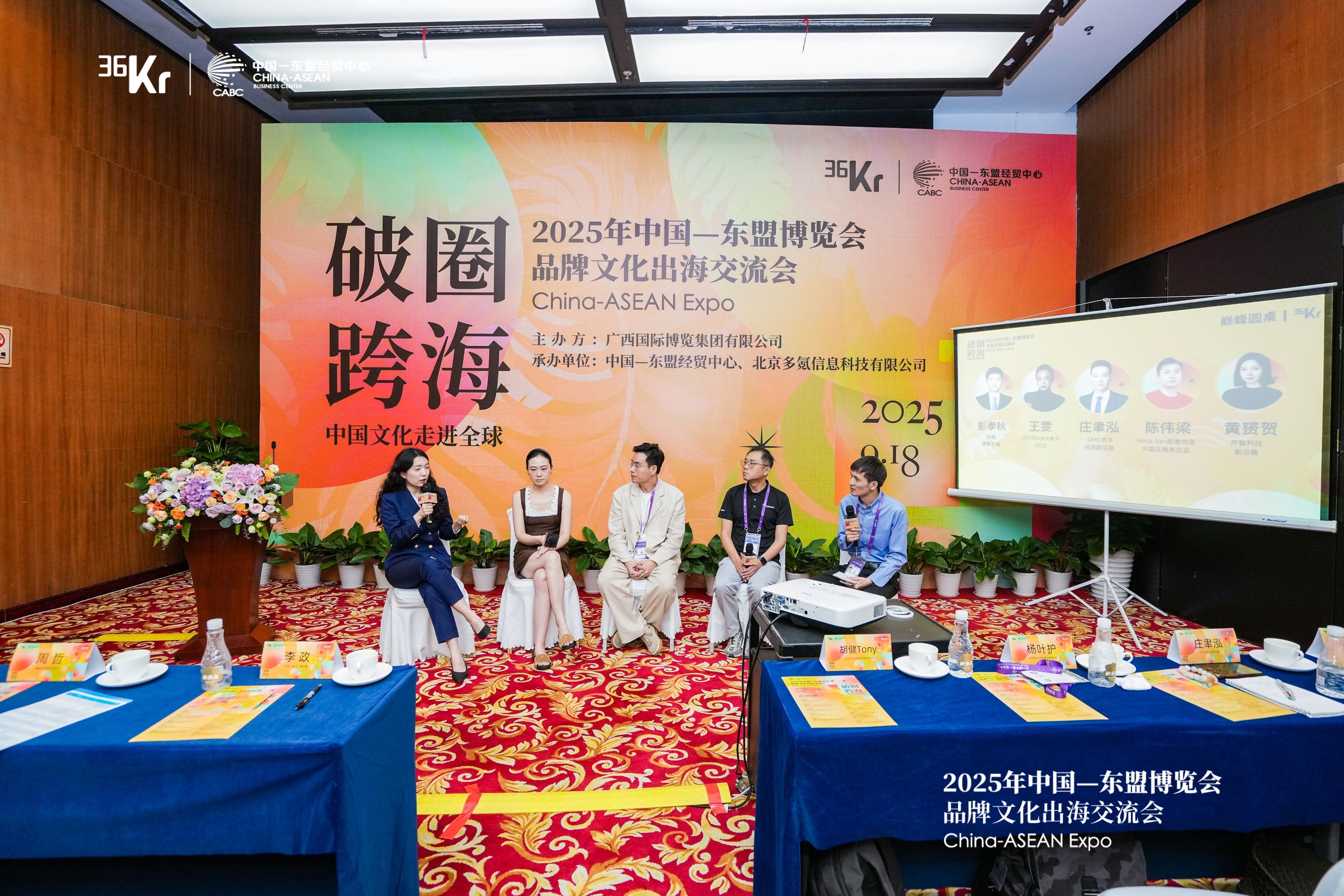
Core Viewpoint - The globalization narrative of Chinese companies is evolving from merely exporting products to offering culturally rich experiences and identities, as discussed in the recent forum on "Chinese Brand Culture Going Global" hosted by 36Kr [1] Group 1: Industry Trends - Chinese companies are shifting from a focus on price and supply chain efficiency to emphasizing cultural narratives and consumer experiences in their global strategies [1] - The forum highlighted the importance of capital, branding, infrastructure, and AI in navigating the new landscape of globalization [4] Group 2: Company Strategies - Voice AI company, Voice Intelligence, is expanding its product line to include AI hardware such as headphones and hearing aids, achieving significant sales milestones with over 100,000 units sold in the first month of launch [5][6] - Pet lifestyle brand VETRESKA has been strategically pivoting towards international markets since 2019, establishing offices in Singapore and Japan to enhance its overseas presence [8][9] - CMC Capital emphasizes the long-term nature of consumer demand and the need for companies to adapt their strategies to local markets, particularly in the context of cultural and operational differences [10][11] Group 3: Market Insights - The logistics sector is crucial for successful market entry, as demonstrated by the experiences of logistics company Able Logistics in Southeast Asia, which has built a comprehensive logistics network to support e-commerce growth [13][14] - Companies are advised to understand local cultural and infrastructural differences when entering Southeast Asian markets, as these factors significantly impact operational success [16][18] Group 4: Investment Perspectives - CMC Capital is focusing on investing in companies with strong organizational capabilities and is actively looking for opportunities in the overseas market [12][19] - The investment strategy includes supporting companies in their international expansion efforts, particularly those that can leverage local insights and adapt to consumer preferences [20][21] Group 5: Challenges and Opportunities - Companies face challenges in balancing cost, speed, and safety in logistics, particularly in the context of fluctuating tariffs and regulations in international markets [15][18] - The discussion highlighted the need for companies to build strong local partnerships to navigate the complexities of international expansion effectively [19][35]

圆桌对话:从本土走向全球:企业出海的「破圈」征程|2025中国—东盟博览会品牌文化出海交流会
36氪· 2025-09-22 10:37
Core Viewpoint - The article discusses the shift in China's globalization strategy from merely exporting products to promoting cultural experiences and identities, emphasizing the importance of cultural output in various sectors such as gaming, new consumption, and short dramas [3]. Group 1: Cultural Output and Globalization - Over the past two decades, Chinese companies primarily focused on product exports, but the narrative is changing towards cultural experiences and recognition [3]. - The "Breaking the Circle: Chinese Brand Culture Goes Global" forum highlighted the new paths, challenges, and opportunities for Chinese culture in the global market [3]. Group 2: Company Insights and Strategies - Voice Intelligence Technology is focusing on AI hardware for global markets, achieving significant sales milestones, and expanding into regions like Thailand, North America, and Japan [6][7]. - VETRESKA, a pet lifestyle brand, began exploring overseas markets early on and shifted focus to international expansion post-pandemic, establishing offices in Singapore and Japan [9]. - CMC Capital emphasizes the long-term nature of consumer demand and the importance of brand content over mere price-performance ratios in the context of globalization [11]. Group 3: Market Dynamics and Challenges - The logistics sector plays a crucial role in supporting brands entering Southeast Asian markets, with companies needing to adapt to local regulations and infrastructure challenges [15][17]. - Companies are advised to understand local cultures and market dynamics to avoid pitfalls when entering new regions [18][19]. Group 4: Investment and Resource Allocation - CMC Capital is actively investing in companies with strong organizational capabilities for overseas expansion, focusing on both internal and external resource mobilization [12][19]. - The importance of aligning product offerings with local consumer preferences is highlighted, suggesting that companies should prioritize markets where their products can meet specific consumer needs [33][36]. Group 5: Strategic Recommendations - Companies are encouraged to choose their initial overseas markets based on product characteristics and local market conditions, with Southeast Asia being a suitable testing ground for new products [36][37]. - The article suggests that brands should leverage their strengths and adapt their strategies based on the unique demands of each market, whether it be high-end or cost-sensitive segments [33][36].

GP争设香港办公室
FOFWEEKLY· 2025-09-22 10:01
Core Viewpoint - The article highlights the increasing attractiveness of Hong Kong's capital market and innovation ecosystem for venture capital institutions, driven by a surge in IPO activities and supportive government policies [4][6][7]. Group 1: Hong Kong's Capital Market Revival - Hong Kong's capital market has seen a significant recovery since September of the previous year, with trading volume, turnover rate, and the scale of listed companies all experiencing substantial growth [6]. - In the first half of this year, the financing amount in Hong Kong exceeded 100 billion HKD, representing a 700% year-on-year increase, with over 200 companies in the pipeline for listing, more than doubling from the previous year [7]. - The shift in attitude towards Hong Kong listings reflects a broader acceptance among enterprises and investment institutions, positioning Hong Kong as a key location for companies with global ambitions [7][8]. Group 2: Early-Stage Investment Ecosystem - The early-stage investment ecosystem in Hong Kong is rapidly improving, with the government planning to establish a 10 billion HKD "Innovation and Technology Industry Guidance Fund" to attract investments in strategic emerging industries [12][13]. - The Hong Kong Investment Corporation, known as "Hong Kong's Temasek," is actively guiding market funds to attract innovation enterprises to settle in Hong Kong [12]. - The government has invested over 200 billion HKD to promote innovation and technology, with initiatives to attract high-end talent and support for innovative enterprises [13]. Group 3: Venture Capital Institutions Expanding to Hong Kong - Many mainland venture capital institutions are establishing offices in Hong Kong to seek internationalization, with firms like Foton International and Chenyi Fund leading the way [16][17]. - The establishment of offices in Hong Kong allows these institutions to better support their portfolio companies in going public and expanding internationally [16][18]. - The strategic location of Hong Kong as a bridge for mainland RMB institutions to expand globally is emphasized, with a focus on capturing opportunities in the burgeoning tech sector [18].

锚定双向开放 政策组合拳料精准发力
Zhong Guo Zheng Quan Bao· 2025-09-21 20:47
Group 1 - The establishment of the German SME headquarters cluster in Wuhu focuses on automotive parts and high-end intelligent manufacturing, reflecting China's commitment to high-level opening-up [1] - Foreign enterprises are transitioning from "entering China" to "rooting in China," while Chinese companies are moving from "product export" to "brand export," showcasing active bilateral trade and investment [1] - The number of newly established foreign-invested enterprises in China increased by 14.8% year-on-year from January to August, with a total of 42,435 new enterprises [2] Group 2 - Amphenol's new high-end connector project in Haining, Zhejiang, represents a significant investment of 300 million yuan, with an expected annual output value of 1 billion yuan upon reaching full production [2] - 92% of German companies are willing to continue deepening their investment in China, with over half planning to increase their investments in the next two years [3] - Nearly half of the member companies of the American Chamber of Commerce still consider China one of the top three global investment destinations [3] Group 3 - Lan Jian Intelligent is expanding its overseas market presence, with a focus on promoting Chinese smart warehousing technology [4] - The overseas revenue of more than 830 manufacturing companies listed on the Shanghai Stock Exchange reached 1.1 trillion yuan in the first half of the year, reflecting a 5% year-on-year growth [4][5] - Non-listed companies are also accelerating their overseas expansion, with Orange Group's overseas business expected to grow over 400% year-on-year in 2024 [5] Group 4 - More open policies are anticipated to be introduced in the fourth quarter to support both inbound and outbound investments [6] - The National Development and Reform Commission is studying a new version of the "Encouraging Foreign Investment Industry Catalog" to guide foreign investment towards advanced manufacturing and high-tech sectors [6] - The State Council is enhancing support for outbound enterprises by improving the overseas comprehensive service system and establishing service platforms [6][7] Group 5 - Recommendations for optimizing financial and tax support policies for outbound enterprises include expanding export credit insurance coverage and improving risk analysis related to exchange rate fluctuations [7] - Suggestions for policy support include simplifying customs processes and enhancing local market access guidance for emerging markets [7]
锚定双向开放政策组合拳料精准发力
Zhong Guo Zheng Quan Bao· 2025-09-21 20:17
Group 1: Foreign Investment in China - The establishment of the German SME cluster in Wuhu focuses on automotive parts and high-end intelligent manufacturing, reflecting China's commitment to high-level opening-up [1] - China's foreign investment environment is improving, with the nationwide negative list for foreign investment reduced to 29 items, and the manufacturing sector's restrictions eliminated [1] - From January to August, 42,435 new foreign-invested enterprises were established in China, representing a year-on-year increase of 14.8% [1] Group 2: Foreign Companies' Confidence - Amphenol's new high-end connector project in Haining, Zhejiang, has a total planned investment of 300 million yuan, with an expected annual output value of 1 billion yuan upon reaching full capacity [2] - 92% of German companies are willing to continue deepening their investment in China, with over half planning to increase investments in the next two years [2] - Nearly half of the member companies of the American Chamber of Commerce still consider China one of the top three investment destinations globally [2] Group 3: Growth in Overseas Markets - Lan Jian Intelligent is expanding its overseas market presence, with a focus on promoting Chinese smart warehousing technology [3] - In the first half of the year, over 830 manufacturing companies listed on the Shanghai Stock Exchange achieved overseas revenue of 1.1 trillion yuan, a year-on-year increase of 5% [3] - A-share listed companies reported overseas income of 4.90 trillion yuan in the first half of the year, reflecting a growth of 4.5% [3] Group 4: Non-Listed Companies and Policy Expectations - Non-listed companies are also accelerating their overseas expansion, with Orange Group's overseas business expected to grow over 400% in 2024 [4] - The Chinese government is expected to introduce more policies to facilitate foreign investment and support companies going abroad [5] - The State Council is enhancing support for companies participating in international cooperation and competition, focusing on improving overseas service systems [5] Group 5: Recommendations for Policy Support - Companies are seeking policy support for customs facilitation, including optimizing clearance processes and simplifying certification procedures [6] - There is a call for more international certification support and precise market information to assist companies in their overseas ventures [6]
A股5439家公司半年报:十大高增长行业、十大盈利行业、十大高薪行业……
吴晓波频道· 2025-09-21 00:29
Core Viewpoint - The economic landscape of China in 2025 is becoming clearer through specific data, showcasing resilience in traditional industries, breakthroughs in emerging sectors, meticulous cultivation of domestic demand, and bold positioning in global markets [2]. Market Capitalization - As of September 15, 2025, the total market capitalization of A-shares exceeded 118 trillion yuan, a significant increase of 37% from the end of the previous year, adding 32 trillion yuan, equivalent to 17.4 times the market cap of Kweichow Moutai [3]. - The concentration of industries is increasing, with the top ten industries accounting for 66% of the total market capitalization, indicating a strengthening of the "head effect" [3]. - Among 5,439 companies that disclosed semi-annual reports, 2,909 achieved performance growth, representing 53.5%, while 46.5% have not yet recovered from downturns, illustrating a mixed economic recovery [3]. Revenue and Profit - Total revenue of A-shares reached 34.95 trillion yuan, nearly flat year-on-year, while total profit was 3.2 trillion yuan, a growth of 2.31% [13]. - The top ten industries contributed 45% of total revenue, with traditional sectors like refining and trade, infrastructure, and state-owned banks remaining economic cornerstones [13][14]. - The highest revenue growth industries include wind power equipment (45.6%) and various electronic sectors, while traditional sectors like coal and oil show declines [15][11]. Employment and Salaries - The total number of employees in A-share companies reached 30.87 million, an increase of 284,300 year-on-year, with the passenger vehicle industry leading in employee growth at 20.36% [21]. - Average employee salary across industries was approximately 108,400 yuan, a slight increase of 3.24% from the previous year, with the oil and gas extraction industry leading in salary levels at 478,600 yuan [27][29]. Overseas Revenue - 54.27% of A-share companies reported overseas business income, totaling over 4.5 trillion yuan, indicating a shift towards globalization among Chinese enterprises [33]. - The refining and trade industry topped the list for overseas revenue, with significant contributions from consumer electronics and white goods sectors [35]. Industry Trends - The "specialized, refined, and innovative" enterprises outperformed the overall market with an 8.58% revenue growth and a 13.32% profit growth, highlighting the importance of R&D investment [20]. - The education sector showed a recovery trend with an 11% revenue growth and a 28% profit increase, driven by scale effects and AI integration [56]. - The pet food industry demonstrated strong performance with a total revenue exceeding 6.7 billion yuan, although growth was uneven among companies [45].

牛文文:中国企业这一套打法,在海外所向披靡
创业家· 2025-09-20 10:03
Core Viewpoint - The article emphasizes that small and medium-sized enterprises (SMEs) must adapt to survive, either by expanding into international markets or by focusing on niche segments domestically. The competitive advantage for Chinese companies lies in their experience and strategies developed in the domestic market, which can be effectively applied abroad [3][4]. Group 1: International Expansion Strategies - SMEs are encouraged to explore international markets, particularly in Southeast Asia, where they can leverage their established business models and operational efficiencies [3][4]. - The article highlights successful case studies, such as the company WOOK, which has thrived in Indonesia's e-commerce sector, showcasing the potential for Chinese brands to dominate foreign markets [4][7]. - The narrative suggests that the current wave of Chinese SMEs going abroad represents a shift from competing in a saturated domestic market to capitalizing on opportunities in less competitive international landscapes [4][9]. Group 2: Insights from Industry Experts - The article promotes an upcoming event featuring industry leaders who will share insights on product innovation and brand expansion strategies, particularly in the context of the Chinese and Japanese markets [10][12]. - Notable speakers include former executives from renowned companies like Uniqlo and Sony, who will discuss how to transform technology into consumer-friendly products and the importance of understanding local market needs [18][19]. - The event aims to provide practical frameworks for SMEs to innovate and adapt their products for global markets, emphasizing the need for a deep understanding of consumer behavior and market dynamics [21][22]. Group 3: Product Innovation and Market Adaptation - The article discusses the importance of product innovation in the context of a saturated market, urging companies to focus on unique value propositions and consumer insights to differentiate themselves [19][21]. - It highlights the role of AI in reshaping consumer experiences and creating new product categories, suggesting that companies must integrate technology with consumer needs to succeed [19][20]. - The narrative stresses that successful international expansion requires not just exporting products but also adapting to local cultures and consumer preferences, which is crucial for building trust and brand loyalty [26][27].


宋志平:并购重组有利于中国企业参与全球产业整合
Shang Hai Zheng Quan Bao· 2025-09-19 14:30
Core Viewpoint - The introduction of new policies such as the "National Nine Articles" and "Merger and Acquisition Six Articles" marks the beginning of a new era for large-scale mergers and acquisitions in China, emphasizing the capital market's role as the main channel for these activities [1][3]. Group 1: Advantages of Mergers and Acquisitions - Mergers and acquisitions are essential for forming world-class enterprises by achieving necessary operational scale and competitive advantages [3]. - They facilitate structural adjustments and upgrades for listed companies, thereby improving their overall quality [3]. - Mergers and acquisitions support innovative companies in entering the capital market and help private equity investors achieve a closed loop of fundraising, investment, management, and exit [3]. - They enhance industry concentration, mitigate internal competition, and promote healthy industry development [4]. - Mergers and acquisitions enable Chinese companies to participate in global industrial integration, accelerating their international expansion efforts [4]. Group 2: Current Trends and Characteristics - The current wave of international expansion is characterized by a predominance of private enterprises and a focus on the manufacturing sector [4]. - Chinese companies are increasingly going global with technology, equipment, management capabilities, and brand recognition, leading to a "big outbound" trend [4]. - Two primary modes of internationalization include "greenfield investments" to establish factories abroad and mergers for international layout [4]. Group 3: Principles and Integration Post-Merger - Mergers and acquisitions should not blindly pursue scale and quantity; they must adhere to four principles: alignment with corporate strategy, clear benefits, potential for synergy, and manageable risks [4]. - Post-merger integration encompasses five aspects: business integration, organizational integration, market integration, management integration, and cultural integration, with cultural integration being particularly crucial [4].
第12届海归论坛举行“开放兴湘海归谈”活动 专家聚焦“企业出海与湖南高水平开放”
Chang Sha Wan Bao· 2025-09-19 14:16
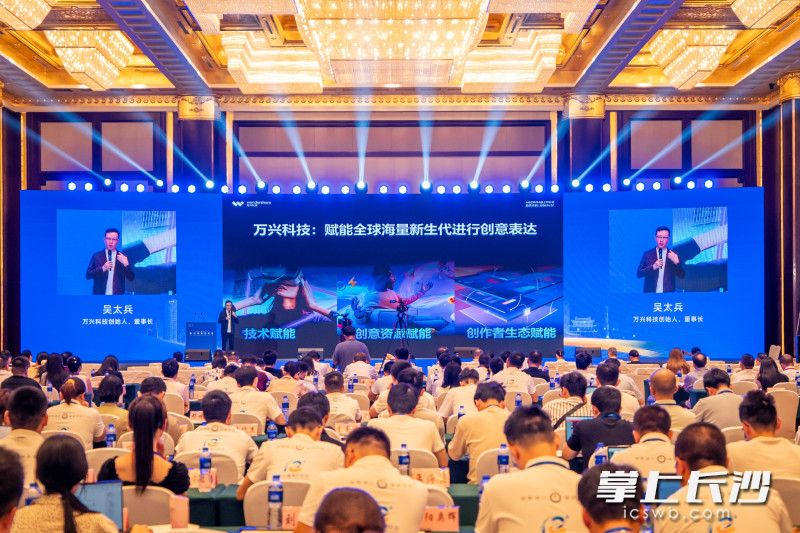
Group 1 - The 12th Overseas Returnees Forum held an event focusing on "Enterprise Going Global and High-Level Opening in Hunan" [1] - The chairman of Wankey Technology, Wu Taibing, shared insights on the company's 20 years of international expansion, highlighting that they have brought over 10 digital creative software products to more than 200 countries and regions [3] - Wankey Technology's self-developed "Tianmu Model" has served over 1.5 billion users globally and supports multiple languages in its international app [3] Group 2 - Wankey Technology has established a global operational headquarters in Changsha and aims to expand its local team while attracting overseas talent [3][4] - The company has implemented a talent recruitment strategy since 2018, attracting top graduates from prestigious universities and currently employs nearly 1,000 staff in Hunan [4] - The construction of the Wankey Technology (Changsha) Creative Science Park, with a total investment of nearly 1 billion yuan and an area of nearly 100,000 square meters, is set to begin by the end of 2023 [4] Group 3 - Xiao Hao, Executive Vice Dean of the African Research Institute at Hunan University, emphasized the need for Hunan to leverage digital technology and emerging markets to facilitate enterprises going global [6] - Recommendations include creating a data cooperation research center, establishing an innovation and entrepreneurship base for youth, and developing a cross-border financial service hub [6] - The African Research Institute aims to build a top-tier talent team and enhance Hunan's international reputation through Sino-African economic cooperation [6]

深企出海扬起“法治之帆”
Shen Zhen Shang Bao· 2025-09-19 14:01
Core Points - The 2025 Chinese Lawyers Conference was launched in Qianhai International Conference Center, aimed at promoting international legal services and supporting Shenzhen enterprises in expanding into international markets [1] - Over 500 participants, including lawyers from more than 70 countries and regions, overseas Chinese leaders, experts, scholars, and representatives from Shenzhen enterprises and industry associations, gathered to discuss global industrial collaboration and innovative cooperation in international legal services [1] Group 1 - The event is part of the "Same Journey" initiative, which focuses on assisting enterprises through overseas Chinese affairs and developing the foreign-related legal service industry [1] - The Guangdong-Hong Kong-Macao Greater Bay Area Lawyers "Three-Person Walk" plan was launched, along with public legal consultation activities [1] - The Shenzhen Judicial Bureau and Qianhai Management Bureau promoted Shenzhen's foreign-related legal services and business environment [1] Group 2 - Three lawyers shared insights on providing quality legal services to support enterprises going global [1] - The event featured a product exhibition with 112 companies showcasing 200 products [1] - Five specialized exchange activities were organized, including public legal consultation, cross-border arbitration, international compliance for enterprises, and international legal service cooperation [1]