能源安全

Search documents
西气东输三线中段中卫至枣阳段投产
Zhong Guo Hua Gong Bao· 2025-10-13 02:27
西气东输三线按照东段、中段、西段分期建设投产,其中西段霍尔果斯至中卫段于2014年投产,东段吉 安至福州段于2016年投产,气源为中亚国家和我国西部地区的清洁能源,联通国家骨干天然气管网,对 提升国际油气资源配置效率、保障开放条件下的能源安全、共建新时代绿色能源丝绸之路具有重大战略 意义。 中化新网讯 从国家管网集团传出信息,近日,国家"十四五"石油天然气发展规划重点项目西气东输三 线中段(中卫—吉安)天然气管道(下称西气东输三线中段)中卫至枣阳段工程正式投产通气,与西气东输 管道系统连通,有效推动天然气市场辐射至长三角、珠三角、环渤海和川渝地区,对优化我国能源输送 结构、促进区域经济发展具有重要意义。 西气东输三线中段中卫至枣阳段是天然气"全国一张网"的关键连通管道,全长1235千米,途经宁夏、甘 肃、陕西、河南、湖北共5个省(自治区)。管道与西气东输一线、二线共同构成横贯东西的能源走廊, 串联起西北油气战略枢纽与华中地区管道系统,有效疏解西气东输一线、二线高负荷运行的现状,打通 了西部油气田增产外输通道,进一步满足我国中东部天然气消费市场需求。 ...
中国加速与海合会能源合作,锁定长期供应应对全球动荡
Sou Hu Cai Jing· 2025-10-12 10:53
Core Insights - China's energy cooperation with Gulf Cooperation Council (GCC) countries has deepened significantly in recent years, driven by global energy market volatility and US-China trade tensions, with long-term procurement agreements solidifying energy ties and ensuring energy security [1][6][12] Energy Supply Agreements - In April 2025, China National Offshore Oil Corporation (CNOOC) signed a five-year LNG supply agreement with Abu Dhabi National Oil Company (ADNOC) to supply 500,000 tons annually starting in 2026 [3] - ADNOC also reached agreements with two other Chinese companies for long-term LNG contracts, effectively reducing market volatility risks for Chinese buyers amid increasing US sanctions on Iranian oil [3][6] - China's imports from GCC countries in 2023 included approximately 201 million tons of crude oil and 18 million tons of LNG, accounting for one-third and one-quarter of its total imports, respectively [5] Strategic Diversification - Iraq, as China's third-largest crude oil supplier, is expected to double its production to 500,000 barrels per day by 2030, enhancing China's crude oil imports from Iraq beyond the current 1.2 million barrels per day [4] - The long-term contracts with GCC countries serve as a strategic hedge against external pressures, reducing reliance on sanctioned nations [6][12] Broader Energy Network - China is expanding its energy strategy beyond GCC countries by collaborating with ASEAN nations to build a more extensive Asian energy network, enhancing traditional and clean energy cooperation [7] - The first trilateral summit in May 2025 among China, GCC, and ASEAN focused on strengthening energy supply chains and investing in new energy sources [7] Clean Energy Collaboration - Cooperation in clean energy is accelerating, with GCC countries aiming to diversify their economies and reduce oil dependency, as seen in Saudi Arabia's Vision 2030 and UAE's Net Zero 2050 strategy [8] - China has become a key partner in the energy transition for GCC countries, with significant investments in renewable energy projects [8] Bilateral Trade Growth - In 2024, bilateral trade between China and the UAE surpassed $100 billion, reflecting extensive economic ties beyond energy [10] Geopolitical Considerations - The geopolitical landscape poses challenges, with regional instability and external pressures impacting China's energy strategy, necessitating a balance between economic interests and geopolitical considerations [13]



密集调整!涉及中国石油、中国石化四家公司人事变动
Sou Hu Cai Jing· 2025-10-12 04:41
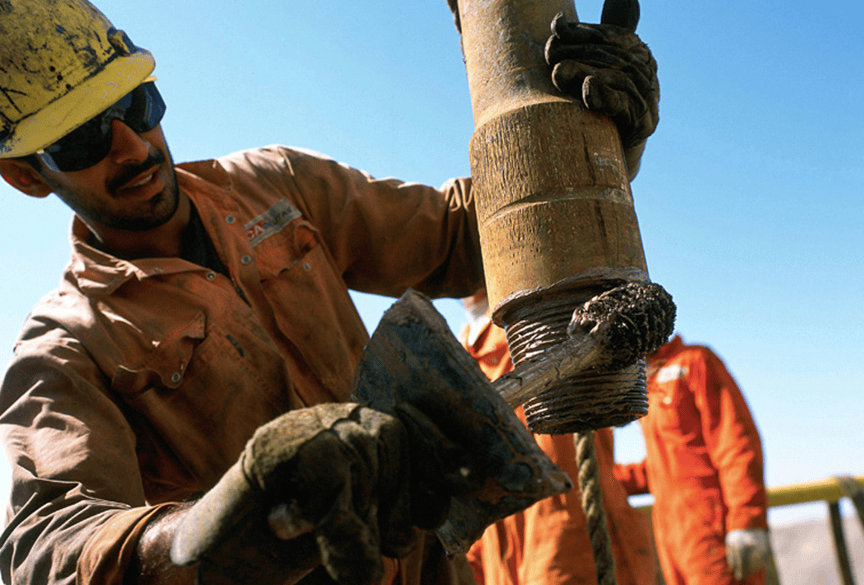
Group 1: Leadership Changes - Recent leadership changes occurred in several subsidiaries of China National Petroleum Corporation (CNPC) and Sinopec, including Southwest Oil and Gas Field, Shanghai Marine Oil Bureau, Central Plains Petroleum Engineering Company, and Yumen Oilfield [2][4][5][9] - Li Bo was appointed as a member of the Party Committee and Secretary of the Discipline Inspection Commission at CNPC Southwest Oil and Gas Field [2] - Zhang Shanghu was appointed as General Manager and Deputy Secretary of the Party Committee at Sinopec Shanghai Marine Oil Bureau [5] - Chen Zongqi was appointed as Executive Director and Secretary of the Party Committee at Sinopec Central Plains Petroleum Engineering Company [7] - Li Hui was appointed as General Manager and Deputy Secretary of the Party Committee at Yumen Oilfield [9] Group 2: Company Overview and Strategic Importance - Southwest Oil and Gas Field is the largest natural gas production and supply enterprise in Southwest China, with a strategic position in the industry [4] - The company achieved an impressive oil and gas equivalent production of 35.79 million tons in 2024, ranking second in CNPC's upstream sector and becoming the third-largest oil and gas field in China [4] - Shanghai Marine Oil Bureau, established in 1993, is the only Sinopec entity focused on deep-sea oil and gas exploration and engineering services, highlighting the company's commitment to marine resource development [5][6] - Central Plains Petroleum Engineering Company, founded in 2012, provides comprehensive oil engineering services and plays a crucial role in supporting upstream exploration and development activities [7][8] - Yumen Oilfield, known as the cradle of China's petroleum industry, focuses on oil and gas exploration, development, and refining, playing a vital role in energy supply for the western region [9]



Mhmarkets迈汇:美国煤炭政策能否守住能源安全?
Xin Lang Cai Jing· 2025-10-11 01:40
Group 1 - The Trump administration is reviving coal as part of the energy agenda, aiming to enhance energy security despite the global trend of phasing out coal [1][2] - The Department of Energy (DoE) is intervening to prevent the closure of coal plants, citing potential risks to the power system, while ignoring the long-term cost implications for consumers [2][3] - The cost of coal power in the U.S. is projected to rise significantly, with a 28% increase expected by 2024 compared to 2021, and many coal plants facing costs that are double the inflation rate [2][3] Group 2 - The extension of the operational life of coal plants has led to increased electricity costs for consumers, with specific examples showing substantial price hikes [3] - The financial data suggests that the revival of coal may impose a heavier cost burden on consumers, contradicting the administration's claims that coal can resolve the energy crisis [3] - The overall trend in the energy market is shifting towards cleaner and more efficient alternatives, with natural gas and renewable energy becoming more competitive in pricing [3]
俄持续空袭,摧毁乌60%天然气设施,欧盟要再次买单,有苦说不出
Sou Hu Cai Jing· 2025-10-10 11:48
俄罗斯炸毁的是乌克兰的天然气设施,受寒的是整个欧洲的冬天。乌克兰哭着喊着要欧盟掏出22亿欧元"救命钱",而欧盟这边,心疼得比天气还冷。能源断 了,账单多了,民意压着,政治还得硬撑——这场冲突还没结束,欧洲已经快喘不过气来。 自2022年俄乌冲突爆发,欧盟就像个"月光族",每月都要往乌克兰账户里打钱。从军事装备到财政援助,甚至连军人薪水都要帮着垫。 据欧盟委员会2024年发布的报告,累计援助金额已突破850亿欧元,可泽连斯基还不嫌多,2024年冬天再次开口要求22亿欧元用于"基础设施重建"和"能源补 贴"。而彼时,美国态度一百八十度转弯。特朗普回国后直接表态:"乌克兰武器?得自己掏钱。"这下可好,欧盟成了唯一的"提款机"。 可问题是,这台提款机早就电压不稳了。2025年欧盟预算草案显示,多个民生项目被压缩,只为继续援乌"输血",不少成员国财政部长私下抱怨:"这不是 援助,这是拔我们的命根。" 更讽刺的是,欧盟内部也开始清醒。援助乌克兰,表面上是"价值观输出",背地里却是"战略自损"。越多的钱砸进去,越难收手。民众怨声载道,抗议不 断;可政治正确绑得紧,放弃援助又怕"站错队"。这不是矛盾,这是结构性困境,一边是道 ...
惊世大反转!俄罗斯燃油危机爆发,竟向中国紧急进口汽油,免税政策暗藏战略玄机
Sou Hu Cai Jing· 2025-10-10 08:17
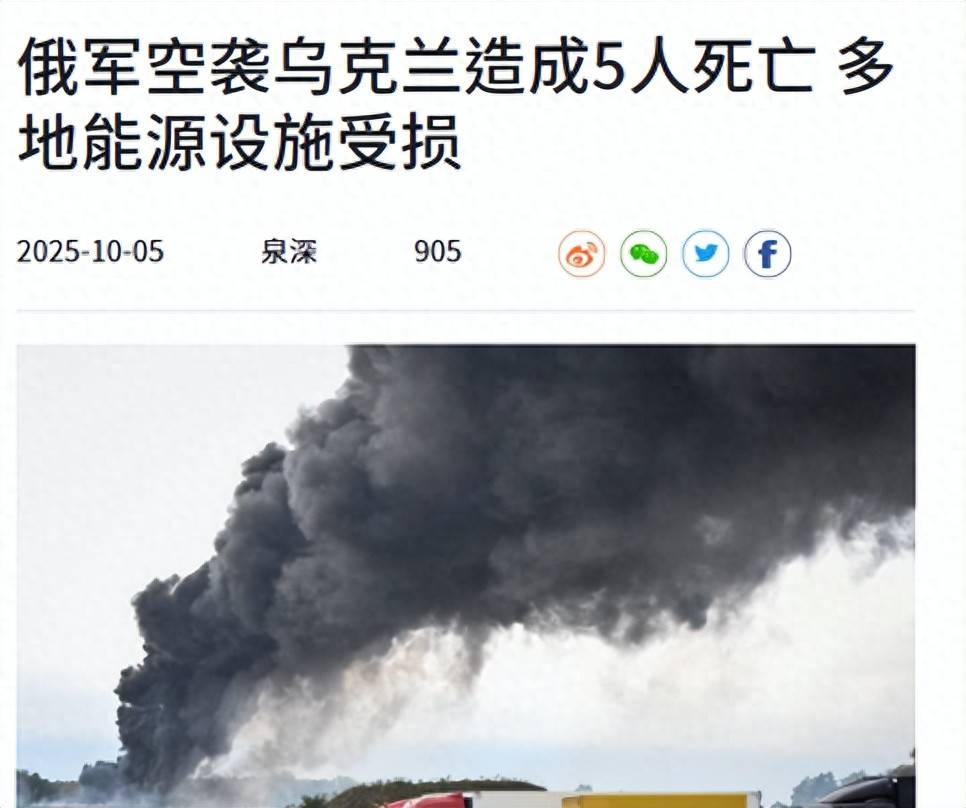
Core Viewpoint - Russia, once a dominant player in global oil exports, is now facing a fuel crisis and has begun importing gasoline from China, a move driven by military drone attacks and Western sanctions [1][3][5] Group 1: Energy Crisis in Russia - The fuel shortage in Russia is a result of targeted attacks on oil refineries by Ukrainian drones, leading to the destruction of 21 out of 38 refineries and a significant reduction in oil processing capacity [3][5] - By September, Russia's gasoline production dropped by one million tons, creating a domestic supply gap of 20%, with some regions experiencing severe fuel shortages [5][9] - The price of gasoline has surged by 45% since the beginning of the year, exacerbating the crisis for both civilians and military personnel [5][9] Group 2: Shift Towards China - In response to the crisis, Russia is turning to China for gasoline imports, benefiting from China's status as the world's largest exporter of refining equipment [7][9] - The import deal includes the removal of a 5% import duty and a 13% value-added tax, allowing Russia to cover a monthly gasoline shortfall of 350,000 tons [7][9] - This partnership reflects a broader trend in global energy transition, with China leading in ethanol gasoline technology [7][9] Group 3: Long-term Implications - While importing gasoline provides temporary relief, logistical challenges and ongoing drone attacks threaten the sustainability of this solution [9][11] - The reliance on external aid could undermine Russia's strategic autonomy, as the country faces long-term challenges in restoring its energy production capabilities [9][11] - The situation serves as a warning about the interconnectedness of energy security, technology, and geopolitical dynamics, highlighting the fragility of even the strongest energy nations [11]
美国霸权也没用,印度无视美国施压,拒在俄乌间站队
Sou Hu Cai Jing· 2025-10-10 04:14
Core Viewpoint - The article discusses India's steadfastness in continuing to import oil from Russia despite U.S. sanctions and tariffs, highlighting the geopolitical and economic implications of this decision. Group 1: U.S. Sanctions and India's Response - The U.S. has imposed sanctions on Russia's energy sector and pressured other countries to reduce oil imports from Russia, aiming to weaken Russia's financial resources [1][6] - India has not only maintained but increased its oil imports from Russia, making it the largest supplier of crude oil to India, accounting for 34% of its total imports [8][13] - Indian Foreign Minister S. Jaishankar criticized the U.S. for its 25% punitive tariffs on Indian imports and described the U.S. actions as unfair and unreasonable [3][6] Group 2: Importance of Energy Security for India - Energy supply stability is crucial for India's economic growth and social stability, especially amid global oil price volatility [5] - The competitive pricing and stable supply of Russian oil are significant factors for India, as abandoning this source could lead to energy shortages and inflation [5][13] - India's energy procurement strategy is driven by national interest, prioritizing energy security over external pressures [8][13] Group 3: Criticism of Double Standards - India has criticized the U.S. for its double standards in energy sanctions, noting that many Western countries continue to import Russian oil while pressuring India to stop [6][10] - Jaishankar pointed out the inconsistency in how developed countries handle energy and resource acquisition compared to developing nations [11] Group 4: Future Outlook - The ongoing geopolitical tensions between the U.S. and India may persist, but India's commitment to an independent foreign policy and energy procurement strategy is expected to remain unchanged [15]
俄罗斯数轮毁灭性打击后,乌克兰天然气产能骤降60%,基辅紧急向盟友求助购买
Sou Hu Cai Jing· 2025-10-09 13:52
根据知情人士透露,基辅政权在本周早些时候告知盟友,基于俄军从10月3日开始,对包括波尔塔瓦州和哈尔科夫州在内地区能源设施的毁灭性打击,乌克 兰60%天然气产能已经陷入瘫痪。 放在过去,俄军虽然会打击乌能源设施,但很少会进行毁灭性打击,然而随着乌军近期加码偷袭俄能源设施,普京一怒之下,9月底以来,算是彻底放开了 对乌境内能源设施的打击力度。 数据显示,乌克兰天然气储备位居欧洲第2,2022年产量是180亿立方米,2023年产量是165.6亿立方米,2024年产量是146立方米,战争不断使得乌克兰的天 然气产能变得极为脆弱。 尽管乌克兰过去数年也在尽可能减少天然气消费量,但在2025年第1个季度,其消费量仍高达130.73亿立方米,考虑到在非冬季的使用量会减少,全年消费 量也预估在220亿立方米以上 根据知情人士透露,基辅政权正在为最坏的情况提前做好准备,为了满足国内需求,乌克兰正计划在2026年3月底前,从国外新增购买44亿立方米的天然 气,这项计划预期耗资20亿欧元。 购买天然气的20亿欧元基辅拿不出,只能由欧洲暂时进行买单,在2025年8月,乌克兰国家石油天然气公司就从欧洲复兴开发银行获得了5亿欧元的贷款, ...
扫了这么多年,二维码还没用完?
36氪· 2025-10-09 09:59
Core Viewpoint - The article discusses the significance and functionality of QR codes in modern society, highlighting their integration into various aspects of daily life and industry, and the complex systems that support their use [7][8][50]. Group 1: Evolution of QR Codes - QR codes emerged as a solution to the limitations of barcodes, which could only store minimal information and were one-dimensional [19][20]. - The invention of QR codes in 1994 by Masahiro Hara was driven by the need for a more efficient way to manage parts in manufacturing, allowing for two-dimensional data storage [20][22]. - QR codes can store a vast amount of information due to their design, which allows for multiple combinations of black and white modules [48][49]. Group 2: Functionality and Standards - QR codes operate on the ISO/IEC 18004 standard, which ensures that any device can recognize and decode them, but does not guarantee the interpretation of the content [27][29]. - The application layer determines how the decoded information is used, which can vary between different platforms like WeChat and Alipay [33][36]. - QR codes have a built-in error correction mechanism, allowing them to be scanned even if partially damaged [38][41]. Group 3: Daily Usage and Impact - The article estimates that billions of scans occur daily across various sectors, including logistics, manufacturing, and personal transactions [44][46]. - The design of QR codes ensures that they will not run out of combinations, addressing concerns about their longevity in usage [46][49]. - The process of scanning a QR code involves capturing an image, decoding it, and executing commands, all of which happen in less than a second [62][53][55]. Group 4: Challenges and Considerations - The increasing frequency of QR code usage raises concerns about energy security, as the data generated requires significant storage and processing power [63][68]. - Data security is another critical issue, as the aggregation of personal data through QR code interactions poses risks of misuse [71][72]. - The article emphasizes that technological advancements, such as facial recognition and palm payment, rely on the same underlying systems as QR codes, showcasing the complexity of modern digital interactions [75][77].

建信基金:人类“史诗级”工程启动,哪些投资风口已现?
Xin Lang Ji Jin· 2025-10-09 09:45
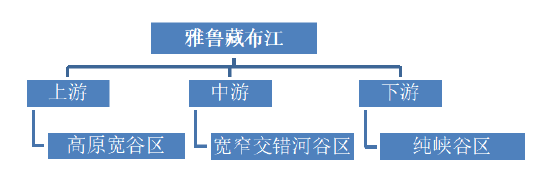
Core Viewpoint - The Yarlung Tsangpo River downstream hydropower project (Yaxia Hydropower Project) is a super-large hydropower initiative in Tibet, with a total investment of 1.2 trillion yuan, which is equivalent to five Three Gorges projects, and aims to significantly enhance China's energy security and regional economic development [1][6][10]. Summary by Relevant Sections Project Overview - The Yaxia Hydropower Project is located in the downstream of the Yarlung Tsangpo River, primarily in Linzhi City, and is characterized by its strategic significance beyond just energy production [1][2]. Project Scale and Comparison - The project has a total investment of 1.2 trillion yuan, a capacity of 60 million kilowatts, and an annual power generation of 300 billion kilowatt-hours, which can meet the annual electricity needs of 300 million people. In comparison, the Three Gorges Project has a total investment of 207.2 billion yuan and an annual generation of over 100 billion kilowatt-hours [5][6]. Impact and Strategic Importance - The Yaxia Hydropower Project is expected to enhance energy independence, reduce reliance on foreign energy sources, and contribute to regional economic growth, with its investment amounting to 88.7% of China's total water conservancy investment in 2024 [8][10]. - The project will also have significant geopolitical implications, as it involves the management of water resources in a transboundary river shared by China, India, and Bangladesh [12]. Environmental and Technological Aspects - Upon completion, the project is projected to replace 90 million tons of standard coal and reduce carbon dioxide emissions by 300 million tons, supporting China's carbon neutrality goals by 2060 [12]. - The project will utilize advanced technologies, including high-pressure steel pipes and remote control systems, setting new standards in global hydropower technology [12]. Beneficiaries and Industry Chain - The project will benefit various sectors, including construction materials, engineering, equipment manufacturing, and electricity operation, indicating a broad impact across the supply chain [13].