首店经济

Search documents
江浦街道:奋楫扬帆 涌动经济发展新浪潮
Nan Jing Ri Bao· 2025-07-25 00:13
Group 1 - Jiangpu Street is actively integrating into the overall strategy of the district, focusing on economic development and the implementation of quality projects [1] - The opening of the first store, "栗nutco·美味生活家," in Jiangbei Hongyue City achieved over 2 million yuan in revenue in its first month, highlighting the success of the first-store economy [2] - The collaboration between Jiangpu Street and major commercial entities has led to the introduction of more experiential and interactive business formats, enhancing consumer engagement and economic vitality [3] Group 2 - The construction of the Wyndham Hotel project is underway, supported by a comprehensive service system that addresses the actual needs of enterprises [4] - Jiangpu Street focuses on providing full coverage services to enterprises, aiming to enhance their experience and support high-quality development [5] - The success of the "响堂" music event significantly boosted local tourism and consumption, with an estimated increase of 50% in visitors and over 50 million yuan in regional consumption [6] Group 3 - The street is actively attracting projects such as the Zhou Dafu brand agency and Guoren Insurance, emphasizing the importance of investment attraction for economic growth [7] - Jiangpu Street aims to leverage new opportunities from the "New Main City of Jiangbei" initiative, focusing on comprehensive project development and investment attraction [7]
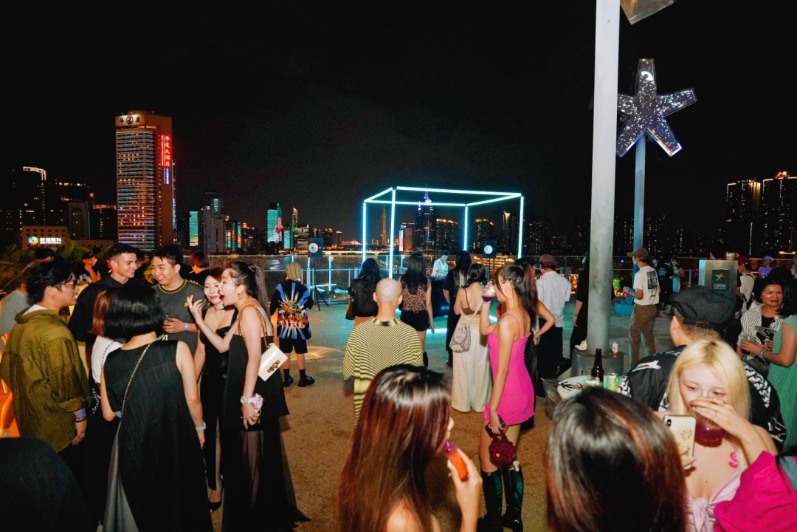
暑假广州商圈热点频出,“夜经济”“次元经济”“首店经济”成引流密码
Guang Zhou Ri Bao· 2025-07-24 16:05
Group 1 - The current summer economy has become a hot topic in consumer spending, with the "Yue Night, Yue Beautiful" event promoting night economy activities in Guangdong from July to September, featuring over 200 themed events [1] - The night economy in Guangdong is characterized by a deep integration of commerce, tourism, culture, and sports, with a focus on a multi-format model centered around "night markets, night tours, and night performances" [1] - The "Dimensional Economy" is gaining traction, highlighted by a celebration event featuring a well-known gaming character, which has become a trending topic on social media [3] Group 2 - The "First Launch Economy" is a key focus for commercial entities, with notable brands like Sans Ngu opening their first store in South China at the Star Horizon, introducing creative product lines and interactive summer experiences [3] - The architectural design in Guangzhou's commercial area integrates indoor and outdoor spaces with cultural and natural landscapes, creating a vibrant shopping environment that reflects both historical and modern elements [5] - Consumers can enjoy a relaxed shopping experience, socializing over coffee and ice cream while exploring a variety of trendy brands in a lively urban setting [5]

杭州商业10年:购物中心数量飙升113个,诞生全国客流TOP1
3 6 Ke· 2025-07-24 02:48
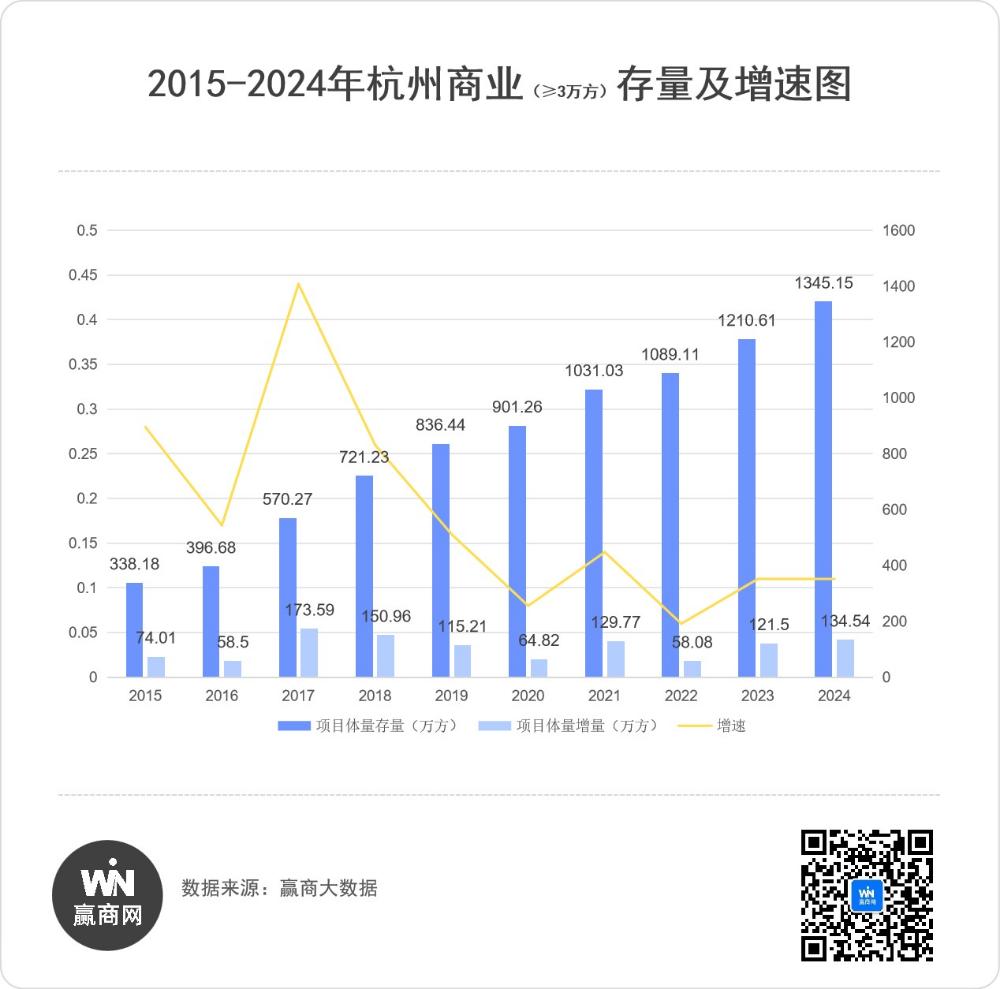
Group 1: Economic Growth and Urban Development - Hangzhou's GDP grew from over 1 trillion yuan in 2015 to over 2 trillion yuan in 2023, with a projected 21,860 billion yuan in 2024, marking a 117.4% increase over ten years [2][4] - The city has seen a significant expansion in its shopping center space, increasing from 338.18 million square meters in 2015 to 1,345.15 million square meters by 2024, nearly tripling in size [2][4] - The number of shopping centers in Hangzhou rose from 36 in 2015 to 149 in 2024, indicating a robust growth in commercial real estate [2][4] Group 2: Commercial Landscape Transformation - The commercial real estate sector in Hangzhou experienced explosive growth from 2015 to 2017, with a peak annual supply of 173.59 million square meters in 2017, a 44% year-on-year increase [4] - Post-2020, the market shifted towards light-asset operations and smaller commercial entities, with non-standard projects gaining traction [4][5] - By 2024, the per capita shopping center area in Hangzhou is expected to reach 1.08 square meters per person, ranking fifth nationally, indicating a saturation in commercial space [4] Group 3: Local Giants and Their Evolution - Local commercial giants like Hangzhou Tower Shopping City and in银泰商业 have adapted to market changes, with in银泰商业 achieving over 3 billion annual visitors and 35 billion yuan in sales by 2024 [5][8] - Hangzhou Tower has focused on luxury brands, becoming the first shopping center in Zhejiang to surpass 10 billion yuan in sales in 2021 [6][7] - in银泰商业 has expanded its footprint across multiple cities, with a focus on innovative product lines and maintaining high customer traffic [8][10] Group 4: Competition from National Chains - Major national players such as Longfor, China Resources, and Wanda have established a strong presence in Hangzhou, with Longfor planning to open multiple shopping centers in the coming years [16][19][24] - China Resources has developed a comprehensive product matrix in Hangzhou, including high-end malls and innovative commercial formats, with sales exceeding 10 billion yuan in 2024 [21][22] - Wanda has shifted towards a light-asset model, focusing on innovative designs and community engagement to maintain its competitive edge [24][26] Group 5: Emerging Trends and Innovations - The rise of non-standard commercial projects and urban renewal initiatives has led to a diversification of Hangzhou's commercial landscape, with new business models emerging [32][34] - The integration of live-streaming and digital commerce has become a significant trend, with Hangzhou's digital economy generating 1.8737 trillion yuan in revenue in 2023 [32][33] - New commercial formats, such as the 24-hour live-streaming theme park, are being developed to enhance the shopping experience and attract younger consumers [33][34]

226家首店抢滩南京!JLC、德基“争霸”,玄武花园城紧追
3 6 Ke· 2025-07-24 02:21
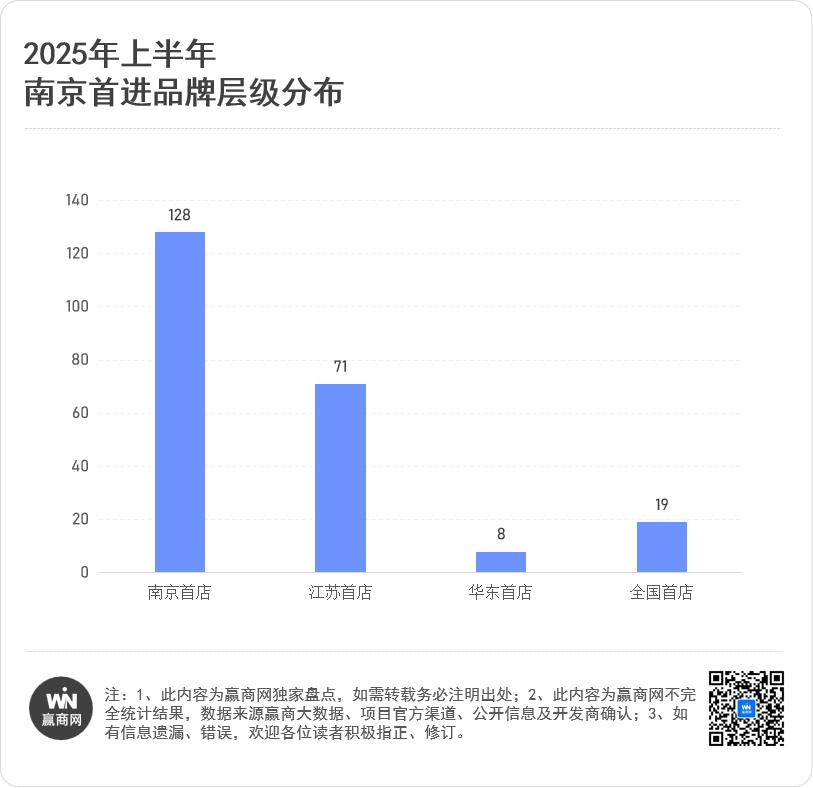
Core Insights - Nanjing's first-store economy is experiencing rapid growth, with 226 new stores introduced in the first half of 2025, doubling the number from the previous year and setting a historical record [1][3][24] - The city has established a favorable business environment through supportive government policies, enhancing the attractiveness for brands to launch their first stores [3][26] - The retail and dining sectors are the main drivers of this growth, with significant contributions from new brands in both categories [4][5][8][9] Group 1: First-Store Economy Overview - Nanjing introduced 226 first stores in the first half of 2025, with a breakdown of 128 city-level stores, 71 provincial stores, 8 regional stores, and 19 national stores [1][3] - The concentration of new projects, such as JLC Jinling Center and Xuanwu招商花园城, is enhancing the city's commercial ecosystem and attracting more first stores [1][4][12] - The government has implemented measures to support the first-store economy, including over 10 million yuan in funding for various initiatives [3][26] Group 2: Sector Performance - The dining sector accounted for 50% of new first stores, while retail made up 41%, indicating a dual-driven growth model [5][8] - In the dining segment, beverage and dessert brands are particularly prominent, with 23 and 15 new brands respectively, reflecting a trend towards experiential and niche offerings [8][9] - The retail sector is characterized by a strong presence of fashion and lifestyle brands, with clothing stores making up 51% of new retail entries [9][20] Group 3: Key Projects and Locations - Major commercial projects like JLC Jinling Center, Deji Plaza, and Xuanwu招商花园城 are leading the first-store introductions, with JLC alone accounting for over 40% of new brands being first-time entrants in the region [12][14][16] - Deji Plaza recorded 42 new first stores, including 9 national and 4 regional stores, showcasing its strong brand attraction and high-quality offerings [19][20] - Xuanwu招商花园城 is enhancing regional commercial capabilities by introducing over 240 brands, including significant first stores in various categories [22][23] Group 4: Brand Dynamics - Local brands dominate the first-store landscape, with 186 Chinese brands opening stores, representing 83% of the total [24][25] - International brands are also increasingly entering the market, with 40 overseas brands launching in Nanjing, indicating the city's growing appeal [24][26] - The emergence of non-standard stores, such as themed and concept stores, is becoming a key driver of consumer engagement and brand differentiation [24][25]
消费潜力充分释放,济宁高新区促消费工作取得了积极成效
Qi Lu Wan Bao Wang· 2025-07-21 09:09
Core Viewpoint - Jining High-tech Zone is actively promoting consumption and high-quality development through various initiatives, including the issuance of consumption vouchers and the organization of promotional events, resulting in significant economic impact [1][2][3]. Group 1: Consumption Promotion Initiatives - The "Hui Gou Gao Xin" consumption voucher program has been launched, distributing 2.2 million yuan in vouchers, which has stimulated 16 million yuan in consumption [1]. - A total of 19 promotional events have been organized, including three large auto shows, leading to the sale of over 1,000 vehicles and a 20% increase in new energy vehicle consumption [1][2]. - The retail sales of consumer goods in the region increased by 9.7% year-on-year from January to May [1]. Group 2: Old-for-New Consumption Programs - The old-for-new program for automobiles, home appliances, and electric bicycles has been implemented, securing 108 million yuan in subsidies for over 7,500 participants [2]. - The home appliance sector saw a sales increase of over 30% due to the issuance of 9.19 million yuan in national subsidies, which generated 49.18 million yuan in sales [2]. - The mobile phone and digital device sector benefited from 3.01 million yuan in subsidies, leading to 23.6 million yuan in consumption [2]. Group 3: Development of New Consumption Scenarios - The development of the first-store economy is being prioritized, with major brands entering the market, enhancing the vitality of the Liaohe business circle [2]. - Online shopping and live e-commerce channels are being expanded to create a hybrid sales model [2]. - Seasonal events like the "Lobster Beer Festival" are being organized to stimulate summer consumption and promote the night economy [2]. Group 4: Future Plans for Consumption Enhancement - Jining High-tech Zone plans to introduce more consumption activities in the second half of the year, focusing on seasonal characteristics and aiming for over 20 promotional events [3]. - The government will increase funding for consumer vouchers to boost spending in sectors like automobiles and home appliances [3]. - The old-for-new program will be further expanded, with efforts to secure additional central and provincial funding [3]. Group 5: Commercial District Development - There will be a focus on enhancing urban pedestrian streets, smart business circles, and convenient living areas to improve consumer experiences [4]. - Projects will be developed around ecological landscapes to create integrated leisure and cultural experiences [4]. - Nighttime economy initiatives will be introduced to create a one-stop shopping destination [4].
流量翻倍!这些“土掉渣”的专业市场爆改后又活了
3 6 Ke· 2025-07-21 02:30
Core Insights - The article discusses the transformation and upgrading of professional markets in China, highlighting their historical significance and current challenges in adapting to modern consumer behavior and e-commerce impacts [3][4][22]. Industry Overview - Professional markets are characterized by their focus on specific product categories, providing direct supply-demand connections without ambiguous consumer scenarios [1]. - These markets have historically been vital to China's economy, serving as grassroots commercial hubs [2]. Current Challenges - Many traditional professional markets face development bottlenecks, including declining foot traffic and financial losses, prompting a need for new survival strategies [4]. - Urbanization and the rise of e-commerce have led to perceptions of professional markets as low-end trade venues, risking their relevance in the modern economy [3]. Government Initiatives - The Chinese government is promoting the digital transformation of traditional markets through policies aimed at innovation and modernization [4]. - Local initiatives, such as Zhejiang's "Five Transformations" plan, aim to enhance the convenience, intelligence, and uniqueness of professional markets [4]. Case Studies of Transformation - Guangzhou's Yuehui City has transformed from a shoe wholesale center to a comprehensive lifestyle hub, featuring over 400 brands and diverse experiences [6][8]. - Beijing's Silk Street has undergone a renovation to focus on showcasing Chinese design and craftsmanship, moving away from its previous foreign trade identity [10][12]. - Hangzhou's Wen Er Market has been redesigned to incorporate local aesthetics and community culture, offering a blend of traditional and modern shopping experiences [13][15]. - Dalian's AoDian Future City targets the youth market by integrating electronic products with pop culture and social experiences [16][17]. - Japan's Tsutaya Electric redefines the concept of an appliance store by merging lifestyle elements with product offerings, creating a unique shopping environment [18][20]. Key Takeaways - The transformation of professional markets is not merely about physical renovations but involves a deeper rethinking of their value propositions and operational models [22]. - Successful upgrades focus on maintaining local cultural relevance while adapting to new consumer demands and technological advancements [24]. - The sustainability of professional markets relies on their ability to empower existing merchants and integrate diverse product offerings that enhance transaction efficiency [24].
上半年客流量突破800万,东郊记忆展演、文化、跨界共生激活消费|四川经济热观察
Sou Hu Cai Jing· 2025-07-20 11:12
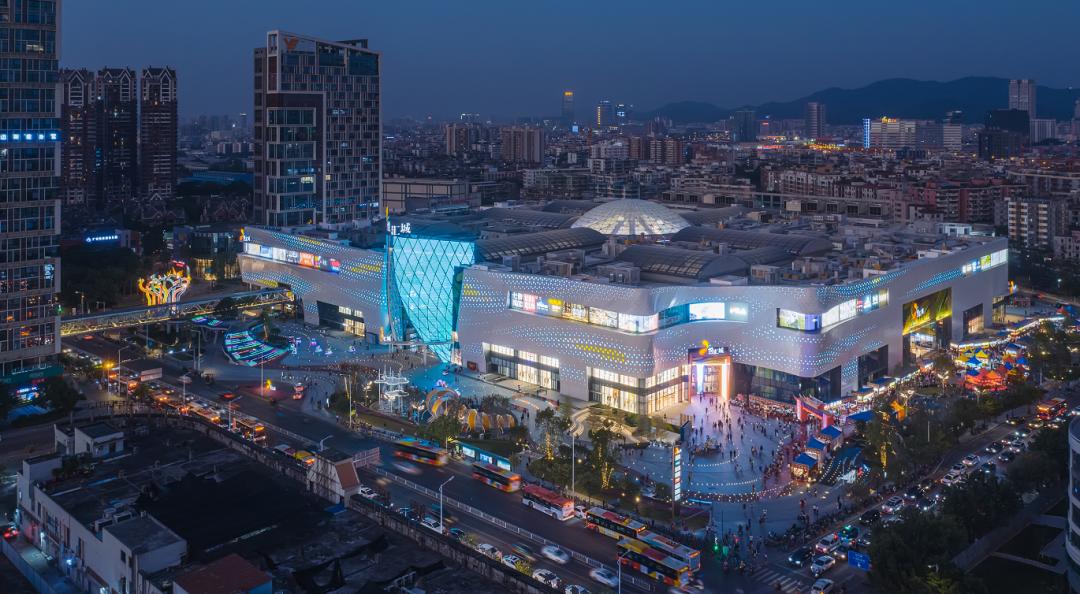
Economic Performance - Sichuan Province's GDP grew by 5.6% year-on-year in the first half of the year, with an acceleration of 0.1 percentage points compared to the first quarter [1] - The service sector's value added increased by 6.0%, contributing 62.3% to the overall economic growth [1] Consumer Trends - Chengdu's Dongjiao Memory Park has seen a significant increase in visitor numbers, with over 800 million visitors in the first half of 2025, following a trend of rapid growth [1] - During the May Day holiday, the park received over 600,000 visitors, a year-on-year increase of 15.6% [1] New Consumption Models - The park has introduced over 300 businesses in music, fashion, and other sectors, contributing to a vibrant consumer environment [3] - The opening of the 3rd Warehouse has attracted a diverse range of niche brands, enhancing the park's appeal [5][8] Cultural Integration - Dongjiao Memory Park combines festival economies with public art, creating a unique cultural experience that attracts visitors [9] - The park's public music initiative has hosted 106 performances, expanding the cultural offerings available to the public [11] Real Estate and Commercial Development - The park is part of a broader trend in Chengdu's real estate market, with innovative commercial spaces that integrate various entertainment and leisure activities [13] - The local government emphasizes the development of distinctive commercial landmarks to enhance urban consumption [13]
近四年社零总额平均增速达4.5%!广州培育建设国际消费中心城市四周年成绩亮眼
Guang Zhou Ri Bao· 2025-07-19 04:38
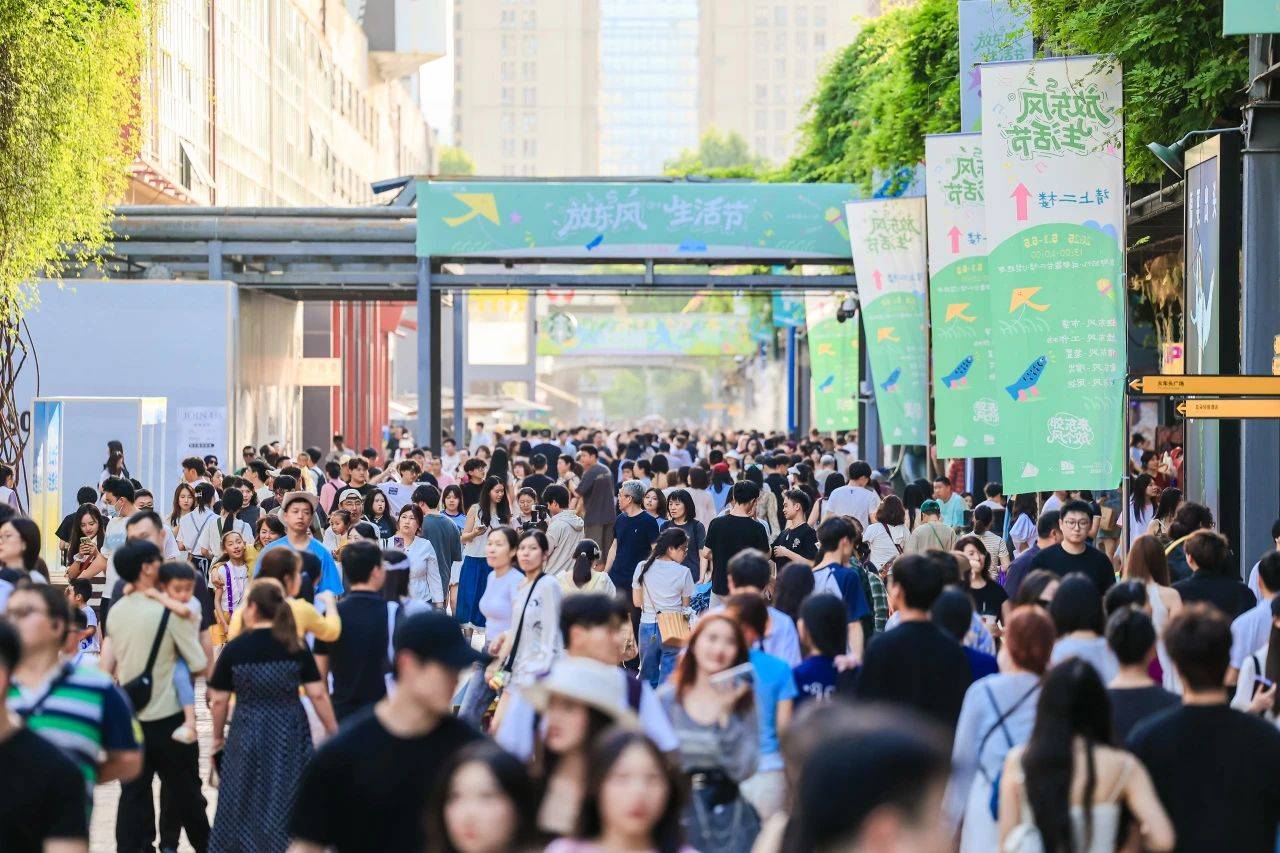
Core Insights - Guangzhou is making significant strides towards becoming a globally influential international consumption center, achieving a remarkable retail sales total of over 1 trillion yuan for four consecutive years since its approval for development in July 2021 [1] Group 1: International Influence and Economic Growth - Guangzhou's ranking in the GaWC world city index has improved from 34th to 22nd over the past four years, reflecting its growing international appeal [2] - The 137th China Import and Export Fair attracted 288,900 overseas buyers from 219 countries and regions, marking a 47.8% increase compared to the 125th fair in 2019 [2] - The city is expected to host over 23 million visitors for exhibitions in 2024, with a projected sports consumption scale of 63.125 billion yuan [2] Group 2: Retail Market Dynamics - In 2024, Guangzhou's total retail sales of consumer goods surpassed 1.1 trillion yuan, with an average growth rate of 4.5% over the past four years [4] - The service sector accounts for 73.66% of the retail market, indicating a high-quality consumption ecosystem [4] - The number of duty-free shops has increased from 76 in 2021 to over 600, enhancing the convenience of inbound consumption [4] Group 3: Tourism and Cultural Consumption - The inbound tourism market is recovering strongly, with 5.011 million overnight visitors expected in 2024, generating 3.57 billion USD in cultural tourism consumption, representing growth of 200% and 230% respectively since 2021 [3] - Guangzhou is set to host 427 million visitors for river cruises in 2024, showcasing the city's vibrant tourism scene [5] Group 4: Commercial Ecosystem and Infrastructure - Over 60 new commercial entities have been established in Guangzhou since 2021, expanding commercial space by 3.6308 million square meters [6] - The city is developing a comprehensive transportation network, with Baiyun International Airport expected to handle 76.369 million passengers in 2024, marking a historical high [8] - The railway system is projected to serve 260 million passengers in 2024, reflecting a 52% increase since 2021 [8] Group 5: Policy and Institutional Innovation - Guangzhou has implemented 130 pilot tasks for expanding service industry openness, achieving a 99.2% implementation rate [10][11] - The city is enhancing cross-border consumption through improved payment facilitation, with over 15,000 merchants accepting foreign cards [10]
释放暑期消费潜力,缤纷活动吸引广大市民游客好来、好玩、好购
Sou Hu Cai Jing· 2025-07-18 01:21
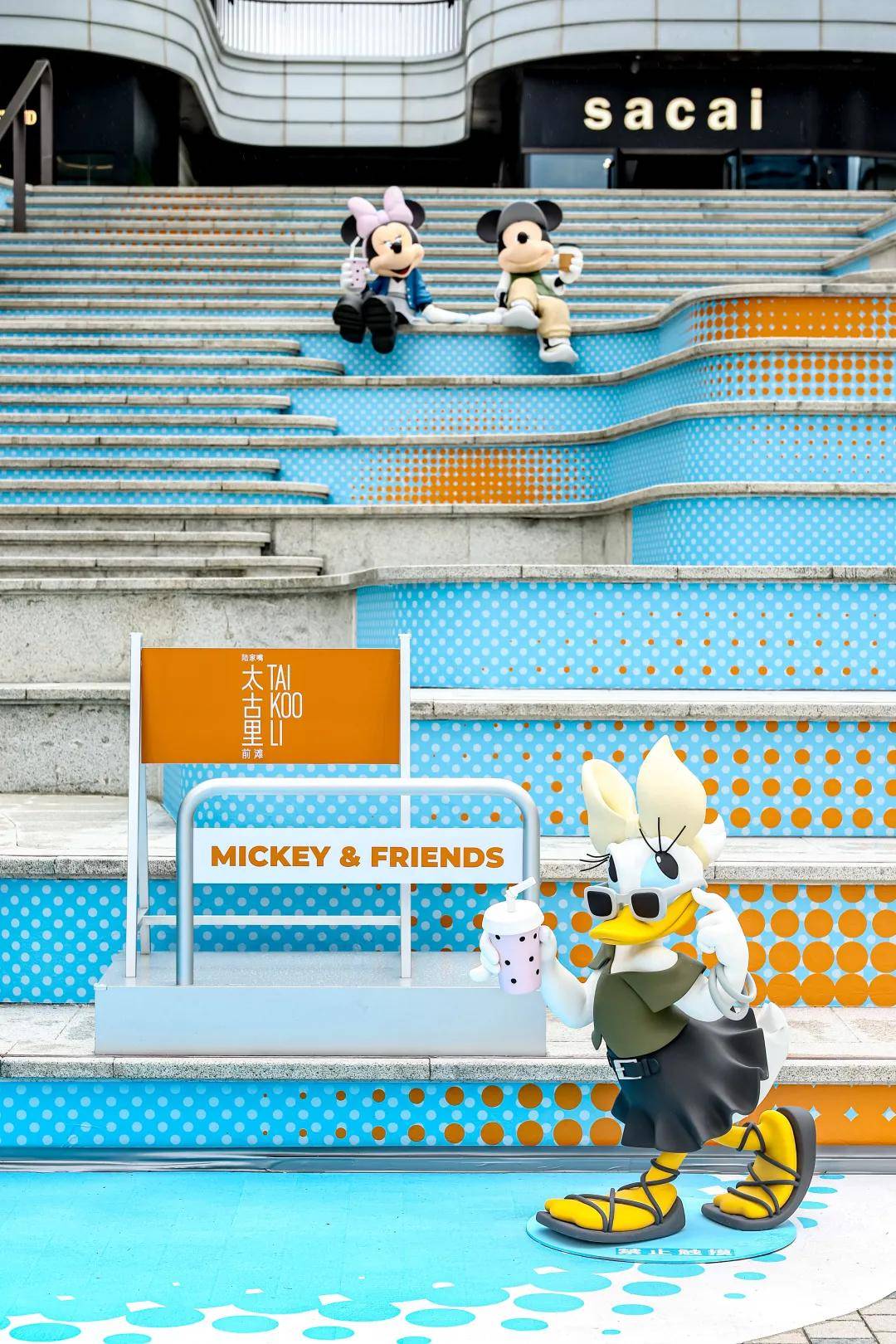
Group 1: Shanghai Summer Activities - The "2025 Shanghai Summer" international consumption season is currently underway, featuring a series of vibrant activities across Pudong to enhance summer tourism and consumption [1][10] - The "Let's PLAY well" summer theme event at the Front Beach Taikoo Li, in collaboration with Disney, offers a variety of immersive activities from now until August 31 [2][10] - The event includes a themed pool, pet park, music stage, and outdoor movie screenings, creating a unique summer experience for visitors [2][10] Group 2: Art Exhibitions and Installations - The "Zhu Zhu City" exhibition by French artist Jean Jullien marks his first major solo exhibition in China, held at the Huamu Time Center [11][17] - The exhibition features large outdoor art installations, including "THE DUEL" and "The Tank," which invite audience interaction and exploration of fantasy narratives [13][15][17] - The exhibition aims to engage visitors through immersive art experiences, showcasing Jullien's unique artistic language and storytelling [17][21] Group 3: Cultural Heritage and Artifacts - The "万象本色——'中国白・德化瓷'上海艺术大展" features the return of the "Treasure of the Fujian Pavilion," a Dehua porcelain piece valued at 560 million yuan, to Shanghai [22][24] - The exhibition showcases over 200 pieces of Dehua porcelain, highlighting its historical significance and innovative craftsmanship [26][27] - The event aims to present the contemporary interpretation of traditional Chinese culture through Dehua porcelain, emphasizing its artistic and cultural value [27]
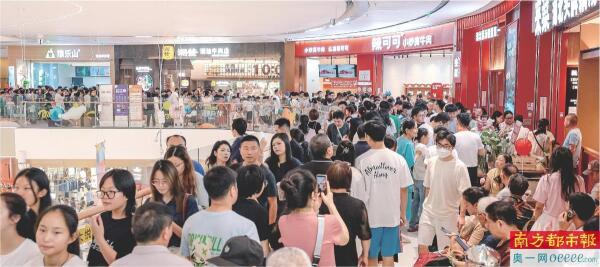
首店业态过半数 可带宠物逛商场
Nan Fang Du Shi Bao· 2025-07-17 23:11
Core Insights - Shenzhen's first Joy City opened on July 12, 2023, after 15 years of development, covering an area of 250,000 square meters, attracting over 420,000 visitors and generating nearly 20 million yuan in sales on its opening day [6][11] - The mall features a significant proportion of first stores and customized shops, with over 50% of its brands being new to the market, including notable names in the pet economy and family-oriented sectors [7][8] - Despite the initial success, consumer feedback indicates that while there are many dining options, they lack standout offerings compared to established competitors [10] Company Overview - Joy City is a commercial real estate platform under COFCO Group, known for its strong presence in northern China [11] - The opening of Joy City in Shenzhen marks a strategic move into a highly competitive market, with the Bao'an district being a key area for commercial development [11][12] Market Dynamics - The Bao'an district is projected to have nearly 40 commercial complexes by 2024, with a total commercial area exceeding 3.1 million square meters, making it the largest commercial hub in Shenzhen [11] - The competitive landscape is intensifying, with 21 new projects expected to open in Shenzhen by 2025, adding approximately 1.8625 million square meters of commercial space [11][12] - Differentiation in offerings and brand appeal will be crucial for new entrants like Joy City to succeed in this crowded market [12]